
 Worksheets
BODY SYSTEMS
Total questions: 80
Worksheet time: 1hrs 9mins
Name
Class
Date
1.
The main purpose of the ____________ system is to break food particles into pieces that can be used.
a)
circulatory
b)
respiratory
c)
digestive
d)
skeletal
2.
What is responsible for delivering oxygen and removing carbon dioxide from the body?
a)
cell nucleus
b)
excretory system
c)
nervous tissue
d)
respiratory system
3.
The __________ system directs the body to inner and outer changes.
a)
digestive
b)
circulatory
c)
nervous
d)
skeletal
4.
The __________ is the main organ of the nervous system.
a)
heart
b)
lungs
c)
brain
d)
skin
5.
___________ are the building blocks of life.
a)
cells
b)
legos
c)
blocks
d)
blood
6.
The circulatory system uses _________ to deliver oxygen to the rest of the body.
a)
blood cells
b)
lungs and nose
c)
blood vessels
d)
brain and spinal cord
7.
In multicellular organisms, tissues are comprised of _______.
a)
organs
b)
systems
c)
cells
d)
blood
8.
When tissues come together, they form ___________.
a)
cells
b)
atoms
c)
organs
d)
systems
9.
A(n) _________ is made of small parts connected together to make a whole.
a)
system
b)
problem
c)
evidence
d)
illustration
10.
Which of the following body systems work together for support, protection, and movement?
a)
respiratory and cardiovascular
b)
skeletal and muscular
c)
skeletal and integumentary
d)
digestive and respiratory
11.
Which of the following shows the levels of organization of an organism from LEAST to MOST complex.
a)
cells-tissues-systems-organs
b)
organs-cells-systems-tissues
c)
systems-organs-tissues-cells
d)
cells-tissues-organs-systems
12.

My spinal cord helps _________ travel between my brain and the nerves in my body.
a)
Memories
b)
Blood
c)
Waste
d)
Messages
13.
What system receives oxygen and gets rid of carbon dioxide?
a)
Heart
b)
Muscular System
c)
Veins
d)
Respiratory System
14.
Where does digestion start?
a)
stomach
b)
mouth
c)
esophagus
15.
The ______ is made up of a series of tubes and passages that transport the air you breathe.
a)
integumentary system
b)
respiratory system
c)
skeletal system
d)
circulatory system
16.
The _____ is the transport system made up of the heart, blood vessels, and blood
a)
respiratory system
b)
skeletal system
c)
circulatory system
d)
integumentary system
17.
Two or more types of tissues that together can form an _____.
a)
organ
b)
nervous
c)
connective
d)
immune
18.
Organs of this system include the kidneys and bladder
a)
Digestive
b)
Excretory
c)
Immune
d)
Skeletal
19.
These two systems interact to allow our bodies respond to the environment and to maintain homeostasis. (Hint - they both send messages and one is fast, one is slow)
a)
nervous and endocrine
b)
nervous and digestive
c)
endocrine and excretory
d)
respiratory and digestive
20.
Functions of this system include production of red blood cells, storage of minerals, support of the body, and protection of organs.
a)
Muscular
b)
Excretory
c)
Skeletal
d)
Nervous
21.
Which human body systems interact to produce movement of the body?
a)
Nervous and endocrine
b)
Skeletal and muscular
c)
Circulatory and digestive
d)
Excretory and nervous
22.
Which body systems work together to supply the body's cells with oxygen?
a)
Respiratory and immune
b)
Nervous and reproductive
c)
Circulatory and respiratory
d)
Endocrine and muscular
23.
Which body system is the 'slow response' system and uses hormones to bring about a response?
a)
Endocrine
b)
Immune
c)
Muscular
d)
Excretory
24.
What is the Circulatory System's main functions?
a)
Produces Oxygen
b)
expelling waste
c)
Transportation of nutrients and oxygen to cells and waste from cells
d)
Converting energy out of food
25.
What three systems work together to move the body?
a)
Skeletal, Muscular, Nervous
b)
Skeletal, Respiratory, Digestive
c)
Nervous, Circulatory, Skeletal
d)
Circulatory, Respiratory, Digestive
26.
How does the Circulatory System help the Muscular System?
a)
Protects muscles
b)
Sends messages to the muscles to contract
c)
Brings oxygen into the body
d)
Delivers nutrients and oxygen to muscle tissue
27.
The diaphragm is a muscle that interacts with the _____ system because it expands and relaxes your chest which pull air in and out of your lungs.
a)
nervous
b)
respiratory
c)
digestive
d)
endocrine
28.
The skeletal system interacts with the _____ system when it produces red blood cells.
a)
circulatory
b)
excretory
c)
digestive
d)
nervous
29.
The muscular system interacts with the ____ system as it helps break down and move the food we eat through our bodies.
a)
nervous
b)
digestive
c)
excretory
d)
endocrine
30.
Our brain is a part of our ____ system and it interacts with our muscular system to coordinate movements throughout our bodies.
a)
excretory
b)
digestive
c)
eyes
d)
nervous
31.
The muscular system interacts with the ____ system because the heart is a muscle and it pumps blood to every cell in our body.
a)
excretory
b)
endocrine
c)
digestive
d)
circulatory
32.
The endocrine system interacts with the _____ system because most hormones travel throughout our bodies in our blood.
a)
digestive
b)
circulatory
c)
excretory
d)
nervous
33.
The immune system interacts with the _____ system because most of the immune cells travel in the blood.
a)
muscular
b)
circulatory
c)
digestive
d)
respiratory
34.
Internal water balance is really important. When we have enough water in our bodies our urine is clear. When we need more water, our urine is darker yellow. This is regulated by the kidneys which are apart of the ___ system.
a)
excretory
b)
digestive
c)
nervous
d)
muscular
35.
In humans, the gases oxygen and carbon dioxide must be exchanged between the environment and cells. During this exchange, oxygen is delivered to the red blood cells so that they can function properly in the blood stream. Which two body systems are working together to achieve this goal?
a)
Endocrine and Reproductive
b)
Skeletal and Muscular
c)
Respiratory and Circulatory
d)
Digestive and Excretory
36.
Which is true about the excretory system?
a)
It helps you get rid of undigested food
b)
It helps your get rid of urine and extra water
c)
It excretes feces
d)
It excretes sugars
37.
Which of the following systems controls everything in your body?
a)
Digestive
b)
Endocrine
c)
Nervous
d)
Reproductive
38.
Of the following parts, which one does NOT belong to the brain?
a)
Cerebrum
b)
Cerebellum
c)
Pancreas
d)
Medulla Oblongata
39.
David has diabetes. His sugar level is often rising and lowering. Which body system is in charge of regulating his sugar levels?
a)
Excretory
b)
Endocrine
c)
Circulatory
d)
Nervous
40.
A young boy cuts his hand on a piece of glass. To prevent infection, white blood cells travel to the site of the cut through the bloodstream. During this response to injury, the circulatory system works with which body system?
a)
Muscular system
b)
Skeletal system
c)
Immune system
d)
Endocrine system
41.
Which of the following is most responsible for fighting disease and protecting the body from infection?
a)
Immune system
b)
Circulatory system
c)
Nervous system
d)
Respiratory system
42.
In the pharynx (throat) swallowing and breathing happens - at the branching point, the epiglottis directs food to the stomach and air to the lungs.
a)
digestive + immune
b)
digestive + respiratory
c)
digestive + endocrine
d)
digestive + circulatory
43.
Interaction results in absorbed nutrients and those nutrients being distributed throughout the body
a)
digestive + circulatory
b)
digestive + excretory
c)
digestive + nervous
d)
digestive + respiratory
44.
interaction results in chemical signals from one system being distributed to target glands of another system
a)
endocrine + respiratory
b)
endocrine + circulatory
c)
endocrine + nervous
d)
endocrine + digestive
45.
control & production of hormones & enzymes ..... secreted
a)
endocrine + digestive
b)
endocrine + respiratory
c)
endocrine + nervous
d)
endocrne + excretory
46.
blood circulates passing through kidneys / urea removed from blood / water conserved back to the blood by influence of a hormone (ADH).
a)
excretory + endocrine
b)
excretory + respiratory
c)
excretory + digestive
d)
excretory + nervous
47.
Blood is pumped throughout the body delivering oxygen and picking up carbon dioxide which is exhaled out when we breathe.
a)
circulatory + digestive
b)
Circulatory + respiratory
c)
circulatory + nervous
d)
circulatory + endocrine
48.
the speed of how fast food can move through the digestive track is controlled
a)
digestive + respiratory
b)
digestive + endocrine
c)
digestive + nervous
d)
digestive + immune
49.
disease fighting cells travel through blood vessels to attack pathogens
a)
immune + digestive
b)
immune + endocrine
c)
immune + circulatory
d)
immune + respiratory
50.
You eat nutritious food everyday to grow big and strong! The vitamins and minerals are regulated by one system and distributed by another.
a)
digestive + endocrine
b)
digestive + immune
c)
digestive + circulatory
d)
digestie + respiratory
51.
You have been exercising really hard - blood flow is super high and now the hypothalamus of your brain senses that you are TOO HOT! you begin to sweat so that you can cool off. aaah....
a)
nervous + circulatory
b)
nervous + respiratory
c)
nervous + immune
d)
nervous + endocrine
52.
Oxygen moves from the lungs to the blood and carbon dioxide moves from the blood to the lungs.
a)
muscular, circulatory
b)
respiratory, muscular
c)
respiratory, circulatory
d)
nervous, circulatory
53.
Breathing rate increases during exercise to help meet the increased oxygen demand by skeletal muscles.
a)
respiratory, circulatory
b)
muscular, skeletal
c)
respiratory, skeletal
d)
respiratory, muscular
54.
The respiratory system removes the waste carbon dioxide from the body.
a)
muscular, circulatory
b)
nervous, circulatory
c)
respiratory, muscular
d)
respiratory, circulatory
55.
Blood carries digested nutrients to body cells.
a)
endocrine, digestive
b)
respiratory, reproductive
c)
circulatory, digestive
d)
muscular, digestive
56.
Shivering is what type of feedback?
a)
negative
b)
positive
c)
bad
d)
good
57.
Hormones _____
a)
regulate the body
b)
stop the body from sleeping
c)
wake you up
d)
make you eat
58.
In humans, the gases oxygen and carbon dioxide must be exchanged between the environment and cells. During this exchange, oxygen is delivered to the red blood cells so that they can function properly in the blood stream. Which two body systems are working together to achieve this goal?
a)
Digestive system and circulatory system
b)
Endocrine system and respiratory system
c)
Integumentary system and immune system
d)
Respiratory sytem and circulatory system
59.
Dialysis is a medical treatment used when a person’s kidneys are no longer able to function. During this process, a machine uses an artificial membrane to remove waste products from the blood. Which body system below is not functioning properly in a person who requires dialysis?
a)
Endocrine system
b)
Integumentary system
c)
Excretory system
d)
Circulatory system
60.
As a runner begins to run a race, his or her respiration rate will increase. The runner begins to breathe deeper and at a rapid rate. In addition, the heart beats more quickly. This will result in more oxygen delivered to the muscle cells. Which two body systems are working together to help out the muscle cells?
a)
Immune system and lymphatic system
b)
Respiratory system and circulatory system
c)
Digestive system and integumentary system
d)
Lymphatic system and immune system
61.
During the process of nutrient absorption in animals, which two body systems are most responsible for breaking down food into smaller pieces and distributing the nutrients to body cells?
a)
Endocrine system and immune system
b)
Digestive system and circulatory system
c)
Nervous system and digestive system
d)
Muscular system and digestive system
62.

Organs of this system include the kidneys and bladder
a)
Digestive
b)
Excretory
c)
Immune
d)
Skeletal
63.

Movement of the body need ...
a)
Nervous and endocrine
b)
Skeletal and muscular
c)
Circulatory and digestive
d)
Excretory and nervous
64.

2 body systems work together to supply the body's cells with oxygen?
a)
Respiratory and immune
b)
Nervous and reproductive
c)
Circulatory and respiratory
d)
Endocrine and muscular
65.

2 body systems work together to break down food into energy and eliminate waste
a)
Skeletal and endocrine
b)
Digestive and excretory
c)
Nervous and immune
d)
Muscular and skeletal
66.
A student was playing with his little brother who had stayed home from school sick because he got infected with the flu. The student had his flu vaccine so he did not get sick because his antibodies and white blood cells were circulated through the blood to fight an infection.
WHICH BODY SYSTEMS?
WHICH BODY SYSTEMS?
a)
circulatory and immune
b)
excretory and digestive
c)
digestive and nervous
d)
nervous and endocrine
67.
Patients who experience kidney failure usually have to go for dialysis because the kidneys are no longer able to filter their blood. During dialysis the patients blood is pumped through the dialysis machine and artificially filtered. The circulation of blood is no longer natural.
WHICH BODY SYSTEMS?
WHICH BODY SYSTEMS?
a)
digestive and excretory
b)
circulatory and excretory
c)
excretory and nervous
d)
nervous and even more nervous
68.
The circulatory system works with the ________________ system to bringing nutrients to the cells.
a)
digestive
b)
endocrine
c)
reproductive
d)
skeletal
69.
The nervous system works with the ______________________ system by signalling the body to sweat, thereby maintaining homeostasis.
a)
integumentary
b)
circulatory
c)
muscular
d)
skeletal
70.
The nervous system works with the ________________ system to release hormones in the body.
a)
skeletal
b)
endocrine
c)
reproductive
d)
integumentary
71.
The excretory system works with the _______________ system to get rid of CO2.
a)
muscular
b)
reproductive
c)
respiratory
d)
nervous
72.
If the environment gets cold, we will often shiver in order to:
a)
keep body temperature the same as the external temperature
b)
decrease body temperature
c)
increase body temperature
d)
regulate blood pressure
73.
Homeostasis in the human body is often maintained by a:
a)
neutral feedback loop
b)
solar feedback loop
c)
positive feedback loop
d)
negative feedback loop
74.
The maintenance of an organism’s internal environment is called:
a)
compensating
b)
homeostasis
c)
balancing
d)
routine
75.
The "cause" for something to happen is the
a)
response
b)
effect
c)
stimulus
d)
homeostasis
76.
The "effect" of a given stimulus is the...
a)
response
b)
stimulus
c)
cause
d)
result
77.
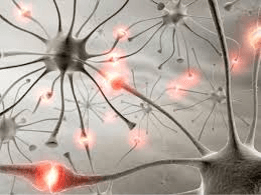
a body system that controls and coordinates all body activities through electric impulses/messages between brain, spinal cord and nerves.
a)
endocrine system
b)
nervous system
c)
nerve
d)
neuron
78.

organ of the endocrine system that secretes hormones.
a)
heart
b)
gland
c)
brain
d)
skin
79.
What is the largest outer defense of the body?
a)
Stomach Acid
b)
Mucous Membranes
c)
Cilia
d)
Skin
80.
Which of the following is a stimulus?
a)
Drop in temperature
b)
Thermoreceptor
c)
muscle cell
d)
motor neuron
100 %

