Wayground logo

Free Printable Worksheets

Font size

S
M
L
XL
Worksheets

Biology ETA Review

Total questions: 75

Worksheet time: 2hrs 38mins

Name
Class
Date
1.
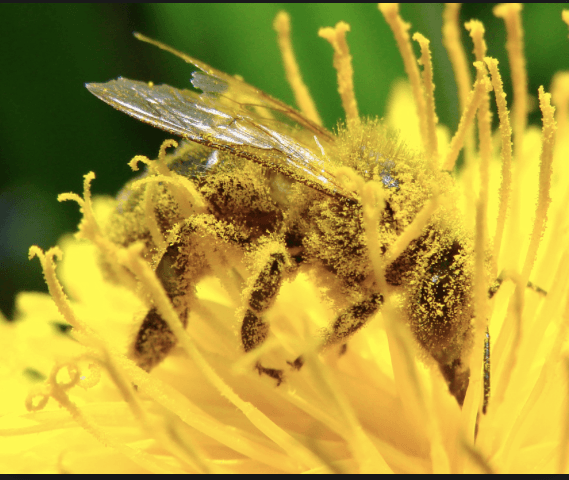
Why do bees go to flowers?
a)
to collect nectar and pollen
b)
to keep warm during the winter
c)
to find other bees
d)
to work together
2.

___________________ is the transfer of pollen grain from the anther to the stigma within one flower or between flowers of the same kind.

a)

Reproduction

b)

Pollination

c)

Flowering

d)

Germination

3.

Which part of plant holds the leaves, flowers and fruits?

a)

stem

b)

roots

c)

leaves

4.
a)

Leaves

b)

Flower

c)

Seed

5.
a)

Stem

b)

Leaves

c)

Roots

6.

It makes food and usually green in color

a)

roots

b)

leaves

c)

flower

7.
a)

Fruit

b)

leaf

c)

stem

8.

It gets water and nutrient from the soil

a)

flower

b)

roots

c)

fruits

9.
a)

Seed

b)

Flower

c)

Stem

10.

It contains seeds and can be eaten

a)

Fruit

b)

Flower

c)

Stem

11.
a)

leaves

b)

Stem

c)

Roots

12.

It becomes the fruit and it makes surrounding beautiful with its different colors.

a)

Roots

b)

Fruits

c)

Flowers

13.

The leaf prepares food for the plant.

a)

True

b)

False

14.

A leaf is green because it has chlorophyll.

a)

True

b)

False

15.

Leaves absorb sunlight.

a)

True

b)

False

16.

How do you call the part that is the tip of the leaf?

a)

Leaf apex

b)

Leaf margin

c)

Vein

d)

Mid vein

e)

Leaf blade

17.

How do you call the part that joins the leaf to the stem?

a)

Leaf margin

b)

Petiole

c)

Vein

d)

Mid vein

e)

Leaf blade

18.

How do you call the part that is the central rib of the leaf?

a)

Leaf margin

b)

Petiole

c)

Vein

d)

Mid vein

e)

Leaf blade

19.

How do you call the part that is the edge of the leaf?

a)

Vein

b)

Petiole

c)

Leaf margin

d)

Mid vein

e)

Leaf blade

20.

What part of the plant is this?

a)

Leaf

b)

Seed

21.
What is #1 pointing to?
a)
ovary
b)
petal
c)
stigma
d)
stamen
22.

What is the name of flower part #2 ?

a)

stigma

b)

style

c)

anther

d)

sepal

23.

What is the name of flower part #4 ?

a)

stamen

b)

ovary

c)

peduncle

d)

ovule

24.

What is the name of flower part #5 ?

a)

anther

b)

style

c)

stigma

d)

filament

25.

What is the name of flower part #6 ?

a)

pollen tube

b)

style

c)

receptacle

d)

anther

26.

What is the name of flower part #8 ?

a)

stigma

b)

receptacle

c)

ovule

d)

ovary

27.

What is the name of flower part #10 ?

a)

sepal

b)

pollen tube

c)

filament

d)

stigma

28.

What is the name of flower part #12 ?

a)

style

b)

ovule

c)

stamen

d)

pistil

29.

This contains all the female parts of the flower?

a)

pistil

b)

stamen

c)

stigma

d)

sepal

30.

The grains that contain the male sex cell?

a)

Anther

b)

pollen

c)

ovule

d)

petal

31.
What plant part is shown here?
a)
roots
b)
flower
c)
stem
d)
leaf
32.
What do the roots of a plant do?
a)
take in sunlight for the plant
b)
make food for the plant
c)
take in water and nutrients
d)
none of the above
33.

The part of a plant that grows underground.

a)

root

b)

stem

c)

leaf

34.

What is the primary function of a plant's roots?

a)

To protect the plant from insects that live in the ground

b)

To keep the soil from washing away

c)

To help the plant get food

d)

To help the plant eat soil

35.

What type of root system does this onion have?

a)

Tap Root

b)

Fibrous Root

36.

What type of root system does this corn have?

a)

Tap Root

b)

Fibrous Root

37.

Which of the following are types of pollinators?

A) wind

B) Insects

C) Bees

D) Birds and Bats

a)

B only

b)

A and B only

c)

All of the above

d)

D and C only

38.
Pollination is the process by which pollen
a)
causes people to sneeze
b)
is formed inside a plant
c)
moves from stamen to pistil
39.
What is the sticky part of the flower that catches pollen?
a)
style
b)
stigma
c)
ovary
d)
petal
40.

What is an ovary?

a)

first an egg, the female part of the flower that becomes a fruit

b)

the female part of the flower that accepts the pollen

c)

the male part of the flower that produces pollen

d)

another name for the stem of the plant

41.

What is one thing all seeds need in order to start growing?

a)

wind

b)

dirt

c)

water & sunlight

42.
What do you need for photosynthesis to take place?
a)
water
b)
sunlight
c)
carbon dioxide and chlorophyll
d)
all of the above
43.

What is D?

a)

Anther

b)

Ovules

c)

petals

d)

Stigma

44.
What color is chlorophyll?
a)
Green
b)
Purple
c)
Blue
d)
Red
45.
Where does most energy in an ecosystem come from?
a)
Plants
b)
Air
c)
The sun
d)
Animals
46.

How do you know if something is a fruit?

a)

If it has a flower

b)

If it has seeds

c)

If it is green

d)

If the grocery man says it is

47.

Why do flowers smell nice and they're colored bright?

a)

So that they can make fruit

b)

So that they can pollinate

c)

So that they can attract birds and bees

48.

Herbivores are a type of consumer. They eat...

a)

only meat

b)

only plants

c)

both meat and plants

49.

True or False: the amount of energy decreases every time it is transferred from one organism to another?

a)

True

b)

False

50.
Which of the following is NOT a consumer
a)
grass
b)
dog
c)
shark
d)
fish
51.

A frog eats a fly. The frog and fly are demonstrating ________.

a)

mutualism

b)

competition

c)

predator/prey

d)

parasitism

52.

What are the organisms that break down dead stuff?

a)

Producers

b)

Consumers

c)

Decomposers

d)

Organisms

53.

Which of these organisms would receive energy from the snake?

a)

Plant

b)

Rabbit

c)

Mouse

d)

Hawk

54.
An animal that eats other animals is a....
a)
carnivore
b)
omnivore
c)
herbivore
d)
decomposer
55.

a system of food chains that shows the transfer of energy is termed

a)

food web

b)

food chain

c)

prey

d)

predator

56.
What is the study of the interactions among organisms and  between organisms and their environments called?
a)
Biology
b)
Ecology
c)
Astronomy
d)
Biosphere
57.
Which of these is an example of an autotroph?
a)
Sunflower
b)
Krill
c)
Leopard
d)
Hummingbird
58.
What does every food chain start with?
a)
producers
b)
sun
c)
consumer
d)
decomposers
59.
Consumer that eats plants
a)
heterotroph
b)
herbivore
c)
producer
d)
community
60.
 Hermit crabs live in shells made and then abandoned by snails. This relationship neither helps nor harms the snails.
a)
parasitism
b)
commensalism
c)
mutualism
61.
A cuckoo may lay its eggs in a warbler's nest.  The cuckoo's young will displace (or move) the warbler's young and will be raised by the warbler.  
a)
Parasitism
b)
Commensalism
c)
Predation
d)
Competition
62.
Ostriches and Gazelles feed next to each other.  They both watch for predators and alert each other to danger.  Since the visual abilities of the two species are different, they can each identify threats the other animal would not as readily see.  
a)
Parasitism
b)
Commensalism
c)
 Mutualism 
d)
Competition.  
63.
 The stork uses it saw-like bill to cut up the dead animals it eats. As a result, the dead animal carcass is accessible to some bees for food and egg laying. The relationship neither harms nor benefits the stork.
a)
parasitism
b)
commensalism
c)
mutualism
64.
Yucca flowers are pollinated by yucca moths. The moths lay their eggs in the flowers where the larvae hatch and eat some of the developing seeds.  
a)
Mutualism
b)
Commensalism
c)
Parasitism
d)
Competition
65.
Rabbits and sheep both graze on shrubs, grasses, and other plants.  The increase in the population of rabbits in a region may result in a shortage of plants for sheep to graze upon.  After the increase of rabbits the relationship between sheep and rabbits will be __________.
a)
Competition
b)
Predation
c)
Mutualism
d)
Parasitism
66.
Mistletoe extracts water and nutrients from the spruce tree to the trees detriment.  
a)
Parasitism
b)
Mutualism
c)
Commensalism
d)
Predation
67.

Sharks consume (eat) smaller fish they catch in the ocean. Frogs catch and eat flying insects in ponds. What type of relationship is this?

a)

mutulism

b)

predation

c)

parasitism

d)

interspecific

68.
Sloth’s and monkeys share the same tropical habitat.  Deforestation is occurring limiting the space for these two species.  What will now occur between the two species?
a)
Mutualism
b)
Parasitism
c)
Cooperation
d)
Competition
69.
An interaction among species where one organism hunts, kills, and eats another organism.
a)
Predation
b)
Cooperation
c)
Mutualism
d)
Parasitism
70.
Trophic levels are represented by 
a)
squares
b)
circles
c)
pyramids
d)
lines
71.
Which animal is the apex predator?
a)
hawk
b)
lizard
c)
snake
d)
grass
72.
Which animal is not the apex predator but, a predator to a mouse?
a)
hawk
b)
rabbit
c)
snake
d)
grass
73.
Why is a shark a carnivore.
a)
because it eats seaweed
b)
because it eats dead animals
c)
because it eats sand 
d)
because it eats other animals
74.
Eat primary consumers (can be carnivores and omnivores)
a)
Tertiary Consumers
b)
Secondary Consumers
c)
Quaternary Consumers 
d)
Top Predators 
75.
An organism that obtains energy by consuming plants and animals.
a)
Omnivores
b)
Carnivores
c)
Herbivores
d)
Humans