
 Worksheets
Post Test Review
Total questions: 87
Worksheet time: 2hrs 1mins
Name
Class
Date
1.

What part of the water cycle does this picture show?
a)
condensation
b)
precipitation
c)
evaporation
2.
Which of these is an example of precipitation?
a)
snow
b)
air
c)
clouds
d)
vapor
3.
Which best explains why runoff is important?
a)
It returns water to other locations on Earth
b)
It increases the chance of flooding
c)
It makes evaporation occur faster
d)
It increases condensation
4.
Snow, sleet, hail, and rain are all examples of ________________.
a)
evaporation
b)
condensation
c)
accumulation
d)
precipitation
5.

What is it called when WATER is FORMED from an LIQUID to a WATER VAPOR Oor an [GAS]?
a)
EVAPORATION
b)
PRECIPITATION
c)
TRANSPIRATION
6.
When water _________, dew forms.
a)
Melts
b)
Evaporates
c)
Condenses
d)
Precipitates
7.
What is the water cycle?
a)
the 3 forms of water
b)
the movement of water on, above, or below the surface of the Earth
c)
when water melts
d)
when clouds form
8.
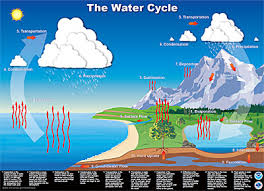
During which stage do clouds form?
a)
condensation
b)
evaporation
c)
precipitation
9.
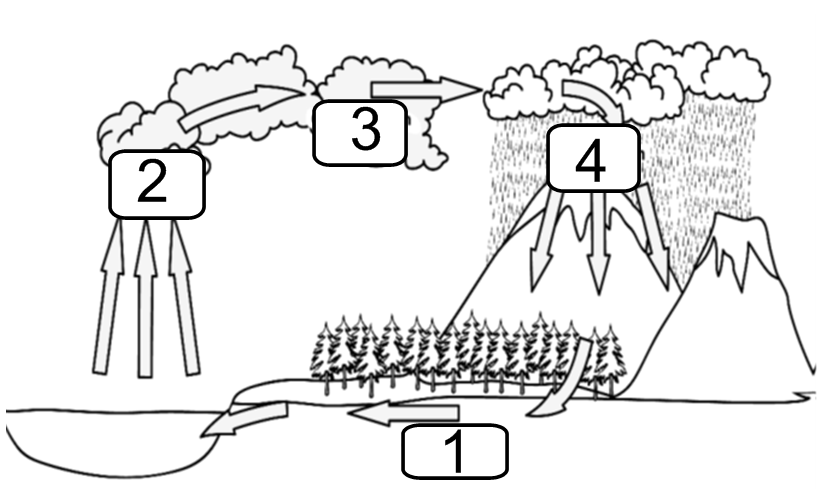
Which stage does the #2 show in the diagram?
a)
condensation
b)
evaporation
c)
precipitation
d)
run off
10.

Which stage does the #3 show in the diagram?
a)
condensation
b)
evaporation
c)
precipitation
d)
run off
11.

what does the #4 show in the diagram?
a)
condensation
b)
evaporation
c)
precipitation
d)
run off
12.

what does this tool measure?
a)
wind direction
b)
wind speed
c)
air temperature
d)
humidity
13.
What is the process during which water cools and turns from a gas to a liquid?
a)
Codensation
b)
Runoff
c)
Precipitation
d)
Evaporation
14.
The first step in the water cycle
a)
evaporation
b)
condensation
c)
precipitation
d)
there is no first step
15.
Any type of liquid or solid water that falls to earth's surface
a)
evaporation
b)
condensation
c)
precipitation
d)
runoff
16.
The ________ is the driving force of the earth's surface.
a)
sun
b)
moon
c)
stars
17.
The water cycle has no start or end
a)
true
b)
false
18.
Precipitation occurs because
a)
the droplets evaporate in the air
b)
the droplets are too light for the air to hold
c)
the droplets are too heavy for the air to hold
19.
97% of the Earth's water is located in....
a)
ground wat
b)
the ocean
c)
lakes, rivers, and streams
d)
glaciers
20.
What is evaporation?
a)
The part of the water cycle when the sun heats up water, turning it from a liquid into water vapor or steam. It rises from the ground into the air.
b)
The part of the water cycle when the water vapor in the air gets cold. The water turns back into a liquid and forms clouds.
c)
The part of the water cycle when clouds get heavy and can no longer hold the liquid water. This causes the water to fall from the sky to the earth as rain, snow, sleet, or hail.
21.
What is condensation?
a)
The part of the water cycle when the sun heats up water, turning it from a liquid into water vapor or steam. It rises from the ground into the air.
b)
The part of the water cycle when the water vapor in the air gets cold. The water turns back into a liquid and forms clouds.
c)
The part of the water cycle when clouds get heavy and can no longer hold the liquid water. This causes the water to fall from the sky to the earth as rain, snow, sleet, or hail.
22.
What is precipitation?
a)
The part of the water cycle when the sun heats up water, turning it from a liquid into water vapor or steam. It rises from the ground into the air.
b)
The part of the water cycle when the water vapor in the air gets cold. The water turns back into a liquid and forms clouds.
c)
The part of the water cycle when clouds get heavy and can no longer hold the liquid water. This causes the water to fall from the sky to the earth as rain, snow, sleet, or hail.
23.
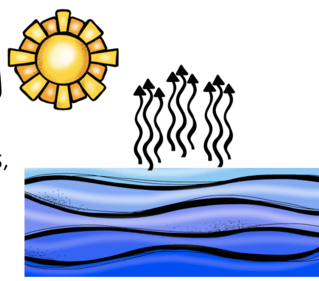
Evaporation happens when the sun ___________ water and turns it into vapor.
a)
cools
b)
heats up
c)
freezes
d)
lights up
24.
Which of these is not an example of precipitation?
a)
rain
b)
clouds
c)
sleet
d)
snow
25.
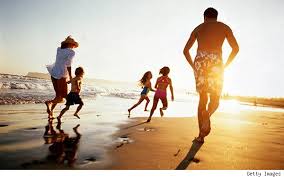
The sun shines down on this family as the play on the beach.
a)
conduction
b)
convection
c)
radiation
26.

A group of friends gather around a fire to stay warm.
a)
conduction
b)
convection
c)
radiation
27.
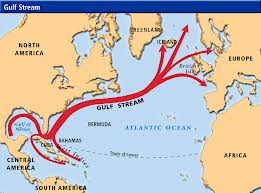
The Gulf Stream is a current that brings warm ocean water from the south to the north.
a)
conduction
b)
convection
c)
radiation
28.

Walking on the warm sand sand with your bare feet.
a)
conduction
b)
convection
c)
radiation
29.

Blow drying your wet hair.
a)
conduction
b)
convection
c)
radiation
30.

Which direction will the heat flow while this person holds a hot cup of tea?
a)
from the cup to her hand
b)
from her hand to the cup
c)
no heat is transferred
31.
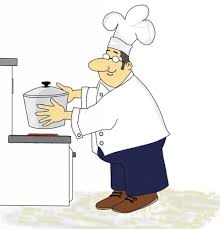
The man goes to take the hot pot off the stove with his bare hands.
a)
conduction
b)
convection
c)
radiation
32.
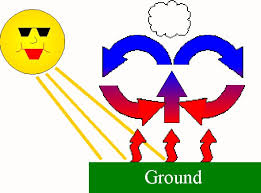
Warm air rises and the cool air sinks.
a)
conduction
b)
convection
c)
radiation
33.
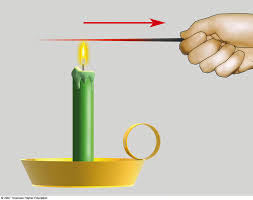
The candle will slowly heat the metal and transfer the heat directly to the mans hand.
a)
conduction
b)
convection
c)
radiation
34.
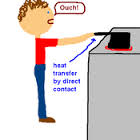
Johnny accidentally grabbed the handle of the hot pot.
a)
conduction
b)
convection
c)
radiation
35.

The warm air from this heater creates a current when the warm air rises and the cold air sinks.
a)
conduction
b)
convection
c)
radiation
36.
What is the definition of CONDUCTION?
a)
When heat is transferred from objects like rays of light or electromagnetically.
b)
a hot liquid or air that expands, becomes less dense, and rises or becomes more dense, and sinks.
c)
When heat transfers from objects that are touching.
d)
When heat transfers through the heater or AC in your house.
37.
What kind of heat transfer happens when the sun is heating your body?
a)
Conduction
b)
Radiation
c)
Convection
d)
Density
38.
Near the ceiling of a room the air is warmer; the warm air rises because of
a)
conduction
b)
convection
c)
radiation
39.
A chair is several feet from a fireplace. The side of the chair facing the fireplace gets warm due to
a)
conduction
b)
convection
c)
radiation
40.
What is the definition of CONDUCTION?
a)
When heat is transferred from objects like rays of light or electromagnetically.
b)
a hot liquid or air that expands, becomes less dense, and rises or becomes more dense, and sinks.
c)
When heat transfers from objects that are touching.
d)
When heat transfers through the heater or AC in your house.
41.
What is the definition of RADIATION
a)
hot liquid or air that expands, becomes less dense, and rises or becomes more dense, and sinks.
b)
When heat is transferred from objects like rays of light or electromagnetically.
c)
When heat transfers from objects that are touching.
d)
When heat transfers through the heater or AC in your house.
42.
What is the definition of CONVECTION
a)
When heat transfers through the heater or AC in your house.
b)
When heat transfers from objects that are touching.
c)
a hot liquid or air that expands, becomes less dense, and rises or becomes more dense, and sinks.
d)
hot liquid or air that expands, becomes less dense, and rises or becomes more dense, and sinks.
43.
Which term describes a circulation of air or water that is caused by uneven heating?
a)
convection current
b)
conduction current
c)
radiation current
d)
emission current
44.
The ozone is in the stratosphere layer of the atmosphere. The purpose of the ozone is
a)
To generate heat for the earth
b)
To protect earth from the harmful solar radiation
c)
To produce weather
d)
To allow satellites to circle the earth
45.

Which statement best describes the difference between weather and climate?
a)
Weather is the conditions when you look outside while climate is the conditions you can expect for the next 6 months.
b)
Climate is the current condition outside while weather is what you can expect for the next 6 months.
46.
____________ air sinks/falls because it is ____________dense.
a)
Cold, More
b)
Warm, Less
c)
Cold, Less
d)
Warm, More
47.
____________ air rises because it is ____________dense.
a)
Cool, Less
b)
Warm, Less
c)
Cold, More
d)
Warm, More
48.
The weight of air as it presses down on Earth's surface
a)
front
b)
air pressure
c)
air mass
d)
evaporation
49.
The place where two air masses meet.
a)
air mass
b)
air pressure
c)
water cycle
d)
front
50.
The conditions of the atmosphere at a certain time and place.
a)
weather
b)
climate
c)
precipitation
d)
atmosphere
51.

the amount of water vapor in the air
a)
warm front
b)
precipitation
c)
humidity
d)
air pressure
52.
What is the weather conditions in an area over a long period of time?
a)
climate
b)
temperature
c)
elevation
d)
precipitation
53.
Changes from minute-to-minute, hour-to-hour, day-to-day
a)
Climate
b)
Weather
54.
A tornado warning was issued for Kansas City this morning.
a)
Climate
b)
Weather
55.
Texas has long, hot summers.
a)
Climate
b)
Weather
56.
It snowed for three days last week.
a)
Climate
b)
Weather
57.
Surface currents are a result of
a)
Global Wind Patterns
b)
Earth's Rotation
c)
Density
d)
All of the above
58.
Deep Ocean currents are a result of
a)
Global Wind Patterns
b)
Earth's Rotation
c)
Density
d)
All of the above
59.
What happens to a current when it comes in contact with a continent or landmass?
a)
It continues over the continent
b)
It stops
c)
It changes direction
d)
It is absorbed by the land
60.
Warm ocean currents generally come from
a)
The North Pole
b)
The South Pole
c)
The Equator
d)
Both A and B
61.
Cold ocean currents generally come from
a)
The North Pole
b)
The South Pole
c)
The Equator
d)
Both A and B
62.
Two types of water currents are
a)
local and global
b)
sea and land
c)
surface and deep
d)
warm and cold
63.
Ocean currents have an affect on which two things
a)
climate and weather
b)
temperature and density
c)
land and sea
d)
equator and poles
64.
What process brings the deep cold ocean currents up to the surface?
a)
Conduction
b)
Global Wind Patterns
c)
Convection Currents
d)
Temperature and salinity
65.
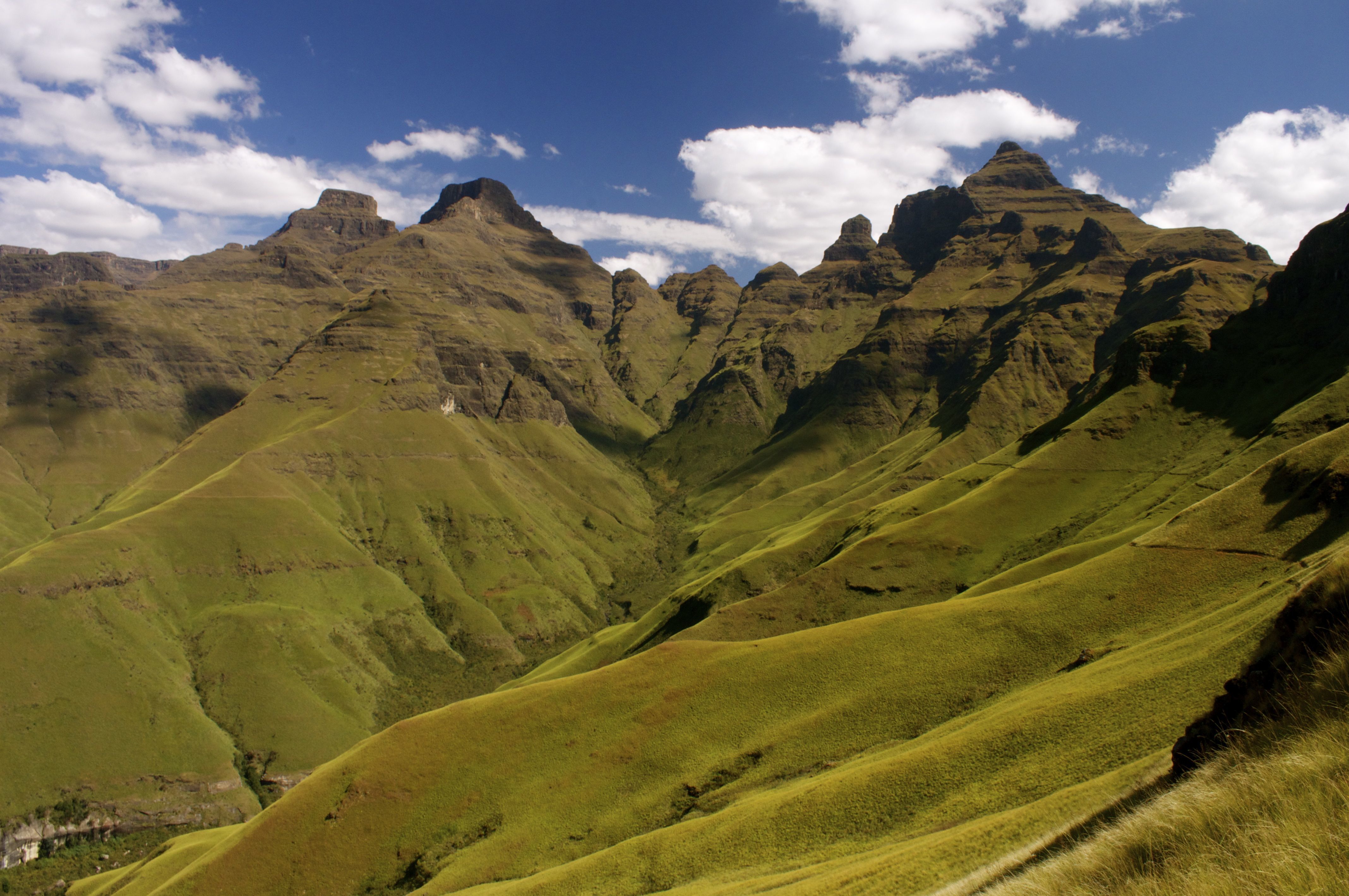
This sphere includes the continents, the ocean floor, all the rocks on the surface, and all of the sand in the deserts.
a)
Hydrosphere
b)
Biosphere
c)
Atmosphere
d)
Geosphere
66.

Composed of all the water on or near the earth
a)
Hydrosphere
b)
Biosphere
c)
Atmosphere
d)
Geosphere
67.
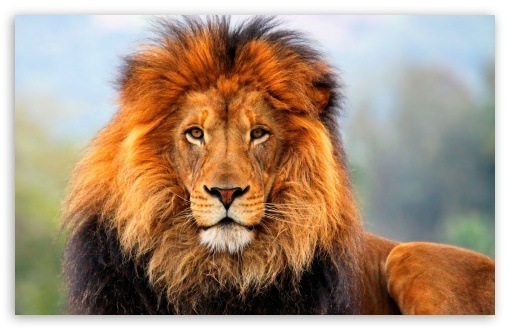
This sphere is composed of all the living things
a)
Hydrosphere
b)
Biosphere
c)
Atmosphere
d)
Geosphere
68.

Body of air surrounding our planet.
a)
Hydrosphere
b)
Biosphere
c)
Atmosphere
d)
Geosphere
69.
Water evaporating from the surface of a lake moves from the...
a)
Atmosphere to the geosphere
b)
Geosphere to the hydrosphere
c)
Hydrosphere to the atmosphere
d)
Atmosphere to the hydrosphere
70.
When living things breathe, they interact with which of Earth's spheres?
a)
Geosphere
b)
Hydrosphere
c)
Atmosphere
d)
Biosphere
71.
Oceans, rivers, lakes, and the moisture in the air are all part of which of Earth's spheres?
a)
Hydrosphere
b)
Biosphere
c)
Atmosphere
d)
Geosphere
72.

When a plants takes carbon dioxide from the air which two spheres are interacting?
a)
Biosphere and atmosphere
b)
Geosphere and atmosphere
c)
Hydrosphere and atmosphere
d)
Atmosphere and atmosphere
73.
The hydrosphere includes
a)
water
b)
ice
c)
dogs
d)
lava
74.
All of the following are examples of the biosphere except
a)
plants
b)
animals
c)
bacteria
d)
air
75.
The cryosphere includes all but
a)
ice
b)
snow
c)
liquid water
d)
permafrost
76.

This is part of the....
a)
Geosphere
b)
Hydrosphere
c)
Biosphere
d)
Cryosphere
77.
Which of these answers describes Earth’s atmosphere?
a)
all living and once-living things
b)
the mixture of gases that surrounds Earth
c)
a mixture of nickel and iron below the mantle
d)
all the salt and fresh liquid water on Earth’s surface
78.
Which of followings is NOT an example of Hydrosphere?
a)
Ocean water
b)
Clouds
c)
Underground water
d)
None of the above
79.
Where is most of Earth's water found?
a)
rivers
b)
oceans
c)
glaciers
d)
groundwater
80.
In which layer of the atmosphere does weather occur?
a)
Mesosphere
b)
Thermosphere
c)
Stratosphere
d)
Troposphere
81.
What decreases as you go up in the atmosphere?
a)
Altitude
b)
Atmosphere
c)
Meteors
d)
Air Pressure
82.
What is the lowest main layer of Earth's atmosphere?
a)
Thermosphere
b)
Troposphere
c)
Stratosphere
d)
Mesosphere
83.
What is the outer most main layer of Earth's atmosphere?
a)
Thermosphere
b)
Troposphere
c)
Stratosphere
d)
Mesosphere
84.
What is the second lowest main layer of Earth's atmosphere?
a)
Thermosphere
b)
Troposphere
c)
Stratosphere
d)
Mesosphere
85.
Describe how the ozone layer protects the earth.
a)
Absorbs solar radiation, Protects Earth from UV Rays, and emits heat
b)
Ozone in the lower atmosphere is a pollutant
86.
The force that air exerts on all objects is called-
a)
density
b)
altitude
c)
infrared radiation
d)
air pressure
87.
Which layer of the atmosphere contains the ozone layer?
a)
Mesosphere
b)
Stratosphere
c)
Ionosphere
d)
Exosphere
100 %

