
 Worksheets
Honors Biology Final A
Total questions: 130
Worksheet time: 1hrs 24mins
Name
Class
Date
1.
A fat that contains only single bonds is called a(n)...
a)
unsaturated fat
b)
saturated fat
c)
sterol
d)
phospholipid
2.
What is the ratio of carbon atoms, hydrogen atoms, and oxygen atoms in a carbohydrate?
a)
1:1:1
b)
1:3:1
c)
2:2:2
d)
1:2:1
3.
What type of lipid makes up cell membranes?
a)
saturated fat
b)
sterol
c)
phospholipid
d)
unsaturated fat
4.
How many elements make up the majority of an organism's weight?
a)
2
b)
4
c)
6
d)
8
5.
What type of bond is defined by the transfer of electrons?
a)
ionic
b)
covalent
c)
peptide
d)
hydrogen
6.
What is a byproduct of creating a polypetide chain?
a)
CO2
b)
H2O
c)
C6H12O6
d)
O2
7.
Lipids are composed of monomers called...
a)
monosaccharides
b)
polypeptides
c)
amino acids
d)
none of the above
8.
Which of the following water properties helps organisms avoid overheating?
a)
polarity
b)
high specific heat
c)
high heat of vaporization
d)
cohesion
9.
Water skippers are able to stand on top of the water because of...
a)
water skippers are less dense than water
b)
adhesion
c)
surface tension
d)
high specific heat
10.
Proteins are composed of monomers called...
a)
monosaccharides
b)
polypeptides
c)
triglycerides
d)
amino acids
11.
Carbohydrates are composed of monomers called...
a)
monosaccharides
b)
polypeptides
c)
triglycerides
d)
amino acids
12.
How many kingdoms are there?
a)
2
b)
3
c)
5
d)
6
13.
In which kingdom do organisms contain cellulose in their cell wall?
a)
plantae
b)
animalia
c)
fungi
d)
bacteria
14.
What type of macromolecule is cellulose?
a)
protein
b)
carbohydrate
c)
nucleic acid
d)
amino acid
15.
Capillary action is caused by...
a)
cohesion
b)
adhesion and cohesion
c)
surface tension
d)
high specific heat
16.
Which of the following is a transport protein?
a)
hemoglobin
b)
casein
c)
insulin
d)
collagen
17.
Nucleic acids are composed of monomers called...
a)
nucleotides
b)
polypeptides
c)
triglycerides
d)
amino acids
18.
Which water property is responsible for all the other properties of water?
a)
cohesion
b)
adhesion
c)
polarity
d)
high specific heat
19.
The bonds that are broken when water vaporizes are...
a)
ionic bonds
b)
hydrogen bonds between water molecules
c)
covalent bonds between atoms within water molecules
d)
nonpolar covalent bonds
20.
The most abundant compound on earth is...
a)
water
b)
oxygen
c)
glucose
d)
carbon dioxide
21.
When cross-country skiing in the mountains, energy is needed for muscle movement as well as keeping warm. On your next outing you should pack foods high in ___ to provide the most energy per gram of food.
a)
carbohydrates
b)
fats
c)
proteins
d)
fiber
22.
The main component of or framework for molecules in living things is...
a)
nitrogen
b)
carbon
c)
glucose
d)
oxygen
23.
How many bonds can carbon form?
a)
1
b)
2
c)
3
d)
4
24.
Which is NOT true of organic compounds?
a)
They are found in living things.
b)
They are produced by living things.
c)
They are smaller than other compounds.
d)
They contain carbon.
25.
When scientists consider the possibility of life on another planet, the first thing that must be determined is whether or not water is present on that planet. Which is NOT a reason water is essential for life?
a)
The small size and polarity of its molecules make it the universal solvent.
b)
Liquids are better than solids or gases at transporting substances in an organism in a controlled manner.
c)
Water resists changes in temperature, having a stabilizing effect on organisms and environments.
d)
Water dissolves fats to make cell wall construction possible.
26.
Which is NOT a carbohydrate?
a)
sugar
b)
wax
c)
starch
d)
cellulose
27.
Which carbohydrate is found in the cell walls of plants?
a)
starch
b)
chitin
c)
sucrose
d)
cellulose
28.
Which of the following is a structural carbohydrate?
a)
amylase
b)
glycogen
c)
cellulose
d)
phospholipid
29.
Which of the following is a structural protein?
a)
casein
b)
lactase
c)
cellulose
d)
keratin
30.
All of the following are true statements about enzymes except:
a)
enzymes are denatured by high temperatures
b)
enzymes are reusable
c)
enzymes are specific
d)
enzymes end in -ose
31.
Which of the following is considered an organic compound?
a)
CO2
b)
MgSO4
c)
HCl
d)
C2H6O
32.
What is the role of nucleic acids in living things?
a)
structure and support
b)
store genetic information
c)
store energy
d)
all of the above
33.
Which of the following organisms are LEAST closely related?
a)
organisms that share a domain
b)
organisms that share a family
c)
organisms that share a genus
d)
organisms that share a species
34.
The scientific name for an organism is made from the:
a)
class and family name
b)
genus and species name
c)
domain and kingdom name
d)
kingdom and phylum name
35.
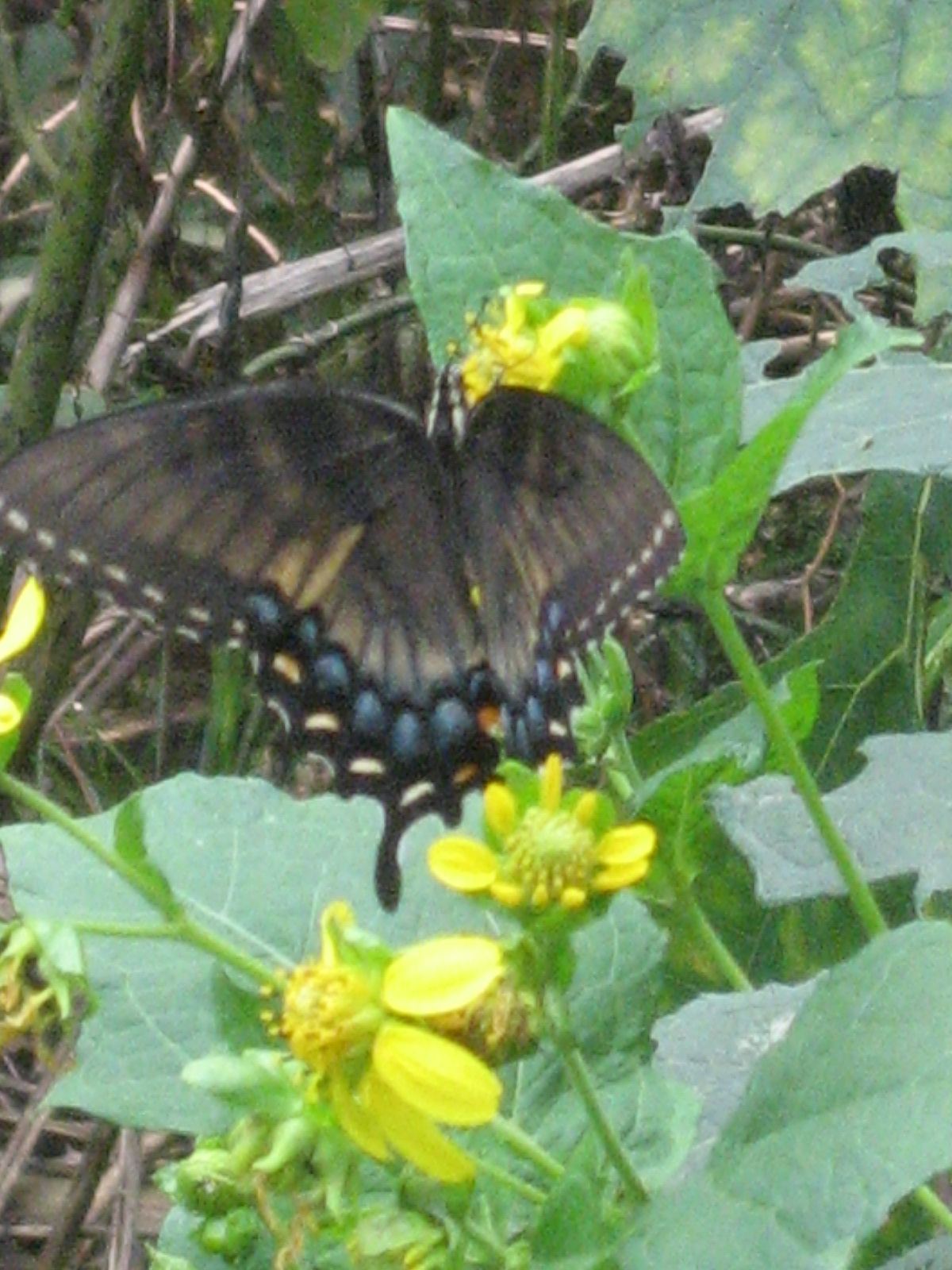
The 8 levels of classification, most broad to most specific.
a)
Domain, Genus, Family, Order, Class, Phylum, Kingdom, Species
b)
Domain, Species, Kingdom, Genus, Phylum, Family, Class, Order
c)
Domain, Kingdom, Phylum, Class, Order, Family, Genus, Species
d)
Order, Kingdom, Species, Domain, Phylum, Family, Class, Genus
36.
Term given to describe the 2 name naming system is:
a)
dichotmous key
b)
binomial nomenclature
c)
2 scientific names
d)
binomial key
37.
Who first proposed binomial nomenclature as a way of classifying organisms?
a)
Carl Linnaeus
b)
Carl's Jr.
c)
Charles Darwin
d)
Henry Groseclose
38.
Cells that do not have a true nucleus are called....
a)
eukaryote
b)
prokaryote
c)
unicellular
d)
multicellular
39.
Which 2 organisms have the fewest characteristics in common?
a)
2 organisms in the same kingdom
b)
2 organisms in the same genus
c)
2 organisms in the same species
d)
2 organisms in the same family
40.
The ___________ is the basic unit of life
a)
organ
b)
cell
c)
atom
d)
tissue
41.
A group of cells that have similar functions? Examples are nervous, epithelial, muscle and connective
a)
cells
b)
tissues
c)
organs
d)
atoms
42.
Organs that work together to perform a related function is called _____________?
a)
cells
b)
tissues
c)
organ system
d)
organs
43.
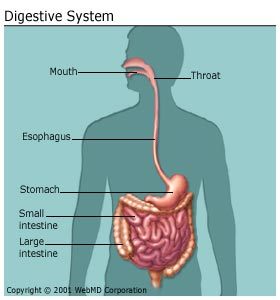
This is a example of........
a)
organ system
b)
cells
c)
organ
d)
tissue
44.

This is a example of ........
a)
cell
b)
organ system
c)
organ
d)
tissue
45.
If you see cardinals, blue jays and owls in your back yard, this is an example of a
a)
community
b)
population
c)
ecosystem
d)
species
46.
The lungs and the kidneys are examples of
a)
cells
b)
organs
c)
tissues
d)
organ systmes
47.
Nonliving factor that affects an ecosystem...
a)
biotic factor
b)
abiotic factor
c)
food chain
d)
biome
48.
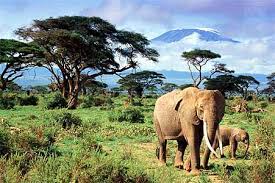
What are the biotic factors in this image?
a)
sunlight, elephants, and grasses
b)
sunlight, water, and air
c)
elephants, plants, trees
49.
An ecosystem contains living and nonliving things.
a)
True
b)
False
50.
Communities are made up of
a)
Different Ecosystems
b)
Same Species
c)
Different Populations
d)
atoms
51.
True or False: Your hypothesis can never be wrong.
a)
True
b)
False
52.
If plants are exposed to sunlight, then they will grow taller.
What part of the scientific method is this an example of?
What part of the scientific method is this an example of?
a)
Procedure
b)
Hypothesis
c)
Question
d)
Results
53.
The independent variable is the ONE thing you _____.
a)
change on purpose
b)
control or keep constant
c)
measure
54.
The variable that is being measured or observed is called the _______________. Hint: this is the variable that is the result or effect
a)
independent variable
b)
dependent variable
c)
control variable
55.
When you step out into the cold, your body shivers in order to keep its temperature at 98.6F.
a)
All living things use energy
b)
All living things contain cells
c)
All living things maintain homeostasis
d)
All living things grow
56.
A camel has eyelashes that work to keep the dust and sand out of its eyes.
a)
All living things adapt to their environment
b)
All living things grow
c)
All living things have cells
d)
All living things use energy
57.
Which is NOT a characteristic that all living organisms share?
a)
Ability to reproduce
b)
Ability to grow
c)
Ability to respond to their environment
d)
Ability to dominate an ecosystem
58.
An example of homeostasis includes maintaining :
a)
oxygen level
b)
body temperature
c)
blood sugar level
d)
all of these levels
59.
Which one of the following is a characteristic of life?
a)
Growth
b)
Breathing
c)
Expelling toxins
d)
Photosynthesis
60.
An organism made of one cell is called
a)
unicellular
b)
multicellular
61.
A single organism that produces offspring identical to itself.
a)
DNA
b)
asexual reproduction
c)
sexual reproduction
d)
metabolism
62.
Multicellular means
a)
made of many cells
b)
made of one kind of cell
c)
made of only one cell
63.
Reproduction that involves 2 parents is called
a)
asexual
b)
spontaneous generation
c)
sexual
d)
conduction
64.
Which of the following statements is NOT part of The Cell Theory?
a)
All cells have nucleus containing DNA.
b)
Cells are the basic unit of structure and function in a living thing.
c)
A living thing must have at least one cell.
d)
Cells come from other cells.
65.
The cell wall functions to:
a)
control the movement of materials into and out of the cell
b)
provide shape and support for the cell
c)
helps a cell to move around
d)
moves waste out of the cell
66.
Which organelle packages and ships macromolecules?
a)
rough ER
b)
golgi body
c)
nucleolus
d)
smooth ER
67.
What structures are found in both eukaryotic and prokaryotic cells?
a)
mitochondria and endoplasmic reticulum
b)
nucleus and cell membrane
c)
mitochondria and ribosomes
d)
cell membrane and ribosomes
68.
If you are observing a cell that contains chloroplasts, it is most likely what type of cell?
a)
plant
b)
animal
c)
fungi
d)
bacteria
69.
Which organelle is found only in animal cells and creates microtubules?
a)
centrosome
b)
mitochondria
c)
nucleus
d)
nucleolus
70.
What two things are found in the nucleus?
a)
ribosomes and nucleolus
b)
cytoplasm and ribosomes
c)
nucleolus and chromatin
d)
chromatin and cytoplasm
71.
Which organelle is the "powerhouse" of the cell?
a)
mitochondria
b)
vacuole
c)
vesicle
d)
nucleus
72.
A cell does not need to use energy to move molecules if the molecules are moving
a)
from low to high concentration
b)
from high to low concentration
73.
What type of solution is considered normal for a plant cell?
a)
hypertonic
b)
isotonic
c)
hypotonic
d)
both hypertonic and isotonic
74.
A cell that lacks a membrane-bound nucleus and organelles is a(n):
a)
eukaryote
b)
prokaryote
c)
bacteria
d)
both prokaryotic and bacteria
75.
Which organelle controls the movement of substances in and out of the cell?
a)
cell membrane
b)
nucleus
c)
nuclear membrane
d)
nucleolus
76.
This process moves oxygen and carbon dioxide into and out of cells from high to low concentration.
a)
diffusion
b)
active transport
c)
osmosis
77.
What organelle is used to move the cell around?
a)
golgi apparatus
b)
flagellum
c)
centriole
d)
chromatin
78.
A cell beins to swell when placed in an unknown solution. What can you conclude about the solution?
a)
The solution is hypertonic.
b)
The solution is isotonic.
c)
The solution is hypotonic.
d)
The solution is saturated.
79.
Which organelle produces ribosomes?
a)
rough ER
b)
nucleolus
c)
smooth ER
d)
chromatin
80.
Cytolysis can occur in an animal cell if
a)
the cell is placed into a hypotonic solution causing it to swell and burst
b)
the cell is placed into a hypertonic solution causing it to shrink
c)
the cell is placed into an isotonic solution so it stayed the same
81.
Where do most of the chemical reactions occur in the cell?
a)
cytoplasm
b)
cell membrane
c)
nucleus
d)
golgi body
82.
Which of the following type of transport does NOT require energy?
a)
endocytosis
b)
sodium-potassium pump
c)
facilitated diffusion
d)
exocytosis
83.
Small, uncharged substances enter and leave the cell membrane through the process of
a)
endocytosis
b)
simple diffusion
c)
active transport
d)
facilitated diffusion
84.
Which direction do molecules move in passive transport?
a)
high to low
b)
low to high
c)
left to right
d)
right to left
85.
In facilitated diffusion, a helper molecule is required to move the solutes across the cell membrane. What type of macromolecule is that helper molecule?
a)
carbohydrate
b)
protein
c)
nitrogen base
d)
lipid
86.
Which organelles is site of dehydration synthesis reactions in which amino acids are put into a long chain called polypeptide chain?
a)
smooth ER
b)
ribosome
c)
nucleus
d)
vesicle
87.
Diffusion always occurs...
a)
with liquids
b)
from are of low concentration into areas of high concentration
c)
from areas of high concentration to areas of low concentration
d)
from inside the cell to the outside of a cell
88.
When both inside and outside of a cell have the same amount of water it is said that the cell has reached a state of ___________.
a)
osmosis
b)
equilibrium
c)
diffusion
d)
hypertonic
89.
The movement of molecules against a concentration gradient
a)
simple diffusion
b)
facilitated diffusion
c)
active transport
d)
osmosis
90.
In a solution, salt is considered the _______.
a)
solvent
b)
solute
c)
solution
91.
An animal cell placed in a hypertonic (salty) solution will
a)
Stay the same
b)
Shrink- get smaller
c)
Swell- get bigger
92.
Breaks down glucose for energy; Site of cellular respiration
a)
Nucleus
b)
Mitochondria
c)
Cell Wall
d)
Chloroplast
93.
Transportation network of the cell
a)
E.R.
b)
Golgi
c)
Pseudopodia
d)
Lysosomes
94.
What is the function of ATP in living things?
a)
provides energy for cells
b)
stores genetic information
c)
provides structure in the nucleus
95.

Using the figure, which parts of the molecule must the bonds be broken to form an ADP molecule?
a)
A and B
b)
B and C
c)
C and D
d)
all of the above
96.
Energy is released from ATP when
a)
a phosphate group is added
b)
adenine bonds to ribose
c)
ATP is exposed to sunlight
d)
a phosphate group is removed
97.

Which structures shown in the Figure make up the ADP molecule?
a)
A and B
b)
A, B and C
c)
A, B, C, and D
d)
C and D
98.
ADP is an abbreviation for:
a)
aniline diphosphate.
b)
adenine diphosphate.
c)
adenosine diphosphate.
d)
adenosine triphosphate.
99.
What does the "TP" in ATP stand for?
a)
2 phosphates
b)
tri (3) phosphates
c)
Two proteins
d)
tri (3) proteins
100.
What are the products of photosynthesis?
a)
water and carbon dioxide
b)
oxygen and glucose
c)
oxygen and carbon dioxide
d)
oxygen and water
101.
What molecule absorbs sunlight for photosynthesis?
a)
chloroplast
b)
thylakoid
c)
grana
d)
chlorophyll
102.
Where do the light-dependent reactions occur?
a)
thylakoid
b)
stroma
c)
mesophyll
d)
mitochondria
103.

What is the source of energy for photosynthesis?
a)
carbohydrates-chemical
b)
sunlight
c)
heat-thermal
d)
electrical
104.
Which organelle does photosynthesis take place in?
a)
Mitochondrion
b)
Chloroplast
c)
Cytoplasm
d)
Nucleus
105.
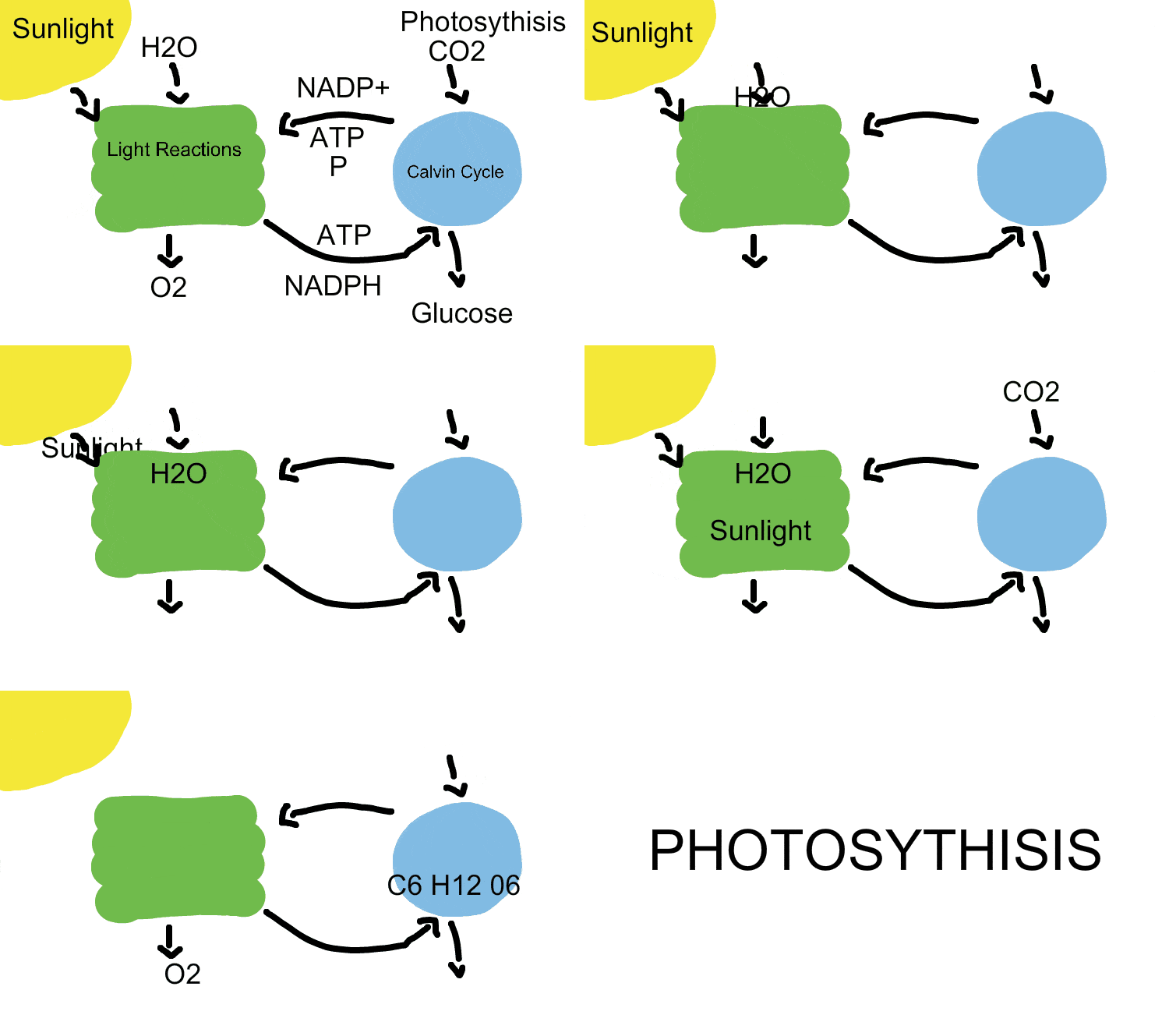
Chlorophyll absorbs a higher percentage of _____ and _______ light.
a)
purple and green
b)
red and blue
c)
black and orange
d)
yellow and green
106.

Most plants appear green because chlorophyll
a)
absorbs green light.
b)
absorbs violet light.
c)
reflects green light.
d)
does not absorb violet light.
107.

Use the diagram to answer the question. Which chemical is an electron carrier molecule?
a)
H2O
b)
carbon dioxide
c)
NADP+
d)
oxygen
108.
What is the purpose of photosynthesis?
a)
make glucose
b)
make ATP
c)
make light
d)
release carbon dioxide
109.
What is the gas we breath out that plants use for photosynthesis?
a)
sulfur
b)
carbon dioxide
c)
oxygen
d)
hydrogen
110.

What is Y?
a)
cytoplasm
b)
granum
c)
thylakoid
d)
stroma
111.
Which molecule is carrying electrons?
a)
ADP
b)
ATP
c)
NADPH
d)
NADP+
112.
What is X?
a)
cytoplasm
b)
granum
c)
thylakoid
d)
stroma
113.
This process releases chemical energy from sugars and other carbon-based molecules to make ATP when oxygen is present.
a)
photosynthesis
b)
light-independent reaction
c)
cellular respiration
d)
light-dependent reaction
114.
Cellular respiration takes place in the
a)
nucleus
b)
cytoplasm
c)
ribosomes
d)
mitochondria
115.
Glucose is broken down during which process
a)
Krebs cycle
b)
Calvin cycle
c)
Glycolysis
d)
Photosynthesis
116.
What is the net gain of ATP during glycolysis?
a)
1
b)
2
c)
3
d)
4
117.
Glycolysis
a)
does not need oxygen
b)
does need oxygen
118.
Glycolysis takes place in the
a)
mitochondria
b)
cell membrane
c)
cytoplasm
d)
nucleus
119.
Which is not a waste product of cellular respiration?
a)
Water
b)
Heat
c)
Carbon Dioxide
d)
Oxygen
120.
Up to how many ATP molecules are made from the breakdown of one glucose molecule?
a)
2
b)
24
c)
38
d)
45
121.
This process does not make ATP alone, but it allows glycolysis to continue making ATP when oxygen is unavailable for cellular respiration.
a)
Fermentation
b)
Electron Transport Chain
c)
Glycolysis
d)
Kreb's cycle
122.
This means that oxygen is not needed
a)
anaerobic
b)
aerobic
123.
This means that oxygen is needed
a)
anaerobic
b)
aerobic
124.
All living things do which of the following?
a)
Chemosynthesis
b)
Respiration
c)
photosynthesis
d)
all of the answers
125.
______________ produces the most ATP.
a)
photosnthesis
b)
aerobic respiration
c)
anaerobic respiration
d)
glycolysis
126.
Which organ excretes carbon dioxide?
a)
Lungs
b)
Liver
c)
Heart
d)
Kidney
127.
What is the correct equation for cellular respiration?
a)
6O2 + C6H12O6 -> 6CO2 + 6H2O + Energy
b)
6O2 + C6H12O6 + Energy -> 6CO2 + 6H2O
c)
6CO2 + 6H2O -> 6O2 + C6H12O6 + Energy
d)
6CO2 + 6H2O + Energy -> 6O2 + C6H12O6
128.
How does the amount of energy resulting from fermentation compare with that of aerobic respiration?
a)
Aerobic respiration results in less energy.
b)
Each process results in equal amounts of energy.
c)
Aerobic respiration results in more energy.
d)
Each process results in variable amounts of energy.
129.
Which type of fermentation occurs in muscles?
a)
Alcoholic
b)
Lactic acid
130.
What is the name of the process that helps make beer and wine?
a)
Fermentation
b)
Alcoholic fermentation
c)
Lactic acid fermentation
d)
Glycolysis
100 %

