
 Worksheets
Classificiation
Total questions: 90
Worksheet time: 58mins
Name
Class
Date
1.
Which of the following organisms are LEAST closely related?
a)
organisms that share a domain
b)
organisms that share a family
c)
organisms that share a genus
d)
organisms that share a species
2.
The scientific name for an organism is made from the:
a)
class and family name
b)
genus and species name
c)
domain and kingdom name
d)
kingdom and phylum name
3.
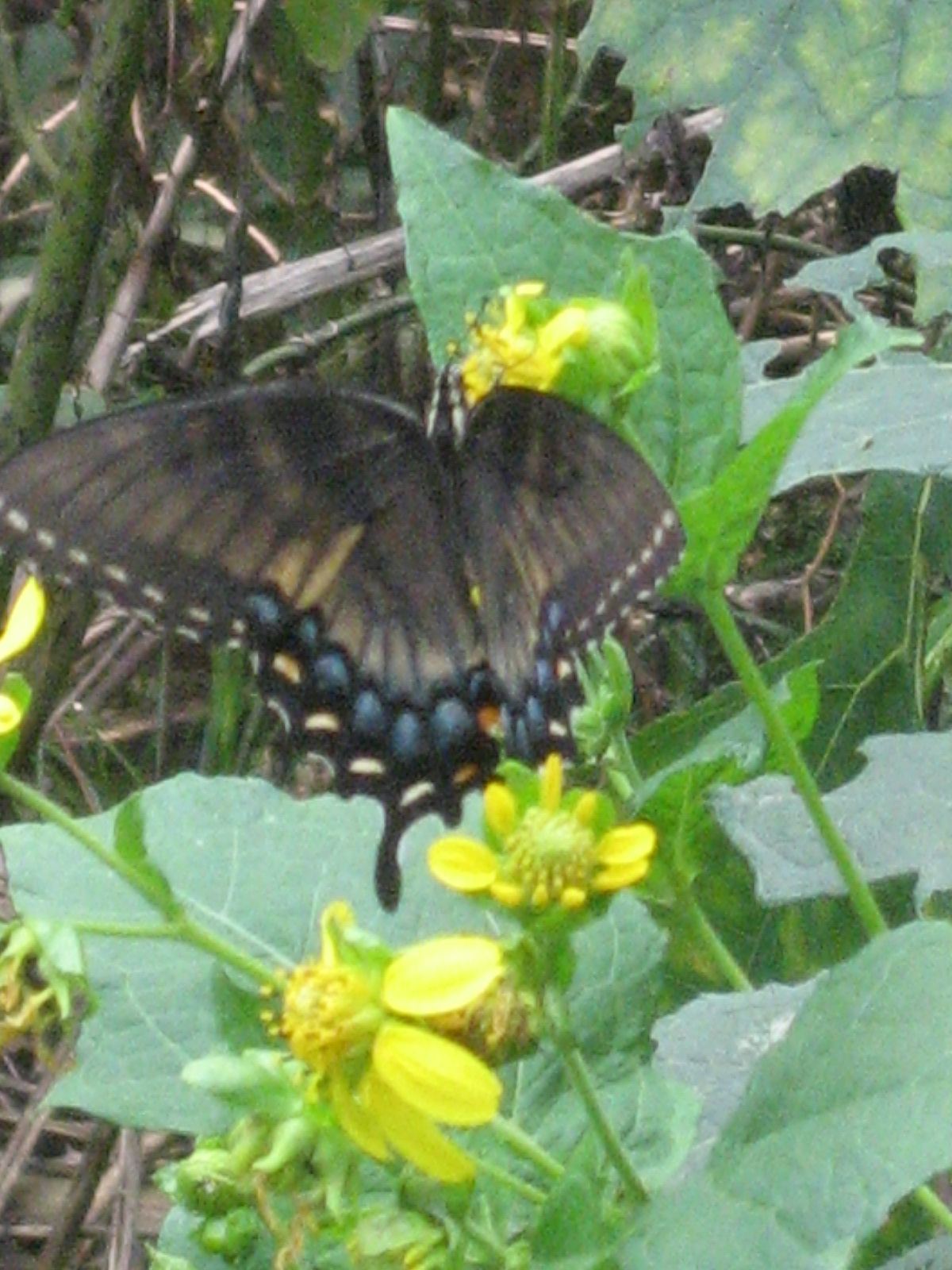
The 8 levels of classification, most broad to most specific.
a)
Domain, Genus, Family, Order, Class, Phylum, Kingdom, Species
b)
Domain, Species, Kingdom, Genus, Phylum, Family, Class, Order
c)
Domain, Kingdom, Phylum, Class, Order, Family, Genus, Species
d)
Order, Kingdom, Species, Domain, Phylum, Family, Class, Genus
4.
Which 2 organisms have the fewest characteristics in common?
a)
2 organisms in the same kingdom
b)
2 organisms in the same genus
c)
2 organisms in the same species
d)
2 organisms in the same family
5.
Besides the species name, what other category is used for the scientific name?
a)
Phylum
b)
Class
c)
Order
d)
Genus
6.
Fill-in-the-blank:
Domain--Kingdom--Phylum--____________
Domain--Kingdom--Phylum--____________
a)
Order
b)
Family
c)
Class
d)
Species
7.
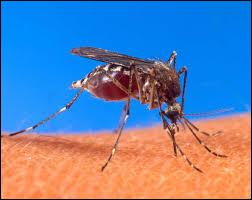
Mosquito belongs to what kingdom?
a)
Animal Kingdom
b)
Plant Kingdom
c)
Fungi Kingdom
d)
Protista Kingdom
8.
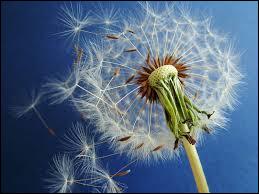
Dandelion, What kingdom does it belongs to?
a)
Plant Kingdom
b)
Animal Kingdom
c)
Fungi Kingdom
d)
Protista Kingdom
9.
The science of describing, classifying, and naming living things is called:
a)
Geology
b)
Biology
c)
Taxonomy
d)
Chemistry
10.
An example of an unicellular organism would be:
a)
monkey
b)
bacteria
c)
spider
d)
human
11.
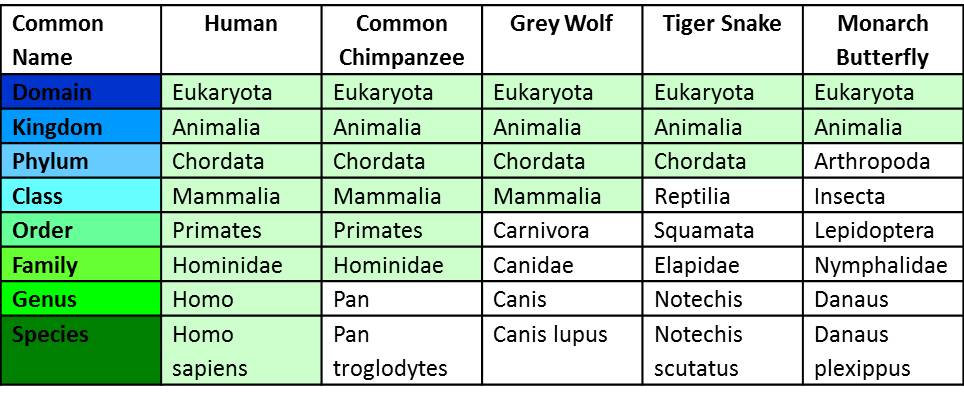
Which organism in the table is least closely related to the chimpanzee?
a)
human
b)
grey wolf
c)
tiger snake
d)
monarch butterfly
12.

Which organism in the table shown is most closely related to the common dolphin?
a)
human
b)
killer whale
c)
giant kelp
d)
bat star
13.

An illustration and a dichotomous key are given. What is the correct classification for this organism?
a)
Class Insecta
b)
Order Amblygygi
c)
Order Araneae
d)
Order Scorpiones
14.

Which 2 organisms would be able to reproduce and produce fertile offspring?
a)
2 organisms in the same class
b)
2 organisms in the same family
c)
2 organisms in the same genus
d)
2 organisms in the same species
15.
What kingdom do unicellular, prokaryotic organisms that live in extreme environments?
a)
Animal
b)
Archaebacteria
c)
Eubacteria
d)
Plant
16.
I have a nuclear membrane, can do photosynthesis and am multicellular. What kingdom do I belong to?
a)
Animalia
b)
Archaebacteria
c)
Plantae
d)
Protista
17.

I am prokaryotic and am found everywhere. What kingdom do I belong to?
a)
Eubacteria
b)
Archaebacteria
c)
Fungi
d)
Protista
18.
I'm motile and have no cell walls. What kingdom do I belong to?
a)
Animalia
b)
Archaebacteria
c)
Eubacteria
d)
Plantae
19.
This organism is multicellular, heterotroph, that has a cell wall made of chitin. What kingdom does it belong in?
a)
fungi
b)
plantae
c)
animalia
d)
eubacteria
20.
An organism is microscopic, does not have a nucleus, and is known to cause strep throat in humans. What kingdom does it belong in?
a)
archaebacteria
b)
fungi
c)
eubacteria
d)
protista
21.
This organism is found in pond water. It has a nucleus, is microscopic, unicellular and can perform photosynthesis. What kingdom does it belong in?
a)
protista
b)
eubacteria
c)
archaebacteria
d)
plantae
22.
This organism is multicellular, autotroph, that has a cell wall made of cellulose.
a)
animalia
b)
plantae
c)
fungi
d)
eubacteria
23.
What is one of the most important differences between plants and animals?
a)
Plants do not move but animals can.
b)
Plants consume their food but animals can use the sun to produce their food.
c)
Plants can produce their own food while animals must consume their food.
d)
Plants do not need water but animals do.
24.
Scientists classify living organisms by --
a)
placing them in groups with organisms that share similar characteristics.
b)
determining if the organism is harmful or helpful
c)
the type of brain the organism has
d)
giving each one several different kingdom names.
25.

Which animal is the most different from the others?
a)
Stink bug
b)
Spider
c)
Ant
d)
Seahorse
26.

What phylum do crustaceans belong to?
a)
Animalia
b)
Echinodermata
c)
Arthropoda
d)
Cnidarian
27.
An aquatic invertebrate of the phylum Porifera that attaches to stones or plants and that has a porous structure and a tough, elastic skeleton.
a)
cnidarian
b)
sponge
c)
mollusk
d)
echinoderm
28.

Which Phylum does the lizard belong to?
a)
Chordata
b)
Reptile
c)
Arthropod
d)
Amphibian
29.

Which Phylum does the platypus belong to?
a)
Mammal
b)
Chordata
c)
Reptile
d)
Fish
30.

Which Phylum does the sea sponge belong to?
a)
Mollusc
b)
Porifera
c)
Echinoderms
d)
Cnidarians
31.

Which Phylum does the sea urchin belong to?
a)
Mollusc
b)
Porifera
c)
Echinoderms
d)
Cnidarians
32.

Which Phylum does the squid belong to?
a)
Fish
b)
Mollusc
c)
Chordata
d)
Cnidarians
33.
Human
a)
Chordate
b)
Arthropod
c)
Echinoderm
d)
Porifera
34.
An invertebrate with a soft, unsegmented body; most are protected by a hard outer shell.
a)
mollusk
b)
arthropod
c)
cnidarian
d)
flatworm
35.
Humans belong to the Class ____ because we are warm-blooded, have hair, and give birth to live young.
a)
Aves
b)
Mammalia
c)
Reptilia
d)
Amphibia
36.
"jointed appendages" describes the Phylum...
a)
Porifera
b)
Arthropoda
c)
Nematoda
d)
Echinodermata
37.
True or False: most animals are invertebrates.
a)
True
b)
False
38.
Identify the organisms that are classified in the plant kingdom.
a)
Cypress tree, Grapevine, Sunflower, Fern , Moss, Shrub, Moss
b)
Yeast, Cypress tree, Algae, Grapevine, Mushroom
c)
Sunflower, Amoeba, Fern, shrub, Moss
d)
Fern, Grapevine, Shrub, Mushroom, Moss
39.

Which organisms belong in the same kingdom as the pictured organism?
a)
Dandelion, Ladybug, Algae
b)
Ladybug, Wolf, Jellyfish
c)
Mushroom, Wolf, Jellyfish
d)
Jellyfish, Algae, Dandelion
40.

Which animal is classified as an echinoderm?
a)
Sea bass
b)
Sea Star
c)
Octopus
d)
Beetle
41.

Which animal represents the most common marine annelid?
a)
Sand worm
b)
Earth Worm
c)
Ribbon worm
d)
Tapeworm
42.
An aquatic invertebrate of the phylum Porifera that attaches to stones or plants and that has a porous structure and a tough, elastic skeleton.
a)
cnidarian
b)
sponge
c)
mollusk
d)
echinoderm
43.

Which Phylum does the toad belong to?
a)
Chordata
b)
Reptile
c)
Arthropod
d)
Amphibian
44.
Jelly Fish
a)
Echinoderm
b)
Cnidarian
c)
Arthropod
d)
Chordate
45.
Crab
a)
Arthropod
b)
Echinoderm
c)
Annelid
d)
Chordate
46.
Sea Star/ Star fish
a)
Echinoderm
b)
Cnidarian
c)
Annelid
d)
Chordate
47.
Human
a)
Chordate
b)
Arthropod
c)
Echinoderm
d)
Porifera
48.
Sea anenome
a)
Echinoderm
b)
Cnidarian
c)
Arthropod
d)
Porifera
49.
Spider
a)
Arthropod
b)
Porifera
c)
Echinoderm
d)
Chordate
50.
Worm
a)
Annelid
b)
Echinoderm
c)
Porifera
d)
Chordate
51.
Which is the only sessile member of the marine arthropods?
a)
Coral
b)
Sponges
c)
Anemones
d)
Barnacles
52.

Echinoderms are the only marine invertebrates with this type of body structure:
a)
Exoskeleton
b)
Adductor muscles
c)
Spicules
d)
Endoskeleton
53.
What phylum do crustaceans belong to?
a)
Animalia
b)
Echinodermata
c)
Arthropoda
d)
Cnidarian
54.

Which class do the clams belong to?
a)
Cephalopoda
b)
Bivalva
c)
Gastropoda
d)
Cubozoa
55.
What surrounds the mouth of Cnidarians?
a)
guard cells
b)
pinococytes
c)
tentacles
d)
spines
56.
An aquatic invertebrate of the phylum Porifera that attaches to stones or plants and that has a porous structure and a tough, elastic skeleton.
a)
cnidarian
b)
sponge
c)
mollusk
d)
echinoderm
57.
An invertebrate that has an external skeleton, a segmented body, and jointed appendages.
a)
echinoderm
b)
cnidarian
c)
arthropod
d)
segmented worm
58.
Which is not an example of arthropods?
a)
crab
b)
grasshopper
c)
starfish
d)
spider
59.
Which is not an example of echinoderms?
a)
anenome
b)
starfish
c)
urchin
d)
sea cucumber
60.

Mollusks include which of the following?
a)
Octopus, Squid, Slugs, Snails
b)
Fish, Squid, Jellyfish, Sea cucumbers
c)
Sea stars, Sea cucumbers, sea urchins
d)
Oysters, Fish, Whales, Sponges
61.

Which of the following are examples of echinoderms?
a)
Jellyfish, Hydrozoa, Squid
b)
Slugs, Snails, Mussels
c)
Sea stars, sea urchins, sea cucumbers
d)
bony fish, cartilaginous fish
62.
Where is the Great Barrier Reef located?
a)
Puerto Rico
b)
Florida
c)
Indonisia
d)
Australia
63.
What is the biggest ecological benefit of coral reefs?
a)
ecotourism
b)
seafood harvesting
c)
habitat production
d)
protection of shoreline
64.
What is the hard structure that provides the foundation for the reef?
a)
limestone
b)
sandstone
c)
concrete
d)
granite
65.
Coral reefs are made up of thousands of tiny animals called?
a)
coralettes
b)
polyps
c)
plankton
66.
What is one thing that kills coral?
a)
pollution
b)
other ocean animals
c)
the sun
67.
What is it called when coral loses its color?
a)
bleaching
b)
white out
c)
colorization
68.
Coral reef is an animal
a)
false
b)
true
69.
What do zooxanthellae provide corals in exchange for protection and shelter?
a)
Provide sugars to corals
b)
Provide oxygen to corals
c)
Provide pretty colors to corals
d)
Provide protection to corals
70.
What does ocean acidification do to shell formation?
a)
Help in the deposition of the calcium-carbonate skeleton
b)
Provide the coral with protection from predators
c)
Provide the coral with carbon dioxide
d)
Provide the coral with protection from predators
71.
Which of the following is not used directly by corals for nutrition
a)
Mesenterial filaments/ tentacles
b)
Photosynthesis
c)
Mucus
d)
Tentacles
72.
The expulsion of zooxanthellae due to unfavorable conditions is called
a)
Exudation
b)
Bleaching
c)
Decalcification
d)
Denudation
73.
What covers coral when it is dead?
a)
Life
b)
Algae
c)
Fish
d)
Seaweed
74.

The type of reef shown here is
a)
a fringing reef
b)
a barrier reef
c)
an atoll
d)
a bleached reef
75.
2 Florida fisheries dependent on reefs
a)
parrotfish
b)
spiny lobsters
c)
grouper
d)
stone crabs
76.
Is permitted in the protective zones
a)
dynamite fishing
b)
dropping anchor
c)
coral harvesting
d)
snorkeling
77.
Are coral reefs alive?
a)
no
b)
sort of
c)
yes
78.
What type of symmetry do sponges (Porifera) have?
a)
asymmetrical
b)
radial
c)
bilateral
d)
medial
79.
The elastic fibrous protein found in sponges is called .....
a)
mesohyl
b)
spicules
c)
spongin
d)
tissue
80.
The spongin and spicules make up what in sponges?
a)
digestive tract
b)
skin
c)
stomach
d)
skeleton
81.
Choanocytes are also known as _____.
a)
epithelial cells
b)
amoeboid cells
c)
collar cells
d)
pore cells
82.
Water enters sponges through the ______.
a)
ostia/ostium
b)
oscula/osculum
83.
Which cells in sponges are responsible for nutrient transport and transporting a sperm to an egg?
a)
porocytes
b)
pinacocytes
c)
choanocytes
d)
amoebocytes
84.
Cells with flagella that line the interior of a sponge are __
a)
spongin
b)
cnidocytes
c)
choanocytes
d)
sessile
85.
Describes an animal that does not move as an adult
a)
hermaphrodite
b)
sessile
c)
filter feeder
d)
spongin
86.
Supportive structure in a sponge that keeps the sponge from collapsing
a)
choanocytes
b)
spongin
c)
nerve net
d)
polyp
87.
Animals bring in or attract food from the surrounding environment are ________
a)
sessile
b)
medusas
c)
filter feeders
d)
choanocytes
88.
Sponges can reproduce both sexually and asexually
a)
true
b)
false
89.
The hard "skeleton" structures in a sponge are called...
a)
Spongin
b)
Spicules
c)
Amebocytes
d)
Pinococytes
90.
What habitat can sponges be found or inhabit?
a)
Saltwater and Freshwater
b)
Saltwater only
c)
Rainforest
d)
Freshwater only
100 %

