
 Worksheets
Sci 8 Unit B 3.0 Body Systems
Total questions: 94
Worksheet time: 2hrs 36mins
Which is NOT part of the brain?
cerebellum
medulla
cerebrum
spinal cord
What is digestion?
Breaking down food into smaller nutrients
Getting rid of waste products
Getting food into our bodies
Moving nutrients into our bloodstream, so that our cells can use them
The muscular tube that moves food from the mouth to the stomach is called the
esophagus
small intestine
ureter
trachea
Where are the most nutrients absorbed into the blood?
esophagus
small intestine
stomach
mouth
ureters
alveoli
nephrons
bronchioles
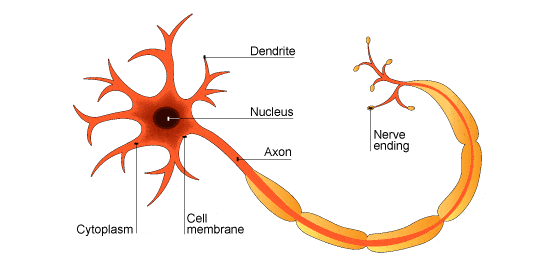
Which cell type is represented by the diagram?
organ
organ system
cell
tissue
Breaking down food by the teeth and stomach muscles is called
mechanical digestion
chemical digestion
Enzymes and gastric juice are examples of
mechanical digestion
chemical digestion
Chewing, grinding, and churning food are examples of...
mechanical digestion
chemical digestion

Esophagus
Rectum
Small Intestine
Stomach
The (a) and (b) are the two main organs that work together in the Central Nervous System.
Which organ releases digestive enzymes into the small intestine?
pancreas
kidney
alveoli
salivary glands
Liver
Rectum
Small Intestine
Stomach
What is the function of the esophagus?
moves food from mouth to stomach
moves urine from kidney to bladder
moves air from nose to lungs
moves blood from heart to the body cells
Urethra
Small Intestine
Artery
Number 5 is pointing to the ...
Rectum
Small Intestine
Ventricle
What is the biggest part of the brain?
Medulla
Cerebellum
Cerebrum
Large intestine
Bronchioles
Small Intestine
Bladder
Which organ stores bile?
Kidney
Gall Bladder
Small Intestine
Which organ absorbs water and minerals and also holds waste?
Large Intestine
Small Intestine
Kidney
Heart
Which system is responsible for the overall control of all the internal processes that occur in the body?
excretory
nervous
digestive
respiratory
What organ connects the brain to the peripheral nervous system?
neuron
spinal cord
esophagus
dendrite

This part of the neuron receives chemical messages. It is labeled A in the diagram.
Dendrite
Axon
Cell Body
This cell belongs to which body system?
nervous
respiratory
excretory
circulatory
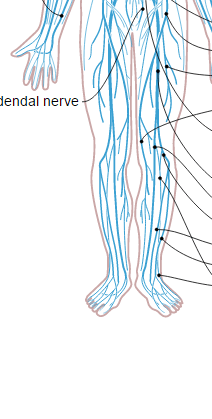
peripheral nervous sysyem
central nervous system
respiratory system
circulatory system
The brain and spinal cord make up the:
Peripheral Nervous System
Somatic Nervous System
Autonomic Nervous System
Central Nervous System
An example of a reflex action includes
stepping on a sharp rock with bare feet
brushing your hand against the side of your body
touching a hot stove
your legs moving as you walk
In a reflex response, the sensory neuron leads to the (a) first and then the (b) .
to collect and remove wastes from the blood
to bring nutrients to all the body cells
to protect the nervous system
to bring oxygen to body cells
Which organ of the excretory system stores urine until the body is ready to eliminate it?
ureters
urethra
bladder
kidney
Which excretory organ eliminates water and some chemical wastes using sweat glands?
lungs
skin
liver
kidneys
The process of removal of the body’s wastes is called
circulation
digestion
excretion

Using the picture, what are the structures labelled with the arrows?
ureters
kidneys
ventricles
intestines

Using the picture, what is the function of structure 3?
transmit
storage
defense
passageway

Use the diagram, what is structure 2?
urethra
kidney
ureter
urinary bladder


The upper chamber of each side of the heart is called
valve
ventricle
atrium
vein
nephrons
ventricles
atria
axons
Which is one function of the circulatory system?
to produce urine
to transport gases throughout the body
to eliminate waste from the body
to transmit messages around the body

Which system is responsible for providing oxygen to the body cells?
respiratory
circulatory
digestive
nervous
Which system moves blood and transports nutrients around the body?
Nervous
Respiratory
Circulatory
Digestive
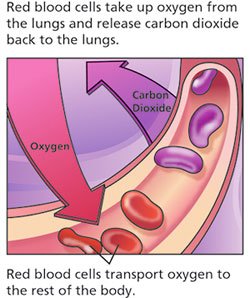

This type of vessel carries blood BACK TO the heart:
vein
nerve
muscle
artery

This blood vessel carries oxygen-rich blood AWAY FROM the heart to the body ...
artery
neuron
vein
ureter
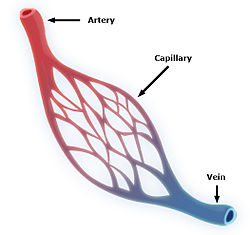
neuron
vein
capillary
artery

The cells in the blood that defend the body are the...
red blood cells
platelets
white blood cells
plasma

Which organ in the circulatory system is a pump?
heart
lung
stomach
artery
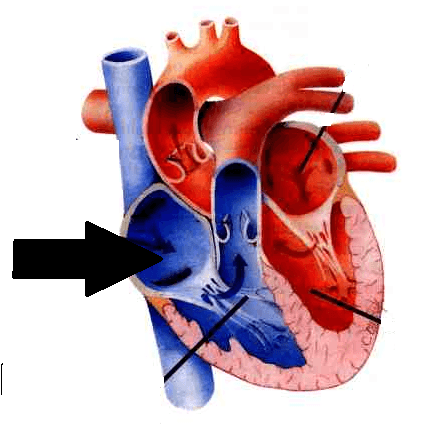
Identify the part with the arrow.
atrium
ventricle
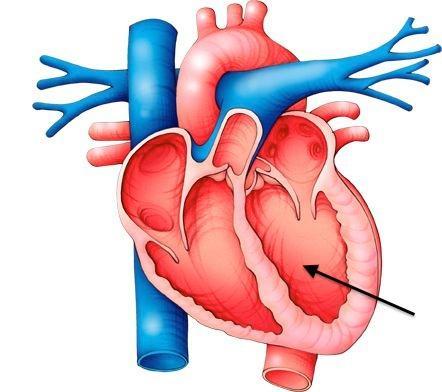
Identify the part with the arrow
atrium
ventricle
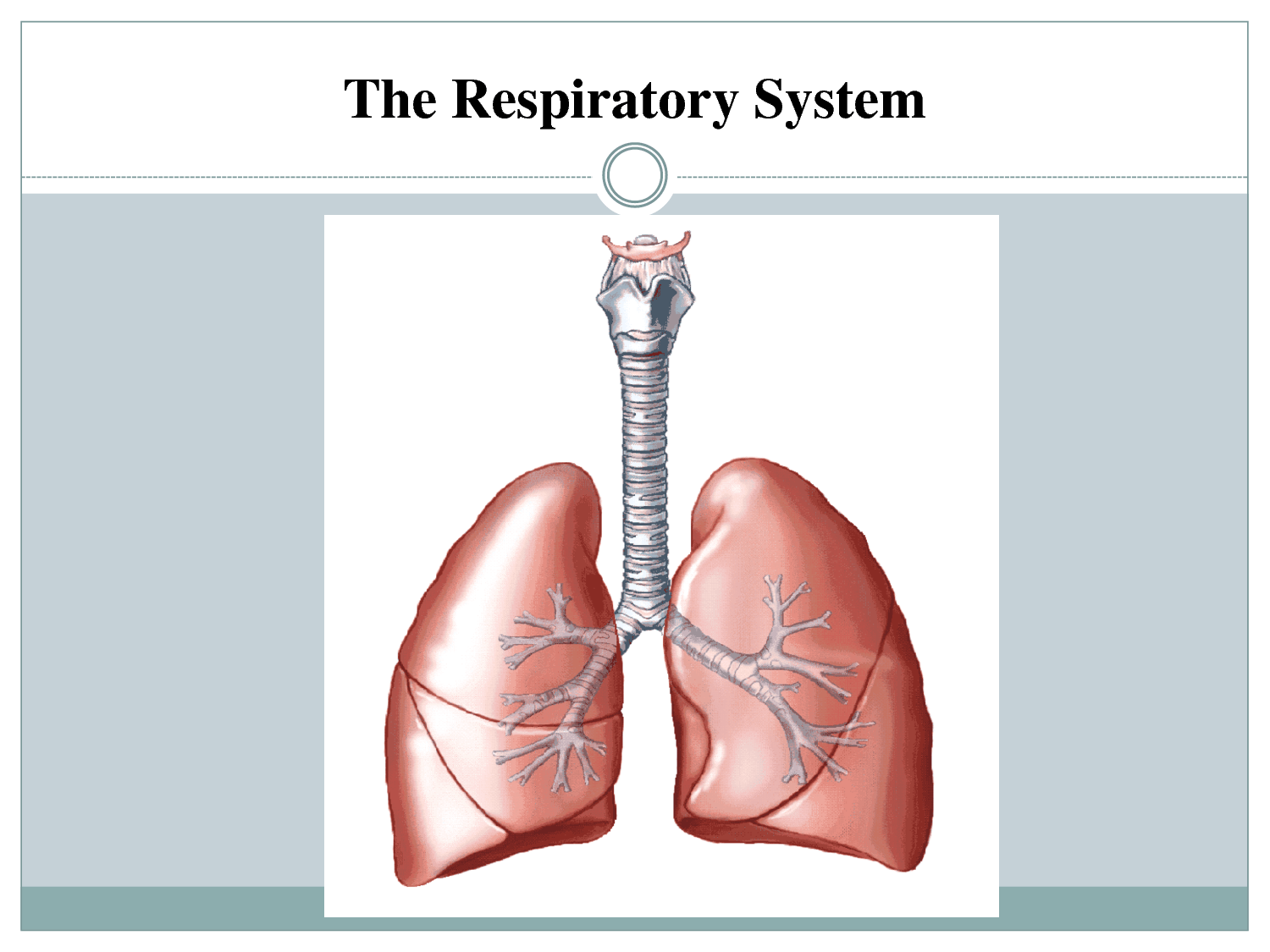
What is the main function of the respiratory system?
to provide oxygen and remove carbon dioxide from the body
to break down food and absorb nutrients
to remove oxygen from the body and deliver carbon dioxide
What is the main organ of the respiratory system?
heart
lung
kidney
alveoli
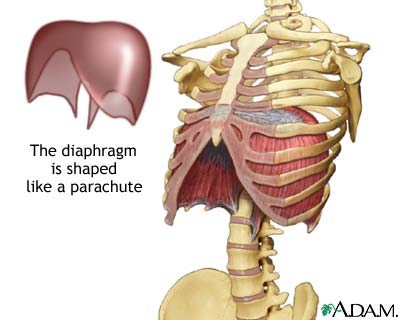
What is function of the diaphragm muscle?
This is where gas exchange happens.
Air passes through the diaphragm on the way to the lungs.
It attaches to the lungs to allow inhalation and exhalation.
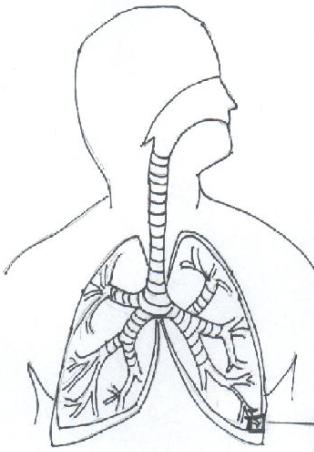
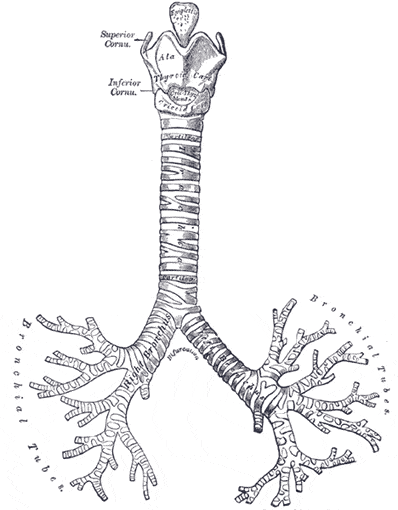
These are the two two main branches from the trachea (one to each lung)
bronchi
alveoli
capillaries
bronchioles

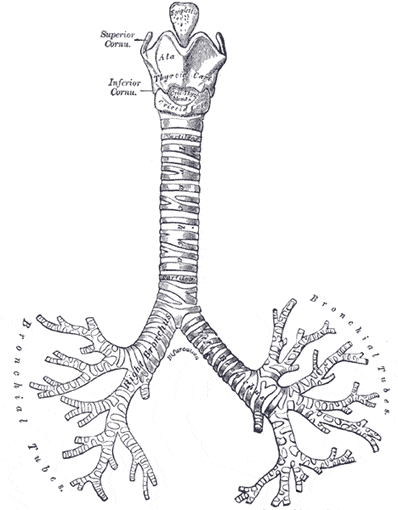
What is tube that is also known as your 'wind pipe'?
esophogus
bronchi
trachea
alveoli

NUMBER 6:
Lungs
Trachea
Mouth
Alveoli
Inside the lungs, the bronchi divide into smaller tubes. At the end of these tubes, there are tiny sacs called...
Bronchioles
Trachea
Lungs
Alveoli
When we breathe out the diaphragm...
moves up
moves down
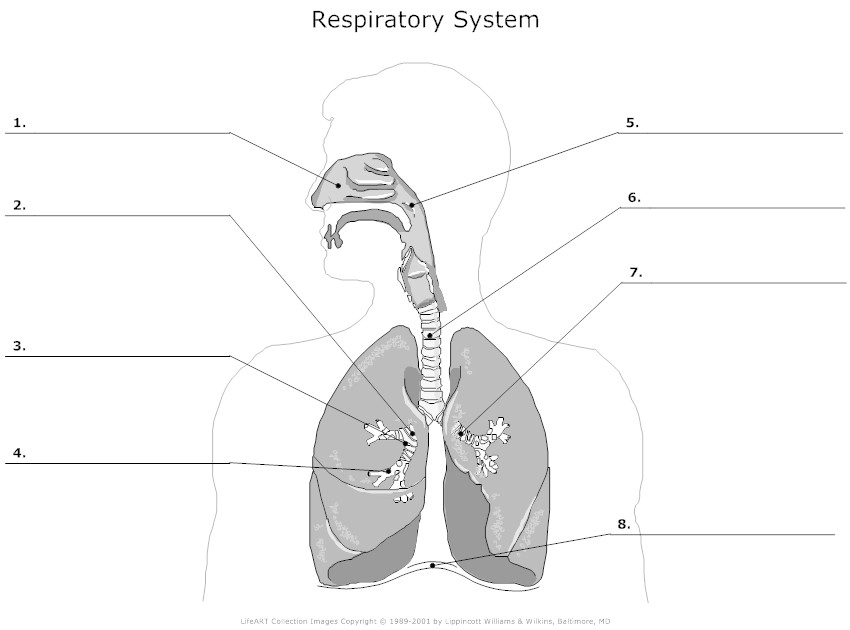
The ______ increase the surface area in the small intestine to allow more nutrient absorption to the blood.
neurons
nephrons
alveoli
villi

Alveoli have very thick walls to maximize the distance that gases have to move.
True
False
Select the correct option to describe gas exchange in the alveoli.
Oxygen diffuses into the blood.
Carbon dioxide diffuses into the blood.
Oxygen diffuses out of the blood.
What is the name of the passages that enables air to pass from the bronchi into the alveoli?
Bronchi
Trachea
Pharynx
Bronchioles
Which of the following is NOT part of the Respiratory System?
Trachea
Bronchi
Lungs
Nephrons
Digestive organ with villi, where most absorption of food takes place:
esophagus
rectum
large intestine
small intestine

Small filtering structures found in the kidneys that remove wastes from blood and make urine.
neurons
nephrons
ureters
dendrites

Tiny finger-shaped structure that cover the inner surface of the small intestine.
nephron
axon
alveoli
villi
Put the organs in the correct order from when the food leaves the mouth.
rectum
Order the structures from when the air enters the nose:
trachea
bronchi
bronchioles
alveoli
Reorder the following in the reflex response:
sensory neuron
spinal cord
motor neuron
brain
Correctly order the following structures in the excretory when wastes are removed from the blood:
kidney
ureter
bladder
urethra
Match the function to the structure
produce urine
kidney
produce urea
liver
absorb water
large intestine
remove salt
sweat gland
inhalation
diaphragm
Match the function to the structure.
pump
heart
diffusion
alveoli
respond
brain
passageway
ureter
gastric juice
stomach
Gastric juice is produced in which organ?
stomach
kidney
small intestine
liver
Match the structure to the system.
neuron
nervous
nephron
excretory
platelet
circulatory
rectum
digestive
alveoli
respiratory
Match the structure to the system
eyes
nervous
pancreas
digestive
urethra
excretory
white blood cell
circulatory
trachea
respiratory
Match the function to the structure
produces urine
kidney
stores bile
gallbladder
produces gastric juice
stomach
produces bile
liver
returns blood to the heart
veins
Which system includes the lungs and trachea?
Circulatory
Nervous
Respiratory
Skeletal
Which blood vessels carry blood away from your heart and towards the other parts of your body?
Veins
Arteries
Capillaries
Blood
You are running and start to feel light-headed. Your brain is receiving messages that your body needs more oxygen. What two systems would give your muscles more oxygen?
Respiratory
Nervous
Circulatory
Excretory
Reorder the following from where the food starts to where it goes in the Digestive system.
mouth
esophagus
stomach
small intestine
large intestine
Reorder the following: the passage of air in the Respiratory system
nose
trachea
bronchi
bronchioles
alveoli
Reorder the following: removal of waste in the Excretory system
blood
kidney
ureter
bladder
urethra

