wayground logo

Free Printable Worksheets

Font size

S
M
L
XL
Worksheets

REVIEW for SYTEMS FINAL

Total questions: 173

Worksheet time: 2hrs 23mins

Name
Class
Date
1.
What is the function of the kidneys in the excretory/urinary system?
a)
store urine before it is eliminated from the body.
b)
break down food into smaller pieces through chemical digestion
c)
filter blood of cellular waste material as a result of cellular respiration
d)
control thoughts, voluntary actions, and other sensations of the five senses.
2.
Which organ system removes cellular wastes as the result of cellular respiration?
a)
nervous
b)
digestive
c)
excretory
d)
circulatory
3.

The shoulder joint is an example of a ____ joint

a)

sliding

b)

ball and socket

c)

hinge

d)

inmovable

4.
These organs are responsible for what?
a)
storing urine
b)
storing water
c)
filtering blood
d)
they don't have a particular job 
5.
Where is urine stored?
a)
kidneys
b)
urinary bladder
c)
urethra
d)
ureters
6.

Endocrine glands

a)

are found in the nervous system

b)

have tubes which carry hormones to the blood

c)

give off nerve impulses which control organs and tissues

d)

are ductless

7.

Negative feedback

a)

stops movement from one nerve to another

b)

promotes action

c)

helps maintain hoemostsais

d)

causes the mentral cycle to begin

8.

An unborn baby is nourished by

a)

the vagina

b)

the placinta

c)

the ovaries

d)

vas deferens

9.
What is organ 1.
a)
Kidney
b)
Ureter
c)
Bladder
d)
Urethra
10.
What is #2?
a)
Kidney
b)
Ureters
c)
Bladder
d)
Urethra
11.
What is #3?
a)
Kidney
b)
Ureters
c)
Bladder
d)
Urethra
12.
What is #4?
a)
Kidney
b)
Ureter
c)
Bladder
d)
Urethra
13.
fingerlike folds in the intestine to increase the surface area
a)
villi
b)
vector
c)
vanilla
d)
vortex
14.
long tube that absorbs nutrients into the body using villi
a)
small intestine
b)
large intestine
c)
trachea
d)
alveoli
15.
secrete wastes including water, salts, and small amounts of urea
a)
appendix
b)
gall bladder
c)
salivary glands
d)
sweat glands
16.
Identify organ C. 
a)
liver
b)
stomach
c)
small intestine 
d)
large intestine
17.
Kidneys create a liquid called:
a)
Urine
b)
Blood
c)
Feces
d)
Carbon Dioxide
18.

What bone is highlighted?

a)

Skull (Cranium)

b)

Mandible

c)

Clavicle

d)

Scapula

19.

What bone is highlighted?

a)

Skull (Cranium)

b)

Mandible

c)

Scapula

d)

Clavicle

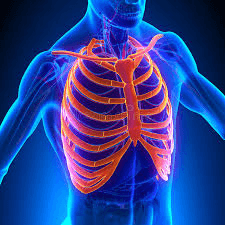
20.

What bone is highlighted?

a)

Skull (Cranium)

b)

Scapula

c)

Clavicle

d)

Mandible

21.

What bone is highlighted?

a)

Skull (Mandible)

b)

Clavicle

c)

Mandible

d)

Scapula

22.

What bone is highlighted?

a)

Ribs

b)

Vertebrae

c)

Clavicle

d)

Femur

23.

What bone is highlighted?

a)

Radius

b)

Ulna

c)

Humerus

d)

Carpals

24.

What bone is highlighted?

a)

Vertebrae

b)

Radius

c)

Pelvis

d)

Ribs

25.

What bone is highlighted?

a)

Radius

b)

Ulna

c)

Humerus

d)

Carpals

26.

What bone is highlighted?

a)

Femur

b)

Tibia

c)

Fibula

d)

Humerus

27.

What bone is highlighted?

a)

Patella

b)

Pelvis

c)

Clavicle

d)

Mandible

28.

What bone is highlighted?

a)

Tibia

b)

Fibula

c)

Femur

d)

Humerus

29.

What bone is highlighted?

a)

Tibia

b)

Fibula

c)

Radius

d)

Ulna

30.

From wrist to fingertip, what is the order of bones?

a)

Carpals, metacarpals, phalanges

b)

Phalanges, metacarpals, carpals

c)

Carpals, phalanges, metacarpals

d)

Metacarpals, carpals, phalanges

31.

The air sacs in the lungs are called

a)

alveoli

b)

bowman's capsule

c)

Capilliary Sacs

d)

Ulna

32.
Osteo means?
a)
Bone
b)
Bone tissue
c)
skin
d)
tissue
33.
attaches bone to bone
a)
tendon
b)
ligament 
34.
attaches muscle to bone 
a)
tendon
b)
ligament 
35.
many bones form from what?
a)
bones
b)
bone tissue
c)
Cartilage
d)
skin tissue 
36.
skull, vertebral column, and thorax
a)
axial skeleton
b)
appendicular skeleton
c)
skeleton
d)
bones 
37.
what type of bone in the femur
a)
Long bone
b)
Short bone
c)
Flat bone
d)
Irregular bone
38.
What type of bone is the scapula
a)
long bone
b)
short bone
c)
flat bone
d)
sesamoid bone
39.
Which one of the following is an irregular bone
a)
humerus
b)
tibia
c)
patella
d)
vertebrae
40.

The upper chambers of the heart are called

a)

ventricles

b)

arterial chambers

c)

veinous chambers

d)

atrium

41.
What are the 3 types of muscle tissue?
a)
Thigh, Calf, & Shoulder
b)
Traps, Forearm, & Abs
c)
Hamstring, Biceps, & Triceps
d)
Smooth Muscle, Cardiac Muscle, & Skeletal Muscle
42.
Which muscle type is found in your stomach, bladder, and intestines?
a)
Skeletal
b)
Smooth
c)
Cardiac
d)
Straight
43.
Which type of muscle is found in your heart?
a)
Skeletal
b)
Smooth
c)
Cardiac
d)
Straight
44.
Which muscles are involuntary?
a)
skeletal
b)
cardiac
c)
smooth
d)
smooth and cardiac
45.
When a muscle contracts, it _______
a)
gets longer
b)
gets shorter
c)
gets thinner
d)
grows hair
46.
Which types of muscle tissue are voluntary?
a)
Cardiac
b)
Skeletal
c)
Smooth
d)
Cardiac and Smooth
47.

Pulonary circulation flows to and from

a)

the kidneys

b)

the lungs

48.

What muscle is highlighted in the picture?

a)

Triceps

b)

Biceps

c)

Quads

d)

Deltoids

49.

What muscle is highlighted?

a)

Triceps

b)

Biceps

c)

Quads

d)

Deltoids

50.

What muscles is highlighted?

a)

Deltoid

b)

Trapezius

c)

Tricep

d)

Pectoralis

51.

What muscle is highlighted?

a)

Trapezius

b)

Lats

c)

Pectoralis

d)

Deltoids

52.

What muscle is highlighted in the picture?

a)

Triceps

b)

Biceps

c)

Quads

d)

Deltoids

53.

What muscle is highlighted?

a)

Lats

b)

Abdominals

c)

Pectoralis

d)

Quads

54.

What muscle is highlighted?

a)

Abdominals

b)

Quads

c)

Gluteus

d)

Hamstring

55.

What muscle is highlighted?

a)

Hamstrings

b)

Quads

c)

Calves

d)

Gluteus

56.

What muscle is highlighted?

a)

Hamstrings

b)

Quads

c)

Calves

d)

Gluteus

57.
This is one of the largest muscles.
a)
Hamstring
b)
Gluteus Maximus
c)
Abdominals
d)
Calf
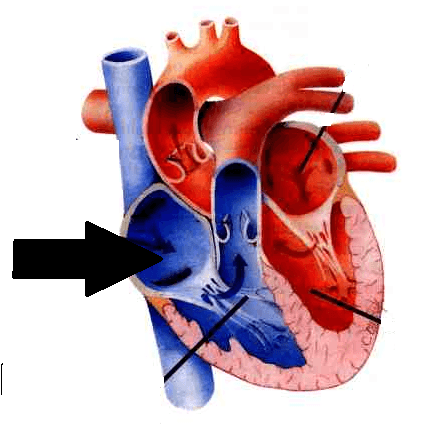
58.
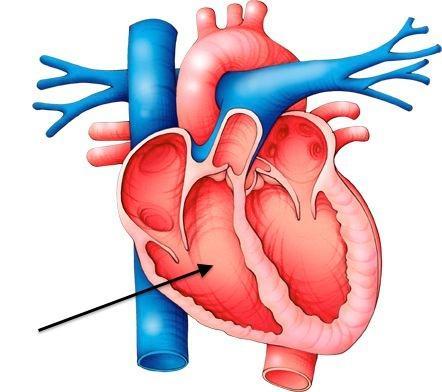
Identify
a)
Left atrium
b)
Right atrium
c)
Left ventricle
d)
Right ventricle
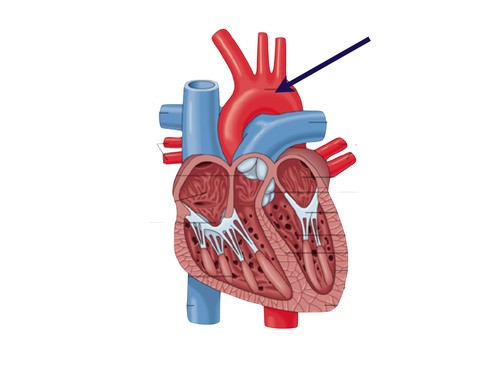
59.
Identify
a)
Pulmonary veins
b)
Pulmonary artery
c)
Aorta
d)
Vena cava
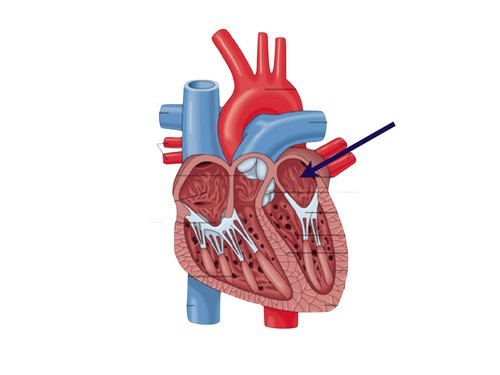
60.
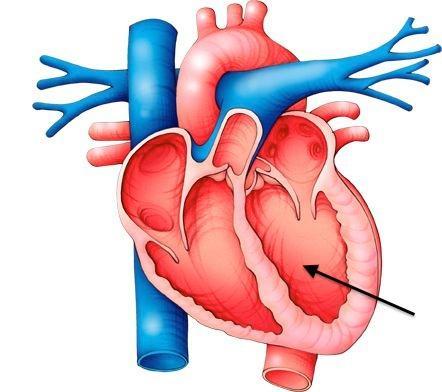
Identify
a)
Left atrium
b)
Right atrium
c)
Left ventricle
d)
Right ventricle
61.
Identify
a)
Left atrium
b)
Right atrium
c)
Left ventricle
d)
Right ventricle
62.
Identify
a)
Left atrium
b)
Right atrium
c)
Left ventricle
d)
Right ventricle
63.

The fish heart has ___ chambers.

a)

1

b)

2

c)

3

d)

4

64.
Thin-walled vessels that allow for the exchange of O2 , CO2, nutrients and wastes between blood cells or air sacs in the lungs
a)
Arteries
b)
Veins
c)
Capillaries
65.
What does Deoxygenated mean?
a)
Oxygen-rich
b)
Blood flow
c)
Oxygen-poor
d)
Water Flow
66.
A flap of tissue that prevents blood from flowing backward
a)
Aorta
b)
Atrium
c)
Septum
d)
Valve
67.
Carry blood away from heart; mostly oxygen-rich
a)
Arteries
b)
Veins
c)
Capillaries
68.
Which type of blood vessel has the thickest layer of smooth muscle in its walls?
a)
Arteries
b)
Veins
c)
Capillaries
d)
Ventricles
69.

In the reflex arch

a)

motor neurons cause muscles to contract

b)

receptors send impulses to the muscles

c)

the synapse fires

d)

the cardiac muscles contract

70.
______________ are the smallest blood vessels.
a)
Arteries
b)
Veins
c)
Capillaries
71.
This type of vessel carries blood TO the heart:
a)
vein
b)
nerve
c)
muscle
d)
artery
72.
Red blood cells are also known as 
a)
leukocytes
b)
thrombocytes
c)
erthrocytes
73.
White blood cells are known as 
a)
erthrocytes
b)
leukocytes
c)
thrombocytes
74.

Platelets are a part of blood that help in the:

a)

formation of hemoglobin

b)

formation of a clot

c)

release of anitbodies

d)

absorption of amino acids

75.
B cells, T cells, and natural killer cells are ______.
a)
monocytes
b)
basophils
c)
eosinophils
d)
lymphocytes
76.
Artificial resistance to a particular infection by artifical means
a)
Immunization
b)
artificial acquired immunity
c)
natural acquired immunity
d)
natural immunity
77.
Recovery from a viral illness and not having this illness again is because of
a)
artifical active immunity
b)
Innate imunity
c)
WBC production
d)
Natural acquired immunity
78.
A disease that suppresses the body's immune system is called
a)
AIDS
b)
HIV
c)
ARC
d)
CBC
79.
Which term means "cell eating?"
a)
Pinocytosis
b)
Phagocytosis
c)
Leukocyte
d)
Leukosis
80.
Lymph flows:
a)
in a circular path like blood
b)
away from the heart
c)
toward the heart
d)
into the venules
81.
Which of the following would be filtered out by the lymph nodes?
a)
red blood cell debris
b)
bacteria
c)
proteins
d)
water
82.
Pathogens are:
a)
Any microorganism
b)
Disease-causing microorganisms
c)
B-Cells
d)
T-Cells
83.
What does the cerebrum control?
a)
controls thoughts and voluntary actions
b)
controls vital and involuntary actions 
c)
controls balance
d)
controls the uvula
84.
Which part of the brain controls vital functions such as breathing and heart rate?
a)
Diencephalon
b)
Frontal Lobe
c)
Brain Stem
d)
Cerebellum
85.
What is the part highlighted in red?
a)
Cerebrum
b)
Cerebellum
c)
Brain Stem
d)
Diencephalon
86.
What is the largest area of the brain that controls everything conscious?
a)
Cerebellum
b)
Cerebrum
c)
Diencephalon
d)
Brain Stem
87.
This part is known as the "Little Brain" and is in charge of balance and coordinating movements.  
a)
Thalamus
b)
Reticular Formation
c)
Hypothalamus
d)
Cerebellum
88.
Produces bile
a)
gallbladder
b)
stomach
c)
liver
d)
small intestine
89.
Tube that carries swallowed food to the stomach
a)
esophagus
b)
liver
c)
pancreas
d)
rectum
90.
Stores bile
a)
pancreas
b)
liver
c)
stomach 
d)
gallbladder
91.
Which stage of digestion removes water?
a)
large intestine
b)
small intestine
c)
mouth
d)
stomach
92.
Gland that produces insulin as well as other chemicals needed for digestion
a)
pancreas
b)
esophagus
c)
large intestine
d)
gall bladder
93.
Flap of skin that covers the opening to the windpipe during swallowing
a)
Stomach
b)
Pepsin
c)
Pancreas
d)
Epiglottis
94.
_______ allow nutrients to be absorbed by the blood and taken through the body.
a)
salivary glands
b)
villi
c)
small intestine
95.
Two major branches of the nervous system
a)
central and peripheral
b)
peripheral and motor
c)
motor and sensory
d)
central and motor
96.
This portion of a neuron allows the electrical signal to move very quickly
a)
Dendrites
b)
myelin sheath
c)
nucleus
d)
axon terminals
97.
The spinal cord is part of the ____ nervous system.
a)
Central
b)
Peripheral
98.
The _______ send and receive messages from the brain.
a)
Nerves
b)
Spinal Cord
c)
Brain
99.
The ________ is a rope-like bundle of nerves. It is also the main pathway for information.
a)
Nerves
b)
Spinal Cord
c)
Brain
100.
The _____ controls all the other organs, and processes all the information. 
a)
Nerves
b)
Spinal Cord
c)
Brain
101.
The spinal cord is protected by the _____?
a)
vertebrae 
b)
skull
c)
lungs
d)
rib cage
102.

Pigments in the skin which produce color is called

a)

dendrite

b)

Dermis

c)

chlorophyll

d)

melanin

103.
Label the Neuron-What does the letter "A" represent?
a)
Axon
b)
Dendrite
c)
Axon Terminal
d)
Cell Body
104.
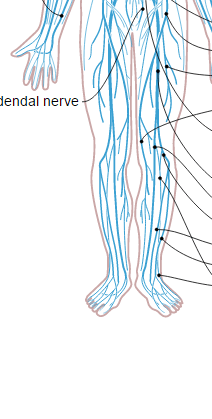
This is a picture of the 
a)
peripheral nervous sysyem
b)
central nervous system
c)
respiratory system
d)
reproduction system
105.
The gland labeled 4 in the diagram is?
a)
the thymus gland
b)
the thyroid gland
c)
the parathyroid glands
d)
the adrenal glands
106.
Endocrine glands produce __________ which maintain the body in homeostasis
a)
oils
b)
neurotransmitters 
c)
tears
d)
hormones
107.
produces epinephrine and nor-epinephrine which promote the fight or flight response
a)
pancreas
b)
testes
c)
adrenal glands
d)
pineal gland
108.
together these two hormones produced by the pancreas control blood sugar levels
a)
epinephrine and nor-epinephrine
b)
T3 and T4
c)
estrogen and progesterone
d)
insulin and glucagon
109.
this hormone causes an increase in bone density, deepening of the voice, and increased production of body and facial hair
a)
estrogen
b)
insulin
c)
testosterone
d)
progesterone
110.
a disease by which people cannot control sugar levels in the blood
a)
hypertension
b)
sleep apnea
c)
diabetes
d)
hyperthyroidism
111.
these hormones promote secondary sex characteristics in females
a)
testosterone and GH
b)
epinephrine and nor-epinephrine
c)
estrogen and progesterone
d)
prolactin and oxytocin
112.
name the organ labeled 4
a)
pituitary gland
b)
thyroid gland
c)
pancreas
d)
thymus
113.

A generic name for reproductive cells is

a)

eggs and sperm

b)

somatic cells

c)

gametes

d)

fun cells

114.

Which of the following endocrine glands is the female gonad?

a)

thymus

b)

ovaries

c)

pineal

d)

pancreas

115.

Which of the following hormones is responsible for the regulation of the menstrual cycle?

a)

A. thyroxine

b)

B. progesterone

c)

C. estrogen

d)

D. both B and C

116.
What is the pituitary gland?
a)
the master gland
b)
helps you go to sleep
c)
influence metabolic rate
d)
decrease blood calcium
117.
The diagram shows the interaction between blood sugar and pancreas activity. This is
a)
an example of a feedback mechanism maintaining homeostasis
b)
an example of an immune system responding to prevent disease
c)
an example of the hormonal regulation of gamete production
d)
an example of the digestion of sugar by insulin
118.
The pituitary gland is represented by letter ___.
a)
A
b)
B
c)
C
d)
D
119.
When the blastocyst attaches to the lining of the uterus, this is known as
a)
fertilization
b)
ovulation
c)
implantation
d)
mitosis
120.
What is the "lifeline" between the fetus and the placenta?
a)
amniotic sac
b)
umbilical cord
c)
placenta
d)
vagina
121.
The birth canal is 
a)
1
b)
2
c)
3
d)
4
122.
The site of fertilization is
a)
1
b)
2
c)
3
d)
5
123.
The oviduct is
a)
1
b)
2
c)
4
d)
5
124.
When an egg is not fertilized it
a)
returns to the ovary
b)
passes out of the woman's body unnoticed
c)
is absorbed in the abdomen
d)
leaves the woman's body in search of sperm
125.
What are the main Male sex hormones called?
a)
a) TESTOSTERONE
b)
b) ESTROGEN
c)
c) DOPAMINE
d)
d) STEROID
126.
What are the main Female sex hormones called?
a)
a) TESTOSTERONE
b)
b) ESTROGEN
c)
c) DOPAMINE
d)
d) STEROID
127.
On approximately what day of the menstrual cycle does the ovary release the egg (ovulation)?
a)
1st day
b)
7th day
c)
14th day
d)
28th day
128.

Which phase involves the egg being released into the uterus?

a)

Menstruation

b)

Ovulation

c)

Follicular

d)

Luteal

129.
The diagram shows the female reproductive system. The part labelled B is called  
a)
sperm 
b)
the egg  
c)
the womb  
d)
the ovary 
130.
Which of the following physical changes, in boys, during adolescence is NOT true?
a)
Facial hair grows
b)
Muscles and penis grow bigger
c)
Testes start to produce sperm
d)
Voice becomes higher
131.
Which of the following physical changes, in girls, during adolescence is NOT true?
a)
Breasts start to develop
b)
Hips get narrower
c)
Ovaries start to release eggs
d)
Pubic and underarm hair grow
132.
What is the function of the organ shown in the picture?
a)
Scrotum
b)
used to cool down the temperature in the testes
c)
testes
d)
produces sperm cells and semen
133.
The male gonad that produces sperm and the male hormone testosterone.
a)
Penis
b)
Epididymis
c)
Testes
d)
Cowper's Gland
134.
Identify structure number 4 which is used to transport sperm.
a)
testis
b)
urethra
c)
vas deferens
d)
prostate
135.
What is the name of the structure labeled #3 where sperm is stored?
a)
testis
b)
epididymis
c)
scrotum
d)
seminal vesicle
136.
Where does fertilization usually take place?
a)
ovary
b)
fallopian tube
c)
cervix
d)
vagina
137.
a)
Ovary
b)
Fallopian tube
c)
Uterus
d)
Uterus lining
138.
a)
Vagina
b)
Uterus
c)
Cervix
d)
Ovaries
139.
a)
Testes
b)
Prostate gland
c)
Bladder
d)
Seminal gland
140.
Inhale!!!!
Your lungs are ___________  air
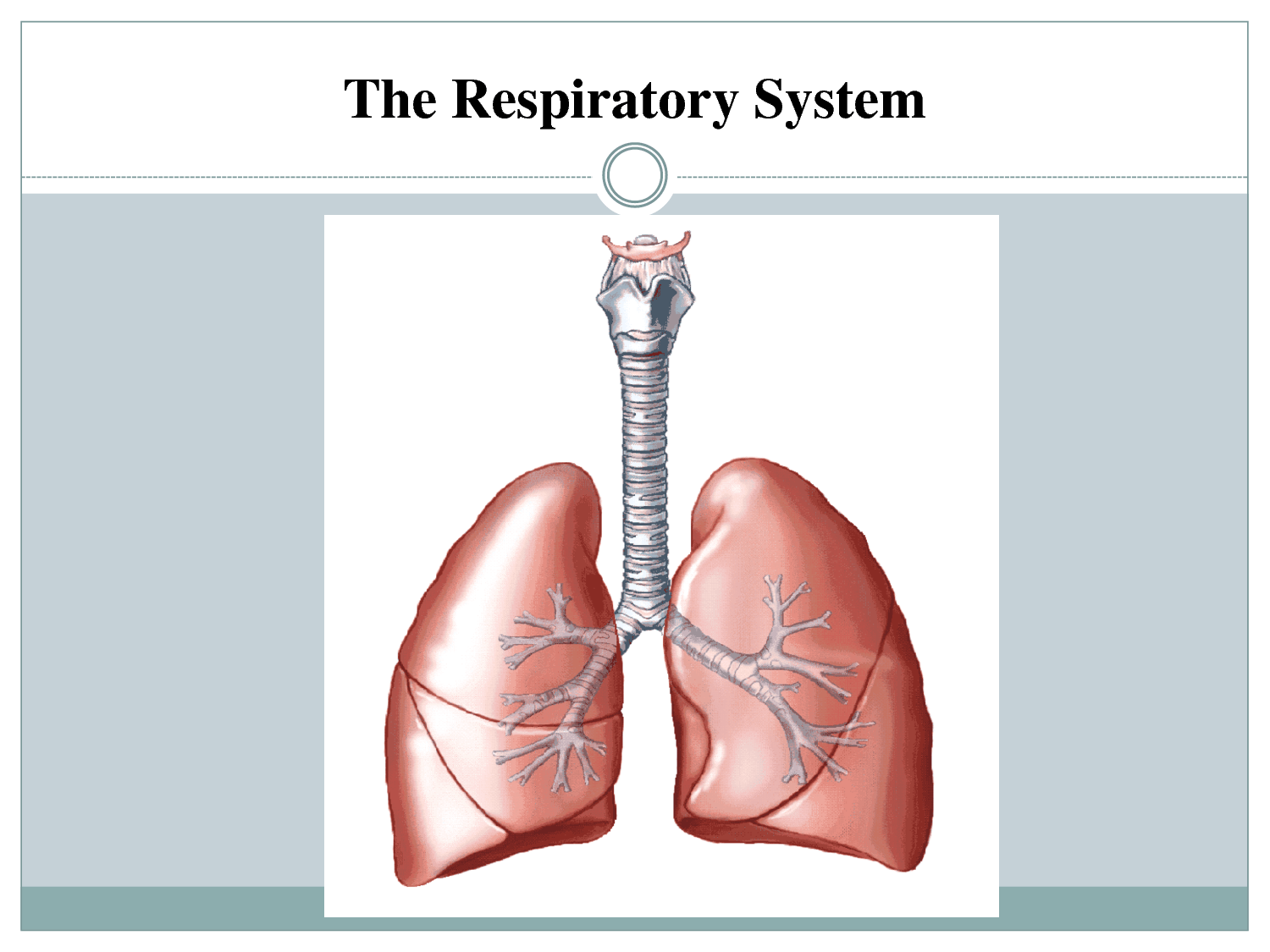
a)
taking in
b)
letting out
141.
What is the main function of the respiratory system?
a)
to provide oxygen and remove carbon dioxide from the body
b)
to bring oxygen to the body
c)
to break down food and absorb nutrients
d)
to remove oxygen from the body and deliver carbon dioxide
142.
When you breathe, your lungs take in ___ and remove ___. 
a)
air/oxygen
b)
oxygen/carbon dioxide 
c)
carbon dioxide/waste 
d)
waste/air 
143.
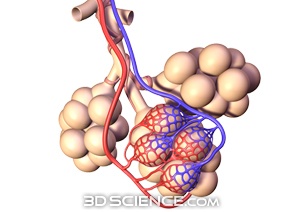
The air sacs that are covered with capillaries where gas exchange takes place
a)
bronchi
b)
lungs
c)
oxygen
d)
alveoli
144.
Name the organ label # 6. 
a)
alveoli 
b)
bronchi 
c)
trachea 
d)
lungs 
145.
Name the structure labeled 8 
a)
lungs 
b)
trachea 
c)
diaphragm 
d)
alveoli 
146.
What do scientists call bacteria and viruses that can make people sick?  
a)
diseases
b)
vaccines
c)
antibodies
d)
pathogens
147.
Jorge has a cold but feels well enough to study with his friends Lisa and Jin. Lisa and Jin become sick. Which term describes Jorge’s condition when he was studying with his friends?  
a)
noninfectious
b)
contagious
c)
immune
d)
deadly
148.
Antibiotics work against most
a)
Bacteria
b)
Bacteria & Viruses
c)
Vaccines
d)
Viruses
149.
What is the main purpose of the immune system?
a)
support the body through bones and muscles
b)
get rid of waste from the body
c)
protect the body from pathogens
d)
move blood through the body
150.
What type of microbe is used in a vaccine?
a)
it doesn't really matter
b)
a damaged one
c)
a weakened or inactivated one
d)
a normal one
151.
Vaccines stimulate the body to produce...
a)
autoimmune diseases
b)
helper t-cells
c)
fever
d)
antibodies
152.
A disease that is harmful to the body and is contagious is called....
a)
Non-Infectious
b)
Infectious
153.
___________ filter out debris from cellular warfare.
a)
Kidneys
b)
Lymph nodes
c)
Small intestines
d)
Antigens
154.
Cells that sound the alarm are
a)
memory T cells
b)
memory B cells
c)
plasma cells
d)
helper T cells
155.
B cells mature in the
a)
thymus
b)
intestine
c)
bone marrow
d)
heart
156.
Nutrients from digested food are absorbed in which digestive organ?
a)
Small Intestine
b)
Stomach
c)
Large Intestine
d)
Gallbladder
157.
Number 4 is pointing to the....
a)
Anus
b)
Rectum
c)
Large Intestine
d)
Small intestine
158.
Number 5 is pointing to the...
a)
Liver
b)
Gallbladder
c)
Pancreas
d)
Stomach
159.
Number 2 is pointing to the...
a)
Esophagus
b)
Stomach
c)
Small intestine
d)
Anus
160.
Which organ pushes food down to the stomach?
a)
Mouth
b)
Esophagus
c)
Rectum
d)
Large intestine
161.
Bile is stored in which secondary digestive organ?
a)
Stomach
b)
Liver
c)
Gallbladder
d)
Pancreas
162.
What is "D"?
a)
Epiglottis
b)
Esophagus
c)
Salivary glands
d)
Pharynx
163.
What is "J"?
a)
Appendix
b)
Small intestines
c)
Large intestines
d)
Liver
164.
What is "L"?
a)
Liver
b)
Pancreas
c)
Gall Bladder
d)
Appendix
165.
7
a)
Anus
b)
Small Intestine
c)
Large intestine
d)
Rectum
166.
A physical process in which large pieces of food are torn and ground into smaller pieces
a)
peristalsis
b)
chyme
c)
chemical diagestion
d)
mechanical diagestion
167.
Which best describes the villi?
a)
Villi allow nutrients to move from the intestine to the bloodstream
b)
Villi transfer enzymes into the digestive system
c)
Villi allow bile to move from the gallbladder to the intestine
d)
Villi secrete saliva into the mouth
168.
Which pathogen is non-living?
a)
Virus
b)
Bacteria
c)
Fungi
d)
Parasite
169.
What do antibiotics cure?
a)
bacteria
b)
virus
c)
parasite
d)
fungus
170.
Which pathogen needs a host cell to reproduce?
a)
virus
b)
bacteria
c)
fungus
d)
parasite
171.
Which pathogen reproduces using binary fission (Asexual Reproduction)?
a)
Virus
b)
Bacteria
c)
Fungi
d)
Parasite
172.
Reasons that viruses are considered to be nonliving is because
a)
They are not cellular
b)
They cannot reproduce on their own
c)
They cannot make proteins
d)
all of the above
173.

The image shows a

a)

bacteria

b)

virus

c)

parasite

d)

erthrocite