wayground logo

Free Printable Worksheets

Font size

S
M
L
XL
Worksheets

chemistry semester 2

Total questions: 137

Worksheet time: 5hrs 48mins
Name
Class
Date
1.
The "ane" ending in "alkane" tells someone that they are dealing with _________-bonded carbons.
a)
single
b)
double
c)
triple
d)
quadruple
2.
A molecule of 2,3 methyl hexane would have how many TOTAL carbons?
a)
6
b)
7
c)
8
d)
9
3.
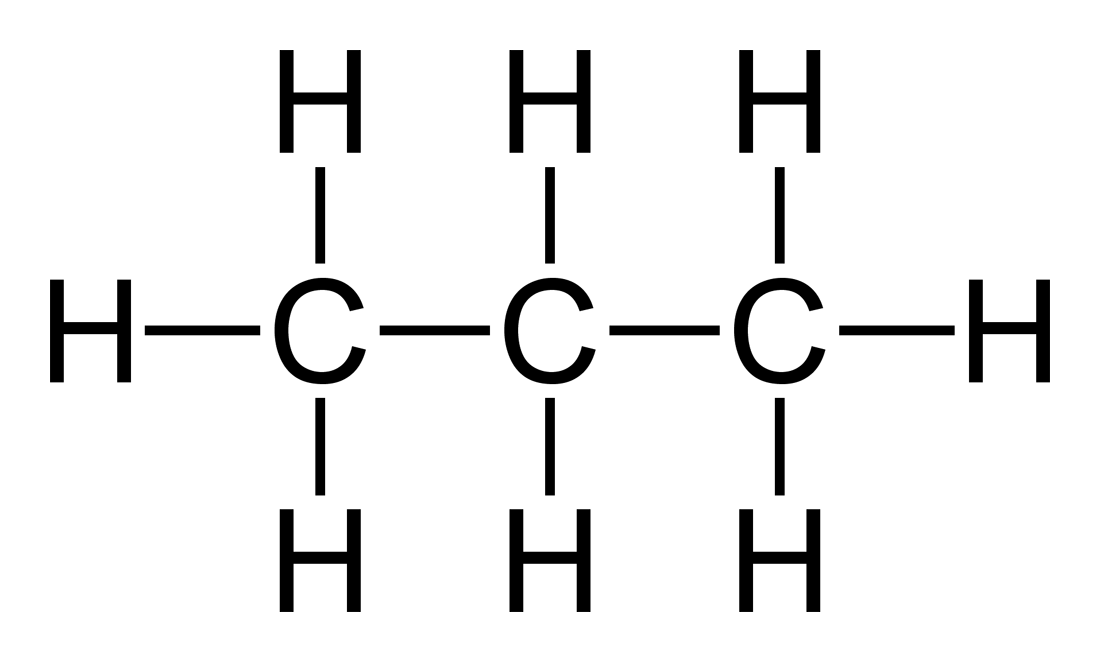
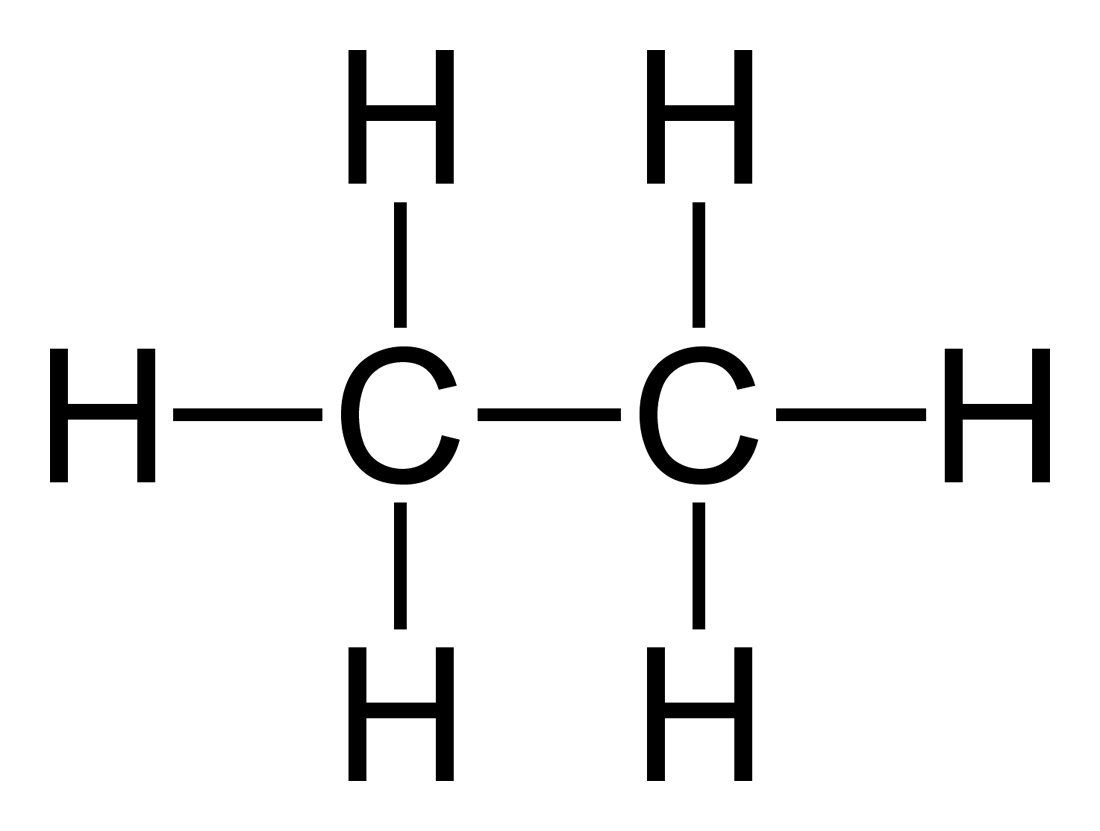
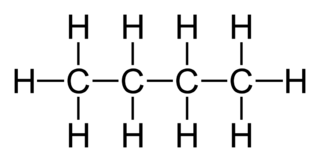
Name this alkane
a)
Methane
b)
Ethane
c)
Propane
d)
Butane
4.
Give the name of this compound...
C3H8
a)
Propene
b)
Butane
c)
Butene
d)
Propane
5.
The molecular formula for Heptane is
a)
C4H10
b)
C8H18
c)
C5H12
d)
C7H16
6.
Methyl has the molecular formula
a)
CH4
b)
CH3
c)
CH
d)
CH2
7.
Name this alkane
a)
Methane
b)
Ethane
c)
Propane
d)
Butane
8.
Name this alkane
a)
Methane
b)
Ethane
c)
Propane
d)
Butane
9.
Hydrocarbons are compounds that contain
a)
Carbon, only
b)
Carbon and Hydrogen, only
c)
Carbon, Oxygen, and Hydrogen, only
d)
Carbon, Oxygen, Hydrogen, and Nitrogen, only
10.
what kind of molecule is this?
a)
alkane
b)
alkene
c)
alkyne
d)
cycloalkane
11.
Name this alkane
a)
Methane
b)
Ethane
c)
Propane
d)
Butane
12.
a)
Alkane
b)
Alkene
c)
Alkyne
13.
What is the prefix for four carbons?
a)
meth-
b)
but-
c)
prop-
d)
eth-
14.
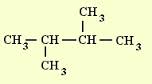
Name the compound.
a)
hexane
b)
2,3-dimethylbutane
c)
ethylbutane
d)
2,2-dimethylbutane
15.
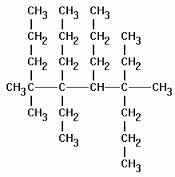
How many carbons are in the longest chain of the following molecule:
a)
11
b)
10
c)
9
d)
8
16.
Name the following
a)
Heptane
b)
Cycloheptane
c)
Hexane
d)
Cyclohexane
17.
Name the compound.
a)
nonene
b)
2,2-dimethyl-3-heptene
c)
1,1,5-trimethyl-2-hexene
d)
2,6-dimethyl-3-heptene
18.
How many bonds does carbon make?
a)
1
b)
2
c)
3
d)
4
19.
Name the following
a)
4-ethyl-6-methyl nonane
b)
3-propyl-5-methyl octane
c)
2,4-dipropyl hexane
d)
4-ethyl-2-propyl heptane
20.
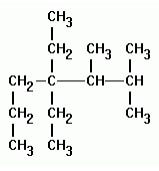
Name the following
a)
2,3-dimethyl-4,4-diethyl heptane
b)
2,3-methyl-4,4-ethyl heptane
c)
4,4-ethyl-2,3-methyl heptane
d)
4,4-diethyl-2,3-dimethyl heptane
21.

Which of the following statements is true concerning acids and bases?

a)

acids and bases don't react with each other

b)

acids mixed with bases neutralize each other

c)

acids mixed with bases make stronger bases

d)

acids mixed with bases make stronger acids

22.

True or false: bases are sometimes called alkaline.

a)

True

b)

False

23.

Which is the correct set of acid properties, as described by Boyle:

a)

sour taste, corrosive, change litmus from red to blue

b)

sour taste, corrosive, change litmus from blue to red

c)

sweet taste, slippery, change litmus from blue to red

d)

sour taste, slippery, change litmus from blue to red

24.

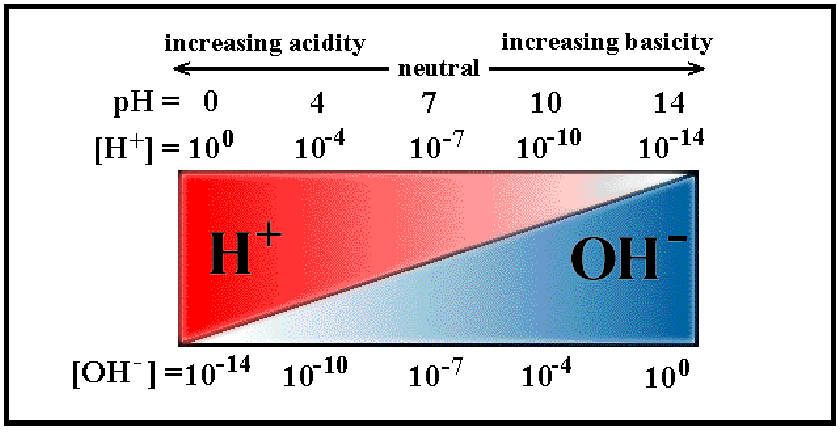
Neutral solutions have a pH of:

a)

0

b)

1

c)

7

d)

14

25.

True or false: a neutral solution has equal amounts of H+ and OH-.

a)

True

b)

False

26.

Which is true?

a)

pH of less than 7 is basic; pH of more than 7 is acidic

b)

pH of less than 7 is acidic; pH of more than 7 is basic

27.

Vinegar, fruit juice, and cola are examples of:

a)

strong acids

b)

strong bases

c)

strong bases

d)

weak acids

28.

NaOH may be found in drain cleaners and as a component of soaps. Is NaOH an acid or a base?

a)

Acid

b)

Base

c)

Neither (Neutral)

29.

HCl is found in household products, including some toilet bowl cleaners. Is HCl an acid or a base?

a)

Acid

b)

Base

c)

Neither (Neutral)

30.

Is laundry detergent an acid or a base?

a)

Acid

b)

Base

c)

Neither (Neutral)

31.

Ammonia is found in many household products, including window cleaner. What is the pH of ammonia?

a)

It's acidic.

b)

It's basic.

c)

It's neutral.

32.

Is pure water acidic, basic, or neutral?

a)

Acidic

b)

Basic

c)

Neutral

33.

Vinegar is an example of:

a)

An acid.

b)

A base.

c)

Neither an acid nor a base.

34.

If the H+ concentration of a solution is 2.8 x 10⁻⁹, what is the pOH?

a)

9.00

b)

8.55

c)

5

d)

5.45

35.

if the pOH of a solution is 2.8 what is the pH?

a)

2.8

b)

7.2

c)

0.45

d)

11.2

36.

What are the products when hydrobromic acid is mixed with sodium hydroxide

a)

H2O and NaBr

b)

HBr and NaOH

c)

OBr and NaH

d)

Na and BrOH

37.

pH greater than 7

a)

Acid

b)

Base

c)

Neutral

38.
Which of the following word pairs correctly completes the sentence below?
_______ are corrosive substances characterized as having a strong smell, a sour taste, and a _______.
a)
Acids; pH less than 7
b)
Acids; pH greater than 7
c)
Bases; pH greater than 7
d)
Bases; pH less than 7
39.

If the [H+] > [OH-] the solution is...

a)

acidic

b)

basic

c)

neutral

40.
Which one of the following equations is correct for the reaction between hydrochloric acid (HCl) and sodium hydroxide (NaOH)?
a)
HCl + NaOH ➞ H₂O + NaOCl
b)
HCl + NaOH ➞ HCl + H₂O
c)
HCl + NaOH ➞ NaCl + H₂O
d)
HCl + NaOH ➞ NaH + HOCl
41.

Select the formula for sodium hydroxide

a)

NaOH

b)

Na(OH)2

c)

NaH

42.

A solution with a pH of 12.4 is considered __________.

a)

acidic

b)

basic

c)

neutral

43.

What is the pH of a solution with [H+] = 2.88 x 10⁻⁹ M?

a)

9.00

b)

8.54

c)

8.03

d)

7.73

44.

What is the [H+] in a solution of pH = 2.83?

a)

1.48 x 10⁻³ M

b)

3.84 x 10⁻⁶ M

c)

7.12 x 10⁻⁴ M

d)

4.49 x 10⁻² M

45.

What is the hydrogen ion concentration of a solution with a pH of 8?

a)

1.0 x 10⁻⁸ M

b)

8.13 x 10⁻⁴ M

c)

1.0 x 10⁻² M

d)

6.74 x 10⁻⁶ M

46.

How does the hydrogen ion concentration in a solution with a pH of 2 compare to a solution with a pH of 6?

a)

10,000 times greater in pH 2

b)

10,000 times less in pH 2

c)

40 times less in pH 2

d)

40 times greater in pH 2

47.

Which compound is considered an electrolyte?

a)

H2O

b)

LiBr

c)

CH4

d)

F2

48.

What is the pH of a substance in which [H+] = 1.0 x 10⁻³

a)

3.00

b)

4.15

c)

2.83

d)

3.55

49.

A solution with a pH of 2.93 is considered ___________.

a)

acidic

b)

basic

c)

neutral

50.
How many atoms of iodine are in a mole of iodine?
a)
53
b)
63.55g
c)
126.9
d)
6.02 x 10²³
51.
The number 6.02 x 10²³ is called...
a)
Obama's number
b)
Bohr's number
c)
Trump's number
d)
Avogadro's number
52.
How many particles (atoms) would be in 8.4 moles of Octane (C8H18)?
a)
5.77 x 10²³
b)
5.04 x 1024
c)
5.77 x 1026
d)
5.04 x 10²³
53.
Which has more molecules?
a)
1 mole H2O
b)
1 mole Al(OH)3
c)
1 mole NaCl
d)
There are all the same
54.
How many atoms are in 3.5 moles of arsenic atoms?
a)
5.8 x 10⁻²⁴
b)
7.5 x 101
c)
2.1 x 1024
d)
1.7 x 10²³
55.
How many molecules of sugar (atoms of sugar) (C6H12O6) are in a mole of sugar?
a)
24 molecules
b)
180 molecules
c)
180 g
d)
6.02 x 10²³ molecules
56.
How many Carbon Atoms are in 4.52 moles of Carbon?
a)
6.02 x 10²³
b)
1.33 x 10²³
c)
4.52
d)
2.72 x 1024
57.
How many atoms are in 3.4 moles of silver, Ag?
a)
6.02 x10²³
b)
2.04 x1024
c)
5.65 x10⁻²⁴
d)
6.02 x 1024
58.
How many Carbon Atoms are in 4.52 moles of Carbon?
a)
6.02 x 10²³
b)
1.33 x 10²³
c)
4.52
d)
2.72 x 1024
59.
How many Carbon atoms are in one mole of Carbon?
a)
6.02 x 10²³
b)
1
c)
12
d)
not enough information
60.
How many water molecules are in 5.2 moles of water?
a)
6.02 x 10²³
b)
5.2
c)
3.1304 x 1024
d)
8.638 x 10⁻²⁴
61.
How many moles of copper contain 1.45x10²¹ atoms of copper?
a)
8.73x1044
b)
1.20x1024
c)
0.00241
d)
1.45
62.
How many moles of Na contain 1.45x10²¹ atoms of Na?
a)
8.73x1044
b)
1.20x1024
c)
0.00241
d)
1.45
63.
5.11 x 10 23 atoms of lithium is equal to how many moles?
a)
1.18
b)
0.351
c)
1.34
d)
0.849
64.
0.75 mole of copper is equal to how many atoms?
a)
8.03x10²³
b)
6.02x10²³
c)
4.51x10²³
d)
3.11x10²³
65.
Theoretical yield = 73g
Actual yield = 62g
Calculate the percent yield.
a)
1.16%
b)
116%
c)
85%
d)
76%
66.
P+ 3O--> P4O
What is the limiting reactant is 12 moles of Preact with 15 moles of O2?
a)
P4
b)
O2
c)
P4O
d)
none of the above
67.
If a chemist calculates the maximum amount of product that could be obtained in a chemical reaction, he or she is calculating the
a)
theoretical yield
b)
mole ratio
c)
actual yield
d)
percentage yield
68.
Use the equation 2 Al + 3 Cl2 ---> 2 AlCl3.  If 2 moles of aluminum and 2 moles of chlorine are reacted, identify the limiting reactant.
a)
AlCl3
b)
Cl2
c)
Al
69.
When 12 moles of O2 reacts with 1.1 mole of C10H8 what is the limiting reactant?  C10H8 + 12 O2 --> 10 CO2 + 4 H2O
a)
Oxygen
b)
C10H8
c)
Water
d)
Carbon Dioxide
70.
What are the correct steps for determining the limiting reactant?
a)
divide each reactant by its molar mass and look for the smallest number
b)
balance the chemical equation and look for the smallest coefficient
c)
divide the moles of each reactant by its coefficient and look for the smallest number
d)
divide each reactant by Avogadro's number and look for the smallest number
71.
What is the limiting reactant if 10 moles of NH3  react  with 30.0 moles of NO?
4NH3+6NO --> 5N2 + 6H2O
a)
NH3
b)
NO
c)
N2
d)
water
72.
Theoretical yield = 73g
Actual yield = 62g
Calculate the percent yield.
a)
1.16%
b)
116%
c)
85%
d)
76%
73.
P+ 6Cl--> 4PCl
The reaction of 75.0g P4 with excess chlorine gas produces 110g PClin lab. Find the theoretical yield and calculate percent yield for the reaction. 
a)
78%
b)
64%
c)
27%
d)
33%
74.
Fe + S --> FeS
If 7.62g Fe react with 8.67g S, what is the limiting reactant?
a)
Fe
b)
S
c)
FeS
d)
none 
75.
2. True or False?
A chemical reaction stops before the limiting reagent is used up.
a)
True
b)
False
76.
7. The amount of product that actually forms when a chemical reaction is carried out in a laboratory is called the _________ yield.
a)
actual
b)
theoretical
c)
percent
77.
11.
LiOH + KCl → LiCl + KOH    
a)  I began this reaction with 20 grams of lithium hydroxide.  What is my theoretical yield of lithium chloride? 
a)
35.5 grams
b)
11.3 grams
c)
0.03 grams
d)
0.09 grams
78.
13.
Be + 2 HCl → BeCl2 + H2    
My theoretical yield of beryllium chloride was 10.7 grams.  If my actual yield was 4.5 grams, what was my percent yield? 
a)
42.1 %
b)
2.38 %
c)
1.24 %
d)
27.2 %
79.
AB + CD →AD + CB
a)
Double Replacement
b)
Single Replacement
c)
Synthesis
d)
Decomposition
80.
NO2 →N2 + O2
a)
Synthesis (combination)
b)
Decomposition
c)
Single replacement
d)
Combustion
81.
Mg + N2 →Mg3N2
a)
Synthesis (combination)
b)
Decomposition
c)
Single replacement
d)
Combustion
82.
2NaCl →2Na +Cl2
a)
Synthesis Reaction
b)
Decomposition Reaction
c)
Single Displacement Reaction
d)
Double Displacement Reaction
83.
Is burning wood a chemical or physical change?
a)
chemical
b)
physical
84.
Which of the following is a sign that a chemical reaction has occurred?
a)
change in shape
b)
melting
c)
formation of a gas
d)
dissolving
85.
The following is what type of reaction:
NH3 + HCl  → NH4Cl
a)
Synthesis
b)
Decomposition
c)
Single Replacement Replacement
d)
Double Replacement Replacement
86.
Photosynthesis is an example of a
a)
physical change
b)
chemical change
87.
Adding baking soda and vinegar together and it fizzes and creates carbon dioxide.
a)
Chemical
b)
Physical
88.
Which is a chemical change?
a)
freezing fruit juice
b)
slicing a potato
c)
boiling water
d)
copper metal turning green
89.
Which of the following describes a precipitate?
a)
a liquid forms when a block of metal is heated
b)
a solid forms when one liquid is poured into another
c)
a gas forms when a solid is placed in a liquid
d)
bubbles form when an acid is poured on a rock
90.
What causes a chemical reaction when you prepare scrambled eggs?
a)
cracking the eggs in a pan
b)
heating the eggs in a pan
c)
putting pepper on the eggs
d)
putting the eggs on a plate
91.
A solid piece of chocolate is melted and changed to liquid form. Which property of the piece of chocolate will remain the same?
a)
Texture
b)
Temperature
c)
Shape
d)
 Mass
92.
During Photosynthesis energy is absorbed. What kind of reaction is it?
a)
Physical
b)
Exothermic
c)
Endothermic
d)
Photothermic
93.
In an exothermic reaction, energy is _________.
a)
Released
b)
Absorbed
c)
Stored
d)
Doubled
94.
You are given two jars, each of which contains an unknown substance. You are asked to determine if the substances are different from one another or if each jar contains the same substance. What should you do to complete this task? 
a)
Compare the appearances of the substances. If the substances look the same, then they are the same. 
b)
Compare only some of the physical properties of the substances. If the substances have the same density, then they are the same. 
c)
Compare both the physical and the chemical properties of the substances. If the substances perform the same in a variety of tests, then they are the same. 
d)
Compare the physical states of the substances. If the substances are in the same state, then they are the same.
95.
Joelle noticed that the apples she had picked were beginning to turn brown and soft after a few weeks. What type of change happened?
a)
Chemical--rusting
b)
Chemical--burning
c)
Chemical--rotting
d)
Chemical--baking
96.
A white baking soda solution was combined with white calcium chloride. Once combined the temperature increased, the substances bubbled, and were white in color. What indicators of a chemical change were shown?
a)
Temperature increase
b)
Color change
c)
Bubbling/fizzing
d)
Temperature increase and bubbling/fizzing
97.
Jenna stirs salt into water. What type of change occurred?
a)
Chemical--she cannot separate the substances
b)
She made a heterogeneous mixture
c)
She made a homogeneous mixture (physical change)
d)
She made a homogeneous mixture (chemical change)
98.
Leaves on trees begin to change color. What type of change occurs?
a)
Chemical
b)
Physical
c)
Both
99.
Bread is toasted.  How do you know a chemical change happened?
a)
The temperature decreased
b)
The color changed
c)
It bubbled/fizzed
d)
A solid formed
100.
What is the molar mass of C6H12O6?
a)
180.18
b)
180.12
c)
180.24
d)
180.06
101.
Using the following equation:
Fe2O3(s) + 3H2(g) → 2Fe(s) + 3H2O(l)
How many moles of iron can be made from  6 moles H2
a)
4 moles Fe
b)
6 moles Fe
c)
9 moles Fe
d)
2 moles Fe
102.
Balance the following reaction :
 
CaC₂(s)   +   H₂O(l)   -->   C₂H₂(g)   +   Ca(OH)₂(aq)
a)
1,2,2,2
b)
1,2,1,1
c)
2,1,1,1
d)
2,1,2,1
103.
For the Balanced Reaction: 3 Mg + 1 Fe2O3 → 3 MgO + 2 Fe; What is the Ratio of moles of MgO to moles Fe?
a)
3mol Mg / 2 mol Fe
b)
2 mol Mg/ 3 mol Fe
c)
1 mol Fe/ 2 mol Fe
d)
3 mol MgO / 2 mol Fe
104.
O2 + CS2 --> CO2 + SO2
What coefficient would go in front of the O2?
a)
1
b)
2
c)
3
d)
4
105.
WO3 + H2 --> W + H2O
What coefficient goes in front of H2?
a)
1
b)
2
c)
3
d)
4
106.
How many grams are in one mole of Oxygen
a)
16
b)
32
c)
15.99
d)
31.98
107.
What is the mole ratio of H2O to H3PO4 in the following chemical equation?   P4O10 + 6 H2O --> 4 H3PO4 
a)
6:4
b)
4:6
c)
1:3
d)
3:1
108.
What is the first thing you must do to solve a stoichiometry problem?
a)
Write a Balanced Equation
b)
Panic
c)
Write an Unbalanced Equation
d)
Ask for help
109.
Using the following equation:
Fe2O3(s) + 3H2(g) → 2Fe(s) + 3H2O(l)
How many moles of iron can be made from  6 moles H2
a)
4 moles Fe
b)
6 moles Fe
c)
9 moles Fe
d)
2 moles Fe
110.
What is the molar mass of CH4
a)
16.05
b)
16.04
c)
16.03
d)
16.02
111.
In the reaction 2 H2 + O2 → 2 H2O what is the mole ratio of oxygen to water
a)
1:2
b)
2:1
c)
3:4
d)
4:3
112.
What is the molar mass of Mg(NO3)2
a)
148.313g/mol
b)
134.306g/mol
c)
54.311g/mol
113.
How many grams are in 3.3 mol of Potassium Sulfide (K2S)?
a)
363 g
b)
454 g
c)
238 g
d)
132 g
114.
What is a substance that is dissolved in another substance? 
a)
solution
b)
solute
c)
solvent
d)
compound
115.
What is a solvent?
a)
The substance that does the dissolving in a solution.
b)
The substance that is being dissolved in a solution.
c)
The mixing of different substances.
d)
The process in which neutral molecules lose or gain electrons
116.
This is the part of a solution that dissolves
a)
Solute
b)
Solvent
c)
Solution
d)
Mixture 
117.
The concentration of a mixture can be increased in which of the following ways?
a)
Heating the mixture
b)
Adding more water “solvent”
c)
Adding more powder “solute”
d)
Stirring the mixture
118.
In the above picture, a powder is about to be poured into the liquid. Which of the following should be done to make this powder dissolve faster?

a)
stir the powder in the liquid
b)
freeze the mixture
c)
add more powder to the liquid
d)
store the mixture in a dark place
119.
A solution that is considered dilute would be....
a)
Dark in color
b)
Have a strong scent
c)
Have a large amount of solute
d)
Have a small amount of solute
120.
salt water is a 
a)
compound
b)
element
c)
heterogeneous mixture
d)
solution
121.
Another name for a homogeneous mixture is 
a)
an element.
b)
a solution.
c)
a compound.
122.
what a solute dissolves in
a)
solvent
b)
mixture
c)
solute
123.
Kool-Aid - Powder, sugar, and water
Identify the solvent 
a)
water
b)
powder
c)
sugar
d)
powder and sugar
124.
dissolves in the solvent
a)
solute
b)
solvent
c)
mixtures
125.
Lemonade - Water, lemon juice, and sugar
Identify the solute
a)
water
b)
lemon juice
c)
sugar and lemon juice 
126.
When a certain amount of solvent cannot hold any more solute it is called a ________ solution.
a)
Diluted
b)
Saturated
127.
When a Koolaid mix in water is dark in color and very sweet it is a __________ solution.
a)
concentrated 
b)
Diluted
128.
When Koolaid mix is light colored and tastes watery it is a _______ solution.
a)
saturated 
b)
diluted
129.
What is a compound? 
a)
 the simplest form of a substance 
b)
a combination only of 3 elements 
c)
a combination of 2 or more elements 
d)
a place where people are held 
130.
This type of mixture contains two or more substances that are visibly distinguishable. 
a)
homogeneous
b)
heterogeneous
c)
solution
d)
colloid
131.
What is the simplest form that cannot be broken down to anything simpler? 
a)
element 
b)
solution
c)
compound
132.
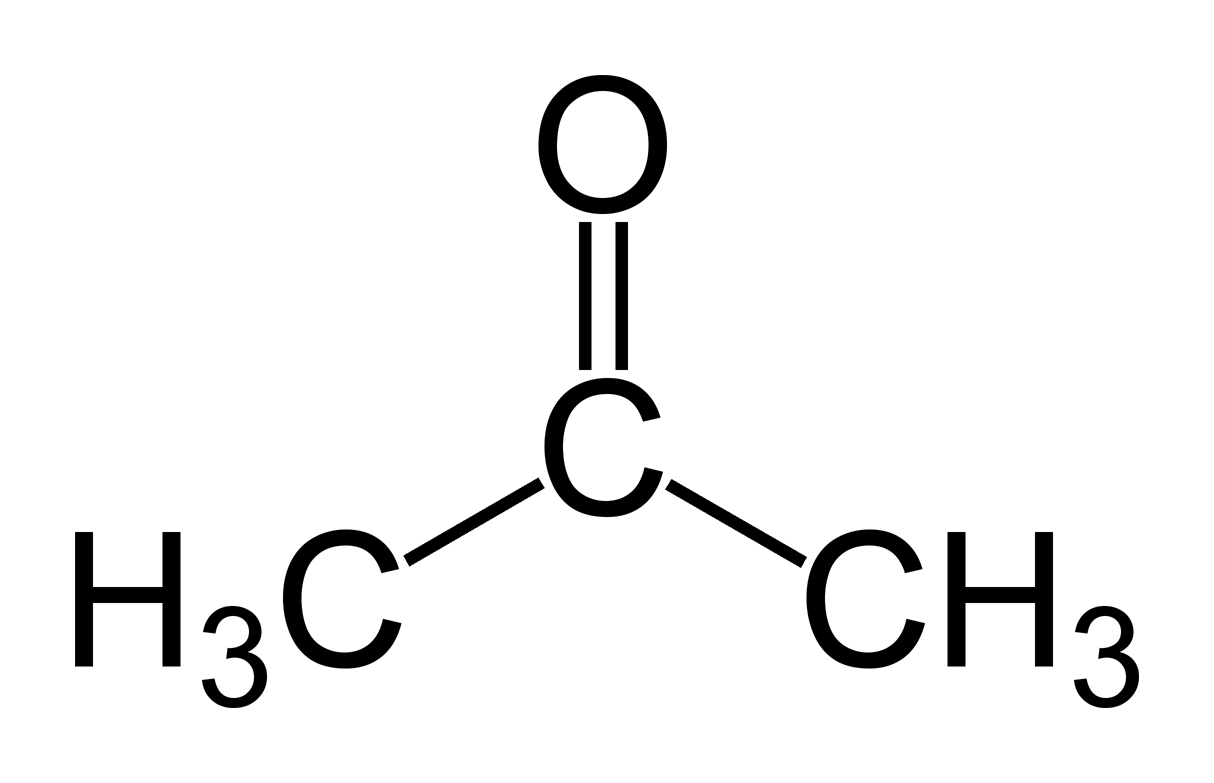
Name this structure.
a)
propanal
b)
propanol
c)
propanoic acid
d)
propanone
133.
Name this structure.
a)
heptanylamine
b)
hexanlyamine
c)
hexylamine
d)
heptylamine
134.
Name this structure.
a)
propanal
b)
propanol
c)
propane
d)
propanone
135.
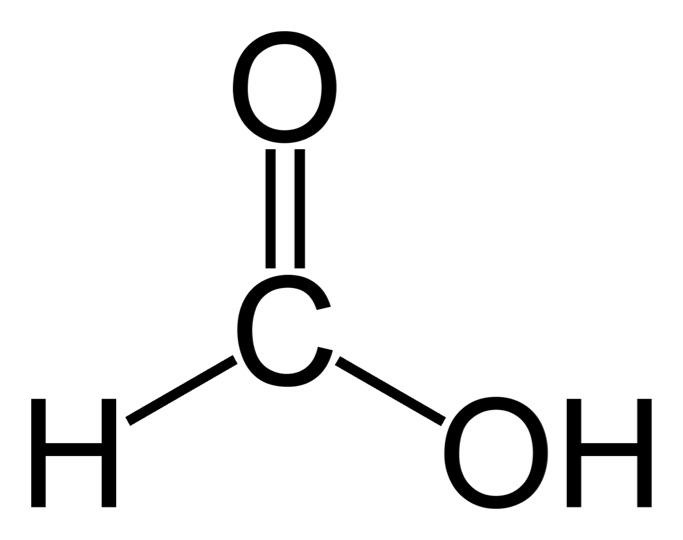
Name this structure.
a)
methanoic acid
b)
methanal
c)
methanol
d)
methanone
136.
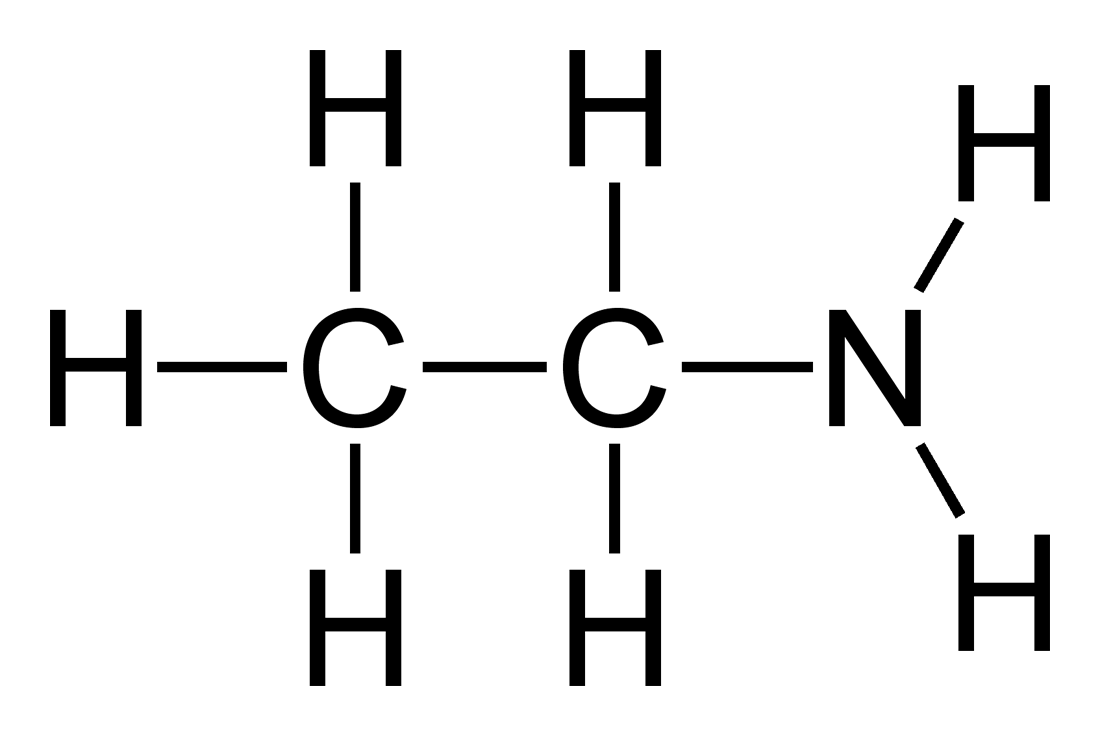
Name this structure.
a)
ethylamine
b)
methylamine
c)
ethane amine
d)
methane amine
137.
Name this structure.
a)
propanone
b)
pentanone
c)
pentanal
d)
propanal