wayground logo

Free Printable Worksheets

Font size

S
M
L
XL
Worksheets

Final Review S2 Bio

Total questions: 188

Worksheet time: 2hrs 11mins

Name
Class
Date
1.
Who is the father of evolution?
a)
Darwin
b)
Mendel
c)
Newton
d)
Einstein
2.
What is a change in an organism that allows for it to survive in its environment?
a)
homologous
b)
vestigial
c)
variation
d)
adaptation
3.
What is an organism that has similar characteristics and can reproduce?
a)
species
b)
organism
c)
embryology
d)
vestigial 
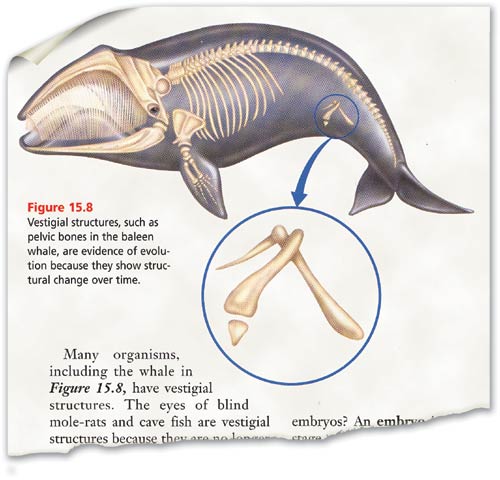
4.
What is this an example of?
a)
diversity of species
b)
variation
c)
vestigial structures
d)
DNA studies
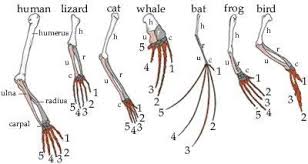
5.
What is this an example of?
a)
vestigial structures
b)
embryology
c)
homologous structures
d)
fossil record
6.
When individuals choose traits possessed by the opposite sex it is called…
a)
Mutation
b)
Gene Flow
c)
Genetic Drift
d)
Sexual Selection
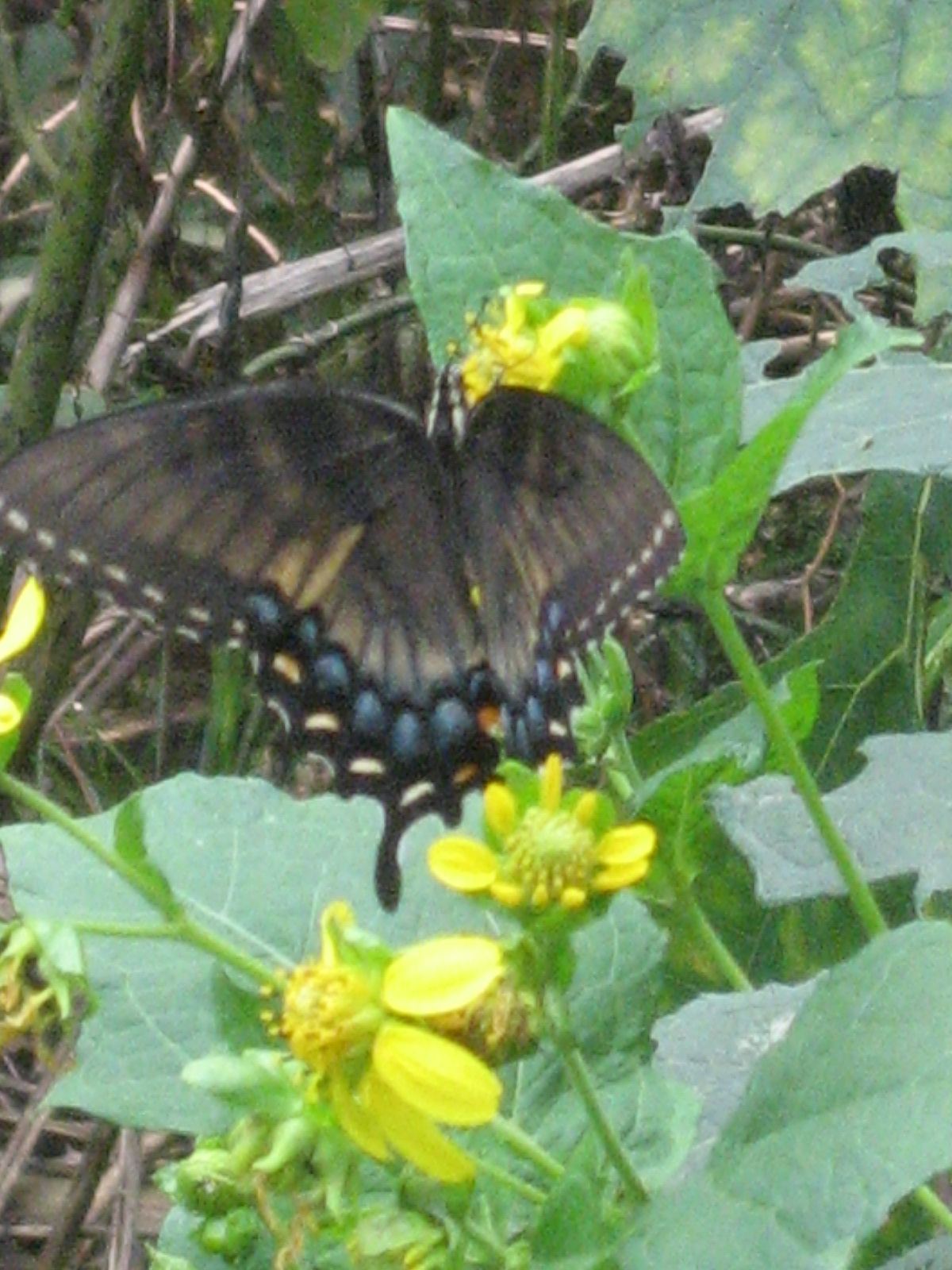
7.
Which of the following is NOT an example of natural selection? 
a)
People selectively breeding hamsters.
b)
Insect populations developing resistance to certain pesticides.
c)
Bacteria becoming resistant to antibiotics.
d)
Male birds of certain species developing colorful feathers to attract female mates.
8.
Which term refers to the process by which individuals that are better suited to the environment survive and reproduce therefore passing down their genes to their offspring? 
a)
Evolution 
b)
Variation 
c)
Adaptation
d)
Natural Selection 
9.
Which species’ DNA is most similar to the DNA of the toothed whale? 
a)
Hippopotamus 
b)
Baleen Whale
c)
Grazing Mammals
d)
Camels
10.
The environment around Manchester, England, changed during the Industrial Revolution.  How did this change affect peppered moths living in the area?
a)
Natural selection favored moths with dark wings because predators could not see them on the soot-colored trees.
b)
Natural selection favored moths with white wings that were easy for predators to see.
c)
Natural selection favored moths with white wings because predators could not see them on the soot-colored trees.
d)
Natural selection caused moths with white wings to become extinct.
11.
A remnant or trace of an organism from the past is called a _______.
a)
Ancestor
b)
Skeleton
c)
Fossil
d)
Imprints
12.
Inherited trait that helps an organism survive is a(n) __________.
a)
Fossil
b)
Adaptation
c)
Ancestor
d)
Natural selection
13.
Which of the following is an example of a vestigial structure?
a)
the wings of a red-tailed hawk
b)
the hind limbs of a house cat
c)
the fins of sharks
d)
the tailbone of a human
14.
Which of the following is a term for a group of similar organisms that can reproduce fertile offspring?
a)
individual
b)
population
c)
species
d)
fossil
15.
Why are advantageous traits more likely to be passed onto offspring?
a)
Because they are more likely to survive and reproduce.
b)
Because they come from dominant alleles.
c)
Because they come from recessive alleles.
d)
Because the trait is an acquired phenotype.
16.
The ability of an organism to survive and reproduce in its specific environment 
a)
diversity.
b)
evolution
c)
adaptation
d)
 fitness
17.
Genetic differences between organisms of the same species
a)
Variation
b)
Adaptation
c)
Behavior
d)
Environment
18.
The struggle for existence against other members of an organisms species is
a)
Competition
b)
Natural Selection
c)
gene flow
d)
genetic drift
19.
In natural selection, the selective agent is the
a)
humans
b)
mutations
c)
breeders
d)
environment
20.
protein sequences in one organism that resemble those of another suggest a 
a)
coincidence
b)
lack of evolutionary relationship
c)
great number of mutations
d)
shared ancestry
21.
a measure of how commonly a particular allele occurs in a population is known as the 
a)
gene pool
b)
allele frequency
c)
mutation rate
d)
phenotype
22.
What is speciation?
a)
combining of tow species to form one with different traits
b)
isolation that affects mating behaviors
c)
timing of mating that prevents normal sexual selection
d)
divergence of two or more species from an existing one
23.
An earthquake causes an ocean channel top open and separate an island into two.  the species on each section are now in
a)
geographic isoliation
b)
behavioral isolation
c)
disruptive selection
d)
temporal isolation
24.
Natural selection results in change over time by acting on traits that are
a)
heritable
b)
new
c)
mutated 
d)
better than the best
25.
The opossum and kangaroo both incubate their young in a pouch. This provides evidence that they---
a)
are descended from a common ancestor
b)
Have very similar skeletal structures
c)
belong to the same species
d)
must range great distances to eat
26.
Which of the following statements best explains why some mosquitoes survived after the first spraying?
a)
Some mosquitoes had a genetic mutation that made them resistant to the insecticide
b)
A.  All mosquitoes had a genetic mutation that made them resistant to the insecticide
c)
A.  None of the mosquitoes had a genetic mutation that made them resistant to the pesticide
27.
A trait that an organism expresses during its lifetime will only cause its species to become better adapted if the trait—
a)
A.  Results from isolation of the organism from the rest of the population 
b)
A.  Is caused by the genetic code that is present in the gametes of the organism
c)
A.  Causes a change in the environment surrounding the organism
d)
A.  Decreases the number of genes in the body cells of the organism
28.
Which of the following organisms are LEAST closely related?
a)
organisms that share a domain
b)
organisms that share a family 
c)
organisms that share a genus 
d)
organisms that share a species 
29.
The scientific name for an organism is made from the:
a)
class and family name
b)
genus and species name
c)
domain and kingdom name
d)
kingdom and phylum name
30.
The 8 levels of classification, most broad to most specific.
a)
Domain, Genus, Family, Order, Class, Phylum, Kingdom, Species
b)
Domain, Species, Kingdom, Genus, Phylum, Family, Class, Order
c)
Domain, Kingdom, Phylum, Class, Order, Family, Genus, Species
d)
Order, Kingdom, Species, Domain, Phylum, Family, Class, Genus
31.

In the Great Lakes region of North America, gray wolves and coyotes are similar species but do not mate because their breeding periods occur at different times of the year.

a)

Geographic isolation

b)

Behavioral isolation

c)

Temporal isolation

32.

The females of two species of fruit fly, Drosophila melanogaster and Drosophila simulans release slightly different mating hormones called pheromones, which are used to attract male mates.

a)

Geographic isolation

b)

Behavioral isolation

c)

Temporal isolation

33.

A type of isolation in which two populations become separated by a physical barrier such as a canyon, river, lake, preventing the two populations from interbreeding.

a)

Geographic isolation

b)

Behavioral isolation

c)

Temporal isolation

34.

Tradescantia ohiensis, a plant also known as bluejacket and its relative, T. subaspera have similar reproductive mechanisms but do not mate, as one species lives in sun while the other lives in shade.

a)

Geographic isolation

b)

Behavioral isolation

c)

Temporal isolation

35.

What kind of cells are made in MEIOSIS?

a)

Haploid Gametes

b)

Diploid Somatic Cells

c)

Skin Cells

d)

Liver Cells

36.

A human body (somatic) cell usually has how many chromosomes?

a)

6

b)

22

c)

4

d)

46

37.
When an area of a chromatid is exchanged with the matching area on a chromatid of its homologous chromosome, _________________ occurs
a)
crossing over
b)
mutagenesis
c)
hybridization
d)
fertilization
38.
If the Diploid number of Carrots is 18, the haploid number is
a)
18
b)
9
c)
27
d)
36
39.

The cells produced via meiosis are called:

a)

Gametes

b)

somatic cells

c)

body cells

d)

skin cells

40.
Why do we need meiosis?
a)
To double the number of chromosomes going into sex cells
b)
To halve the number of chromosomes going into sex cells
c)
To triple the number of chromosomes going into sex cells
d)
To not change the number of chromosomes going into sex cells
41.
If a somatic (body) cell in a butterfly contains 24 chromosomes, a butterfly egg would contain
a)
3
b)
6
c)
12
d)
24
42.
The result of meiosis is:
a)
two diploid cells
b)
two haploid cells
c)
four diploid cells
d)
four haploid cells
43.
What causes genetic variation in meiosis?
a)
chromosomes lining up
b)
crossing over of chromosomes
c)
separation of chromosomes
d)
chromosomes pulling apart
44.

The chromosomes that pair up during meiosis, are called __________ chromosomes.

a)

heterozygous

b)

asexual

c)

homologous pairs

d)

genes

45.
How many daughter cells are produced at the end of meiosis?
a)
1
b)
2
c)
3
d)
4
46.
What phase is represented?
a)
metaphase 1
b)
metaphase 2
c)
anaphase 1
d)
anaphase 2
47.
What phase is represented?
a)
metaphase 1
b)
metaphase 2
c)
anaphase 1
d)
anaphase 2
48.
What process, and which type of resulting cells are represented?
a)
mitosis, gametes
b)
mitosis, body cells
c)
meiosis, gametes
d)
meiosis, body cells
49.
Meiosis makes sperm and egg cells. In humans, sperm and egg cells each have _____ chromosomes. Therefore a fertilized human egg cell (sperm and egg cell combined) would create a cell with _____ chromosomes.
a)
23, 46
b)
46, 23
c)
2, 4
d)
50, 100
50.
Identify the phase.
a)
Metaphase I
b)
Metaphase II
c)
Prophase I
d)
Anaphase II
51.
A human zygote should have _____ chromosomes inside.
a)
46
b)
23
c)
92
d)
64
52.

What are homologous chromosomes?

a)

single chromosomes

b)

they are the same size and have the same genes

c)

sister chromatids

d)

centromeres

53.

What phase must happen before meiosis occurs to replicate the DNA?

a)

prophase

b)

metaphase

c)

anaphase

d)

interphase

54.

How many cells are at the the beginning of meiosis?

a)

1

b)

2

c)

3

d)

4

55.

How many cells are there after meiosis I?

a)

1

b)

2

c)

3

d)

4

56.

How many cells are there after meiosis II?

a)

1

b)

2

c)

3

d)

4

57.
The passing of traits from parent to offspring 
a)
Heredity 
b)
Genetics 
c)
Hybrid 
d)
Probability 
58.
Who was the father of genetics 
a)
Sagan 
b)
Issac Newton 
c)
Gregor Mendel 
d)
C.jenkins 
59.
 which is heterozygous ?  
a)
Tt
b)
TT
60.
Which is homozygous ?
a)
Zz
b)
SS
61.
the genetic makeup of an organism
a)
heterozygous
b)
punnet square
c)
genotype
62.
A homozygous dominant dog with brown fur is crossed with a heterozygous dog with brown fur. What are the percentages of the possible genotypes?
a)
100% BB
b)
75% BB and 25%Bb
c)
50 % BB and 50% Bb
d)
50% Bb and 50% bb
63.
An offspring will receive how many alleles from each parent to determine a specific trait?
a)
one
b)
two
c)
three
d)
five
64.
having two of the same genes for the trait (sometimes called purebred).
a)
homozygous
b)
hetrozygous
c)
protein
d)
chromosome
65.
Two heterozygous (Tt) tall pea plants are crossed. Which describes their offspring?
a)
50% tall and 50% short
b)
75%tall and 25% short
c)
100%short
66.
B=brown eyes
b= blue eyes
What is true about two brothers that have brown eyes?
One has genotype BB the other Bb.
a)
they have same phenotype and genotype
b)
they have different genotypes and phenotypes
c)
they have same phenotype but different genotypes
d)
they have same genotype but different phenotypes
67.
A dog gives birth to 5 puppies. What percentage of the chromosomes does each puppy share with the mother?
a)
25%
b)
50%
c)
75%
d)
100%
68.
This is an example of what?
a)
Complete dominance
b)
Incomplete dominance
c)
Codominance
d)
None of the above
69.
If T=Tall & t=short, what is the genotypic ratio?
a)
1:3
b)
3:1
c)
1:2:1
d)
2:2
70.
The sex of an offspring is determined by ______________________.
a)
the mother
b)
the father
c)
the mother and the father
d)
by the environment
71.
Incomplete dominance means that the traits are
a)
expressed equally
b)
dominant
c)
recessive
d)
blended
72.
Term for homozygous organisms that display two dominant phenotypes at the same time
a)
codominance
b)
incomplete dominance
c)
multiple alleles
d)
linked genes
73.

The pedigree represents red-green color blindness in four generations of a family. Which best describes individual II-4?

a)

female with normal color vision who is a carrier of the allele

b)

female with normal color vision who is not a carrier of the allele

c)

male with normal color vision who is a carrier of the allele

d)

male with normal color vision who is not a carrier of the allele

74.
In the second generation-how many people are carriers of the trait?
a)
2
b)
3
c)
5
d)
6
75.
Examine the pedigree. The allele for the presence of a widow’s peak is dominant. Therefore, we can tell from the chart that in the couple labeled 2:
a)
the male is heterozygous and the female is homozygous.
b)
the male is homozygous and the female is heterozygous.
c)
the male is homozygous and the female is homozygous.
d)
the male is heterozygous and the female is heterozygous.
76.
How are individuals III-2 and II-4 related?
a)
Cousins
b)
Dad and Daughter
c)
Uncle and Niece
d)
Grandpa and Granddaughter
77.
In RNA, Uracil pairs with ______. 
a)
cytosine
b)
adenine
c)
guanine
d)
thymine
78.
The process to go from DNA to mRNA is _______
a)
translation
b)
transcription
c)
replication
79.
The process to go from mRNA to a protein is called ____
a)
transcription
b)
rRNA
c)
replication
d)
translation
80.
DNA holds the code for
a)
lipids
b)
carbohydrates
c)
protein
d)
sugar
81.
Choose the nucleotide sequence of the RNA strand that would be complementary to the following strand: 
GTAGTCA
a)
UATUAGA
b)
ACGACTG
c)
CAUCAGU
d)
CATCAGT
82.
The main function of tRNA is to...
a)
carry a message that, when translated, forms proteins
b)
form a portion of ribosomes
c)
string together complementary RNA and DNA strands
d)
bring amino acids from the cytoplasm to the ribosomes
83.
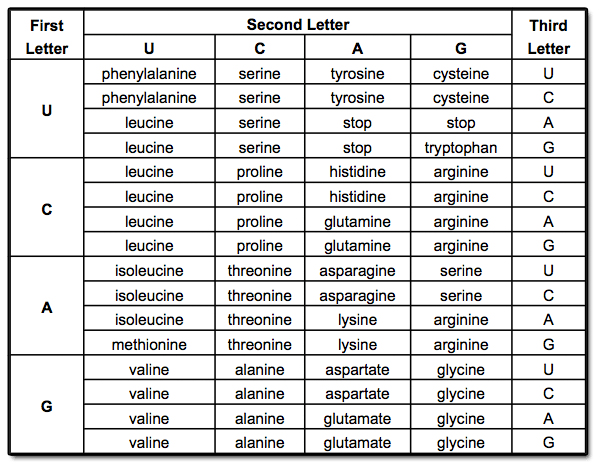
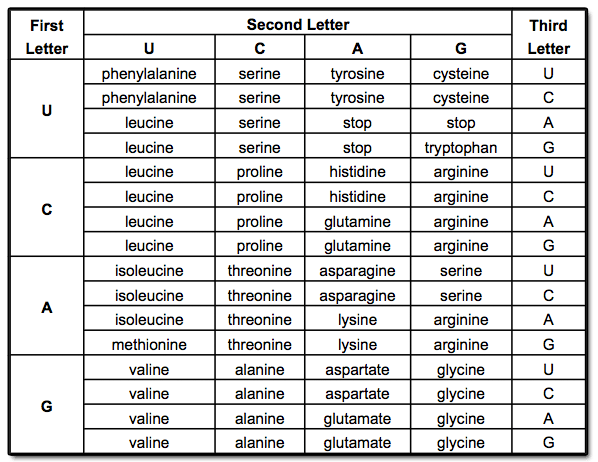
What amino acid is represented by the codon UUA?
a)
Phenylalanine
b)
Tyrosine
c)
Leucine
d)
Stop codon
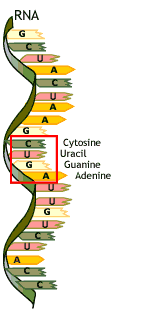
84.
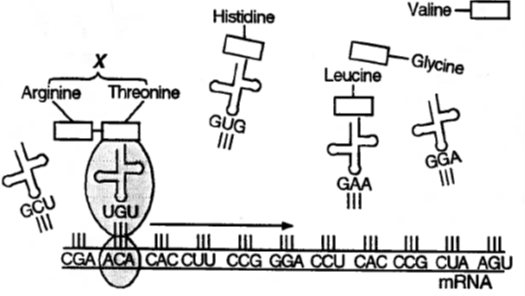
What process is going on in this photo? 
a)
Transcription 
b)
Translation 
c)
Replication 
d)
All the above 
85.
Which component of DNA determines the traits of an organism? 
a)
Nitrogen Bases
b)
Sugar-Phosphate Backbone
c)
Hydrogen bonds
86.
What is the location in the cell for translation?
a)
nucleus
b)
mitochondria
c)
ribosome
d)
chloroplast
87.
What is the three base sequence of mRNA that codes for a single amino acid?
a)
Anticodon
b)
Codon
c)
Protein
88.
What are the backbones (sides) of the DNA structure made up of?
a)
repeating phosphates and sugars
b)
nitrogen bases
c)
nucleotides
d)
adenine and thymine
89.
What is the location in the cell for transcription?
a)
nucleus
b)
cytoplasm
c)
ribosome
d)
mitochondria
90.
Which is the mRNA molecule that would be transcribed from this DNA template:
TGGCAAGTACGT
a)
ACCGTTCATGCA
b)
UGGCAAGUACGU
c)
UCCGUUCUUGCU
d)
ACCGUUCAUGCA
91.
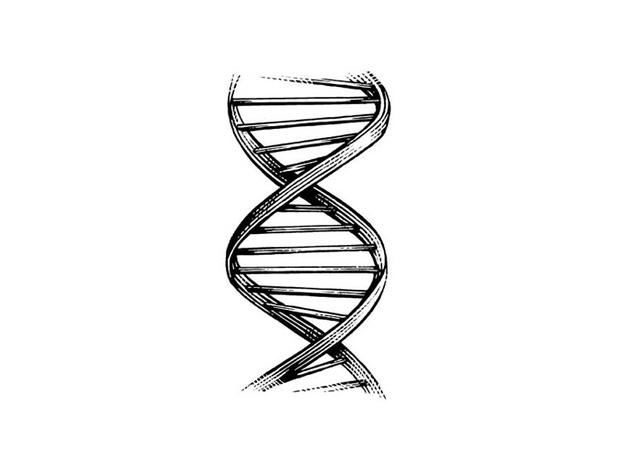
DNA has a _____________ structure. 
a)
double helix
b)
single strand
c)
ring 
d)
chain
92.
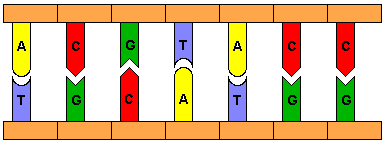
In DNA, Adenine pairs with ___________. 
a)
Guanine
b)
Cytosine
c)
Thymine
d)
Uracil
93.
Translation is the process where
a)
mRNA is created in the Nucleus
b)
mRNA is decoded to form a protein 
c)
glucose molecules are made
d)
is where lipids are synthesised
94.
Does the order of amino acids in a protein matter?
a)
YES!
b)
NO!
95.
What is the correct amino acid sequence for the mRNA code AUGCCAGUAUGA
a)
Met-Pro-Ala-Val
b)
Met-Pro-Val
c)
Tyr-Gly-His
d)
Tyr-Gly-Arg-His
96.
How many amino acids are coded for by this sequence of nucleotides:
ATG GGA ACT CCA
a)
4
b)
2
c)
6
d)
12
97.
RNA is read in sections called:
a)
Triplets
b)
Genes
c)
Codons
d)
Genes
98.

Transcription begins at sequences called

a)

Start Codons

b)

Primers

c)

Origins

d)

Introns

99.

RNA polymerase copies in only one direction

a)

True

b)

False

100.
tRNA molecules match the mRNA codons with a(n):
a)
Codon
b)
Anti-Codon
c)
Intron
d)
Methylated Cap
101.
Translation begins with a(n):
a)
Start Codon
b)
Intron
c)
Promoter
d)
Origin
102.
When the Ribosome reaches ________________ the process of translation stops
a)
Stop Codon
b)
Okazaki Fragment
c)
Terminator
d)
taq Polymerase
103.
21 nucleotides will provide how many codons?
a)
3 amino acids
b)
5 amino acids
c)
7 amino acids
d)
9 amino acids
104.
What is one characteristic that is true about both DNA and RNA?
a)
single stranded
b)
contain genes
c)
have the base uracil
d)
used as a template
105.

How many amino acids will FIFTEEN codons code for?

a)

three

b)

five

c)

fifteen

d)

thrity

106.
Fruit fly body cells have 8 chromosomes. After mitosis, you would expect a resulting fruit fly daughter cell to have ...
a)
16 chromosomes.
b)
46 chromosomes.
c)
8 chromosomes.
d)
4 chromosomes.
107.
Structure (b) is a ____.
a)
chromosome
b)
chromatid
c)
centromere
108.
Structure (c) is a ____.
a)
chromosome
b)
chromatid
c)
centromere
109.
Name the phase:
a)
Anaphase
b)
Telophase
c)
Metaphase
d)
Prophase
110.
What is the next phase of mitosis?
a)
Prophase
b)
Metaphase
c)
Anaphase
d)
Telophase
111.
What is the next phase of mitosis?
a)
Prophase
b)
Metaphase
c)
Anaphase
d)
Telophase
112.
What is the next phase of mitosis?
a)
Prophase
b)
Metaphase
c)
Anaphase
d)
Telophase
113.
Name the previous phase.
a)
Prophase
b)
Metaphase
c)
Anaphase
d)
Telophase
114.
Name the phase:
a)
Prophase
b)
Metaphase
c)
Anaphase
d)
Telophase
115.
Name the phase:
a)
Prophase
b)
Metaphase
c)
Anaphase
d)
Telophase
116.
The organelle that helps in cell division and produces spindle fibers.
a)
Chromosome
b)
Centriole
c)
Cytoplasm
d)
Chloroplast
117.
Where does a cell contain it's genetic material?
a)
nucleus
b)
nucleolus
c)
cytoskeleton
d)
golgi
118.
Humans have ________ pairs of chromosomes.
a)
21
b)
23
c)
46
d)
None of the above
119.
The ___________ holds the replicated sister chromatids together.
a)
centriole
b)
chromosomes
c)
centromere
d)
cycles
120.
In the S stage of interphase_______________
a)
the cell grows
b)
the nucleus divides
c)
the cell membrane divides
d)
the DNA is replicated
121.
As a cell increases in size, the surface area to volume ratio _________________.
a)
increases
b)
decreases
c)
stays the same
122.
The larger the surface area to volume ratio, the _______________ efficient the cell is in transporting nutrients and waste in and out of the cell. 
a)
less
b)
more
123.
Uncontrollable cell growth is known as _____
a)
obesity
b)
cancer
c)
diabetes
d)
hepatitis
124.
What is a series of events a cell goes through as they grow and divide?
a)
Cell Division
b)
Cell Cycle
c)
Cytokinesis
d)
Mitosis
125.
What is the longest stage of the cell cycle called?
a)
Cytokinesis
b)
M phase
c)
Interphase
d)
G1 Phase
126.
During what stage does the G1, S and G2 phases happen?
a)
Interphase
b)
M phase
c)
Mitosis
d)
Cytokinesis
127.
Put the following stages of mitosis in order: anaphase, prophase, metaphase, and telophase. 
a)
prophase, metaphase, telophase, anaphase
b)
prophase, anaphase, metaphase, telophase
c)
prophase, metaphase, anaphase, telophase
d)
prophase, telophase, metaphase, anaphase
128.
Put the following actions in order: DNA replicates, cell grows, cell divides, cell prepares for mitosis. 
a)
DNA replicates, cell grows, cell prepares for mitosis, cell divides
b)
cell grows, cell prepares for mitosis, DNA replicates, cell divides
c)
cell grows, DNA replicates, cell prepares for mitosis, cell divides
d)
DNA replicates, cell prepares for mitosis, cell grows, cell divides
129.
Interphase contains three stages, including the G1 and G2 stages.  Which of the following occurs during these gap stages? 
a)
separation of chromosomes
b)
cellular growth 
c)
DNA replication
d)
viral transformation 
130.
Where does a cell contain it's genetic material?
a)
nucleus
b)
nucleolus
c)
cytoskeleton
d)
golgi
131.
Highly coiled strand of DNA
a)
Chromatin
b)
Chromosome
c)
Sister Chromatid
d)
Centeromere
132.
________________________ is a process of recognizing defective cells, letting them die, and replacing with normal cells.
a)
Mitosis
b)
Apoptosis
c)
Interphase
d)
Metaphase
133.
A tumor is considered ________________ if it will spread and form tumors in other areas of the body.
a)
benign
b)
malignant
c)
malformed
d)
dangerous
134.
Medical researchers are interested in stem cells because they?
a)
are found in all types of tissues
b)
can produce different cells types
c)
are highly specialized
d)
are found only in embryos
135.
The process by which cells become specialized is known as?
a)
stem cell research
b)
embryonic development 
c)
totipotent cell structure
d)
cell differentiation 
136.
What is a stem cell?
a)
a cell that has a stem
b)
an unspecialized cells from which differentiated cells develop 
c)
cells that are found in plant stem
d)
cells that are found in bacteria only
137.
What is Regeneration?
a)
animal eating a plant
b)
ability for an animal to grow a new body part
c)
ability of an animal to grow
138.
This process has four steps:
1. parent cell
2. DNA duplication
3. cells divide
4. daughter cells
a)
binary fission
b)
both
c)
mitosis
d)
none
139.
Bacteria reproduce asexually by a process called __________________.
a)
replication
b)
meiosis
c)
the cell cycle
d)
binary fission
140.
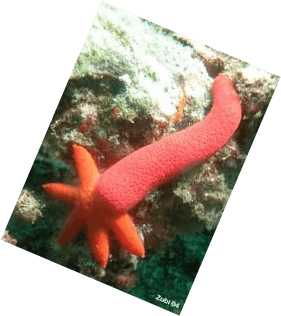
Which type of asexual reproduction is taking place?
In the past, fishermen would put starfish into their boats, cut them up with knives, and then throw the pieces of starfish overboard. They thought this would kill the starfish. What they did not know was that each piece of starfish would grow into a whole new animal.
a)
Regeneration
b)
Vegetative propagation
c)
Budding
d)
Fission
141.
What factor describes when populations increase because animals are moving into a population?
a)
Emigration
b)
Limiting Factors
c)
Immigration
d)
Exponential Growth
142.
What factor describes when populations decrease because animals are moving out of a population?
a)
Emigration
b)
Limiting Factors
c)
Immigration
d)
Exponential Growth
143.
What does the graph represent?
a)
Emigration
b)
Exponential growth
c)
Immigration
d)
Logistic Growth
144.
What does the graph represent?
a)
Emigration
b)
Exponential growth
c)
Immigration
d)
Logistic Growth
145.
Logistic growth has 3 phases. In Phase 1, the population grows rapidly. In Phase 2, population grows slowly. In Phase 3, growth stops. What causes growth to stop in the 3rd phase of logistic growth?
a)
Emigration
b)
Immigration
c)
Exponential Growth
d)
Carrying Capacity
146.
True or False: Limiting factors can be population dependent and population independent.
a)
True/Cierto
b)
False/Falso
147.
Which limiting factor would increase due to the number of individuals in a population?
a)
Unusual weather
b)
Natural disaster
c)
Births
d)
Disease
148.
Which limiting factor is independent of the number of individuals in a population?
a)
competition
b)
parasitism/disease
c)
stress
d)
natural disasters
149.
Human population grew exponentially after the industrial revolution. Which of the following DOES NOT help determine patterns in human population growth?
a)
age structure
b)
births
c)
deaths
d)
limiting factors
150.
Which of the following is TRUE of predator/prey relationships?
a)
The amount of prey does not affect the number of predators.
b)
Herbivores are limited by the number of prey in an ecosystem.
c)
Humans are not considered predators.
d)
The number of predators is determined by available prey.
151.
The carrying capacity of an environment for a particular species at a particular time is determined by the
a)
number of individuals in the species.
b)
distribution of the population.
c)
reproductive potential of the species.
d)
supply of the most limited resources
152.
Which kind of growth does the human population follow? It is described as a J-shaped curve.
a)
Exponential Growth
b)
Logistic Growth
c)
Outstanding Growth
d)
Minimal Growth
153.
Boom and bust cycles, where populations will grow and shrink over and over, are usually caused by...
a)
Predator-Prey Relationships
b)
Parasite-Host relationships
c)
Extinction 
d)
None of these
154.
A population is...
a)
A group of one species in one area
b)
Multiple species that live in one area
c)
All of the living and nonliving things in an area
d)
None of these
155.
Which dispersion pattern is described by organisms being spaced out equally?
a)
Uniform
b)
Random
c)
Clumped 
d)
None of these
156.
Which dispersion pattern usually is a result of resources not being evenly spread out in the environment?
a)
Uniform
b)
Random
c)
Clumped
d)
None of these
157.
What will happen to the population when the death rate is larger than the birth rate?
a)
grow
b)
shrink
c)
stay the same
d)
None of these
158.
What will happen to the population when the birth rate is larger than the death rate?
a)
grow
b)
shrink
c)
stay the same
159.
Which will add more organisms to a population? 
a)
5 animals die
b)
0 animals are born
c)
3 animals immigrate to the population
d)
2 animals emmigrate from the population
160.
What is the carrying capacity of the following graph?
a)
1000
b)
8000
c)
800
d)
600
161.
Which factor is a density-dependent limiting factor on the population of a species?
a)
seasonal variation
b)
natural disasters
c)
unusual weather
d)
predation
162.
Which kind of dispersion is #1?
a)
clumped
b)
random
c)
uniform
163.
Refer to the diagram of the survivorship curve.
Which curve best describes an organism that invests a lot of energy in parenting?
a)
A
b)
B
c)
C
d)
this is not a survivorship curve
164.
Which survivorship curve represents a species where most of the individuals live through their lives and die of old age?
a)
Type 1
b)
Type 2
c)
Type 3
165.
relationship in which two species live closely together
a)
resource
b)
mutualism
c)
succession
d)
symbiosis
166.
symbiotic relationship in which one organism benefits and the other organism is harmed 
a)
secondary succession 
b)
predation
c)
pioneer species 
d)
parasitism
167.
largest number of individuals of a population that the environment can support  
a)
carrying capacity
b)
primary succession 
c)
denitrification
d)
mutualism
168.
a relationship between two in which the predator feeds on the prey
a)
chemosynthesis
b)
predation
c)
cellular respiration 
d)
commensalism
169.
symbiotic relationship in which one organisms benefits and the other organism is not affected
a)
invasive (non-native) species
b)
mutualism 
c)
nitrogen fixation
d)
commensalism
170.
Where an organism lives
a)
habitat
b)
niche 
c)
heterotrogh
d)
biosphere
171.
The variety of all living things
a)
biome
b)
niche
c)
biodiversity
d)
species
172.
Organisms move away from an area
a)
Competition
b)
Predation
c)
Emigration
d)
Immigration
173.
An environmental factor such as predation, disease, and competition that depends on the number of members in a population per unit
a)
dispersion
b)
density- independent factor
c)
density- dependent factor
d)
population growth rate
174.
population numbers get too large for the environment to support it and growth slows
a)
Exponential growth
b)
Logistic growth
c)
Natality
d)
Emigration
175.
One reason predators might increase is
a)
The weather is warmer
b)
Parasites have increased
c)
The prey have increased
d)
Food has decreased
176.
When a population has reached carrying capacity
a)
Growth & Immigration are equal to Death & emigration
b)
Growth & Immigration are less than Death & emigration
c)
Growth & Immigration are greater than Death & emigration
d)
Growth is exponential
177.
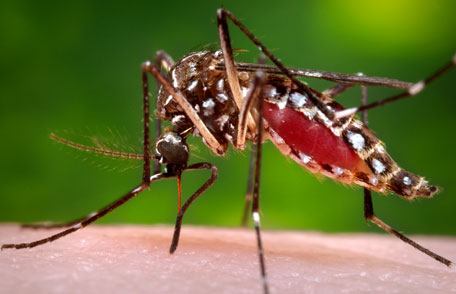
When a mosquito bites you, you are the __________ and the mosquito is the  ____________.
a)
host, hostess
b)
parasite, host
c)
host, parasite
d)
prey, predator
178.
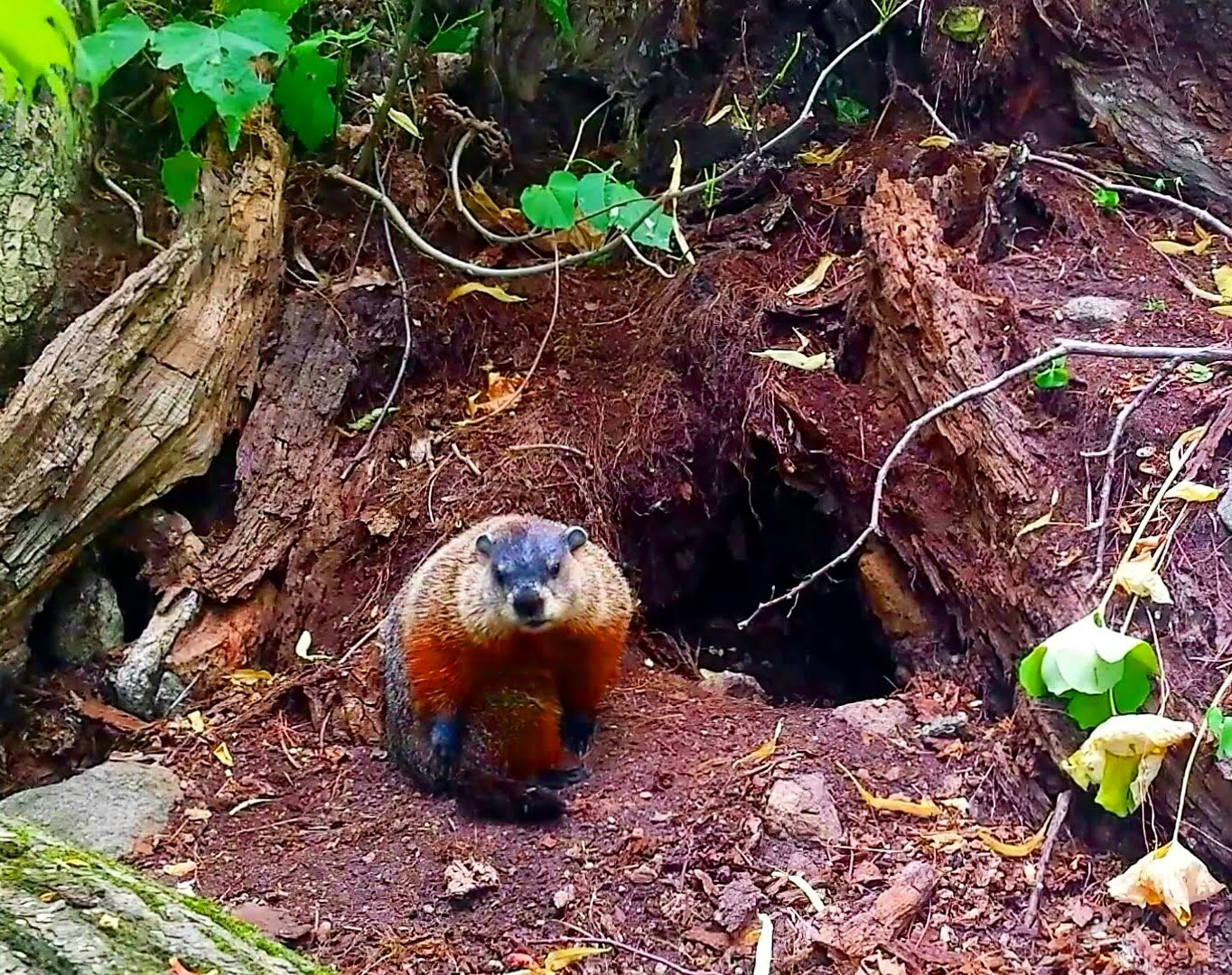
What type of symbiosis? Skunks often live in burrows that have been dug and abandoned by woodchucks.  
a)
commensalism
b)
mutualism
c)
parasitism
d)
predation
179.
What type of symbiosis? Hummingbirds feed on nectar from flowers. The flowers are pollinated by hummingbirds as they move from flower to flower.
a)
commensalism
b)
mutualism
c)
parasitism
d)
predation
180.
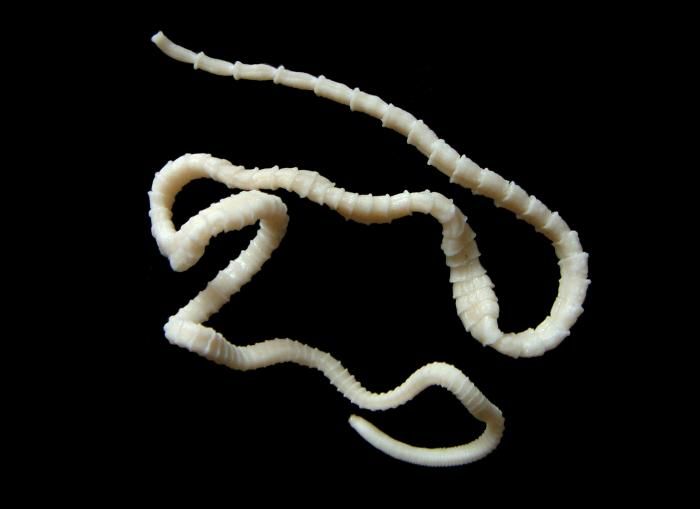
A tapeworm and a cat have this type of relationship.
a)
mutualism
b)
parasitism
c)
commensalism
d)
competition
181.
Cattle egrets forage (feed) in fields among cattle. The egret gets easy access to flying insects stirred up by the cattle, and the cattle don't care if they are there or not.
a)
mutualism
b)
commensalism
c)
competition
d)
parasitism
182.
The role an organism plays in the environment
a)
habitat 
b)
niche
c)
consumer
d)
competition
183.
The idea that no two species within an ecosystem can occupy the exact same niche
a)
interspecific competition
b)
niche differentiation
c)
competitive exclusion
d)
intraspecific competition
184.
If a disease destroying barley plants in a field swept through an ecosystem, what would happen to the barley eating bird population in the the field ?
a)
The bird population would stay the same
b)
The bird population would infinitely increase
c)
The bird population would decrease
185.
The average number of people per square mile
a)
population distribution
b)
population density
c)
urbanization
d)
population rate
186.
Population A has a population density of 652 people per square mile. Population B has a population density of 17 people per square mile. Which population is at higher risk of a disease outbreak?
a)
A
b)
B
c)
Equal chances
d)
No way to know
187.
Why is biodiversity so important?
a)
Because all species depend on each other to survive, so if one becomes extinct another species that relies on it could go extinct as well
b)
Because it’s better to have only one variation of each species.
c)
Because it better to only have a few species on Earth.
d)
Honestly, I have no idea what biodiversity is!
188.
Which location is an example of a biodiversity hotspot?
a)
Madagascar
b)
New York
c)
Alaska
d)
Texas