wayground logo

Free Printable Worksheets

Font size

S
M
L
XL
Worksheets

Biology Final Exam 2017-2018

Total questions: 200

Worksheet time: 4hrs 57mins
Name
Class
Date
1.
What organelle is called the "powerhouse" of a cell?

a)
Endoplasmic Reticulum
b)
Nucleus
c)
Mitochondria
d)
Nucleolus
2.
Main producer of ATP in all eukaryotes
a)
chloroplast
b)
mitochondria
c)
lysosome
d)
smooth er
3.
The ___________ is the basic unit of life
a)
organ
b)
cell
c)
atom
d)
tissue
4.
Where are proteins made?
a)
Golgi body
b)
Mitoichondria
c)
Chromosomes
d)
Ribosomes
5.
What are tiny organelles that convert glucose into ATP?
a)
Ribosomes
b)
Vesicles
c)
Cytoskeleton
d)
Mitochondria
6.
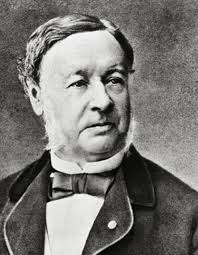
Which of the following scientists concluded that all animals are made of cells?
a)
Rudolf Virchow
b)
Matthais Schleiden
c)
Robert Hooke
d)
Theodor Schwann
7.
What tool do you use to view the cells?
a)
metric ruler
b)
centrifuge
c)
microscope
d)
pipette
8.
Who discovered and named cells? 
a)
Captain Hook
b)
Robert Hooke
c)
Zacharias Janssen
d)
Rudolf Virchow
9.
Osmosis is a form of ______________. 
a)
Passive Transport
b)
Active Transport
10.
a)
Passive Transport
b)
Active Transport
11.
Uses ATP (energy)
a)
Passive Transport
b)
Active Transport
12.
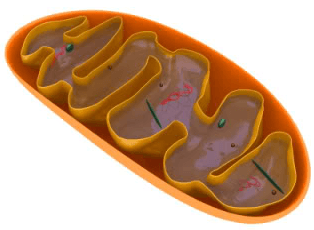
This is a picture of
a)
Cell wall
b)
Cell membrane
c)
chloroplast
d)
mitochondria
13.
How does a cell maintain homeostasis?
a)
Regulates what enters and leaves the cell
b)
Flexibility
c)
Protective barrier
d)
Structure and support
14.
The cell below is in a _________ solution.
a)
Hypotonic
b)
Hypertonic
c)
Isotonic
15.
An ISOTONIC solution has a(n) ______________ concentration of solute (dissolved stuff) than inside the cell.
a)
lower
b)
equal
c)
higher
16.
________ are the main components of fats and oils.
a)
lipids
b)
amino acids
c)
nucleic acids
d)
carbohydrates
17.
Examples of nucleic acids?
a)
DNA and RNA
b)
carbohydrates
c)
potatoes
d)
meats
18.
Amino acids are the monomers of
a)
Carbohydrates 
b)
Lipids
c)
Proteins 
d)
Nucleic Acids
19.
What is a substance called if it speeds up a chemical reaction?
a)
reusable
b)
catalyst
c)
specific
d)
fragile
20.
The energy needed to start a reaction
a)
activation energy
b)
adhesion energy
c)
chemical energy
d)
cohesion energy
21.
Which of the following statements about enzymes is NOT true?
a)
enzymes are reusable
b)
enzymes work best at specific pH and temperatures
c)
enzymes are lipids
d)
enzymes are proteins
22.
Some insects can stand on the surface of water because water —
a)
has a high specific heat
b)
is a good evaporative coolant
c)
is cohesive and adhesive
d)
has a high boiling point
23.
The unique properties of water enable life to exist on Earth. Which of these is a property of pure water?
a)
It dissolves many substances.
b)
Its solid form is more dense than its liquid
c)
It is slightly more acidic than air.
d)
It has a low heat absorption capacity.
24.
Ice floats on a lake. This characteristic of water is responsible for —
a)
suffocation of aquatic organisms
b)
mixing a lake’s thermal layers
c)
preventing a lake from freezing solid
d)
altering migration patterns of fish
25.
A microorganism which releases water into its environment to regulate its salinity during osmosis is undergoing a process that is similar to a human being who releases moisture on a hot day. This process that helps keep both the microorganism and the human body fluids in balance is known as —
a)
heredity
b)
homeostasis
c)
mutation
d)
cell division
26.
Which of the following macromolecules are a prominent part of animal tissues that function in insulation, helping animals conserve heat?
a)
Carbohydrates
b)
Lipids
c)
Proteins
d)
Nucleic acids
27.
This graph shows that —
a)
more enzymes are present at a higher pH
b)
pepsin is less sensitive to pH than trypsin
c)
pepsin is less effective at low pH than trypsin
d)
pH affects the activity rate of enzymes
28.

Students use a dissolved oxygen probe during a laboratory activity involving 1,000 mL samples of pond water. The function of the probe is to--

a)

create a model

b)

test a hypothesis

c)

gather accurate data

d)

analyze investigation conditions

29.

What can be concluded from the graph?

a)

The reactants have less energy than the products.

b)

The enzyme is consumed during the course of the reaction.

c)

The enzyme lowers the energy of activation for the reaction.

d)

The amount of free energy produced in the reaction increases with the enzyme.

30.
Two or more different different atoms combined together is a 
a)
element
b)
isotope
c)
suspension
d)
compound
31.
What contains the negative charge in a atom?
a)
Proton
b)
Electron
c)
Neutron
d)
isotope
32.
A substance with a pH of 4 is a ____.
a)
mixture
b)
suspension
c)
base
d)
acid
33.
A substance with a pH of 9 is a _____.
a)
base
b)
acid
c)
radioactive ion
d)
isotope
34.
When sodium (Na) and chlorine (Cl) combine to form salt, salt (NaCl) is a
Na + Cl  ----->  NaCl 
a)
enzyme
b)
reactant
c)
product
d)
catalyst
35.
When sodium (Na) and chlorine (Cl) combine to form salt (NaCl)
Na + Cl  ----->  NaCl
Sodium is a 
a)
reactant 
b)
product
c)
enyzme
d)
catalyst
36.
When viewing a prepared slide under the compound microscope, a student has to remove his glasses.  This means he will need to readjust for the fine focus with which parts labeled above?
a)
1
b)
2
c)
3
d)
4
37.
A student wants to view cells under the compound microscope, at a total magnification of 400X.  If the eyepiece is 10X, which of the following objective lenses should be used?
a)

10X

b)
4X
c)
100X
d)
40X
38.
Which of these would be the best resource to research the symptoms and treatment of hypoglycemia?
a)
Daily television news
b)
New England Journal of Medicine
c)
Journal of Zoology
d)
Natural History Magazine
39.
The picture shows a coverslip correctly being lowered onto a slide. This method is used because it — 
a)
prevents the escape of microorganisms found in the water
b)
reduces the possibility of air bubbles on the slide
c)
prevents the coverslip from moving
d)
allows microorganisms to move freely in the water
40.
The results of Pasteur’s experiment helped Pasteur to —
a)
isolate the virus responsible for smallpox
b)
reject the theory of spontaneous generation
c)
convince people to cover food
d)
produce a vaccine against rabies
41.
People long ago believed that maggots came from meat. In the late 1600s, Francesco Redi made the hypothesis that maggots came from flies rather than from meat. Which of these experimental designs could be used to test Redi’s hypothesis?
a)
A
b)
B
c)
C
d)
D
42.
A student wanted to look at plant growth in five different soil samples. He planted the same type of seeds in identical containers and left them together in full sunlight. He gave each plant the same amount of water and charted the growth of each plant stem. What is the independent variable in this experiment?
a)
seeds
b)
soil
c)
light
d)
container
43.
Who did this experiment?
a)
Pasteur
b)
Redi
c)
Needham
d)
Spallanzani
44.
What is the independent variable this experiment?
a)
Meat
b)
Jar
c)
Lid
d)
Flies
45.
What is the dependent variable this experiment?
a)
Meat
b)
Jar
c)
Lid
d)
Maggots
46.
What is a control in this experiment?
a)
Meat
b)
Maggots
c)
Lid
47.
How many variables should be tested at a time?
a)
Three
b)
Zero
c)
Two
d)
One
48.
An experiment is performed on plants to see how different liquids affect plant growth. What is the independent variable is ...
a)
The type of plant
b)
The plant growth
c)
The type of music
d)
The type of liquid
49.
Where does photosynthesis occur?
a)
mitochondria
b)
stomata
c)
xylem
d)
chloroplast
50.
The main source of energy for all life comes from ____.
a)
the Earth
b)
the moon
c)
the sun
d)
the food we eat/make
51.
6CO2 + 6H20 + light energy    -> C6H12O6 + 6O2
In this chemcial equation, the highlight red is called the ______. 
a)
product
b)
reactant
c)
yields
d)
production
52.
Which organisms perform Photosynthesis?
a)
Only Autotrophs
b)
Only Heterotrophs
c)
Autotrophs and Heterotrophs
53.
Autotroph or heterotroph?
a)
Autotroph
b)
Heterotroph
54.
Autotroph or Heterotroph?
a)
Autotroph
b)
Heterotroph
55.
Autotroph or heterotroph?
a)
Autotroph
b)
Heterotroph
56.
All living things perform
a)
Cellular Respiration
b)
Photosynthesis
57.
Only plants and other autotrophs perform
a)
Cellular Respiration
b)
Photosynthesis
58.

Which of the following is the correct equation for PHOTOSYNTHESIS?

a)

6CO2 + 6H2O+ light --> 6O2 + C6H12O6

b)

6CO2 + C6H12O6 + 6H2O --> O2 + light

c)

6O2 + 6H2O --> 6CO2 + C6H12O6+ light

d)

C6H12O6+ 6O2+ light ---> 6H2O + 6CO2

59.
This means that oxygen is needed
a)
anaerobic 
b)
aerobic
60.
Cellular respiration takes place in the
a)
nucleus
b)
cytoplasm
c)
ribosomes
d)
mitochondria
61.
Lactic acid fermentation occurs in ______
a)
bread dough
b)
any oxygen rich environment 
c)
muscle cells
d)
mitochondria
62.
What is the main chemical compound that stores and releases energy?
a)
ATP
b)
Cytoplasm
c)
PTP
d)
Oxygen
63.
What is the pigment in chloroplasts that performs photosynthesis?
a)
Chlorosynthesis
b)
Chlorophyll
c)
ADP
d)
Electron Transport
64.
The image illustrates which process?
a)
Mitosis
b)
Meiosis
65.
If a parent cell has 88 chromosomes, following MITOSIS, the daughter cells will have ___ chromosomes.
a)
42
b)
88
c)
Impossible to know
66.
If a parent cell has 88 chromosomes, following MEIOSIS, the daughter cells will have ___ chromosomes.
a)
42
b)
88
c)
Impossible to know
67.
Process that produces sex cells (gametes).
a)
Mitosis
b)
Meiosis
c)
Both Mitosis and Meiosis
68.
Structure (b) is a ____.
a)
chromosome
b)
chromatid
c)
centromere
69.
Structure (a) is a ____.
a)
chromosome
b)
chromatid
c)
centromere
70.
Name the phase:
a)
Anaphase
b)
Telophase
c)
Metaphase
d)
Prophase
71.
Name the phase:
a)
Prophase
b)
Metaphase
c)
Anaphase
d)
Telophase
72.
Name the phase:
a)
Prophase
b)
Metaphase
c)
Anaphase
d)
Telophase
73.
The stages of mitosis in order
a)
Metaphase, Anaphase, Prophase, Telophase
b)
Prophase, Anaphase, Metaphase, Telophase
c)
Prophase, Metaphase, Anaphase, Telophase
d)
Anaphase, Prophase, Telophase, Metaphase
74.
This picture shows which process?
a)
mitosis
b)
meiosis
c)
the cell cycle
75.
When an area of a chromatid is exchanged with the matching area on a chromatid of its homologous chromosome, _________________ occurs
a)
crossing over
b)
mutagenesis
c)
hybridization
d)
fertilization
76.
As a cell becomes larger, its
a)
volume increases faster than its surface area
b)
surface area stays the same, but its volume increases
c)
surface area increases faster than its volume
d)
volume increases, but its surface area stays the same.
77.
How many chromosomes do humans have?
a)
46
b)
21
c)
10
78.
What kind of cell organelle is this?
a)
Nucleus
b)
Golgi Body
c)
Smooth ER
d)
Plasma Membrane
79.
What is the shape of DNA?
a)
double helix
b)
double heelies
c)
double trouble
d)
double staircase
80.
Which scientist(s) built the first model of DNA?
a)
Wilkins
b)
Watson and Crick
c)
Chargaff
d)
Franklin
81.
According to the rules of base pairing, thymine always pairs with:
a)
thymine
b)
adenine
c)
guanine
d)
cytosine
82.
One side of a strand of DNA reads "AATCGA." What is the complementary strand?
a)
AATCGA
b)
TTAGCT
c)
CCGATC
d)
GGCTAG
83.
What are the building blocks of DNA?
a)
nuclei
b)
nuclear energy
c)
nucleotides
d)
neap tides
84.
How many male are represented in this image?
a)
6
b)
7
c)
9
d)
9
85.
Which genetic disorder is shown in this karyotype?
a)
Edward Syndrome
b)
Downs Syndrome
c)
Patau Syndrome
d)
Tay-Sachs Dyndrome
86.
Does this karyotype show a male or female?
a)
female
b)
male
87.
What is the correct notation for this karyotype?
a)
47XY+18
b)
46XY+18
c)
47XX+18
d)
46XX+18
88.
In generation II, what is the relationship between numbers 3 and 4?
a)
married
b)
siblings
c)
they are children of generation 1
d)
aunt and uncle
89.
Which is the most likely father of the daughter horse?
a)
Horse 1
b)
Horse 2
c)
Horse 3
d)
Horse 4
90.
What disease is prevented if you have the Sickle Cell trait?
a)
HIV
b)
Hepatitis
c)
Measle
d)
Malaria
91.
Autosomes are
a)
chromosome pairs 1-22
b)
chromosome pair number 23
c)
genes 1-23
d)
the cause of nondisjunction
92.
the phase in mitosis where chromosomes line up in the middle of the cell and the nucleus disappears.
a)
prophase
b)
metaphase
c)
anaphase
d)
telephase
93.
The emergence of a new species.
a)
genetic drift
b)
extinction
c)
speciation
d)
evolution
94.
The disappearance of a species.
a)
Evolution
b)
Extinction
c)
Migration
d)
Mutation
95.
Structures that no longer serve a purpose.
a)
Homologous structures
b)
gene pool
c)
population
d)
Vestigial structures
96.
How would you describe this evolution?
a)
Homologous structure
b)
Analogous strucute
c)
Structural adaption
d)
Functional adaption
97.
Structures with different mature forms that develop from the same embryonic tissue 
a)
Vestigial Organs
b)
Adaptations
c)
Homologous Structures
d)
Common organs
98.
Scientist who proposed the theory of Natural Selection.
a)
Hardy
b)
Weinburg
c)
Darwin
d)
Einstein
99.
Who is responsible for producing this image?
a)
Francis Crick
b)
James Watson
c)
Rosalind Franklin
d)
Watson and Crick
100.
What does this image show?
a)
Double helical structure of DNA
b)
Triple Helical Structure of DNA
c)
Double helical structure of RNA
d)
Triple Helical Structure of RNA
101.
Who was responsible for the experiment depicted by the image/data table?
a)
Oswald Avery, et. al.
b)
Watson and Crick
c)
Erwin Chargaff
d)
Rosalind Franklin
102.
Sugar in DNA
a)
Ribose
b)
Deoxyribose
c)
Phosphate
d)
Nitrogen Base
103.
A process in which DNA makes an exact copy of itself.
a)
Replication
b)
Translation
c)
Transcription
104.
After analyzing a sample of DNA, a scientist recorded the data shown in the table. What percentage of the DNA sample is cytosine?
a)
22%
b)
25%
c)
28%
d)
56%
105.
The enzyme that unzips the DNA to prepare for replication
a)
helicase
b)
replicase
c)
polymerase
d)
synthase
106.
Name this structure
a)
double helix
b)
nucelotide
c)
twisted ladder
d)
hydrogen bond
107.
Which process is shown?
a)
diffusion
b)
repiration
c)
recombination
d)
translation
108.
The diagram shows the process of
a)
Transcription
b)
Translation
c)
Replication
d)
Mitosis
109.
The DNA sequence ATCAGCGCTGGC is part of a gene. how many amino acids are coded for by this message?
a)
4
b)
8
c)
12
d)
20
110.
What amino acid is represented by the codon UUA?
a)
Phenylalanine
b)
Tyrosine
c)
Leucine
d)
Stop codon
111.
What amino acid is represented by the codon CAG?
a)
Aspartic Acid
b)
Histidine
c)
Glutamine
d)
Methionine
112.
Which is the mRNA molecule that would be transcribed from this DNA template:
TGGCAAGTACGT
a)
ACCGTTCATGCA
b)
UGGCAAGUACGU
c)
UCCGUUCUUGCU
d)
ACCGUUCAUGCA
113.
What is the correct amino acid sequence for the mRNA code AUGCCAGUAUGA
a)
Met-Pro-Ala-Val
b)
Met-Pro-Val
c)
Tyr-Gly-His
d)
Tyr-Gly-Arg-His
114.
The dominant trait as seen in this punnett square is
a)
yellow pea seeds
b)
green pea seeds
c)
there is no dominant seed
d)
Jolly green giant
115.
The genotypic percentage resulting from this this cross would be _____________________.
a)
25% blue eye 75 % brown eye 
b)
BB = 25% Bb = 50% bb = 25%
c)
BB= 50 % bb = 50%
d)
All brown eye
116.
A ________________________ is a tool used to predict the possible genotype from certain parents
a)
Mendel Grid
b)
Genetic Tic Tac Toe
c)
Punnett Square
d)
Pedigree Plot
117.
Two brown eyed parents which are  both heterozygous(Bb) have a baby. What is the possibility of the baby being blue eyed?
a)
0 %
b)
25%
c)
50%
d)
75%
118.
What term describes what you see, or the physical appearance.
a)
Genotype
b)
Phenotype
c)
Homozygous
d)
Heterozygous
119.
Two heterozygous parents produce offspring. What is the probability of the HOMOZYGOUS DOMINANT GENOTYPE appearing in the offspring generation?
a)
75%
b)
25%
c)
50%
d)
100%
120.
Two heterozygous parents produce offspring. What is the probability of the HETEROZYGOUS GENOTYPE appearing in the offspring generation?
a)
75%
b)
25%
c)
50%
d)
100%
121.
Who is considered the "father of genetics"?
a)
Gregor Mendel
b)
Reginald Punnett
c)
James Watson
d)
Matthias Schleiden
122.
What genotype is missing from this Punnett Square?
a)
RrYy
b)
RRYY
c)
rryy
d)
RrYY
123.
I have 1 X chromosome and 1 Y chromosome. What am I?
a)
Male
b)
Female
124.
I have 2 X chromosomes. What am I?
a)
Male
b)
Female
125.
A red flowered plant (RR) breeds with a White flowered plant (WW). The gene for petal color in these plants expresses incomplete dominance.  What percentage of the offspring will have pink (RW) flowers?
a)
0%
b)
25%
c)
50%
d)
100%
126.
This type of inheritance pattern shows BOTH traits in possible offspring
a)
complete dominance
b)
incomplete dominance
c)
co-dominance
d)
dominant pattern
127.
In some carnations, flower color exhibits codominance.  Identify the correct genotypes for red, white, and speckled carnations.
a)
Red = RR, white = rr, speckled = Rr
b)
Red = RR, white = WW, speckled = rw
c)
Red = RR, white = ww, Speckled = Rw
d)
Red = RR, white = WW, speckled = RW
128.
What disease is characterized by abnormally shaped red blood cells?
a)
hemophilia
b)
sickle cell anemia
c)
phenylketonuria
d)
Huntington's 
129.
In gel electrophoresis, the largest DNA fragment will appear
a)
closest to the starting wells
b)
farthest from the starting wells
c)
three quarters away from the starting wells
d)
it depends on how many fragments there are
130.
This picture shows what process?
a)
Cutting DNA using restriction enzymes
b)
PCR being used to copy DNA
c)
Gel Electrophorisis being used to separate DNA
d)
Cloning DNA
131.

Where did Charles Darwin travel to?

a)

Australia

b)

Barbados

c)

Galapagos

d)

Trinidad

132.

What was the name of the ship Charles Darwin sailed on?

a)

Boaty McBoaty Face

b)

HMS Beagle

c)

HMS Britannia

d)

HMS Bulldog

133.

What does evolution mean?

a)

To change from a monkey to a human

b)

To change and adapt over time

c)

To lose some original features

d)

To use or lose a feature over time

134.

What animals did Charles Darwin study when at the Galapagos Islands?

a)

Giraffes and crabs

b)

Seagulls and squirrels

c)

Seals and seagulls

d)

Finches and tortoises

135.
For Darwin, how have animals and plants survived?
a)
Through luck
b)
Through natural selection
c)
Through careful management
d)
Through choice
136.
How many domains are there?
a)
1
b)
2
c)
3
d)
4, but there are a lot more to be discovered
137.
An organism’s scientific name consists of its...
a)
Domain and kingdom
b)
Phylum and class
c)
Family and order
d)
Genus and species
138.
The 8 levels of classification, most broad to most specific.
a)
Domain, Genus, Family, Order, Class, Phylum, Kingdom, Species
b)
Domain, Species, Kingdom, Genus, Phylum, Family, Class, Order
c)
Domain, Kingdom, Phylum, Class, Order, Family, Genus, Species
d)
Order, Kingdom, Species, Domain, Phylum, Family, Class, Genus
139.
Which domain contains organisms that are unicellular, prokaryotic, and can cause illness yet also make food such as yogurt.
a)
Eukarya
b)
Archaea
c)
Bacteria
d)
Protista
140.
Which kingdom has all multi-cellular organisms that move to get to their food?
a)
Protist
b)
Fungi
c)
Plant
d)
Animal
141.
The domain containing Kingdom Fungi, Protista, Animalia and Plantae
a)
Bacteria
b)
Archaea
c)
Eukarya
142.
In the levels of classification, what comes after phylum?
a)
class
b)
family
c)
genus
d)
order
143.
The correct way to write the scientific name for a red maple tree is....
a)
ACER RUBRUM
b)
Red maple
c)
acer rubrum
d)
Acer rubrum
144.
A student discovers an arachnid with a segmented abdomen, long legs, and a tail with no stinger. The student uses the dichotomous key below to identify it. Which arachnid has the student found?
a)
Whip Scorpion
b)
Wind Scorpion
c)
Daddy long legs
d)
Scorpion
145.
The scientific name for white oak is Quercus alba. What is its species name?
a)
Quercus
b)
alba
c)
oak
d)
white
146.
What is this a picture of?
a)
Pedigree
b)
Cladogram
c)
Family Tree
d)
Oak Tree
147.
How many animals have an amniotic egg?
a)
2
b)
3
c)
4
d)
5
148.
Which two orgainsms have hair? 
a)
Sharks & Ray Finned Fish
b)
Primates & Rodents
c)
Birds & Crocodiles
d)
Rabbits & Birds
149.
According to this cladogram, sharks are MOST closely related to which organism? 
a)
Amphibians
b)
Ray finned fish
c)
Crocodiles
d)
Birds
150.
A dog has pointy ears with tufts of hair on them. The dog's ears point downward. What kind of dog is it? 
a)
Dallus
b)
Californius
c)
Kentuckus
d)
Yorkio
151.

What does every food chain start with?

a)

producers

b)

scavenger

c)

consumer

d)

decomposers

152.
The rabbit in this food web would be considered a:
a)
Decomposer
b)
Producer
c)
Secondary Consumer
d)
Primary Consumer
153.
Where an organism lives
a)
habitat
b)
niche 
c)
heterotrogh
d)
biosphere
154.
The image provided is an example of a(n):
a)
Carnivore
b)
Herbivore
c)
Producer
d)
Autotroph
155.
The amount of energy that usually transfers from one trophic level to the next...
a)
10%
b)
20%
c)
80%
d)
50%
156.
The nonliving aspects of an ecosystem.
a)
Abiotic factors
b)
Biotic factors
157.

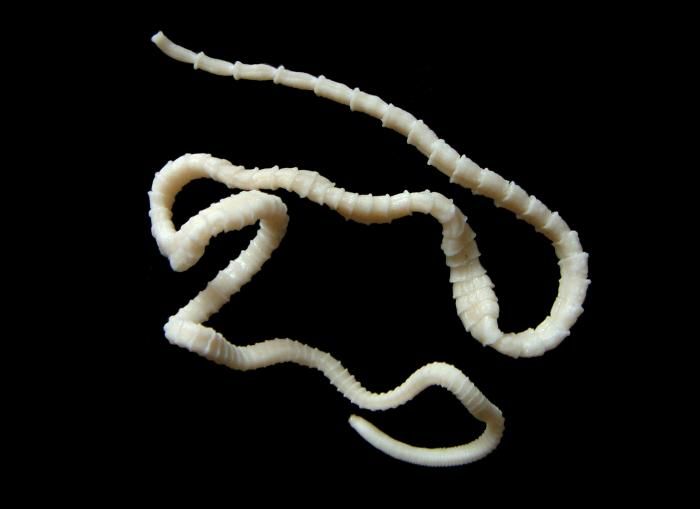
What type of symbiosis? A tapeworm and a cat have this type of relationship.

a)

mutualism

b)

parasitism

c)

commensalism

d)

competition

158.
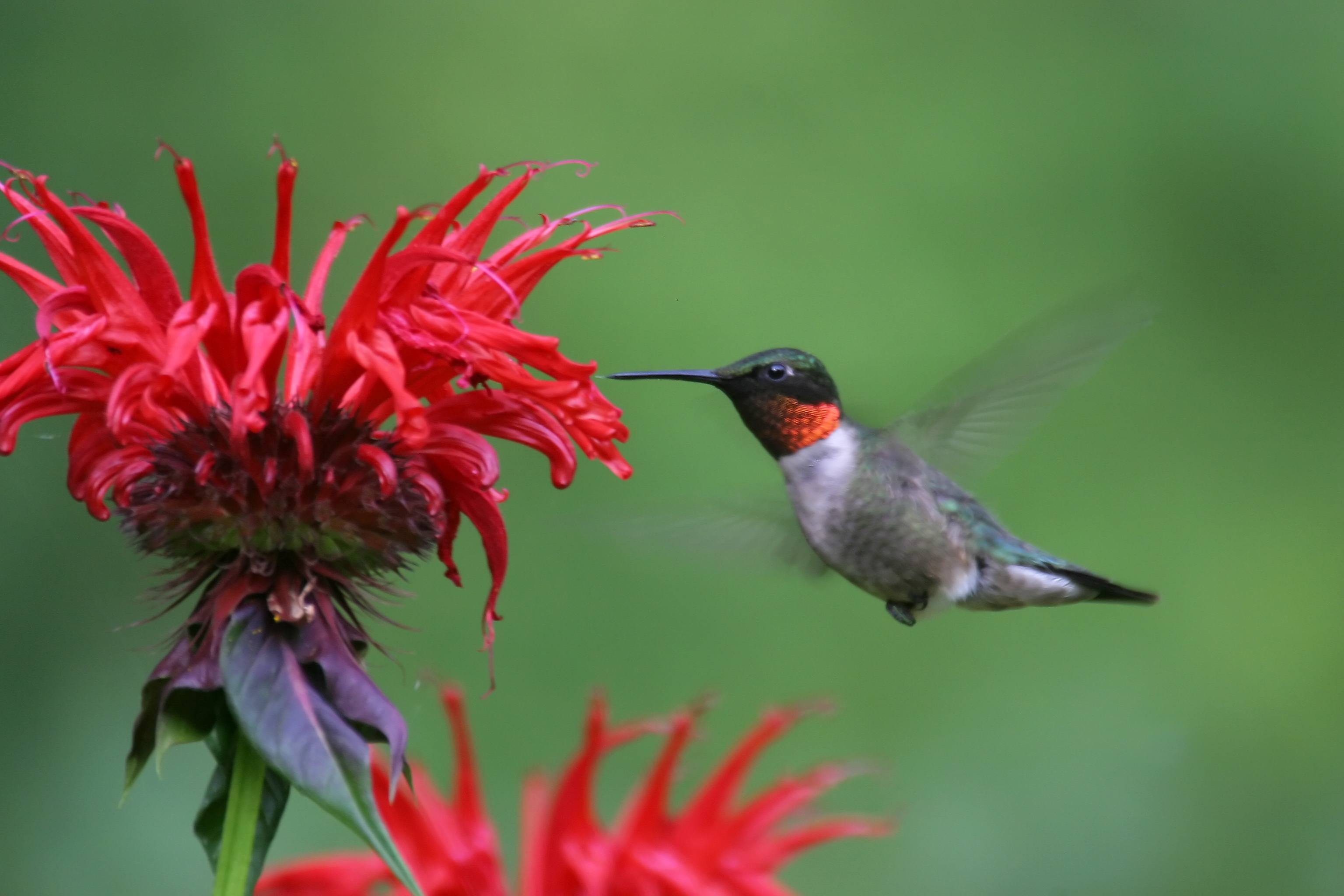
What type of symbiosis?  Hummingbirds feed on nectar from flowers.  The flowers are pollinated by hummingbirds as they move from flower to flower.
a)
commensalism
b)
mutualism
c)
parasitism
d)
predation
159.
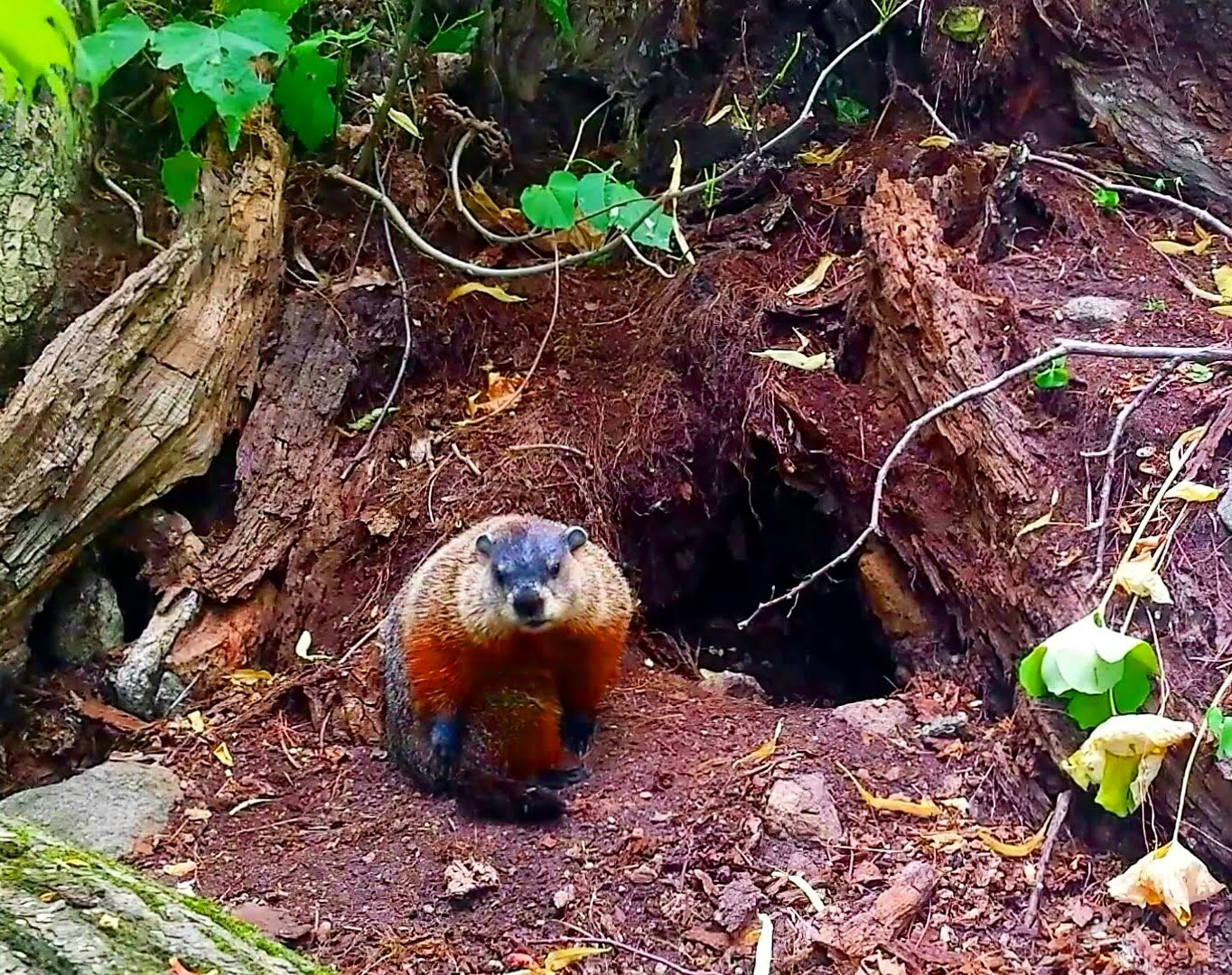
What type of symbiosis?  Skunks often live in burrows that have been dug and abandoned by woodchucks.  
a)
commensalism
b)
mutualism
c)
parasitism
d)
predation
160.
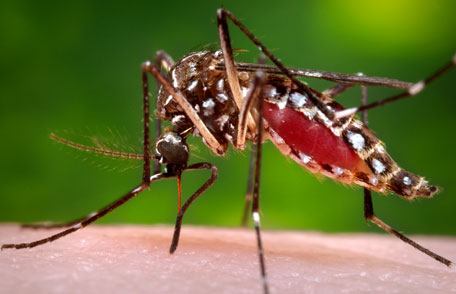
When a mosquito bites you, you are the __________ and the mosquito is the  ____________.
a)
host, hostess
b)
parasite, host
c)
host, parasite
d)
prey, predator
161.
Which of the following is a herbivore?
a)
cricket
b)
frog
c)
hawk
d)
shrew
162.
Bacteria, fungi, and earthworms are examples of: 
a)
scavengers
b)
predators
c)
prey
d)
decomposers
163.
Which organism recieves the least amount of energy from the producer?
a)
Owl
b)
Grasshopper
c)
Lilypad
d)
Mouse
164.
Which level has the most energy available?
a)
producer
b)
primary consumer
c)
secondary consumer
d)
tertiary consumer
165.
Which process takes Carbon Dioxide from the air and converts it into a form of carbon used by living things?
a)
Precipitation
b)
Photosynthesis
c)
Respiration
d)
Bioremdiation
166.
Organisms use nitrogen to form
a)
carbohydrates and lipids
b)
proteins and lipids
c)
lipids and nucleic acids
d)
proteins and nucleic acids
167.
When nitrogen gas is turned in to a form that plants and animals can use is called 
a)
Combustion
b)
Photosynthesis
c)
Decomposition
d)
Nitrogen Fixation
168.
Identify the cycle pictured.
a)
The Water cycle
b)
The Carbon cycle
c)
The Nitrogen cycle
d)
This is not a correct diagram of any cycle.
169.
The process represented by arrow 4 is __
a)
transpiration
b)
precipitation
c)
evaporation
d)
condensation
170.
Identify the cycle pictured.
a)
The Water cycle
b)
The Carbon cycle
c)
The Nitrogen cycle
d)
The Phosphorus cycle.
171.
What is an example of a biotic factor?
a)
skunk
b)
rocks
c)
soil
d)
water
172.
Temperature, light, air, water, and soil are all  _____  parts of the environment
a)
alive
b)
biotic 
c)
abiotic
d)
living
173.
What point on the graph represents the carrying capacity?
a)
A
b)
B
c)
C
d)
D
174.
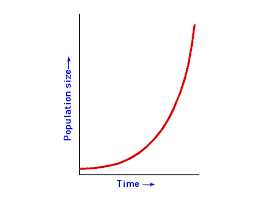
What type of growth is shown in the diagram?
a)
exponential growth
b)
logistic growth 
c)
predator-prey cycle
d)
boom-bust curve
175.
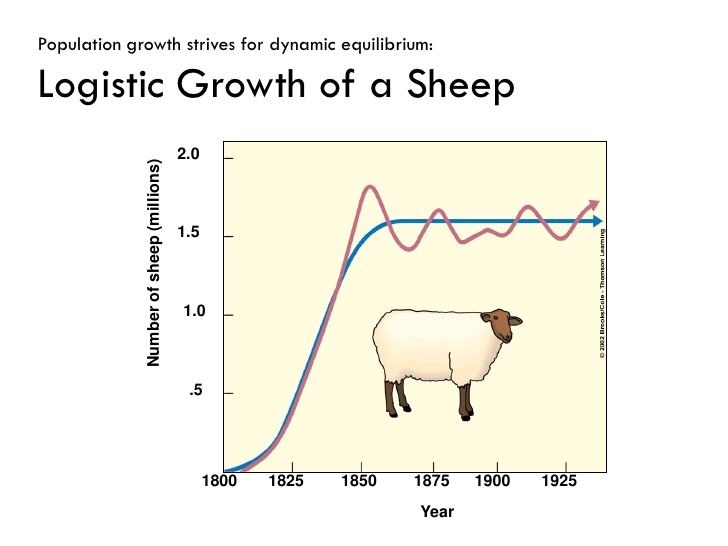
What is the carrying capacity for this sheep population?
a)
1.8 million
b)
1.25 million
c)
1.6 million
d)
1.o million
176.
What type of succession happens when a glacier clears all soil from land?
a)
Secondary
b)
Primary
c)
Quaternary
d)
Tertiary
177.
the first organisms that appear in an ecological community
a)
ecological succession 
b)
primary succession 
c)
secondary succession
d)
pioneer speciles
178.
succession that occurs in an area where soil is already present
a)
ecological succession 
b)
primary succession 
c)
secondary succession
d)
pioneer speciles
179.
a stable ecological community that has reached equilibrium
a)
ecological succession 
b)
climax community
c)
secondary succession
d)
pioneer speciles
180.
Which of these biomes receive the least amount of rainfall? 
a)
Desert 
b)
Grasslands 
c)
Savanna
d)
Tropical Rainforest 
181.
a treeless biome that has permafrost
a)
Tundra
b)
Desert
c)
Taiga
d)
Deciduous
182.
What was the example of prokaryotes that was referred to in your drawing?
a)
bacteria
b)
fungus
c)
animal cells
d)
protists
183.
What number is pointing to the flagella?
a)
1
b)
5
c)
6
d)
7
184.
What is a major characteristics of Archaebacteria?
a)
Multicellular, prokaryotic organisms
b)
Unicellular, eukaryotic organisms
c)
Live in extreme environments
d)
Cell walls made of peptidoglycan
185.
Asexual reproduction in bacteria that results in genetically identical offspring is known as:
a)
Binary Fission
b)
Conjugation
c)
Mitosis
d)
Fragmentation
186.
What is used to treat bacterial infections in most cases?
a)
Vaccines
b)
Antibiotics
c)
Herbal remedies
d)
Bacterial infections cannot be treated
187.
Plants and animal cells are examples of ___ cells 
a)
prokaryotic cells 
b)
eukaryotic cells 
188.
A virus uses the ________ in order to replicate itself.
a)
host cell
b)
replicase enzyme
c)
protein coat
d)
plasmid
189.
What type of selection is depicted in the picture? 
a)
stabilizing 
b)
directional 
c)
disruptive 
d)
the answer is not here
190.
What type of selection?
a)
Directional 
b)
Stabilizing
c)
Disruptive
191.
Robins typically lay fours eggs. If more then four eggs are produced then the baby chicks are malnourished while smaller egg numbers result in no viable (able to live) baby chicks. This is an example of
a)
stabalizing
b)
disruptive
c)
direction
d)
none of the above
192.
A scientists studies a population blue footed boobies on the Galapagos Islands and notices that one population has developed a unique song to attract mates that other populations of the same species do not use.  This can lead to speciation from ________.
a)
behavioral isolation
b)
temporal isolation
c)
geographic isolation
d)
Tri Wizard Cup
193.
Which is a polygenic trait
a)
left
b)
right
194.
Different mating locations
a)
temporal
b)
behavioral
c)
geographic
d)
other
195.
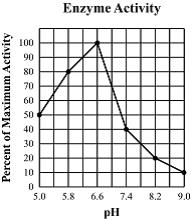
Which of the following conclusions can be drawn from this graph?
a)
The optimum pH of the enzyme is 6.6.
b)
The optimum pH of the enzyme is 5.8
c)
The enzyme’s activity increases as pH increases 5.0 to 9.0
d)
The enzyme’s activity is greater around pH of 8.0 .
196.
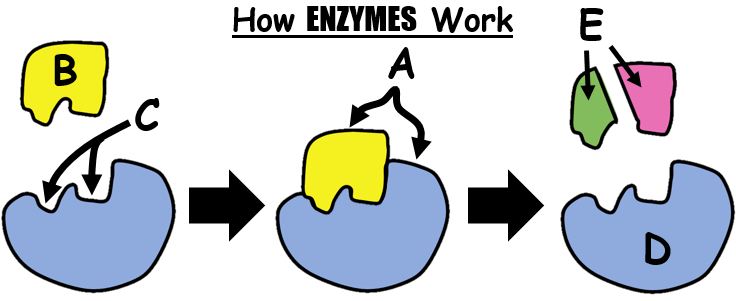
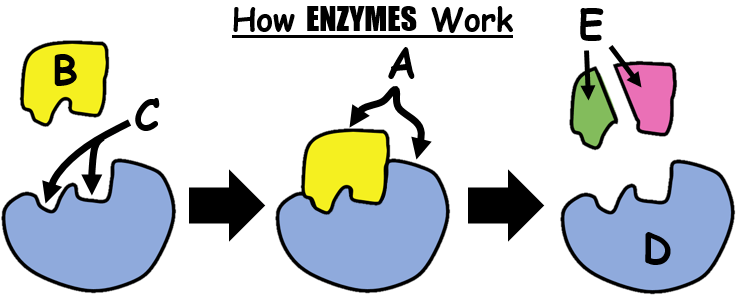
In the diagram, what is letter A? 
a)
product
b)
substrate
c)
enzyme-substrate complex
d)
active site
197.
Letter D...
a)
active site
b)
enzyme
c)
substrate
d)
products
198.
What does this organism use for movement?
a)
Pseudopod
b)
Cilia
c)
Flagella
d)
legs
199.
What does this organism use for movement?
a)
Pseudopod
b)
Cilia
c)
Flagella
d)
legs
200.
What is the name of this organism?
a)
Amoeba
b)
Paramecium
c)
Euglena
d)
Bacteria