wayground logo

Free Printable Worksheets

NEW

Font size

S
M
L
XL
Worksheets

Final Review

Total questions: 70

Worksheet time: 1hrs 10mins

Name
Class
Date
1.
Which type of rock forms from extreme heat and pressure?
a)
Igneous
b)
Sedimentary
c)
Organic
d)
Metamorphic
2.
A metamorphic rock changes into an igneous rock by what two processes?
a)
Melting and cooling
b)
Extreme heat and pressure
c)
Compaction and cementation
d)
Weathering and erosion
3.
Wind, water, and ice breaking down rock is called
a)
Erosion
b)
Deposition
c)
Compaction
d)
Weathering
4.
True/False: Igneous rocks can only turn into metamorphic rocks.
a)
True
b)
False
5.
The process in which dissolved minerals crystallize and glue sediment together.
a)
compaction
b)
deposition
c)
organic rock
d)
cementation
6.
When sediments are pressed together tightly, this is called ____________.
a)
Compaction
b)
Cementation
c)
Weathering
d)
Erosion
7.
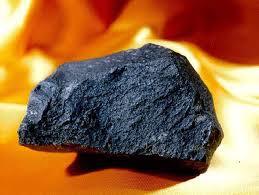
This rock was found near the mouth of a volcano. What type of rock is this?
a)
Sedimentary
b)
Igneous
c)
Metamorphic
8.
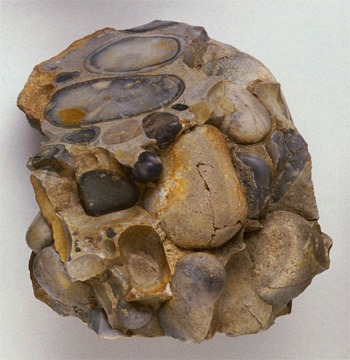
This rock was formed by smaller pieces of rock that settled at the bottom of a lake millions of years ago. What type of rock is this?
a)
Sedimentary
b)
Igneous
c)
Metamorphic
9.
What are the 3 major types of rocks?
a)
Igneous, Metamorphic, Sedimentary
b)
Metamorphic, Igneous, Cementation
c)
Brown, Red, Gray
d)
Streak, Hardness, Breakage
10.
This rock started as lava that cooled and then was heated and put under pressure over time. What type of rock is this?
a)
Sedimentar
b)
Igneous
c)
Metamorphic
11.
This rock started as molten magma. What type of rock is this?
a)
Sedimentary
b)
Igneous
c)
Metamorphic
12.
This rock is made from tiny pieces of other rocks that settled to the bottom of a valley millions of years ago. What type of rock is this?
a)
Sedimentary
b)
Igneous
c)
Metamorphic
13.
This rock cooled on the outside of a volcano and contained air bubbles when it was forming. What type of rock is this?
a)
Sedimentary
b)
Igneous
c)
Metamorphic
14.
Fossils are often found in ____________ because it is formed from the remains of once living things.
a)
metamorphic
b)
magma
c)
igneous
d)
sedimentary
15.
Which type of igneous rock forms above ground?
a)
Intrusive
b)
Organic
c)
Extrusive
d)
Foliated
16.
Which type of metamorphic rock has minerals in bands or stripes?
a)
Nonfoliated
b)
Coarse grained
c)
Fine grained
d)
Foliated
17.
What type of texture does a SLOWLY cooling, intrusive igneous rock have?
a)
Foliated
b)
Nonfoliated
c)
Coarse grained
d)
Fine grained
18.
Lava which cools on Earth's surface forms an
a)
metamorphic rock
b)
intrusive igneous rock
c)
extrusive igneous rock
d)
foliated metamorphic rock
19.
Magma cooling and hardening below Earth's surface forms an
a)
Intrusive igneous rock
b)
Extrusive igneous rock
c)
Foliated metamorphic rock
d)
Organic sedimentary rock
20.
Scientists classify rocks by their composition and
a)
chemicals
b)
size
c)
color
d)
texture
21.
The chemical makeup of a rock
a)
Composition
b)
Texture
c)
Minerals
d)
Organic matter
22.
Texture is determined by
a)
the chemicals in a rock
b)
the color of a rock
c)
the bumpiness of a rock
d)
the size and shape of  the rock's mineral grains
23.
Sediment being dropped off and laid to rest
a)
Deposition
b)
Erosion
c)
Weathering
d)
Lithification
24.
What do we call the powder left behind when a mineral is scratched on a plate?
a)
Hardness
b)
Luster
c)
Cleavage
d)
Streak
25.
Which is not a characteristic of a mineral?
a)
Organic
b)
Naturally Formed
c)
Inorganic
d)
Definite crystalline structure
26.
What is the shaking of the Earth’s crust caused by a release of energy?
a)
Earthquake
b)
Epicenter
c)
Fault
d)
Plate
27.
Which of the following is NOT a cause of an earthquake?
a)
Collapse of Cavern
b)
Eruption of Volcano
c)
Lightning Strikes
d)
Moving Tectonic Plates
28.
What is a break in the lithosphere along which movement in an earthquake has first occurred?
a)
Earthquake
b)
Epicenter
c)
Fault
d)
Focus
29.
When you step out into the cold, your body shivers in order to keep its temperature at 98.6F.
a)
All living things use energy
b)
All living things contain cells
c)
All living things maintain homeostasis
d)
All living things grow
30.
Green plants produce their own food through the process of photosynthesis.
a)
All living things use energy
b)
All living things contain cells
c)
All living things maintain homeostasis
d)
All living things grow
31.
A pill bug (roly poly) eats a carrot.
a)
All living things contain cells
b)
All living things use energy
c)
All living things maintain homeostasis
d)
All living things grow
32.
An amoeba is a unicellular organism. Which characteristic of life is this?
a)
All living things use energy
b)
All living things contain cells
c)
All living things respond to their environment
d)
All living things grow
33.
A tulip opens in the morning at sunrise and closes in the evening at sunset.
a)
All living things have cells
b)
All living things use energy
c)
All living things respond to their environment
d)
All living things grow
34.
Over three years, Tim's height has increased from 5'4" to 5'11".
a)
All living things contain cells
b)
All living things maintain homeostasis
c)
All living things use energy
d)
All living things grow
35.
The roots of a plant grow towards a source of ground water.
a)
All living things use energy
b)
All living things reproduce
c)
All living things respond to their environment
d)
All living things grow
36.
YOU are a multi-celled organism but an amoeba is a single celled organism.
a)
All living things have cells
b)
All living things grow
c)
All living things use energy
d)
All living things respond to their environment
37.
all matter is made of what 
a)
energy 
b)
atoms 
c)
electrons 
d)
compounds 
38.
The positive particles of an atom are 
a)
electrons 
b)
positrons 
c)
neutrons 
d)
protons 
39.
What happens in ALL chemical changes?
a)
Change in state of matter
b)
A new substance is formed
c)
Bubbles are produced
d)
An explosion
40.
Which of the following tells you that a chemical change may have occurred?
a)
Change Shape
b)
Melting
c)
Vaporizing
d)
Change in color
41.
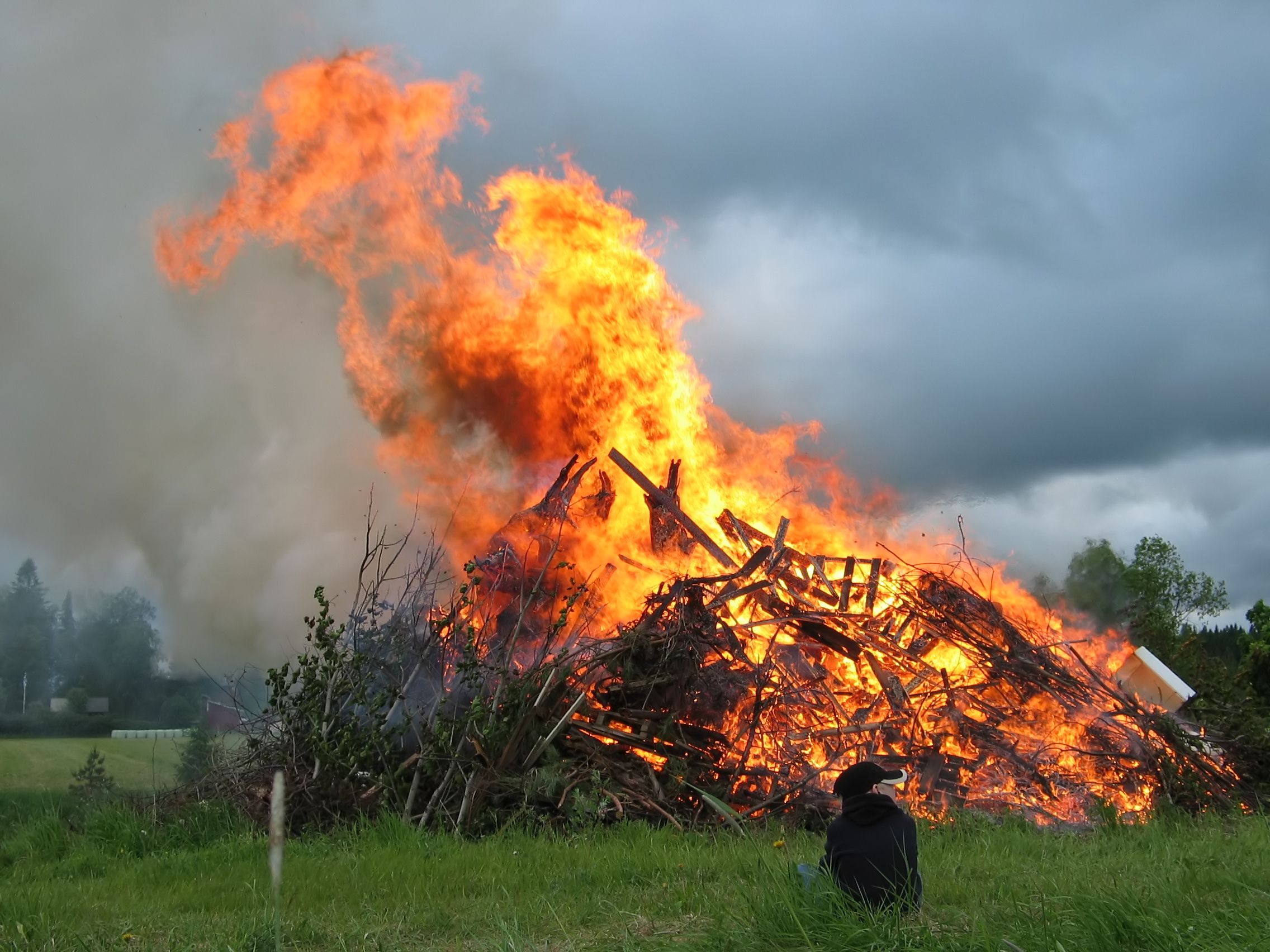
Is wood burning a physical or chemical change?
a)
Physical 
b)
Chemical
42.
The Law of Conservation of Mass tells us matter can't  ______________.
a)
change color
b)
change state of matter
c)
be created or destroyed
d)
change temperature
43.

Which of the following is not a clue that a chemical reaction has taken place?

a)

Changing size

b)

Changing color

c)

A gas being formed

d)

Formation of a precipitate

44.
A solid piece of chocolate is melted and changed to liquid form. Which property of the piece of chocolate will remain the same?
a)
Texture
b)
Temperature
c)
Shape
d)
 Mass
45.
An object that allows heat or electricity to pass through easily is a
a)
Insulator
b)
Conductor
46.
Julie is colleting information about the physical properties of a rock. She puts water in a graduated cylinder. Then she puts the rock into the cylinder. What information can Julie collect from the graduated cylinder?
a)
the rocks mass
b)
the rocks temperature
c)
the rocks texture
d)
the rocks volume
47.
Which liquid has the highest density? 
a)
corn syrup
b)
lamp oil
c)
rubbing alcohol
d)
honey
48.
What is NOT an example of an insulator in the kitchen?
a)
An oven mitt
b)
Pots and pans
c)
A wooden spoon
d)
A plastic measuring cup
49.
The handle of a frying pan is often coated in rubber because rubber provides...
a)
Heat insulation
b)
Heat conduction
c)
A low melting point
d)
A nonstick surface
50.

a model scientists use to describe the timing of events and the relationships between those events in earth’s history.

a)

geologic time scale

b)

era

c)

period

d)

epoch

51.

one of four long periods of geologic time from Precambrian to the present.

a)

geologic time scale

b)

era

c)

period

d)

epoch

52.

when minerals replace the remains and they become rock; things like wood.

a)

Petrified

b)

Mold

c)

Cast

d)

Index

e)

Trace Fossil

53.

fossilized mark that is formed in soft sediment by the movement or actions of an animal.

a)

Petrified

b)

Mold

c)

Cast

d)

Index

e)

Trace Fossil

54.

What Era were mammals first seen?

a)

Precambrian

b)

Paleozoic

c)

Mesozoic

d)

Cenozoic

55.

According to paleontologists, how old is the Earth?

a)

3.5 Billion Years Old

b)

543 Million Years Old

c)

57 Million Years Old

d)

4.6 Billion Years Old

56.

Analyze the layers of undisturbed sedimentary rock. Which layer of sedimentary rock is oldest?

a)

Q

b)

R

c)

S

d)

T

e)

U

57.
Which portion of the timeline is known as the "Age of Dinosaurs"?
a)
Precambrian Time
b)
Paleozoic Era
c)
Mesozoic Era
d)
Cenozoic Era
58.
Precambrian Time accounts for ___% of Earth's History.
a)
10%
b)
25%
c)
50%
d)
90%
59.
Cavemen lived at the same time as the dinosaurs.
a)
TRUE
b)
FALSE
60.
Which type of life dominates the Precambrian Time?
a)
Dinosaurs
b)
Mammals
c)
Bacteria
d)
Humans
61.
Which of the following is not a compound?
a)
HCl
b)
Cl
c)
NaCl
d)
CO2
62.
Which of the following represents an element?
a)
H2O
b)
H2
c)
NaCl
d)
CaCO3
63.
Salt water boils and the water completely evaporates, salt (NaCl) is left in the bottom of the beaker. Which of the following is left in the beaker?
a)
Compound
b)
Element
c)
Mixture
d)
None of the Above
64.
Which of the following an element?
a)
Carbonic Acid
b)
Copper
c)
Iron and Copper
d)
Water
65.
When the nails were left outside and allowed to rust during the substance detector activity, what new substance was created?
a)
Mud
b)
Rust
c)
Grass
d)
Water
66.
Is water an element or a compound?
a)
Element
b)
Compound
67.
Water (H2O) freezing is an example of:
a)
A chemical change
b)
A physical change
68.
A compound consists of two or more elements bound together.
a)
True
b)
False
69.
You drop two Alka-Seltzer tablets in a glass of water and immediately see bubbles coming up through the water. They probably indicate:
a)
A change of color
b)
Formation of a gas
c)
A change in temperature
d)
Formation of a precipitate
70.
A chemical change always results in the formation of a:
a)
explosion
b)
big mess
c)
new substance
d)
new state of matter