
 Worksheets
PBS Final Exam
Total questions: 85
Worksheet time: 53mins
No two people have the same fingerprints. During fingerprint analysis, minutiae (ridge details) are compared. What is the least number of points of minutiae that must match to establish similarity between two prints and that they are identical?
7-10
12-15
15-18
20 or more
The innermost layer of the hair is called the
Cuticle
Cortex
Medulla
Keratin
Which hormone is produced when blood sugar is HIGH?
glucagon
insulin
glucose
pancreasome

Pressure exerted by the blood upon the walls of the blood vessels, especially arteries, usually measured by means of a sphygmomanometer and expressed in millimeters of mercury (mmHg).
Electrocardiogram
Systole
Diastole
Blood pressure
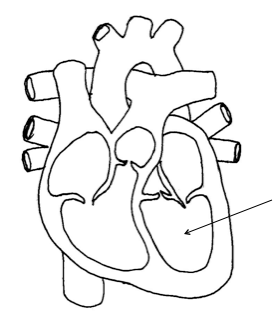
What is a function of the coronary arteries?
To supply blood to the lungs
To supply blood to the brain
To supply blood to the heart
To supply blood to the aorta
What is high blood sugar called?
This is the name of the simple sugar that is found in your blood?
water
glucose
sodium
sugar
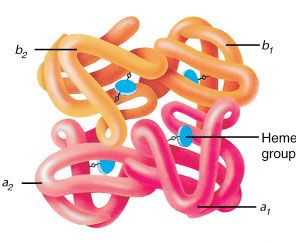
What is the primary factor that determines the three-dimensional shape of a protein?
The structure of the amino acids
The sequence of amino acids
The structure of peptide bonds
The sequence of peptide bonds

According to the table, which unknown sample would be the least healthiest choice?
Unknown sample 2
Unknown sample 1
Unknown sample 4
Unknown sample 3
If you have type B- blood, who can be your donor?
B- only
A- and AB-
O- and B-
AB+
The reason someone dies is called the:
type of death
manner of death
cause of death
mechanism of death

Which of the following tests for protein?
Iodine
Benedicts
Biuret
Emulsion
When protein is present Biuret turns...
purple
blue-black
orange
brick red
A negative test for glucose will cause Benedicts to stay...
brick red
blue
black
orange

This test shows results for which blood type?
B+
B-
A+
A-
Someone with Type AB blood has...
Both A & B antibodies
No antibodies
only A antigens
only B antigens


what is diabetes?
The body is able to properly respond to, or produce insulin, resulting in too much sugar in the blood.
The body is unable to properly respond to, or produce insulin, resulting in too much sugar in the blood.
The body is unable to properly respond to, or produce insulin, resulting in too low sugar in the blood.
all of the above
Insulin is produced in the _________
stomach
pancreas
liver
kidneys
How does Type I diabetes develop?
During the 5th or 6th month of pregnancy
When people are obese and do not have a healthy lifestyle
When the immune system of the body attacks pancreas cells
Hyperglycaemia is when ________
blood sugar is high
blood cholesterol is high
blood sugar is low
blood oxygen is low
Ahmad took a blood glucose test while fasting and his result is 145 mg/dl of glucose. What is his diagnosis?
Non-diabetic
Pre-diabetic
Diabetic
In which of the following types of diabetes does the pancreas not produce enough insulin?
Type I
Type II
Gestational diabetes
True or False: Type II is more common than Type I
True
False

Diabetes that often develops during adolescence, characterized by a lack of insulin
Type 1 Diabetes
Type 2 Diabetes
Prediabetes
Gestational Diabetes

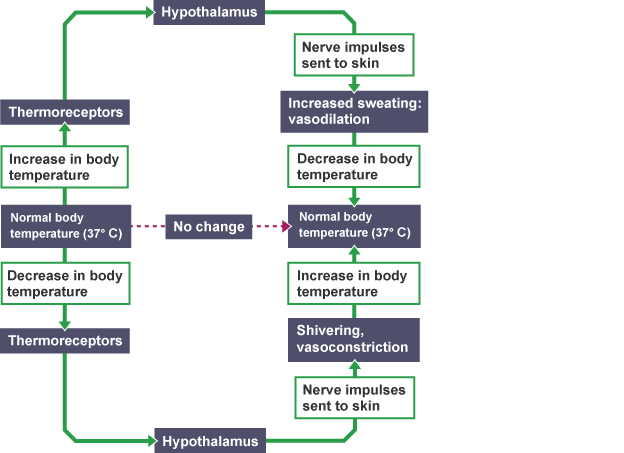
Maintenance of stable internal conditions, despite environmental changes.
homeostages
homeostasis
hydrolysis
protein
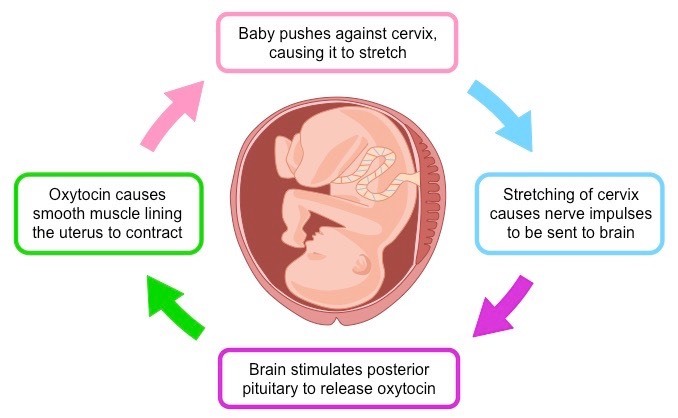
What type of feedback loop is shown?
negative
neutral
positive
Which hormone is produced by the liver?
insulin
glucagon
both insulin and glucagon
neither insulin nor glucagon
Which hormone is produced when the blood glucose concentration is below normal?
insulin
glucagon
both insulin and glucagon
neither insulin nor glucagon
A person has not ate for 12 hours. Which hormone is more likely to be produced?
insulin
glucagon
both insulin and glucagon
neither insulin nor glucagon
A person ate a meal rich of carbohydrates. Which hormone is likely produced after the food is digested and absorbed?
insulin
glucagon
both insulin and glucagon
neither insulin nor glucagon
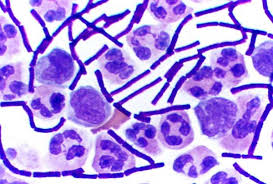
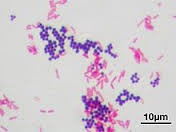

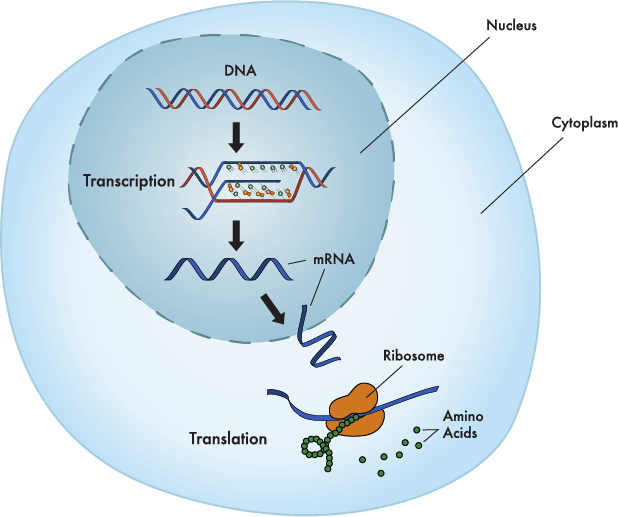
In what process is mRNA synthesized?
Transcription
Translation
DNA Replication
Mitosis
Where does TRANSCRIPTION occur?
Nucleus
Ribosome
Cytoplasm
Mitochondria
Why must transcription occur where DNA can be found?
because DNA can't leave
because ribosomes are in the nucleus
because DNA polymerase is found there
because helicase unzips the DNA
How many nucleotides equal 1 amino acid?
1
2
3
4
TRANSCRIBE this DNA sequence: TACGTTACT
AUGCAAUGA
ATGCAATGA
AUGGATUGA
TACGTTACT
Which of the following are differences in the structure between RNA and DNA? Select all
DNA uses deoxyribose sugar, RNA uses sugar ribose
DNA pairs Adenine with Uracil, RNA pairs Adenine with Thymine
DNA is a double helix, RNA is a single helix
DNA pairs Adenine with Thymine, RNA pairs Adenine with Uracil

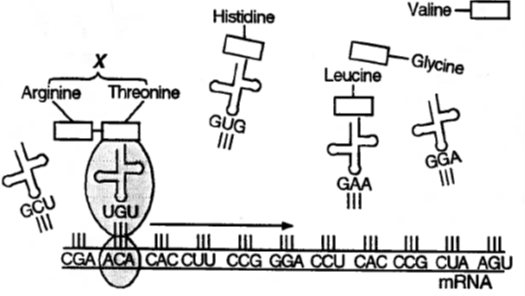
The sequence that that restriction Enzymes recognizes contains how many bases?
a).1
b). 3
c).6
d).12
How do we name restriction Enzymes ?
a).First letter in Cap for Genus, next two letter in small for species, next one letter for strain and roman numeral for order of discovery
b). First two letter in Cap for Genus, next one letter in small for species, next one letter for strain and English numeral for order of discovery
c). First two letter in Cap for Genus, next one letter in capital for species, next one letter for strain and roman numeral for order of discovery
d). First two letter in Cap for Genus, next one letter in small for species, next one letter for strain and roman numeral for order of discovery

A student performed a gel electrophoresis experiment. The results are represented in the diagram
below. Compared to the fragments at the top of the gel, the fragments at the lower end are
larger, and move slower
larger, and move faster
smaller, and move faster
smaller, and move slower

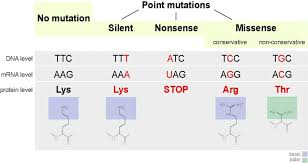
If a point mutation does not change the order of the amino acid sequence, this is called a:
nonsense mutation
silent mutation
missense mutation
frameshift mutation
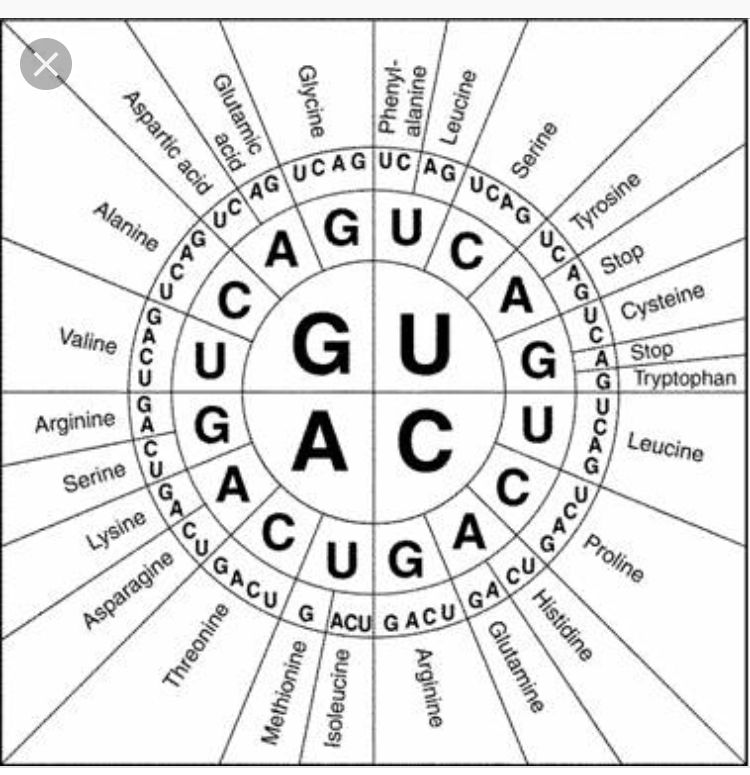
If a mutation codes for "stop" in the amino acid chain, this is called a:
nonsense mutation
missense mutation
silent mutation
frameshift mutation
Which of the following mutations would be the most likely to affect the resulting protein?
substitution
silent mutation
frameshift mutation
all mutations affect the resulting protein
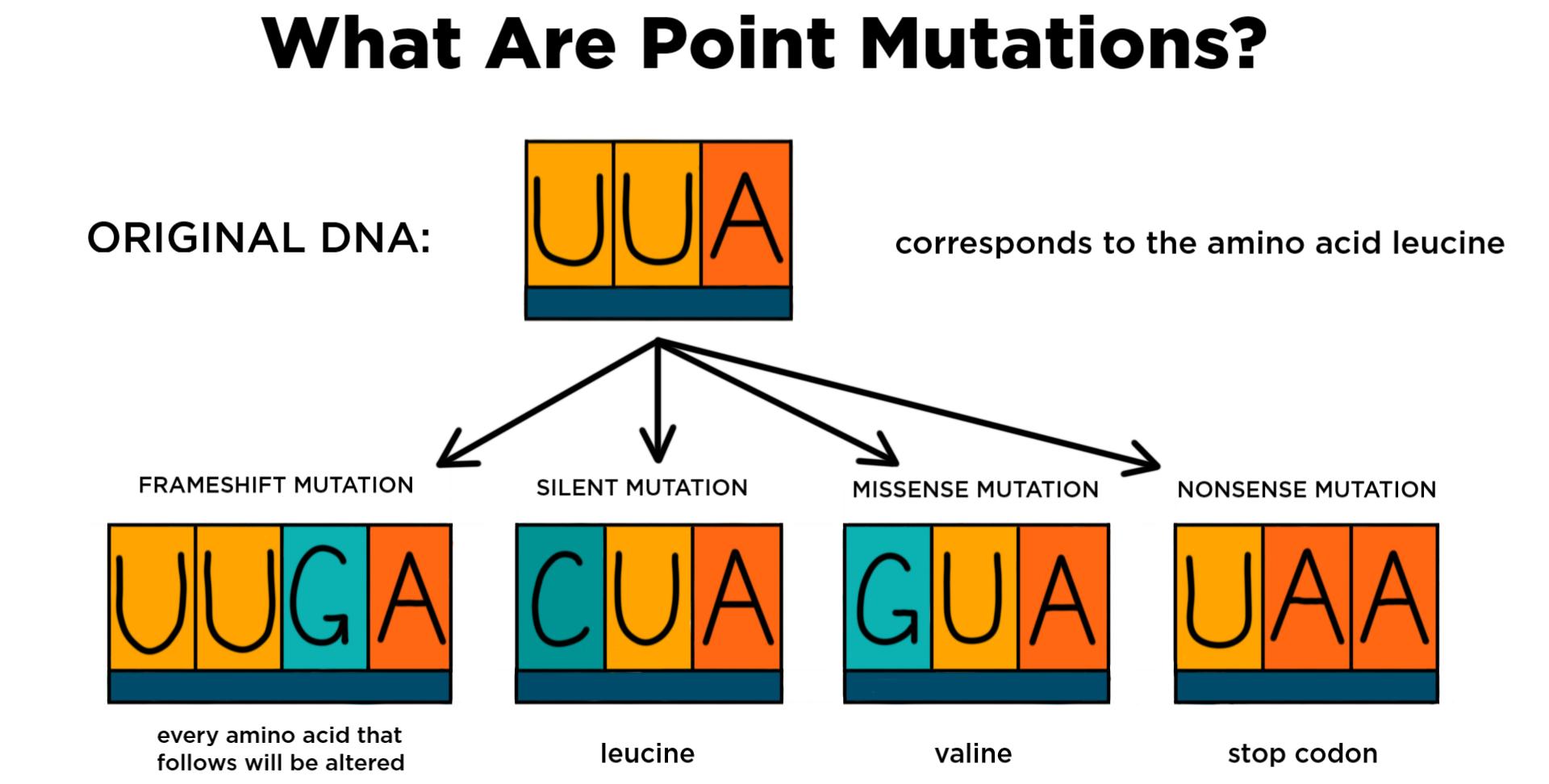
Mutations that change the amino acid specified by the codon, affecting the amino acid sequence, are called:
nonsense mutations
missense mutations
silent mutations
all of the above

