wayground logo

Free Printable Worksheets

Font size

S
M
L
XL
Worksheets

Grade 9 Unit A: Biological Diversity

Total questions: 165

Worksheet time: 2hrs 2mins

Name
Class
Date
1.
A __________ includes all living and non-living things in an environment. 
a)
population
b)
niche
c)
abitotic
d)
ecosystem
2.

What is a niche?

a)

the habitat of an organism

b)

how many organisms of that kind live in the area

c)

an organism's role in the ecosystem

d)

a rash you need to scratch

3.

An advantage of asexual reproduction:

a)

the population can grow quickly in a short amount of time

b)

offspring can adapt to their environments faster

c)

long term bonds are formed between the parents and offspring

d)

there is more variety in the offspring

4.

The process shown is:

a)

asexual reproduction

b)

sexual reproduction

5.

Sperm and egg cells have _____ number of chromosomes as other body cells.

a)

the same

b)

twice the

c)

half the

6.

What will likely happen if the wolf population goes down?

a)

there will be less bluegill fish

b)

there will be less deer

c)

there will be more hickory shrubs

d)

there will be more of the wolf's predators

7.

The process shown is called:

a)

meiosis

b)

binary fission

c)

budding

d)

spore production

8.

The process shown is called:

a)

meiosis

b)

binary fission

c)

budding

d)

spore production

9.

The process shown is called:

a)

meiosis

b)

binary fission

c)

budding

d)

spore production

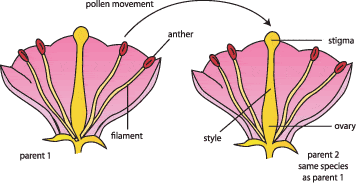
10.

The process shown is called:

a)

meiosis

b)

mitosis

c)

budding

d)

spore production

11.

Scientists can put a gene into potato seeds to protect them from being eaten by potato beetles.

a)

artificial insemination

b)

artificial selection

c)

genetic engineering

d)

selective breeding

12.

The unknown organism is probably:

a)

bacteria

b)

mushroom

c)

millipede

d)

elm

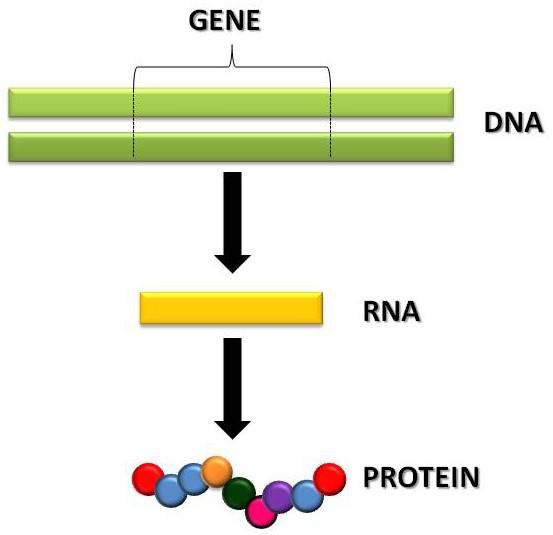
13.

Which trait is influenced by the environment and genetics?

a)

colour blindness

b)

blood type

c)

ability to roll tongue

d)

skin colour

14.

Which trait is influenced by genetics only?

a)

scars

b)

mass

c)

blood type

d)

skin colour

15.

An organism that can eat many types of food and live in many places is called a:

a)

specialist

b)

generalist

16.

The organism that can better survive small changes in the environment:

a)

specialist

b)

generalist

17.

An organisms that lives in the striped area would have a ______ niche.

a)

broad

b)

narrow

18.

Organisms that live in a broad niche are called:

a)

generalists

b)

specialists

19.

Organisms that live in a narrow niche are called:

a)

generalists

b)

specialists

20.

Which country would have the highest biodiversity?

a)

Canada

b)

United States

c)

Columbia

d)

Russia

21.

Both parents are:

a)

homozygous recessive

b)

heterozygous

c)

heterozygous dominant

22.

What are the chances that a child will have the recessive trait of blonde hair?

a)

75%

b)

25%

c)

0%

d)

100%

23.

What are the chances that a child will have the recessive trait of blonde hair?

a)

75%

b)

25%

c)

0%

d)

100%

24.

What part of a cell has the genetic information?

a)

cell membrane

b)

chloroplast

c)

cytoplasm

d)

chromosome

25.

Problems with _______ can lead to offspring with the wrong number of chromosomes.

a)

meiosis

b)

mitosis

c)

cell division

26.

Height is an example of:

a)

discrete variation

b)

Continuous variation

27.

Skin colour is an example of:

a)

discrete variation

b)

Continuous variation

28.

Blood type is an example of:

a)

discrete variation

b)

Continuous variation

29.

Handspan is an example of:

a)

discrete variation

b)

Continuous variation

30.

The ability to curl your tongue is an example of:

a)

discrete variation

b)

Continuous variation

31.

How have humans caused the extinction of animals?

a)

I and III

b)

I and II

c)

I, II, and III

d)

II and IV

32.

A baby panda was born in a Belgian zoo. This is an example of:

a)

establishing protected areas

b)

captive breeding programs

c)

international import/export treaties

33.

A wildlife refuge has been set up in Peru. This is an example of:

a)

establishing protected areas

b)

captive breeding programs

c)

international import/export treaties

34.

This form of reproduction requires 2 parents:

a)

sexual reproduction

b)

asexual reproduction

c)

both sexual and asexual reproduction

35.

Zygotes are formed in this type of reproduction:

a)

sexual reproduction

b)

asexual reproduction

c)

both sexual and asexual reproduction

36.

Genetic information is passed on to the offspring:

a)

sexual reproduction

b)

asexual reproduction

c)

both sexual and asexual reproduction

37.

Budding is a form of:

a)

sexual reproduction

b)

asexual reproduction

c)

both sexual and asexual reproduction

38.

A recessive trait is seen in the offspring when:

a)

both parents pass on the trait

b)

one parent passes on the trait

39.

Which is probably an example of artificial selection?

a)

Broad leaves on maples allow them to collect more sunlight.

b)

Durum wheat is high in protein, making it useful for pasta.

c)

The beak of the golden eagle is sharp for tearing meat.

d)

Wolves have ridges on their skull for strong jaw muscles.

40.

Which is an example of variation among species?

a)

A cat has 2 black kittens and one gray kitten.

b)

Grizzly bears and brown bears have different head shapes.

c)

Some lodgepole pine trees have branches only at the top.

d)

A Dalmatian has some pups with more spots than others.

41.
A place in an ecosystem where a population lives is called a _________.
a)
community
b)
habitat
c)
evolution
d)
limiting factor
42.
_____________ refers to all of the living species in the world.
a)
genetic diversity
b)
species diversity
c)
biological diversity
d)
environmental diversity
43.
What is species diversity?
a)
the variety of different organisms in an environment
b)
the number of individuals in a population
c)
the number of habitats on a continent
d)
how much food is available in a habitat
44.
Populations with high diversity have _________.
a)
very few traits
b)
high number of different traits
c)
difficulty surviving
d)
very few living individuals
45.
Without __________, natural selection would not take place.
a)
asexual reproduction
b)
genetic engineering
c)
cloning
d)
competition
46.
What causes populations to change over time?
a)
extinction
b)
solution
c)
natural selection
d)
election
47.
The theory of evolution says that living things ___________.
a)
grow and develop
b)
change over time
c)
stay the same throughout history
d)
change very quickly
48.
What causes living things to change over time?
a)
cloning
b)
fossil evidence
c)
natural disasters
d)
changes in the environment
49.
Living things who posses favorable traits will most likely _____________.
a)
die young
b)
go extinct
c)
pass those traits to offspring
d)
remove the trait from the gene pool
50.
Populations with low genetic diversity are more likely to ______________.
a)
go extinct
b)
adapt to their environment
c)
posses a wide variety in traits
d)
have an advantage over living things with high genetic diversity
51.
A population whose members all look very similar would have _____________.
a)
high genetic diversity
b)
low genetic diversity
c)
high biological diversity
d)
low species diversity
52.
Species that have ____________ are more able to adapt to their environment.
a)
high species diversity
b)
high biological diversity
c)
high genetic diversity
d)
low genetic diversity
53.
When individuals leave a population, genetic diversity ______________.
a)
increases
b)
decreases
c)
remains the same
d)
creates new species
54.
When all the members of a species are no longer living, that species is considered _______________.
a)
extinct
b)
hybernating
c)
returning soon
d)
genetically diverse
55.
 characteristic or trait that helps an organism survive in its environment
a)
skills
b)
speciation
c)
natural instinct
d)
adaptation
56.
Charles Darwin noticed that birds of the Galapagos Islands were very similar in size and shape but their beaks were very different. What is the explanation for birds having different beaks? 
a)
gathering food
b)
building nest
c)
fighting
d)
scaring predators
57.
The differences among a species, like different bird beaks, are called
a)
genes.
b)
variations.
c)
traits.
d)
theories.
58.
A group of organisms capable of interbreeding or exchanging genes
a)
Mutation
b)
Species
c)
Adaptation
d)
Fitness
59.
What is a species?
a)
A group of organisms that can mate with each other and produce fertile offspring. 
b)
A group of organisms that genetically are very different from each other. 
c)
A group of organisms that can mate and produce offspring even if those offspring are infertile.
d)
Indivual organisms that live in the same environment. 
60.
A characteristic that can be passed from parent to offspring through genes is called a 
a)
offspring
b)
fossil
c)
a new species
d)
trait
61.
Cattle egrets forage (feed) in fields among cattle. The egret gets easy access to flying insects stirred up by the cattle, and the cattle don't care if they are there or not.
a)
mutualism
b)
commensalism
c)
competition
d)
parasitism
62.
A relationship between two organisms in which one organism benefits and the other is unharmed...
a)
Mutualism 
b)
Competition
c)
Parasitsm 
d)
Commensalism 
63.
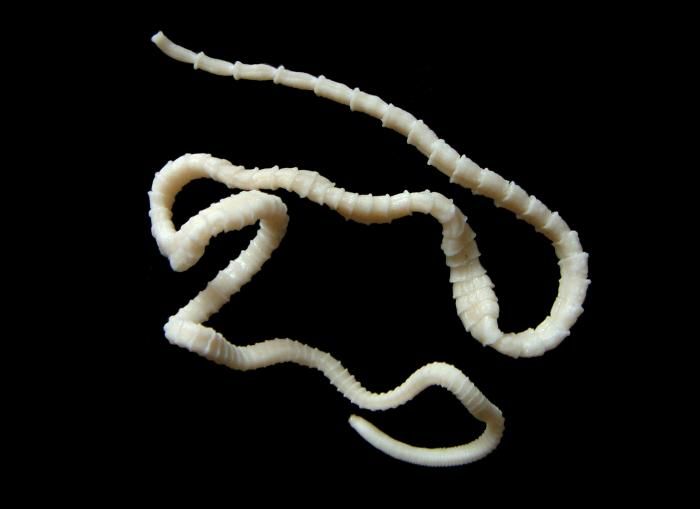
A tapeworm and a cat have this type of relationship.
a)
mutualism
b)
parasitism
c)
commensalism
d)
competition
64.
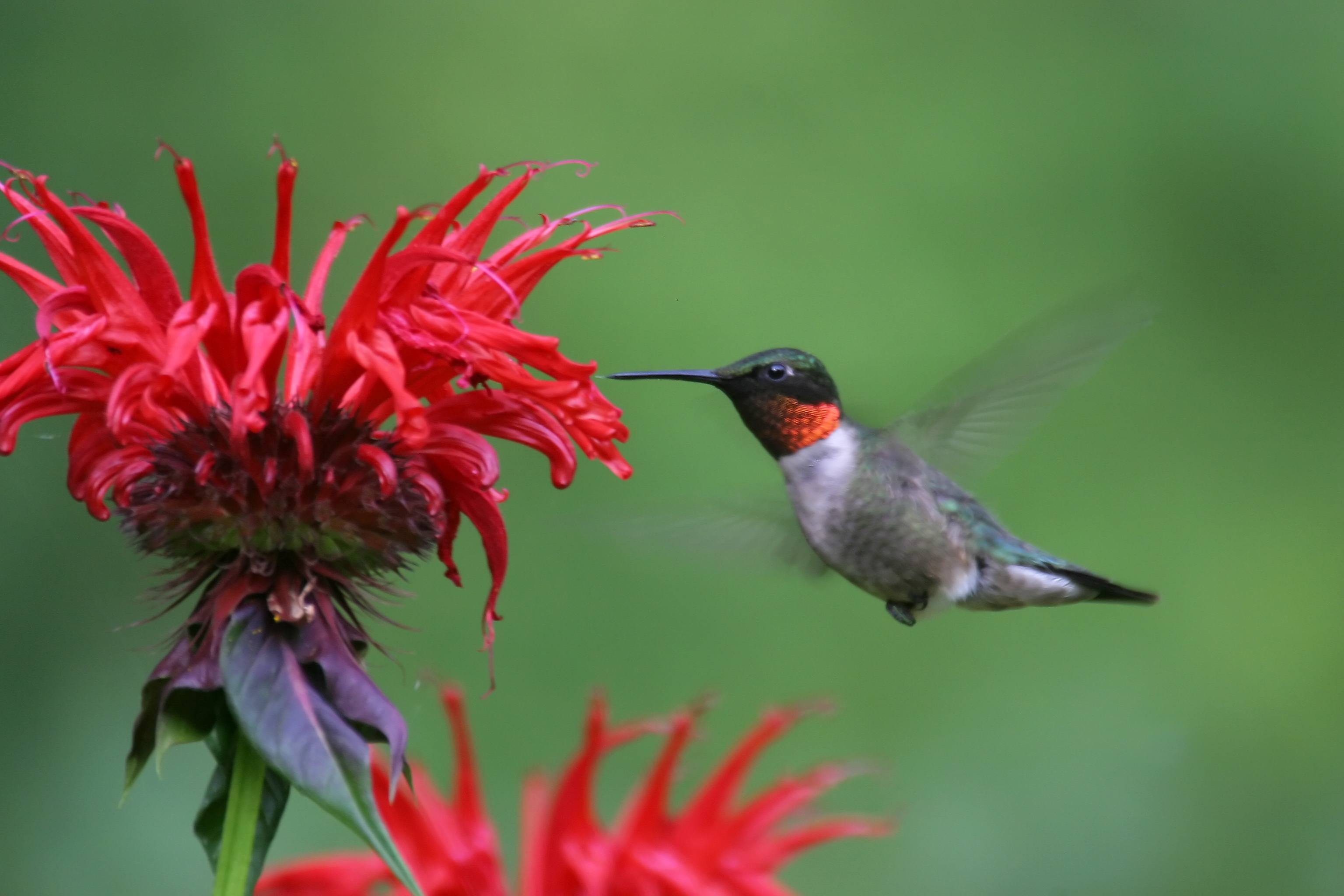
What type of symbiosis?  Hummingbirds feed on nectar from flowers.  The flowers are pollinated by hummingbirds as they move from flower to flower.
a)
commensalism
b)
mutualism
c)
parasitism
d)
predation
65.
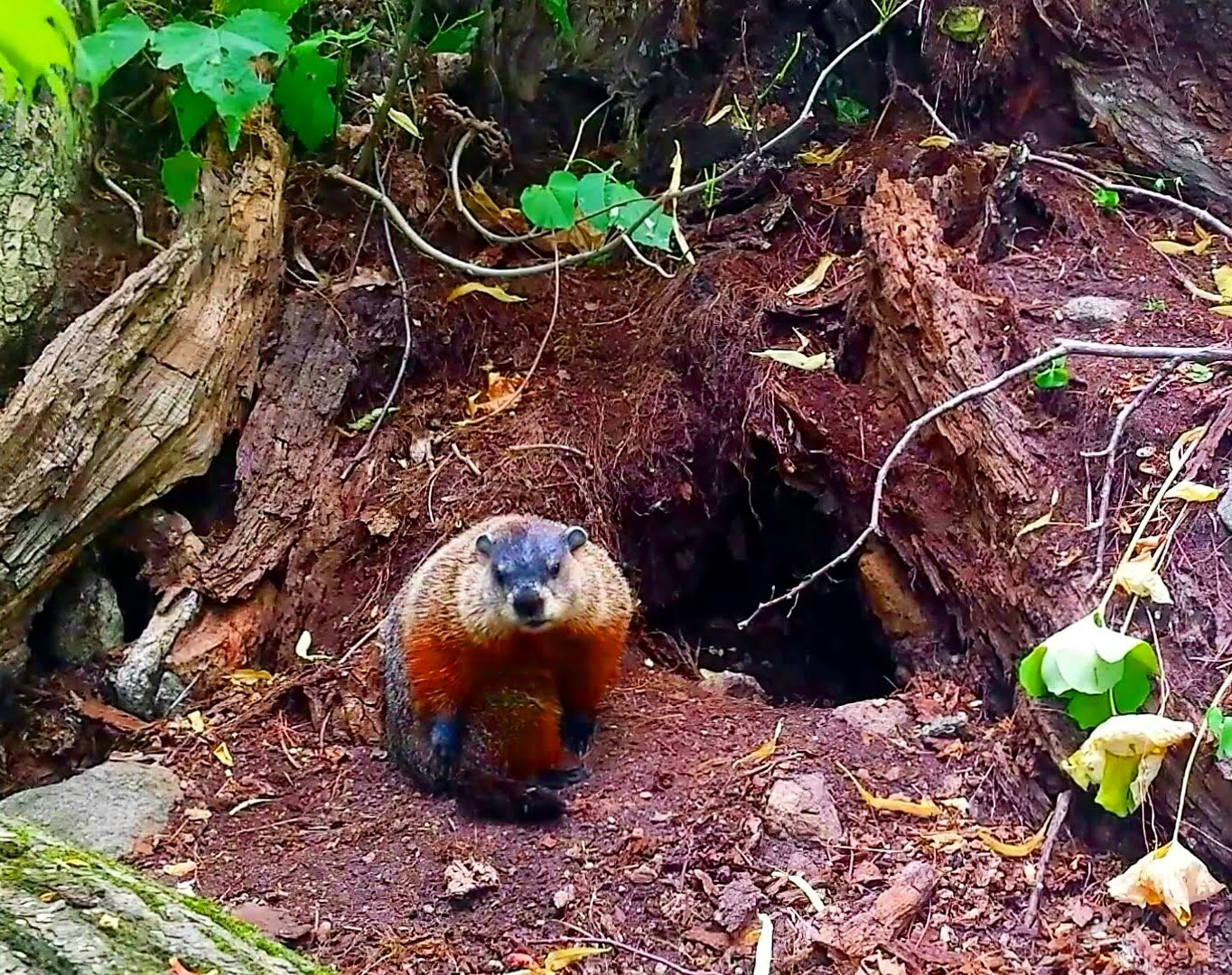
What type of symbiosis?  Skunks often live in burrows that have been dug and abandoned by woodchucks.  
a)
commensalism
b)
mutualism
c)
parasitism
d)
predation
66.
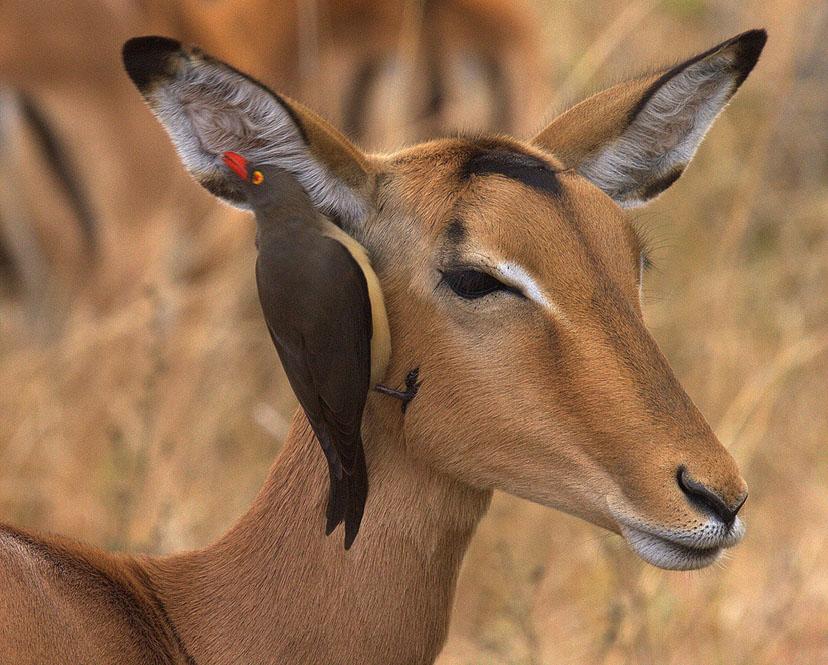
Red-billed oxpeckers are birds that often feed on parasites that infest impala.  This is an example of _______.
a)
commensalism
b)
mutualism
c)
neutralism
d)
competition
67.
A relationship between two organisms in which both organisms benefit. 
a)
Mutualism 
b)
Competition
c)
Parasitsm 
d)
Commensalism 
68.

Aphids are tiny insects that live on and eat the leaves of plants, removing vital nutrients from the plants.

a)

Predation

b)

Parasitism

c)

Commensalism

d)

Mutualism

69.
____species coexist by using only part of the available resources
a)
Resource Partitioning
b)
Resource competition
c)
Mutual competition
d)
Mutaulization
70.
Two different types of finches feeding on seeds is an example of 
a)
commensalism
b)
competition
c)
predator prey
d)
mutualism
71.

An increase in the total number of cells (ex: skin cells)

a)

Meiosis

b)

Mitosis

c)

Genetic Engineering

d)

Fertilization

72.

What is inherited from parents?

a)

eggs

b)

genes

c)

punnett squares

d)

sperm

73.

After cell division by meiosis, the number of chromosomes each egg or sperm has is:

a)

1/4 the original

b)

1/2 the orginal

c)

ten times the original

d)

twice the original

74.
What is artificial selection?
a)
a nonnative organism that spreads widely in a community
b)
the process of selection conducted under human direction
c)
a heritable trait that increases the likelihood of an individual's survival and reproduction
d)
how reproductively successful an organism is in its environment
75.
A panda is considered a ________________________ because of its restricted range of living.
a)
specialist
b)
generalist
76.

Which of the following are heritable characteristics?

a)

colour hair

b)

liking apples

77.

Which of the following are non-heritable characteristics?

a)

blood type

b)

being good at basketball

78.

Which of the following are discrete variations?

a)

blood type

b)

height

79.

Which of the following are continous variations?

a)

eye colour

b)

hand size

80.
Bacteria reproduce this way.
a)
budding
b)
fragmentation
c)
binary fission
d)
vegetative propagation
81.
Which type(s) of reproduction involves only ONE parent?
a)
asexual 
b)
sexual
c)
both
82.
Which type(s) of reproduction involves TWO parents?
a)
asexual 
b)
sexual
c)
both
83.
Which type(s) of reproduction involves genetically unique offspring - a variety?
a)
asexual
b)
sexual
c)
both
84.
Which type(s) of reproduction involves offspring identical to the parent?
a)
asexual
b)
sexual
c)
both
85.
Which type(s) of reproduction produce offspring?
a)
asexual
b)
sexual
c)
both
86.
Which type(s) of reproduction involves NO genetic diversity?
a)
asexual
b)
sexual
c)
both
87.
When an offspring grows off the body of the parent
a)
regeneration 
b)
budding
c)
binary fusion 
d)
sporulation
88.
What is an advantage of asexual reproduction?
a)
Genetic Variation
b)
Less offspring
c)
More offspring
89.

Fully grown parent cells split into two halves resulting in two daughter cells with the exact DNA as the parent.

a)

Binary Fission

b)

Budding

c)

Fragmentation

d)

Vegetative Reproductions

90.

What type of asexual reproduction is taking place?

a)

Binary Fission

b)

Budding

c)

Fragmentation

d)

Regeneration

e)

Vegetative Reproduction

91.
Which process is considered to be faster? 
a)
Asexual
b)
Sexual 
92.
In binary fission how does the DNA of the daughter cells compare to the DNA of the parent cell? 
a)
It is only half of the amount of DNA found in the parent.
b)
It is identical.
c)
It is a mix of the parent's DNA.
d)
It has some similarities and some differences.
93.
a)
budding
b)
sporulation
c)
vegetative propagation
d)
binary fission
94.
A male and female united reproductive cell?
a)
spore
b)
seed
c)
embryo
d)
zygote
95.
The male reproductive structure.
a)
pollen
b)
zygote
c)
embryo
d)
spores
96.
The joining of a sperm cell and an egg cell is called...
a)
Fertilization
b)
Labor
c)
Zygote
d)
STOP ASKING ME THESE IMPOSSIBLE QUETSIONS!!
97.
Developing baby from 9 weeks through birth
a)
Zygote
b)
Embryo
c)
Fetus
98.
The female part of the flower is known as the ____.
a)
stamen
b)
anther
c)
filament
d)
pistil
99.
The male part of the flower is known as the _____.
a)
stamen
b)
pistil
c)
ovary
d)
petal
100.
What is #1 pointing to?
a)
ovary
b)
petal
c)
stigma
d)
stamen
101.
What is #8 pointing to?
a)
petal
b)
stamen
c)
pistil
d)
ovary
102.
What is #2 pointing to?
a)
anther
b)
filament
c)
ovary
d)
style
103.
What is #3 pointing to?
a)
stigma
b)
filament
c)
ovary
d)
anther
104.
What is #4 pointing to?
a)
anther
b)
style
c)
stigma
d)
ovary
105.
What is #5 pointing to?
a)
anther
b)
filament
c)
stigma
d)
style
106.
What is #6 pointing to?
a)
stigma
b)
style
c)
ovary
d)
petal
107.
What is #7 pointing to?
a)
anther
b)
ovary
c)
ovule
d)
petal
108.
In what part of the flower does fertilization take place?
a)
anther
b)
stigma
c)
ovary
d)
filament
109.
Where is pollen made?
a)
ovary
b)
petal
c)
pistil
d)
anther
110.
What is the sticky part of the flower that catches pollen?
a)
style
b)
stigma
c)
ovary
d)
petal
111.
The thin stalk that supports the anther.
a)
Pistil
b)
Stamen
c)
Anther
d)
Filament
112.
The long stalk-like part that supports the stigma.
a)
Filament
b)
Anther
c)
Stigma
d)
Style
113.
The male part of the plant that sits on top of the filament
a)
Stamen
b)
Stigma
c)
Anther
d)
Style
114.
Pollination can occur within the same flower. 
a)
True 
b)
False 
115.
Pollination can occur between flowers of the same plant. 
a)
True 
b)
False 
116.
Pollination is the process by which the pollen grains are transferred from the ________ to the _________. 
a)
anther... ovary
b)
anther ... stigma
c)
stigma ... ovary 
d)
stigma ... filament
117.
Which of the following is/are types of pollination?
A) wind pollination 
B) Insect pollination 
C) explosive pollination  
a)
B only
b)
A and B only
c)
All of the above
118.
A plant that cross-pollinates...
a)
reproduces with itself
b)
reproduces with one other plant
c)
reproduces with more than one other plant
119.
Which of the following best describes a DNA molecule?
a)
double helix
b)
contains ribose
c)
made of amino acids
d)
contains Uracil
120.
Adenine bonds with ______________.
a)
Guanine
b)
Thymine
c)
Cytosine
d)
Adenine
121.
Guanine bonds with ______________.
a)
Adenine
b)
Guanine
c)
Cytosine
d)
Thymine
122.
Why is DNA important?
a)
it is very small and very complicated
b)
it's in everything
c)
it serves as the blueprint for traits of all living things
d)
because we eat it every day for energy
123.
What determines the code, or information, of a DNA molecule?
a)
the shape (structure) of the nitrogen bases
b)
the order (sequence) of the nitrogen bases
c)
the color of the nitrogen bases
d)
the frequency (number) of nitrogen bases
124.
Which organelle is DNA usually found in?
a)
cell membrane
b)
vacuole
c)
chloroplast
d)
nucleus
125.

When a cell needs to divide DNA condenses even more into

a)

chromosome

b)

chromatin

c)

chromatid

d)

centromsome

126.

A skunk has 16 chromosomes in its gametes. How many chromosomes would be in its body cells?

a)

4

b)

8

c)

16

d)

32

127.
Which of the following would be categorized as a gamete?
a)
skin cell
b)
blood cell
c)
sperm cell
d)
liver cell
128.
What is the name given to part of a DNA molecule that codes for a protein?
a)
Glucose
b)
Chromosome
c)
Gene
d)
Phosphate
129.
Which of the following is heterozygous
a)
FF
b)
tt
c)
Gg
d)
RR
130.
Which of the following is homozygous recessive?
a)
rr
b)
AA
c)
TT
d)
Ff
131.
What does the prefix homo- in homozygous mean?
a)
same
b)
different
c)
dating
d)
humans
132.
What does the prefix hetero- in heterozygous mean?
a)
same
b)
different
c)
dating
d)
human
133.
Which of the following is heterozygous
a)
Ww
b)
ii
c)
DD
d)
kk
134.
Which of the following is homozygous dominant?
a)
Jj
b)
Rr
c)
MM
d)
ee
135.
Mark is heterozygous. If B is for brown hair, and b is for blonde hair, what is Mark's phenotype?
a)
Brown Hair
b)
Blonde Hair
c)
Brown and Blonde Hair
d)
Black Hair
136.
Mark is heterozygous. If B is for brown hair, and b is for blonde hair, what is Mark's genotype?
a)
BB
b)
bb
c)
Bb
d)
bB
137.
Chris is homozygous dominant. If W for widow's peak, and w is for no widow's peak, what is Chris' genotype?
a)
WW
b)
ww
c)
Ww
d)
wW
138.
rr
a)
Homozygous Dominant
b)
Homozygous Recessive
c)
Heterozygous
d)
Heterozygous Recessive
139.
The different forms of a gene are called 
a)
traits
b)
chromosomes
c)
alleles
d)
peas
140.
A section on a chromosome that has genetic information for one trait is called a
a)
gene
b)
allele
c)
phenotype
d)
genotype
141.
G = green, g = yellow
The genotype for a yellow plant is...
a)
GG
b)
Gg
c)
gg
d)
all of the choices result in yellow
142.
T - tall and t = short
In the punnett square below, what belongs in the missing square
a)
tt
b)
Tt
c)
Bb
d)
TT
143.
What are the possible genotypes for this cross?
a)
TT = 25% Tt= 50% tt=25%
b)
all tall
c)
TT= 75% tt = 25%
d)
Tt = 100%
144.
In the punnett square shown, what is the genotypes of the two parents?
a)
RW and RR
b)
RW and WW
c)
RR and WW
d)
RW and RR
145.
What would the genotype be for this Punnett Square?  B is dominant for brown hair.
a)
2Bb, 2bb
b)
2BB, 2Bb
c)
1BB, 2Bb, 1bb
d)
4Bb
146.
The passing of characters from parents to offspring is called?
a)
Monohybrid cross
b)
Heredity
c)
True breeding
d)
Genetics
147.
How much of your DNA do you inherit from your mom?
a)
10%
b)
25%
c)
50%
d)
it varies
148.
Two brown eyed parents (Bb) have a baby. What is the chance the baby is blue eyed?
a)
0 %
b)
25%
c)
50%
d)
75%
149.
Fruit fly body cells have 8 chromosomes. After mitosis, you would expect a resulting fruit fly daughter cell to have ...
a)
16 chromosomes.
b)
46 chromosomes.
c)
8 chromosomes.
d)
4 chromosomes.
150.
The process by which the nuclear material is divided equally between two new cells
a)
mitosis
b)
cancer
c)
spindle
d)
centromere
151.
Structure (a) is a ____.
a)
chromosome
b)
chromatid
c)
centromere
152.
In mitosis, the two resulting cells are
a)
different from the starting cell and identical to each other.
b)
different from the starting cell and different from each other.
c)
identical to the starting cell and different from each other.
d)
identical to the starting cell and identical to each other.
153.
How many chromosomes do humans have?
a)
46
b)
21
c)
10
154.
Mitosis is a type of ________________ reproduction.
a)
Sexual
b)
Asexual
155.
The cells produced via meiosis are called:
a)
sex cells
b)
somatic cells
c)
body cells
d)
skin cells
156.
This produces 2 identical cells.
a)
mitosis
b)
meiosis
157.
Meiosis makes sperm and egg cells. In humans, sperm and egg cells each have _____ chromosomes. Therefore a fertilized human egg cell (sperm and egg cell combined) would create a cell with _____ chromosomes.
a)
23, 46
b)
46, 23
c)
2, 4
d)
50, 100
158.
What causes genetic variation in meiosis?
a)
chromosomes lining up
b)
crossing over of chromosomes
c)
separation of chromosomes
d)
chromosomes pulling apart
159.

A carrot starts with 18 chromosomes and under goes meiosis how many chromosomes will each daughter cell end up with?

a)

18

b)

9

c)

27

d)

36

160.
Which of these cells would be produced through meiosis?
a)
skin cells
b)
liver cells
c)
brain cells
d)
sperm cells
161.
A male shark has 40 chromosomes in each of its sex cells. How many would be present in its body cells?
a)
20
b)
40
c)
80
d)
160
162.

An organism has 120 chromosomes and undergoes mitosis each daughter cell will have how many chromosomes?

a)

60

b)

20

c)

120

d)

240

163.

An organism has 148chromosomes and undergoes meiosis each daughter cell will have how many chromosomes?

a)

148

b)

74

c)

37

d)

296

164.

A cell has undergone mitosis and has 52 chromosomes. How many chromosomes did the parent have?

a)

52

b)

104

c)

26

d)

5

165.

A cell has undergone meiosis and has 72 chromosomes. How many chromosomes did the parent have?

a)

36

b)

72

c)

144

d)

12