
 Worksheets
Exam Review 1DT
Total questions: 155
Worksheet time: 6hrs 4mins
Name
Class
Date
1.
Which is the largest object in our solar system?
a)
Sun
b)
Jupiter
c)
Earth
d)
Pluto
2.
Which planet is closest to the sun?
a)
Uranus
b)
Mercury
c)
Neptune
d)
Earth
3.
Which is the second closest planet to the sun?
a)
Earth
b)
Saturn
c)
Venus
d)
Mercury
4.
Which planet is third from the sun?
a)
Mars
b)
Pluto
c)
Venus
d)
Earth
5.
Which is the fourth planet from the sun?
a)
Mars
b)
Saturn
c)
Earth
d)
Jupiter
6.
Which planet is fifth from the sun?
a)
Saturn
b)
Jupiter
c)
Mars
d)
Earth
7.
A ball of ice and dust with a tail of gas and dust pointing away from the sun.
a)
Asteroid
b)
Comet
c)
Moon
d)
Meteor
8.
A small object that appears as a streak of light as it enters earth's atmosphere.
a)
Asteroid
b)
Comet
c)
Moon
d)
Meteor
9.
A small rocky object orbiting the sun.
a)
Asteroid
b)
Comet
c)
Moon
d)
Meteor
10.

Earth and the other planets closest to the Sun are made mostly of _______
a)
gas
b)
metal
c)
water
d)
rock
11.

Earth's ________ on its axis causes day and night.
a)
rotation
b)
revolution
c)
phase
d)
comet
12.

One full orbit of an object around another object is called a ________.
a)
axis
b)
rotation
c)
revolution
d)
satellite
13.
One of the main differences between the outer and inner planets is __________.
a)
The inner planets all have water
b)
the inner planets are much bigger than the outer planets
c)
the outer planets are gas planets
d)
the outer planets have rings, and the inner planets don't
14.
The inner planets are:
a)
Jupiter, Earth, Mars, Mercury
b)
Saturn, Uranus, Mars, Earth
c)
Earth, Pluto, Neptune, Mars
d)
Mercury, Venus, Earth, Mars
15.
Which planet is the hottest planet?
a)
Mercury
b)
Mars
c)
Venus
d)
Saturn
16.
Why do the sun and moon appear to move across the sky?
a)
the rotation of the solar system makes the sun and moon seem to move
b)
the rotation of the earth make the sun and moon seem to move
c)
the sun and moon revolve around earth
d)
the earth revolves around the sun and moon
17.
Why does the moon appear to shine?
a)
It is like a star and gives off light
b)
it refracts light from space
c)
It reflects light from the sun
d)
It absorbs light from the sun
18.
The planet with the shortest year is
a)
Earth
b)
Neptune
c)
Pluto
d)
Mercury
19.
What holds the moon, the planets, and all other objects in orbit around the sun?
a)
ocean tides
b)
magnetism
c)
gravity
d)
the sun's heat and light
20.

Which season is taking place in the Northern Hemisphere in Position 3?
a)
Winter
b)
Spring
c)
Summer
d)
Fall
21.
The main elements in a star's composition are _______ and ________.
a)
hydrogen, helium
b)
carbon, helium
c)
hydrogen, iron
d)
helium, dark matter
22.
Which term best describes the size of our sun?
a)
dwarf
b)
average
c)
supergiant
d)
smallest
23.
Which statement describes stars from coolest to hottest?
a)
blue, red, yellow
b)
blue, yellow, red
c)
yellow, blue, red
d)
red, yellow, blue
24.
Which term is used for a cloud of dust and gas?
a)
solar dust
b)
nebula
c)
gas giant
d)
terrestrial
25.
A less bright star can seem to be brighter because it is
a)
really huge
b)
far away
c)
cooler in temperature
d)
closer
26.
A very bright star can seem to be dimmer because it is
a)
further away
b)
very close
c)
cooler in temperature
d)
sparkling
27.
What is the earliest stage of a star's life cycle?
a)
protostar
b)
white dwarf
c)
neutron
d)
red giant
28.
Which stage of its life cycle does a star spend most of its time in?
a)
nebulae
b)
red giant
c)
protostar
d)
main sequence
29.
The color of a star tells us its
a)
magnitude
b)
temperature
c)
size
d)
age
30.
Brightness of a star as seen from Earth
a)
parallax
b)
apparent magnitude
c)
absolute magnitude
d)
spectrum
31.
The life cycles of stars are determined by their:
a)
mass (size)
b)
color
c)
distance from Earth
d)
luminosity
32.

Which of these puts the main parts of an average star's life cycle in the correct order?
a)
protostar>
main sequence>
red giant >
white dwarf
main sequence>
red giant >
white dwarf
b)
protostar >
main sequence>
white dwarf>
red giant
main sequence>
white dwarf>
red giant
c)
main sequence>
protostar>
white dwarf>
red giant
protostar>
white dwarf>
red giant
d)
protostar>
red giant >
main sequence>
white dwarf
red giant >
main sequence>
white dwarf
33.
What is an asteroid?
a)
rocky, metallic tiny planet that orbits the sun
b)
chunk of dirt and ices
c)
a mixture of gases
d)
a smaller chunk of stony matter, also known as a shooting star
34.
A pattern of stars is called what?
a)
constellation
b)
solar system
c)
galaxy
d)
bunch
35.
What makes the sun, stars, and moon to appear to change position in the sky?
a)
earth's revolution
b)
moon phases
c)
seasons
d)
earth's rotation
36.
What causes seasons?
a)
earth's distance to the sun
b)
earth's tilt and revolution
c)
earth's tilt and rotation
d)
the moon
37.
About how many days does it take to moon to go through a complete cycle?
a)
7 days
b)
365 days
c)
29 days
d)
20 days
38.

When the visible (lit) portion of the moon is increasing, the moon is:
a)
waning
b)
full
c)
waxing
d)
new
39.

Approximately how much time passes between the new moon and full moon?
a)
one month
b)
two weeks
c)
3 days
d)
24 hours
40.

When the Earth is between the moon and sun, it is most likely a:
a)
new moon
b)
full moon
c)
waxing crescent
d)
waxing gibbous
41.
What causes the moon's phases
a)
Where you are standing on Earth
b)
the amt of sunlight reflected onto the moon from the sun
c)
The tilt of Earth
d)
how fast the moon is moving
42.
Why do we always see the same side of the moon from Earth?
a)
because the phases change
b)
because it rotates and revolves at the same rate
c)
because half of the moon always receives sunlight
d)
The moon changes positions
43.

Name the moon phase
a)
Waxing Gibbous
b)
Waxing Crescent
c)
Waning Crescent
d)
Waning Gibbous
44.

Name the moon phase
a)
Waning Crescent
b)
Waxing Crescent
c)
Waning Gibbous
d)
Waxing Gibbous
45.
When does a lunar eclipse occur?
a)
At night
b)
When the moon's shadow is on the earth
c)
when the moon comes between the sun and earth
d)
During the day
46.
During a lunar eclipse, what color does the moon appear?
a)
Black
b)
Red-orange
c)
Yellow-green
d)
White
47.
A solar eclipse only happens during a ________ moon.
a)
New
b)
Cresent
c)
Gibbous
d)
Full
48.
A lunar eclipse only happens during a ________ moon.
a)
New
b)
Cresent
c)
Gibbous
d)
Full
49.
Which of the following is not true about a total solar eclipse?
a)
It can be viewed once a year from every spot on earth
b)
It is dangerous to look at without the proper device
c)
When it happens, the moon blocks all of the sun except the corona
d)
You must be within the moon's umbra to see it
50.
Where must you be to see a total solar eclipse?
a)
a corona
b)
an orbit
c)
the moon's shadow
d)
the earth's shadow
51.

We do NOT have a solar or lunar eclipse each month because...
a)
The tilt of the moon's orbit is at 5 degrees
b)
The moon is too small
c)
The moon's orbital distance changes
d)
All choices
52.
In a series circuit which of the following is the same throughout the circuit
a)
Resistance
b)
Voltage
c)
Current
d)
None of the above
53.
3 resistors are connected to a 9 V battery n a series circuit, the first resistor uses 6 V, the second uses 2 V. How much voltage does the third resistor use?
a)
1 V
b)
2 V
c)
3 V
d)
9 V
54.
As the number of resistors increase in a series circuit, the total resistance ___________ and the total current ____________
a)
Increase, decrease
b)
Decrease, increase
c)
Increase, increase
d)
Decrease, decrease
55.
If you increase the resistance of a parallel circuit by adding more loads, what happens?
a)
Current decreases at the source
b)
Current increases at the souce
c)
Electrons disappear
d)
Bulbs get brighter
56.
If you increase the voltage of the source in a parallel circuit, what happens?
a)
Current decreases
b)
Current increases
c)
Electrons disappear
d)
Bulbs get dimmer
57.
If you decrease the voltage of a series circuit, what happens?
a)
Current decreases
b)
Current increases
c)
Electrons disappear
d)
Bulbs get brighter
58.

Pick the correct sentence.
a)
This circuit will work because it is a closed circuit.
b)
Energy will freely flow in this circuit.
c)
This circuit will not work because there is no energy source.
d)
This circuit will not work because there is no switch.
59.

This is an example of a _______ circuit
a)
open
b)
series
c)
parallel
d)
square
60.
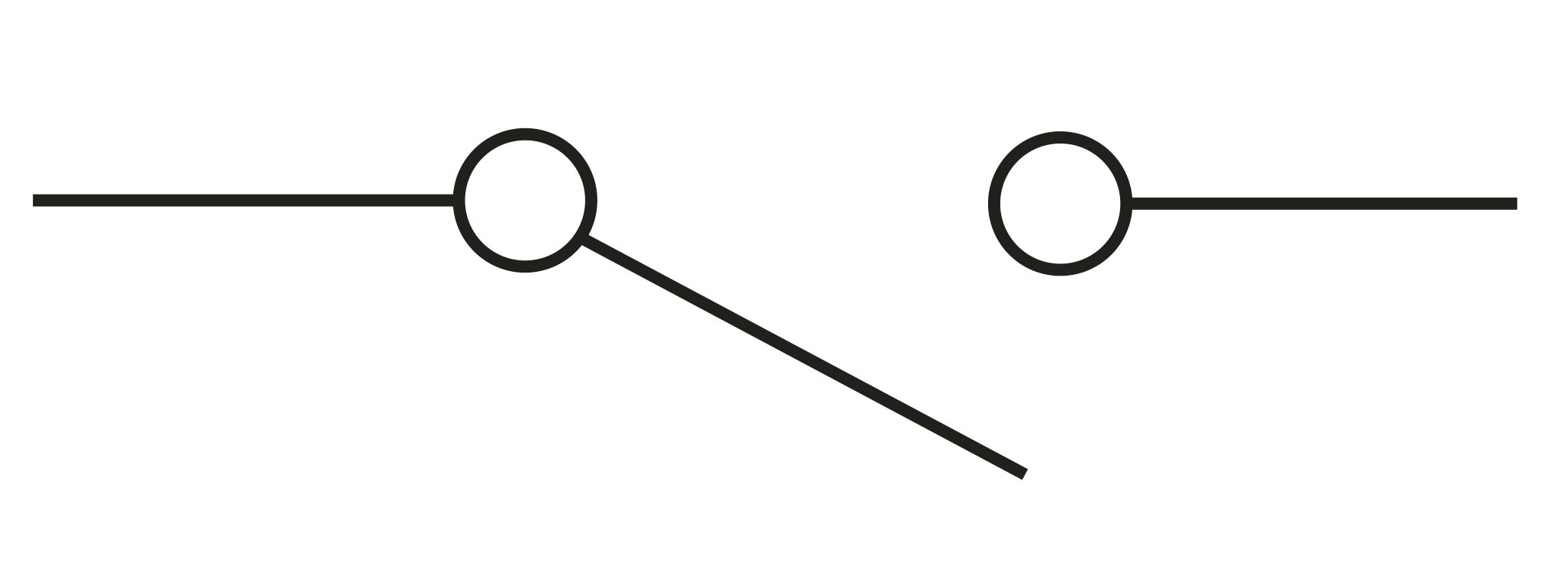
This is the symbol for a _____?
a)
switch
b)
light
c)
battery
d)
wires
61.
This type of circuit only has one path for current to flow.
a)
series
b)
parallel
c)
combination
d)
split
62.

The picture shows an electrical circuit. This circuit is a series circuit because:
a)
It has 3 light bulbs.
b)
The same current flows through all three light bulbs.
c)
It uses a single battery.
d)
The electrical current is divided between the three light bulbs.
63.
The current through each load connected in series...
a)
will add up to the total current
b)
is the same everywhere
64.
If you have a 3 bulb series circuit, what will happen if one of your light bulbs goes out?
a)
Bulbs get brighter
b)
Bulbs get dimmer
c)
Bulbs go out
d)
Nothing happens
65.
If you add a second load to your series circuit, what will happen to the voltage in each load?
a)
Decrease
b)
Increase
c)
Stay the same
66.
If you add a second battery to your series circuit, what will happen to the current in your circuit?
a)
Decrease
b)
Increase
c)
Stay the same
67.
Why are homes not wired in series circuits?
a)
The house will burn down
b)
If you turn off one appliance, the rest will turn off.
c)
Homes are wired in series circuits.
68.
Which best describes a parallel circuit?
a)
Electricity flows along one pathway.
b)
The flow of electricity comes from one source.
c)
Electricity flows along more than one pathway.
d)
The flow of electricity comes from more than one source.
69.
A circuit that is not connected is called what kind of circuit?
a)
closed
b)
parallel
c)
series
d)
open
70.
What does the current in a wire tell you?
a)
The speed of electron flow through it.
b)
How tough it is for electrons to flow through it.
c)
The amount of energy given to the electrons.
d)
The amount of energy taken away from the electrons.
71.
What does the voltage on a battery mean?
a)
The speed of electron flow through it.
b)
How tough it is for electrons to flow through it.
c)
The amount of energy given to the electrons.
d)
The amount of energy taken away from the electrons.
72.
What does the resistance of a wire tell you?
a)
The speed of electron flow through it.
b)
How tough it is for electrons to flow through it.
c)
The amount of energy given to the electrons.
d)
The amount of energy taken away from the electrons.
73.

If the current through the battery was 10A in this diagram. What would the current through each bulb be?
a)
10A
b)
5A
c)
20A
d)
0A
74.

If the voltage across the battery was 10V in this diagram. What would the voltage across each bulb be?
a)
10V
b)
5V
c)
20V
d)
0V
75.
What happens to the brightness of the light bulbs in a series circuit when you add more lights.
a)
Each bulb gets dimmer
b)
Each bulb remains the same
c)
Half of the bulbs get dimmer
d)
Each bulb gets brighter
76.
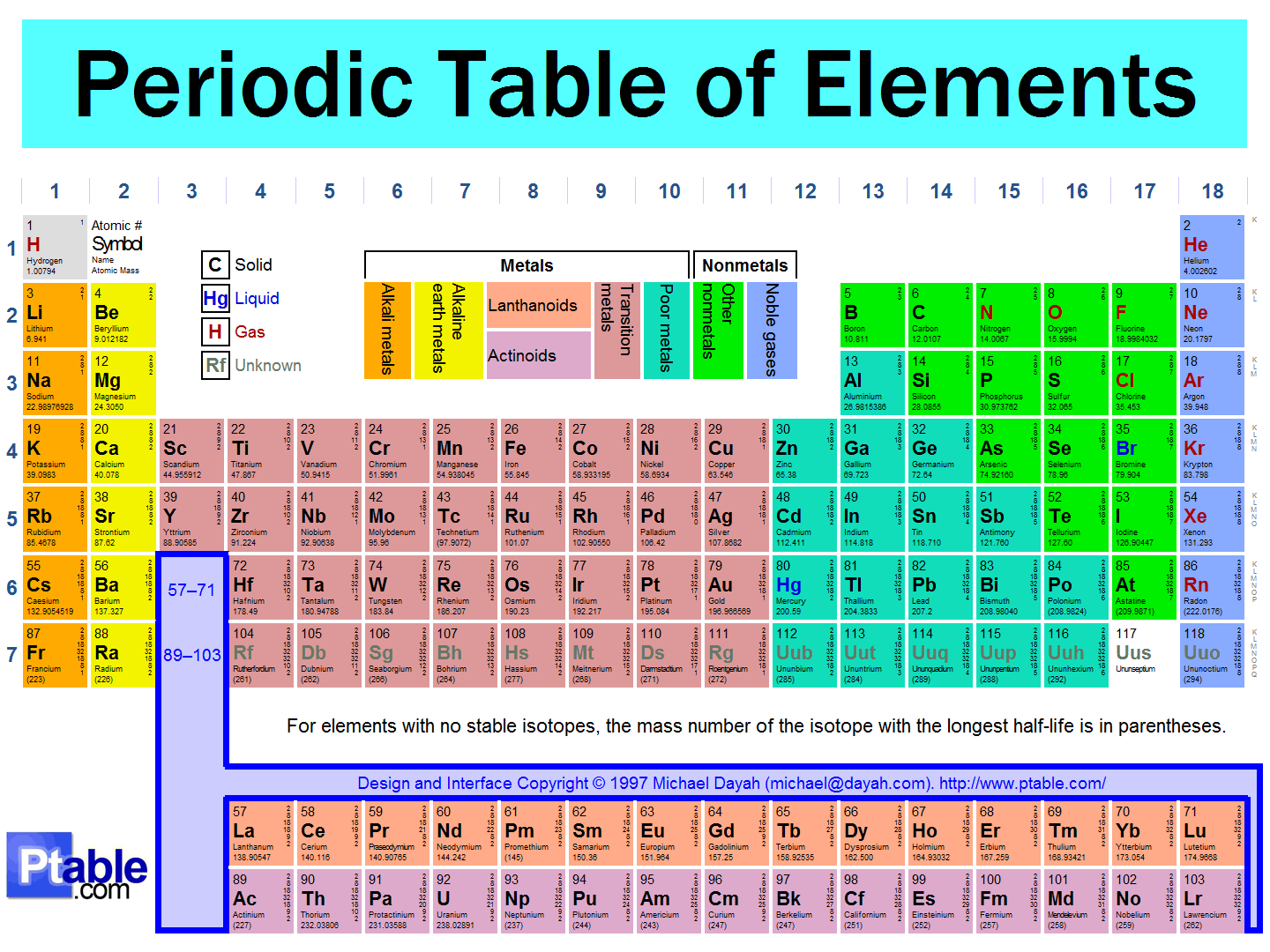
The horizontal row on the periodic table is called a
a)
group
b)
family
c)
period
d)
atomic number
77.
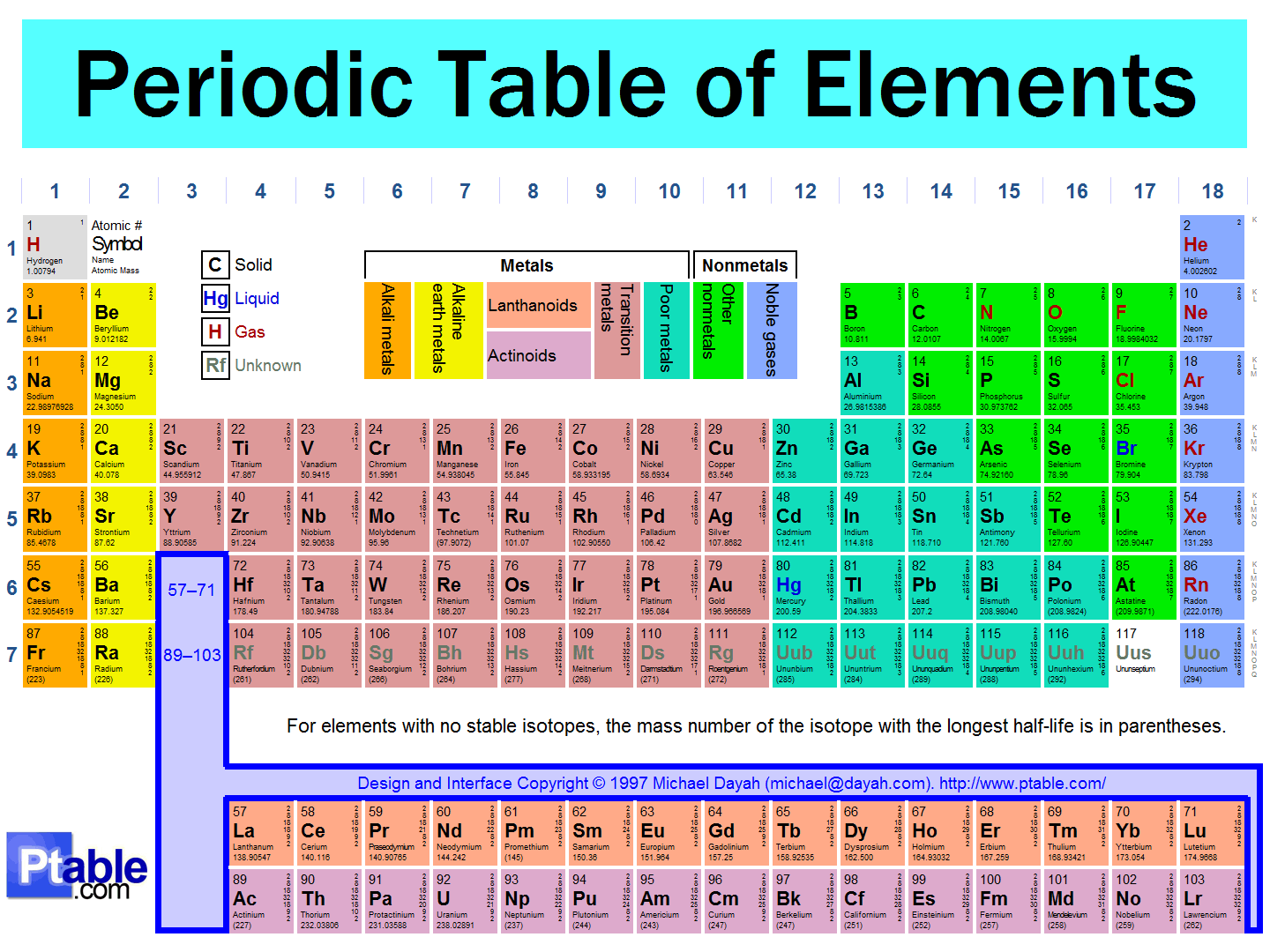
A vertical column is called...
a)
group
b)
tower
c)
period
d)
crew
78.
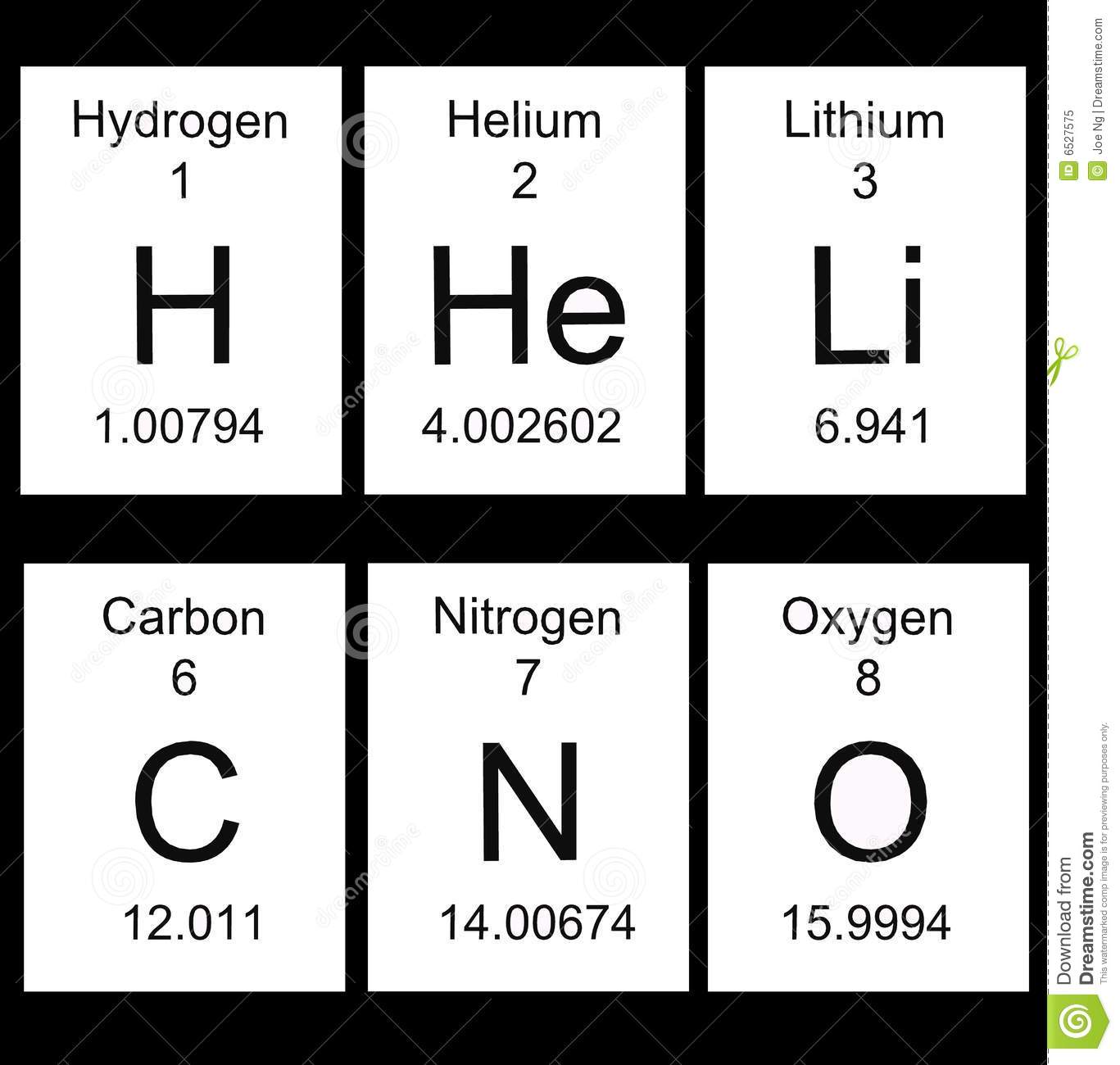
The number at the bottom of each square on the periodic table is the ...
a)
atomic number
b)
atomic mass
c)
chemical symbol
d)
element name
79.
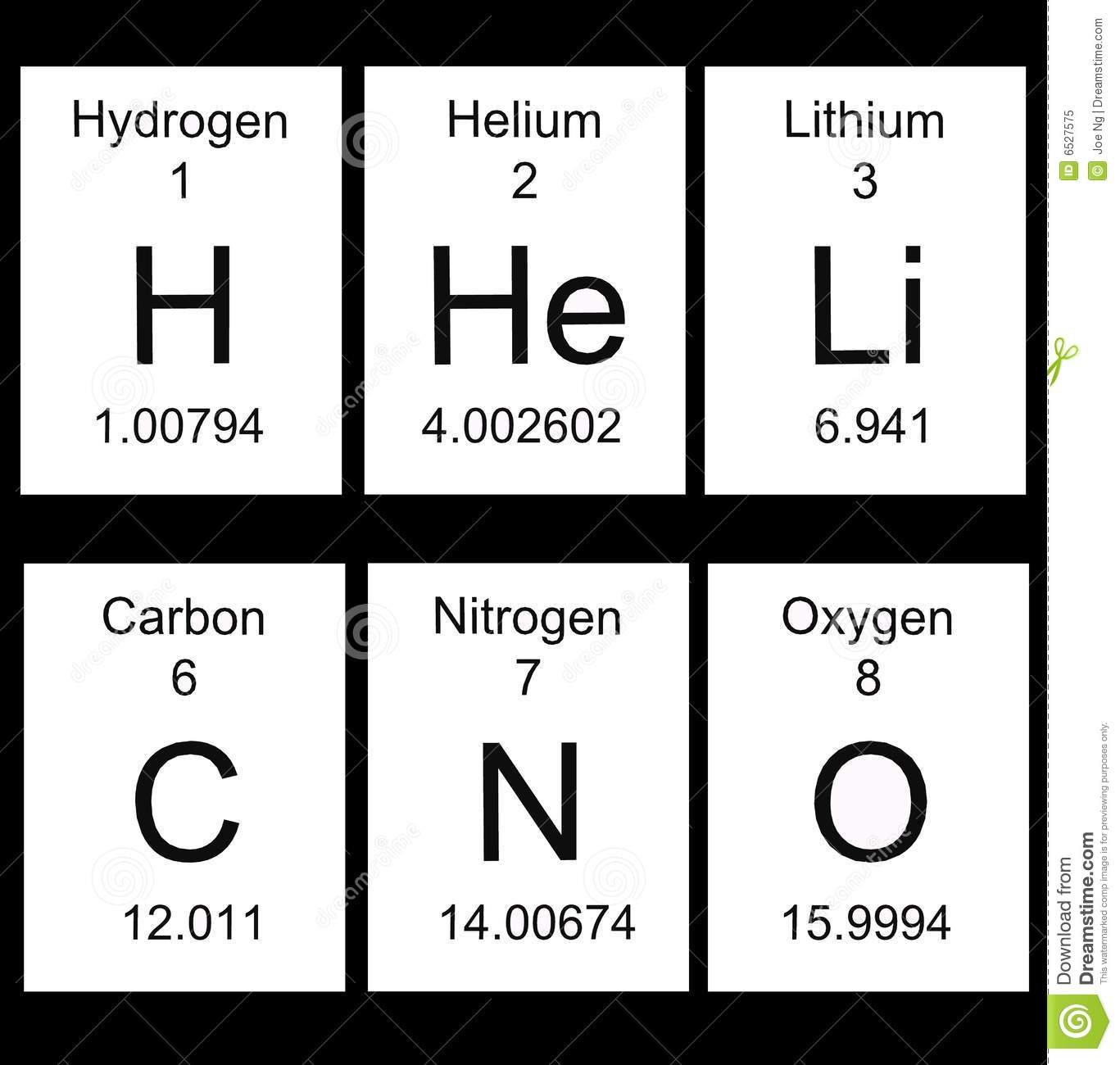
The number at the top of each square on the periodic table is the ...
a)
atomic number
b)
atomic mass
c)
Chemical Symbol
d)
Element Name
80.

Pure forms of these elements are stored in oil so they won't react with oxygen and water in the air.
a)
Alkali Metals
b)
Alkaline-earth metals
c)
Halogens
d)
Noble Gases
81.
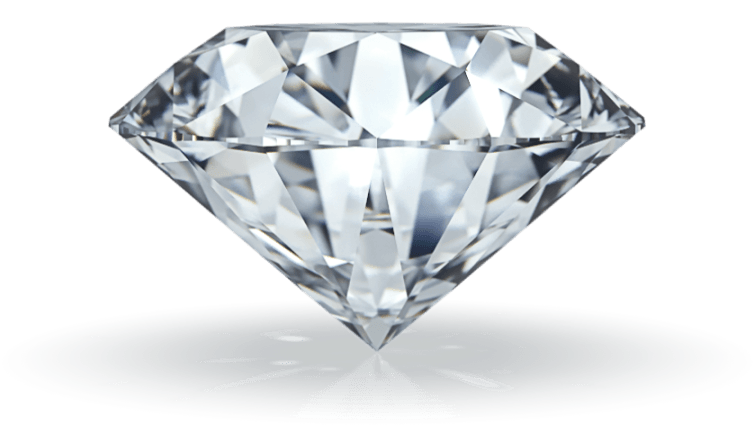
Diamonds are a pure form of what element?
a)
Carbon
b)
Oxygen
c)
Silicon
d)
Silver
82.

Most of the elements on the periodic table are classified as _____.
a)
Metals
b)
Nonmetals
c)
Metalloids
d)
Periods
83.

Nonmetals are located in what section of this periodic table?
a)
Blue
b)
Yellow
c)
Pink
84.
What does the mass number tell you?
a)
The number of electrons and protons
b)
The number of neutrons
c)
The number of protons and neutrons
d)
The number of protons.
85.
Which group of the periodic table is composed of inert (not reactive) gases?
a)
alkali metals
b)
alkaline earth metals
c)
halogens
d)
noble gases
86.

Which elements have the most similar chemical properties?
a)
K and Na
b)
K and Ca
c)
K and Cl
d)
K and S
87.
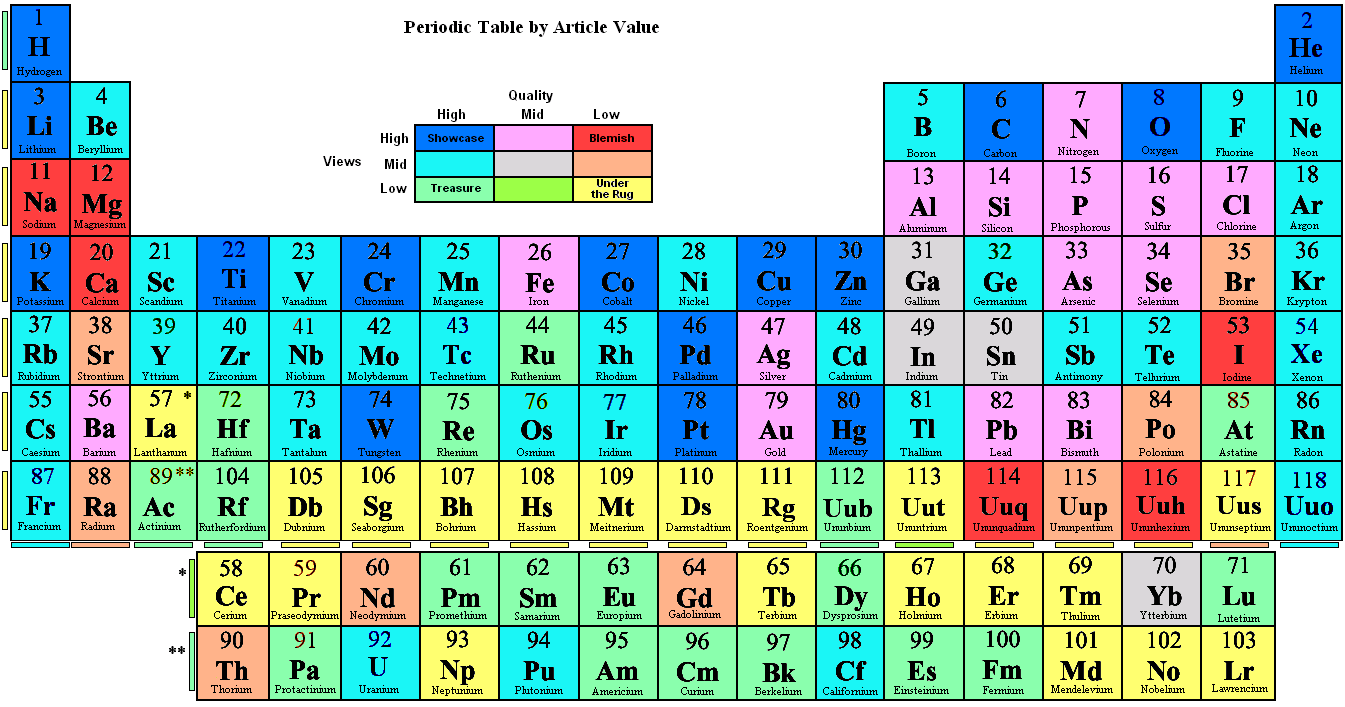
The period for Bromine is ___________.
a)
3
b)
2
c)
4
88.
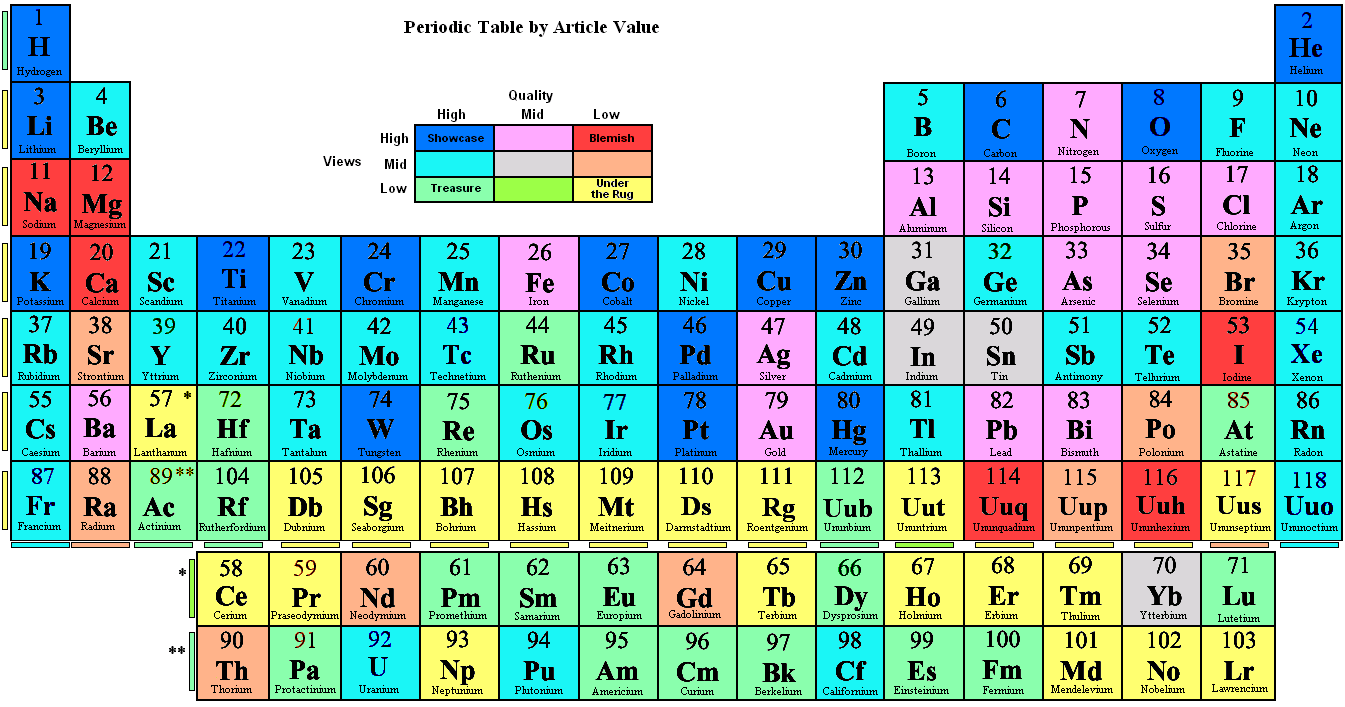
Beryllium is in group number______.
a)
Group 2
b)
Group 3
c)
Group 4
d)
Group 7
89.
An element's identity is determined by the number of
a)
electrons.
b)
protons.
c)
neutrons.
d)
valence.
90.
Elements in the same ________ are more chemically similar.
a)
group
b)
period
c)
club
d)
table
91.
The subatomic particle with a negative charge is the
a)
electron
b)
proton
c)
neutron
d)
nucleus
92.
The electrons of an atom are found...
a)
in the outer "cloud" surrounding the atom.
b)
in the nucleus of the atom.
c)
in the cloud and in the nucleus.
93.
Particles in an atom that are neutral and have no charge are
a)
negatrons
b)
electrons
c)
neutrons
d)
protons
94.
The positive particles of an atom are
a)
electrons
b)
positrons
c)
neutrons
d)
protons
95.

How many electrons does a Copper atom have?
a)
63
b)
29
c)
92
d)
34
96.
The atomic number tells you what?
a)
number of electrons
b)
number of protons
c)
number of neutrons
d)
both electrons and protons in an atom.
97.
All of the following are physical properties except...
a)
Malleability
b)
Density
c)
Viscosity
d)
Combustibility
98.
Which is a chemical property?
a)
Mass
b)
Reactivity
c)
Boiling Point
d)
Color
99.
The parliament building roof used to be shiny copper, but now it is green due to oxidation. This is an example of a...
a)
Color change
b)
Evidence of a chemical change
c)
Chemical change
d)
All of the above
100.
Which set of procedures and observations indicate a chemical change?
a)
Water is added to an empty beaker, and the water evaporates.
b)
An ice cube is taken out of the freezer and it melts.
c)
Smarties candy is crushed to make a powder.
d)
Water is added to a beaker full of strong acid, and the mixture super heats and explodes.
101.
Viscosity is
a)
A. A liquid's resistance to flow
b)
B. An object's ability to reflect light
c)
C. The ability to be bent or shaped
d)
D. The ability to be scratched or dented
102.
What kind of properties can only be observed when a substance changes into a different substance?
a)
physical properties
b)
chemical properties
c)
liquid properties
d)
real properties
103.
The ability of a solid to be hammered without shattering
a)
Density
b)
Conductivity
c)
Malleability
d)
Viscosity
104.
The ability to allow heat or electricity to flow
a)
Viscosity
b)
Conductivity
c)
Density
d)
Melting/Boiling Point
105.
Anything that has mass and takes up space is called
a)
volume
volume
volume
b)
matter
c)
magnetism
d)
electricity
106.
A substance's ability to be pulled into thin wires is.....
a)
Conductivity
b)
Malleability
c)
Ductility
d)
Hardness
107.

Which box has a higher density?
a)
Box A
b)
Box B
c)
cannot be determined
d)
they are the same
108.
Solubility is the
a)
ability to be scratched
b)
ability to be hammered into thin sheets
c)
how shiny it is
d)
ability to dissolve
109.

Which state of matter has molecules that move fastest and spread to fill the space they are in?
a)
solid
b)
liquid
c)
gas
110.
Luster is
a)
the ability to hammer a substance into thin sheets
b)
the ability to catch on fire
c)
how shiny a substance is
d)
how hard a substance is
111.

Which of the following is a chemical property of water?
a)
Reacts with pure sodium
b)
Boils at 100 oC
c)
Is liquid at room temperature
d)
Has a density of 1 gm/mL
112.
Globally, the leading cause of biodiversity loss is
a)
invasive species
b)
poaching and overharvesting
c)
pollution
d)
habitat change and loss
113.
How can habitat disruption affect biodiversity?
a)
It can lead to loss of biodiversity.
b)
poaching and over-harvesting
c)
It will lead to climate change.
d)
It will cause the animals to get sick.
114.
Pollution damages ecosystems and decreases biodiversity by doing what?
a)
Causing genetic diversity
b)
poaching and over-harvesting
c)
causes mutations
d)
Releasing harmful substances
115.
Define habitat fragmentation.
a)
The excessive use of a species that has economic value.
b)
poaching and over-harvesting
c)
The different environmental conditions that occur along the boundaries of an ecosystem.
d)
The separation of an ecosystem into small areas.
116.
Biodiversity refers to
a)
extinct species
b)
the variety of species on Earth
c)
nonrenewable resources
d)
the rate of species decline
117.
This disappearance of a particular population from a given area, but not of the entire species globally, is called...
a)
extinction
b)
threatened
c)
extirpation
d)
endangered
118.
_____ species is a non-native plant/animal introduced accidentally or intentionally by humans that causes harm to the ecosystem
a)
introduced
b)
endangered
c)
threatened
d)
invasive
119.
Why are invasive species a threat to biodiversity?
a)
they can outcompete native organisms for their resources
b)
they can cause harm to the environment
c)
they can be harmful to humans
d)
all statements are true
120.
Biodiversity can affect the ________ of ecosystems and the _________ of populations.
a)
sustainability and stability
b)
stability and sustainability
c)
life and existence
d)
existence and life
121.
Diseases spread faster in what type of community
a)
old growth
b)
monoculture
c)
preserved
d)
biological diverse
122.
Which area would have less biodiversity?
a)
desert
b)
forest
c)
ocean
d)
lake
123.
Does deforestation contribute to global warming?
a)
No, trees aren't that important
b)
Sometimes because only the cutting down of Maple trees contributes to global warming
c)
No, deforestation adds methane to the atmosphere, which makes the Earth cooler
d)
Yes; less trees means less CO2 is turned into oxygen.
124.
How does building and constructing roads affect a habitat?
a)
urbanization
b)
resource management
c)
habitat fragmentation
d)
pesticide resistance
125.
Why do the populations of invasive species grow so quickly?
a)
Invasive Species are native to an area.
b)
Invasive species are prey to many animals.
c)
Invasive species have no natural predators.
d)
Invasive species keep the ecosystems in balance.
126.
Adding predators to a ecosystem to attempt to control an invasive species is called what?
a)
Chemical control
b)
Biological control
c)
Mechanical control
d)
Physical control
127.
One large habitat area is better than an equal area composed of smaller areas because
a)
Access to roads and trails will be greater
b)
wildlife corridors will permit migration
c)
there will be less outside influence on the ecosystem
d)
it allows for improved hunting and fishing
128.
Benefits to using pesticides include
a)
antibiotic resistance
b)
controlling the spread of disease
c)
bioaccumulation
d)
non-target species
129.
Techniques used by organic farmers in an effort to improve ecological sustainability include
a)
crop rotation
b)
monoculture crops
c)
use of narrow spectrum pesticides
d)
use of synthetic fertilizers
130.
An ecosystem in a state of equilibrium means
a)
nutrients are cycled through the ecosystem
b)
the ecosystem is experiencing a period of population growth
c)
the ecosystem has undergone a dramatic disturbance
d)
its biotic and abiotic features remain constant over time
131.
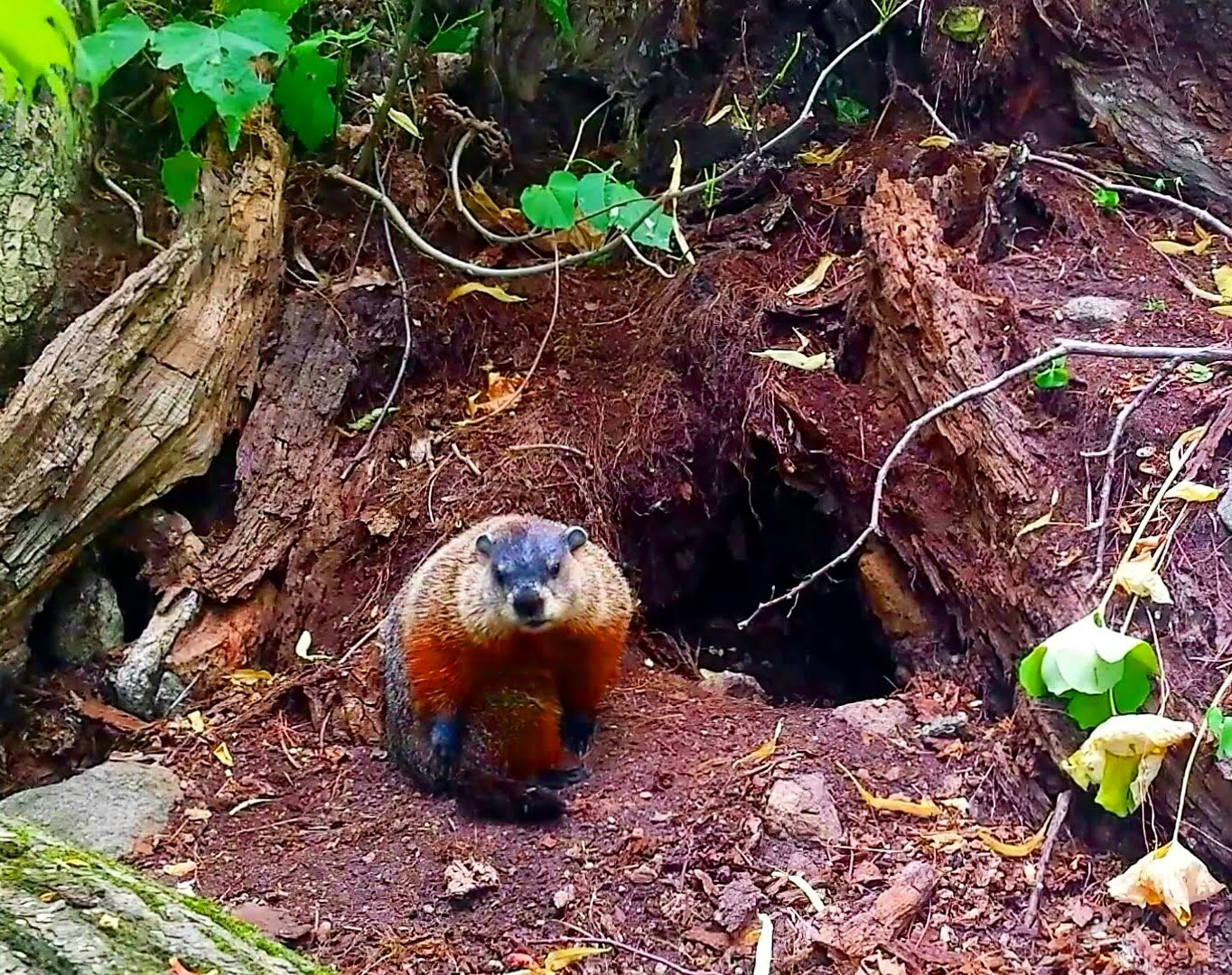
What type of symbiosis? Skunks often live in burrows that have been dug and abandoned by woodchucks.
a)
commensalism
b)
mutualism
c)
parasitism
d)
predation
132.
A relationship between two organisms in which both organisms benefit.
a)
Mutualism
b)
Competition
c)
Parasitsm
d)
Commensalism
133.

Cattle egrets are birds that forage in fields among cattle. The egrets get easy access to food and the cattle don't care if they are there or not.
a)
mutualism
b)
commensalism
c)
competition
d)
parasitism
134.
Red-billed oxpeckers are birds that feed on parasites found on an impala. The impala gets rid of parasites and the red-billed oxpeckers get a yummy dinner. This is an example of _______.
a)
commensalism
b)
mutualism
c)
neutralism
d)
competition
135.

Mistletoe extracts water and nutrients from the spruce tree to the tree's detriment (harm).
a)
Mutualsim
b)
Parasitism
c)
Commensalism
136.

Silverfish live and hunt with army ants. They share the prey. They neither help nor harm the ants.
a)
Mutualism
b)
Parasitism
c)
Commensalism
137.

A frog eats a fly. The frog and fly are demonstrating ________.
a)
mutualism
b)
competition
c)
predator/prey
d)
parasitism
138.

What is the carrying capacity of this population?
a)
100
b)
200
c)
300
d)
400
139.

If the amount of food or resources available increases, the carrying capacity for an animal:
a)
Stays the same
b)
Increases
c)
Decreases
d)
Fluctuates
140.

If the carrying capacity of a predator decreases, what will happen to the carrying capacity of the prey?
a)
Will Increase
b)
Will Decrease
c)
Will stay the same
d)
Will fluctuate
141.
A __________ includes all living and non-living things in an environment.
a)
population
b)
niche
c)
abitotic
d)
ecosystem
142.
_______ are consumers that eat only meat.
a)
Herbivore
b)
Omnivore
c)
Carnivore
143.
________ are consumers that eat plants and meat.
a)
Herbivore
b)
Omnivore
c)
Carnivore
144.
If the population of prey increases, the population of predators will ________because of the availability of food.
a)
decrease
b)
stay the same
c)
increase
145.
All food chains_____________________
a)
have more consumers than producers
b)
produce and use same amount of energy
c)
begin with a producer
d)
are unhealthy
146.
How does energy enter an ecosystem?
a)
sunlight
b)
soil
c)
animals
d)
invasive species
147.
All the members of one species that live within an area of an ecosystem is a?
a)
population
b)
community
c)
niche
148.

Which organism do the owl and the weasel compete for in the food web?
a)
Hawk
b)
Spider
c)
Grasshopper
d)
Shrew
149.
A relationship between two organisms in which one organism benefits and the other is unharmed...
a)
Mutualism
b)
Competition
c)
Parasitsm
d)
Commensalism
150.
The availability of shelter, food,water and space can change plant and animal survival. These are called
a)
multiplying factors
b)
competitive factors
c)
limiting factors
d)
survival factors
151.

Which organisms are in competition for the same food?
a)
fox and owl
b)
spider and fly
c)
rabbit and mouse
d)
deer and owl
152.

Which of the following is a herbivore?
a)
cricket
b)
frog
c)
hawk
d)
shrew
153.

The reactants of photosynthesis are
a)
sugar and water.
b)
sugar and oxygen.
c)
carbon dioxide and water.
d)
carbon dioxide and oxygen.
154.

Which statement about photosynthesis is correct?
a)
Plants get the energy they need for photosynthesis from water.
b)
Plants get the energy they need for photosynthesis from soil.
c)
Plants get the energy they need for photosynthesis from sunlight.
d)
Plants do not require energy to perform photosynthesis.
155.
What is the purpose of cellular respiration?
a)
to break down food
b)
to create energy in the body
c)
to release energy from food
d)
there is none; it's a waste of time
100 %

