
NEW
Font size
 Worksheets
Study of Life (Chap. 1)
Total questions: 50
Worksheet time: 34mins
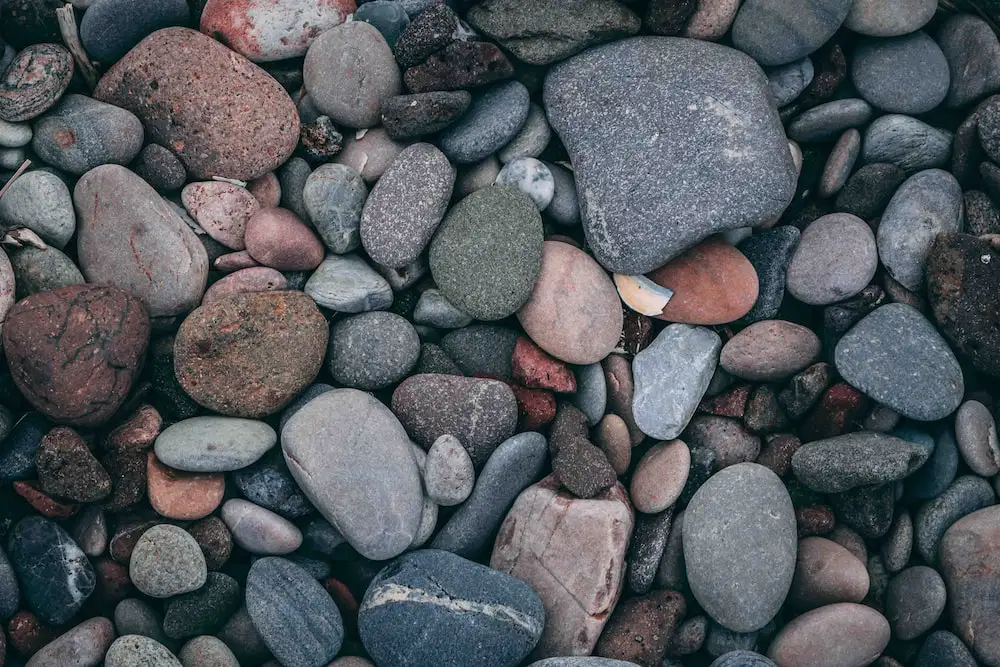
John is studying biology and he came across a rock. He knows that it's not a living organism. The following are all characteristics of living things/organisms except which one?
Reproduces
Requires energy
consumes carbohydrates
maintains homeostasis

Which best describes adaptation?
Reproducing as a species
A short-term change in behavior in response to stimul
Inherited changes in response to environmental factors
Change in size as an organism ages

Which is a testable explanation?
Dependent Variable
Independent Variable
Hypothesis
Observation
This is an explanation of a natural phenomenon supported by many observations and experiments over time.
Theory
Law
Science
Hypothesis

The study of life
Biology
Zoology
Archaeology
Ecology

Maintaining a stable internal environment
Homeostasis
Stimulus
Asexual reproduction
DNA
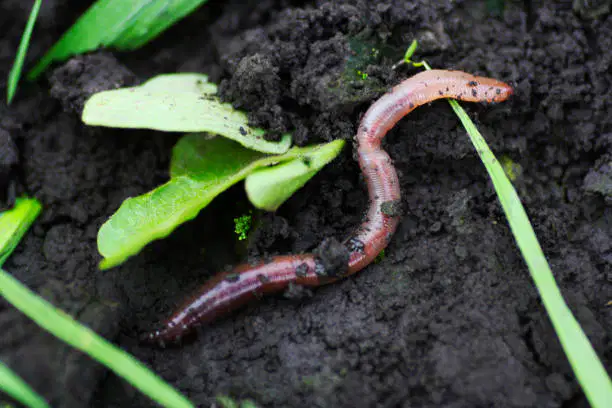
Imagine you are observing a worm in your garden. You notice that the worm is turning away from the sunlight. This is an example of the worm
Reproducing
Having cells
Doing cellular respiration
Responding to its environment

List the levels of organization in order from smallest (simplest) to most complex
tissues, organ systems, organism, cells, organ
cells, organ systems, tissues, organ, organism
cells, tissues, organ, organ systems, organism
organism, cells, tissues, organ systems, organ

In an experiment, all variables are held constant except for one. Then, experimental results are compared to that one variable. What type of experiment is this?
a variable experiment
a multifactor experiment
a controlled experiment
a hypothetical experiment
What are the two types of reproduction?
There is only one
Asexual and Sexual

A change in an organisms size or shape.
growth
development
adaptation
metabolism
What is an example of a Characteristic of Life?
Eating
Reproduces
Breathing
Walking

What is an independent variable?
tested factor that might affect the outcome of an experiment
a factor that remains fixed
Applies to science fields such as archaeology & botany as well as to matters of legal interest.
Forensics
Ethics
Law
Biology

The process of natural changes that take place during an organism's life is called:
Promotion
Development
Adaptation
Growth

A _____ is something in the environment that causes an organism to respond.
stimulus
response
cause
effect

It is hot outside. You start sweating. In this case, the hot weather is the...
stimulus
response
cause and effect
responder

Your body shivers when you are cold. This is because of the concept of...
homeostasis
heredity
energy metabolism
cellular organization
All living things are composed of cells.
True
False

A group of organisms that can breed with one another & produce fertile offspring is known as:
Reproduction
Aliens
Organisms
Species
An example of a response to a stimulus is:
Lucy sneezing after dust got in her nose.
a baby removing his hand from a hot stove.
Suzy screaming after Mrs. Deitche dropped (accidentally, of course) the textbook on her desk.
All of the above.
What is the scientific version of a scientific theory?
good character, principle
observations and experimentation
the quality of being honest and having strong moral principles; moral uprightness.
an explanation of natural phenomenon supported by many observations and experiments over time

Data is only qualitative.
False
True
All living things need to obtain and use what?
Organisms
Energy
Cells
Archie
The following represents which characteristic of life:
Over three years, Tim's height has increased from 5'4" to 5'11".
All living things are organized
All living things maintain homeostasis
All living things respond to stimuli
All living things grow
The following represents which characteristic of life:
A cat is an organism that has a respiratory system that contains lungs and a trachea.
All living things contain cells
All living things maintain homeostasis
All living things have different levels of organization
All living things grow
In order for something to be considered a living organism, it must display _____ of the eight characteristics of living things.
one
some
all
more than half
A hypothesis is a possible explanation that can be tested by observation or experimentation.
True or False
True
False
Scientific Investigations require ethical behavior.
True or False
True
False
Reproduction that only involves one parent.
sexual
asexual
impossible
increases genetic diversity
Reproduction that involves two parents.
sexual
asexual
creates clones
leads to extinction
A series of steps used by scientists to solve a problem or answer a question.
scientific method
recipe
data collection
metric system
This variable in an experiment is the one being changed by the scientist.
dependent variable
independent variable
data
control group
The summary at the end of an experiment that explains the results.
conclusion
procedures
materials
responding variable
Dependent variable means
the scientist controls what to test
educated guess
ask a question
what is being measured
If you increase the amount of spinach you eat, then you will increase the iron in your blood.
What's the dependent variable?
increase the amount of iron in your blood
spinach you eat
If I study for my scientific method test, then I will have a better test score. What is the dependent variable?
Scientific Method
Studying
Independent variable
Test score
If I read this question carefully, then I will answer it correctly. What is the independent variable?
I hope so
Yes
Reading or not reading carefully
Likelihood of a correct answer
This variable in an experiment is the one being changed by the scientist.
dependent variable
independent variable
data
control group
Green plants produce their own food through the process of photosynthesis. This is an example of what characteristic of living things?
All living things use energy
All living things contain cells
All living things maintain homeostasis
All living things grow
In the metric system, the unit of mass is associated with the:
liter
gram
meter
Fahrenheit
TRUE or FALSE: If the hypothesis is wrong, you should not tell anyone and still go through with the experiment.
True
False
10 mm equals how many cm?
100 cm
1 cm
0.1 cm
0.01 cm
2.24 kL equals how many L?
0.224 L
22.40 L
2,240 L
224.0 L
Which of the following is NOT a characteristic shared by all living organisms?
Ability to move
Ability to grow and develop
Made up of one or more cells
Responds to stimuli
What is a possible answer or explanation to a question based on knowledge, observations, and research?
HINT: It is often written in "if...then" format.
Observation
Hypothesis
Experiment
Conclusion
The information gathered from making observations is called ____.
data
experiment
graph
procedure
What you learned from the experiment is the ___.
conclusion
hypothesis
variable
materials
Should experiments be repeated over and over to see if the results are the same each time?
yes
no
If you increase the amount of spinach you eat, then you will increase the iron in your blood.
What's the dependent variable?
increase the amount of iron in your blood
spinach you eat

