
 Worksheets
Baseline Test grade 7
Total questions: 35
Worksheet time: 3hrs 50mins
Which factor does the investigator change during an investigation?
independent variable
constant
dependent variable
variable
the investigation and exploration of natural
events and of the new information that results from those
investigations is
Scientific investigation
Science
Exploration
Scientific inquiry
the distance between your initial, or starting, position and your final position. it is represented with a straight arrow extending from the starting point to the ending point.
Speed
Acceleration
Distance
Displacement

A skateboarder moving at 2 m/s starts skating down a ramp. As the skateboarder heads down the ramp, he accelerates to a speed of 6 m/s in 4 seconds. What is the skateboarder’s acceleration?
The acceleration is 1 m/s2
The acceleration is 1 m/s .
The acceleration is 2 m/s2 .
The acceleration is 2 m/s .
Which is a non-contact force?
Friction force.
gravity force
pushing force
mechanical force

Which car had a negative acceleration?
Car A
Car B
Car C
Car D

Which term describes the motion in the time
period from 5 to 8 seconds?
at rest
constant speed
speeding up
slowing down

The body resists change in speed due to.......
Action and reaction
The body speed is changing
Force Pairs
Inertia

What is the net force on the object?
35 N to the right
-5 N to the left
5 N to the right
-35 N to the UP
The difference between element and compound is
number of atoms
type of atoms
the bond between atoms
The outer shape of matter

use the digram to identify of matter state.....
Solid
Gas
Liquid
Mixture

The changing in fruit odor is:-
Physical change
Chemical change

Conservation of Mass is
mass of all substances are equal during the physical change
mass of reactant is equal the equal of results mass in physical change
mass of reactant is more the results in physical change
Which chemical equation is unbalanced?
2KClO3 → 2KCl + 3O3
CH4 + 2O2 → CO2 + 2H2 O
Fe2 O3 + CO2 → 2Fe + 2CO2
H2 CO3 → H2 O + CO2


when the atom lose electron, it will be
atoms with a positive or negative charge
atoms with no charge
atoms with ONLY a positive charge
atoms with ONLY a negative charge
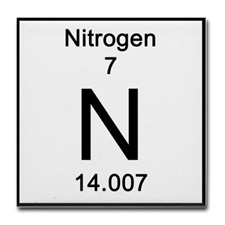
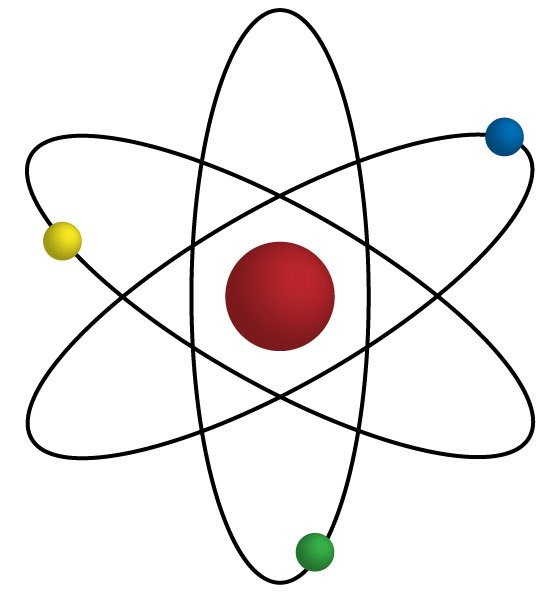

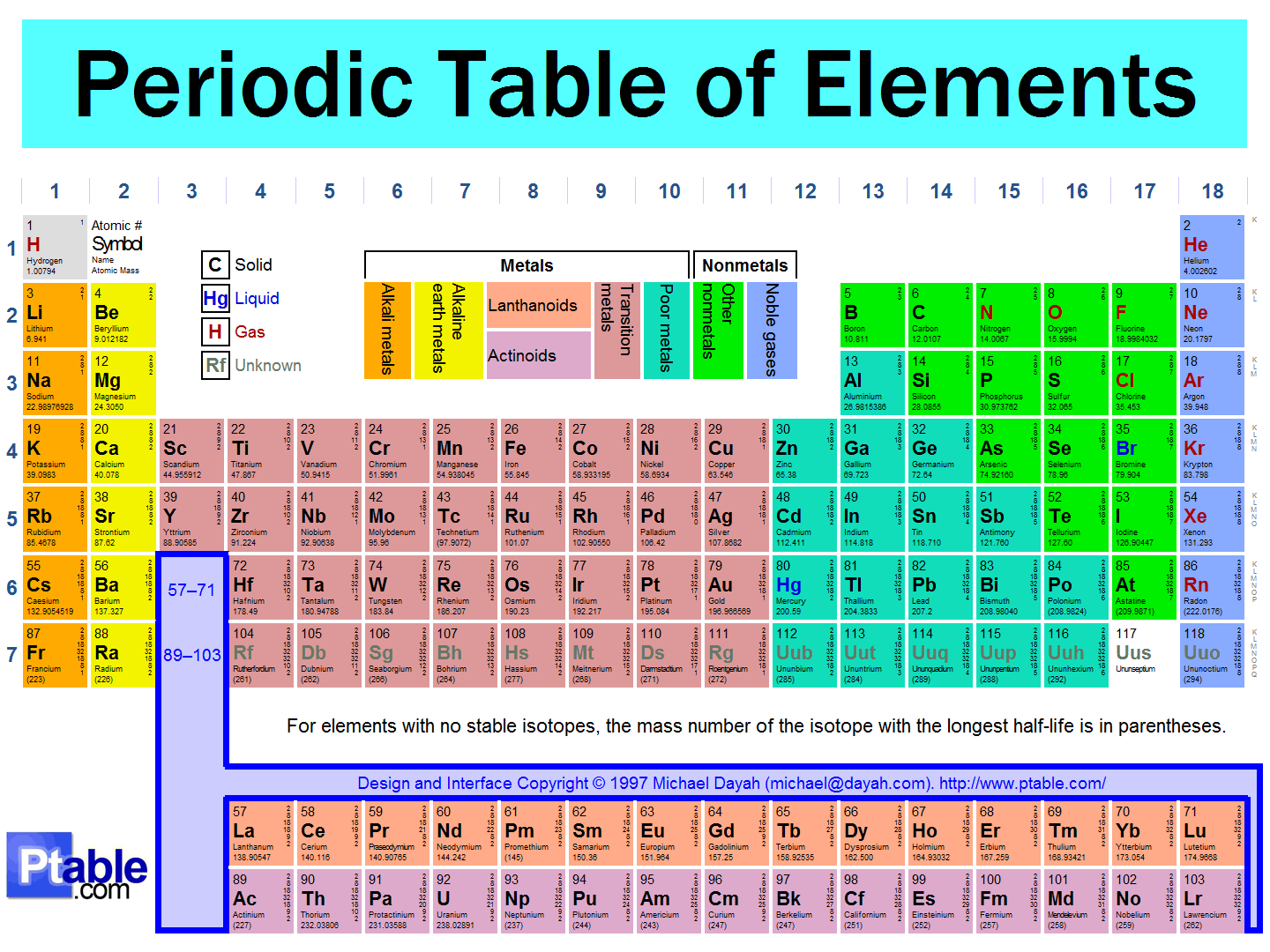

The figure below shows which of the following?
two different elements
two different ions
two different isotopes
two different protons


What change would make an atom represented by this diagram have the same electron arrangement as a noble gas?
gaining two electrons
gaining four electrons
losing four electrons
losing two electrons
Which statement describes the thermal
energy of an object?
kinetic energy of particles + potential
energy of particles
kinetic energy of particles ÷ number of
particles
potential energy of particles ÷ number of
particles
kinetic energy of particles ÷ (kinetic
energy of particles + potential energy
of particles)

