
 Worksheets
Factors Impacting Ecosystems
Total questions: 68
Worksheet time: 3hrs 55mins
Which of these is not considered an abiotic factor?
salinity levels of the system
amount of algae in the system
water temperature fluctuations
nutrient levels of the system
This abiotic factor is responsible for respiration, metabolism, photosynthesis, and other chemical processes:
nitrogen
hydrogen
carbon
oxygen
This abiotic ocean factor transports water from one place to another:
aerial exposure
waves
currents
tides
Which of the following abiotic factors affects the rocky shore ecosystem the most?
currents
tides
nutrients
salinity
Which of the following is not an abiotic factor?
ecosystem diversity
water clarity
nutrient levels
population levels
water temperature
This process occurs when liquid water is turned to a gas.
evaporation
sublimation
infiltration
precipitation
Which of the following processes done by humans adds the MOST carbon to the atmosphere?
cutting down forests
burning forests
burning fossil fuels
excessive use of fertilizers
What is percolation/infiltration?
Water running off to join a larger body of water.
Water absorbed by the ground.
Water that filters through the ground to the water table.
Water that contains nutrients and fertilizer from farm lands.
Which of the following are included in the category of tropical cyclones? Select all that apply
hurricanes
typhoons
tsunamis
tropical storms
tornadoes
Thunder storms are considered severe weather because they bring strong gusts of wind, increased lightning strikes, and the possibility of tornadoes.
True
False
What characteristics of the ocean give it the ability to regulate the earth's climate? Select all that apply.
Some parts of the ocean have higher levels of salt than others.
Water has a high specific heat.
The ocean is connected across the globe.
The ocean acts as a carbon sink.
The ocean's ability to support a diverse range of organisms.
All biotic and abiotic factors are ______________.
individual
different
identical
connected
Looking at rocky shore ecosystems, which of the following interactions are NOT how abiotic factors affect the ecosystem?
birds feeding on hermit crabs
waves displacing plants and animals
tides exposing the substrate to the air
temperature changes cause fish to move to other areas
Everything else kept the same, which of these factors would affect the salinity in a fish tank?
levels of dissolved oxygen
changing the pH
increasing the temperature 10 degrees
changing the water level
Which of the following fix nitrogen?
bacteria
plants
animals
humans
Which of the following has the greatest effect on global temperature?
burning of fossil fuels
use of nitrogen-containing fertilizers
human population growth
widespread use of electricity
What does an ecosystem contain?
All of the living things in an area.
All of the living and nonliving things in an area.
All of the nonliving things in an area.
All of the animals in an area.
Which process transforms carbon dioxide into chemical energy?
primary production
photosynthesis
secondary production
respiration
The transformation of water vapor into liquid water is:
condensation
precipitation
accumulation
infiltration
Which oceanic process circulates nutrients from the bottom of the ocean?
tides
currents
upwellings
thermoclines
___ are the first organisms to colonize an area and begin the process of ecological succession.
foundational organisms
introductory organisms
primary organisms
pioneer species
Primary succession occurs in an area that has:
Has Soil
Has No Soil
Has Some Soil
none of these
What is the main difference between primary and secondary ecological succession?
Primary begins WITHOUT soil; Secondary begins WITH soil
Primary is the first state and secondary is the second stage
Primary builds plant community; secondary builds animal community.
Primary begins WITH soil; Secondary begins WITHOUT soil
What is an example of an area that is likely to undergo primary succession?
Glaciers melt and leave exposed rock
Plants die from drought and decompose
Land is bulldozed and soil remains
What is an increase of biodiversity over time, after a natural or man made disturbance?
ecological recession
climax recession
ecological succession
climax succession
What is the term that describes a steady and stable community?
peak community
turf community
climax community
disturbed community
Which of the following is NOT a pioneer species?
Shrubs
Lichen
Mosses
Fungi
Which is faster: Primary or Secondary Succession?
Primary Succession
Secondary Succession
Both Take The Same Amount of Time
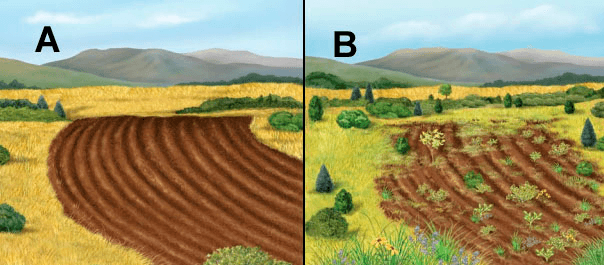
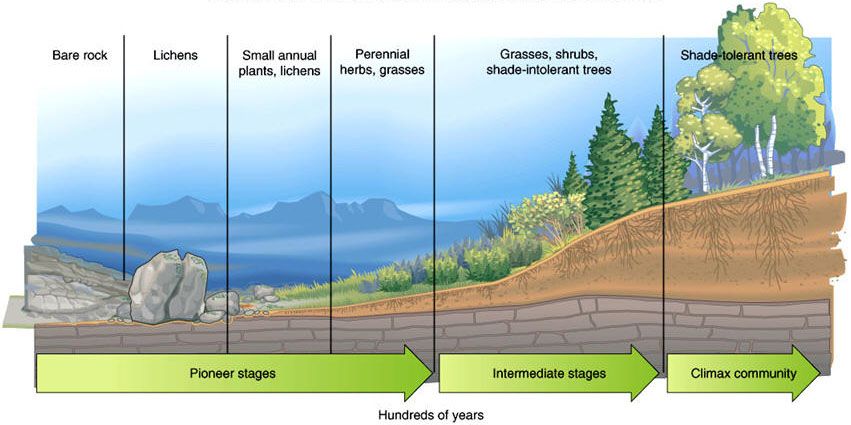
What is the difference between climate and weather?
climate happens in that moment, weather happens over time
weather happens in that moment, climate happens over time
No difference, they mean the same thing.
During an El Nino event, wids in the western Pacific Ocean strengthen and push __________________ eastward
warm water
warm air
cold water
cold air
Because water ___________, ocean currents have a great effect on climate.
cannot hold heat
hold large amounts of heat
moves more slowly than air
stays colder than air
The pattern of _______________ determines Earth's precipitation pattern
volcanic eruptions
solar activity
global atmospheric circulation
all of the above
Seasonal changes in daylight hours and climatic conditions are caused by
lunar phases
ocean currents
the 23.5 degrees tilt of Earth's axis
the annual change of distance from sun to Earth
mOst of the warming that has been observed over the 20th century can be attributed to
droughts
glacial melting
human activity
plant growth
Latitude strongly influences climate becasue ________ solar energy falls on areas that are closer to the equator than to the poles.
the same amount of
sometimes less
more
less
Climate in a regions is
Determined only by seasonal daylight hours
Never affected by ocean currents
the atmospheric conditions on a given day
the long-term, prevailing atmospheric conditions
La Nina is the __________ phase of the El Nino - Southern Oscillation cycle.
warm
neutral
mixing
cold
Which affects wind more?
Longitude
Latitude
Earth's tilt
Solar Activity
Demopolis is located at
32 degrees North
32 degrees South
The greenhouse effect makes Earth
colder
warmer
none of the above
When warm air mixes with cold air near a mountain side, one side of the mountain gets large amounts of rain and the other side is dry. This is called a (a) .
30 - 60 degrees North latitude gets this type of prevailing wind.
Easterlie
Westerlie
Polar Easterlie
Which direction does the wind blow in Alabama
SE-NW
SW-NE
E-W
W-E
What type of solar rays hit near the poles
Vertical
Oblique

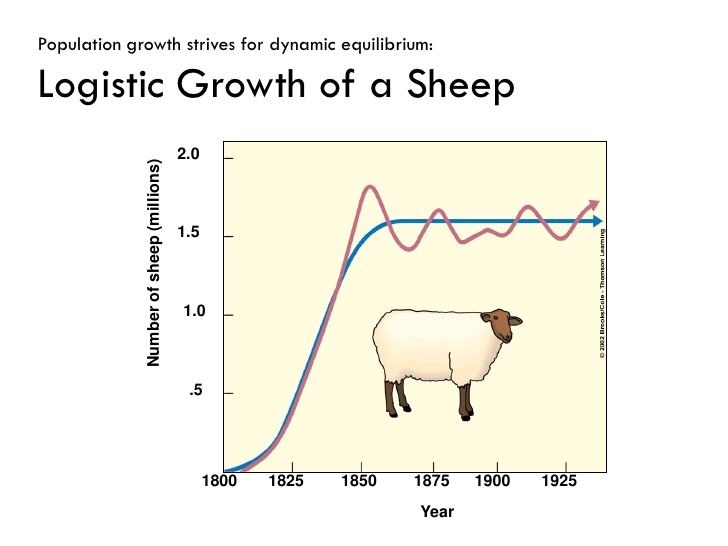
In the graph to the right, what is the population of deer at the carrying capacity of the environment?
3
7
70
40
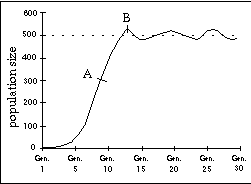

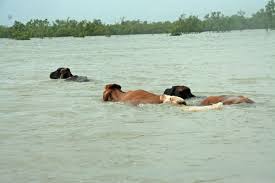
Abiotic
biotic
Since lynx prey on hares, an increase in the hare population causes an increase in the lynx population.
Biotic: Competition
Abiotic: Competition
Biotic: Predator-Prey
Abiotic: Predator-Prey
What will happen if all of the frogs in a population die?
The frogs' predators will decrease and the frogs' prey will increase
The frogs' predators will increase and the frogs' prey will decrease
We better all pray because there isn't anymore frogs.

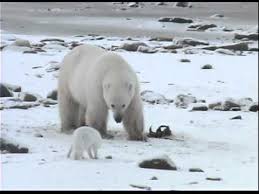
Two arctic fox are fighting with a polar bear for a sea lion carcass. One fox distracts the bear while the other eats. What type of limiting factor is the polar bear?
Predator-Prey Relationships
Competition
Herbivory Effect
Weather

A group of elephants gets stuck in mud at the edge of the river from a recent mud slide. A lion waits for an elephant to get tired before it attacks. What is the limiting factor to the elephant population?
Predator-Prey Relationships
Natural Disaster
Herbivory Effect
Competition
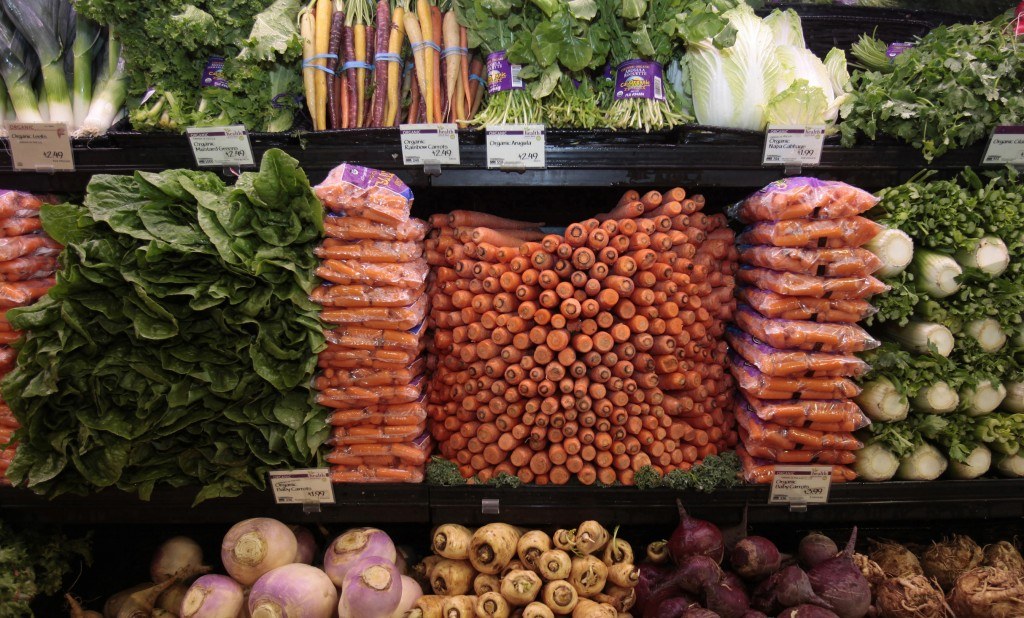
When resources are not available a population will _____________ in size.
Increase
Decrease
Stay the same
The amount of water available limit the growth of a population?
True
False
Unsure
Parasites and diseases will ______________ the size of a population, so the are examples of limiting factors.
Increase
Decrease
Stay the same
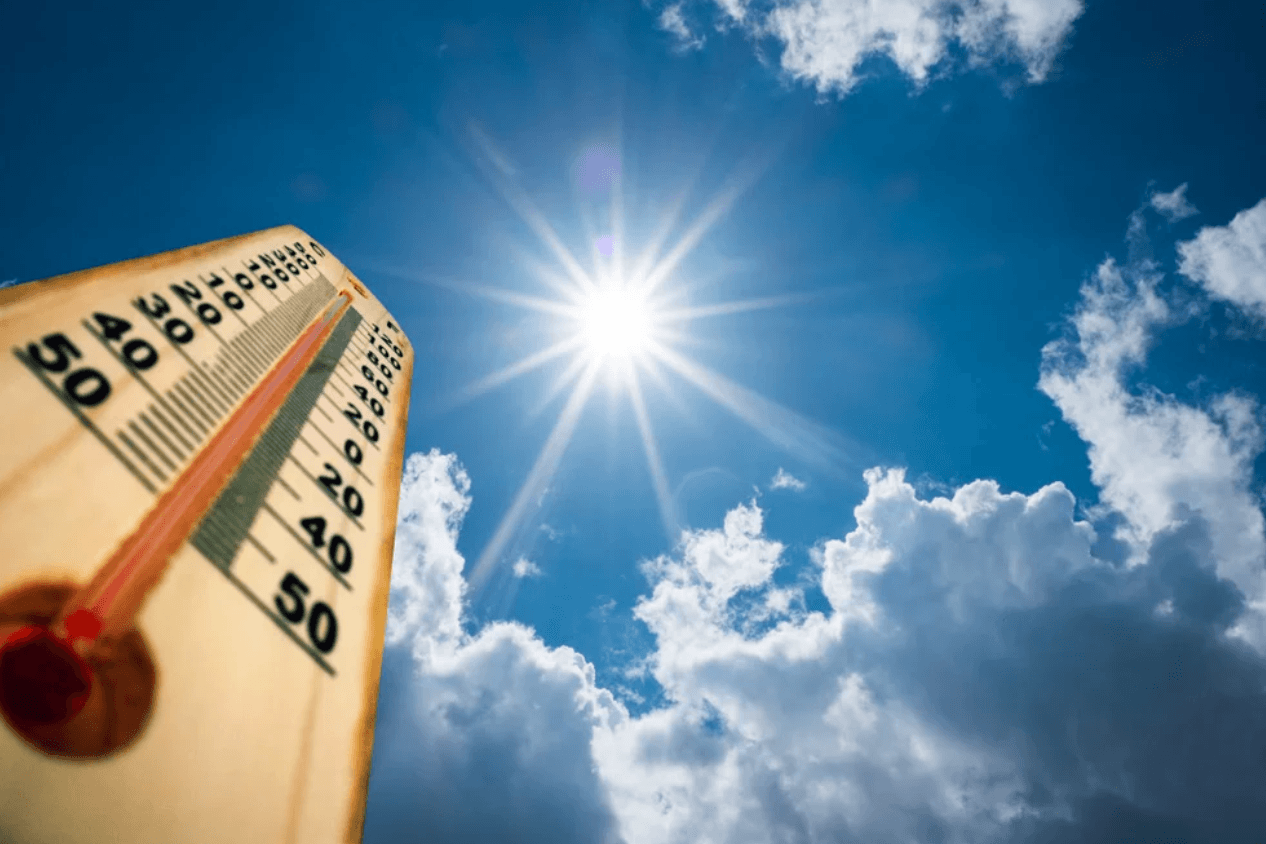
Temperature
Biotic (living)
Abiotic (non-Living)
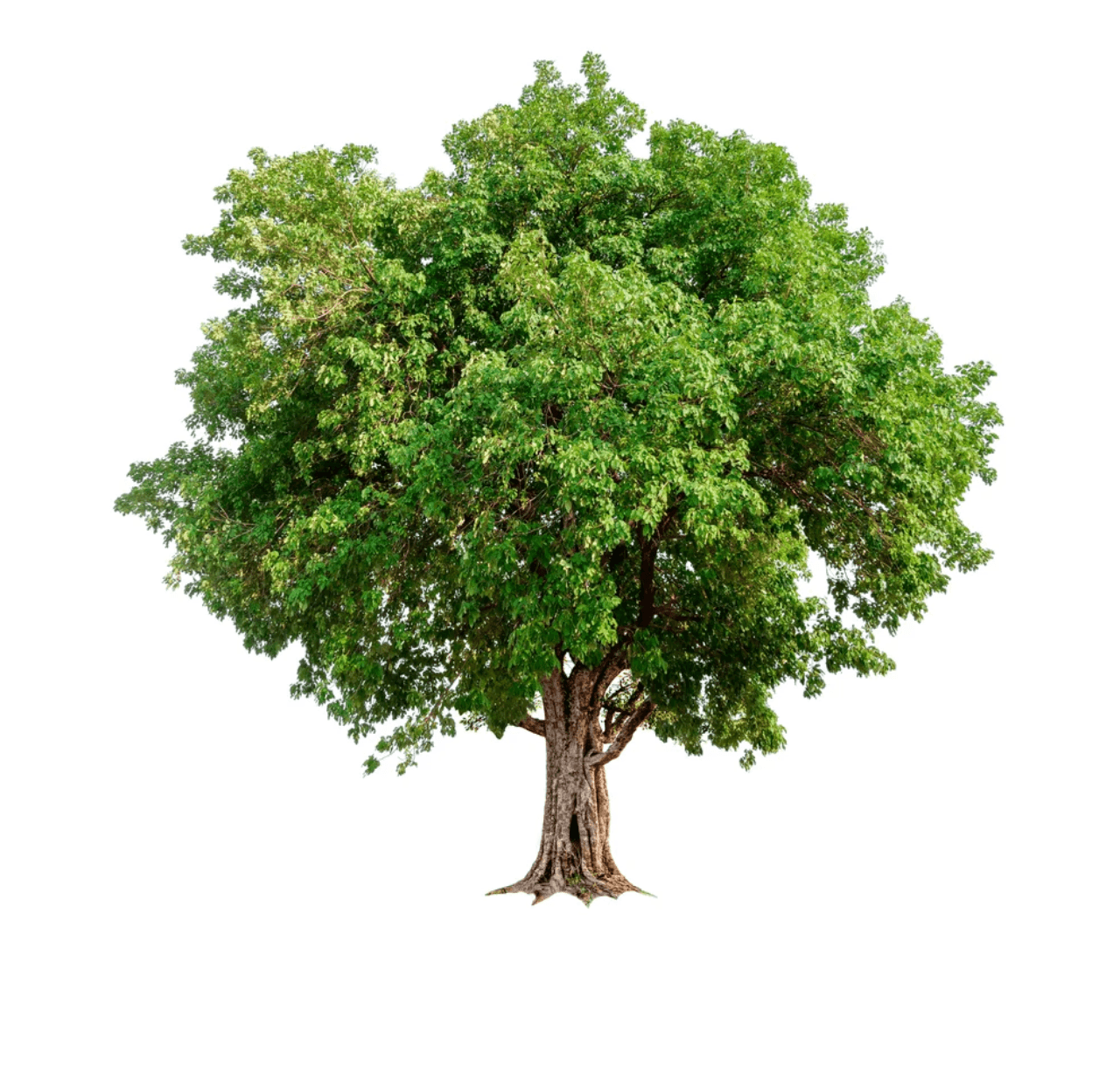
Tree
Biotic (living)
Abiotic (non-living)

All living things or organisms in an ecosystem are
None
biotic factors
abiotic factors
What is the difference between the biotic and abiotic factors?
Biotic factors are living things and abiotic factors are nonliving things.
Biotic factors are nonliving things and abiotic factors are living things.
In many desert ecosystems, days are hot and nights are cold. Water is scarce, so animals seek water wherever possible. The spines of a cactus are actually leaves adapted to conserve water. The cactus plants have also adapted to live in thin, sandy soil. Which of the following is a biotic component of a desert ecosystem?
the thin, sandy soil
the wide temperature range
the scarcity of water
the spiny cactus leaves
Which of the following is a biotic factor in an ocean ecosystem?
the salt content of the water
the temperature of the water
the fish in the water
the oxygen in the water
Which of these is a biotic factor in a river ecosystem?
the types of microorganisms that live in the river water
the amount of soil and other particles carried by the river
the speed at which the river water flows toward the ocean
the amount of rain that flows off the land and into the river

