
 Worksheets
Sci 9 Unit A 2.0 Variation, Variability and Reproduction
Total questions: 67
Worksheet time: 51mins

The picture is an example of ...
continuous variation
discrete variation

This graph indicates a ...
discrete trait
continuous trait
Which of these is an example of an inherited trait that can be most easily affected by the environment?
Blood type
Hair colour
Eye colour
Handspan size
Which of the following is an example of an inherited trait?
Height
Blood type
Skin colour
All of the above
Which of the following is an example of continuous variation?
dimples
leg length
blood type
biological sex
Which one of the following is an example of inherited variation?
Nose shape
Knee scar
Which of these is an example of discrete variation?
having freckles
the length of your big toe
your shoe size
your hair colour
Which of these is heritable, and can be most easily affected by the environment?
skin color
foot size
height
dimples
The male gamete is called ...
Sperm
Egg
Zygote
Embryo
The female gamete is called
Sperm
Egg
Zygote
Embryo
A fertilized egg is called a ______
Embryo
Egg
Sperm
Zygote
Johnny's parents speak Spanish, wear glasses, love tropical fish, and play guitar. Which trait did Johnny inherit from his parents?
his love of tropical fish
his need to wear glasses
his ability to speak Spanish
playing guitar
Which characteristic is heritable?
colour of hair
sleeping late
enjoying hiking
loving to read
An inherited trait is a characteristic that ...
a person chooses
a person receives from the food one eats
is passed on from one's parents
is always affected by one's surroundings
A hydra reproduces when a growth forms and continues to develop until if falls off of the parent. This type of reproduction is ...
Binary Fission
Spores
Budding
Vegetative

The picture shows this type of reproduction ...
budding
spores
vegetative
binary fission

budding
binary fission
spores
vegetative
Asexual reproduction needs _____ parent(s).
1
2
4
100
What are some of the facts about asexual reproduction?
Takes only one mate to reproduce and takes a longer time to reproduce
Takes a shorter amount of time to reproduce and it takes two mates to reproduce
Reproduces diverse offspring and takes a longer time to reproduce
Takes only one mate to reproduce and takes a shorter time to reproduce
Where does an offspring get its traits in asexual reproduction?
From both parents
From only one parent
From neither parent
There are no traits passed down
What is an advantage of sexual reproduction?
Allows genetic variation
Only needs one parent
Happens very quickly
Offspring are exact copies of parent
What is one disadvantage of sexual reproduction?
Only one parent needed
Off spring are exact copies of parents
Happens very quickly
Takes more energy
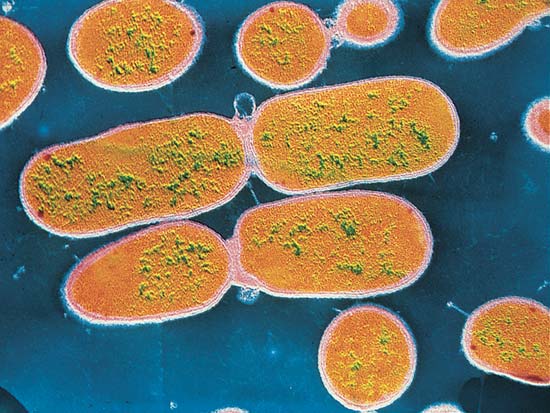
The offspring from asexually reproduced organisms are ...
different than their parents
identical to parent
a combination from both parents
a different species

Bacteria often reproduce as depiced in the diagram.
budding
spores
binary fission
vegetative

What type of asexual reproduction is taking place?
Binary Fission
Budding
Spores
Vegetative Reproduction

This organism is using which type of asexual reproduction?
spores
budding
vegetative
binary fission
What is the function of the nectar in a flower?
To provide food for the flower
To attract pollinators
To attract animals to disperse the fruit
To produce perfume to sell

What does an ovule become when it is pollinated?
a seed
a gamete
a fruit
it stays an ovule
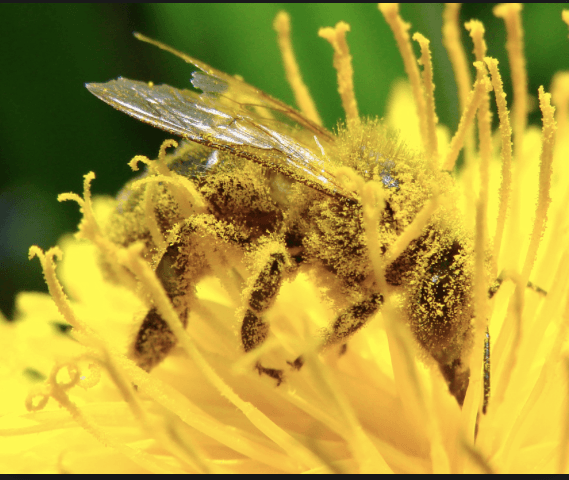
Pollination is the process by which pollen ...
moves from pistil to stamen
moves from stigma to filament
moves from stamen to pistil
moves from receptacle to stigma

Fertilization is the process by which an
egg and sperm combine
embryo grows into an adult
animal carries pollen between plants
asexual organism reproduces

What is the sticky part of the flower that traps pollen?
style
stigma
ovary
petal

Which does not belong in the female part of the flower?
style
stigma
filament
ovary

Which part of the flower is shown at letter B?
anther
pistil
filament
sepal
Which part of the flower is shown at letter E?
anther
style
sepal
ovary
Which part of the flower is shown at letter F?
anther
stamen
sepal
ovules

What is the name for the small reproductive structures on the underside of these leaves?
stamens
pollen
spores
cones
Which plant part is NOT used for reproduction?
leaves
spores
flowers
cones
Small grains that contain sperm cells are
stamen
pollen
anther
stigma
The female part of a flower is the ______.
Receptacle
Anther
Pistil
Stamen
The transfer of pollen, containing the sperm cells, to the female part of the flower is called ...
variation
fertilization
germination
pollination
Which is NOT a part of the pistil?
stigma
style
ovary
anther

Where are ovules found in a flower?
Petals
Style
Pedicel
Ovary

Which part of the flower produces pollen?
Stigma
Sepal
Anther
Ovary
Martin can play the piano.
Discrete
Continuous
Neither, this is not genetic variability.
Neither, this is not inherited
There are 4 basic blood types. This is an example of a _____ trait
discrete
continuous
Another term for 'gamete' is ...
sex cell
zygote
embryo
seed
The female gamete is called ...
an ovule
a zygote
an embryo
a seed
In sexual reproduction, the first cell of the new organism is called
an ovule
a zygote
an embryo
a seed
What is a disadvantage of sexual reproduction?
Less genetic variation in offspring
Offspring are exact copies of parents
Few offspring are produced
Less variety of traits in the offspring
What is an advantage of asexual reproduction?
allows for more genetic variation in the species
few offspring are produced, keeping the population low
offspring are clones, so humans can use this process to produce organisms with the same characteristics
offspring are exact copies of the parent so the species will be able to survive environmental change
Which of the following is an example of an inherited trait?
culture
language
heart defect
religion

inherited
not inherited

Height in plants can be affected by the environment.
true
false

non-heritable
heritable

