
 Worksheets
Units 1-3 review
Total questions: 130
Worksheet time: 2hrs 32mins
Name
Class
Date
1.
What are the states of matter?
a)
solid, liquid, and juice
b)
solid and liquid
c)
solid and gas
d)
solid, liquid, and gas
2.

Which form of matter has a definite shape and takes up space (has definite volume)?
a)
liquid
b)
solid
c)
gas
d)
clay
3.

Which form of matter take the shape of a container like this juice?
a)
liquid
b)
solid
c)
glass
d)
gas
4.

The molecules in the picture are tightly held together with little movement. They have shape and energy. Therefore, the picture represents _________.
a)
solid
b)
liquid
c)
gas
d)
plasma
5.
Molecules move quickest in which state of matter
a)
solid
b)
liquid
c)
gas
d)
solid, liquid and gas
6.
When the temperature of matter decreases the particles ...
a)
speed up and move farther apart
b)
speed up and move closer together
c)
slow down and move farther apart
d)
slow down and move closer together
7.
When the temperature of matter increases the particles...
a)
speed up and move closer
b)
speed up and move farther apart
c)
slow down and move closer together
d)
slow down and move farther apart
8.

If the tops were removed from the cylinders, the following would happen:
a)
The solid would fly out of the container
b)
The liquid would fly out of the container.
c)
The gas would fly out of the container.
d)
They ALL would fly out of the container.
9.

What does this picture represent?
a)
solid
b)
liquid
c)
gas
d)
plasma
10.

Which of the following statements is NOT true of all different types of matter?
a)
They are made of atoms and molecules
b)
The particles are always in motion
c)
The particles always move at the same speed
d)
They are made of particles that are too small to see
11.
A bag of Skittles is an example of this.
a)
Element
b)
Compound
c)
Heterogeneous mixture
d)
Homogeneous mixture
12.
A solid block of gold (Au) is an example of this.
a)
Element
b)
Compound
c)
Heterogenous mixture
d)
Homogenous mixture
13.
These things are the building blocks of all matter.
a)
Elements
b)
Compounds
c)
Heterogeneous mixture
d)
Homogeneous mixture
14.
Another name for a homogenous mixture.
a)
Element
b)
Compound
c)
Solution
d)
Mixture
15.
Trail mix is an example of this.
a)
Element
b)
Compound
c)
Heterogeneous mixture
d)
Homogeneous mixture
16.
Oxygen (O) is an example of this.
a)
Element
b)
Compound
c)
Heterogeneous mixture
d)
Homogeneous mixture
17.
These are substances that are a combination of two or more different elements.
a)
Element
b)
Compound
c)
Heterogeneous mixture
d)
Homogeneous mixture
18.

Which box shows a mixture?
a)
A
b)
B
c)
C
d)
none of these, they are all pure substances
19.
The center of an atom is the nucleus. The nucleus is made up of:
a)
Protons and Electrons
b)
Protons and Neutrons
c)
Eggs and Bacon
d)
Protons and Atoms
20.
DIFFERENT kinds of atoms chemically combined to form a substance are
a)
Mixture
b)
Element
c)
Compound
d)
Substance
21.
This contains a variety elements and compounds that ARE NOT chemically combined.
a)
Water
b)
Mixture
c)
Elements
d)
Compounds
22.
Which of these is a mixture?
a)
Uncooked chocolate chips and cookie dough blended together with a spoon.
b)
Distilled water
c)
A nugget of gold
d)
A molecule of Oxygen
23.

How did Mendeleev arrange the elements?
a)
alphabetical
b)
density
c)
melting point
d)
atomic mass
24.
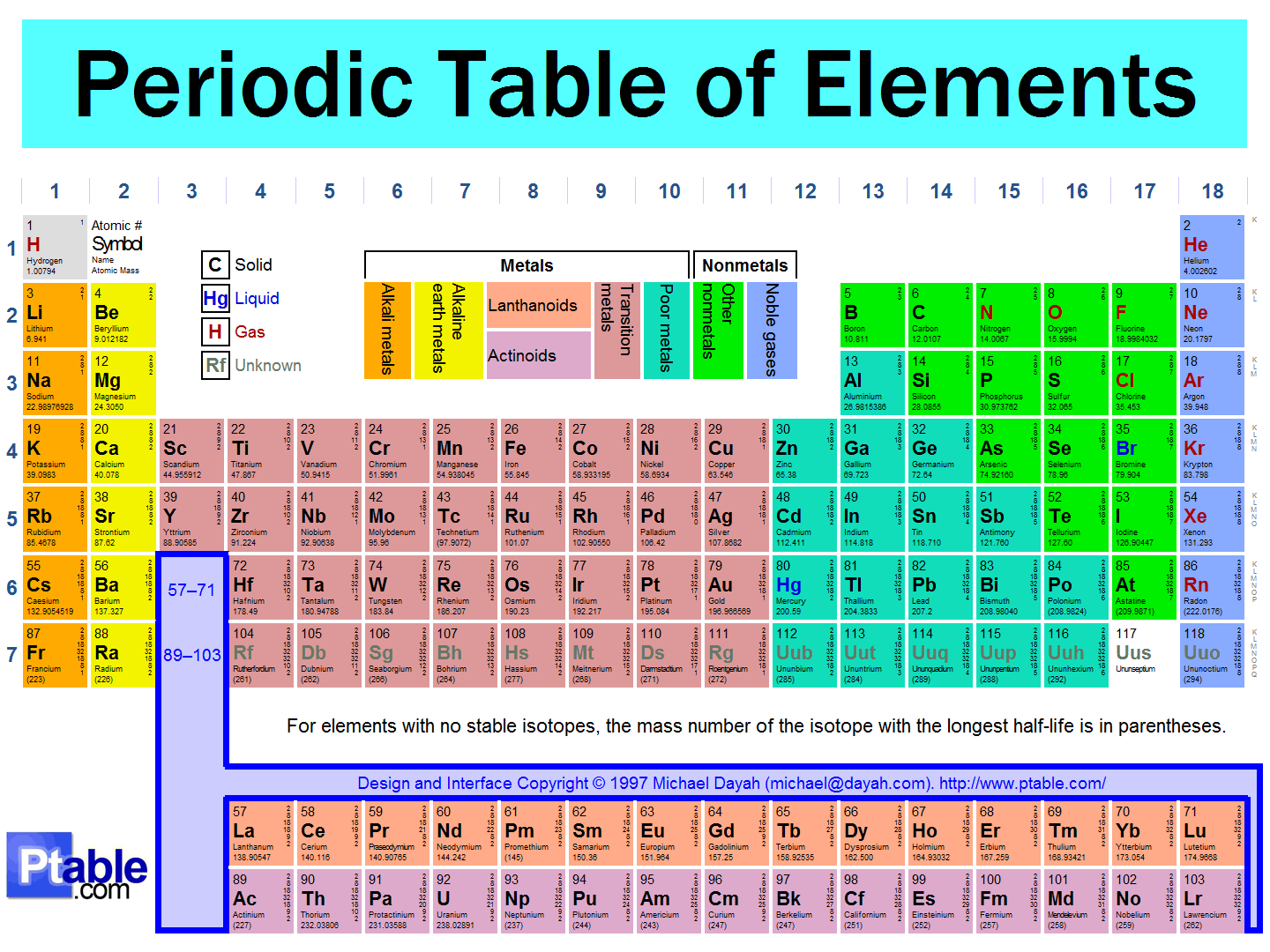
The horizontal row on the periodic table is called a
a)
group
b)
family
c)
period
d)
atomic number
25.
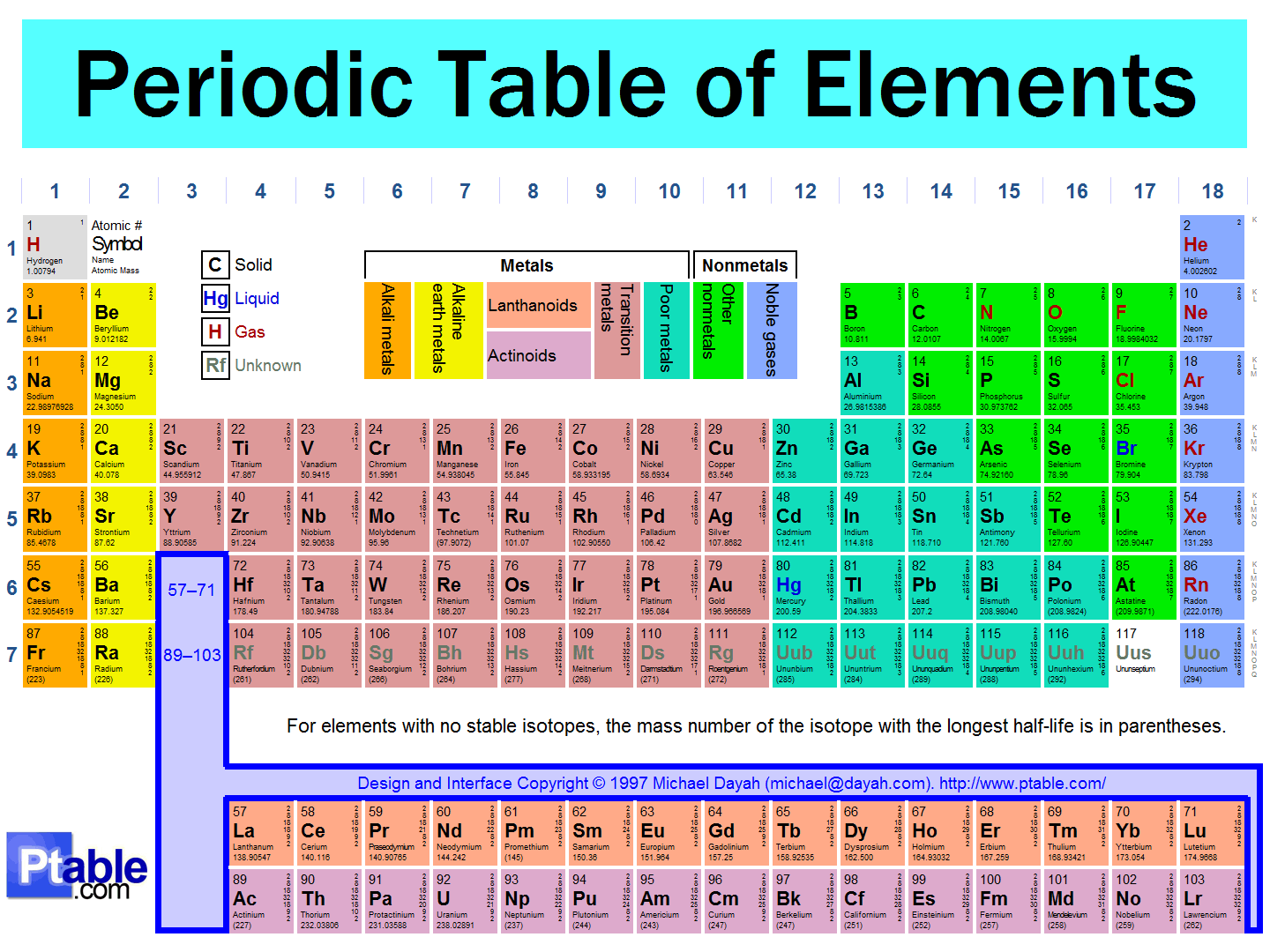
A vertical column is called...
a)
group
b)
tower
c)
period
d)
crew
26.
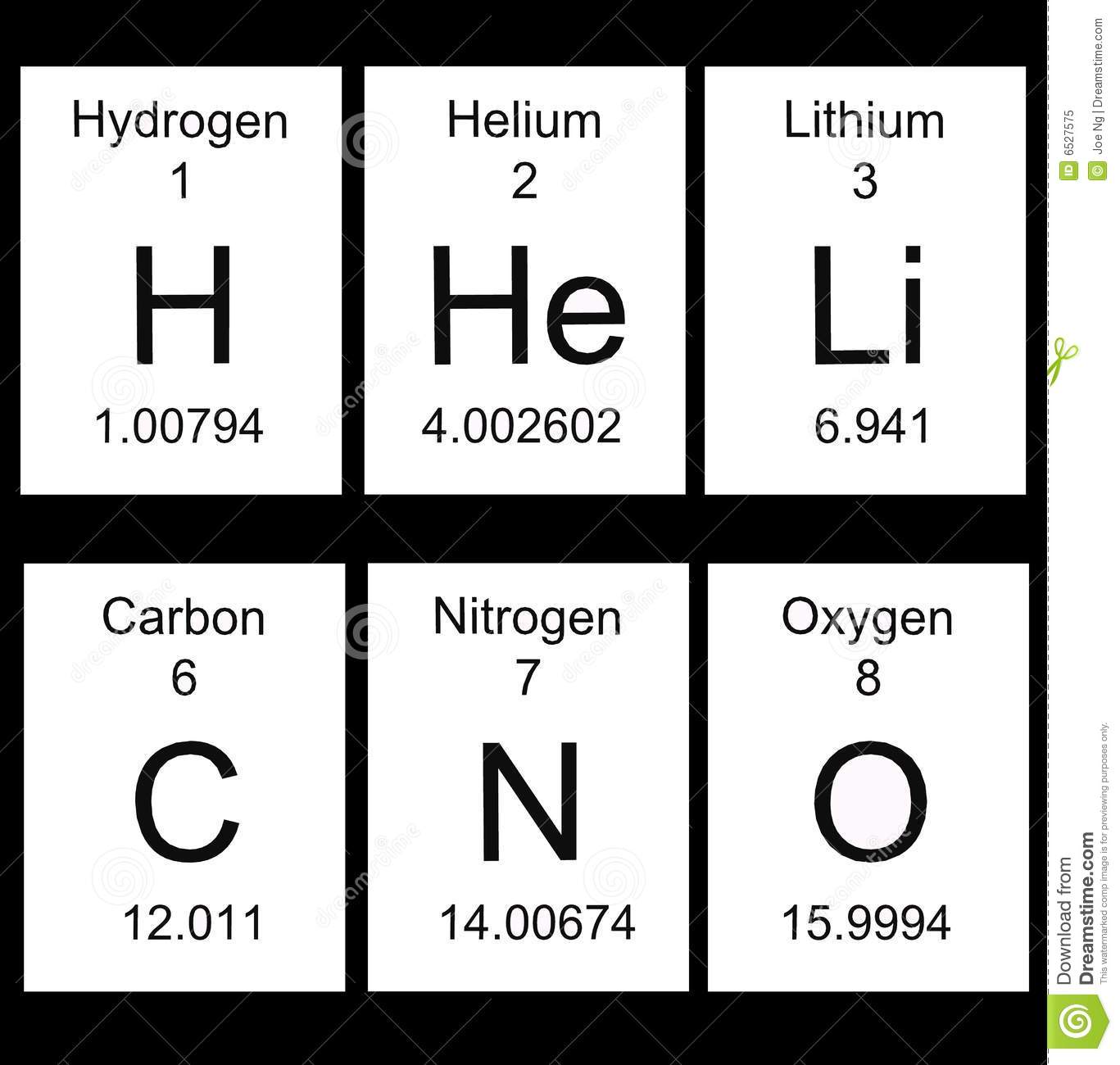
The number at the bottom of each square on the periodic table is the ...
a)
atomic number
b)
atomic mass
c)
chemical symbol
d)
element name
27.

The yellow atoms are called
a)
metals
b)
nonmetals
c)
metalloids
d)
noble gases
28.
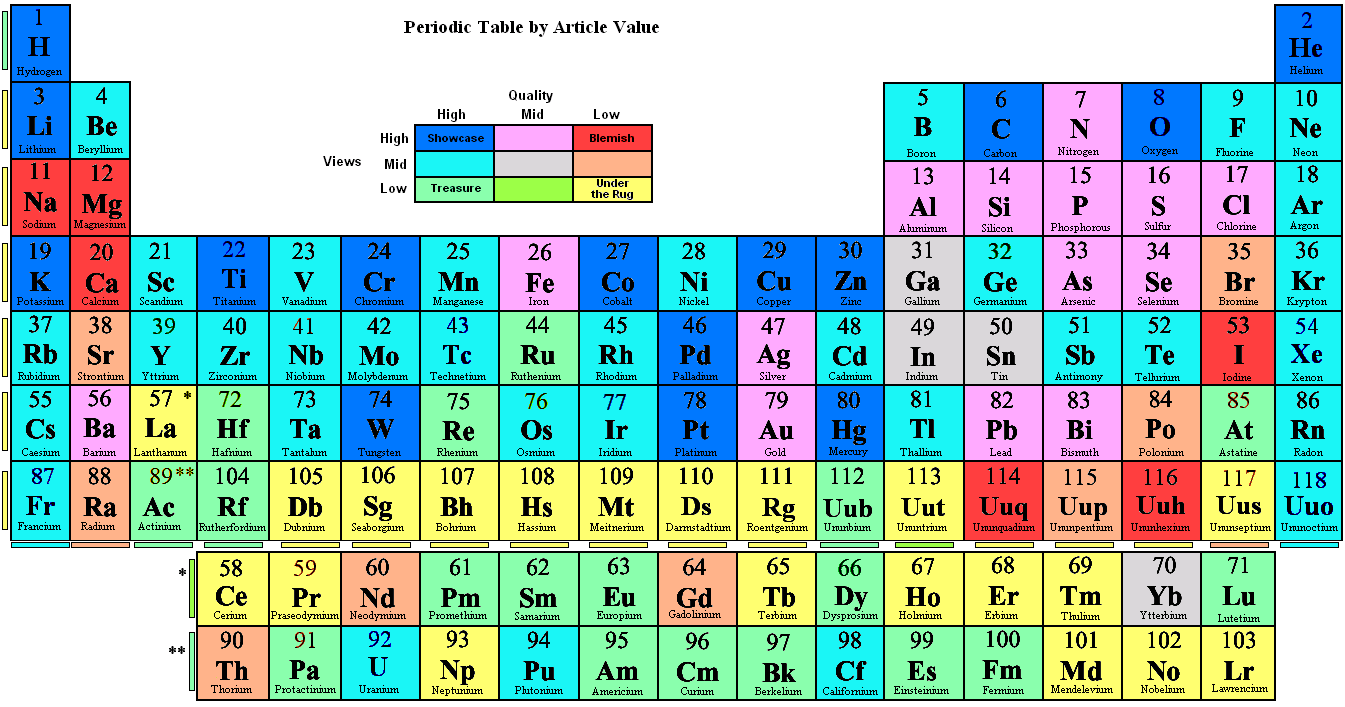
The period for Bromine is ___________.
a)
3
b)
2
c)
4
29.
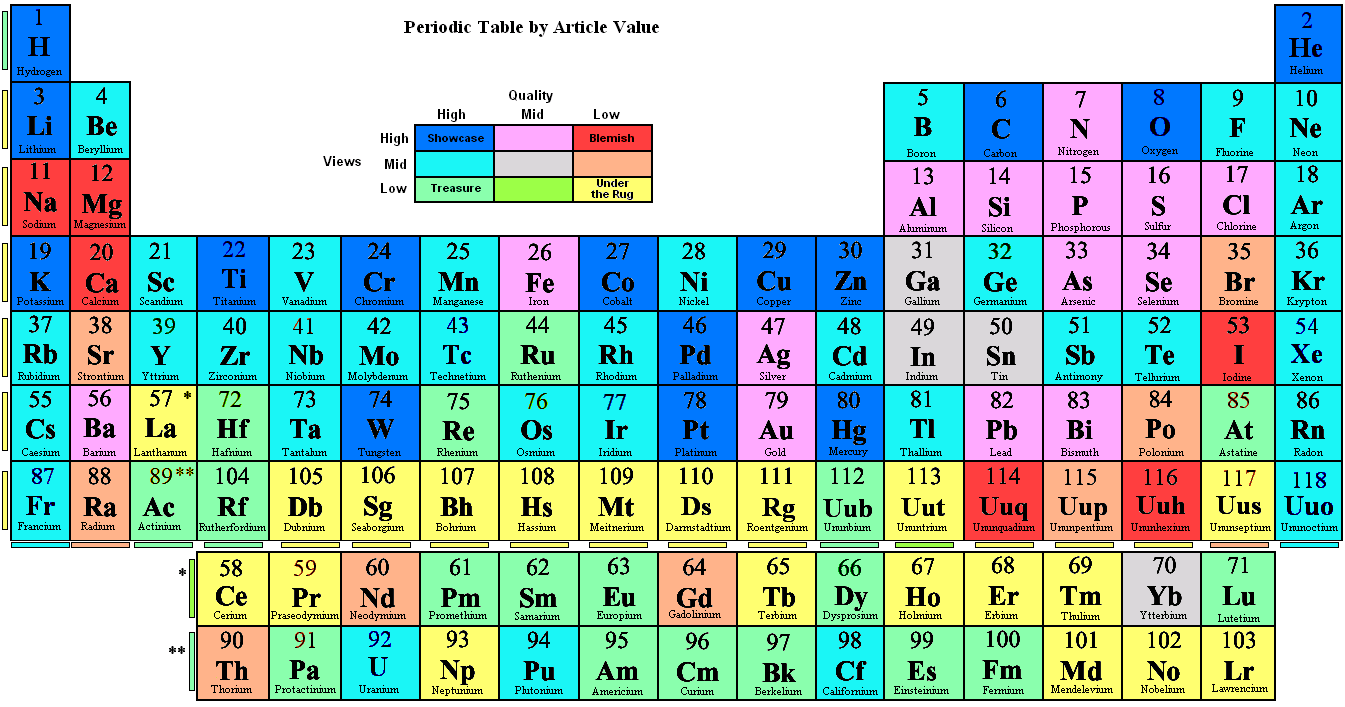
Beryllium is in group number______.
a)
Group 2
b)
Group 3
c)
Group 4
d)
Group 7
30.
Elements in the same ________ are more chemically similar.
a)
group
b)
period
c)
club
d)
table
31.
Elements in the same ________ are more chemically similar.
a)
group
b)
period
c)
club
d)
table
32.
The majority of elements on the periodic table are
a)
man made.
b)
nonmetals.
c)
metals.
d)
gases.
33.
The elements in this group have 5 valence electrons and include elements N, P, and As.
a)
Group 5
b)
Group 1
c)
Group 18
d)
Group 15
34.
The elements in this group only have 1 valence electron and include Li, Na, and K.
a)
Group 11
b)
Group 1
c)
Group 3
35.
Which of the following is not a property of metals?
a)
brittle
b)
malleable
c)
lustrous
d)
conductive
36.
How many electrons do atoms need to be stable?
a)
1
b)
2
c)
6
d)
8
37.
Membership in a family is based on the number of
a)
electrons
b)
valence electrons
c)
protons
d)
neutrons
38.
Elements which are shiny, conduct electricity and heat are called
a)
metal
b)
nonmetal
c)
metalloid
d)
nonexistent
39.

What does the 1.00794 stand for?
a)
Hydrogen
b)
atomic number
c)
atomic mass
d)
atomic explosion
40.

The atoms along the staircase are called
a)
metals
b)
nonmetals
c)
metalloids
d)
noble gases
41.
The atomic number tells you what?
a)
number of electrons
b)
number of protons
c)
number of neutrons
d)
both electrons and protons in an atom.
42.
Good conductor of heat
a)
Metal
b)
Nonmetal
43.
What is the name of the group that never reacts--ever ever they are stable with a full outermost ring!!!
a)
noble gases
b)
transition
c)
halogens
d)
borons
44.
Which group of METALS is the most reactive?
a)
Group 2- Alkaline Earth
b)
Group 17- Halogens
c)
Group 18- Noble Gases
d)
Group 1- Alkali metals
45.

a)
energy levels
b)
valence electrons
c)
protons
d)
neutrons
46.
The subatomic particle with a negative charge is the
a)
electron
b)
proton
c)
neutron
d)
nucleus
47.
Which is the correct formula for:
three hydrogen (H)
one sulfur (S)
four oxygen (O)
three hydrogen (H)
one sulfur (S)
four oxygen (O)
a)
H3SO4
b)
HSO4
c)
H4S3O
d)
H2O
48.
Number of C's in 2Na₂CO₃
a)
1
b)
2
c)
3
d)
5
49.
The number of Na's in Na₂CO₃
a)
1
b)
2
c)
3
d)
6
50.
How many Elements are in the compound C2H8O ?
a)
2
b)
1
c)
3
d)
0
51.
How many total atoms are in the compound C2H8O ?
a)
11
b)
2
c)
8
d)
1
52.
How many Aluminum are in Al2O3?
a)
3
b)
2
c)
5
53.
How many Sodium (Na) are in 6NaCl?
a)
1
b)
12
c)
6
54.
How many Chlorine are in MgCl2?
a)
2
b)
1
c)
3
55.
How many Magnesium are in 10MgCl2?
a)
10
b)
5
c)
20
56.
How many atoms are there TOTAL in:
H2SO4
H2SO4
a)
6
b)
5
c)
7
d)
3
57.
How many elements are in C6H12O6?
a)
1
b)
2
c)
3
d)
4
58.
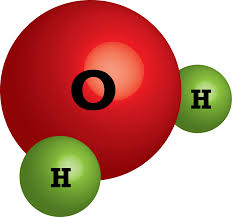
How many atoms of Hydrogen are in this compound
a)
1
b)
2
c)
3
d)
4
59.

How many atoms of Oxygen are in this compound?
a)
1
b)
2
c)
3
d)
4
60.
How many atoms are in the element Carbon in this compound?
H2C3O4N5
H2C3O4N5
a)
2
b)
3
c)
4
d)
5
61.
How many TOTAL atoms are in this compound?
H2C3O4N5
H2C3O4N5
a)
5
b)
14
c)
15
d)
19
62.

In this compound structure of alcohol, how many Hydrogen atoms are there?
a)
2
b)
4
c)
6
d)
8
63.

What is the number of protons that the element in this image contain?
a)
14
b)
7
c)
15
d)
18
64.
Which is the correct formula for:
three hydrogen (H)
one sulfur (S)
four oxygen (O)
three hydrogen (H)
one sulfur (S)
four oxygen (O)
a)
H3SO4
b)
HSO4
c)
H4S3O
d)
H2O
65.
Which of the following is a compound?
a)
Co
b)
O2
c)
C
d)
CO2
66.
A subscript is the small number below a(n) ________ that tells the number of _______ of that element.
a)
element symbol; atoms
b)
atom; element symbol
c)
subscript; protons
d)
compound; elements
67.
How many Hydrogen are in 4H2O?
a)
6
b)
8
c)
2
d)
4
68.
How many Oxygen atoms are in Al₂(SO₄)₃
a)
4
b)
12
c)
7
d)
24
69.
Number of H in 3(NH₄)₂CrO₄
a)
4
b)
2
c)
8
d)
24
70.
How many atoms are there TOTAL in:
H2SO4
H2SO4
a)
6
b)
5
c)
7
d)
3
71.
How many elements are in C6H12O6?
a)
1
b)
2
c)
3
d)
4
72.
How many Sodium (Na) are in 6NaCl?
a)
1
b)
12
c)
6
73.
Number of N in (NH₄)₂CrO₄
a)
1
b)
2
c)
8
d)
16
74.
Number of H in 3(NH₄)₂CrO₄
a)
4
b)
2
c)
8
d)
24
75.

Is this equation balanced?
a)
yes
b)
no
c)
Not enough information
76.
Which human activity is correctly paired with its likely future consequence?
a)
overfishing in the Atlantic — increase in supply of flounder and salmon as food for people
b)
development of electric cars or hybrid vehicles — increased rate of global warming
c)
use of fossil fuels — depletion of underground coal, oil, and natural gas supplies
d)
genetically engineering animals — less food available to feed the world’s population
77.
Which human activity would most likely deplete nonrenewable resources?
a)
use of natural enemies to eliminate insect pests
b)
development of wildlife refuges
c)
governmental restriction of industrial pollution
d)
increased use of fossil fuels
78.
What are renewable resources?
a)
Resources that are used faster than they form
b)
a. Resources that can replenish themselves over time
c)
a. Resources that exist only in urban areas
d)
Resources that exist only in rural areas
79.
What is deforestation?
a)
throwing someone out of a window
b)
selectively cutting trees for lumber, making sure the forest remains healthy
c)
allowing more animals to graze on the land than it can support
d)
cutting and removal of rainforest
80.
What are some consequences of deforestation?
a)
increased population in cities
b)
building of more infrastructure
c)
soil erosion, loss of biodiversity, loss of ability to remove CO2
d)
more mercury and cyanide released into rivers
81.
Crude oil is a fossil fuel
a)
True
b)
False
82.

According to the graph, what material’s recycling would reduce the largest portion of America’s trash?
a)
Metals
b)
paper
c)
plastics
d)
Yard trimmings
83.
Particles in an atom that are neutral and have no charge are
a)
negatrons
b)
electrons
c)
neutrons
d)
protons
84.
an atom with atomic number 6 would have how many protons
a)
6
b)
12
c)
3
d)
cannot be determined
85.
A particle that moves around the nucleus is a(n)...
a)
Proton
b)
Neutron
c)
Electron
d)
Quark
86.
Where are electrons of an atom found?
a)
Nucleus
b)
Electron Cloud
c)
Some are in the nucleus and some in the electron cloud.
d)
They are moving everywhere.
87.
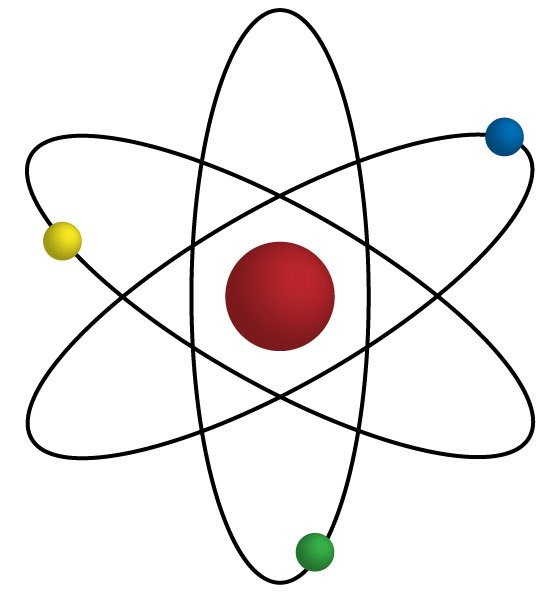
What are the 3 particles that make-up the atom?
a)
protons, neutrons, and isotopes
b)
neutrons, isotopes, and electrons
c)
positives, negatives, and electrons
d)
protons, neutrons, and electrons
88.
If an atom has 10 protons, 10 neutrons, and 10 electrons, what is the mass of the atom?
a)
10
b)
20
c)
30
89.
What is the atomic number?
a)
the number of protons
b)
the number of protons and neutrons
c)
the number of neutrons
d)
the number of protons and electrons
90.
What is the mass number?
a)
the number of protons
b)
the number of protons and neutrons
c)
the number of neutrons
d)
the number of protons and electrons
91.
Ions are:
a)
atoms with a positive or negative charge
b)
atoms with no charge
c)
atoms with ONLY a positive charge
d)
atoms with ONLY a negative charge
92.
Freezing
a)
Solid to gas
b)
Liquid to solid
c)
Gas to solid
d)
Liquid to gas
93.
Boiling
a)
liquid to gas
b)
gas to solid
c)
gas to liquid
d)
solid to liquid
94.
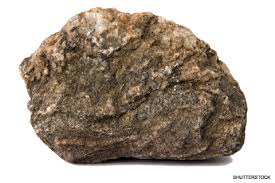
Which state of matter has tightly packed molecules?
a)
solid
b)
liquid
c)
gas
95.
What is happening when my ice cream changes from a solid to a liquid?
a)
freezing
b)
melting
c)
burning
d)
evaporation
96.
Define a liquid.
a)
Indefinite shape, indefinite volume
b)
Definite shape, definite volume
c)
Found in stars
d)
Definite volume, indefinite shape
97.
Particles of a liquid
a)
are tightly packed together and stay in a fixed position.
b)
have no viscosity.
c)
decrease in volume with increasing temperature.
d)
are free to move around one another but still touch.
98.
The slower the particles in a substance move,
a)
the colder it is.
b)
the warmer it is.
c)
the more energy it has.
d)
the less energy it has.
99.
________ are the COLUMNS on the periodic table and are organized by similar properties.
a)
Classifications
b)
Groups
c)
Periods
d)
Elements
100.
Atoms with similar properties are most likely located...
a)
in the same period.
b)
in the same group.
c)
in different periods.
d)
to the right and left of each other.
101.
Elements in the same period have similar characteristics.
a)
True
b)
False
102.
Which is NOT a state of matter
a)
solid
b)
gas
c)
mass
d)
liquid
103.
Matter changes state when...
a)
energy is added or removed
b)
energy is added
c)
energy is removed
d)
there is no energy
104.
As temperature decreases, the molecules collide more, move faster, and spread out.
a)
true
b)
false
105.
Matter will change state when enough energy (heat) is added to , or removed from, the molecules.
a)
true
b)
false
106.
Which of the following statements is NOT true of all different types of matter?
a)
They are made of atoms and molecules
b)
The particles are always in motion
c)
The particles always move at the same speed
d)
They are made of particles that are too small to see
107.

State of matter with no definite shape or volume.
a)
solid
b)
liquid
c)
gas
d)
Mississippi
108.

What is labelled "B" on the graph?
a)
solids
b)
liquids
c)
gases
d)
a phase change
109.
Matter changing states creates a new substance
a)
True
b)
False
110.
Phase change from a liquid to a gas that only happens at the surface.
a)
evaporation
b)
boiling
c)
sublimation
d)
melting
111.
Particles slide past each other in this state of matter.
a)
solid
b)
liquid
c)
gas
d)
solid, liquid and gas
112.
Which state of matter has the highest kinetic energy?
a)
solid
b)
liquid
c)
gas
d)
matter
113.

Which diagram best shows the results of removing heat from this sample until it freezes?
a)
1
b)
2
c)
3
d)
4
114.

What is happening at "D" on the graph?
a)
Water is boiling
b)
water is evaporating
c)
water is melting
d)
the sublimation of water
115.

What phase of matter is illustrated in "C"
a)
solid
b)
liquid
c)
gas
d)
melting
116.

When a puddle of water dries up this process is called
a)
Condensation
b)
Evaporation
c)
Melting
d)
Transpiration
117.
Change from gas to liquid is called....
a)
expansion
b)
evaporation
c)
condensation
d)
sublimation
118.
When water boils, water vapor is produced and escapes into the air. Which BEST describes this change?
a)
Melting
b)
Freezing
c)
Physical Change
d)
Chemical Change
119.
Some power plants produce energy by burning coal. In these power plants, the heat from burning coal is used to boil water. Which statement best describes the changes that occur when burning coal and boiling water?
a)
Burning coal and boiling water are both physical changes
b)
Burning coal and boiling water are both chemical changes
c)
Burning coal is a chemical change, and boiling water is a physical change
d)
Burning coal is a physical change and boiling water is chemical change
120.
Change of color is a chemical change
a)
True
b)
False
121.
When 15 grams of zinc are combined with 20 grams of hydrochloric acid, two new products are created. What will be the combined weight of the products?
a)
5 grams
b)
15 grams
c)
20 grams
d)
35 grams
122.
The Law of Conservation of Mass state that mass is ALWAYS created and destoyed
a)
True
b)
False
123.

Ice melting is an example of a
a)
physical change
b)
chemical change
c)
physical property
d)
chemical property
124.

Ability to rust is this type of property:
a)
Physical property
b)
Chemical property
125.
Milk turns sour. This is what kind of change?
a)
Chemical change
b)
Physical change
c)
Physical Property
d)
Chemical Property
126.

Green bananas turning yellow on their own as they ripen.
a)
Chemical Change
b)
Physical Change
127.
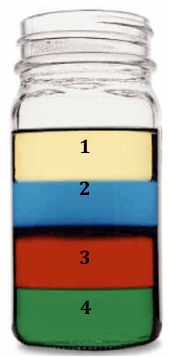
Put the liquids in order from most dense to least dense?
a)
4, 3, 2, 1
b)
1, 2, 3, 4
c)
3, 4, 2, 1,
d)
4, 3, 1, 2
128.

Which box has a higher density?
a)
Box A
b)
Box B
c)
cannot be determined
d)
they are the same
129.
Which of the following is NOT an example of a physical change?
a)
crumpled paper
b)
pencil sharpening
c)
shrunken clothing
d)
sour milk
130.
what is the definition of physical change?
a)
any change that results in the formation of new chemical substances.
b)
rusting
c)
changes affecting the form of a chemical substance, but not its chemical composition.
d)
any property that is measurable, whose value describes a state of a physical system
100 %

