wayground logo

Free Printable Worksheets

Font size

S
M
L
XL
Worksheets

Unit 5: Human Body 2 (repro, endo, nervous)

Total questions: 133

Worksheet time: 2hrs 36mins

Name
Class
Date
1.

What is a stimulus?

a)

Collection of information about changes

b)

A change in our bodies that cause a reaction

c)

A process that interprets the sensory input

d)

Any internal or external change in our environment which generates and impulse

2.
The spinal cord is protected by the _____?
a)
vertebrae 
b)
skull
c)
lungs
d)
rib cage
3.

What is the function of the nervous system?

a)

circulate blood through the body

b)

gas exchange

c)

Protect your body from UV rays, secrete waste, and regulate body temperature.

d)

Sense and interpret external and internal changes in the environment and then send a response.

4.
The system of the body that carries information to all parts of the body.
a)
Nervous system
b)
Spinal Cord
c)
Neuron
d)
Brain
5.
Carry message from body to brain from the brain to body.
a)
Nerves
b)
Neuron 
c)
Brain
d)
Spinal Cord
6.
What are the three components of the nervous system?
a)
Arteries, Veins, Capillaries
b)
Heart, Blood vessels, Blood
c)
Brain, Spinal Cord, Peripheral Nerves
d)
Nose, Trachea, Lungs
7.
This bundle of nerves travels from the brain, down your back, and through your vertebrae?
a)
Capillaries
b)
Blood vessels
c)
Peripheral Nerves
d)
Spinal cord
8.
 Nerve cells are called...
a)
saliva
b)
neurons
c)
red blood cells
d)
platletts
9.
The nervous system is composed of the ___, ___, and ___.
a)
heart, brain, kidneys
b)
lungs, liver, stomach
c)
brain, spinal cord, nerves
d)
eyes, pancreas, veins
10.
The system of the body that carries information to all parts of the body.
a)
Nervous system
b)
Spinal Cord
c)
Neuron
d)
Brain
11.
Responds to information received from the outside environment and inside your body. For example, touching a hot stove is a stimulus.
a)
Nerves
b)
Brain
c)
Stimulus 
d)
Dendrite
12.
A group of organs that work together is called an _________
a)
organism
b)
organ 
c)
organ system
13.
A group of organs that work together is called an _________
a)
organism
b)
organ 
c)
organ system
14.
What is another word for autonomic?
a)
voluntary
b)
involuntary
c)
central 
d)
brain
15.

The purpose of the endocrine system is to

a)

maintain homeostasis by reacting quickly to stimuli

b)

produce substances that protect the body from bacteria

c)

maintain metabolism, growth and development in keeping the body stable

d)

transport molecules throughout the body

16.
produces epinephrine and nor-epinephrine which promote the fight or flight response
a)
pancreas
b)
testes
c)
adrenal glands
d)
pineal gland
17.

Which are organs in the endocrine system?

a)

thyroid, pancreas, kidneys, ovaries, testes and esophagus

b)

pituitary, thyroid, adrenal, pancreas, ovaries, testes

c)

stomach, intestine, pancreas, adrenal, testes, ovaries

d)

heart, nerves, pituitary, adrenal

18.

In which way does the perspiring (perspire means sweat) help the body stay stable

a)

by decreasing body temperature

b)

by increasing blood sugar levels

c)

by increasing the amount of fluid in the body

d)

by reducing the amount of carbon dioxide in cells

19.

Endocrine glands produce __________ which keep the body stable (normal/balanced)

a)

oils

b)

neurotransmitters

c)

tears

d)

hormones

20.

Which body systems work together in this response pathway to control blood pressure?

a)

digestive system and nervous

b)

nervous and circulatory

c)

respiratory and digestive

d)

circulatory and excretory

21.

Which harmful waste material leaves the blood and travels through the lungs before leaving the body?

a)

CO2

b)

O2

c)

H2O

d)

NaCl

22.

The respiratory system depends on the nervous system for signals to?

a)

enhance the amount of available oxygen

b)

coordinate muscles controlling breathing

c)

release enzymes to increase the exchange of gases

d)

exchange gases with the excretory system

23.

What is the primary function of the large intestine?

a)

to digest protein

b)

to absorb nutrients

c)

to break down complex carbohydrates

d)

to remove water from undigested waste.

24.
The spinal cord is protected by the _____?
a)
vertebrae 
b)
skull
c)
lungs
d)
rib cage
25.
True/False: Digestion begins in the mouth.
a)
True
b)
False
26.
Tube that carries swallowed food to the stomach
a)
esophagus
b)
liver
c)
pancreas
d)
rectum
27.

Which body system 's primary function is the continuation of species?

a)

digestive

b)

nervous

c)

excretory

d)

reproductive

28.

what system is responsible for the fight or flight response?

a)

endocrine

b)

digestive

c)

nervous

d)

circulatory

29.
What is the excretory system?
a)
Poop
b)
A system which excretes harmful material from the body
c)
hehehe poooooop
d)
ploopy
30.
What is #3?
a)
Kidney
b)
Ureters
c)
Bladder
d)
Urethra
31.
Which organ system removes cellular wastes as the result of cellular respiration?
a)
nervous
b)
digestive
c)
excretory
d)
circulatory
32.

What is the function of the excretory system?

a)

It's responsible for the elimination of waste

b)

Makes protein

c)

Transport of nutients, oxygen, and hormones to cells throughout the body and removal of metabolic wastes

d)

Movement

33.
Using the picture, what is the structure of A?
a)
ureter
b)
kidney
c)
urinary bladder
d)
urethra
34.
What is the main function of the excretory system?
a)
to collect and remove wastes from the body
b)
to strengthen skeletal muscles
c)
to protect the nervous system
d)
to bring oxygen to body cells
35.
Which organ of the excretory system stores urine until the body is ready to eliminate it?
a)
ureters
b)
urethra
c)
urinary bladder
d)
urea
36.
Which excretory organ eliminates water and some chemical wastes in perspiration?
a)
lungs
b)
skin
c)
liver
d)
kidneys
37.
What function do the kidneys perform?
a)
eliminate carbon dioxide
b)
supply oxygen to body cells
c)
remove urea and excess water
d)
play a role in gas exchange
38.
The process of removal of the body’s wastes is called
a)
gas exchange.
b)
respiration.
c)
excretion.
d)
filtration.
39.
These organs are responsible for what?
a)
storing urine
b)
storing water
c)
filtering blood
d)
they don't have a particular job 
40.
How many kidneys do you have?
a)
1
b)
3
c)
5
d)
2
41.
Which excretory organ eliminates CO2?
a)
lungs
b)
skin
c)
liver
d)
kidneys
42.
Which excretory organ eliminates feces?
a)
lungs
b)
large intestine
c)
small intestine
d)
stomach
43.
Which excretory organ eliminates water and some chemical wastes in perspiration?
a)
lungs
b)
skin
c)
liver
d)
kidneys
44.
The major organs in the excretory system are
a)
kidneys, bladder, lungs, skin, liver, and large intestine
b)
stomach, liver, bladder, small intestine and large intestine
c)
liver, skin, stomach, kidneys, and pancreas
d)
gallbladder, large intestine, and spleen
45.
What organ is in the excretory system?
a)
Bones
b)
Heart
c)
Skin
d)
Large Intestine
46.
What other systems does the excretory system work with?
a)
Skeletal & Nervous
b)
Muscular & Respiratory
c)
Circulatory & Endocrine
d)
Circulatory & Digestive
47.
Which of the following is the fluid released by the kidneys once the wastes are removed from the water and blood in the body?
a)
bile
b)

urea

c)
sweat
d)
urine
48.
What systems work with the excretory system that remove waste? 
a)
respiratory, endocrine, digestive, & integumentary
b)
respiratory, urinary, digestive, & integumentary
c)
respiratory, circulatory, digestive, & integumentary
d)
respiratory, endocrine, digestive, & circulatory
49.
When does fertilization takes place?
a)
when a baby is born
b)
when egg cell and sperm cell unite
c)
when the egg cell leaves the ovary
d)
when the ovaries produce an egg cell
50.
A fertilized egg is also called a 
a)
Work in Progress
b)
Zygote
c)
Blastocyst
d)
Teenager
51.
In both males and females, urine is stored in the ____________?
a)
Urethra
b)
Anus
c)
Bladder
52.
1. What are the male sex cells called?
a)
Eggs
b)
Sperm
c)
Testorone
d)
Fallopian
53.
2. What are the female sex cells called?
a)
Eggs
b)
Sperm
c)
Fallopian
d)
Uterus
54.
This system consists of body organs that are involved with the production of offspring. 
a)
Reproductive 
b)
Digestive 
c)
Endocrine 
d)
Nervous 
55.
Male hormone is...
a)
testosterone
b)
estrogen
c)
progesterone
56.
The part of the female reproductive system that produces the eggs
a)
uterus
b)
cervix
c)
ovaries
d)
vagina
57.
The reproductive system is responsible for 
a)
filtering blood
b)
breaking down food
c)
producing offspring
d)
exchanging gasses with the atmosphere
58.
A fetus develops in the 
a)
ovaries
b)
fallopian tubes
c)
uterus
d)
cervix
59.
Sperm is produced in the
a)
testes
b)
vas deferens
c)
urethra 
d)
penis
60.

The role of the excretory system is to

a)

filter blood and remove wastes

b)

break down food for nutrients

c)

remove solid wastes

d)

exchange gasses with the atmosphere

61.
A group of tissues that work together is a(n) ______________________.
a)
cell
b)
organ
c)
organ system
d)
organism
62.
What is a group of cells that are alike and work together?
a)
a cell team
b)
a tissue
c)
a cell family
d)
a system
63.
Organs that work together are part of a(n) ________________________.
a)
cells
b)
tissue
c)
organ system
d)
organism
64.
Food is broken down to supply energy for your body in the ____________
a)
digestive system
b)
endocrine system
c)
excretory system
d)
reproductive system
65.
Which organ system removes cellular wastes as the result of cellular respiration?
a)
nervous
b)
digestive
c)
excretory
d)
circulatory
66.
What is the main function of the nervous system?
a)
Responsible for control of the body and communication among body parts
b)
Responsible for production of offspring
c)
Helps to rid the body of toxins, water, and other unwanted materials and transports lymph, a fluid containing infection-fighting white blood cells, throughout the body
d)
Provides oxygen to the body's cells, while moving carbon dioxide
67.
Your body contains sense receptors that _________________ so your body can take in information and respond appropriately.
a)
send information to your brain
b)
warm your body
c)
keep you happy
d)
send information to your heart
68.
Where is insulin produced?
a)
Adrenal glands
b)
Thyroid gland
c)
Pancreas
69.
Breathing rate increases during exercise to help meet the increased oxygen demand by skeletal muscles.
a)
respiratory, circulatory
b)
muscular, skeletal
c)
respiratory, skeletal
d)
respiratory, muscular
70.
Blood carries digested nutrients to body cells.
a)
endocrine, digestive
b)
respiratory, reproductive
c)
circulatory, digestive
d)
muscular, digestive
71.
Which system takes food into the body, breaks down food, and absorbs the digested materials?
a)
respiratory
b)
circulatory
c)
digestive
d)
excretory
72.
Which system enables the body to move, moves food through the digestive system, and keeps the heart beating?
a)
skeletal 
b)
muscular
c)
digestive
d)
nervous
73.
What is the body system that sends and recieves electrical signals from the brain?
a)
Skeletal System
b)
Nervous System
c)
Muscular System
d)
Digestive System
74.

What body system produces blood cells for the body?

a)

Nervous System

b)

Digestive System

c)

Respiratory System

d)

Skeletal System

75.
What system controls voluntary and involuntary life functions?
a)
Nervous System
b)
Skeletal System
c)
Digestive System
d)
Respiratory System
76.
Why is the blood that flows from the lungs to the heart bright red?
a)
It has oxygen in it
b)
It has carbon dioxide in it
c)
It has food coloring in it
d)
It has waste in it
77.
What system allows motion in the body?
a)
Digestive System
b)
Stomach
c)
Musuclar System
d)
Veins 
78.
What requires energy to grow and reproduce?
a)
Cells
b)
Feet
c)
Hair
d)
Muscles 
79.
The blood vessels that carry blood away from the heart are called what?
a)
Veins
b)
Stomach
c)
Arteries 
d)
Lungs
80.
Which body system transports oxygen and nutrients through out the body?
a)
Muscular System
b)
Nervous System
c)
Digestive System
d)
Circulatory System
81.
What system receives oxygen and gets rid of carbon dioxide?
a)
Heart
b)
Muscular System
c)
Veins 
d)
Respiratory System
82.
Which of the following is in the correct order from smallest to largest?
a)
tissue-organ-system-cell
b)
cell-organ-tissue-system
c)
System-tissue-cell-organ
d)
cell-tissue-organ-system
83.
What system breaks food down into energy for the body?
a)
Stomach
b)
Digestive System
c)
Respiratory system
d)
Lungs
84.
How does the circulatory system and the skeletal system work together?
a)
the circulatory system makes cells while the skeletal system transports the cells where the need to go
b)
the skeletal system makes cells while the circulatory system transports them where the need to go
c)
The circulatory system produces energy for the body and the skeletal system makes cells for the body
d)
The skeletal system digests food and the circulatory system brings air into the body
85.
How does the digestive system work with all other systems?
a)
The digestvie system transports blood to all the other systems
b)
The digestive system puts oxygen into the body
c)
The digestive system gives the body energy and nutrients
d)
The digestive system allows the body to move
86.
How does the muscular system and the skeletal system work together?
a)
The muscular system allows the body to stand up while the skeletal system allows the body to move
b)
The muscular system allows the body to move and the skeletal system gives the body a structure 
c)
The muscular system gives the body nutrients while the skeletal system gives the body blood
d)
The skeletal system makes cells whilte the muscular system eats them.
87.
The body system you use for movement is the ____________
a)
muscular system
b)
nervous system
c)
respiratory system
d)
urinary system
88.
What organ filter waste from the blood?
a)
bladder
b)
kidneys
c)
small intestine
d)
urethra
89.
Oxygen and carbon dioxide move in and out of blood through the walls of the __________
a)
arteries
b)
capillaries
c)
veins
d)
vessels
90.
Food is broken down to supply energy for your body in the ____________
a)
digestive system
b)
endocrine system
c)
excretory system
d)
reproductive system
91.
What body system includes the kidneys and bladder?
a)
circulatory system
b)
reproductive system
c)
digestive system 
d)
urinary system
92.
Digested food is absorbed in the_______.
a)
colon
b)
large intestine
c)
small intestine
d)
stomach
93.
What hormone is responsible for the "fight or flight" response?
a)
Testosterone
b)
Cortisol
c)
Adrenaline
d)
Parathyroid Hormone
94.
Name the system
a)
muscular
b)
endocrine
c)
integumentary
d)
nervous 
95.
Which system sends messages to and from the brain?
a)
integumentary
b)
nervous
c)
skeletal
96.
Which of the following gland does NOT belong to the endocrine system?
a)
pituitary
b)
testes
c)
salivary
d)
thyroid
97.
Which system regulates your body temperature? 
a)
endocrine
b)
muscular
c)
skeletal
98.
IN which system are the organs called glands?
a)
integumentary
b)
muscular
c)
endocrine
99.
When the body is in fight or flight response due to a stressful stimulus the following may happen.
a)
less blood goes to the brain
b)
sweating increases
c)
heart rate decreases
d)
muscles relax
100.
The spinal cord is part of the nervous system.
a)
True
b)
False
101.
What is the function of the nervous system.
a)
provide nutrients for the body.
b)
send and recieve messages
c)
circulate oxygen to sells
d)
remove carbon dioxide from blood
102.
inside the body
a)
internal
b)
external
103.
Which of the following is a part of the nervous system?
a)
lungs
b)
the heart
c)
the spinal cord
d)
skin
104.
When a person exercises, temperature changes occur on the body’s surface. Which of the following would be the correct way for the body to maintain homeostasis during intense exercise? 
a)
run fast
b)
increased oxygen intake for energy
c)
sweating
d)
sweating and increased oxygen intake for energy
105.
What is the circulatory system made up of?
a)
Food, water
b)
Hands, Feet
c)
Heart, Blood Vessels, Veins, Blood
d)
Sunlight, Plants
106.
What are the two main types of blood cells?
a)
orange and green blood cells
b)
red and white blood cells
c)
purple and blue blood cells
d)
blue and red blood cells
107.
_________ Carry blood away from the heart to various organs
a)
Arteries
b)
Capillaries
c)
Veins
108.
What is a major organ used in the circulatory system?
a)
Lungs
b)
Kidneys
c)
Liver
d)
Heart
109.
__________ Very small tubes that connect arteries to veins; the smallest blood vessels.
a)
Veins
b)
Capillaries 
c)
Arteries
110.
What is the main organ in the circulatory system?
a)
vein
b)
lung
c)
heart
d)
aorta 
111.
What do the arteries do?
a)
pumps blood to the heart
b)
pumps blood to and from the heart
c)
carry's blood away from the heart 
d)
a muscle 
112.
What is the function of the heart?
a)
To pump blood around the body
b)
To remove oxygen from the blood
c)
To allow blood to flow through it 
d)
To breath
113.
When you breathe, your lungs take in ___ and remove ___. 
a)
air/oxygen
b)
oxygen/carbon dioxide 
c)
carbon dioxide/waste 
d)
waste/air 
114.
______________ are the smallest blood vessels.
a)
Arteries
b)
Veins
c)
Capillaries
115.
What is the purpose of white blood cells?
a)
carry oxygen
b)
fight pathogens
c)
help the kidneys
d)
identifies blood type
116.
Red blood cells transport __________ around our body.
a)
oxygen
b)
plasma
c)
bones
d)
cardiac muscles
117.
What is a pacemaker?
a)
Electronic device used to help the heart beat regularly
b)
To help kidneys filtrate blood
c)
To measure your blood pressure
118.
What are the main parts of the cardiovascular system?
a)
heart and lungs 
b)
blood, blood vessels, and heart
c)
blood, heart, and brain
d)
veins, arteries, lungs, and heart
119.
What do red blood cells do?
a)
Carry oxygen
b)
Fight infection and disease
c)
Produce carbon dioxide 
120.
What type of muscle do you find in the heart?
a)
smooth muscle
b)
Skeletal muscle
c)
cardiac muscle
121.
What function do the kidneys perform?
a)
eliminate carbon dioxide
b)
supply oxygen to body cells
c)
remove urea and excess water
d)
play a role in gas exchange
122.
What is the main function of the heart ? 
a)
The heart circulates blood and oxygen throughout the body.
b)
The heart is the control centers for all body activities.
c)
The heart gets rid of the wastes in your body.
123.
Which excretory organ eliminates water and some chemical wastes in perspiration?
a)
lungs
b)
skin
c)
liver
d)
kidneys
124.
What systems work with the excretory system that remove waste? 
a)
respiratory, endocrine, digestive, & integumentary
b)
respiratory, urinary, digestive, & integumentary
c)
respiratory, circulatory, digestive, & integumentary
d)
respiratory, endocrine, digestive, & circulatory
125.
What is the main function of the urinary system?
a)
Keep your body hydrated
b)
Expelling water from your body
c)
Removing poisons from your body
d)
Removing solid wastes from your body
126.
The site of photosynthesis
a)
ribosome
b)
mitochondria
c)
chloroplast
d)
nucleus
127.
The ___________ is the basic unit of life
a)
organ
b)
cell
c)
atom
d)
tissue
128.
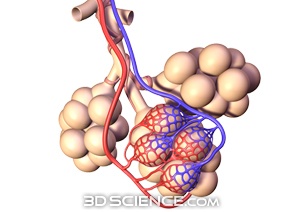
This is a example of........ 
a)
organ system
b)
cells
c)
organ
d)
tissue
129.
This is a example of ........
a)
cell
b)
organ system
c)
organ
d)
tissue
130.
The brain is a part of which organ system?
a)
nervous
b)
skeletal
c)
muscular
d)
digestive 
131.
Directs all cell activities through the DNA located there.
a)
Lysosomes
b)
Nucleus
c)
ribosomes
d)
Mitochondria
132.
What is found in both plant and animal cells but is much larger in plant cells?
a)
Nucleus
b)
Mitochondria
c)
Chloroplast
d)
Vacuole
133.
I am the outer most layer of an animal cell. What am I?
a)
cell wall
b)
nucleus
c)
cell membrane 
d)
cell skin