
NEW
Font size
 Worksheets
Nat Geo Sustainability ch 5
Total questions: 80
Worksheet time: 1hrs 13mins

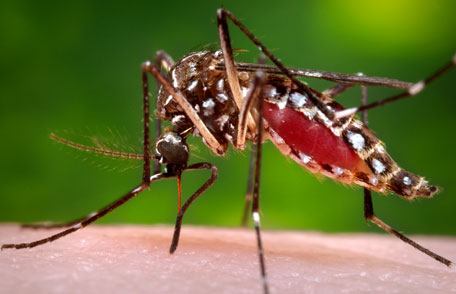


When two organisms evolve in response to the other
Speciation
Coevolution
Gradualism
Convergent evolution
Formation of a new species from pre-existing species
Gradualism
Speciation
Coevolution
Divergent evolution

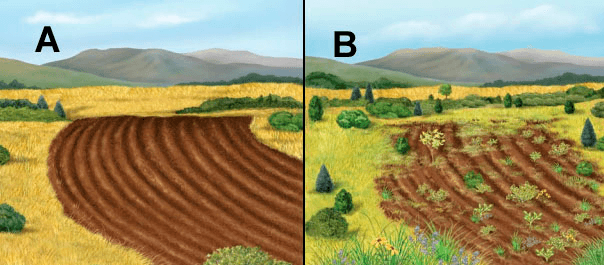
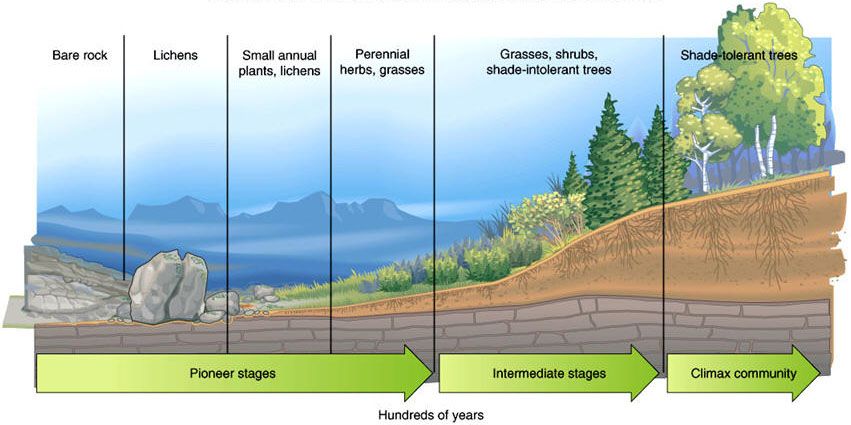



An organism that is killed and eaten by another organism
Predator
Prey
Competition
Adaptation
The struggle between organisms to survive as they attempt to use the same resource
Predator
Prey
Competition
Adaptation
The role of an organism in its habitat, or how it makes its living
Niche
Prey
Competition
Adaptation
On the southwestern prairies there was an increase in the number of pronghorn antelopes over
time. Wolves are one of the major predators of the pronghorn. As time passed, the population of
wolves in the west have increased, and the population of pronghorns is starting to decline. This
probably was caused because:
populations simply fluctuate back and forth over time for no real reason.
the population of wolves increased because they had more pronghorns to eat.
the population of pronghorns declined probably because of a lack of food for them.
There is simply not enough information to tell.
Which of the following graphs represent a competition between two species?


Which of the following is NOT a natural disturbance that is considered when studying economic resilience?
Fires
Flooding
Storms
Introduction of new crop

Which type of succession takes LONGER than the other?
Primary
Secondary
Individual organisms breaking up resources into smaller areas to use it is called...
Ecological succession
Niche specializing
Spreading the wealth
Resource Partitioning

competition/confrontation.

Which curve best describes an organism that invests a lot of energy in parenting?


A species that can tolerate many different conditions in an ecosystem is considered a
Generalist
Specialist
Competitor
Producer
An organism that is adapted to a narrow range of conditions is considered a
Specialist
Generalist
Competitor
Consumer

