wayground logo

Free Printable Worksheets

Font size

S
M
L
XL
Worksheets

Anatomical Terminology Quiz

Total questions: 56

Worksheet time: 39mins
Name
Class
Date
1.
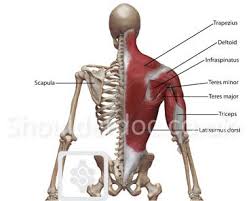
The scapula is on the anterior/posterior side of the body?
a)
deep
b)
posterior
c)
medial
d)
anterior
2.
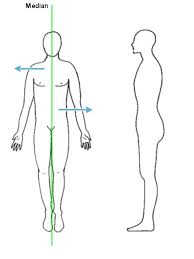
Towards the Front. 
[The eyes are _______ to the brain].
a)
Inferior
b)
Deep
c)
Lateral
d)
Anterior
3.
Away from midline
a)
Lateral
b)
Distal
c)
Superior
d)
Transverse
4.
Divides body into top and bottom portions (superior-head; inferior-feat)
a)
Medial Plane
b)
Sagittal
c)
Proximal 
d)
Transverse Plane
5.
A body part is above another part, or is closer to the head
a)
Superficial
b)
Lateral
c)
Superior
d)
Deep
6.
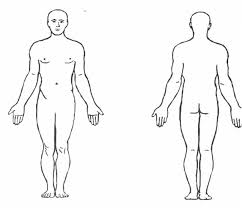
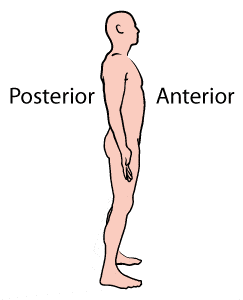
Body is standing straight, facing forward, upper limbs at side and palms facing forward. 
*right and left refer to "right" and "left" of the body in position.
a)
Sagittal
b)
Anatomical Position
c)
Anterior Position
d)
Anatomical Plane
7.
Toward the back; opposite of Anterior
a)
Superior
b)
Posterior
c)
Inferior
d)
Lateral
8.
Away from the origin or trunk
a)
Deep
b)
Distal
c)
Proximal
d)
Posterior
9.
Closer to midline in relation to another part
a)
Deep
b)
Distal
c)
Medial
d)
Proximal
10.
The knee is _______ to the ankle.
a)
proximal
b)
lateral
c)
distal
d)
medial
11.
The head is ______ to the chest.
a)
superior
b)
dorsal
c)
inferior
d)
ventral
12.
The bone is _____ to the skin.
a)
inferior
b)
superficial
c)
deep
d)
posterior
13.
The right shoulder is ______ to the sternum.
a)
medial
b)
proximal
c)
distal
d)
lateral
14.
The rib cage is _____ to the heart.
a)
proximal
b)
medial
c)
superficial
d)
distal
15.
In the anatomical position, the palms are facing-
a)
forward
b)
backward
16.
The hand is ____________ to the biceps.
a)
Superior
b)
Distal
c)
Proximal
d)
Medial
17.
The term used to describe a body part closer to the surface of the body than another
a)
Top
b)
Distal
c)
Superficial
d)
Plantar
18.
Away from midline
a)
Lateral
b)
Distal
c)
Superior
d)
Transverse
19.
Above
a)
Cranial
b)
Proximal
c)
Inferior
d)
Superficial
20.
This term DOES NOT mean below or farther away from
a)
Distal
b)
Inferior
c)
Caudal
d)
Transverse
21.
This term is used only on the limbs (arms and legs)
a)
Proximal
b)
Deep
c)
Anterior
d)
Posterior
22.
If a body part is closer to the head than another part it is .....
a)
Medial
b)
Superior
c)
Distal
d)
Palmar
23.
The knee is _______________ to the ankle as it is closer than the hips.
a)
Superficial
b)
Superior
c)
Proximal
d)
Inferior
24.
The term for moving the arm towards the midline of the body is.....
a)
Lateral
b)
Left
c)
Proximal
d)
Medial
25.
The quadriceps are ________________ to the hamstrings.
a)
Anterior
b)
Inferior
c)
Posterior
d)
Lateral
26.
When doing a star jump, what is the type of movement of the arms when the move outwards from the body?
a)
Abduction
b)
Adduction
c)
Extension
d)
Flexsion
27.
When the outstanding Dustin Martin kicks a football the movement of the knee joint in the back swing, before kicking the ball is......
a)
Abduction
b)
Flexion
c)
Extension
d)
Adduction
28.
The hand is more ____________ than the biceps.
a)
Superior
b)
Distal
c)
Proximal
d)
Medial
29.
Divides body into top and bottom portions (superior-head; inferior-feat)
a)
Medial Plane
b)
Sagittal
c)
Proximal 
d)
Transverse Plane
30.
The surface of the back of the neck.  
a)
superior
b)
inferior
c)
proximal
d)
posterior
31.
The nose is ____ to the chin. 
a)
superior
b)
inferior
c)
proximal
d)
posterior
32.
The eyes are ____ to the nose. 
a)
medial
b)
lateral
c)
inferior
d)
posterior
33.
Closer to midline in relation to another part
a)
Deep
b)
Distal
c)
Medial
d)
Proximal
34.
Which of the following is NOT a plane of the body?
a)
Coronal
b)
Frontal
c)
Transverse
d)
Vertical
35.
Which plane divides the body into left and right sides
a)
Frontal
b)
Coronal
c)
Sagittal 
d)
Transverse
36.
Which of the following planes has a horizontal line through the body
a)
Transverse
b)
Coronal
c)
Lateral
d)
Frontal
37.
What does the coronal plane divide the body into?
a)
Front to back
b)
Side to side 
c)
Left to right
d)
Top to bottom
38.
Your ears are _______ to your eyes
a)
Lateral
b)
Medial
c)
Superior
d)
Inferior
39.
Your thumb is ______ to your pinky
a)
Lateral
b)
Medial
c)
Proximal
d)
Distal
40.
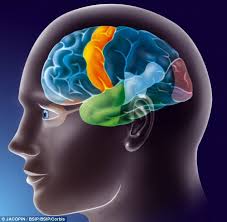
Your head is considered to be: ______
a)
Caudal
b)
Cranial
c)
Superior 
d)
Deep
41.

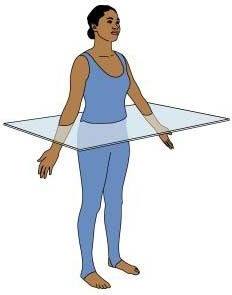
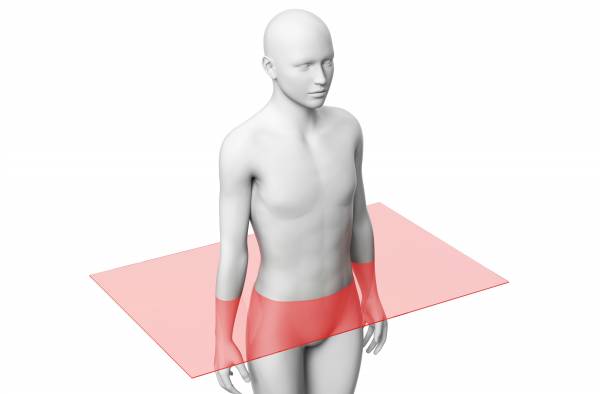
Identify the section or cut.

a)

frontal section

b)

lateral section

c)

transverse section

d)

sagittal section

42.
Turning the hand so that the palm is upward or facing anteriorly (in anatomical position).
a)
supination
b)
pronation
c)
flexion
d)
dorsiflexion
43.
Turning the foot so the plantar surfaces faces medially.
a)
plantar flexion
b)
eversion
c)
inversion
d)
dorsiflexion
44.
Which of the following best describes extension?
a)
The straightening of a joint where the angle of movement increases
b)
The bending of a joint where bones get closer together
c)
The rotation of a joint or spinning of one bone on another
d)
The lateral movement away from the midline
45.

The lateral motion TOWARDS the midline is called ______.

a)

adduction

b)

abduction

c)

circumduction

d)

opposition

46.
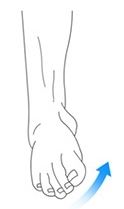
What movement is occurring here?
a)
Eversion
b)
Flexion
c)
Dorsiflexion
d)
Plantarflexion
47.
Movement away from the mid-line is called _____________.
a)
abduction
b)
adduction
c)
internal rotation
d)
external rotation
48.
The person in the image is ___________________ their jaw.
a)
elevatating
b)
depressing
c)
protracting
d)
retracting
49.
Flexing your foot; toes towards the ceiling
a)
dorsiflexion
b)
plantar flexion
c)
opposition
d)
elevation
50.

Signs belong in what section of the SOAP note?

a)

Subjective

b)

Objective

c)

Assessment

d)

Plan

51.

Symptoms and mechanism of injury belong in what section of the SOAP note?

a)

Subjective

b)

Objective

c)

Assessment

d)

Plan

52.

The name of the physician that you are going to refer the athlete to belongs in what section of the SOAP note?

a)

Subjective

b)

Objective

c)

Assessment

d)

Plan

53.

A Sprain is an injury to (may be more than one answer)

a)

a ligament

b)

a tendon

c)

a muscle

d)

a bone

54.

A Strain is an injury to (may be more than one answer)

a)

a ligament

b)

a tendon

c)

a muscle

d)

a bone

55.

Ligament connects

a)

bone to bone

b)

muscle to bone

c)

skin to muscle

56.

Tendon connects

a)

bone to bone

b)

muscle to bone

c)

skin to muscle