wayground logo

Free Printable Worksheets

Font size

S
M
L
XL
Worksheets

13 Week Practice

Total questions: 130

Worksheet time: 7hrs 15mins

Name
Class
Date
1.

Look at the formula. What can you tell by looking at this formula?

a)

It has 1 Carbon atoms

b)

It has 2 Oxygen atoms

c)

It is a chemical compound

d)

All of the above

2.

Which is an example of an element

a)

Cl

b)

HO

c)

NaC2

3.

Which group contains only compounds?

a)

CO, NaCl, Cl, O2

b)

NaCl, HO, HCl, H2O

c)

Pb, Cl, Fe, He

4.

Which is a mixture?

a)

Salt

b)

Baking Soda

c)

Koolaide

5.
This picture represents which of the following?
a)
element
b)
compound
c)
mixture
6.
How is a compound different from a mixture?
a)
Solids, liquids, and gases can form compounds
b)
Each substance in a compound loses its characteristic properties
7.
This picture represents which of the following?
a)
element
b)
compound
c)
mixture
8.
This picture represents which of the following?
a)
element
b)
compound
c)
mixture
9.
How many elements are represented in the compound?
Na2CO3
a)
1
b)
2
c)
3
d)
4
10.
Covalent bonds are between...
a)
Metal and Non-metal
b)
Non-metal and Non-metal
c)
Metal and Metal
11.
Ionic bonds are between...
a)
Metal and Non-metal
b)
Non-metal and Non-metal
c)
Metal and Metal
12.
How are covalent bonds formed?
a)
Sharing of electrons
b)
Transfer of electrons
13.
How are ionic bonds formed?
a)
Transfer of electrons
b)
Sharing of electrons
14.
Is hydrogen considered a metal or a non-metal?
a)
A metal
b)
Nonmetal
c)
Metalloid
15.
A mixture that appears to be evenly mixed throughout:
a)
an atom
b)
a compound
c)
a homogeneous mixture
d)
a heterogeneous mixture
16.
 mixture that does NOT appear to be evenly mixed throughout:
a)
an atom
b)
a compound
c)
a homogeneous mixture
d)
a heterogeneous mixture
17.
The horizontal rows on the Periodic Table are
a)
Families
b)
Groups
c)
Periods
d)
Metals
18.
Elements on the Periodic Table along the ZigZag line are
a)
Metals
b)
Metalloids
c)
Non-Metals
d)
Families
19.
The vertical columns on the Periodic Table are
a)
Periods
b)
Families/Groups
c)
Metals
d)
Non-Metals
20.
Which 2 Subatomic Particles make up the Nucleus of atoms?
a)
Protons & Electrons
b)
Neutrons & Electrons
c)
Protons & Neutrons
21.
Electrons have a _______ electrical charge.
a)
Positive (+)
b)
Neutral (No Charge)
c)
Negative (-)
22.
Elements located to the right of the ZigZag line are
a)
Non-Metals
b)
Metals
c)
Metalloids
d)
Periods
23.
Protons have a ________ electrical charge.
a)
Negative (-)
b)
Positive (+)
c)
Neutral (No Charge)
24.
In this picture, the Electrons are found in which color?
a)
Blue
b)
Red
c)
Green
25.
Elements located to the left of the ZigZag line are 
a)
Non-Metals
b)
Metals
c)
Metalloids
26.
Neutrons have a __________ electrical charge.
a)
Positive (+)
b)
Negative (-)
c)
Neutral (No Charge)
27.
Electrons in atoms are found where?
a)
In the Nucleus
b)
In the Shell/Level around the Nucleus
28.
Matter in the universe is made from atoms.  Atoms make up these pure substances that cannot be broken down into a simpler form.  
a)
Compounds
b)
Elements
c)
Molecules
d)
Periodic Table
29.
How many shells/levels does this atom have?
a)
1
b)
2
c)
3
d)
4
30.
Each element on the Periodic Table has its own different (unique) ____.
a)
Family
b)
Atom
c)
Period
d)
Metalloid
31.
An Element's _____ _____ refers to just the number of Protons in the Nucleus.
a)
Atomic Mass
b)
Atomic Number
c)
Subatomic Particle
32.
Which Period would this element be found on just by looking at the shells/levels?
a)
1
b)
2
c)
3
d)
4
33.
The Periodic Table arranges Elements in order by
a)
decreasing Atomic Mass
b)
increasing Atomic Number
c)
decreasing Atomic Number
d)
increasing Atomic Mass
34.
The Element Symbol for Sodium is
a)
Mg
b)
Na
c)
Au
d)
Cl
35.
How many atoms TOTAL does the compound COhave?
a)
1
b)
2
c)
3
d)
4
36.
_________ must have at least 2 or more different atoms/elements.
a)
Compounds
b)
Molecules
c)
Elements
d)
Protons
37.
Is burning wood a chemical or physical change?
a)
chemical
b)
physical
38.
Is glass breaking a chemical or phyiscal change?
a)
chemical
b)
physical
39.
Is a a rusting bicycle a chemical or physical change?
a)
chemcial
b)
physical
40.
Is bleaching your hair a physical or chemical change?
a)
physical
b)
chemical
41.
Is making salt water to gargle with a physical or chemical change?
a)
physical
b)
chemical
42.
An gel ice pack getting cold after you put it in the freezer for an hour.
a)
Chemical Change
b)
Physical Change
43.
A change in the size, shape, or state of matter.
a)
chemical change
b)
physical change
c)
chemical reaction
d)
electron change
44.
Baking a cake by mixing flour, sugar, chocolate powder, eggs, and milk, and then heating them in the oven.
a)
Chemical Change
b)
Physical Change
45.
Which of the following is NOT an example of a physical change?
a)
crumpled paper
b)
pencil sharpening
c)
shrunken clothing
d)
sour milk
46.
A change in which NEW substances are formed.
a)
Chemical change
b)
Physical change
c)
Casual change
d)
Formal change
47.
In the equation,          2Mg + O2 ---> 2MgO, which are the reactants?
a)
Mg and O
b)
MgO
c)
Mg and MgO
d)
O and MgO
48.
Exothermic reactions...
a)
Absorb energy
b)
Release energy
c)
Release Color
d)
Absorb Color
49.
In chemical reactions, the law of conservation of mass is......
a)
disobeyed
b)
not true
c)
obeyed
d)
used sometime
50.
In an exothermic reaction, heat is ...
a)
taken in or absorbed
b)
given out or released
51.
In an endothermic reaction, heat is ...
a)
taken in or absorbed
b)
given out or released 
52.
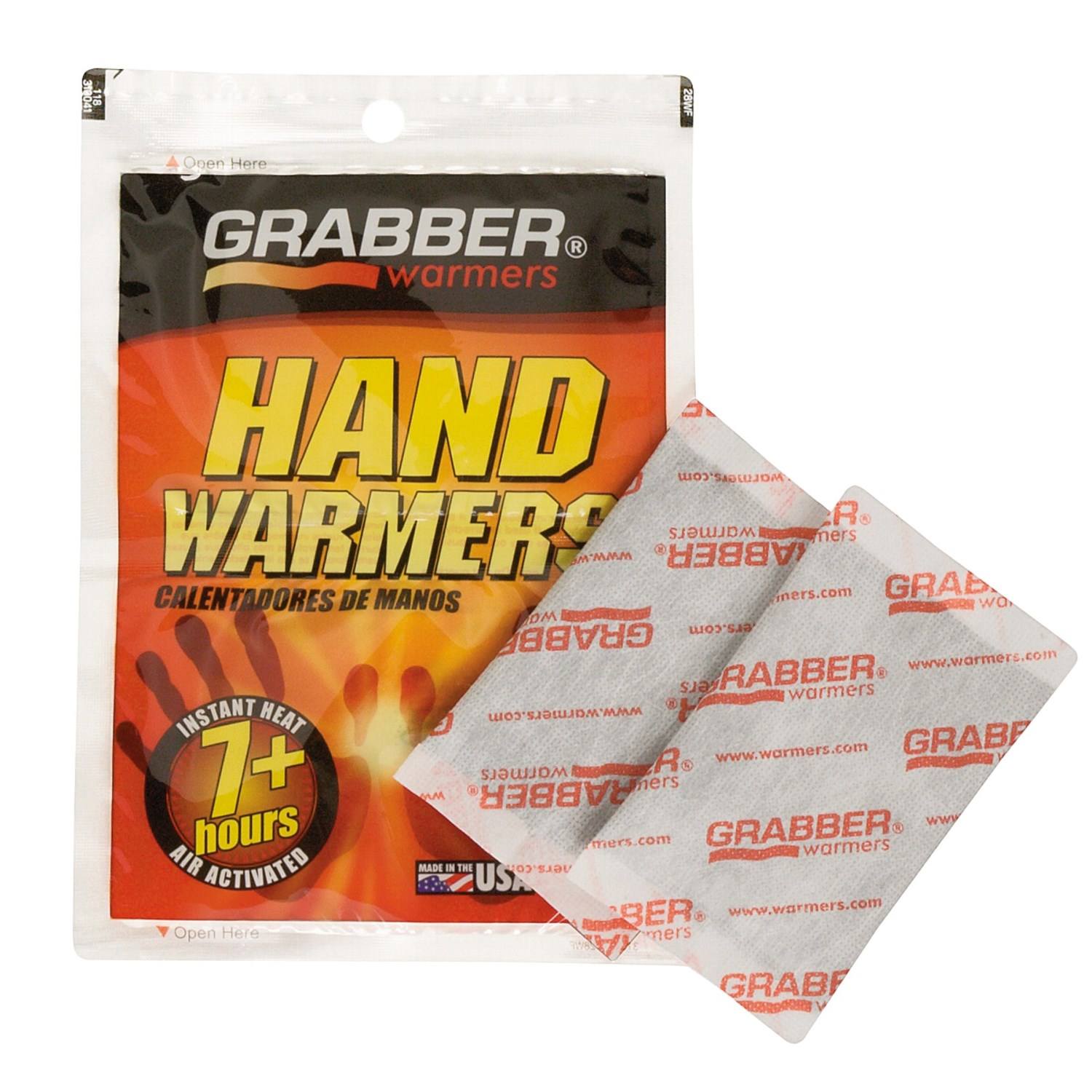
What type of reaction occurs in a hand warmer
a)
exothermic
b)
endothermic
53.

Which organelle is only found in a plant cell?

a)

Nucleus

b)

Mitochondria

c)

Chloroplast

d)

Cell Membrane

54.

Directs all cell activities through the DNA Located here.

a)

Lysosomes

b)

Ribosomes

c)

Nucleus

d)

Mitochondria

55.

I am a protein packaging and shipping machine! Who am I?

a)

Vacuoule

b)

Ribosome

c)

Mitochondria

d)

Golgi apparatus

56.

What is the name of the genetic material that is inside the nucleus?

a)

ER

b)

ATP

c)

YOLO

d)

DNA

57.

What is found in both plant and animal cells but is much larger in plant cells?

a)

Vacuole

b)

Chloroplast

c)

Mitochondria

d)

Nucleus

58.

Where are proteins made?

a)

Golgi apparatus

b)

Ribosomes

c)

Mitochondria

d)

Chromosomes

59.

This organelle takes food and turns it into ENERGY for plant and animal cells.

a)

Chloroplast

b)

Lysosome

c)

Mitochondria

d)

Ribosome

60.

The site of photosynthesis

a)

Ribosome

b)

Chloroplast

c)

Mitochondria

d)

Nucleus

61.

I am the outer most layer of an animal cell. What am I?

a)

Cell Wall

b)

Cell Membrane

c)

Nucleus

d)

Cell Skin

62.

A rigid layer that lies outside the cell's membrane is...

a)

Cytoskeleton

b)

Cell Wall

c)

Cilia

d)

Flagella

63.

What organelle is called the "powerhouse" of a cell?

a)

Endoplasmic Reticulum

b)

Mitochondria

c)

Nucleus

d)

Nucleolus

64.

What is the gel-like substance inside of cells called?

a)

Photoplasm

b)

Photosynthesis

c)

Cytoskeleton

d)

Cytoplasm

65.

The ___________ is the basic unit of life

a)

Organ

b)

Atom

c)

Cell

d)

Tissue

66.

Which of the following is the smallest unit of life that can carry out all life functions?

a)

The mitochondria

b)

The nucleus

c)

The vacuoles

d)

The cell

67.

Which structures are found in every living cell?

a)

cell membrane and cytoplasm

b)

a cell wall and nucleus

c)

chloroplasts and mitochondria

d)

chloroplasts and cell wall

68.

Cells with a nucleus and membrane-bound organelles are called ____________________.

a)

prokaryotes

b)

bacteria

c)

eukaryotes

d)

protists

69.

Which of the following is not part of the cell theory?

a)

cells must contain DNA

b)

cells can only come from other cells

c)

all living things are made from cells

d)

cells are the basic unit of life

70.

He discovered that all plants are made of cells:

a)

Anton van Leeuwenhoek

b)

Robert Hooke

c)

Theordor Schwann

d)

Mattias Schleiden

71.

Who was the first person to see cells under the microscope and give them their name?

a)

Mattias Schleiden

b)

Theordor Schwann

c)

Robert Hooke

d)

Anton van Leeuwenhoek

72.

Which of the following scientists contributed to the cell theory?

a)

Rudolf Virchow, Robert Hooke, Anton van Leuwenhoek

b)

Robert Hooke, Theodor Schwann, Anton von Leuwenhoek

c)

Matthais Schleiden, Theodor Schwann, Rudolf Virchow

d)

Theodor Schwann, Matthais Schleiden, Robert Hooke, Anton van Leuwenhoek, Rudolf Virchow

73.

What is one way in which all living things on Earth are alike?

a)

All living things have hair.

b)

The cells of all living things have chloroplast.

c)

All living things are made of cells and come from other cells.

d)

All living things can move.

74.

Which statement reflects one of the major components of the cell theory?

a)

All living things are multi-cellular.

b)

All cells come from previously existing cells.

c)

Organs are the basic unit of structure and function for all living things.

d)

Every organism has a reproductive system to ensure survival of the species.

75.

What structures distinguish a plant cell from an animal cell?

a)

Plant cells have cell walls and ribosomes.

b)

Plant cells have chloroplasts and ribosomes.

c)

Plant cells have cell walls and chloroplasts.

d)

Plant cells have chloroplasts and mitochondria.

76.
Using this image, what organelle is C?
a)
Cell Wall
b)
Mitochondria
c)
Large Cell Vacuole
d)
Chloroplast
77.
I make proteins for the cell. What am I?
a)
ribosome
b)
mitochondria
c)
chloroplast
d)
lysosome
78.
Which is an example of a physical property?
a)
ability to react with acid
b)
 state of matter
c)
flammability
d)
ability to react with oxygen
79.
Which is NOT a physical property?
a)
odor
b)
reacts with acid
c)
ability to conduct electric current
d)
hardness
80.
Physical properties are
a)
properties that can be observed without changing the identity of the substance
b)
properties that describe how a substance changes into a completely different substance
81.
At higher temperatures
a)
particles in an object have less energy
b)
particles in an object move faster
c)
a gas contracts
82.
A gas
a)
has a definite shape but no definite volume
b)
has a definite volume but no definite shape
c)
has fast-moving particles
83.
Freezing
a)
Solid to gas
b)
Liquid to solid
c)
Gas to solid
d)
Liquid to gas
84.
Boiling
a)
liquid to gas
b)
gas to solid
c)
gas to liquid
d)
solid to liquid
85.
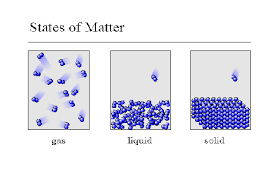
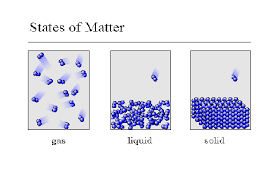
Which state of matter has tightly packed molecules?
a)
solid
b)
liquid
c)
gas
86.
Which state of matter has a definite shape?
a)
solid
b)
liquid
c)
gas
87.
What is happening when my ice cream changes from a solid to a liquid?
a)
freezing
b)
melting
c)
burning
d)
evaporation
88.
Define a liquid.
a)
Indefinite shape, indefinite volume
b)
Definite shape, definite volume
c)
Found in stars
d)
Definite volume, indefinite shape
89.
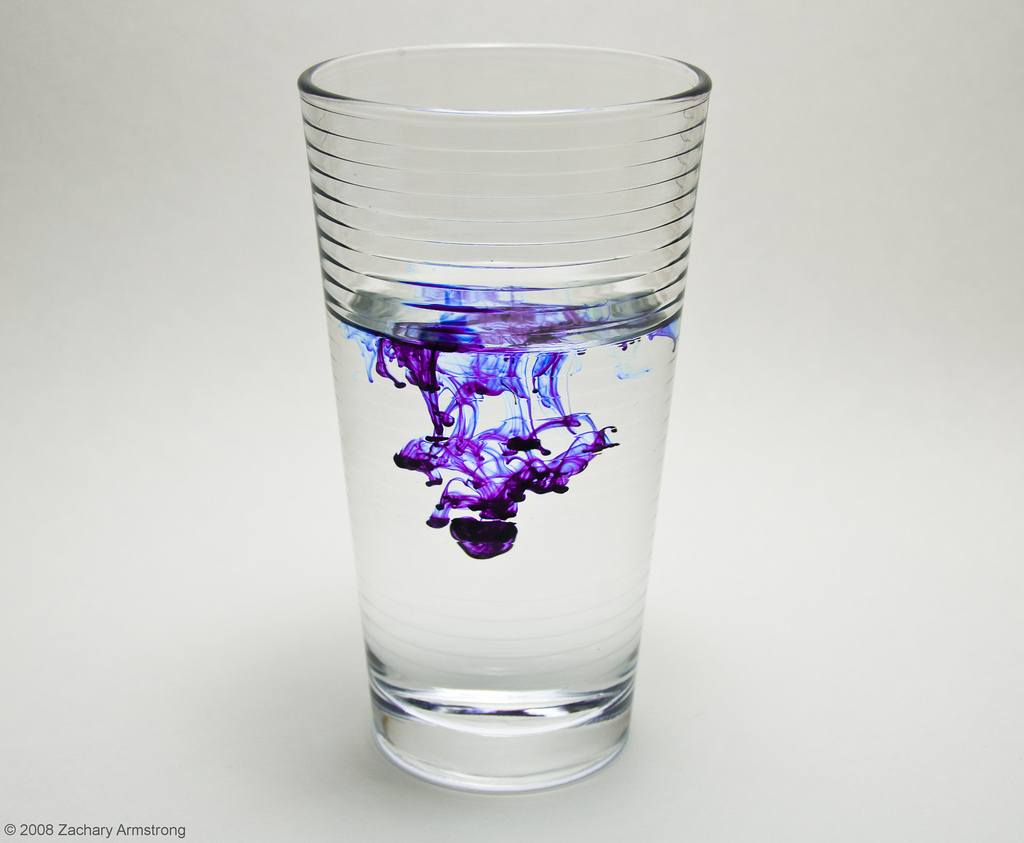
Where is there a low concentration of dye?
a)
at the bottom of cup
b)
in the color
c)
at the top of cup 
d)
no concenteraion gradient
90.
Osmosis is the movement of _____ across a membrane.
a)
food
b)
energy
c)
oxygen
d)
water
91.
During osmosis
a)
water moves from high to low concentration
b)
large or oddly shaped molecules move across a cell membrane
c)
water moves when energy is used
d)
proteins are built
92.
Permeable means
a)
things can pass through
b)
the concentration levels are different
c)
it is permanent
d)
things are stuck
93.
Where is there a high concentration of water?
a)
in the flower
b)
cannot be determined by picture.
c)
in the vase
d)
in the leaves
94.
What is Osmosis?
a)
equal concentration
b)
diffusion of water through a selectively-permeable membrane
c)
high to low concentration
d)
non-polar tail
95.
Which is true about active transport?
a)
It requires energy
b)
it does not require energy
c)
It moves substances down the concentration gradient
d)
it moves material from high to low concentration
96.
Bacteria is what kind of cell?
a)
Eukaryotic
b)
Prokaryotic
97.
Cells can only be seen with the help of a...
a)
hand lens 
b)
magnifying glass
c)
3D glasses 
d)
microscope 
98.
What is unicellular? 
a)
one cell 
b)
many cells 
c)
no nuclues 
d)
DNA 
99.
What is multicellular? 
a)
one cell 
b)
no cells 
c)
many cells 
d)
no nucleus 
100.
All cells come from other...
a)
cells 
b)
plants 
c)
nucleus 
d)
microscopes 
101.
What type of cell has a nucleus? 
a)
eukaryotic
b)
prokaryotic 
102.
What type of cell does not have a nucleus?
a)
eukaryotic 
b)
prokaryotic 
103.
Plants and animal cells are examples of ___ cells 
a)
prokaryotic cells 
b)
eukaryotic cells 
104.
Has membrane bound organelles
a)
Prokaryote
b)
Eukaryote
c)
both
105.
Smaller
a)
Prokaryote
b)
Eukaryote
c)
both
106.
more complex
a)
Prokaryote
b)
Eukaryote
c)
both
d)
both
107.
multicellular
a)
Prokaryote
b)
Eukaryote
c)
both
108.
Where is the DNA found in a prokaryotic cell? 
a)
floating around in the cytoplasm 
b)
in the nucleus 
109.
I have cell walls
I am an autotroph
I am multicellular
What am I?
a)
Plant
b)
Animal
c)
Eubacteria
d)
Unicorn
110.
I have no cell walls
I am eukaryotic
I reproduce sexually
I am multicellular
What kingdom do I belong to?
a)
Plantae
b)
Animalia
c)
Protista
d)
Fungi
111.
I am unicellular
I am prokaryotic
I am found in extreme ecosystems
What kingdom do I belong to?
a)
The Candy Kingdom
b)
Kingdom Plantae
c)
Kingdom Animalia
d)
Kingdom Archaebacteria
112.
I can be either a heterotroph or an autotroph-
I can be either multicellular or unicellular-
I can have cell walls or not-
The only thing for sure about me is that I have a nucleus in my cells...
I am Kingdom ____________ .

a)
Plantae
b)
Protista
c)
Animalia
d)
of Oz
113.
Kingdom Plantae is
a)
autotroph
b)
heterotroph
c)
trophy wife!
114.
Kingdom Animalia is
a)
Eukayotic
b)
Prokaryotic
c)
Pick me!
d)
No, Pick me!!
115.
Kingdom Archaebacteria is...
a)
unicellular
b)
multicellular
c)
bigger than life!
d)
really pretty, just so pretty.
116.
Members of  Kingdom Animalia don't have these...
a)
cell walls, or chloroplasts
b)
nucleus
c)
Netflix membership
d)
Amazon Prime, man they are lame.
117.
Members of  Kingdom Animalia are...
a)
heterotrophs.
b)
autotrophs
118.
My Kingdom includes mushrooms and yeast!
a)
Animalia
b)
Plantae
c)
Eubacteria
d)
Fungi
119.
How many kingdoms are there?
a)
2
b)
3
c)
6
d)
8
120.
What can an Autotrophic organism due that a heterotrophic organism can NOT?
a)
Make their own food 
b)
Have a nuclues
c)
Reproduce through binary fission
d)
They're the same
121.
Do prokaryotes have a nucleus? 
a)
yes
b)
no
122.
Streptococci and cyanobacteria are examples of
a)
Protist
b)
Fungi
c)
Archaea
d)
Eubacteria
123.
Seaweed, algae, slime, mold and mildew are examples of
a)
Plants
b)
Protist
c)
Fungi
d)
Archaea
124.
All of the following have a nucleus except...
a)
Bacteria
b)
Animalia
c)
Plantae
d)
Protista
125.
 Archaebacteria... 
a)
Are eukaryotic
b)
live in extreme environments 
c)
Are non-living 
d)
Are heterotrophic
126.
What field of study names living things?
a)
Taxonomy
b)
Taxidermy
c)
Taxi Driving
d)
Namology
127.
When DNA is contained in a nucleus the cell is
a)
Eukaryotic
b)
Prokaryotic
c)
Unicellular
d)
Multicellular
128.
This kingdom includes unicellular organisms, they reproduce quickly by binary fission (asexual), and are common bacteria.
a)
Archaebacteria
b)
Fungi
c)
Eubacteria
d)
Protists
129.
What is true of all plants
a)
multicellular
b)
unicellular
130.
What is true of all plants
a)
consumer
b)
decomposer
c)
producer