wayground logo

Free Printable Worksheets

Font size

S
M
L
XL
Worksheets

Fall 1111 Final Exam Study Review

Total questions: 102

Worksheet time: 2hrs 2mins

Name
Class
Date
1.
Classify the compound based on the functional group present.
a)
amine
b)
amide
c)
ether
d)
ester
2.
Classify the compound based on the functional group present.
a)
carboxylic acid
b)
aldehyde
c)
alcohol
d)
ether
3.
Classify the compound based on the functional group present.
a)
aldehyde
b)
ketone
c)
alcohol
d)
carboxylic acid
4.
Small molecules that make up larger molecules.
a)
monomer
b)
polymer
c)
synthetic
d)
plastic
5.
The diagram shows a bond forming between two amino acids. What is the name of this reciprocation?
a)
Dehydration Synthesis
b)
Hydrolysis
c)
Pepysis
d)
Oxidation
6.
Enzymes are capable of increasing the rate of a chemical reaction within a living cell.  Enzymes accomplish this through which of the following means?
a)
reducing the number of products   
b)
reducing the activation energy
c)
increasing the temperature of the cell
d)
increasing the concentration of reactants 
7.
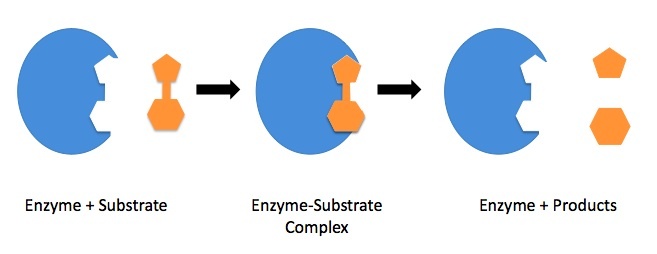
What is structure A?
a)
Substrate
b)
Active site
c)
Enzyme
d)
Products
8.
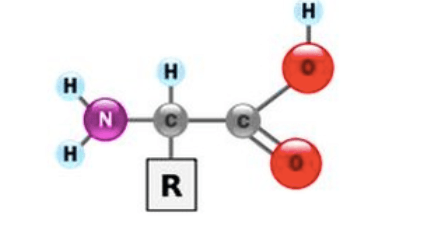
Each amino acid is different from the other due to....
a)
The R group
b)
The amino group
c)
The carboxyl group
d)
The central carbon
9.
A simple chain of amino acids
a)
primary protein structure
b)
secondary protein structure
c)
tertiary protein structure
d)
quaternary protein structure
10.
The bond that joins amino acids are called:
a)
Peptide Bonds
b)
Ester Bonds
c)
Glycosidic Linkages
d)
Phosphodiester Bonds
11.
The structure of proteins can be changed by environmental factors such as temperature or pH.
a)
True
b)
False
12.
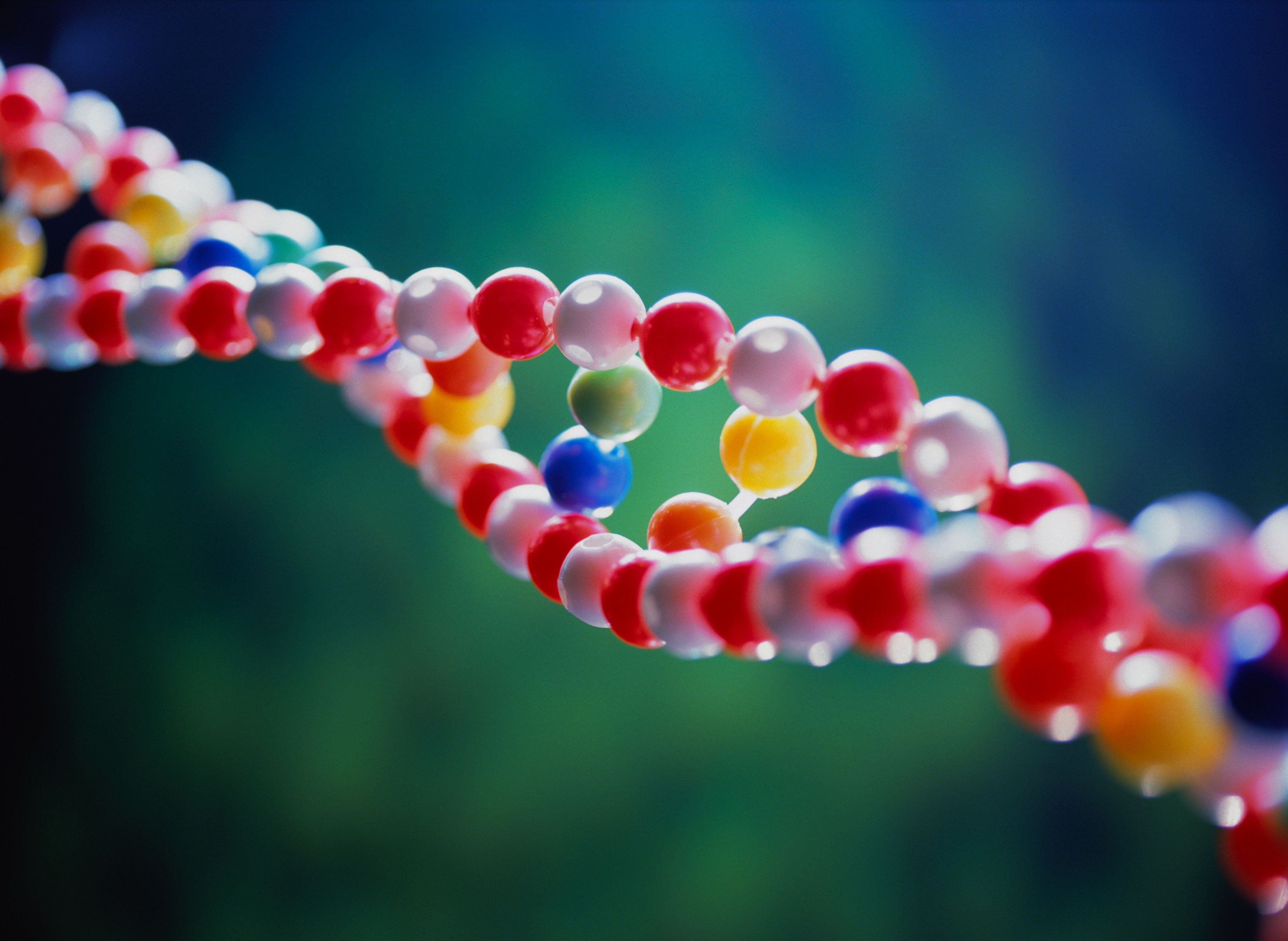
Which biomolecule is this a picture of?
a)
Amino Acid
b)
Nucleic Acid
c)
Lipid
d)
Carbohydrate
13.
Carbohydrates are made of... 
a)
C H O
b)
C H O N
c)
C H O N P
d)
C H O N S
14.
DNA is replicated during ______ of the cell cycle.
a)
G1
b)
S
c)
G2
d)
G0
15.
The process by which the nuclear material is divided equally between two new cells
a)
mitosis
b)
cancer
c)
spindle
d)
centromere
16.
Another name for a sex cell is a:
a)
gamete
b)
embryo
c)
bone cell
d)
muscle cell
17.
The process on the left is:
The process on the right is:
a)
Left: meiosis
Right: meiosis
b)
Left: meiosis
Right: cloning
c)
Left: mitosis
Right: meiosis
d)
Left: mitosis
Right: mitosis
18.
Name the phase:
a)
Prophase
b)
Metaphase
c)
Anaphase
d)
Telophase
19.
Meiosis results in ______.
a)
4 genetically distinct haploid gametes
b)
2 genetically distinct cells
c)
2 genetically identical cells
d)
4 genetically identical cells
20.
When does crossing over occur?
a)
Interphase
b)
Prophase 1
c)
Prophase 2
d)
Metaphase 1
21.
When an area of a chromatid is exchanged with the matching area on a chromatid of its homologous chromosome, _________________ occurs
a)
crossing over
b)
mutagenesis
c)
hybridization
d)
fertilization
22.
One difference between a cancer cell and a normal cell is that
a)
Cancer cells divide uncontrollably
b)
Normal cells divide uncontrollably
c)
Cancer cells cannot make copies of DNA
d)
Normal cells cannot make copies of DNA
23.
What happens during the S phase of Interphase?
a)
Cells divide
b)
Cells grow and make protein
c)
Cells copy their DNA
d)
Cells Die
24.
Normal cell division is regulated by...
a)
Proto-oncogenes
b)
oncogenes
25.
Segment of DNA on a chromosome that contains instructions for protein synthesis and controls a particular inherited trait
a)
Gene
b)
Pedigree
c)
Punnett Square
d)
Dominant
26.
The physical characteristic that shows up in an organism (what you see)
a)
Phenotype
b)
Genotype
c)
Genes
d)
Homozygous
27.
The law of independent assortment describes the fact that..
a)
if an organism is heterozygous they will have the dominant trait
b)
alleles split apart from each other during gamete formation
c)
inheritance of one trait had no effect on the inheritance of another
28.
Where does transcription take place?
a)
nucleus
b)
cytoplasm
c)
ribosome
29.
Process in which the gene sequence in DNA is copied to a mRNA strand.
a)
DNA replication
b)
Transcription
c)
Translation
d)
Mutation
30.
What is tRNA role during translation?
a)
To bring the amino acids to the ribosome
b)
Positioning the ribosome
c)
Carries the instructions on how to make a protein.
d)
None of the above
31.
What process is shown?
a)
Translation
b)
Transcription
c)
DNA replication
d)
Non-disjunction
32.
A mutation that involves one or a few nucleotide.
a)
Point mutation
b)
Inversion
c)
Translocation
d)
none of the above
33.

Using the table what does the codon CCA code for?

a)

alanine

b)

Proline

c)

Leucine

d)

Methionine

34.
Using the codon identify the amino acid sequence:
AUG-GGC-ACC-UCA-UGA
a)
MET-GLU-VAL-TYR-STOP
b)
MET-GLY-THR-SER-STOP
c)
MET-SER-THR-GLY-STOP
d)
MET-LYS-ASN-STOP
35.
What is the relationship between a protein, the cell, and DNA?
a)
DNA is produced by protein which is produced in the cell
b)
Protein is composed of DNA which is produced in the cell
c)
DNA controls the production of protein in the cell
d)
A cell is composed of DNA and protein
36.
The diagram shows the process of
a)
Transcription
b)
Translation
c)
Replication
d)
Mitosis
37.
What is an exon?
a)
section of mRNA that codes for protein
b)
section of mRNA that does not code for protein
c)
section of tRNA that codes for protein
d)
section of rRNA that codes for protein
38.
Which enzyme is responsible for adding nucleotides?
a)
Topoisomerase
b)
DNA Polymerase
c)
Ligase
d)
Primase
39.
Which enzyme seals okazaki fragments together on the lagging strand?
a)
Topoisomerase
b)
Helicase
c)
Polymerase
d)
Ligase
40.
What do we call DNA replication since new DNA has 1 parent strand and 1 new strand?
a)
Conservative 
b)
Semiconservative 
c)
Dispersive
41.
Why is DNA important?
a)
it is very small and very complicated
b)
it's in everything
c)
it serves as the blueprint for traits of all living things
d)
because we eat it every day for energy
42.

Which enzyme is responsible for checking DNA for errors, and fixing it?

a)

DNA Polymerase

b)

DNA Primase

c)

DNA Helicase

d)

RNA Polymerase

43.

What are introns?

a)

Sequences of nucleotides that are removed to form mature RNA in eukaryotes

b)

Sequences of nucleotides that are removed to form mature RNA in prokaryotes

c)

Sequences that remain in mature RNA after exons have been removed

d)

Small pieces of circular DNA that are found in prokaryotes

44.
Small segments of DNA made on the lagging strand are called:
a)
Okazaki Fragments
b)
ERVs
c)
Transposable Elements
d)
Telomeres
45.
Which molecule is responsible for carrying electrons to the Calvin Cycle during photosynthesis?
a)
NADPH
b)
NADH
c)
FADH2
d)
ATP
46.
During which phase of photosynthesis is O2 created?
a)
Light dependent reactions
b)
Calvin Cycle
c)
Citric Acid Cycle
d)
Glycolysis
47.
A sample of a patient's blood is test and it is found that there are slightly low levels of ATP, and very low levels of FADH2. Which process in cellular respiration is most likely affected?
a)
The electron transport chain
b)
the citric acid cycle
c)
pyruvate oxidation
d)
glycolysis
48.
Energy is released from ATP when
a)
a phosphate group is added
b)
adenine bonds to ribose
c)
ATP is exposed to sunlight
d)
a phosphate group is removed
49.
______________ produces the most ATP.
a)
photosnthesis
b)
aerobic respiration
c)
anaerobic respiration
d)
glycolysis
50.
Where does the majority of ATP come from during Cellular Respiration?
a)
Glycolysis
b)
Kreb's Cycle
c)
Electron transport chain
d)
Fermentation
51.
What enzyme in the ETC is responsible for generating the ATP molecules?
a)
ATPase
b)
ATP synthase
c)
Hexokinase
d)
none of the above
52.
During which phase of photosynthesis is O2 created?
a)
Light dependent reactions
b)
Calvin Cycle
c)
Citric Acid Cycle
d)
Glycolysis
53.
When oxygen is released as a result of photosynthesis, it is a direct by-product of
a)
reducing NADP+
b)
splitting water molecules
c)
chemiosmosis
d)
electron transfer in photosystem II and I
54.
How can photosynthesis be related to cellular respiration?
a)
What's produced (made) by one is needed (the reactants) for the other
b)
They both produce the same products
c)
They both have the same reactants (need the same things)
d)
These 2 processes have nothing in common
55.
Which of the following is NOT a product of the light reactions?
a)
ATP
b)
NADPH
c)
Oxygen
d)
Glucose
56.
What are the products (things that are made) in cellular respiration
a)
ATP
b)
Carbon dioxide (CO2)
c)
Water
d)
All of the above
57.
What is the correct equation for cellular respiration?
a)
6O2 + C6H12O6 -> 6CO2 + 6H2O + Energy
b)
6O2 + C6H12O6 + Energy -> 6CO2 + 6H2O
c)
6CO2 + 6H2O -> 6O2 + C6H12O6 + Energy
d)
6CO2 + 6H2O + Energy -> 6O2 + C6H12O6
58.
CAM plants keep stomata closed in daytime, thus reducing loss of water. They can do this because they
a)
fix CO2 into organic acids during the night when temperatures are cooler.
b)
fix CO2 into by combining it with RuBP in the Calvin cycle.
c)
obtain CO2 through their roots during the day.
d)
fix CO2 into organic acids in the mesophyll cells, which do not rely on stomata.
59.
Which order of molecular conversions is correct for the Calvin cycle?
a)
RuBP + G3P → 3-PGA → sugar
b)
RuBisCO → CO2 → RuBP → G3P
c)
RuBP + CO2 → [RuBisCO] 3-PGA → G3P
d)
CO2 → 3-PGA → RuBP → G3P
60.
On hot, dry days, C3 plants shift into this less efficient process because O2 levels rise.
a)
Photorespiration
b)
Photosynthesis
c)
Photoabsorption
d)
Photoreactivity
61.
When a molecule can occupy the same active site as the substrate, a situation called __________________ can result
a)
Competitive lnhibition
b)
Allosteric Regulation
c)
Non-Competitive Inhibition
d)
Feedback Inhibition
62.
How do non-competitive inhibitors affect enzymes?
a)
It binds to the active site, blocking the substrate
b)
It changes the shape of the enzyme
c)
It increases the activation energy
d)
It decreases the activation energy
63.
This type of cell needs a cell wall and chloroplasts
a)
Plant cell
b)
Animal Cell
c)
Bacteria
64.
Where are proteins made? These are small, grain-like or rod shaped organelles.
a)
Golgi body
b)
Mitoichondrion
c)
Chromosomes
d)
Ribosomes
65.

What sorts and packages proteins to be transported out of the cell?

a)

Golgi body

b)

ER

c)

ribosome

d)

mitochondria

66.
Name structure #1.
a)
nucleolus
b)
nucleus
c)
ribosome
d)
cytoplasm
67.
What macromolecule forms channels and pumps across the cell membrane?
a)
Lipids
b)
Proteins
c)
Nucleic Acids
d)
Carbs
68.
This structure is a passageway though out the cell. 
a)
Ribosome
b)
Endoplasmic Reticulum
c)
Nucleus
d)
Cell Membrane
69.
Which organelles produce/synthesize proteins?
a)
ribosomes
b)
rough ER
c)
smooth ER
d)
nucleolus
70.
Which organelle detoxifies drugs and poisons, synthesizes lipids, and is the storage site for calcium ions?
a)
rough ER
b)
smooth ER
c)
lysosome
d)
vesicle
71.
Which cell structure is composed of microtubules and microfilaments and provides support for the cell?
a)
cell wall
b)
cell membrane
c)
cytoskeleton
d)
cytosol/cytoplasm
72.
When an area of a chromatid is exchanged with the matching area on a chromatid of its homologous chromosome, _________________ occurs
a)
crossing over
b)
mutagenesis
c)
hybridization
d)
fertilization
73.
While in the womb, the webbed fingers of the embryo undergo programmed cell death, also known as
a)
apoptosis
b)
cytokinesis
c)
carcinogen
d)
stem cells
74.
Uncontrolled cell division is stopped by...
a)
tumor suppressor genes
b)
oncogenes
75.
Which is an example of a tumor suppressor gene?
a)
apoptosis
b)
proto-oncogenes
c)
p53
d)
oncogenes
76.
Which of these impact enzymes?
a)
all of these
b)
pH
c)
ionic conditions
d)
temperature
77.
What best desribes the main structure of the cell membrane?
a)
phospholipid bilayers
b)
protein bilayers
c)
polyphosphorus layers
d)
enzyme layers
78.
Which of the following functions as a recognition site for interactions between cells?
a)
Phospholipids
b)
Cholesterol 
c)
Fatty acids
d)
Glycolipids
79.

When cells are placed in a __________ solution they begin to swell.

a)

Hypertonic

b)

Isotonic

c)

Hypotonic

d)

Equalized

80.
Hydrophobic region of the cell membrane?
a)
E
b)
B
c)
C
d)
81.
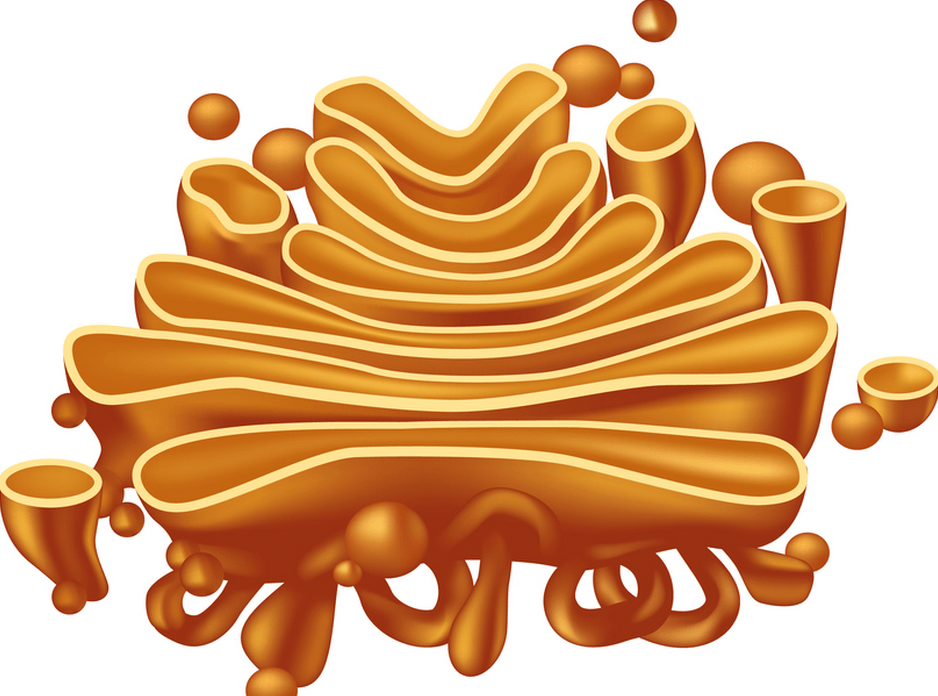
I am a protein packaging and shipping machine! Who am I?
a)
vacuole
b)
ribosome
c)
mitochondrion
d)
golgi apparatus
82.
The cell below is in a _________ solution.
a)
Hypotonic
b)
Hypertonic
c)
Isotonic
83.
Vacuole:
a)
A gel-like material that streams through the cell holding all the other organelles / Also stores chemicals needed for cell processes.
b)
The smallest organelle with a huge job / Makes proteins, which are the building blocks of the body.
c)
A small sack that stores water and food until the cell needs it /  Stores waste temporarily until the cell  gets rid of it.
d)
Stacks of pancake-like membranes that package materials to ship out of the cell.
84.
What 4 structures are common between plant, animal, and bacterial cells?
a)
Golgi Apparatus, Chloroplasts, Ribosomes, Nucleus
b)
Cell Wall, Mitochondria, Cell Membrane, Cytoplasm
c)
Rough ER, Smooth ER, Nucleus, Ribosomes
d)
DNA, Cytoplasm, Ribosomes, Cell membrane
85.
What type of organelle is used during endocytosis and exocytosis?
a)
Endoplasmic Reticulum
b)
Golgi Body
c)
Vesicle
d)
Lysosome
86.
Protein...
a)
A
b)
B
c)
C
d)
D
87.
What genetic disorder causes the body to produce unusually thick mucus in the lungs and intestines? 
a)
Cystic Fibrosis
b)
Sickle Cell
c)
Down Syndrome
d)
Hemophilia
88.
Mutations are a change in what?
a)
DNA
b)
tRNA
c)
genotype
d)
phenotype
89.
Another name for a sex cell is a:
a)
gamete
b)
embryo
c)
bone cell
d)
muscle cell
90.

What goes in box 3

a)

Aabb

b)

AABB

c)

AAbb

d)

aaBb

91.
This type of inheritance pattern is a MIXTURE of both traits.
a)
incomplete dominance
b)
co-dominance
c)
complete dominance
92.
During which part of the cell cycle does the cell divide?
a)
Interphase
b)
Mitosis
c)
S phase
93.

Which of these cells never divides?

a)

Skin cell

b)

Liver cell

c)

Nerve cell

d)

Blood cell

94.

In cats, long hair is recessive to short hair. A true-breeding (homozygous) short haired male is mated with a long-haired heterozygous female. What will their offspring look like? You may choose more than one answer.

a)

50% long haired

b)

50% short haired

c)

100% short haired

d)

100% long haired

95.
Ratios:
A roan cow shows co-dominance in fur color (orange and white). What is the phenotype ratio expected if a roan cow and a roan steer mate together?
a)
4: Orange and White
b)
1: Orange : 1 White
c)
2 Orange: 2 Orange and White: 0 White
d)
1: Orange: 2 Orange and White: 1 White
96.
Hemophilia is a recessive x-linked disorder.
Which genotype represents a female who is a carrier for hemophilia?
a)
XHXh
b)
XhXh
c)
XHXH
d)
XhY
97.
What goes in box 1
a)
AABb
b)
AABB
c)
aabb
d)
AaBb
98.
What goes in box 2
a)
AABb
b)
AaBb
c)
aabb
d)
AaBB
99.
The genotype of the affected son and daughter at the bottom of this pedigree...
a)
could be homozygous dominant
b)
could  be homozygous recessive
c)
could be heterozygous
d)
Can't tell
100.
How many children did I-3 and I-4 have?
a)
2
b)
3
c)
4
d)
5
101.
Mike has type O+ blood. Mike is a Universal Recipient.
a)
True
b)
False
102.
Universal blood donors have type ______ blood.
a)
A
b)
AB
c)
B
d)
O