wayground logo

Free Printable Worksheets

Font size

S
M
L
XL
Worksheets

Review for Fall Semester Test Part 4 2018

Total questions: 113

Worksheet time: 2hrs 55mins

Name
Class
Date
1.
The green chemical "bile" used to chemically emulsify fat (lipids) into fatty acids is made by the ____.
a)
liver
b)
gallbladder
c)
pancreas
d)
small intestine
2.
The ____ produces insulin and enzymes to assist in the digestive processing of food
a)
liver
b)
pancreas
c)
gallbladder
d)
esophagus
3.
Small muscular pouch responsible for storing bile
a)
pancreas
b)
mechanical
c)
amylase
d)
gallbladder
4.
Which stage of digestion removes water?
a)
large intestine
b)
small intestine
c)
mouth
d)
stomach
5.
Where would you expect to find hydrochloric acid?
a)
stomach
b)
small intestine
c)
liver
d)
large intestine
6.
Chewing food is an example of _____________.
a)
chemical digestion
b)
physical digestion
7.
This is an image of the
a)
stomach
b)
small intestine
c)
esophagus
d)
large intestine
8.
Chewing food with teeth is an example of a
a)
physical change
b)
chemical change
9.
Changes the size, shape, or color of food:
a)
Physical digestion
b)
Chemical Digestion
10.
The stomach releases hydrochloric acid and enzymes that break down the protein in meats and turn the protein into amino acids. This change is
a)
Physical
b)
Chemical
11.
Acids and enzymes are used in 
a)
physical digestion
b)
chemical digestion
12.
During chemical digestion 
a)
only changes in size and shape occur
b)
a new substance is formed
13.
Grind
a)
Physical
b)
Chemical
14.
Chew
a)
Physical
b)
Chemical
15.
smaller pieces
a)
physical
b)
chemical
16.
saliva
a)
physical
b)
chemical
17.

Which type of digestion breaks food into simpler nutrients that can be used by the cells?

a)

Chemical

b)

Mechanical

18.

What do you call the process of breaking down food into easily absorbed substances?

a)

respiration

b)

digestion

c)

excretion

d)

reproduction

19.
During chemical digestion 
a)
only changes in size and shape occur
b)
food is chemically changed by acid, bases and enzymes
20.
Which is NOT a function of the Digestive System?
a)
To rid the body of solid waste
b)
Absorb nutrients for energy & growth
c)
Break down nutrients from food
d)
Pump blood around the body
21.

What happens when the food goes to the small intestine?

a)

nutrients gets into the blood

b)

the food gets sent to large intestine

c)

the food gets sent back to the stomach to be digested further

d)

the food enters the cells near small intestine

22.

Breaking food down with the use of enzymes is known as

a)

Chemical Digestion

b)

Physical Digestion

c)

Wind Digestion

d)

Light Digestion

23.
The mouth digests (breaks down) _________ by chewing.
a)
mechanically
b)
chemically
c)
elimination
d)
absorption
24.
This organ absorbs the liquid from undigested foods.
a)
Bladder
b)
Small Intestine
c)
Large Intestine
d)
Kidneys
25.
Which system changes food into a form your body can use? 
a)
respiratory
b)
circulation
c)
digestive
d)
nervous
26.
Tube that carries swallowed food to the stomach
a)
esophagus
b)
liver
c)
pancreas
d)
rectum
27.
What happens when the food goes to the small intestine?
a)
nutrients gets into the blood
b)
the food keeps on going
c)
nothing
28.
Which organ system removes cellular wastes as the result of cellular respiration?
a)
nervous
b)
digestive
c)
excretory
d)
circulatory
29.
These organs are responsible for what?
a)
storing urine
b)
storing water
c)
filtering blood
d)
they don't have a particular job 
30.
Where is urine stored?
a)
kidneys
b)
urinary bladder
c)
urethra
d)
ureters
31.
Which are the tubes that carry urine from the kidney to the bladder?
a)
Adrenal tubes
b)
Kidneys
c)
Ureters
d)
Urethras
32.
What is #4?
a)
Kidney
b)
Ureter
c)
Bladder
d)
Urethra
33.
What is #2?
a)
Kidney
b)
Ureters
c)
Bladder
d)
Urethra
34.
Which organ system removes cellular wastes as the result of cellular respiration?
a)
nervous
b)
digestive
c)
excretory
d)
circulatory
35.
What is the function of the excretory system?
a)
It's responsible for the elimination of waste by homeostasis. 
b)
Makes protein
c)
Transport of nutients, oxygen, and hormones to cells throughout the body and removal of metabolic wastes 
d)
Movement
36.
the pathway of urine formation is
a)
kidney, ureter, bladder, urethra
b)
bladder, kidney, ureter, urethra
c)
ureter, kidney, urethra, bladder
d)
urethra, bladder, kidney, ureter
37.

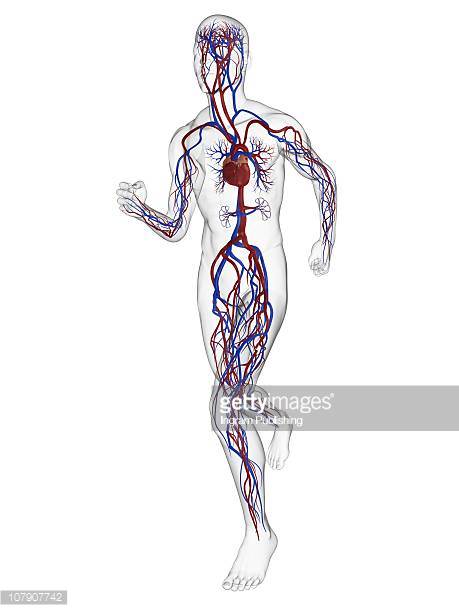
What is the main organ of the circulatory system?

a)

small intestine

b)

bone

c)

lungs

d)

heart

38.

Arteries carry oxygen rich blood away from the heart.

a)

True

b)

False

39.

Veins carry oxygen poor blood back to the heart.

a)

False

b)

True

40.

The job of the heart is to . . .

a)

pump blood around the body.

b)

send food to the small intestines.

c)

break down food.

d)

give energy to the body.

41.

The heart is about the size and shape of your . . .

a)

head

b)

fist

c)

hand

d)

foot

42.

How does the heart work?

a)

It pumps blood first to the lungs, back to the heart and then around the rest of the body.

b)

It pumps blood first to the rest of the body, back to the lungs and then to the heart.

c)

It pumps blood around the rest of the body, back to the heart and then to the lungs,

43.
The circulatory system works with the ___________ system to provide our body with oxygen.
a)
respiratory
b)
digestive
c)
muscular
d)
skeletal
44.
The circulatory system works with the __________ system to obtain energy from nutrients that we eat. 
a)
respiratory 
b)
digestive
c)
skeletal
d)
nervous
45.

How does the circulatory system pump blood around your body ?

a)

veins

b)

capillaries

c)

arteries

d)

carrier bags

46.

What is the main function of blood ?

a)

transport oxygen

b)

waste

c)

nutrients

d)

food

47.

The circulatory system consists of independent systems that work together, what are they?

a)

heart

b)

lungs

c)

arteries

d)

veins

48.

What is the circulatory system responsible for?

a)

flow of blood

b)

nutrients

c)

oxygen

d)

moves hormones to and from cells

49.

True or False?

a)

The heart pumps blood through the network of arteries and veins

b)

Blood vessels transport oxygenated blood from the heart

c)

Delivers oxygen and nutrients to the bodies cells

d)

Returns deoxygenated blood back to the heart

50.

What is the organ that pumps blood all throughout the human body?

a)

Lungs

b)

Heart

c)

Kidneys

d)

Blood vessels and capillaries

51.
Thin-walled vessels that allow for the exchange of O2 , CO2, nutrients and wastes between blood cells or air sacs in the lungs
a)
Arteries
b)
Veins
c)
Capillaries
52.
Which is NOT a function of the circulatory system?
a)
deliver O2 and nutrients to cells
b)
remove CO2 and wastes from cells
c)
break down carbohydrates into glucose
d)
transport other materials through body
53.
liquid portion of the blood
a)
leukocytes
b)
erthryocytes
c)
plasma
d)
thrombin
54.
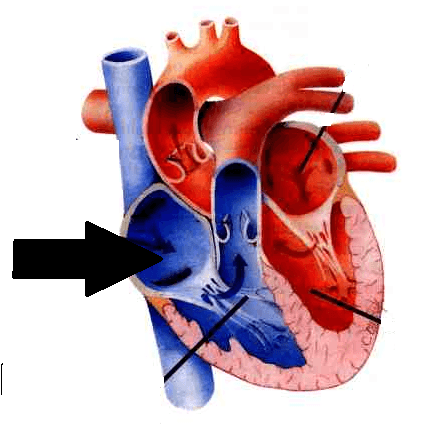
Identify
a)
Left atrium
b)
Right atrium
c)
Left ventricle
d)
Right ventricle
55.
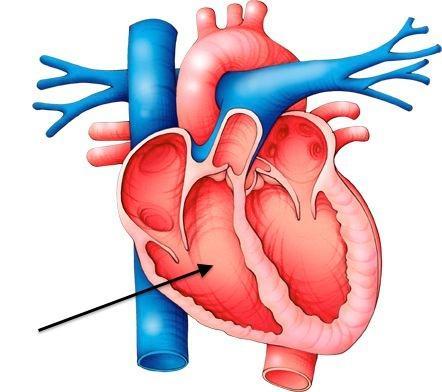
Identify
a)
Left atrium
b)
Right atrium
c)
Left ventricle
d)
Right ventricle
56.
This chamber of the heart RECEIVES blood returning from the body
a)
Right Atrium
b)
Right Ventricle
c)
Left Atrium
d)
Left Ventricle
57.
The aorta is the largest artery in the body. The blood leaving the aorta is full of?
a)
Oxygen 
b)
Carbon Dioxide 
c)
White blood Cells 
d)
Potassium 
58.
What does Deoxygenated mean?
a)
Oxygen-rich
b)
Blood flow
c)
Oxygen-poor
d)
Water Flow
59.
Carry blood away from heart; mostly oxygen-rich
a)
Arteries
b)
Veins
c)
Capillaries
60.
Which is NOT a function of the circulatory system?
a)
deliver O2 and nutrients to cells
b)
remove CO2 and wastes from cells
c)
break down carbohydrates into glucose
d)
transport other materials through body
61.
What does the Circulatory System do?
a)
Circulates the Blood throughout the body
b)
Circulates Water throughout the body
c)
Excretes Waste
d)
Controls all parts of the body
62.
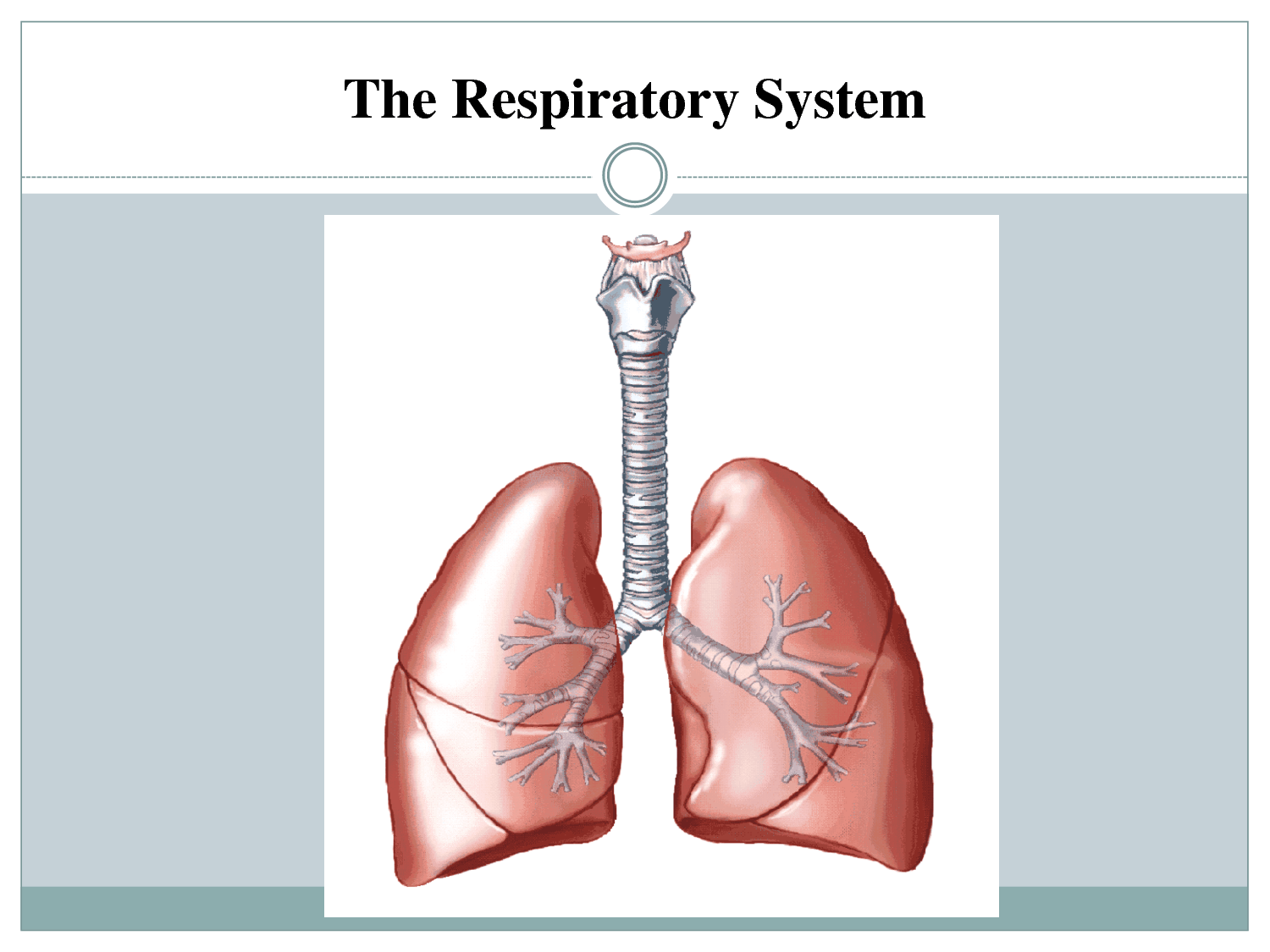
What is the main function of the respiratory system?
a)
to provide oxygen and remove carbon dioxide from the body
b)
to bring oxygen to the body
c)
to break down food and absorb nutrients
d)
to remove oxygen from the body and deliver carbon dioxide
63.
What are the main organs of gas exchange in the respiratory system?
a)
diapragm
b)
lungs
c)
trachea
d)
bronchi
64.
When you breathe, your lungs take in ___ and remove ___. 
a)
air/oxygen
b)
oxygen/carbon dioxide 
c)
carbon dioxide/waste 
d)
waste/air 
65.
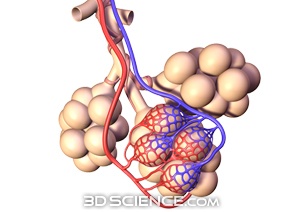
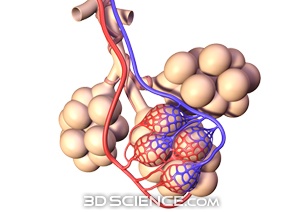
The air sacs that are covered with capillaries where gas exchange takes place
a)
bronchi
b)
lungs
c)
oxygen
d)
alveoli
66.

Oxygen leaving the alveoli to go into the capillary and CO2 leaving the capillary and goes to the alveoli is called

a)

Breathing

b)

Circulation

c)

Gas Exchange

67.

Which muscles aide the body in the breathing process

a)

Rib muscles

b)

Leg muscles

c)

Diaphragm

d)

Back muscles

68.
Which muscle type is found in your stomach, bladder, and intestines?
a)
Skeletal
b)
Smooth
c)
Cardiac
d)
Straight
69.
Which type of muscle is found in your heart?
a)
Skeletal
b)
Smooth
c)
Cardiac
d)
Straight
70.
Which types of muscle tissue are voluntary?
a)
Cardiac
b)
Skeletal
c)
Smooth
d)
Cardiac and Smooth
71.
Voluntary muscle is
a)
muscle that has to be told when to move
b)
muscle that moves automatically
c)
muscle that needs to be stretched regularly
d)
muscle that makes up the heart and stomach
72.

Which of these is NOT one of the functions of your skeletal system?

a)

Support

b)

Movement

c)

Strength

d)

Create blood cells

73.

Which of the following is not a function of bones?

a)

Protection

b)

Blood cell formation

c)

Storage

d)

Absorption

74.
The _________________ gives the body its shape and supports and protects the internal organs.
a)
urinary system
b)
skeletal system
c)
lympthatic/immune system
d)
endocrine system
75.
Which of the following is NOT one of the five major functions of the skeletal system?
a)
The skeletal system gives shape and support to your body
b)
Bones protect your internal organs
c)
Bones become weaker as you get older.
d)
Major muscles are attached to bone and help them move
76.
which one of these IS  a function of the skeletal system 
a)
vitamin D production
b)
fat storage
c)
movement
77.
What is the function of the skeletal system?
a)
It is a complex organ.
b)
It provides transportation.
c)
It provides growth opportunities.
d)
It provides support and protection.
78.

All of the offspring of an organism have the same genetic material, which is identical to the parent organism. From this, we can conclude that this organism -

a)

makes its own food

b)

is unicellular

c)

live in a marine habitat

d)

reproduces asexually

79.

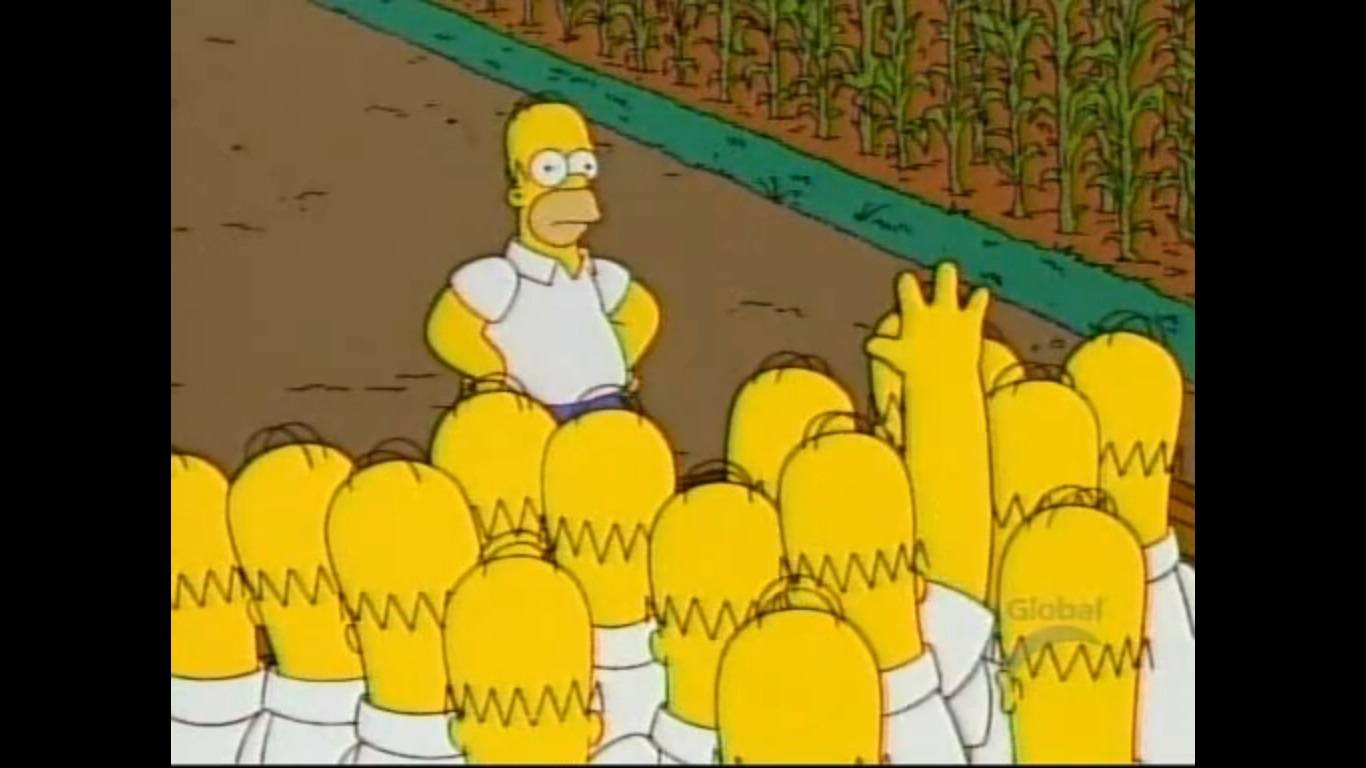
California blackworms, also known as mudworms, are able to break apart. Each body section that broke apart is able to become an identical new worm. What type of reproduction does this example represent?

a)

Sexual reproduction

b)

Asexual reproduction

80.
What is a disadvantage of asexual reproduction?
a)
New species of organisms cannot come into being.
b)
The offspring does not multiply rapidly.
c)
The offspring does not live for long.
d)
All of these
81.
The genetic instructions are found in ---- within the DNA
a)
traits
b)
chromosomes
c)
genes
d)
DNA
82.
Which of the following describes the main advantages of sexual reproduction
a)
requires lots of time/energy
b)
no new gene combos can arise 
c)
diversity
d)
looks identical to the parent
83.
A hydra reproduces when an outgrowth, or bud, forms and continues to develop until if falls off of the parent. This is an example of:
a)
Binary Fission
b)
Sporulation
c)
Budding
d)
Vegetative Propagation
84.

Where humans have bred organisms together based on traits that are desirable.

a)

Evolution

b)

Natural Selection

c)

Extinction

d)

Selective Breeding

85.
Polar bears have an adaptation that allows them to swim. What is most likely this adaptation?
a)
White coat
b)
Fat belly
c)
Small eyes
d)
Webbed Feet
86.
The Prickly Pear Cactus can grow in a dry environment because.....
a)
it is able to store water
b)
it has spiny leaves
c)
is carnivorous
d)
collects salt
87.
A farmer has bred his pineapple plants from the sweetest pineapples from his last harvest to get even sweeter pineapple plants. What is this an example of?
a)
Selective breeding
b)
Natural selection
c)
Extinction
d)
Mutagenesis
88.
What is the difference in the offspring of asexual and sexual reproduction?
a)
sexual offspring are diverse, asexual offspring are unifrom
b)
asexual offspring are diverse, sexual offspring are uniform
c)
sexual offspring are diverse, asexual offspring are diverse
89.

The figure below shows four different species of finches found on the Galapagos Islands. Each of these finches evolved from a common ancestor through natural selection. Which of these finches is best suited to pick small insects off a cactus?

a)
b)
c)
d)
90.
What are some of the facts about asexual reproduction?
a)
Takes only one mate to reproduce and takes a longer time to reproduce
b)
Takes a shorter amount of time to reproduce and it takes two mates to reproduce
c)
Reproduces diverse offspring and takes a longer time to reproduce
d)
Takes only one mate to reproduce and takes a shorter time to reproduce
91.
Which of the following is a disadvantage for sexual reproduction?
a)
a lot of time and energy is required for making gametes and finding mates
b)
offspring can be produced more quickly than by asexual means
c)
the genetic diversity makes organisms respond differently to environmental changes
d)
the offspring are genetically different
92.

What type of asexual reproduction does the figure represent?

a)

Binary Fission

b)

Budding

c)

Vegetative Propagation

d)

Fragmentation

93.

What type of asexual reproduction does the figure represent?

a)

Binary Fission

b)

Budding

c)

Vegetative Propagation

d)

Fragmentation

94.

What type of asexual reproduction does the figure represent?

a)

Binary Fission

b)

Budding

c)

Vegetative Propagation

d)

Fragmentation

95.

What is the type of asexual reproduction when a bud forms on the parent organism and then pinches off to form a new organism?

a)

Binary Fission

b)

Budding

c)

Vegetative Propagation

d)

Fragmentation

96.

Reproduction that combines genetic material of two organisms

a)

Sexual Reproduction

b)

Asexual Reproduction

c)

Fertilization

d)

Budding

97.
A mode of reproduction in which an organism arises from two organisms and inherits half of its DNA from each parent
a)
Sexual Reproduction
b)
Asexual Reproduction
c)
Cloning
d)
Fragmentation
98.
Asexual reproduction like mitosis produces 
a)
Two offspring cells with the same genetic material as the parent cell.
b)
Two offspring cells with half genetic material as the parent cell.
c)
Four offspring cells with the same genetic material as the parent cell.
d)
Four offspring cells with half the genetic material as the parent cell.
99.
Heredity is the passing of traits from _____________________ to _____________________
a)
predators to prey
b)
water to rain
c)
parents to offspring
d)
fungi to protists
100.
___________________________ is the study of how traits are passed on, or inherited.
a)
dominant traits
b)
ratio
c)
phenotype
d)
genetics
101.
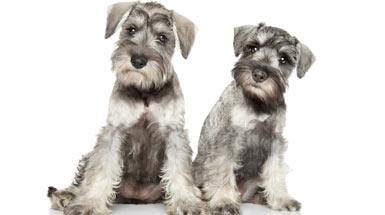
When humans breed purebred dogs to look a certain way and have traits that they like, this is an example of ___________________________
a)
Probably Breeding
b)
Sectional Breeding
c)
Selective Breeding
d)
Suspended Breeding
102.

Which statement correctly describes a difference between asexual and sexual reproduction?

a)

Asexual reproduction increases genetic diversity, but sexual reproduction does not.

b)

Asexual reproduction involves one parent, and sexual reproduction involves two parents.

c)

Asexual reproduction increases a species' chances of surviving unfavorable conditions, but sexual reproduction does not.

d)

The offspring produced by asexual reproduction are not identical to each other, but those of sexual reproductions are identical to each other.

103.

Which of these choices describes a segment of DNA that determines a specific trait in a person, such as attached earlobe?

a)

a gene

b)

a phenotype

c)

a choromosome

d)

a characteristic

104.

What is DNA?

a)

a type of molecule composed mostly of amino acids

b)

a type of molecule that performs the main functions of cells

c)

a type of molecule that speeds up the rate of a chemical reaction

d)

a type of molecule that determines the traits that an individual inherits

105.
what is the passing of traits called?
a)
heredity
b)
cell cycle
c)
cross-bred
d)
true-bred
106.
The best definition of a chromosome is?
a)
a structure that is made of DNA
b)
movement to a different geographical or climatic region
c)
structures or behaviors in organisms that help them survive
d)
the process of passing genetic material from generation to generation
107.
The best definition of a nucleus is?
a)
DNA material that makes living organisms who they are
b)
the reproduction process that involves two parents
c)
the process of passing traits from parents to offspring
d)
an organelle found in a Eukaryotic cell
108.
The part of a cell that contains the chromosomes (wound up DNA) in eukaryotic cells.
a)
Chloroplasts
b)
Cell Wall
c)
Nucleus
d)
Homeostasis
109.
The genetic code for all of your traits.
a)
Nucleus
b)
DNA
c)
Chloroplast
d)
Recessive gene
110.
The term used to define a cell that has a nucleus containing DNA.
a)
Prokaryote
b)
Eukaryote
c)
Autotroph
d)
Homeostasis
111.
A cell without a nucleus.
a)
Eukaryotic
b)
Prokaryotic
c)
Heterotroph
112.
The process where plants use the light from the sun to convert carbon dioxide and water into glucose. 
a)
Phototropism
b)
Chloroplast
c)
Photosynthesis
d)
Prokaryotic
113.
As the season turns from winter to spring, what is the most likely response that a bear's body has to the changing season?
a)
The bear stores more body fat to maintain the necessary body heat and more nutrition because there may be less prey.
b)
The bear produces less fur and begins shedding to allow its body temperature to adjust the warming climates
c)
The bear's fur becomes darker so it is easier to hide from its prey
d)
The bear begins to store food and find shelter for hibernation