
Font size
 Worksheets
Semester 1 Review Quiz
Total questions: 100
Worksheet time: 1hrs 5mins
Green plants produce their own food through the process of photosynthesis. Which characteristic is this?
All living things use energy
All living things contain cells
All living things maintain homeostasis
All living things grow
A camel has eyelashes that work to keep the dust and sand out of its eyes. Which characteristic is this?
All living things adapt to their environment
All living things grow
All living things have cells
All living things use energy
A caterpillar hibernates in a cocoon and emerges as a butterfly. Which characteristic is this?
All living things evolve over time
All living things use energy
All living things respond to their environment
All living things grow
A tulip opens in the morning at sunrise and closes in the evening at sunset. Which characteristic is this?
All living things have cells
All living things use energy
All living things respond to their environment
All living things grow
An adult hydra is producing its offspring through budding. Which characteristic is this?
All living things use energy
All living things reproduce
All living things contain cells
All living things grow
The roots of a plant grow towards a source of ground water. Which characteristic is this?
All living things use energy
All living things reproduce
All living things respond to their environment
All living things grow
Smallest living unit of a living organism
Cells
Reproduce
Genetic code
Homeostasis
During ___________ conditions inside our body are kept stable (the same)
mitosis
metabolism
homeostasis
homozygous
In order for something to be considered a living organism, it must display _____ of the seven characteristics of living things.
one
some
all
more than half
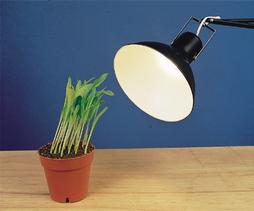

Which of the following is evidence for why a coral is a living thing?
It can move on its own.
It can be affected by oil spills.
It filters its food out of the water.
It can make noises.
Allen says that cars are living things because they can regulate their own temperature and metabolize gas into energy. Is Allen's argument good or bad?
Good, because cars are also made of cells.
Good, because cars can respond to changes in the environment.
Bad, because cars cannot move unless they're turned on.
Bad, because cars cannot reproduce by themselves.
What is it called when an organism converts food into energy?
Mitosis
Metabolism
Mitochondria
Midichlorians
Surrounds and protects the cell. Controls what enters and leaves the cell.
nucleus
cytoplasm
cell membrane
lysosome
Controls all cell activities. Is copied during cell reproduction. Contains all genetic code.
nucleus
cytoplasm
cell membrane
organelles
Gel-like fluid that supports the organelles and helps things move around the cell.
chloroplast
cytoplasm
cell membrane
vacuole
Organelle that stores water and other chemicals.
cell wall
cytoplasm
lysosome
vacuole
Organelles filled with digestive chemicals to break down materials like food and waste.
chloroplast
cytoplasm
lysosome
vacuole
Structure where cellular respiration occurs and ATP is made.
mitochondria
chloroplast
nucleus
cell wall
Structures where photosynthesis occurs using sunlight, water, and carbon dioxide.
cytoplasm
chloroplasts
mitochondria
nucleus
Rigid structure that surrounds and supports a plant cell.
cell membrane
cell wall
vacuole
lysosome
The process that makes glucose and oxygen during daylight hours.
cellular respiration
osmosis
photosynthesis
diffusion
The process that makes ATP from sugar and oxygen.
diffusion
osmosis
cellular respiration
photosynthesis

The cell membrane is _________________.
made of water
cell wall
semi transit
semi-permeable
What is another name for glucose?
Chlorophyll
Chloroplasts
Energy
Sugar


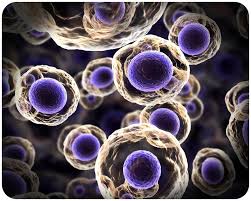

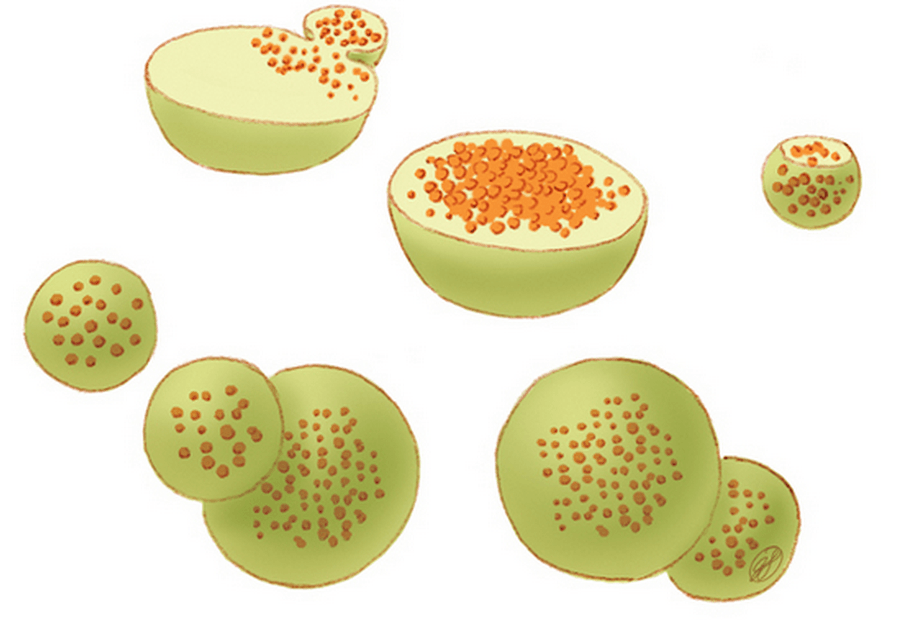

Which organelles work together to take in water and store it?
Cell Membrane and Vacuole
Cell Wall and Cytoplasm
Cell Membrane and Mitochondria
Cell Wall and Nucleus
Which organelles work together in a plant to make food and convert it into energy?
Cell Membrane and Chloroplast
Vacuole and Cytoplasm
Chloroplast and Mitochondria
Lysosome and Mitochondria
Which organelles work together when a cell divides to make two new cells?
Nucleus, Cell Wall, and Vacuole
Nucleus, Cytoplasm, and Cell Membrane
Mitochondria, Cytoplasm, and Lysosome
Mitochondria, Vacuole, and Cell Membrane
You are looking at a cell under a microscope. Which of these would be a good hint that you are looking at an ANIMAL cell?
You can identify a nucleus in the middle of the cell.
You can see a hard layer around the outside of the cell.
You can see multiple small organelles that hold water.
You can identify a organelle that is making energy.
How would a drawing of a plant cell and an animal cell compare?
Their shapes would be the same.
Only one would have mitochondria.
They would both have chloroplasts.
Only one would have a cell wall
This system includes the heart and blood vessels
Respiratory
Muscular
Immune
Cardiovascular
This system includes the kidneys and bladder.
Excretory
Digestive
Cardiovascular
Nervous
This system includes the mouth, nose, trachea, and lungs.
Respiratory
Cardiovascular
Digestive
Skeletal
This system includes the mouth, esophagus, and intestines.
Digestive
Excretory
Respiratory
Immune
This system is like a delivery service, taking food, oxygen, and waste around the body.
Cardiovascular
Excretory
Respiratory
Nervous
This system is like a water filter. It pulls wastes out of your blood and gets rid of them.
Excretory
Digestive
Immune
Muscular
This system has two major functions, breaking things down and removing solid wastes.
Digestive
Excretory
Respiratory
Skeletal
This system takes in oxygen and gets rid of carbon dioxide.
Respiratory
Cardiovascular
Excretory
Immune
These two systems help your body take in oxygen and transport it to your body's cells.
Digestive and excretory
Skeletal and muscular
Respiratory and excretory
Respiratory and cardiovascular
Without these 2 systems working together, you wouldn't be able to stand up straight or walk around.
Skeletal and Digestive
Nervous and Respiratory
Skeletal and Muscular
Nervous and Immune
When your stomach is empty, it sends a signal to your brain telling it that you are hungry. Which 2 systems are working together?
Nervous and Cardiovascular
Digestive and Nervous
Muscular and Respiratory
Digestive and Immune
Salts and sugars from your food are broken down and sent into your bloodstream. These salts and sugars have to be removed eventually to keep the blood healthy. Which systems?
Digestive and Excretory
Cardiovascular and Muscular
Digestive and Nervous
Excretory and Immune


What is a phenotype
The genetic make up (code)
The physical appearance
Which of the following genotypes is homozygous?
Bb
Gg
bb
Dd
What is a condensed string of DNA that forms an x-shape?
an allele
a gene
a chromosome
a phenotype
One variant or option for a gene is called_______________
a DNA
a phenotype
a trait
an allele
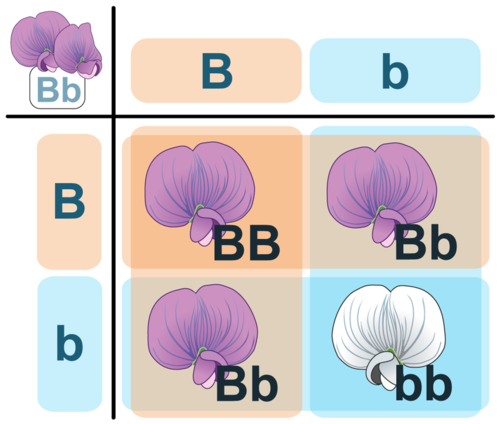
In this punnett square, which is the dominant trait?
purple flower bud
white flower bud
A farmer has bred his pineapple plants from the sweetest pineapples from his last harvest to get even sweeter pineapple plants. What is this an example of?
Selective breeding
Natural selection
Extinction
Mitosis
Problems with selective breeding include
Better animals
More Meat
Animals can have bad health problems
Animals have too many differences

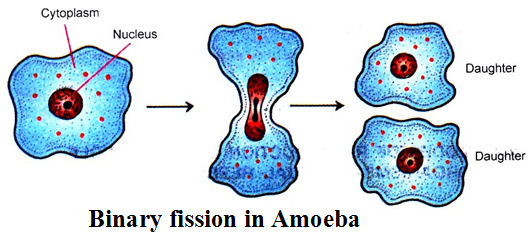
Where does an offspring get its traits in asexual reproduction?
From both parents
From only one parent
From neither parent
There are no traits handed down


Your heart rate increases when you exercise and returns to normal after you rest. This is an example of?
Growing and developing
Evolving
Reproducing
Maintaining homeostasis

breaks down food particles
gets rid of waste materials and keeps the cell clean
found mostly in animal cells
lysosome
vacuole
cell wall
mitochondria
A large central vacuole is found in a _____ cell.
animal
plant
Looking in a microscope, you see cells that have rectangular shapes and a green color. What type of cells are you probably viewing?
plant cells
animals cells
bacteria cells
virus cells

Identify the structure that is indicated by the arrow in the image.
cell wall
central vacuole
chloroplast
cell membrane

Identify the structure that is labeled "H" in the image.
cell wall
chloroplast
mitochondria
nucleus
cell membrane
If this room were a cell, what would the door represent?
the nucleus
the cell membrane
the cytoplasm
the mitochondria


What system is the body's way of fighting off pathogens that would make it sick?
Excretory
Immune
Digestive
Nervous

Problems with animals that are selectively bred include:
Being more disease resistant
Producing more meat
Being more likely to suffer from genetic disease
Being more genetically diverse

