
 Worksheets
Cell Specialization & Body Systems
Total questions: 54
Worksheet time: 39mins
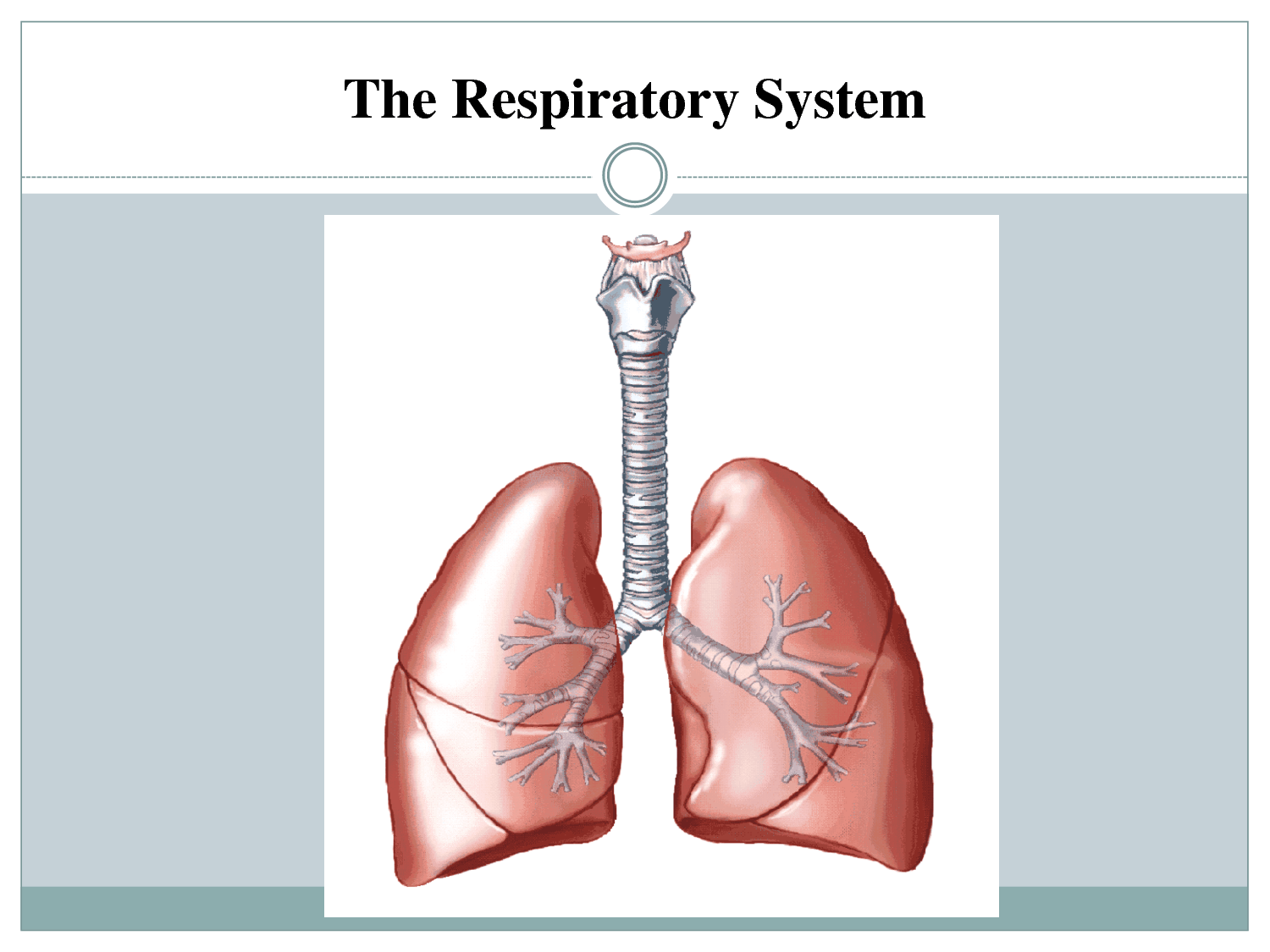
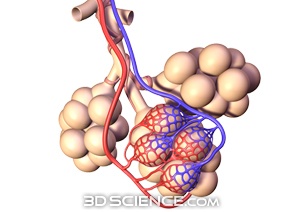
When you breathe, your lungs take in _________ and remove ___________.
air/oxygen
oxygen/carbon dioxide
carbon dioxide/waste
waste/air
After blood leaves the right atrium, it enters the ________.
right atrium
left atrium
right ventricle
left ventricle
After blood leaves the left atrium, it enters the ___.
right atrium
left atrium
right ventricle
left ventricle
This chamber of the heart RECEIVES blood returning from the body
right atrium
right ventricle
left atrium
left ventricle
Which chamber of the heart has the thickest wall in order to pump blood to the entire body?
left atrium
right ventricle
right atrium
left ventricle

A flap of tissue that prevents blood from flowing backward.
aorta
atrium
septum
valve

What does the circulatory system do?
circulates the blood throughout the body
circulates water throughout the body
excretes waste
controls all parts of the body

What is a lower, thick-walled chamber that receives blood from the atrium?
ventricle
valve
aorta
atrium

What is the circulatory system also known as?
the heart
cardiovascular system
nervous system
aorta
Reflexes are associated with the nerves.
true
false
The basic structural unit of the nervous system.
dendrite
bladder
neuron
kidney
These three parts work together to make up the central nervous system. They are the ________, _________, and __________.
brain, spinal cord, and nerves
heart, lungs, brain
cerebrum, cerebral cortex, cerebellum
kidney, bladder, ureter
This system carries food, gasses, and wastes throughout the body
circulatory system
respiratory system
nervous system
skeletal system
This system allows the body to take in oxygen and get rid of waste gases.
nervous system
muscular system
respiratory system
excretory system
This system protects the body's organs, provides support for the body.
nervous system
skeletal system
respiratory system
integumentary system
This system includes over 200 bones and it is where the red blood cells are stored and made.
skeletal system
respiratory system
nervous system
endocrine system
Which system takes food into the body, breaks down food, and absorbs the materials?
respiratory
circulatory
digestive
excretory
Which system collects and removes wastes?
muscular
circulatory
digestive
excretory
In multicellular organisms, tissues are made up of _______.
organs
systems
cells
blood

This type of cell sends messages throughout the body in the form of electrical impulse.
nerve cell
adipose cell
muscle cell
skin cell
This type of cell carries oxygen throughout the body.
goblet cell
nerve cell
white blood cell
red blood cell
This type of cell fights infection.
red blood cell
adipose cell (fat cell)
white blood cell (monocyte)
nerve cell
The ___________ is the basic unit of life.
organ
cell
atom
tissue
What is the correct order of organization?
tissues, cells, organs, organ systems, organism
cell, tissue, organs, organ systems, organism
organism, cells, tissues, organ systems, organism
tissues, cells, organs, organ systems, organism
Which cells are responsible for temperature control in the body, cushioning organs, and long term energy storage?
adipose cell
nerve cell
goblet cell
white blood cell
Which cell produces mucous and helps to protect the respiratory system?
adipose cell
goblet cell
nerve cell
red blood cell
Which type of muscle is found in your heart?
skeletal
smooth
cardiac
straight
What is an example of an involuntary muscle?
heart
arms
legs
shoulders
What is a voluntary muscle?
a muscle you can control
a muscle you can't control
a muscle that works automatically
a muscle that doesn't work
Which muscle type is found in your stomach, bladder, and intestines?
skeletal
smooth
cardiac
straight
Which types of muscle tissue are voluntary?
cardiac
skeletal
smooth
cardiac and smooth
What is the function of the excretory system?
Responsible for the elimination of waste by homeostasis.
Makes protein.
Transports nutrients, oxygen, and hormones to cells throughout the body and removal of metabolic wastes
Moves gasses.
What does the endocrine system do?
Responsible for digestion
Regulates bone growth
Releases hormones into the bloodstream
Maintains immune system
Which of the following is not a function of bones?
protection
blood cell formation
storage
absorption
Where are red blood cells made?
circulatory system
excretory system
endrocrine system
skeletal system
What is a stimulus?
a reaction to an event
anything that causes a change in an organism
a cell organelle
What is a response?
a reaction to an event
a cell organelle
anything that causes a change in an organism
Touching a really hot pan is a stimulus.
true
false
Screaming after being slapped is a stimulus.
true
false
is throwing up after eating a bad burrito a stimulus or a response?
stimulus
response
What is cell specialization?
a thing with cells
biology problems
the differentiation of cells as they develop
the development that occurs depending on their location

