Wayground logo

Free Printable Worksheets

Font size

S
M
L
XL
Worksheets

F Period Mid year review

Total questions: 100

Worksheet time: 1hrs 17mins

Name
Class
Date
1.
What are the three states of matter?
a)
solid, liquid, and gas
b)
solid, water, and gas
c)
wood, liquid, and gas
d)
solid, liquid, and helium
2.
The amount of space that matter takes up is its _______.
a)
atom
b)
volume
c)
matter
d)
weight
3.
__________ are the building blocks of life.
a)
solids
b)
gases
c)
atoms
d)
nutrients
4.
Volume is ______________.
a)
length X width
b)
height X length
c)
length X width X height
d)
width X height
5.
________________ is anything that has mass and takes up space.
a)
volume
b)
matter
c)
mass
d)
weight
6.
The amount of matter in an object is its ________________.
a)
weight
b)
mass
c)
gram
d)
atom
7.
What is measured with a graduated cylinder?
a)
Passage of time
b)
Distance from one thing to another
c)
Weight of an object
d)
Volume of liquid
8.
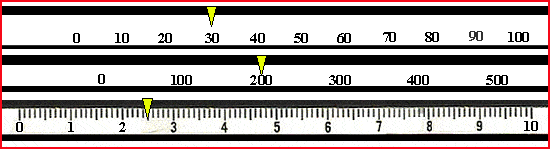
What is the mass on the triple beam balance? 
a)
232.5
b)
237.0
c)
750.
9.
a)
410 cm3
b)
420 cm3
c)
402 cm3
d)
401 cm3
10.
What is the SI unit for length?
a)
meter
b)
liter
c)
mass
d)
second
11.
How do you calculate density?
a)
mass divided by volume
b)
volume divided by mass
c)
mass times volume
d)
very carefully
12.
How do you calculate the volume of a rectangular solid?
a)
length x width x height
b)
mass divided by volume
c)
with a triple beam balance
d)
it's impossible
13.
a)

Triple-beam balance

b)

test-tube holder

c)

dropper pipet

d)

metal scoop

14.
a)

Graduated Cylinder

b)

Beaker

c)

Thermometer

d)

Spatula

15.
What is the mass on this triple beam?
a)
40g
b)
1g
c)
401g
d)
41g
16.
What is the volume?
a)
 50.0 mL
b)
53.0 mL
c)
54.0 mL
17.
What is the length of the eraser?
a)
3 cm 
b)
2 cm 
c)
5 cm
d)
7 cm
18.

Process of changing position

a)

speed

b)

motion

c)

reference point

d)

Newton

19.

The starting point you use to describe the motion or position of an object.

a)

Reference Point

b)

Speed

c)

Velocity

d)

Acceleration

20.

The distance an object moves divided by the time it takes to move that distance.

a)

Velocity

b)

Reference Point

c)

Acceleration

d)

Speed

21.

The speed and direction of a moving object.

a)

Speed

b)

Velocity

c)

Acceleration

d)

Motion

22.

Units of force.

a)

Kilograms

b)

Meters

c)

Newtons

d)

Liters

23.

Measure of the change in velocity during a period of time.

a)

Speed

b)

Velocity

c)

Acceleration

d)

Motion

24.

A push or pull on an object.

a)

Force

b)

Push

c)

Pull

d)

Newton

25.

Forces acting on an object that combine and form a net force of zero. These forces are EQUAL in size and OPPOSITE in direction.

a)

Unbalanced forces

b)

motion

c)

speed

d)

Balanced forces

26.

Forces acting on an object hat combine and form a net force that is not ZERO. Produces motion.

a)

Speed

b)

Velocity

c)

Unbalanced forces

d)

Balanced forces

27.
Any push or pull on an object.
a)
force
b)
velocity 
c)
inertia
d)
momentum
28.
The force that opposes motion between two surfaces in contact with each other.
a)
inertia
b)
friction
c)
momentum
d)
gravity
29.
The force of attraction between all matter.
a)
inertia
b)
friction
c)
net force
d)
gravity
30.
When all the forces on an object are equal and opposite, & the net force is zero, that's...
a)
balanced forces
b)
unbalanced forces
c)
terminal velocity
d)
reaction forces
31.
The combination of all the forces acting on an object is the...
a)
net force
b)
action force
c)
reaction force
d)
balance force
32.

When an unbalanced force acts on an object, the force ______________________.

a)

changes the motion of the object

b)

is cancelled by another force

c)

does not change the motion of an object

d)

is equal to the weight of the object

33.

When two equal forces act in opposite directions on an object, they are called ______________________.

a)

frictional force

b)

balanced force

c)

centripetal force

d)

gravitational force

34.
If there are two forces going in the same direction how would you find the net force?
a)
Subtract
b)
Add
c)
Neither
d)
Multiply
35.
Find the net force: 15 N to the right, and another 15 newtons to the right.
a)
0 N Right
b)
0 N Left
c)
30 N Left
d)
30 N Right
36.
8 N to the left , and 4 N to the right. Find the net force. Is this balanced 
a)
12 N Right  No
b)
4 N Left  No
c)
12 N Right  Yes
d)
4 N Left  Yes
37.
With unbalanced forces, the object will move in the direction of the _______ force.
a)
larger 
b)
smaller 
c)
equal 
38.
Forces that have a net force of zero ( the object is still).
a)
Balanced force
b)
Unbalanced force
39.
The force that pulls things toward earth.
a)
Speed
b)
Gravity
40.
If the net force is 0 the object is... 
a)
in motion
b)
in the same place
41.
If forces on an object are balanced, the object is...
a)
Moving
b)
Not moving
42.
The number at the bottom of each square on the periodic table is the ...
a)
atomic number
b)
atomic mass
c)
chemical symbol
d)
element name
43.
The number at the top of each square on the periodic table is the ...
a)
atomic number
b)
atomic mass
c)
Chemical Symbol
d)
Element Name
44.
What is the chemical symbol for Lithium?
a)
H
b)
He
c)
Li
d)
N
45.

The atomic number tells you what?

a)

number of electrons

b)

number of protons

c)

number of neutrons

d)

both electrons and neutrons in an atom.

46.
A neutron has a charge of
a)
+2
b)
No charge
c)
-1
d)
+1
47.
A proton is....
a)
A negatively charged subatomic particle
b)
A positively charged subatomic particle
c)
A neutrally charged subatomic particle
d)
The only subatomic particle located in the nucleus
48.
all matter is made of what 
a)
energy 
b)
atoms 
c)
electrons 
d)
compounds 
49.
An element's identity is determined by the number of
a)
electrons.
b)
protons.
c)
neutrons.
d)
valence.
50.
all matter is made of what 
a)
energy 
b)
atoms 
c)
electrons 
d)
compounds 
51.
the central region of an atom where its neutrons and protons are is its 
a)
nucleus 
b)
electron cloud
c)
core 
d)
center 
52.
an atom with atomic number 6 would have how many protons 
a)
6
b)
12
c)
3
d)
cannot be determined 
53.
Particles in an atom that are neutral and have no charge are 
a)
negatrons 
b)
electrons 
c)
neutrons 
d)
protons 
54.
True or False? Neutrons have a negative charge
a)
True
b)
False
55.
What is the atomic number for an element with three protons?
a)
2
b)
1
c)
3
d)
6
56.

A particle that moves outside of the nucleus is a(n)...

a)

Proton

b)

Neutron

c)

Electron

d)

Quark

57.
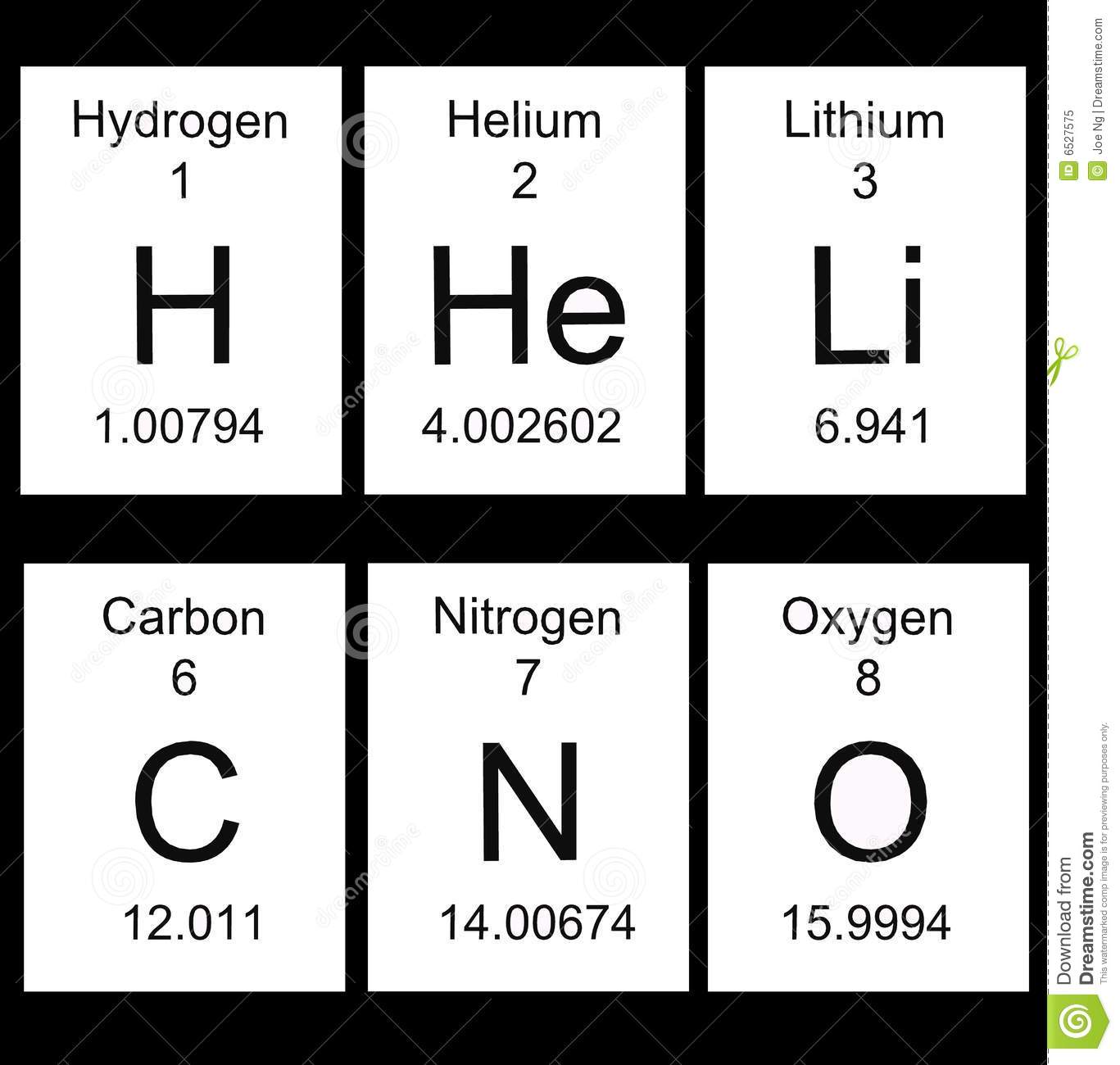
What does the 1.00794 stand for?
a)
Hydrogen
b)
atomic number
c)
atomic mass
d)
atomic explosion
58.
What is the atomic mass of "F"
a)
9
b)
18
c)
17
d)
19
59.
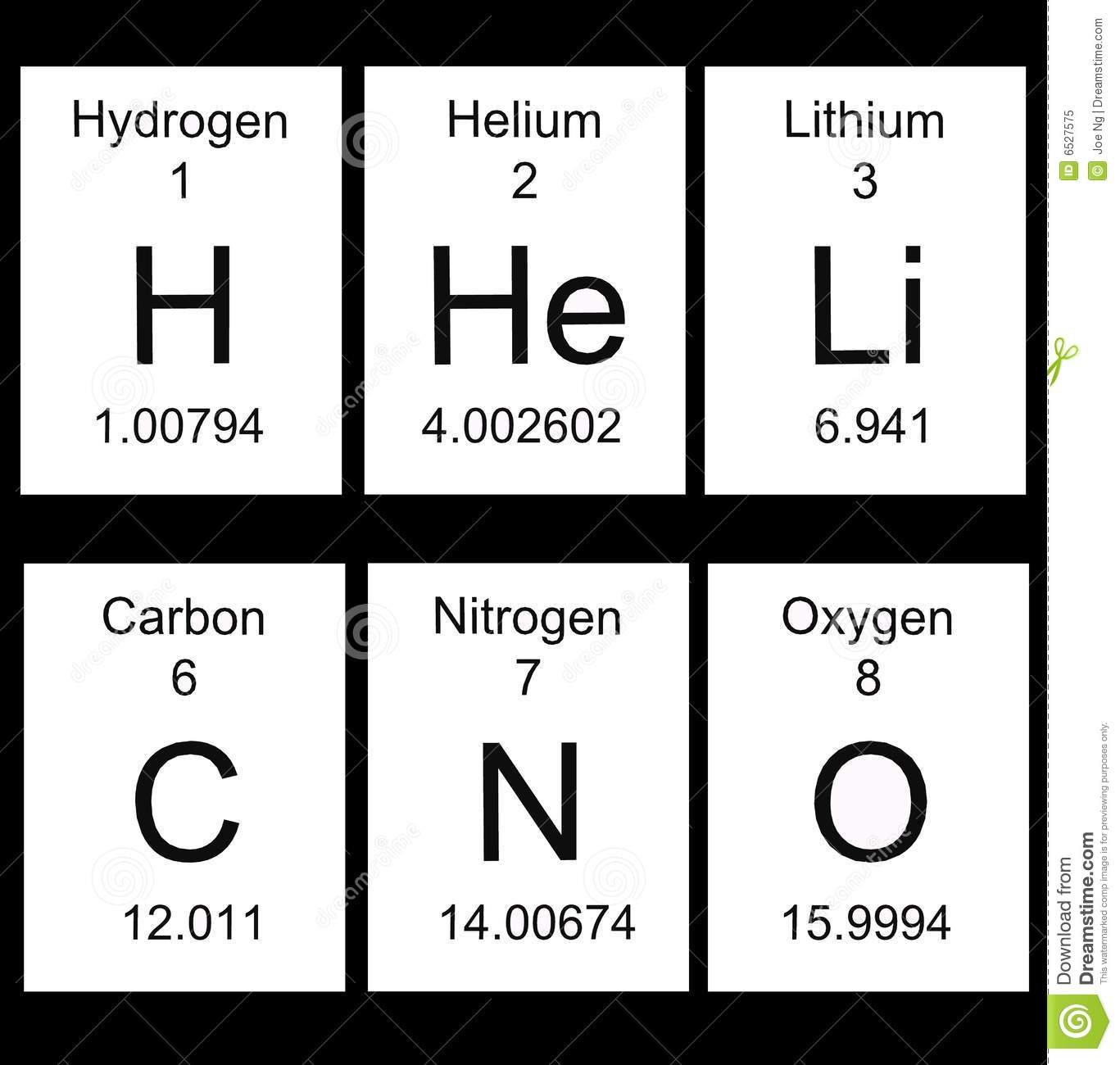
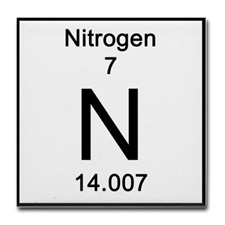
What is the number of protons that the element in this image contain?
a)
14
b)
7
c)
15
d)
18
60.
An atoms overall charge is 
a)
positive 
b)
depends on its mood 
c)
neutral 
d)
negative 
61.
The particles that are found in the nucleus of an atom are
a)
neutrons and electrons
b)
electrons only
c)
protons and neutrons
d)
protons and electrons
62.
Where are electrons of an atom found?
a)
Nucleus
b)
Electron Cloud
c)
Some are in the nucleus and some in the electron cloud.
d)
They are moving everywhere.
63.
What is the atomic symbol for sodium?
a)
Na
b)
So
c)
NaCl
d)
S
64.
Most of the mass in an atom is concentrated in the...
a)
electrons
b)
nucleus
c)
protons
d)
empty space
65.
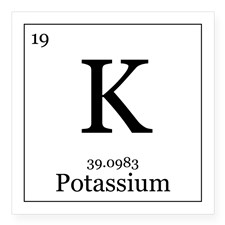
How many neutron are in the atom "K"?
a)
7
b)
2
c)
39
d)
20
66.
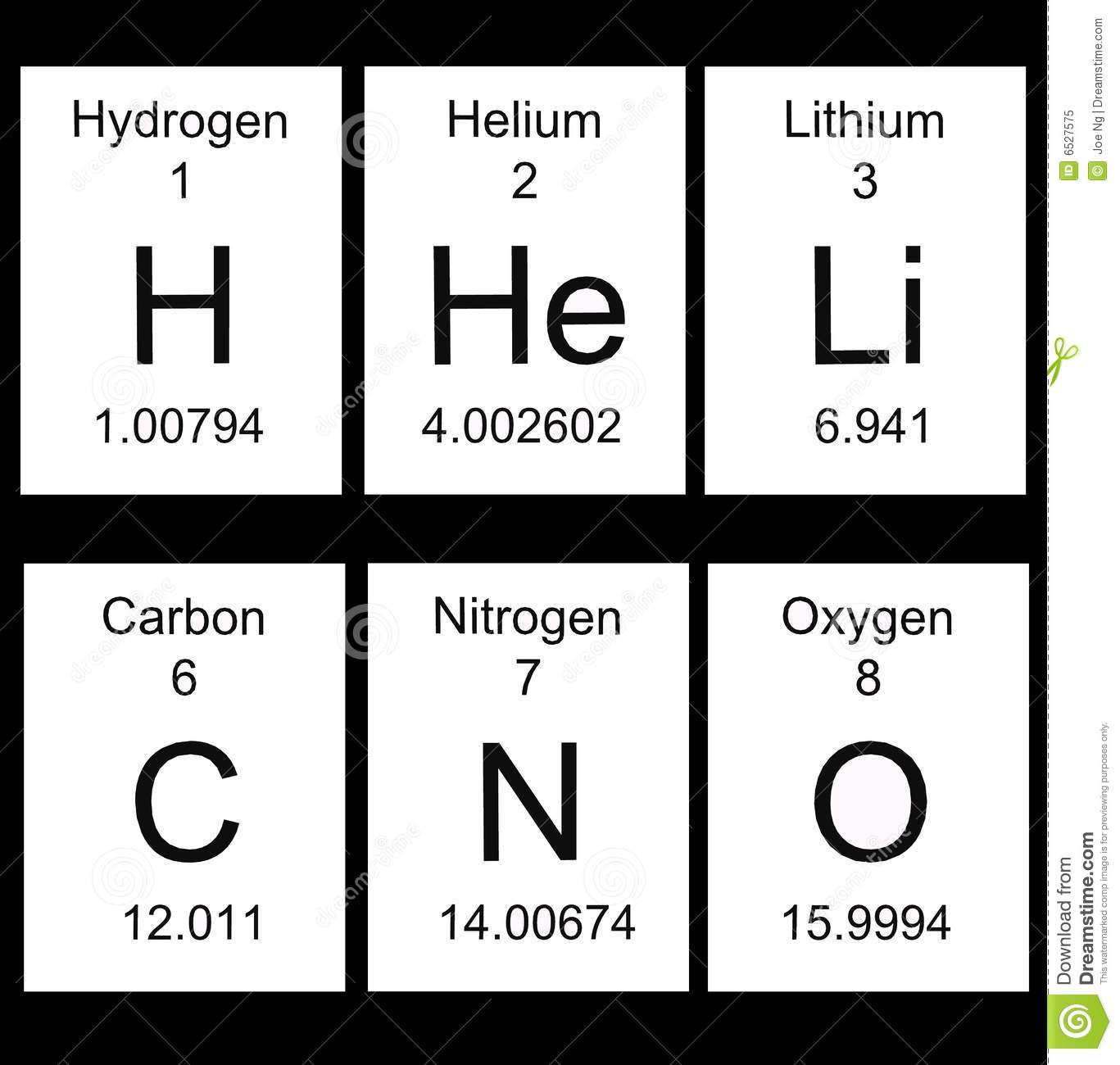
What is the number of protons that the element in this image contain?
a)
14
b)
7
c)
15
d)
18
67.
What are the 3 particles that make-up the atom?
a)
protons, neutrons, and isotopes
b)
neutrons, isotopes, and electrons
c)
positives, negatives, and electrons
d)
protons, neutrons, and electrons
68.
If an atom has 12 positively charged subatomic particles, which of the following must it also have to be considered a neutral atom?
a)
12 neutrons
b)
12 electrons
c)
12 protons
d)
24 protons and neutrons
69.
If an atom has 10 protons, 10 neutrons, and 10 electrons, what is the mass of the atom?
a)
10
b)
20
c)
30
70.
What is the mass number?
a)
the number of protons
b)
the number of protons and neutrons
c)
the number of neutrons
d)
the number of protons and electrons
71.
What is the chemical symbol for Chlorine
a)
C
b)
Cl
c)
Ch
d)
Ce
72.
What element contains 26 protons?
a)
Iron
b)
Sodium
c)
Aluminum
d)
Helium
73.
Which of the following is a sign that a chemical reaction has occurred?
a)
change in shape
b)
melting
c)
formation of a gas
d)
dissolving
74.
Is hammering wood together to build a house a chemical or physical change?
a)
chemical
b)
physical
75.
Is melting butter for popcorn a chemical or physical change?
a)
chemical
b)
physical
76.
Is bleaching your hair a physical or chemical change?
a)
physical
b)
chemical
77.
Is burning wood a chemical or physical change?
a)
chemical
b)
physical
78.
A change in the size, shape, or state of matter.
a)
chemical change
b)
physical change
c)
chemical reaction
d)
electron change
79.
Which of the following is NOT an example of a physical change?
a)
crumpled paper
b)
pencil sharpening
c)
shrunken clothing
d)
sour milk
80.
Kim puts an ice cube in a beaker and it melts. This is a good example of:
a)
a physical change.
b)
a chemical change.
c)
an experiment.
d)
an analysis.
81.
Photosynthesis is an example of a
a)
physical change
b)
chemical change
82.
When you break a cracker into pieces it is a 
a)
Chemical change
b)
Physical change
c)
Chemical Weathering
d)
Physical Weathering
83.
Adding baking soda and vinegar together and it fizzes and creates carbon dioxide.
a)
Chemical
b)
Physical
84.
What is an example of a Chemical change?
a)
Ripped paper 
b)
boiled egg
c)
cracked egg
d)
sugar in water
85.
Which is a physical change?
a)
burning match 
b)
vinegar in baking soda 
c)
melting butter
d)
cooking an egg
86.

Liv lit a match and said it was a physical change. Is she correct?

a)

Yes

b)

No

87.
Jayden asked Gabe what she could do to an egg for a chemical change. Gabe answered correctly and said...
a)
You can drop the egg.
b)
You can cook the egg.
c)
You can crack the egg.
d)
You can paint the egg.
88.

Which is a chemical change?

a)

freezing fruit juice

b)

slicing a potato

c)

boiling water

d)

vinegar and baking soda react

89.
what is the definition of chemical change?
a)
any change that results in the formation of new chemical substances. 
b)
changing clothes
c)
matter cannot be created or destroyed, only change form
d)
changes affecting the form of a chemical substance, but not its chemical composition.
90.
what is burning?
a)
physical change
b)
physical property
c)
chemical change
d)
chemical property
91.
One cup of water is left outside for two days when it was checked there was only half a cup left. What happened?
a)
evaporation; chemical change
b)
condensation; physical change 
c)
evaporation; physical change
d)
condensation; chemical change
92.
Boiling is a chemical change
a)
true 
b)
false
93.
Freezing Juice?
a)
Physical Change
b)
Chemical Change
94.
Exploding Fireworks?
a)
Physical Change 
b)
Chemical Change 
95.
Melting a chocolate bar?
a)
Physical Change
b)
Chemical Change 
96.
Cutting your hair?
a)
Physical Change
b)
Chemical Change
97.
Is sqeezing organges to make orange juice a phyical or chemcial change?
a)
physical
b)
chemical
98.
What kind of properties can only be observed when a substance changes into a different substance?
a)
physical properties
b)
chemical properties
c)
liquid properties
d)
real properties
99.
Which is a Chemical property?
a)
Thermal Conductivity 
b)
Density
c)
Malleability 
d)
Flammability 
100.

Which of the following properties is a physical property?

a)

magnetism

b)

reactivity with oxygen

c)

flammability