
Font size
S
M
L
XL
 Worksheets
structure of the Atom/Periodic Table
Total questions: 108
Worksheet time: 1hrs 20mins
Name
Class
Date
1.
What subatomic particles would you find in the nucleus of an atom?
a)
Protons only
b)
Protons and Neutrons
c)
Neutrons and Electrons
d)
Protons and Electrons
2.
Which subatomic particles contribute the most to the mass of an atom?
a)
Protons, Neutrons, Electrons
b)
Protons only
c)
Protons and Electrons
d)
Protons and Neutrons
3.

What is the number of protons that the element in this image contain?
a)
14
b)
7
c)
15
d)
18
4.
Protons and Electrons balance the charge of an atom.
a)
True
b)
False
5.
If an atom has 12 positively charged subatomic particles, which of the following must it also have to be considered a neutral atom?
a)
12 neutrons
b)
12 electrons
c)
12 protons
d)
24 protons and neutrons
6.
An atom has 10 protons, 15 neutrons and 10 electrons what is its mass number.
a)
20
b)
10
c)
5
d)
25
7.
An element with a mass number of 11 and an atomic number of 5 has how many neutrons?
a)
11
b)
5
c)
6
d)
16
8.
The particles of the atom you can find by knowing the atomic number.
a)
neutrons
b)
protons and electrons
c)
protons and neutrons
d)
atomic mass
9.

The mass of one proton is greater than the mass of one...
a)
neutron
b)
electron
10.

Which letter represents a proton?
a)
A
b)
B
c)
C
d)
D
11.
Which letter represents a neutron?
a)
A
b)
B
c)
C
d)
D
12.
Which letter represents a neutron?
a)
A
b)
B
c)
C
d)
D
13.
Which letter represents an electron?
a)
A
b)
B
c)
C
d)
D
14.
Which letter represents the nucleus?
a)
A
b)
B
c)
D
d)
E
15.

What is the atomic mass of the atom pictured?
a)
9
b)
10
c)
18
d)
19
16.
What is the atomic number of the atom pictured?
a)
9
b)
10
c)
18
d)
19
17.
What is the element name of the atom pictured?
a)
Fluorine
b)
Neon
c)
Argon
d)
Potassium
18.
Which scientist conducted experiments using alpha particles and thin gold foil, which later helped him develop his model for the atom?
a)
Ernest Rutherford
b)
Kneels Bore
c)
Niels Bohr
d)
Earnest Rutherfraud
19.
What is an atom mostly made up of?
a)
protons
b)
electrons
c)
empty space
d)
neutrons
20.
Which subatomic particle has a positive (+) charge?
a)
Neutron
b)
Proton
c)
Electron
21.

True or False - Protons and Neutrons have about the same mass.
a)
True - They have about the same mass
b)
False - They do not have about the same mass
22.
Which subatomic particle has a negative (-) charge?
a)
Proton
b)
Electron
c)
Neutron
23.
Which subatomic particle has a neutral or no charge?
a)
Proton
b)
Electron
c)
Neutron
24.

Which two subatomic particles make up the nucleus of an atom?
a)
Protons and Electrons
b)
Neutrons and Electrons
c)
Electrons and Protons
d)
Protons and Neutrons
25.

Where are the Electrons found in the structure of an atom?
a)
In the nucleus
b)
In spaces around the nucleus
26.

The subatomic particles in blue are...
a)
Neutrons
b)
Protons
c)
Electrons
27.

The subatomic particles in green are...
a)
Protons
b)
Neutrons
c)
Electrons
28.

The subatomic particles in red are
a)
Electrons
b)
Neutrons
c)
Protons
29.

How many electron shells/levels does this atom have?
a)
1
b)
2
c)
3
d)
4
30.

How many electrons does this picture show?
a)
4
b)
5
c)
6
d)
3
31.

In this picture, the Electrons are found in which color?
a)
Blue
b)
Red
c)
Green
32.
How many neutrons does this atom have?
a)
4
b)
5
c)
6
d)
7
33.
This particle determines what element you have - the elements identity.
a)
electron
b)
proton
c)
neutron
d)
valence shell
34.
What is the mass of a proton and a neutron?
a)
1amu
b)
2grams
c)
13amu
d)
10cm
35.
An electron has a _____ charge.
a)
negative
b)
positive
c)
neutral
36.
Describe an Electron Cloud?
a)
the mist outside of an atom
b)
home of the protons
c)
where electrons are located
d)
nucleus
37.
What are the maximum number of electrons that go on the first 3 energy levels?
a)
2,4,16
b)
2,8,18
c)
4,8,12
d)
3,4,6
38.
What are valence electrons?
a)
electrons on the first orbital always
b)
nucleus
c)
the outermost shell
d)
the number of electrons on the outermost orbital
39.
Which particles make up the nucleus of an atom?
a)
protons and neutrons
b)
electrons and protons
c)
electrons, protons, and neutrons
d)
electrons and neutrons
40.
The subatomic particle that determines the identity of an element.
a)
neutron
b)
proton
c)
electron
d)
outer shell
41.
What charge does the nucleus have and why?
a)
positive - the neutrons do not have a charge
b)
positive - the neutrons and protons are positively charged particles
c)
neutral - the neutral charge dominates the positive charge
d)
neutral - electrons cancel out the positive charge of the atom
42.
What is the mass number and name of an element with 8 protons and 8 neutrons?
a)
16 - Carbon
b)
16 - Oxygen
c)
24 - Oxygen
d)
8 - Neon
43.
An element with a mass number of 10 and an atomic number of 6 has how many protons?
a)
5
b)
8
c)
6
d)
10
44.
An element with a mass number of 11 and an atomic number of 5 has how many neutrons?
a)
11
b)
5
c)
6
d)
16
45.
Matter that cannot be broken down into a simpler substance – building blocks of life.
a)
neutron
b)
atom
c)
electron
d)
quarks
46.
Elements on the periodic table increase by...
a)
atomic mass
b)
size
c)
mass number
d)
atomic #
47.
Elements on the periodic table increase by...
a)
atomic mass
b)
size
c)
mass number
d)
atomic #
48.
Most of the mass of an atom is contained here.
a)
electron orbitals
b)
nucleus
c)
shells
d)
atomic #
49.
An atom has 13 protons, 15 neutrons and ___ electrons what is its mass number?
a)
13
b)
26
c)
28
d)
15
50.
What is the number that gives you the element and the number of protons contained in each elemental atom?
a)
atomic mass
b)
mass number
c)
symbol
d)
atomic #
51.
What is the difference between the atomic mass and the mass number?
a)
the atomic mass is always a whole number
b)
the atomic mass equals the atomic #
c)
mass number is the rounded atomic mass - always a whole number
d)
electrons
52.
What are the building blocks of matter?
a)
Matter
b)
Atom
c)
Molecule
d)
Element
53.
What is a pure substance that cannot be broken down?
a)
matter
b)
atom
c)
molecule
d)
element
54.
What do the following properties describe? : shiny, ductile, good conductor, high melting point
a)
metal
b)
nonmetal
c)
metalloid
55.
What two subatomic particles give charge to an atom?
a)
protons and neutrons
b)
protons and electrons
c)
neutrons and electrons
56.

Identify the element
a)
Sodium-12
b)
Sodium-11
c)
Sodium-23
d)
Magnesium-23
57.
the central region of an atom where its neutrons and protons are is its
a)
nucleus
b)
electron cloud
c)
core
d)
center
58.

What does the 1.00794 stand for?
a)
Hydrogen
b)
atomic number
c)
atomic mass
d)
atomic explosion
59.
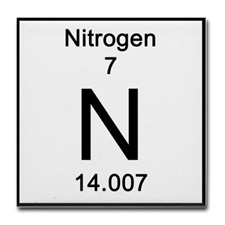
What is the number of protons that the element in this image contain?
a)
14
b)
7
c)
15
d)
18
60.
Which two subatomic particles make up the nucleus of an atom?
a)
Protons and Electrons
b)
Neutrons and Electrons
c)
Electrons and Protons
d)
Protons and Neutrons
61.

The mass of one proton is equal to the mass of one...
a)
neutron
b)
electron
62.

The number 16 for the atomic element sulfur is the
a)
ionic number
b)
isotope
c)
atomic mass
d)
atomic number
63.

How many protons does sulfur have?
a)
32
b)
16
c)
48
d)
12
64.
Subatomic particle that has a positive charge
a)
electron
b)
poitron
c)
neutron
d)
proton
65.
In an atom, the number of protons is equal to the number of ____________.
a)
energy levels
b)
neutrons
c)
neurons
d)
electrons
66.
Which parts of the atom move around the nucleus?
a)
electrons
b)
protons
c)
electrode particles
d)
neutrons
67.
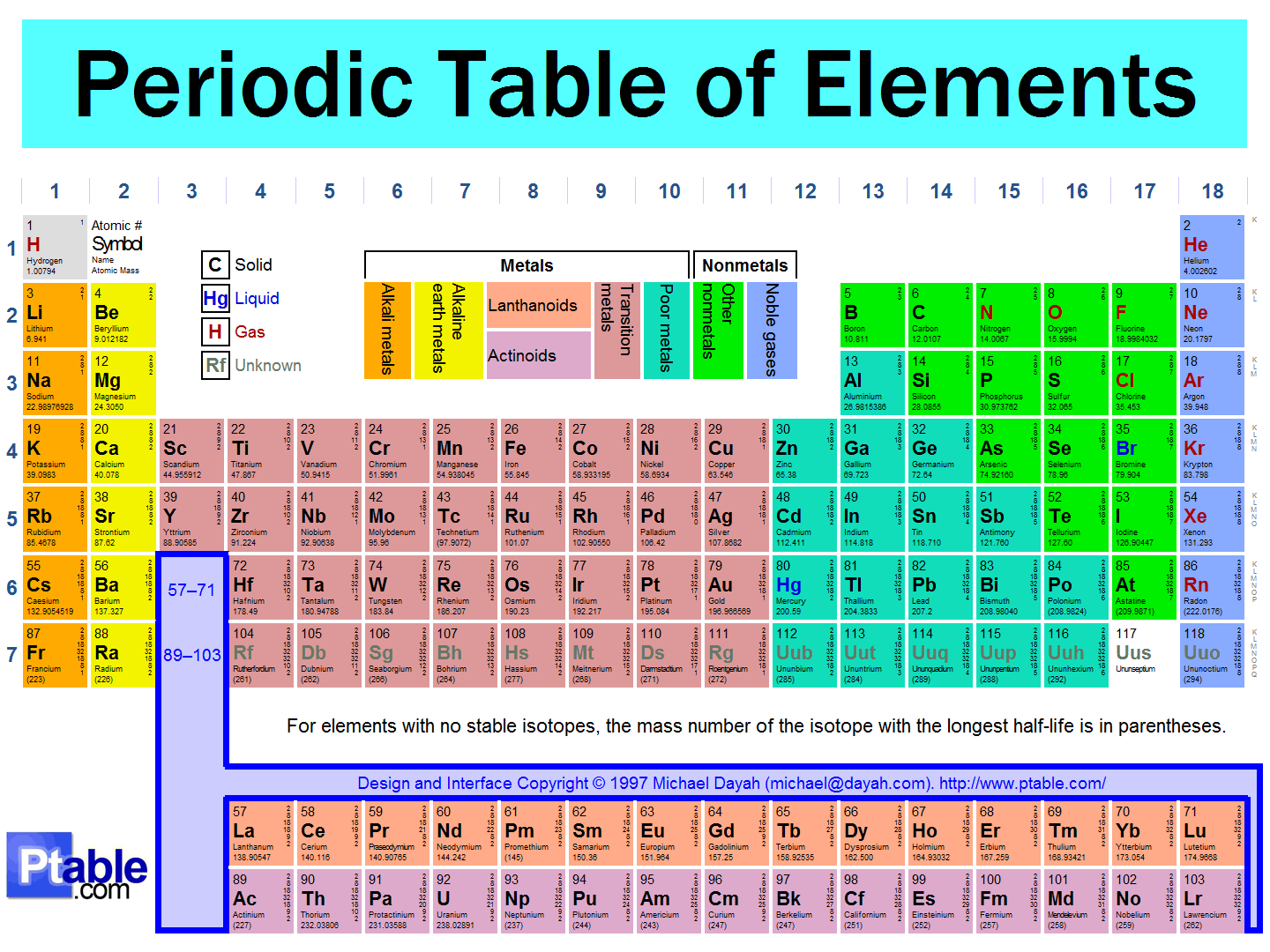
The horizontal row on the periodic table is called a
a)
group
b)
family
c)
period
d)
atomic number
68.

A vertical column is called...
a)
group
b)
tower
c)
period
d)
crew
69.

Which of the following is the most metallic element in period 3?
a)
Boron (B)
b)
Sodium (Na)
c)
Argon (Ar)
d)
Silicon (Si)
70.
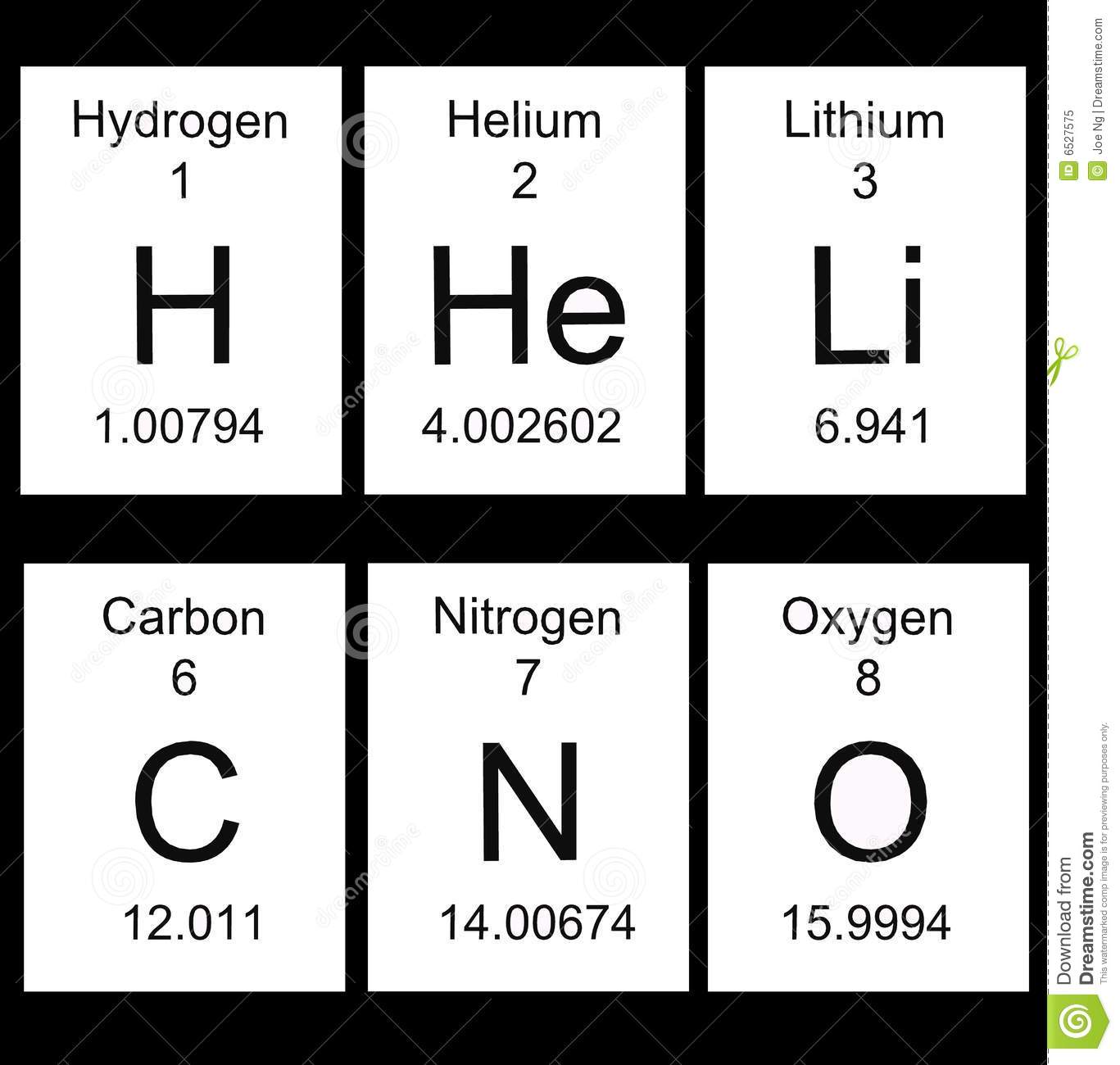
The number at the bottom of each square on the periodic table is the ...
a)
atomic number
b)
atomic mass
c)
chemical symbol
d)
element name
71.
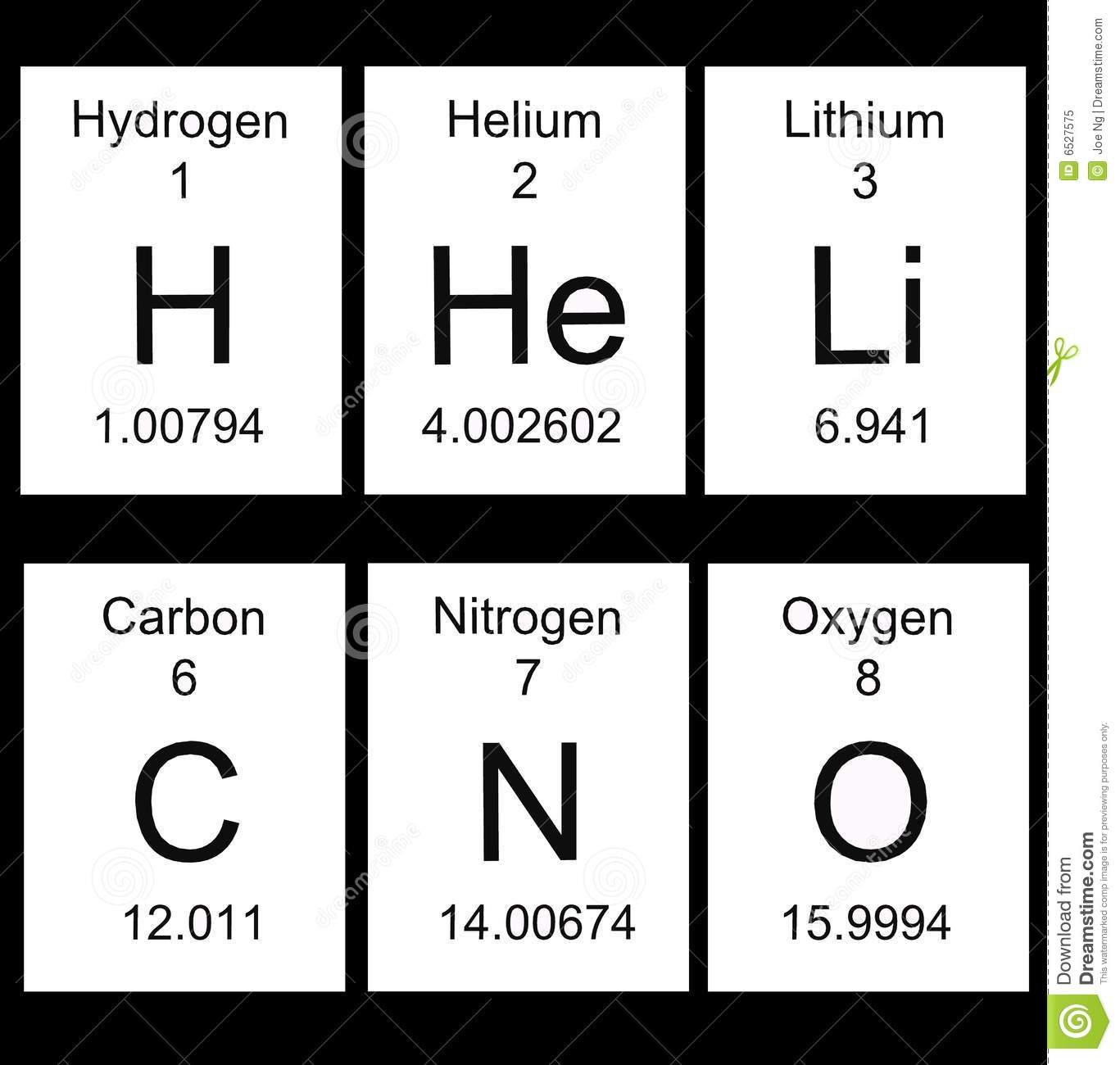
The number at the top of each square on the periodic table is the ...
a)
atomic number
b)
atomic mass
c)
Chemical Symbol
d)
Element Name
72.
How many Valance electrons does Iodine Have?
a)
6
b)
16
c)
7
d)
17
73.
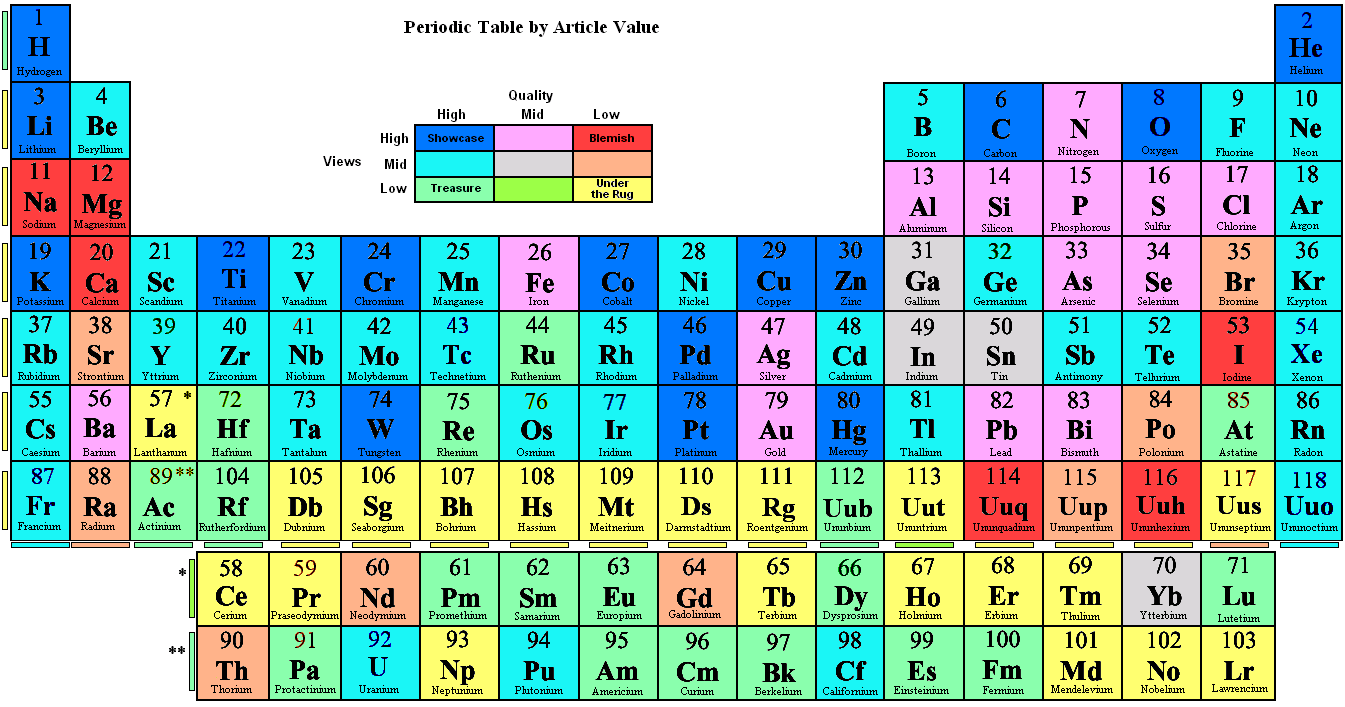
The period for Bromine is ___________.
a)
3
b)
2
c)
4
74.
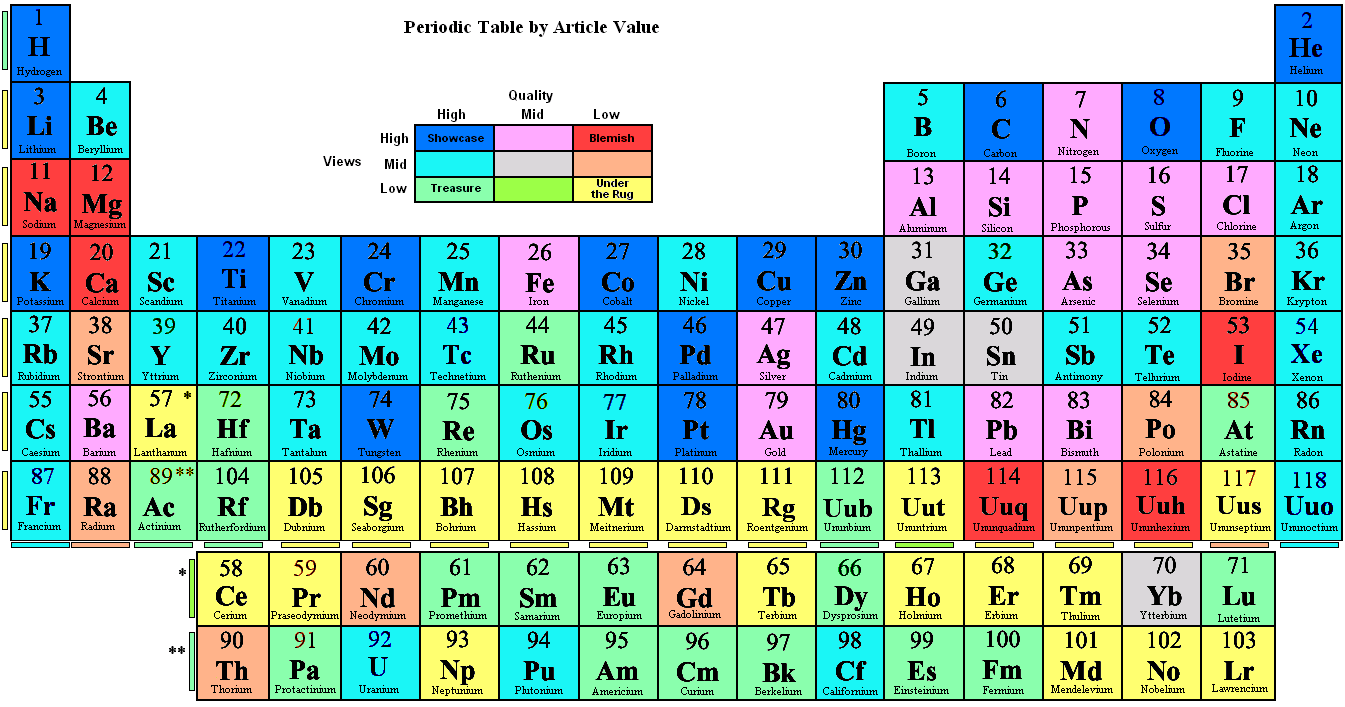
Beryllium is in group number______.
a)
Group 2
b)
Group 3
c)
Group 4
d)
Group 7
75.
The periodic table has __ periods.
a)
18
b)
8
c)
2
d)
7
76.
An element's identity is determined by the number of
a)
electrons.
b)
protons.
c)
neutrons.
d)
valence.
77.
Elements in the same ________ are more chemically similar.
a)
group
b)
period
c)
club
d)
table
78.
Which elements have the most similar chemical properties?
a)
K and Na
b)
K and Ca
c)
K and Cl
d)
K and S
79.
What period and group is Silver (Ag)?
a)
Period 2, Group 1
b)
Period 3, Group 16
c)
Period 5, Group 11
d)
Period 2, 14
80.
The elements in this group have 5 valence electrons and include elements N, P, and As.
a)
Group 5
b)
Group 1
c)
Group 18
d)
Group 15
81.
The elements in this group only have 1 valence electron and include Li, Na, and K.
a)
Group 11
b)
Group 1
c)
Group 3
82.
Which of the following is not a property of metals?
a)
brittle
b)
malleable
c)
lustrous
d)
conductive
83.
Rows on the period table are called _____ while columns are called _____.
a)
groups, families
b)
groups, periods
c)
periods, groups
d)
families, groups
84.
The periodic table has __ groups.
a)
8
b)
7
c)
18
d)
2
85.
The periodic table has __ groups.
a)
8
b)
7
c)
18
d)
2
86.
Each column in the periodic table is called a
a)
period
b)
group
c)
cluster
d)
unit
87.

The yellow atoms are called
a)
metals
b)
nonmetals
c)
metalloids
d)
noble gases
88.
How many electrons does Oxygen need to fill its outer shell?
a)
3
b)
4
c)
1
d)
2
89.

What is the atomic mass of Neon?
a)
10
b)
20.18
c)
10.18
d)
20.18
90.

How many protons are in Beryllium?
a)
4
b)
9
c)
5
d)
2
91.

What is the atomic mass of Copper?
a)
63
b)
29
c)
34
d)
92
92.

How many neutrons are in a Gold atom?
a)
79
b)
196
c)
118
d)
275
93.

How many electrons does a Copper atom have?
a)
63
b)
29
c)
92
d)
34
94.

What element is represented in this Bohr Model?
a)
Carbon
b)
Hydrogen
c)
Aluminum
d)
Lithium
95.
What element is represented in this Bohr Model?
a)
Carbon
b)
Hydrogen
c)
Aluminum
d)
Lithium
96.

What's a valence electron?
a)
electrons in the second energy level
b)
electrons in the outermost energy level
c)
the atomic number
d)
electrons in the first level
97.
How many electrons do atoms need to be stable?
a)
1
b)
2
c)
6
d)
8
98.
Which of the following has a full valence shell?
a)
Oxygen
b)
Neon
c)
Barium
d)
Carbon
99.
The majority of an atom's mass exists where?
a)
In the nucleus
b)
In the electron cloud
c)
In the space between the nucleus and the electrons
d)
In the neutrons
100.
Which of the following statements are FALSE?
a)
metals are located to the LEFT of the zig-zag line
b)
metals are less reactive than nonmetals
c)
nonmetals are located to the RIGHT of the zig-zag line
d)
metalloids have properties of both metals and nonmetals
101.
Which element is located at Period 5, Group 2?
a)
Niobium
b)
Strontium
c)
Nitrogen
d)
Phosphorus
102.
Which is an example of a metalloid?
a)
Boron
b)
Lead
c)
Radon
d)
Gold
103.
Which element is located at Period 7, Group 4?
a)
Maganese
b)
Chlorine
c)
Rutherfordium
d)
Iodine
104.
Which element is located at Period 7, Group 4?
a)
Maganese
b)
Chlorine
c)
Rutherfordium
d)
Iodine
105.
Elements in the periodic table are arranged in order by their ...
a)
atomic number
b)
atomic mass (mass number)
c)
metal, nonmetal, or metalloid properties
106.
Which of the following statements are FALSE?
a)
metalloids have properties of both metals and nonmetals
b)
metals are located to the LEFT of the zig-zag line
c)
metals are less reactive than nonmetals
d)
nonmetals are located to the RIGHT of the zig-zag line
107.
ATOMIC NUMBER is the number of protons AND electrons.
a)
True
b)
False
108.

How many proton are in this element?
a)
238
b)
92
c)
146
Reset

