wayground logo

Free Printable Worksheets

Font size

S
M
L
XL
Worksheets

Science Drill 1.0

Total questions: 145

Worksheet time: 2hrs 19mins

Name
Class
Date
1.
Combustion is the reaction with which element?
a)
carbon
b)
oxygen
c)
hydrogen
d)
carbon dioxide
2.

Hydrocarbon defintion

a)

Carbon and hydrogen atoms

b)

Carbon, oxygen and hydrogen atoms

c)

Carbon and hydrogen atoms only

d)

Carbon atoms only

3.
The compound PO4 is...
a)
inorganic
b)
organic
4.
The compound CHO is...
a)
inorganic
b)
organic
5.
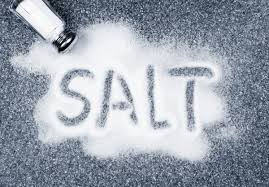
Is NaCl (table salt) a Organic or Inorganic Compound?
a)
Inorganic
b)
Organic
6.
Which of the following formulas is inorganic?
a)
CHO
b)
CH
c)
SiO
d)
CHCOOH
7.
Which of the following elements is required in an organic compound?
a)
nitrogen
b)
oxygen
c)
carbon
d)
sodium
8.
Which are the four organic compounds found in living things?
a)
Carbohydrates, Lipids, Proteins, Nucleic Acids
b)
Fats, Proteins, Atoms, Osmosis
c)
Eating, Sleeping, Breathing, Talking
d)
Anything without Carbon in it
9.
The compound CHO is...
a)
inorganic
b)
organic
10.
Is NaCl (table salt) a Organic or Inorganic Compound?
a)
Inorganic
b)
Organic
11.
Which of the following elements is required in an organic compound?
a)
nitrogen
b)
oxygen
c)
carbon
d)
sodium
12.

1km=..........m

a)

100

b)

1000

c)

10

d)

10000

13.
9200 cm = _____ m
a)
92
b)
920
c)
9200
d)
9.2
14.
4620 cm = _____  m
a)
46.2
b)
462
c)
.462
d)
46200
15.
6426 cm = _____ m
a)
64.26
b)
6.426
c)
.6426
d)
642.6
16.
5800 cm = _____ m
a)
580000
b)
.58
c)
5.8
d)
58
17.
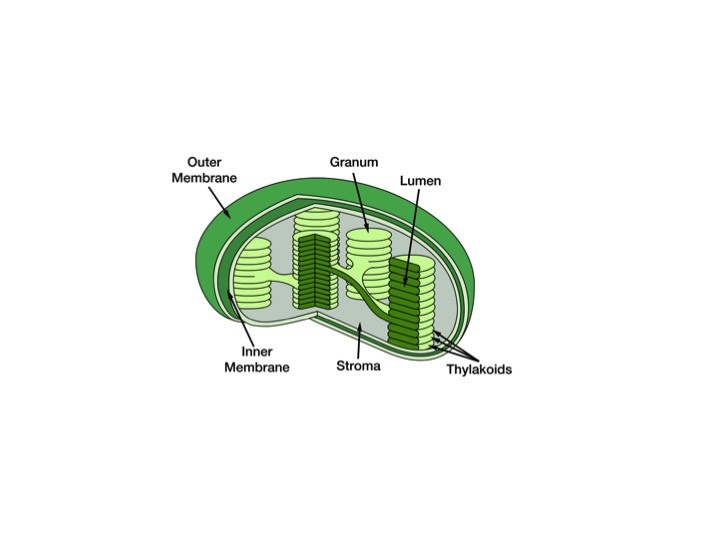
Which organelle performs PHOTOSYNTHESIS?
a)
Chloroplast
b)
Mitochondria
18.
What process occurs when light energy is captured in autotrophs and converted into sugar?
a)
Photosynthesis
b)
Cellular Respiration
19.
What is the ultimate ORIGINAL source of energy for living things
a)
Sugar
b)
Sun
c)
Moon
d)
Carbon Dioxide
20.
Which organisms perform Photosynthesis?
a)
Only Autotrophs
b)
Only Heterotrophs
c)
Autotrophs and Heterotrophs
21.
Which of the following is an example of an AUTOTROPH?
a)
Appletree
b)
Dog
c)
Mushroom
d)
Human
22.
Which gas is removed from the atmosphere during photosynthesis?
a)
hydrogen
b)
oxygen
c)
nitrogen
d)
carbon dioxide
23.
What are the products of photosynthesis?
a)
water and carbon dioxide
b)
oxygen and glucose
c)
oxygen and carbon dioxide
d)
oxygen and water
24.
Plants need ________ for photosynthesis
a)
oxygen
b)
soil
c)
carbon dioxide
d)
sugar
25.
What is photosynthesis?
a)
The process in which humans eat their food
b)
When a photographer takes a photo.
c)
To get your pictures from the photo lab.
d)
The process in which plants make their food.
26.
Chloroplasts are...
a)
Structures of animal cells to produce ATP
b)
Organelles where lipids are elaborated
c)
Specialized structures of plants where food is made
d)
Waste organelle of plants
27.
What is the pigment in chloroplasts that performs photosynthesis?
a)
Chlorosynthesis
b)
Chlorophyll
c)
ADP
d)
Electron Transport
28.
Leaves look green because.....
a)
they eat their vegetables
b)
to blend into their environment
c)
they contain a molecule named chlorophyll
d)
they are sick
29.
What process is the diagram representing?
a)
Photosynthesis
b)
Soil development
c)
Plant reproduction
d)
Nitrogen Cycle
Nitrogen cycle
30.
What is produced as a result of photosynthesis?
a)
Glucose and Chlorophyll
b)
Glucose and Oxygen
c)
Water and Light energy
d)
Carbon dioxide and Water
31.
Which gas is removed from the atmosphere during photosynthesis?
a)
hydrogen
b)
oxygen
c)
nitrogen
d)
carbon dioxide
32.
Which of the following go through the process of photosynthesis?
a)
bees
b)
algae
c)
humans
d)
mushrooms
33.
A student is collecting the gas given off from a plant in bright sunlight at a temperature of 27°C. The gas being collected is probably ________.
a)
oxygen
b)
carbon dioxide
c)
ATP
d)
glucose
34.
The reactants of photosynthesis are
a)
sugar and water.
b)
sugar and oxygen.
c)
carbon dioxide and water.
d)
carbon dioxide and oxygen.
35.
Which statement about photosynthesis is correct?
a)
Plants get the energy they need for photosynthesis from water.
b)
Plants get the energy they need for photosynthesis from soil.
c)
Plants get the energy they need for photosynthesis from sunlight.
d)
Plants do not require energy to perform photosynthesis.
36.
What are the reactants (what's needed) for photosynthesis?
a)
glucose and oxygen
b)
light, water, and carbon dioxide
37.
Where does the energy start in this food chain?
a)
Plant
b)
Sun
c)
Deer
d)
Wolf
38.
What is the role of a producer?
a)
Use sunlight to make food
b)
Gain energy from eating other organisms
c)
Keep other species from overpopulating
d)
Breaking down dead stuff 
39.
What's the role of consumers in a food chain?
a)
Use sunlight to make food 
b)
Eat other species and keep them from overpopulating
c)
Break down dead stuff
d)
Add nutrients to the soil
40.
What is the role of decomposers in a food chain?
a)
Use sunlight to make food
b)
Eat other organisms to gain energy
c)
Make the food for the whole food chain
d)
Break down dead organisms and add nutrients to the soil
41.
Which of these organisms would receive energy from the snake?
a)
Plant
b)
Rabbit
c)
Mouse
d)
Hawk
42.
Which type of consumer eats meat only?
a)
Producers
b)
Herbivores
c)
Carnivores
d)
Omnivores
43.
Which type of consumer eats meat and plants?
a)
Herbivores
b)
Carnivores
c)
Omnivores
d)
Plants
44.
Which type of consumer is always a first consumer?
a)
Herbivore
b)
Omnivore
c)
Carnivore
d)
Producer
45.
Which type of consumer could be a first or second consumer?
a)
Herbivore
b)
Omnivore
c)
Carnivore
d)
Producer
46.
Which of these is a decomposer?
a)
Fungi
b)
Hawk
c)
Dog
d)
Grass
47.
Which of the following is a producer?
a)
Maple tree
b)
Sunfish
c)
Bunny
d)
Bear
48.
Which of these is true about this food web?
a)
The Owl gets its energy from the producer.
b)
The Lion gets its energy only from a wild cat.
c)
The Kite gets its energy from the goat.
d)
The Mouse is most likely to die, several ways.
49.
What is this called?
a)
Food Web
b)
Food Chain
c)
Abiotic Factors
50.
What is this called?
a)
Food Web
b)
Food Chain
c)
Abiotic Factors
51.
If a frog is the prey, what could be the predator?
a)
Grass
b)
Insect
c)
Snake
d)
Snail
52.
What does a Primary Consumer eat?
a)
Tertiary Consumers
b)
Secondary Consumers
c)
Producers
53.
An animal that eats other animals is a....
a)
carnivore
b)
omnivore
c)
herbivore
d)
decomposer
54.
In a food web, arrows point at:
a)
who gets energy.
b)
who gets eaten.
55.
Which of the following is a herbivore?
a)
cricket
b)
frog
c)
hawk
d)
shrew
56.
If the grasshopper were to be removed completely from the food web, what organism would be most effected?
a)
The squirrel
b)
The shrew
c)
The deer
d)
The rabbit
57.
Energy is passed along the organisms in a food chain. What is the original source of the energy?
a)
decomposers
b)
consumers
c)
producers
d)
sun
58.

The organism that eats the secondary consumer is called the

a)

primary consumer

b)

tertiary consumer

c)

secondary consumer

d)

producer

59.
Consumers can make their own food
a)
True
b)
False
60.
Which organism is the apex (top) predator in this ecosystem?
a)
algae/seaweed
b)
sea lion
c)
killer whale
d)
penguin
61.
Which organism is the tertiary consumer in the food chain pictured?
a)
sea lion
b)
killer whale
c)
penguin
d)
small fish
62.
Which organism is the producer?
a)
small fish
b)
penguin
c)
algae/seaweed
d)
killer whale
63.
Wolves do not have predators, because they are at the top of the food chain. They hunt, but do not get hunted. Which part of the food chain would most likely be a wolf?
a)
primary consumer
b)
tertiary consumer
c)
decompser
d)
producer
64.
What comes first?
a)
Mouth
b)
stomach
c)
large intestine
d)
none
65.
Why is the esophagus/food pipe important?
a)
To swallow food
b)
To choke
c)
To make your breath smelly
d)
None of these
66.
What does the stomach do?
a)
Nothing
b)
Adds digestive juices to the food
c)
Goes out to the rectum
d)
Barley any of these
67.
Type of digestion in the stomach:
a)
Mechanical
b)
Chemical
c)
Both
68.
Where chemical digestion starts.
a)
Small intestine
b)
Oesophagus
c)
Mouth
d)
Stomach
69.
Which system enables the body to move, moves food through the digestive system, and keeps the heart beating?
a)
skeletal 
b)
muscular
c)
digestive
d)
nervous
70.
Which system provides shape and support, enables you to move, protects your internal organs, and stores minerals?
a)
skeletal
b)
muscular
c)
digestive
d)
nervous
71.
Which system takes oxygen into the body and eliminates carbon dioxide?
a)
immune
b)
nervous
c)
respiratory
d)
circulatory
72.
Which system takes food into the body, breaks down food, and absorbs the digested materials?
a)
respiratory
b)
circulatory
c)
digestive
d)
excretory
73.
Which system is made of the smooth, skeletal, and cardiac muscles?
a)
skeletal
b)
muscular
c)
nervous
d)
excretory
74.
Which system detects information from the environment and directs the way your body responds to this information?
a)
excretory
b)
circulatory
c)
respiratory
d)
nervous
75.
Which system includes bones, cartilage, and ligaments?
a)
nervous
b)
muscular
c)
skeletal
d)
excretory
76.
Which system includes the nose, trachea and the lungs?
a)
respiratory
b)
circulatory
c)
immune
d)
digestive
77.
Which system fights disease?
a)
excretory
b)
nervous
c)
immune
d)
digestive
78.
Which system collects and removes wastes?
a)
Muscular
b)
Circulatory
c)
Digestive
d)
Excretory
79.
Which system carries needed materials to the body cells and carries wastes away from the body cells?
a)
Circulatory
b)
Digestive
c)
Nervous
d)
Excretory
80.
Which system includes the heart and blood vessels?
a)
respiratory
b)
circulatory
c)
nervous 
d)
skeletal
81.
Which two body systems deliver oxygen to your cells and take away carbon dioxide?
a)
respiratory and nervous
b)
circulatory and nervous
c)
circulatory and excretory
d)
Respiratory and circulatory
82.
Which two body systems work together to break down food and get rid of wastes?
a)
digestive and excretory
b)
digestive and circulatory
c)
excretory and respiratory
d)
nervous and digestive
83.
Which of the following shows an energy transformation from chemical energy to electrical to light energy?
a)
A bolt of lightning lights the night sky.
b)
A candle glows brightly in the dark.
c)
A fire in a fireplace lights up a room.
d)
A battery causes a flashlight to shine.
84.
People get energy from the food that they eat and transform that energy as they move. Which energy transformations occur as a student rapidly rubs the palms of his hands together?
a)
mechanical to thermal to electrical
b)
chemical to mechanical to thermal
c)
mechanical to chemical to sound
d)
chemical to sound to electrical
85.
What energy transformations take place when a battery-operated radio is in use?
a)
Electrical to chemical to light
b)
Sound to chemical to mechanical
c)
Chemical to electrical to sound
d)
Light to electrical to thermal
86.
Which of the following devices transforms electrical energy into mechanical energy?
a)
An e-reader
b)
a fan
c)
a manual pencil sharpener
d)
ipod
87.
Which of the following shows the correct order of the energy transformations that occur when green plants produce their food from the Sun’s energy?
a)
chemical to thermal
b)
light to chemical
c)
thermal to light
d)
chemical to electrical
88.
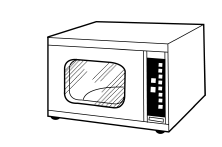
The picture shows a microwave oven. As a microwave oven is operated, electrical energy is transformed into all of the following types of energy EXCEPT —
a)
solar
b)
light
c)
thermal
d)
mechanical
89.
Which catastrophic event will most likely have the effect of returning an ecosystem to primary succession?
a)
A tornado
b)
A volcanic eruption
c)
A flood
d)
A drought
90.
Which of the following describes large areas of ground that fall or flow on slopes due to gravity?
a)
floods
b)
hurricanes
c)
landslides
d)
wildfires
91.
Where are hurricanes most likely to do the most damage?
a)
Near the coast
b)
In the forest
c)
In a desert
d)
On the North Pole
92.
What catastrophic event would be of greatest risk to a grassland?
a)
hurricane
b)
flood
c)
tsunami
d)
wildfire
93.
What catastrophic event results in destruction along a narrow path?
a)
a volcanic eruption
b)
a tsunami
c)
a hurricane
d)
a tornado
94.
What catastrophic event can be caused by thunderstorms?
a)
a wildfire
b)
a tsunami
c)
a volcanic eruption
d)
a drought
95.
How are tsunamis generated?
a)
generated from earthquakes
b)
generated from tornadoes
c)
generated from crazy people
96.
What is the major cause of weathering and erosion to form canyons?
a)
wind
b)
ice
c)
glaciers
d)
moving water
97.
The process of breaking up rocks on Earth's surface is called...
a)
sediment
b)
erosion
c)
weathering
d)
deposition 
98.
How does freezing water cause the weathering of rocks?  The freezing water—
a)
keeps the rocks in place
b)
makes the rocks last longer
c)
expands in the cracks and breaks rocks
d)
causes rocks to fall in landslides
99.
Which natural disaster uses the Richter scale to measure strength? 
a)
Earthquake
b)
Tornado
c)
Tsunami
d)
Hurricane
100.
Which of the following natural disasters have had the LEAST impact on TEXAS
a)
hurricanes
b)
floods
c)
tornadoes
d)
earthquakes
101.
Rain washing away soil from a hillside
a)
Weathering
b)
Erosion
c)
Deposition
102.
Where do hurricanes form?
a)
In a river or stream
b)
Over the ocean
c)
At plate boundaries
d)
Under the Earth
103.

Water found on the surface is called

a)

Groundwater

b)

Surface Water

c)

Land Water

d)

Sea Water

104.

Water found underground is called

a)

Groundwater

b)

Underground Water

c)

Cave Water

d)

Sea Water

105.

____ is the source of all groundwater

a)

Precipitation

b)

Rain

c)

Liquids

106.

What is causing this to move?

a)

Gravity

b)

Runoff

c)

Wind

d)

Rotation of Earth

e)

Machines forcing the water to move
107.
How do people extract groundwater?
a)
groundwater cannot be extracted
b)
by drilling wells and pumping water out of the ground
c)
mining water from the Earth
d)
answer not shown
108.
How can surface pollutants contaminate groundwater?
a)
runoff with water and penetrate soil
b)
seep into ground and rock
c)
spread in aquifer to contaminate large areas
d)
all answers are correct
109.
Groundwater is found in permeable rock.  Permeable means…
a)
porous
b)
nothing can pass throughc
c)
caves and caverns
d)
answer not shown
110.
An underground layer of permeable rock that holds groundwater which can be extracted by drilling a well.
a)
water table
b)
aquifer
c)
watershed
d)
river
111.
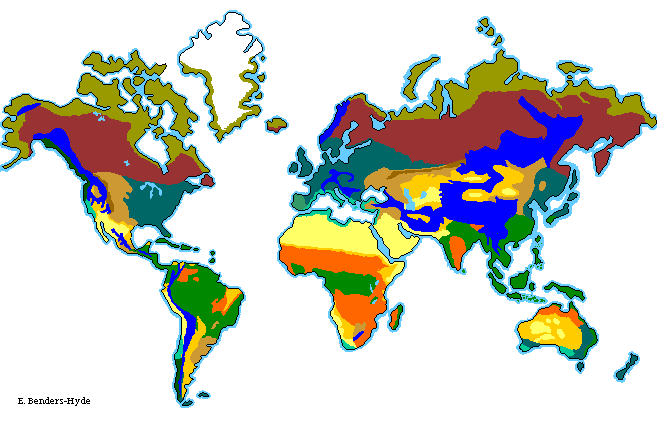
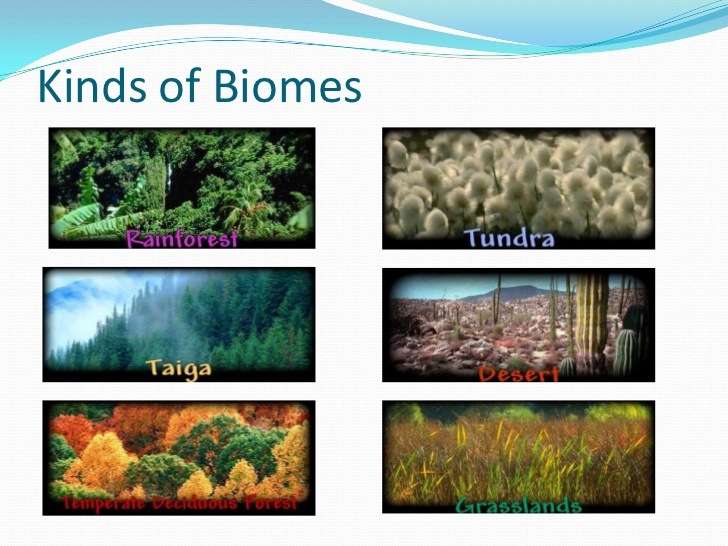
A large ecosystem is called a ______
a)
Ecosystem
b)
Habitat
c)
Biome
d)
Niche
112.
What is the main factor that separates the biomes?
a)
Land
b)
Water
c)
Climate
d)
Longitude
113.
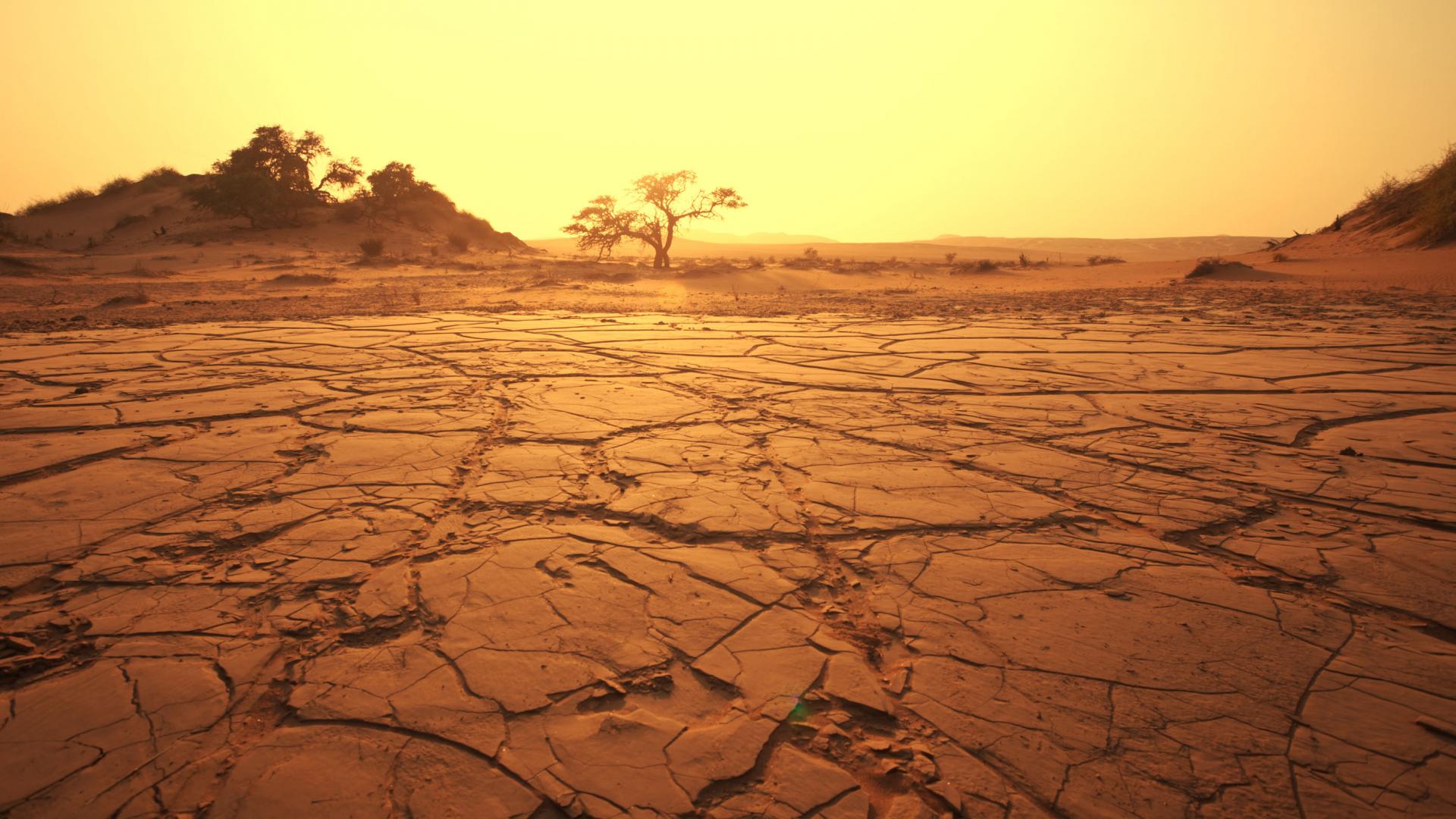
Which biome is the driest?
a)
Desert
b)
Tundra
c)
Taiga
d)
Rainforest
114.
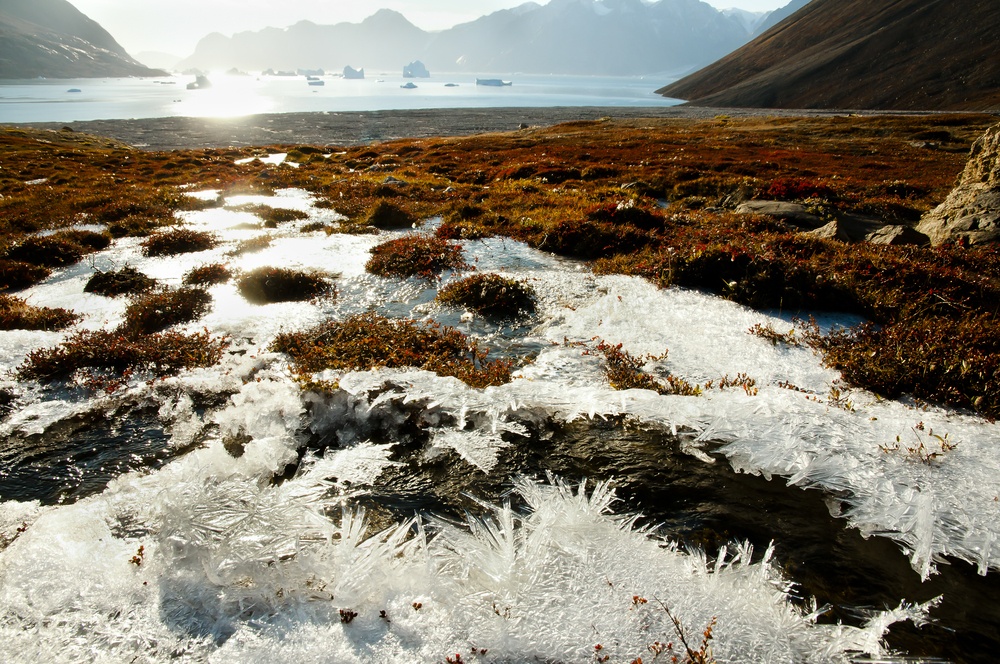
Which Biome has permafrost?
a)
Temperate Forest
b)
Rainforest
c)
Taiga
d)
Tundra
115.
Which biome has deciduous trees (which lose their leaves)?
a)
Temperate Forest
b)
Rainforest
c)
Grasslands
d)
Taiga
116.
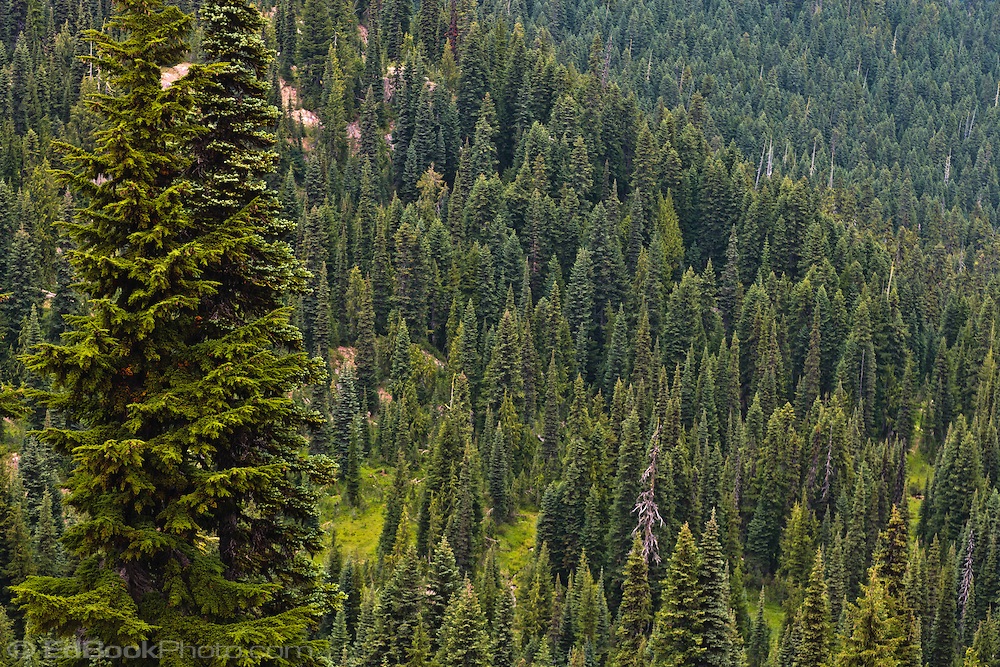
Which biome has coniferous trees (which don't lose their leaves)?
a)
Taiga
b)
Temperate Forest
c)
Tundra
d)
Grasslands
117.
Which biome has wide-open fields of grass?
a)
Taiga
b)
Grasslands
c)
Temperate Forest
d)
Rainforest
118.
Which biome has the most variety of plants and animals?
a)
Temperate Forest
b)
Rainforest
c)
Tundra
d)
Grasslands
119.
Which biome has 4 seasons?
a)
Taiga
b)
Tundra
c)
Grasslands
d)
Temperate Forest
120.
In which 2 biomes can only plants/animals with adaptations survive?
a)
Taiga/Temperate Forest
b)
Grasslands/Desert
c)
Tundra/Desert
d)
Rainforest/Tundra
121.
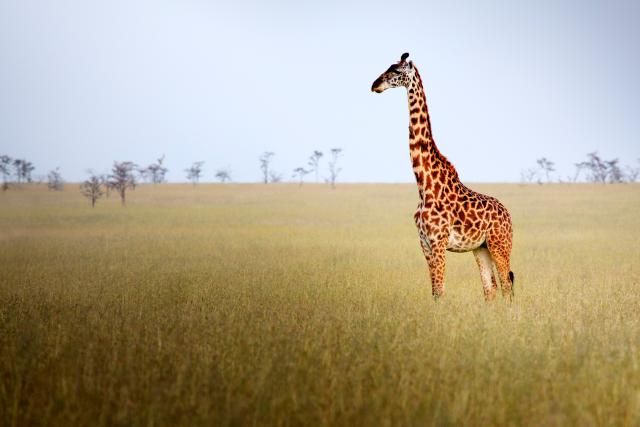
Which biome is home to lions, zebras, wildebeests, giraffes, and elephants?
a)
Grasslands
b)
Tundra
c)
Rainforest
d)
Temperate Forest
122.
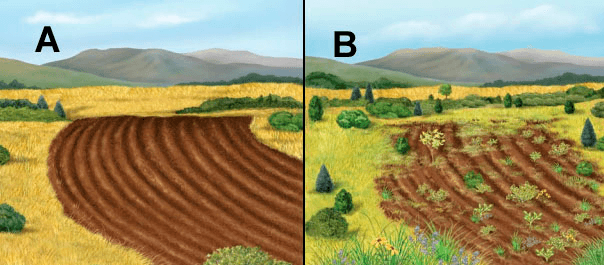
What is the order of succession shown in this figure?
a)
A, B, C, D
b)
B, A, D, C
c)
C, D, A, B
d)
D, A, B, C
123.
What type of succession is shown going from figure A to figure B?
a)
primary succession
b)
ecological succession
c)
secondary succession
d)
intermediate
124.
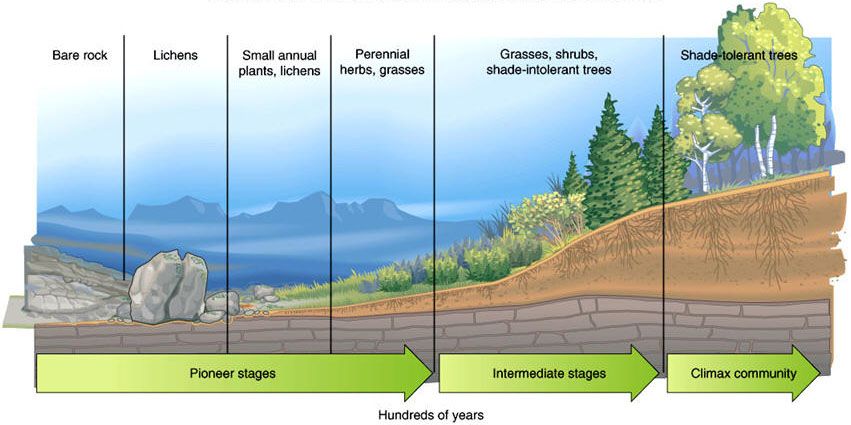
What is the goal of the pioneer species in Primary Succession?
a)
To kill the dead materials after a disaster
b)
To rebuild soil
c)
To feed Johnny
d)
To put fresh oxygen into the air
125.
The picture shows what type of succession?
a)
primary
b)
secondary
c)
tertiary
d)
quadanary
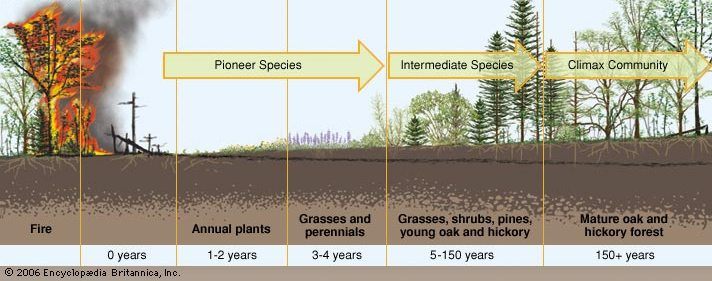
126.
The picture shows what type of succession?
a)
primary
b)
secondary
c)
tertiary
d)
quadanary
127.
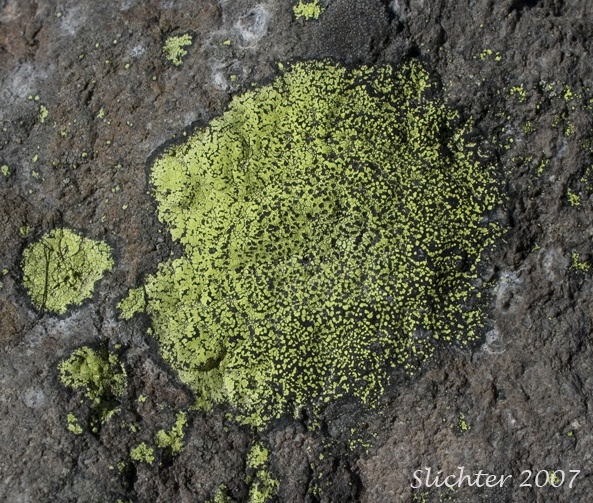
What is the name given to lichen or algae after a primary succession?
a)
pioneer species
b)
volunteer species
c)
founder species
d)
conqueror species
128.

A group of organisms that share similar characteristics and can reproduce among themselves to produce fertile offspring.

a)

Mutation

b)

Species

c)

Adaptation

d)

Variation

129.

This is change in inherited characteristics over time

a)

Evolution

b)

Adaptation

c)

Mutation

d)

Variation

130.

This is any variation that makes an organism better suited to its environment.

a)

Evolution

b)

Graduation

c)

Species

d)

Adaptation

131.

This is the study of embryos and their development.

a)

Gradualism

b)

Embryology

c)

Evolution

d)

Mutation

132.

This is any permanent change in the DNA sequence of a gene or chromosome of a cell.

a)

Species

b)

Adaptation

c)

Mutation

d)

Gradualism

133.
EVOLUTION
a)
A trait that helps an organism survive and reproduce
b)
Competition where offspring compete for food and other resources in order to survive
c)
The gradual change of species over time
d)
Most species produce far more offspring than can possibly survive
134.
COMPETITION
a)
Offspring compete for food and other resources in order to survive
b)
Scientists compare the DNA of living organisms to find similarities among the species to see how closely related they are
c)
How organisms develop in similar ways in the womb
d)
A trait that helps an organism survive and reproduce
135.
OVERPRODUCTION
a)
Most species produce far more offspring than can possibly survive
b)
Process by which individuals that are better adapted to their environment are more likely to survive and reproduce
c)
Homologous structures that related species have from common ancestors
d)
The gradual change of species over time
136.
VARIATION
a)
The gradual change of species over time
b)
Differences in traits between members of the same species
c)
Organisms develop in similar ways in the womb
d)
Survival of the fittest
137.
Survival of the Fittest and Evolution were proposed by what scientist?
a)
Charles Darwin
b)
Albert Einstein
c)
Steven Hawking
d)
Isaac Newton
138.
When every organism of a species has died.
a)
Evolution
b)
Natural Selection
c)
Extinction
d)
Artificial Selection
139.
Which of the following is the smallest unit of life that can carry out all life functions?
a)
the mitochondria
b)
the vacuoles
c)
the nucleus
d)
the cell
140.
Which structures are found in every living cell?
a)
cell membrane and cytoplasm
b)
chloroplasts and mitochondria
c)
a cell wall and nucleus
d)
chloroplasts and cell wall
141.
What is the function of the cell nucleus found in both plant and animal cells?
a)
to produce energy
b)
to control cell activity
c)
to remove waste products
d)
to allow molecules to enter the cell
142.
What is one basic function of the vacuoles?
a)
circulating oxygen
b)
producing food
c)
controlling cell processes
d)
storing water
143.
Chloroplasts in plant cells allow the plant to perform a function that animal cells cannot do.  What is the main function of the chloroplasts found in plant cells?
a)
to absorb light energy and manufacture food
b)
to remove waste materials by active transport
c)
to manufacture chemical energy from food
d)
to control the shape of the cell
144.
All cells need energy to function.  Which cell organelle is responsible for producing energy in the cell?
a)
chloroplasts
b)
mitochondria
c)
nucleus
d)
vacuoles
145.
What is the function of a cell wall?
a)
to protect and support the cell
b)
to perform different functions in each cell
c)
to prevent water from passing through it
d)
to prevent oxygen from entering the cell