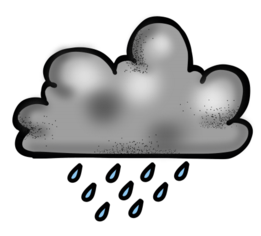
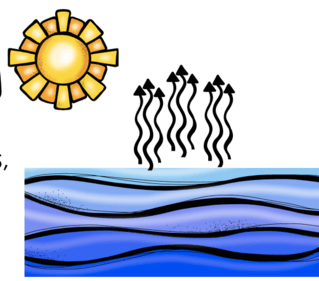
wayground logo

Free Printable Worksheets

Font size

S
M
L
XL
Worksheets

All units quiz

Total questions: 178

Worksheet time: 5hrs 43mins

Name
Class
Date
1.

Forces that build up the Earth's surface are called:

a)

destructive forces

b)

constructive forces

c)

both constructive and destructive forces

2.

What does erosion do?

a)

breaks down rock physically

b)

moves or carries away pieces of rock and dirt

c)

changes rock chemically

3.

Which of these is an example of deposition?

a)

Acids eating into rock

b)

Landslides falling down mountain sides

c)

Plant roots breaking apart rock

d)

Wind building sand dunes

4.

The building up of Earth's surface is a constructive process.

a)

True

b)

False

5.

The tearing down of Earth's surface is a destructive process.

a)

True

b)

False

6.
The movement of sediment or soil from one location to another by means of water, ice, or wind is called ______________.
a)
Weathering
b)
Deposition
c)
Erosion
d)
Soil Movement
7.
What is weathering?
a)
a type of climate
b)
the movement of rock pieces from one place to another
c)
the breaking down of rock into smaller pieces
d)
a force that pulls pieces of rock downhill
8.
What is a destructive force?
a)
A natural process that destroys land
b)
A natural process that creates land
c)
A natural process where areas that are normally dry is covered in water
9.
Rain washing away soil from a hillside
a)
Weathering
b)
Erosion
c)
Deposition
10.
When those materials stop moving and build up somewhere else.
a)
Weathering
b)
Erosion
c)
Deposition
11.
What drives tectonic plate movement? 
a)
gravity
b)
coriolis effect
c)
convection currents
d)
the earth's magnetic core
12.

The idea that the surface of Earth is broken into pieces that move due to convection currents in the mantle:

a)

hypothesis of continental drift

b)

theory of plate tectonics

c)

Alfred's Great Idea

d)

Wegener's Theorem

13.
Convection currents in the Earth's mantle are caused by
a)
Less dense hot magma moving downward
b)
Less dense hot magma moving upward
c)
Tectonic plate movement
d)
More dense cooler magma moving upward
14.
Hot matter is _________ dense and ___________
a)
less, sinks
b)
less, rises
c)
more, sinks
d)
more, rises
15.
all matter is made of what 
a)
energy 
b)
atoms 
c)
electrons 
d)
compounds 
16.
The positive particles of an atom are 
a)
electrons 
b)
positrons 
c)
neutrons 
d)
protons 
17.
the central region of an atom where its neutrons and protons are is its 
a)
nucleus 
b)
electron cloud
c)
core 
d)
center 
18.
an atom with atomic number 6 would have how many protons 
a)
6
b)
12
c)
3
d)
cannot be determined 
19.
Particles in an atom that are neutral and have no charge are 
a)
negatrons 
b)
electrons 
c)
neutrons 
d)
protons 
20.
True or False? Neutrons have a negative charge
a)
True
b)
False
21.
What is the atomic number for an element with three protons?
a)
2
b)
1
c)
3
d)
6
22.
A particle that moves around the nucleus is a(n)...
a)
Proton
b)
Neutron
c)
Electron
d)
Quark
23.
In the modern periodic table elements are arranged by:
a)
atomic mass
b)
atomic number
c)
valence electrons
d)
number of isotopes
24.
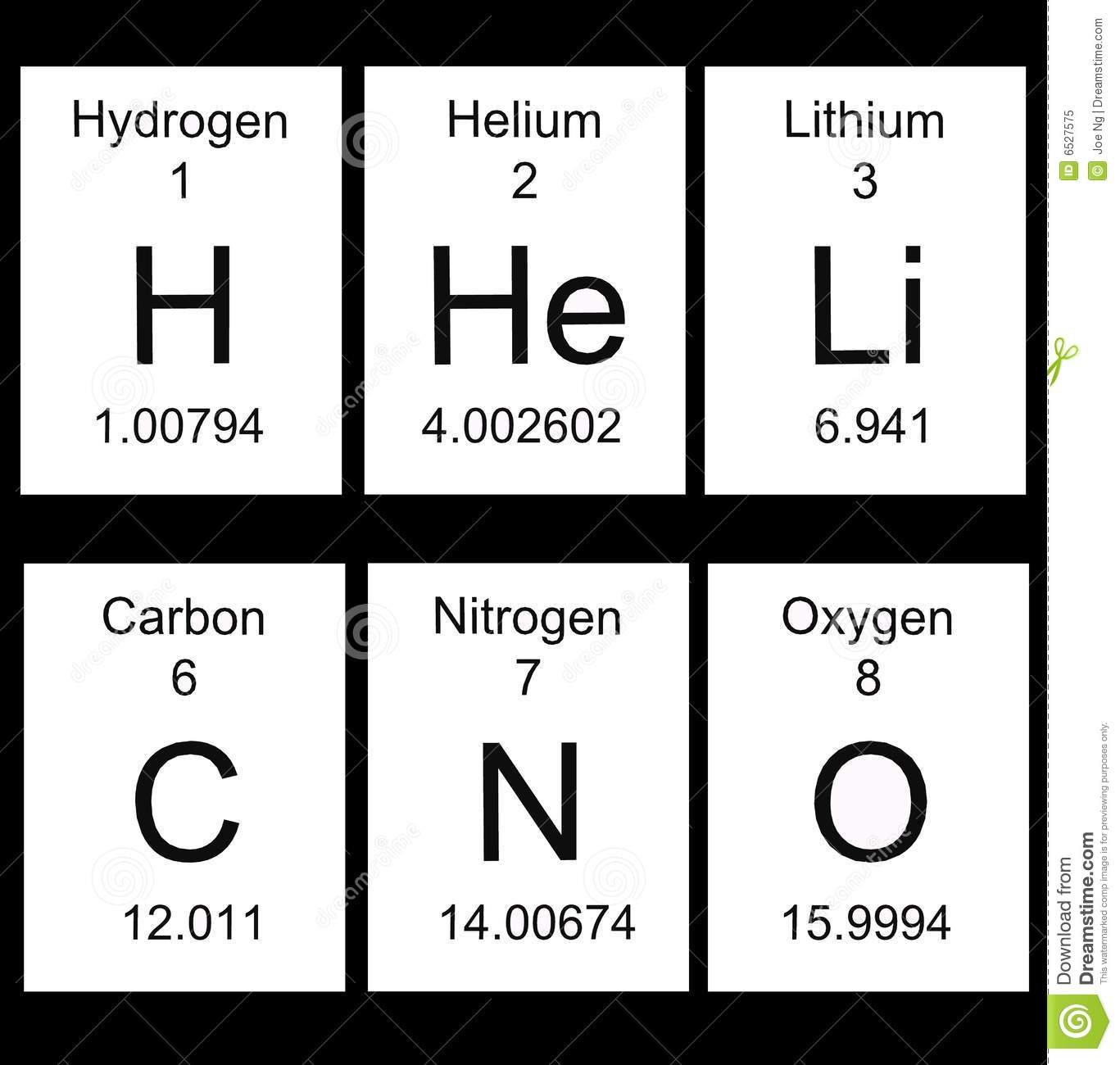
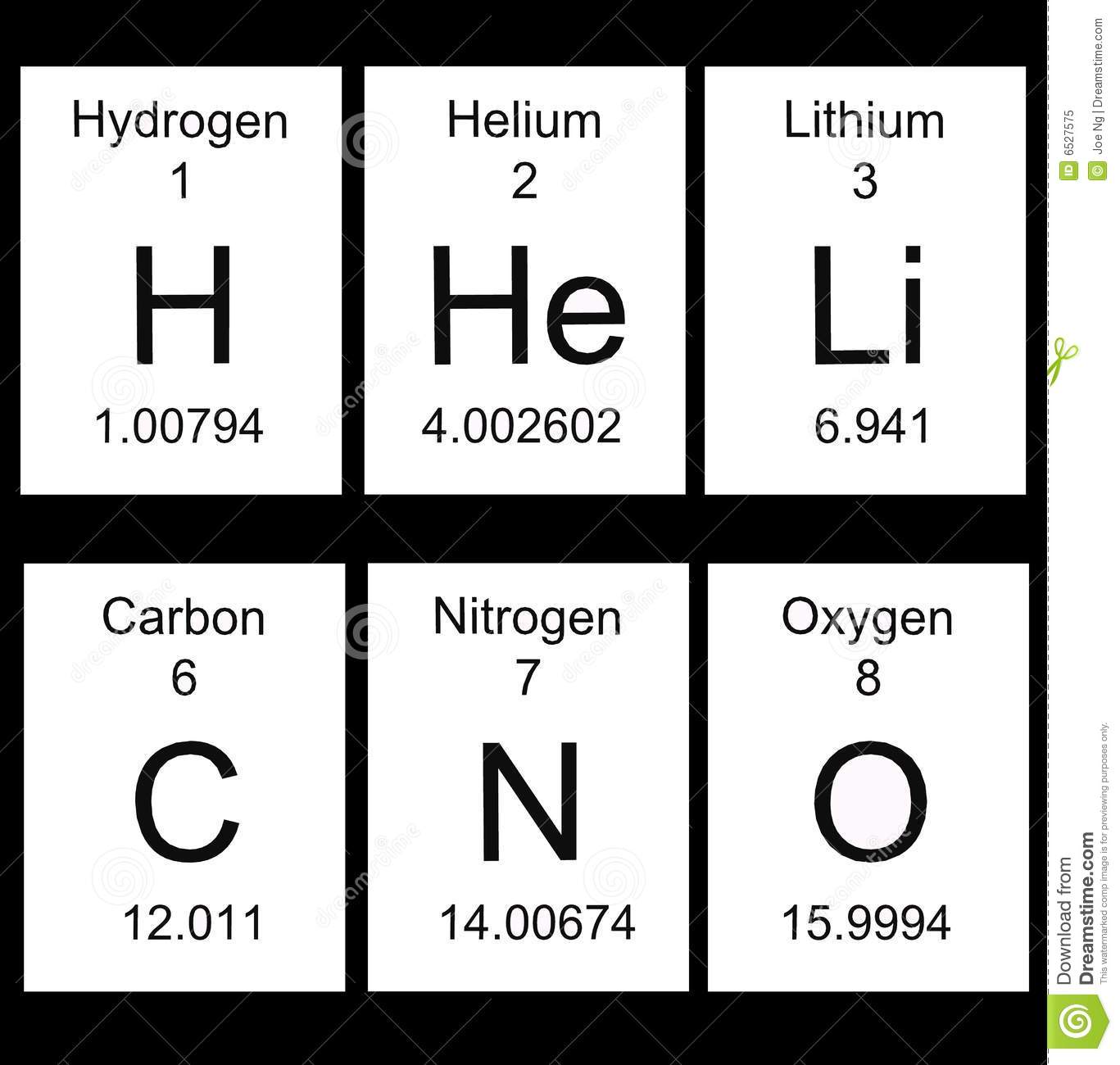
What does the 1.00794 stand for?
a)
Hydrogen
b)
atomic number
c)
atomic mass
d)
atomic explosion
25.
What is the atomic number?
a)
the number of protons
b)
the number of protons and neutrons
c)
the number of neutrons
d)
the number of protons and electrons
26.
What is the mass number?
a)
the number of protons
b)
the number of protons and neutrons
c)
the number of neutrons
d)
the number of protons and electrons
27.
Which is the correct formula for:
 three hydrogen (H)
one sulfur (S)
four oxygen (O)
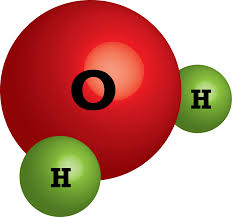
a)
H3SO4
b)
HSO4
c)
H4S3O
d)
H2O
28.
The number of Na's in Na₂CO₃
a)
1
b)
2
c)
3
d)
6
29.
How many Elements are in the compound C2H8O ?
a)
2
b)
1
c)
3
d)
0
30.
How many atoms of Hydrogen are in this compound
a)
1
b)
2
c)
3
d)
4
31.
How many atoms of Oxygen are in this compound?
a)
1
b)
2
c)
3
d)
4
32.
How many TOTAL atoms are in this compound?
H2C3O4N5
a)
5
b)
14
c)
15
d)
19
33.
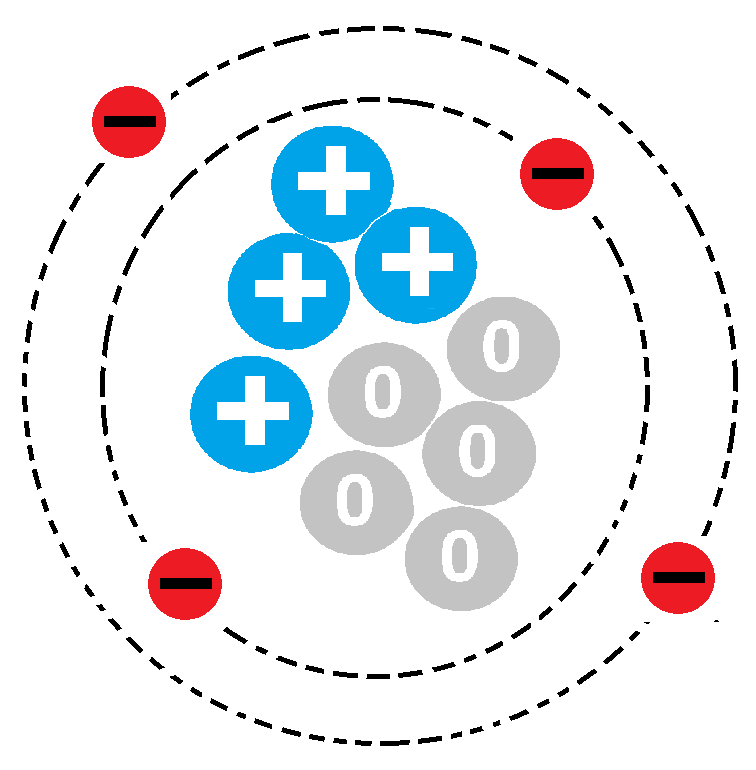
What is the number of protons that the element in this image contain?
a)
14
b)
7
c)
15
d)
18
34.
(Element or Compound)
       C2H8
a)
Element
b)
Letters
c)
Numbers
d)
Compound
35.
Which of the following represents an element?
a)
H2O
b)
H2
c)
NaCl
d)
CaCO3
36.
Which of the following is not a compound?
a)
HCl
b)
Cl
c)
NaCl
d)
CO2
37.
Salt has a chemical formula of NaCl.  Salt is a...
a)
Compound
b)
Element
c)
Mixture
d)
None of the Above
38.
What is made up two or more elements that are chemically combined?
a)
Element
b)
Mixture
c)
Compound
d)
Solids
39.
An element is made up of only one kind of _____.
a)
isotope
b)
plastic
c)
atom
d)
metal
40.
What is the mass number?
a)
the number of protons
b)
the number of protons and neutrons
c)
the number of neutrons
d)
the number of protons and electrons
41.
What is the atomic number of this atom?
a)
4
b)
5
c)
9
d)
none of the above
42.
What is the atomic number of this atom?
a)
9
b)
10
c)
19
d)
27
43.
What is the atomic number of this atom?
a)
2
b)
4
c)
6
d)
none of the above
44.
This particle determines what element you have - the elements identity.
a)
electron
b)
proton
c)
neutron
d)
valence shell
45.
What is the term for combining 2 or more atoms together?
a)
atoms
b)
elements
c)
molecules
d)
compounds
46.
What is the term for combining 2 or more DIFFERENT atoms together?
a)
atoms
b)
elements
c)
molecules
d)
compounds
47.
What is the picture displayed?
a)
Atom
b)
Element
c)
Molecule
d)
Compound
48.
What is the picture displayed?
a)
atom
b)
element
c)
molecule
d)
compound
49.
What is the picture displayed?
a)
atom
b)
element
c)
molecule
d)
compound
50.
Are these molecules also compounds?
a)
YES
b)
NO
51.
Review:
What is the formula for density?
a)
D= M x V
b)
D= V / M
c)
D= V+M
d)
D= M / V
52.
The number at the bottom of each square on the periodic table is the ...
a)
atomic number
b)
atomic mass
c)
chemical symbol
d)
element name
53.
The number at the top of each square on the periodic table is the ...
a)
atomic number
b)
atomic mass
c)
Chemical Symbol
d)
Element Name
54.
What is the definition of "weight"?
a)
measure of the force of gravity on your body
b)
the time it takes to get on a ride 
c)
the amount of matter in an object
d)
the size of an object
55.
A measure of how much matter an object has is--
a)
weight
b)
gravity
c)
mass
d)
volume
56.

On which celestial object (outer space) would your mass be the greatest?

a)

Earth

b)

Jupiter

c)

Sun

d)

Your mass doesn't change on different celestial objects
57.

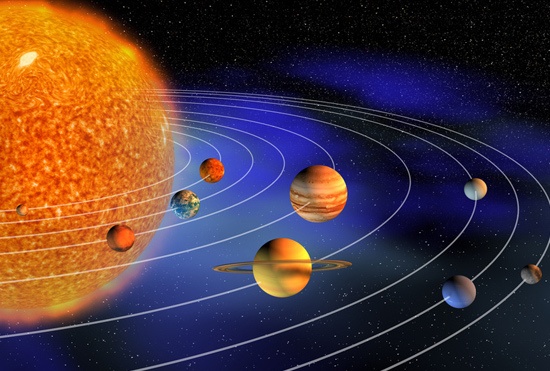
Why do all of the planets orbit the sun rather than Earth?

a)

the sun has more mass

b)

the sun is a star

c)

the Earth is heavier

d)

the sun is in the middle of the milky way

58.
As an object's mass increases, its gravitational pull will ____________.
a)
decrease
b)
increase
c)
stay the same
d)
get weaker
59.
If an object has more mass, then it will
a)
weigh more.
b)
weigh less.
c)
weigh the same as an object with less mass.
d)
always have more volume than an object with less mass.
60.
Two factors effecting the magnitude of the force of gravity between 2 objects are...
a)
mass and distance 
b)
mass and matter
c)
distance and weight 
d)
weight and mass
61.
Which of the following never changes no matter where in the universe?
a)
weight
b)
force
c)
mass
d)
pounds
62.
If Earth's mass was cut in half, what would happen to your mass?
a)
increase because gravitational force increases
b)
decrease because gravitational force decreases
c)
decrease because gravitational force increases
d)
nothing, mass is not affected by gravitational force
63.
An object with which of the following densities will float on water?
a)
0.7 g/cm3
b)
1.2 g/cm3
c)
3.5 g/cm3
d)
11.4 g/cm3
64.
Why do ice cubes float in a  glass of water?
a)
the ice cubes are more dense than the water
b)
the water is more dense than the ice cubes
c)
the water is more dense than the glass
d)
the ice is more dense than the glass
65.
Which property of matter is determined by dividing its mass by its volume?
a)
elasticity
b)
buoyancy
c)
density
d)
viscosity
66.
Mercury is a metal that is liquid at room temperature and has a density of 13.5 g/cm3.  Which of these metals would sink below the mercury if dropped into a container of mercury?
a)
gold (density=19.3 g/cm3)
b)
lead (density=11.4 g/cm3)
c)
iron (density=7.9g/cm3)
d)
aluminum (density=2.7g/cm3)
67.
What is the density of a liquid that has a mass of 27g and a volume of 30ml?
a)
0.9 g/ml
b)
3 g/ml
c)
57 g/ml
d)
810 g/ml
68.

How much does the star weigh?

a)

15 grams

b)

10 grams

c)

5 grams

69.
What is the volume of liquid in this graduated cylinder?
a)
40.0 mL
b)
40.3 mL
c)
43.0 mL
d)
44.0 mL
70.
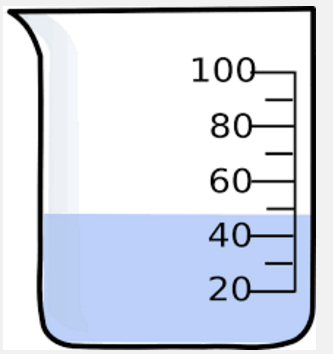
About how much liquid is in this beaker? 
a)
100 mL
b)
40 mL
c)
50 ML
d)
60 ML
71.
What is the mass on this triple beam?
a)
220g
b)
222g
c)
20g
72.
Anything made of matter must _____________________.
a)
take up space and have mass
b)
have mass and be a solid
c)
be a solid and not move
d)
take up space and be a liquid
73.
What is the mass on this triple beam?
a)
270g
b)
202g
c)
273g
74.
What is the mass on this triple beam?
a)
143g
b)
40g
c)
43g
d)
3g
75.
Tool used to measure MASS
a)
Metric Ruler
b)
Triple Beam Balance
c)
Graduated Cylinder
d)
Thermometer
76.

What instrument is pictured here?

a)

Beaker

b)

Graduated cylinder

c)

Flask

d)

Test tube

77.
What is the volume of water inside this graduated cylinder?
a)
10.3 mL
b)
13.0 mL
c)
14.0 mL
d)
15.0 mL
78.
Volume is ...
a)
Mass/Volume
b)
The amount of matter in an object.
c)
The amount of space an object occupies.
d)
Anything that has mass and occupies space.
79.
What is the volume of the fish inside the graduated cylinder?
a)
38 mL
b)
6 mL
c)
32 mL
d)
Not enough information to solve
80.

What is the formula to calculate volume?

a)

V = length x width

b)

V = length x width x height

c)

V = width x height

d)

V = height x length

81.

Solids with a regular shape can be measured with ________.

a)

a graduated cylinder

b)

a ruler

82.

Solids with an irregular shape can be measured with a ________.

a)

graduated cylinder

b)

ruler

83.

What units are used to measure liquid in a graduated cylinder?

a)

cubic meters

b)

cubic centimers

c)

milliliters

d)

milimeters

84.

What units are used to measure a regular or irregular shape?

a)

millimeters

b)

cubic inches

c)

milliliters

d)

cubic centimers

85.
Which of the following terms identifies the change from a liquid to gas?
a)
Vaporization
b)
Condensation
c)
Deposition
d)
Sublimation
86.
When the temperature of matter increases the particles...
a)
speed up and move closer
b)
speed up and move farther apart
c)
slow down and move closer together
d)
slow down and move farther apart
87.
No Definite Shape and No Definite Volume
a)
Gas
b)
Liquid
c)
Solid
88.
Definite shape and a definite volume.
a)
Gas
b)
Liquid
c)
Solid
89.
No definite shape, but has a definite volume
a)
Gas
b)
Liquid
c)
Solid
90.
Phase change from a solid to a gas.
a)
sublimation
b)
deposition
c)
condensation
d)
evaporation
91.
Phase change from a solid to a liquid.
a)
melting
b)
sublimation
c)
boiling
d)
condensation
92.
Phase change from a liquid to a gas that only happens at the surface.
a)
evaporation
b)
boiling
c)
sublimation
d)
melting
93.
When the temperature of matter decreases the particles ...
a)
speed up and move farther apart
b)
speed up and move closer together
c)
slow down and move farther apart
d)
slow down and move closer together
94.
Phase change from a gas to a liquid.
a)
condensation
b)
evaporation
c)
melting
d)
deposition
95.
A gas
a)
has a definite shape but no definite volume
b)
has a definite volume but no definite shape
c)
has fast-moving particles
96.
Which state of matter has molecules that slide past each other but stay close together? They do not form a regular pattern.
a)
solid
b)
liquid
c)
gas
97.
Change from Liquid to Solid is call......
a)
fusion
b)
Freezing
c)
sublimation
d)
evaporation
98.
All changes in the state of matter of a substance requires
a)
vibration
b)
water
c)
permission
d)
energy
99.
Boiling is ...
a)
liquid to gas
b)
gas to solid
c)
gas to liquid
d)
solid to liquid
100.
What is the water cycle?
a)
the 3 forms of water
b)
the movement of water on, above, or below the surface of the Earth
c)
when water melts
d)
when clouds form
101.
What is the energy source for the water cycle?
a)
the sun
b)
the earth
c)
water
d)
the moon
102.
What part of the water cycle does this picture show?
a)
condensation
b)
precipitation
c)
evaporation
103.
What part of the water cycle does this picture show?
a)
condensation
b)
precipitation
c)
evaporation
104.
What part of the water cycle does this picture show?
a)
condensation
b)
precipitation
c)
evaporation
105.
What is evaporation?
a)
The part of the water cycle when the sun heats up water, turning it from a liquid into water vapor or steam. It rises from the ground into the air.
b)
The part of the water cycle when the water vapor in the air gets cold. The water turns back into a liquid and forms clouds.
c)
The part of the water cycle when clouds get heavy and can no longer hold the liquid water. This causes the water to fall from the sky to the earth as rain, snow, sleet, or hail.
106.
What is condensation?
a)
The part of the water cycle when the sun heats up water, turning it from a liquid into water vapor or steam. It rises from the ground into the air.
b)
The part of the water cycle when the water vapor in the air gets cold. The water turns back into a liquid and forms clouds.
c)
The part of the water cycle when clouds get heavy and can no longer hold the liquid water. This causes the water to fall from the sky to the earth as rain, snow, sleet, or hail.
107.
What is precipitation?
a)
The part of the water cycle when the sun heats up water, turning it from a liquid into water vapor or steam. It rises from the ground into the air.
b)
The part of the water cycle when the water vapor in the air gets cold. The water turns back into a liquid and forms clouds.
c)
The part of the water cycle when clouds get heavy and can no longer hold the liquid water. This causes the water to fall from the sky to the earth as rain, snow, sleet, or hail.
108.
When water condenses, the water vapor in the air gets ___________ and changes back into liquid.
a)
cold
b)
hot
c)
warm
d)
solid
109.
Which of these is an example of precipitation?
a)
snow
b)
air
c)
clouds
d)
vapor
110.
Does evaporation happen before or after condensation?
a)
before
b)
after
c)
during
111.
Does precipitation happen before or after condensation?
a)
before
b)
after
c)
during
112.
What is a destructive force?
a)
A natural process that destroys land
b)
A natural process that creates land
c)
A natural process where areas that are normally dry is covered in water
113.
A constructive force is defined as
a)
a natural occurrence that can build up or break down
b)
an earthquake or a volcano
c)
a natural force that builds up and creates new land
d)
a destructive force that has been controlled
114.
When the material that is worn down is carried away by wind, moving water, ice, living beings or gravity.
a)
Weathering 
b)
Erosion
c)
Deposition
115.
When those materials stop moving and build up somewhere else.
a)
Weathering
b)
Erosion
c)
Deposition
116.
A hill of sand, made and shaped by wind.
a)
Sand Dune
b)
Delta
c)
Fault
d)
Volcano
117.
A shaking of Earth’s surface, caused by movement of rock in the crust.
a)
Earthquake
b)
Volcano
c)
Tsunami
118.
A mountain that forms as molten rock flows through a crack into Earth’s surface.
a)
Volcano
b)
Earthquake
c)
Hill
d)
Sand Dune
119.
Volcanoes can create new land when they release
a)
lava
b)
water
c)
faults
d)
mud
120.
Which does NOT cause erosion?
a)
water
b)
sunlight
c)
wind
d)
ice
121.
 Which example shows how Earth's surface has been changed by fast-moving water?
a)
earthquake
b)
canyon
c)
volcano
d)
freshwater lake
122.
Weathering can be created by
a)
wind
b)
ice
c)
water
d)
all of the above
123.
A glacier is a slowly moving mass of __________.
a)
rock
b)
wind
c)
ice 
d)
sediment
124.
The process that breaks down rocks and other materials on Earth's surface is called
a)
weathering
b)
erosion
c)
soil conservation
d)
decomposition
125.

What type of process most likely created the mountain chain seen here?

a)

Volcanic eruptions created the mountains over millions of years.

b)

Tectonic plates pushed together forcing one plate under the other and then pushing the land upward.

c)

Earthquakes broke the earth into pieces and parts of it fell into cracks between faults.

d)

A river flowed through the land and created the valleys between the mountains making them appear taller.

126.

The picture here shows a landslide. What can you infer from the picture?

a)

Landslides are a destructive process that break apart the surface of the earth.

b)

Landslides are a constructive process that build new mountains and dams on the surface of the earth.

c)

Landslides are caused by volcanic eruptions,

d)

Landslides are helpful to road crews.

127.

How can plants cause the weathering of rocks?

a)

roots can grow into or near rocks causing the rocks to break down over a period of time.

b)

plants can chemically break down rocks using photosynthesis

c)

plant roots can use the rocks as a source of nutrients and break them down over time

d)

plants can release water vapor into the air that causes the rocks to break down over time.

128.

What is the name of a place where tectonic plates meet and show movement?

a)

Glacier

b)

The core

c)

Fault

d)

Deposition

129.
What is a flood 
a)
Constructive
b)
Destructive
130.
True/False Volcanoes are both Constructive & Destructive
a)
True
b)
False
131.

This picture shows a mountain that experience a landslide. What observation can be made?

a)

A landslide is a destructive process because it causes part of Earth's surface is broken down into smaller pieces of rock and soil.

b)

A landslide is a destructive process because it causes pieces of rock and soil to completely disappear from Earth's surface.

c)

A landslide is a constructive process because it adds new features to Earth's surface made from rock and soil.

d)

A landslide is a constructive process because it creates mountains of rock and soil on Earth's surface.

132.

A student views a picture of the Appalachian Mountains. The student claims the mountains were formed by a constructive process. Which statement best evaluates the student's claim?

a)

The student's claim is correct because Earth's plates collided, forcing one part under another and then pushing upward.

b)

The student's claim is incorrect because flowing rivers and streams carved into the soil, depositing tall layers of rock.

c)

The student's claim is correct because wind deposited rock and soil into valleys, causing them to build up over time.

d)

The student's claim is incorrect because volcanoes erupted for long periods of time, creating rock from the cooling magma.

133.

Which of these landforms was most likely created through weathering caused mostly by wind?

a)
b)
c)
d)
134.

Beaches along Florida's coast often change shape when a hurricane or other strong storm hits. What causes this change in shape?

a)

The rain from the storm erodes the sand away from the shoreline.

b)

The waves from the storm wear away the rock underneath the sand.

c)

The wind and waves from the storm move the sand from one place to another.

d)

The tornadoes from the storm pick up the sand and drop it out in the ocean.

135.

What is the main difference between weathering and erosion?

a)

Weathering can involve wind, rain, hail, or snow, while erosion involves only rain.

b)

Weathering is completely natural, while erosion is man-made.

c)

Weathering only affects rocks, while erosion only affects soil.

d)

Weathering breaks down materials, while erosion moves them.

136.
The way energy is passed from one organism to another
a)
food chain
b)
energy
c)
extinct
d)
habitat
137.
Examples of a producer
a)
frog
b)
algae
c)
worm
d)
mouse
138.
What is this called?
a)
Food Web
b)
Food Chain
c)
Abiotic Factors
139.
Where does the energy start in this food chain?
a)
Plant
b)
Sun
c)
Deer
d)
Wolf
140.
What do the arrows show in a food chain picture?
a)
They always point to the smallest animals.
b)
They point to the animal that tastes the best.
c)
They always point to the producers.
d)
They point in the direction that energy is flowing.
141.
Which food chain is in the correct order?
a)
cat, grass, bird, snail
b)
bird, snail, grass, cat
c)
grass, snail, bird, cat
d)
grass, cat, bird, snail
142.
Which of these organisms would receive energy from the snake?
a)
Plant
b)
Rabbit
c)
Mouse
d)
Hawk
143.
Animals that adapt...
a)
Stay the same
b)
Change certain characteristics to survive
c)
Bake cookies
144.
What is this called?
a)
Food Web
b)
Food Chain
c)
Abiotic Factors
145.
If a frog is the prey, what could be the predator?
a)
Grass
b)
Insect
c)
Snake
d)
Snail
146.
What does a Primary Consumer eat?
a)
Tertiary Consumers
b)
Secondary Consumers
c)
Producers
147.
An organism that lives by breaking apart dead organic matter into simpler parts is...
a)
scavenger
b)
consumer
c)
decomposer
d)
carnivore
148.
A third-level consumer has to be which type?
a)
Carnivore.
b)
Decomposer.
c)
Producer.
d)
Herbivore.
149.
An animal that eats other animals is a....
a)
carnivore
b)
omnivore
c)
herbivore
d)
decomposer
150.
What does a food web represent?
a)
All connections of energy flow throughout all organisms in a ecosystem.
b)
The specific ways that mutualism is carried out.
c)
A single pathway or energy flow between organisms. 
d)
How carnivores get their food. 
151.
Which of the following is a herbivore?
a)
cricket
b)
frog
c)
hawk
d)
shrew
152.
A community of living and nonliving things in their natural environment makes up a 
a)
food web
b)
ecosystem
c)
food chain
153.
If the grasshopper were to be removed completely from the food web, what organism would be most effected?
a)
The squirrel
b)
The shrew
c)
The deer
d)
The rabbit
154.
As the population of prey decreases, the population of the predator which eats it will...
a)
Increase
b)
Decrease
c)
Remain Constant
155.
How do consumers get their energy? 
a)
laying in the sun
b)
eating other organisms 
c)
providing food for other organisms
d)
surviving in an ecosystem 
156.
A food web can be broken down into several seperate
a)
food chains
b)
food pyramids
c)
producers
d)
consumers
157.
An ecosystem is made up of _______ and ________ things.
a)
Living and nonliving
b)
Alive and dead
c)
Plants and animals
d)
Land and water
158.
What is another word for population of living things?
a)
Niche
b)
Habitat
c)
Species
d)
Organism 
159.
What does the word organism mean?
a)
Living thing
b)
Nonliving thing
c)
Organs in your body
d)
Organ player
160.
What is another word for an animal's home?
a)
Habitat
b)
Niche
c)
Population
d)
Organism
161.
Which of these rabbits would be able to survive in the hot grasslands?
a)
Jackrabbit with long ears
b)
Snowshoe hare with short ears
162.
What 4 things does an organism need to survive?
a)
Food, water, shelter, space
b)
Food, friends, shelter, space
c)
Water, shelter, prey, predators
d)
Shelter, food, water, humans
163.
Which of the following is an example of an interaction between a living and nonliving organism?
a)
a snake using a mouse for food
b)
a worm using the soil as shelter
c)
a bird using an insect for food
164.
Are floods a natural event that causes a change in the environment?
a)
yes
b)
no
165.
A deer eats from Farmer McClard's cornfield. A flood destroyed the field of crops. What will happen to the deer now that the corn is destroyed?
a)
The deer will plant more crops.
b)
The deer will leave the area to find food.
c)
None of the Above
166.
What could happen if all of the rabbits in the food chain died? (Remember the picture is out of order)
a)
The snakes would have to find a different source of food. They could die.
b)
The carrots could not eat.
c)
Nothing
167.

Resources that are not able to be reproduced as quickly as they are used are called _____.

a)

renewable resources

b)

replaceable resources

c)

non renewable resources

d)

non replaceable resources

168.

Geothermal energy uses heat from ____ to produce electricity.

a)

the earth

b)

coal

c)

oil

d)

natural gas

169.

What are fossil fuels?

a)

coal, oil, uranium

b)

oil, natural gas, uranium

c)

coal, oil, natural gas

d)

geothemals, coal, natural gas

170.

Petroleum is mainly used in the United States for...

a)

gasoline for cars

b)

running coal burning power plants

c)

making windmills turn

d)

burning for heat

171.

What type of power plant uses scraps from farming, waste products and wind to generate electricity?

a)

Hydroelectric Power Plant

b)

Geothermal Power Plant

c)

Biomass Power Plant

d)

Nuclear Power Plant

172.

Which are non renewable resources?

(Choose all correct answers)

a)

natural gas

b)

coal

c)

water in a dam

d)

oil

e)

nuclear energy

173.

Which of these are renewable resources?

a)

coal

b)

wind

c)

geothermal

d)

water in a dam

e)

biomass

174.
Which renewable resource gets its direct energy from the sun? 
¿Qué recurso renovable obtiene su energía directa del sol?
a)
Geothermal
geotermico
b)
Solar
solar
c)
Wind
eloica
d)
Hydrogen 
hidrógeno
175.
Oil and Natural gas are both known as types of what? 
El petróleo y el gas natural son conocidos como tipos de qué?
a)
Coal
carbon
b)
Geothermal Energy 
geotermica
c)
Renewable Resources
recursos renovables
d)
Petroleum 
petroleo
176.
Both renewable and non-renewable resources give us what? 
Los recursos renovables y no renovables nos dan qué?
a)
electrical Energy
energia electrica
b)
Pollution
contaminacion
c)
Heat
calor
d)
Both Heat and Energy
energia termica y electrica
177.
In which way do humans have a negative impact on the environment? 
¿De qué manera los humanos tienen un impacto negativo en el medio ambiente?
a)
burn fossil fuels
quemar combustibles fosiles
b)
recycle cans
reciclar botellas
c)
reuse a paper bag
reutilizar bolsas de plastico
178.
When you use resources wisely you are practicing what? 
Cuando usas los recursos sabiamente, ¿estás practicando qué?
a)
conservation 
conservar
b)
habits
costumbres
c)
responsibility 
responsabilidad
d)
the golden rule
la regla de oro