
 Worksheets
MAP Growth Science 6+ Practice
Total questions: 175
Worksheet time: 6hrs 19mins

The circuit on the left is not complete (the light is off) because:
the switch is closed
the switch is open
the battery is missing
the battery is in backwards
The circuit on the right is complete (the light is on) because:
the switch is closed
the switch is open
the battery is hot
the battery is red

What is missing from this circuit? Why would the light bulbs be off?
The battery, there is no power for the circuit to work.
The switch is open, so the circuit is broken.
The third light bulb, that is needed to complete the circuit.
The wires are not connected properly.


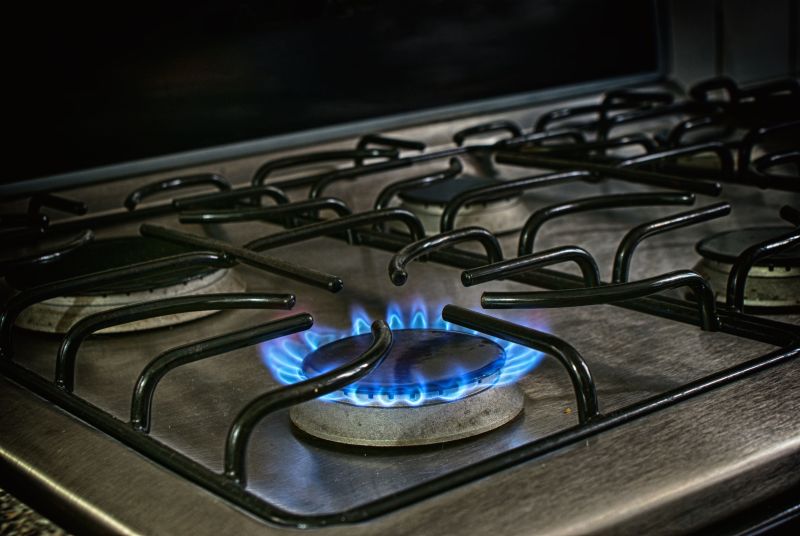
What is the energy conversion when you burn natural gas to light a stove?
chemical to kinetic
electrical to thermal
thermal to potenial
chemical to thermal
A burning fire produces ___________ and ___________ energy.
Kinetic and Potential
Thermal and Radiant
Electrical and Thermal
Chemical and Radiant
Reflection is when a light _________ off a surface.
bounces
absorbs
bends
refracts
What color do we see when all light is absorbed?
red
black
white
rainbow
Which determines the color of an object appears?
Absorption
Diffraction
Reflection
Refraction


Which term describes when a substance is changed from a liquid to a gas?
Condensation
Evaporation
Filtration
Precipitation
Sand and salt are placed in the bottom of a beaker filled with water. The beaker is heated, and the water is stirred.
What will happen to the salt and sand?
The sand and salt will settle to the bottom.
The sand and salt will dissolve in the water
The salt will dissolve, and the sand will settle
The sand will evaporate, and the salt will dissolve.

A student drops a rock and a cork in a cup of water as shown.
The student observes that the cork floats while the rock sinks in water. What can be concluded from the observation?
The cork is more dense than the rock and water
The rock is more dense than the cork and water
The rock is more dense than the cork but less dense than the water
The cork is more dense than the water but less dense than the rock
Match the following
gas
no definite shape or volume
liquid
no definite shape, definite volume
solid
definite shape and volume
Match the following
mass
amount of material in a substance
matter
substance that has both mass and volume
mixture
2 substances physically combined
volume
amount of space an object takes up
What is the process by which plants make their own food using sunlight, carbon dioxide, and water?
Photosynthesis
Respiration
Combustion
Fermentation
Which of the following is an example of a renewable resource: coal, wind, or natural gas?
oil
wind
nuclear
coal
What is the difference between a physical change and a chemical change?
Physical change involves a change in form or appearance, while chemical change results in the formation of new substances.
Physical change involves a change in texture, while chemical change involves a change in density.
Physical change involves a change in state, while chemical change involves a change in size.
Physical change involves a change in color, while chemical change involves a change in temperature.
How does the tilt of the Earth's axis affect the seasons?
The tilt of the Earth's axis only affects the length of the day, not the seasons
The tilt of the Earth's axis causes the Earth to stop rotating, leading to the change in seasons
The tilt of the Earth's axis causes different parts of the Earth to receive varying amounts of sunlight throughout the year, leading to the change in seasons.
The tilt of the Earth's axis has no effect on the seasons
What is the purpose of the digestive system in the human body?
To produce hormones for growth and development
To regulate body temperature
To provide structural support for the body
To break down food into nutrients for the body
What are the main components of the solar system?
Earth, Mars, Venus, Jupiter, Saturn, and Uranus
Sun, planets, moons, asteroids, comets, and meteoroids
Sun, stars, moons, asteroids, comets, and meteoroids
Rocks, trees, animals, water, and air
How does energy flow through an ecosystem?
Energy flows from the stars to producers, then to consumers and decomposers.
Energy flows from the moon to producers, then to consumers and decomposers.
Energy flows from the sun to producers, then to consumers and decomposers.
Energy flows from the earth to producers, then to consumers and decomposers.


The smallest unit of all organisms is the _________.
mitochondria
cell
nucleus
vacuoles
A push or a pull.
work
force
motion
energy
Julio and Luis have to move a box containing a 50kg television from one room of their house to another. Julio has the ability to push with a force of 300N while Luis can only push with a force of 150N. If both boys pushed the box in the same direction with all the force they could, the net force on the box would be (a) (assume there is no friction)

What is the net force acting on the wagon?
50N
10N
0N
60N

Imagine if you were to put a whole bunch of rocks in the wagon. This would cause the pressure pushing down on the wagon to (a)
What happens to the direction of an object as a balanced force acts on it?
it moves away from the force
It moves in the direction of the force
It doesn't move at all
It moves up from the force

What is the substance with the least friction?
oil
pebbles
sand
hay
What is a force?
a magical element
A lot of weight
Push or a pull on an object
motion



A runner races in the 100 meter dash. It takes her 10 seconds to finish. What is her average speed?
10 m/s
1000 m/s
100 seconds
10 seconds
Speed -
A measure that gives rate of change and position
A measure that dissolves to one unit
A measure of distance an object travels per unit of time.
A measure of distance an object travels per unit of measurement.


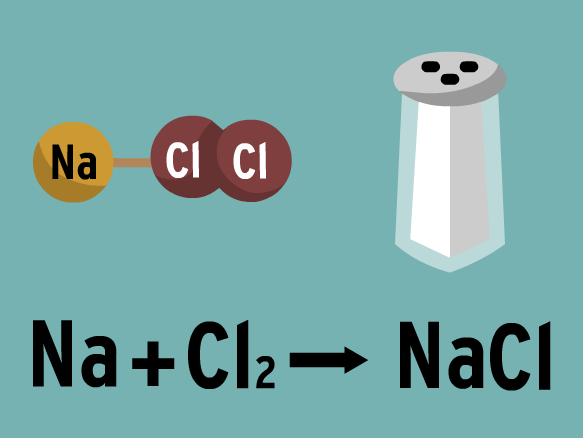
In a chemical reaction, 4 grams of sodium must combine with how many grams of chlorine to produce 10 grams of table salt?
4 grams
6 grams
8 grams
10 grams
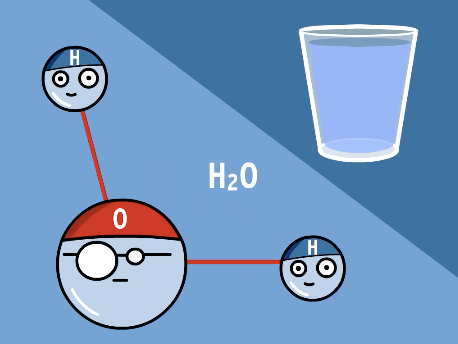
4 grams of hydrogen and 32 grams of oxygen will combine to form:
36 grams of water
28 grams of hydroxide
32 grams of oxygen
36 grams of deuterium
According to the Law of Conservation of Mass, what happens to the wood and oxygen when it is burned?
The wood disappears.
It stays the same chemically.
The atoms in the wood and oxygen rearrange and form smoke and ash.
Nothing.

what is the mass of the rock shown in the image?


When thermal energy is increased in a liquid, what change in state is happening?
Melting
Evaporation
Condensation
Freezing
When thermal energy is decreased in a liquid and freezing occurs, what state of matter does the liquid change into?
Gas
Solid
A _____________ is some type of structural modification made to a part of the body.
Structural Adaptation
Behavioral Adaptation
Animal Adaptation
Behaviors of adaptation
______________ is an inactive period of time for an animal during an extremely cold season.
Camouflage
Migration
Instincts
Hibernation
Animals ________________ when they change their color or pattern to blend in with the environment. This outward coloration helps animals blend in with the plants and surroundings.
Hibernation
Camouflage
Migration
Adaptation
Abiotic means
living
nonliving
What is a example of a ABIOTIC factor?
Panda
Bacteria
Butterfly
Weather
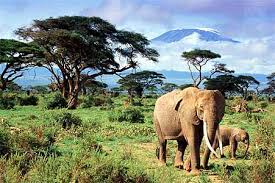
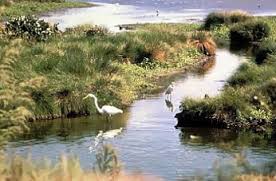
What are the ABIOTIC factors in this image?
water
sunlight
birds
grasses
mud
Which of the following is an ABIOTIC factor?
mushroom
air
elephant
coyote
What is an example of a BIOTIC factor?
bear
rocks
soil
water
Which of the following is a BIOTIC factor?
sun
temperature
soil
grass

We live on the ___.
Crust
Mantle
Outer Core
Inner Core
Organize the Layers from the Surface to the Deepest.
Crust
Mantle
Outer Core
Inner Core
Plate Tectonics supports the idea that all continents were once fused together called _____________ .
The rock cycle
Supercontinent
The crust
Pangea
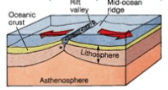
divergent
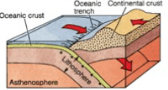
convergent
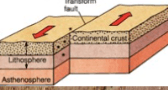
transform
Match the following
Weathering
Breaking down of rocks into smaller pieces
Erosion
Transportation of sediments by wind, water, or ice
Deposition
Settling of sediments in a new location

Match the following forms of energy.

Sound

Electric

Mechanical

Thermal
Fill in to complete the rock cycle diagram
Sediments
Sedimentary Rocks
Magma
Igneous Rocks
Metamorphic Rocks

Match the following
Conduction
Transfer of heat through touch
Convections
Transfer of heat through a fluid by the movement of the fluid itself
Radiation
Transfer of heat through waves

During which segment did the car come to a complete stop?
Segment A to B
Segment B to C
Segment C to D
Segment D to E
During which segment did the car travel back toward its starting position?
Segment A to B
Segment B to C
Segment C to D
Segment D to E
What distance had the car traveled at 10 hours?
60km
50km
60
50
Which graph shows no speed

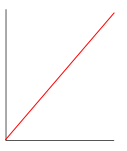
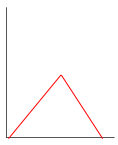
Which graph constant speed
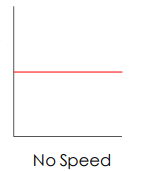
Which graph shows a change in velocity (direction)

How many protons does an aluminum atom have?
27
14
40
13

How many electrons does a sodium atom have?
23
11
12
34

The _________ of an element equals the number of protons in an atom of that element.
mass number
atomic weight
atomic number
isotopes


What element has 9 protons, 9 electrons, and 10 neutrons?
nitrogen
oxygen
fluorine
neon
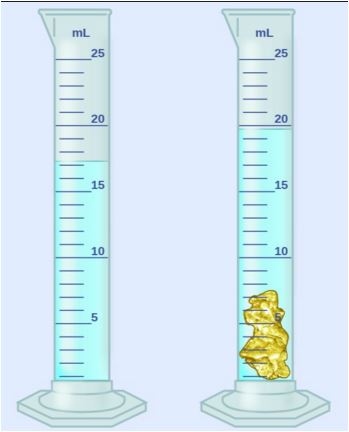
An object is is placed into 45 mL of water. The water rises to 48 mL. What is the volume of the object?
3 mL
93mL
8 mL
83 mL
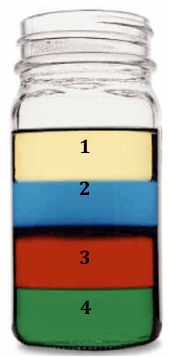
What happens to an object that is denser (more dense) than the liquid it is in?
floats
sinks
What happens to an object that is less dense than the liquid it is in?
floats
sinks
Luster
Good Conductor
Malleable
Ductile
Semiconductors
Dull
Bad Conductor
Insulator
Hydrogen (H)
Neon (Ne)
Oxygen (O)
Iron (Fe)
Sodium (Na)
Properties of BOTH metals and nonmetals
Boron (B)
Arsenic (As)
Bromine (Br)
Gold (Au)
Lithium (Li)
What are the vertical columns on the periodic called?
groups
periods
nonmetals
metals
metalloids
What are the horizontal rows on the periodic table called?
periods
groups
metals
nonmetals
metalloids

What is the name of the element? (Periodic table will be needed)
sodium
magnesium
vanadium


What type of resources are considered finite and cannot be replenished in a short amount of time?
Renewable Energy
Nonrenewable Energy
All Energy
Generational Energy
What type of energy is able to be regenerated in a short amount of time or are continuous?
Renewable Energy
Nonrenewable Energy
All Energy
Generational Energy
I can reduce my carbon footprint by
walking or biking to school
carpooling
turning off air conditioning
leaving electronic devices plugged in when not in use
A renewable resource is
Something that will eventually run out
Something that is always available and replaced quickly
Is created when a cow burps
Something that creates a lot of greenhouse gasses
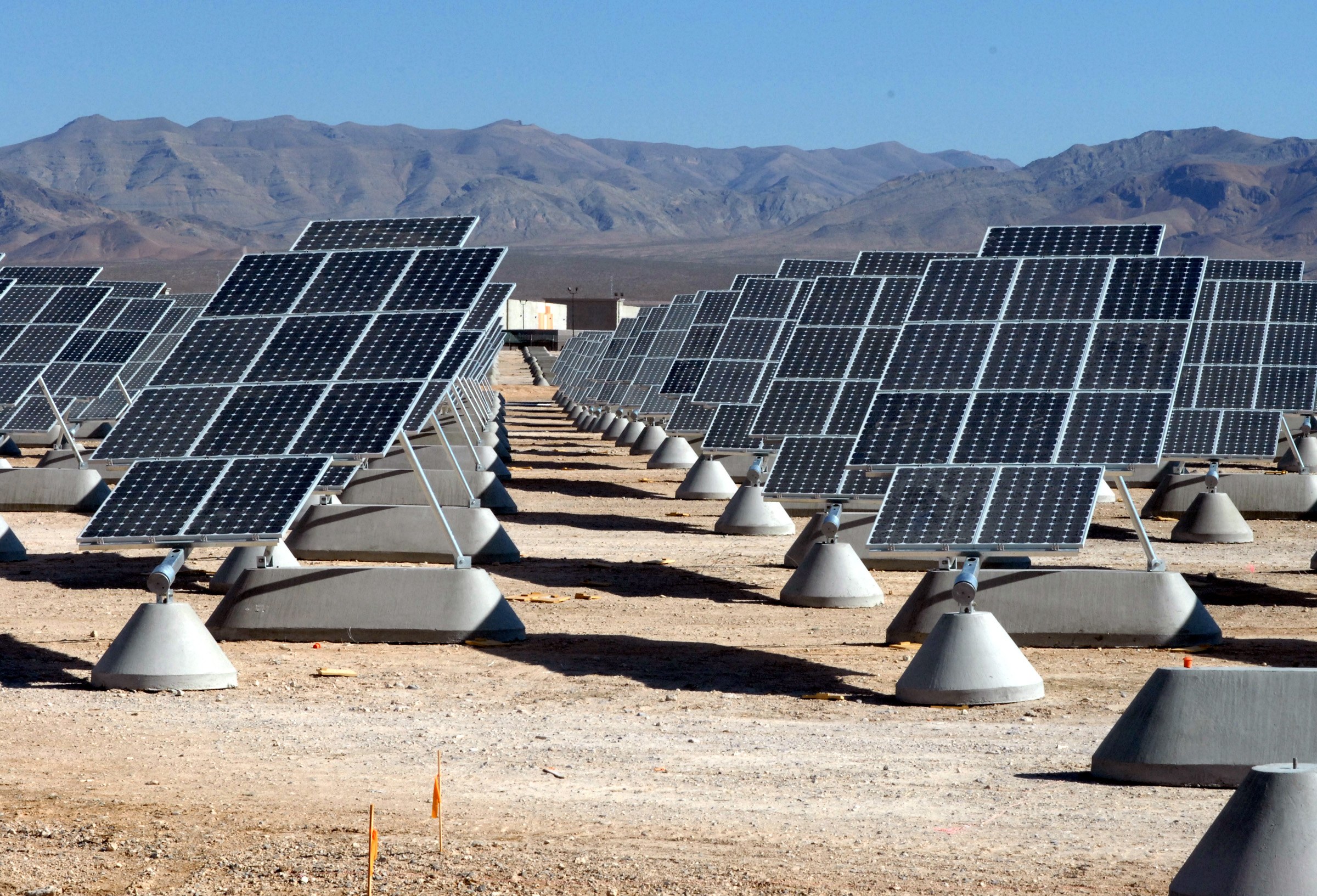
Energy that comes from the sun
Wind
Solar
Renewable energy
Efficient
Energy that is made by moving air
Wind
Solar
Oil
Coal

How long does it take for fossil fuels to form?
A few weeks
A year
A hundred years
Millions of years
(a) is light bouncing off of an object..
(a) is the bending of light as it passes through an object.
When zinc reacted with hydrochloric acid, what was the result of this reaction?
a white powder
a blue liquid
a brown precipitate
a gas
We know that there was a chemical reaction occurring when 2 clear liquids were mixed together. That is because we show the production of a _____________.
solid.
precipitate.
gas.
Which of the following are evidence of a chemical reaction? (Pick more than one.)
Tearing paper.
Change in color.
Production of a gas.
Change in temperature.
Production of a precipitate.
match the following
mechanical
bike
radiant
light
chemical
gasoline
electrical
outlet
nuclear
atom
Match the following forms of energy.
Sound
Electric
Mechanical
Thermal

At position A, which hemisphere would have summer?
Northern hemisphere
Southern hemisphere
It takes Earth _____________ to make one revolution or orbit around the Sun.
365 days
365 hours
28 days
24 hours
Earth has seasons because it...
revolves around the moon
rotates around the sun
is tilted on its axis
rotates on its axis
Night and day is evidence that the earth is
rotating
revolving
cold
warm
What does the word "solar" refer to?
Sun
Moon
Earth
Energy

Which hemisphere is tilting towards the sun in this diagram?
Northern
Southern
The movement of the Earth around the Sun is called...
rotation
revolution
Which part of the Earth is the northern hemisphere?
Which part of the Earth is the southern hemisphere?
to make greater in number, size, strength, or other quality
improvise
improve
increase
infer
more than enough; plentiful
Abundant
Matter
Hypothesis
Procedures
Be different
Vary
Inherit
Identical
Trait
Live well, flourish
Perish
Thrive
Photosynthesis
The diversity of organisms, whether microorganisms, animals, or plants is known as
biodiversity
habitat
climate

What kind of graph is this?
Color
Bar
Line
Pie

What kind of graph is this?
Bar
Line
Birthday
Rainbow
What is the process by which plants make their own food using sunlight, carbon dioxide, and water?
Photosynthesis
Respiration
Combustion
Fermentation
Which of the following is an example of a renewable resource: coal, wind, or natural gas?
oil
wind
nuclear
coal
How does the tilt of the Earth's axis affect the seasons?
The tilt of the Earth's axis only affects the length of the day, not the seasons
The tilt of the Earth's axis causes the Earth to stop rotating, leading to the change in seasons
The tilt of the Earth's axis causes different parts of the Earth to receive varying amounts of sunlight throughout the year, leading to the change in seasons.
The tilt of the Earth's axis has no effect on the seasons
What is the purpose of the digestive system in the human body?
To produce hormones for growth and development
To regulate body temperature
To provide structural support for the body
To break down food into nutrients for the body
How does energy flow through an ecosystem?
Energy flows from the stars to producers, then to consumers and decomposers.
Energy flows from the moon to producers, then to consumers and decomposers.
Energy flows from the sun to producers, then to consumers and decomposers.
Energy flows from the earth to producers, then to consumers and decomposers.

