
 Worksheets
Physics: Forces and Motion
Total questions: 176
Worksheet time: 1hrs 28mins
What is force in physics?
A power in star wars
A push or pull on an object
A stop on an object
The start of an object
What can force do to an object?
Accelerate an object
Slow down an object
Have the object remain in place
Have the object change shape
All of the above
What is the measure of force?
Newtons
Light years
Inches
Gallons
Select all the types of force
Friction and gravity
Electromagnetic and Nuclear
Tension and Elastic
Tyson and Cleactive
Trison and hyter
What is the unit for FORCE?
N (Newtons)
lbs (pounds)
g (grams)
m/s (meters per second)


What type of force was at work in the parachute?
elastic spring force
frictional force (air resistance)
magnetic force
gravitational force

What type of force was at work in the fishing toy?
frictional force
gravitational force
elastic spring force
magnetic force

What forces are involved when they rock themselves back and forth on the toys?(more than 1 answer)
frictional force
gravitational force
elastic spring force
magnetic force

Which of the following force is acting on the book?
magnetic force
frictional force
gravitational force
elastic spring force
When we throw anything in air it always falls down because of _____
Friction
Gravity
Solid
motion


___________ is an opposing force that makes objects in motion slow down.
force
speed
friction
mass

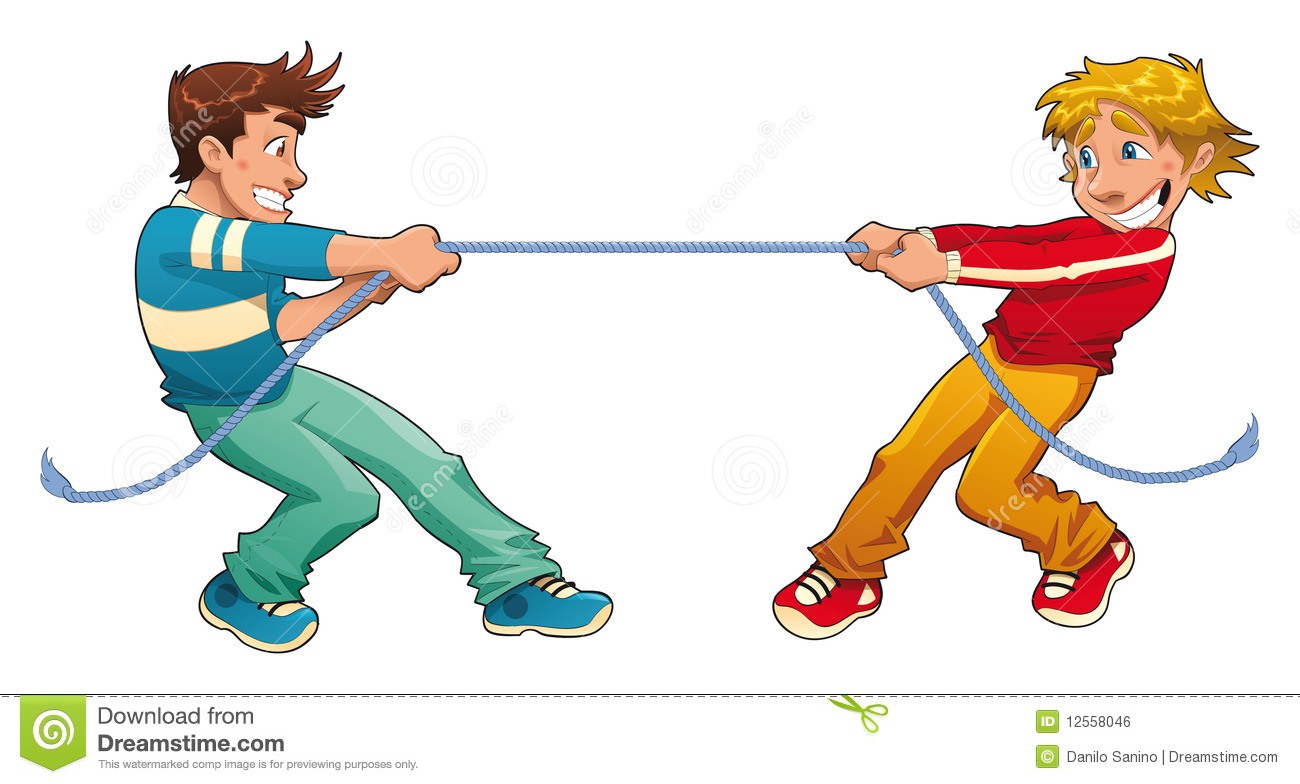
The girls in this picture represent ________ forces (or 2 objects in equilibrium).

What type of friction is shown in this car that is at rest?
rolling
static
fluid
sliding

What type of force was at work in this toy?
frictional force
elastic spring force
gravitational force
magnetic force
Balanced Force
When forces are balanced, there is no change in motion
When two forces act upon each other in opposite directions, and they are both the same size.
Equal in size and opposite in direction
Occurs when objects change in motion and can happen in two different ways.
Unbalanced Force
Forces applied to an object in opposite directions that are not equal in size
A force that causes a change in an object's state of motion.
One force is greater than another, the forces are not balanced
Acting on an object which does not change the state of rest or of uniform motion

REST TO MOTION
MOTION TO REST
CHANGE IN DIRECTION
CHANGE IN SHAPE AND SIZE
In a football game, the goalkeeper stops a moving ball to prevent it from entering the goal. What is the motion of the object?
Make a stationary object move
Make a moving object stop
Make a moving object move slower
Change the direction of a moving object
which of the following is not an effect of force:
to move a body from rest
to change the color of an object
to change the shape of a body
to stop a moving body
What type of force was happening between he wheels of the car and the ramp?
Gravity
Friction
Balanced Force
What object has the most inertia?
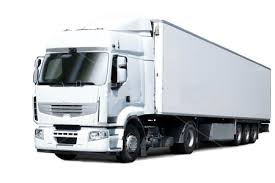
A truck, because it has the most mass
a car, because it has more mass than the bike and skate board.
a bike, because it has more mass than the skateboard.
a skate board, because it had the least amount of mass.

Which image is an example of a balanced force?
Image 1
(Top Image)
Image 2
(Bottom Image)

Which image is an example of an unbalanced force.
Image 1 (top image)
Image two (bottom image)

Which boy will have an easier time getting down the hill?
Boy A , because he is experiencing less friction than boy B.
Boy B, because he is experiencing more friction than boy A.
How does the mass of an object affect it's motion?
It has no effect
The less the mass the less effect a force will have
The greater the mass the greater the effect a force will have
The greater the mass the less effect a force will have
A contact force is from
objects physically touching
far apart objects
not touching object
always a pull
What effect does friction have on a moving object?
it causes the moving object to slow and eventually stop
it causes the moving object to speed up
it keeps the moving object moving in the same direction forever
it causes the moving object to turn around and move in the opposite direction
Air resistance pushes against falling
objects and __________________.
Speeds them up
Keeps them afloat
Slows them down
Spins them
Which has more air resistance?


Air resistance is a force caused by...
Water pushing against moving objects
Air pushing against moving objects
Gravity pushing against moving objects
Normal force pushing against moving objects
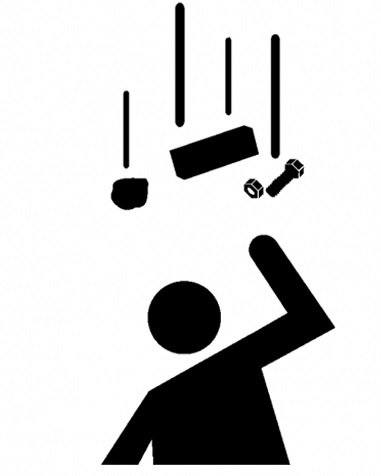
An object is falling downward through Earth's atmosphere. In which direction is the air resistance force?
Down
Up
Around the object
Through the object
What keeps the planets in orbit around the sun?
gravity
friction
density
distance
The larger the parachute the ____________
Less air resistance
More surface tension
Less drag
More drag

The larger the surface area of the moving object, the ___________ air resistance there is.
Less
More
Longer
Quicker
Another name for air resistance is...
Buoyancy
Streamline
Gravity
Drag
What causes an object to fall faster?
Smaller surface area
Larger surface area
If it has a parachute
If it is softer

The more streamlined an object is, the...
More air resistance
Less air resistance
Slower air resistance
Faster air resistance
Look at the pictures of the cars. Which car will have the most air resistance force acting upon it? They will be moving at the same speed.
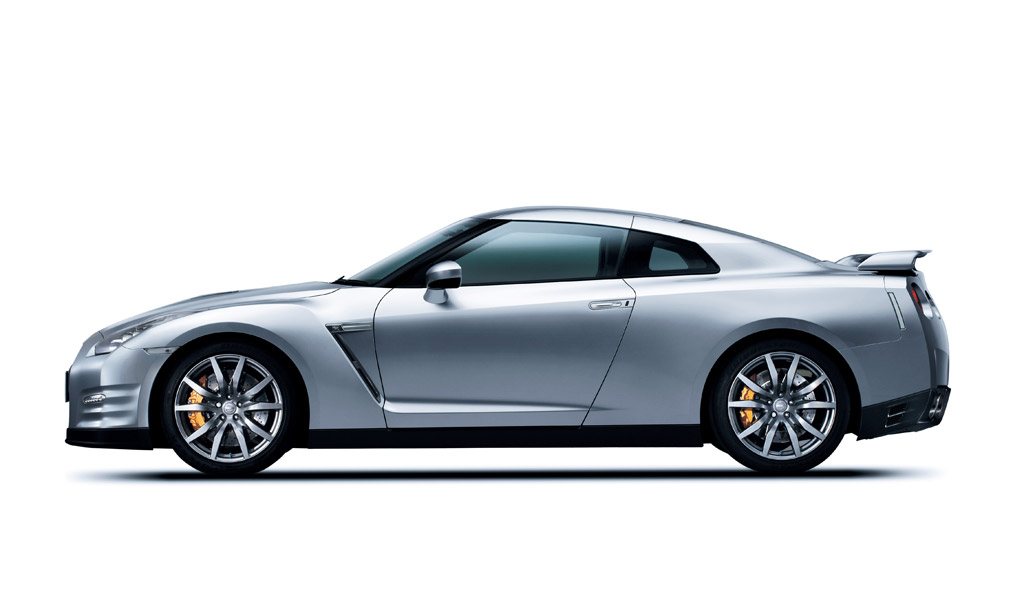
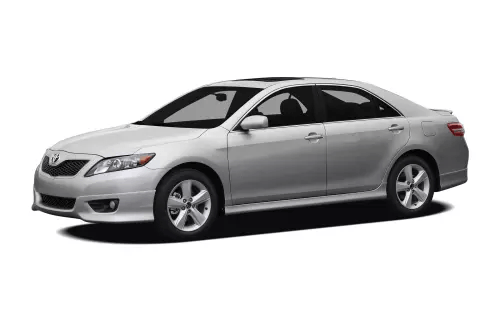
All will have equal air resistance force.
A brick and a pencil are dropped at the same time from the same height. Which one would hit the ground first?
brick
pencil
both would hit at the same time
When will the forces of gravity between two objects be the GREATEST?
when the masses of both objects are small and the objects are far apart
when the masses of both objects are large and the objects are close together
when the masses of both objects are small and the objects are close together
when the masses of both objects are large and the objects are far apart
When will the gravity between two objects be the LEAST?
when the masses of both objects is small and the objects are close together
when the masses of both objects is small and the objects are far apart
when the masses of both objects is large and the objects are close together
when the masses of both objects is large and the objects are far apart
When you drop a hammer and a feather, why does the feather fall slower?
air resistance causes the feather to slow down
gravity pulls harder on the hammer than the feather
gravity pulls harder on the feather than the hammer
air resistance causes the hammer to fall slower
Which statement about gravity is true?
gravity causes objects to pull towards one another
gravity causes objects to push away from each other
gravity only takes place between planets
the moon doesn't have any gravity
Units for weight
Newtons
Kilograms
Grams
meters / second
Units for mass
meters per second
meters
kilograms
mass/mass


A runner races in the 100 meter dash. It takes her 10 seconds to finish. What is her average speed?
10 m/s
1000 m/s
100 seconds
10 seconds


The unit of speed (Tick 3 answers)
km/h
m/s
kg/h
kg/s
cm/s
A train travels 25 km in 5 hours. How fast is the train going?
25 miles/h
5 miles/h
125 km/h
5 km/h
The energy of an object that is due to the objects motion.
Mechanical Energy
Potential Energy
Kinetic Energy
Energy
The energy an object has due to its position.
Energy
Mechanical Energy
Kinetic Energy
Potential Energy
A change in position over time.
Speed
Reference Point
Motion
Distance
An objects resistance to move. If it is at rest, it will stay at rest and if it is in motion, it will stay in motion.
Friction
Gravity
Inertia
Air resistance

Is this a speed or acceleration graph?
speed
acceleration

What is happening at segment E?
acceleration
deceleration
constant speed
no motion/object at rest
What is happening at segment F?
acceleration
deceleration
constant speed
no motion/object at rest
What is happening at segment A?
acceleration
deceleration
constant speed
no motion/object at rest
What is happening at segment B?
acceleration
deceleration
constant speed
no motion/object at rest

Is this a speed or acceleration graph?
speed
acceleration
What is happening at segment B?
no motion/object at rest
constant speed
acceleration
What is happening at segment A?
no motion/object at rest
constant speed
deceleration

Describe the motion in the graph:
Constant Speed (positive slope)
Stopped (at rest)
Acceleration (increasing speed)
Return Home (negative slope)

Describe the motion in the graph:
Constant Speed (positive slope)
Stopped (at rest)
Acceleration (increasing speed)
Return Home (negative slope)

Describe the motion in the graph:
Constant Speed (positive slope)
Stopped (at rest)
Acceleration (increasing speed)
Return Home (negative slope)
How do you find the speed from a distance-time graph?
Find the area under the graph
Find the gradient of the line
Read the height of the graph

Which line shows the slower pace?
dashed line
solid line

What is the speed of segment A?
0.5 m/s
2 m/s
3 m/s
0 m/s

What is the speed after 2 seconds?
40 m/s
20 m/s
10 m/s
40 m

Find the average speed from 30 to 60 minutes on this graph. (Hint: distance traveled during time range /divided by time)
0.03 km/min
0.05 km/min
0.67 km/min
0.07 km/min

What is this graph showing?
At rest
Acceleration
Constant speed of 1 m/s
Gradually speeding up
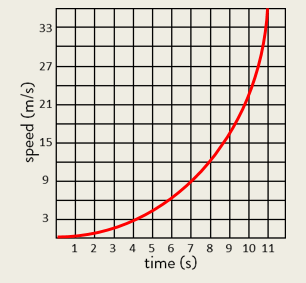
What is this graph showing?
Gradually slowing down
Gradually speeding up
Constant speed
Stopped

What is this graph showing?
Constantly slowing down
Constantly speeding up
Acceleration
Returning to starting point
Match the graph to the description:
"The car is stopped."
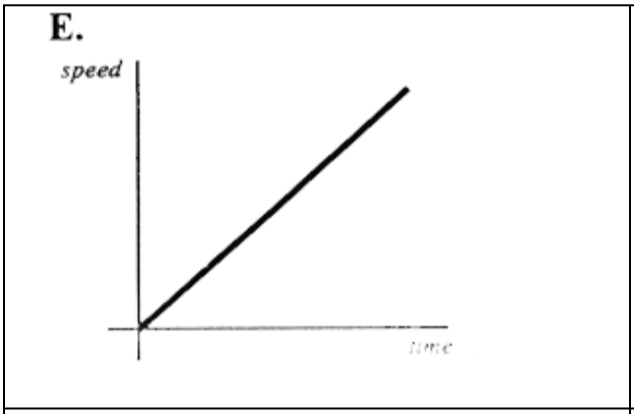
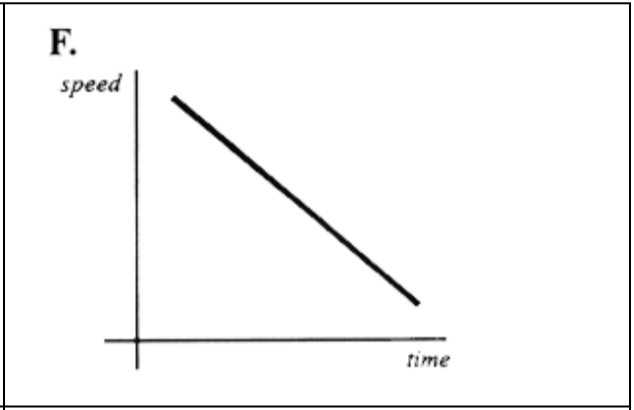
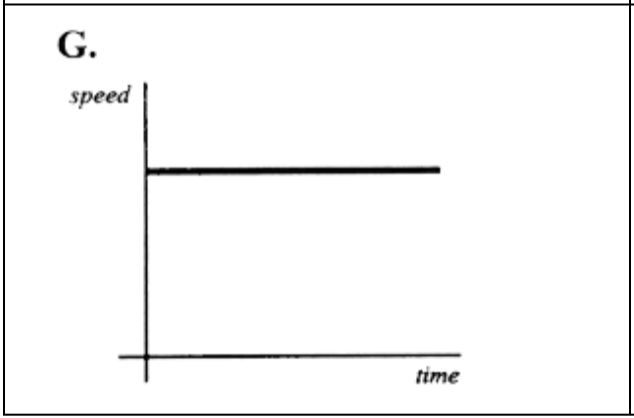
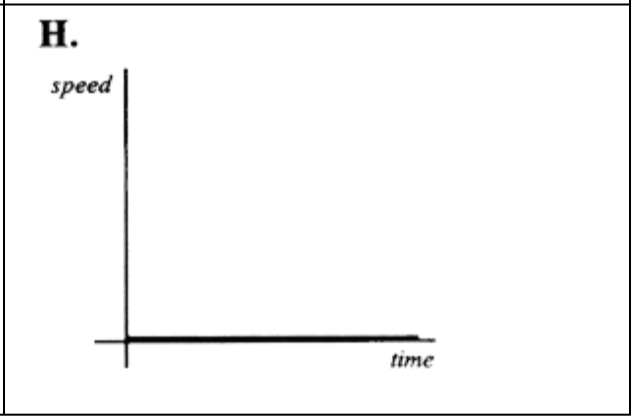
Match the graph to the description:
"The car is accelerating speeding up (positive acceleration)."
Match the graph to the description:
"The car is slowing down (negative acceleration)."
Match the description to the graph:
"The car is traveling at a constant speed."


In which of the following graphs below are both runners moving at the same speed?


Segment O-A The bus is _________________.
at rest
returning (to original position)
moving forward
Segment A-B The bus is _________________.
at rest
returning (to original position)
moving forward
Segment B-C The bus is _________________.
at rest
returning (to original position)
moving forward
Segment C-D The bus is _________________.
at rest
returning (to original position)
moving forward
Segment D-E The bus is _________________.
at rest
returning (to original position)
moving forward
Segment E-F The bus is _________________.
at rest
returning (to original position)
moving forward

Which runner won the race?
Albert
Bob
Charlie
Which runner stopped for a rest?
Albert
Bob
Charlie
How long did Charlie stop for a rest?
2.5 seconds
2 seconds
3 seconds
5 seconds
How long did Bob take to complete the race?
17 seconds
12 seconds
14 seconds
15 seconds
Calculate Albert's average speed for the 100-meter race.
8.33 m/s
5 m/s
7.14 m/s
5.88 m/s
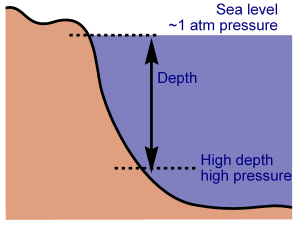
When you increase your depth under water, the water pressure on your body
increases
decreases
stays the same
How do you Calculate Pressure
Force(N)/Area(m2)
Force(kg)/Area(mi2)
Area(m2)/Force(N)
Why won't you sink in mud if you wear boots?
Because the surface area is larger creating less pressure.
Has air in it to keep you floating.
Because the mud won't want you.

Diagram shows the design of a dam. Why does the thickness of the dam increase with its depth?
The design of this structure is stronger.
Water pressure increases with depth.
The cost of construction is lower.
Water pressure acts uniformly in all directions.
What is pressure?
The amount of force exerted on a surface
The surface area of an object
The weight of an object


1 Pa = 1N/m2
A person weighs 700N and their feet have a surface area of 0.1m2. How much pressure is exerted?
7000N/m2
70N/cm2
100N/m2
What does N/m2 mean?
Newtons per squared metre
Kilograms per squared mile
Squared metres per newton
Over what area must a force of 50N be applied to produce a pressure of 50Pa ?
10 m2
50 m2
1 m2
0.1 m2
If a hairspray can is heated, what can be expected of the pressure of the gas inside the can?
The pressure will increase
The pressure will decrease
The pressure will remain constant
The pressure will equalize

The pressure inside the balloon will:
Decrease
Increase
Remain the same
Not enough information to formulate an answer

The pressure of the gas in the balloon in the ice water will be:
Greater than that of the balloon in the boiling water.
Less than that of the balloon in the boiling water.
The same as that of the balloon in the boiling water.
Not enough information to answer the statement.
Hydraulic systems use ________ to transfer force from one point to another.
Air
Liquid
Solid
Gas
Air is compressible and liquid is incompressible.
True
False


Buoyancy is the tendency for objects to float in a fluid. We consider buoyancy the...
Un-gravity force
The upward force
Gravitational pull
Downwards pull on an object

The pressure inside the syringe will decrease if we move the plunger in:
Direction A
Direction B
We don't have to move the plunger as the pressure will change on its own.
None of the above answers.
Why the bicycle tyre does not expand like balloon ?
Because the Balloon material is more elastic than bicycle tyre
Because Bicycle tyre is heavier than Balloon
Because the Bicycle tyre have more density than Balloon
Because Bicycle tyre have more are and weight than Balloon


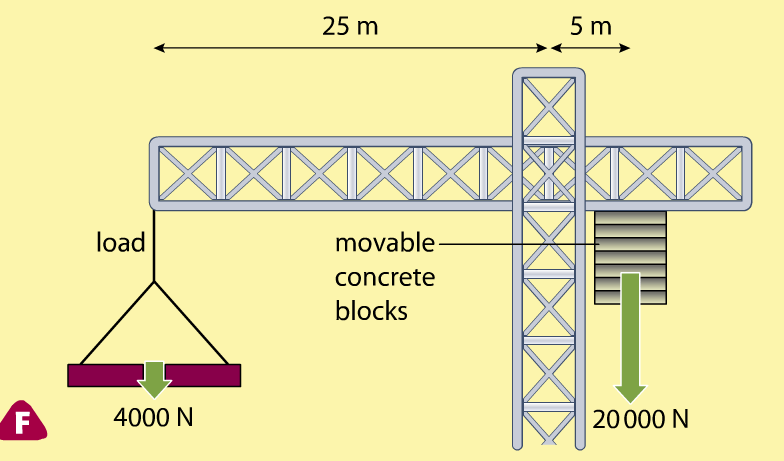

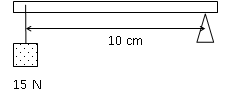
Complete:
Moment = ___ x distance from ___.
pivot, force
load, pivot
force, pivot
force, middle
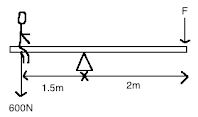
A boy of weight 600N sits on the see-saw as shown at a distance of 1.5m from the pivot. What is the force F required at the other end to balance the see-saw?
450 N
350 N
4.5 N
200 N
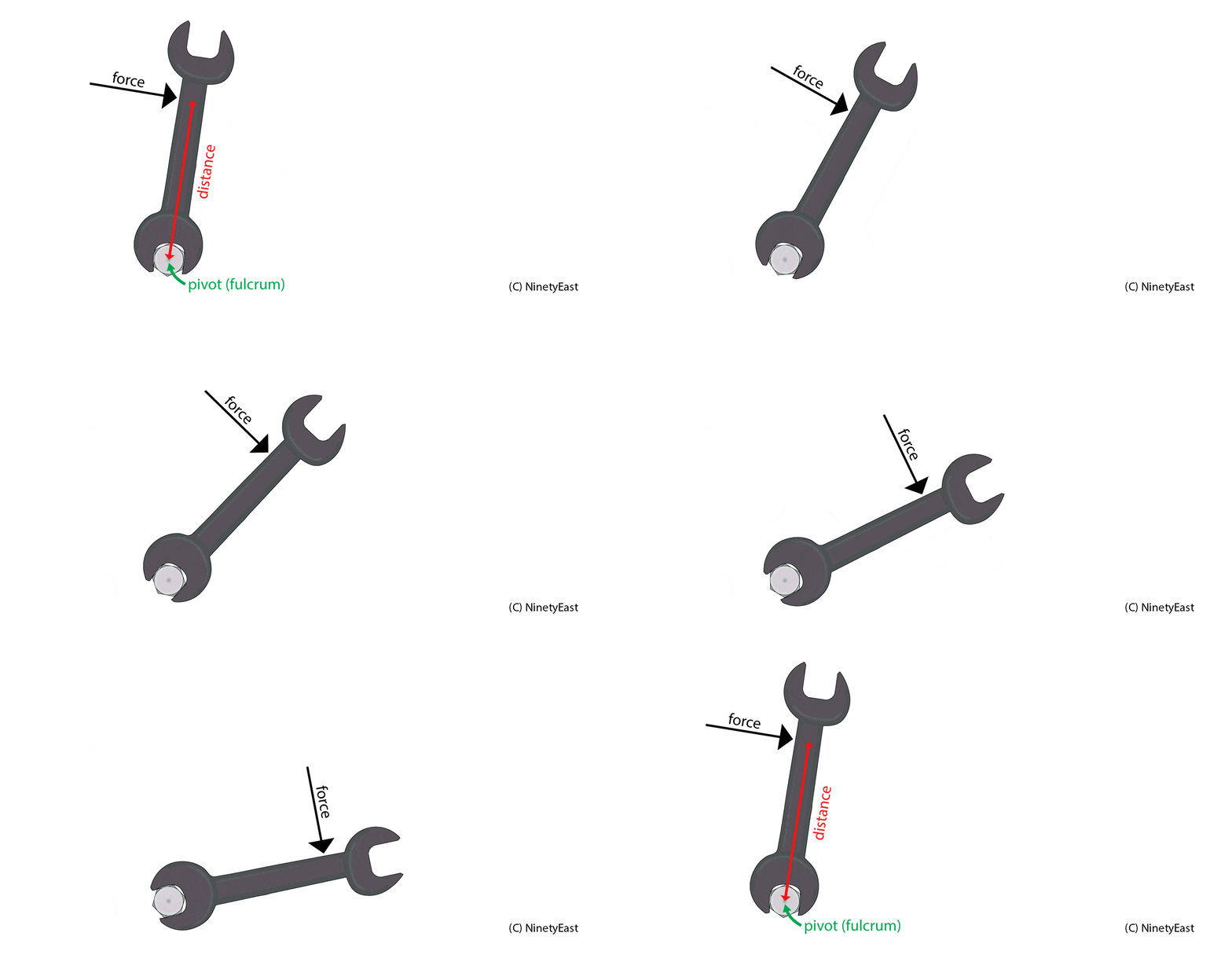
What do we call forces applied to anything that turns?
Minute
Moment
Minimum
Monument
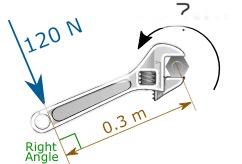
What is the size of the moment shown by the black arrow?
30 Nm
36 Nm
40 Nm
60 Nm

Identify the pivot
Spanner
Nut
Hand
The Sun
What are the units for a moment?
N
m
Nm
N/m

What is the moment for this situation?
5Nm
6Nm
50Nm
25Nm
What is the principle of moments?
For a balanced object
Clockwise moment = Anticlockwise moment
I don't know, something physicsy I guess...
For a balanced object the clockwise moments are larger
All moments add up to 180

What is the missing force?
30Nm
40Nm
3Nm
0.4Nm


The nutcracker is the example of .......................
First Class of lever
Second Class of lever
Third Class of lever
Fourth Class of lever

