Wayground logo

Free Printable Worksheets

Font size

S
M
L
XL
Worksheets

3rd 9 Weeks Review - PHYSICAL SCIENCE

Total questions: 113

Worksheet time: 2hrs 43mins

Name
Class
Date
1.
What are the states of matter?
a)
solid, liquid, and juice
b)
solid and liquid
c)
solid and gas
d)
solid, liquid, and gas
2.
a type of matter that can be found on earth as a solid, liquid, and gas
a)
gold
b)
water
c)
oxygen
d)
rock
3.
A description of objects that can be measured and observed.
a)
gas
b)
mustangs
c)
physical properties
d)
melting point
4.
If you saw a glass of water and later the water was gone what happened to the water? Remember that your in the science lab.
a)
Ms. Klenk was very thirsty and drank the water.
b)
evaporation
c)
precipitation
d)
solubility
5.
A physical property can be observed with your
a)
Eyes
b)
Ears
c)
Tastes
d)
All of the above
6.
Cutting an orange is a physical change.
a)
True
b)
False
7.
An example of a physical property is 
a)
flammability
b)
acidic
c)
color
d)
ability to rust
8.
Which change can occur when  you add heat energy to water?
a)
The water can change from a liquid to a solid
b)
The water can change from a gas to a liquid
c)
The water can change from a liquid to a gas
d)
The water can change from a solid to a liquid
9.
Changing the way matter looks without changing it into NEW matter is a:
a)
Chemical change
b)
Physical change
c)
Energy change
d)
BOTH a chemical and a physical change
10.
Which term means "the ability to cause change?"
a)
Matter
b)
Heat
c)
Energy
d)
physical change
11.
Which of the following could be a characteristic that changes in matter during a PHYSICAL CHANGE?
a)
Size
b)
State
c)
Texture
d)
All of the above
12.
Chopping wood is an example of a:
a)
Physical change
b)
Chemical change
13.
Water freezing to ice is an example of a:
a)
Physical change
b)
Chemical change
14.
What is one way matter change states?
a)
matter loses mass
b)
heat is added
c)
it doesn't change
d)
by doing nothing
15.
The amount of space that matter takes up is its _______.
a)
atom
b)
volume
c)
matter
d)
weight
16.
What are the three states of matter?
a)
solid, liquid, and gas
b)
solid, water, and gas
c)
wood, liquid, and gas
d)
solid, liquid, and helium
17.
Water in the form of a gas is called _________.
a)
water vapor
b)
gasoline
c)
ice
d)
liquid
18.
__________ are the building blocks of life.
a)
solids
b)
gases
c)
atoms
d)
nutrients
19.
Solids have a definite _______________.
a)
smell
b)
shape
c)
picture
d)
sound
20.
Liquid matter takes the shape of _______.
a)
a gas
b)
water
c)
a pet
d)
Its container
21.
Water in its solid form is _____________.
a)
a vapor
b)
ice
c)
a liquid
d)
boiling
22.
When a solid is turned into a liquid, the solid _______________.
a)
melts
b)
freezes
c)
turns into a gas
d)
floats
23.
The amount of matter something contains is its ______________.
a)
gas
b)
solid
c)
weight
d)
mass
24.
You use a __________________ to look at a butterfly wing.
a)
magnifier
b)
microscope
c)
binoculars
25.
The measurement system used by scientist around the world.
a)
metric system
b)
customary systerm
c)
calorie system
d)
science system
26.
What is the measure of gravity on an object?
a)
matter
b)
mass
c)
weight
d)
volume
27.
________________ is anything that has mass and takes up space.
a)
volume
b)
matter
c)
mass
d)
weight
28.
The amount of matter in an object is its ________________.
a)
weight
b)
mass
c)
gram
d)
atom
29.
__________ has a definite shape and volume.
a)
liquid
b)
solid
c)
gas
30.
______________ does not have a definite shape or volume.
a)
liquid
b)
solid
c)
gas
31.
I am the smallest whole particle of matter. 
a)
atom
b)
compound
c)
molecule
d)
mixture
32.
I am two or more atoms chemically bonded.
a)
atom
b)
compound
c)
molecule
d)
mixture
33.
I am 2 or more elements chemically bonded.
a)
atom
b)
molecule
c)
compound
d)
mixture
34.
Texture, color, states of matter, flexibility, freezing & melting points
a)
Chemical Properties
b)
Physical Properties
c)
States of Mass
d)
Scientific matterology
35.
Which of the following is an example of a chemical property?
a)
melting
b)
bending a paper clip
c)
rusting
d)
boiling water
36.
C6H12O11
a)
Chemical Mixture
b)
Chemical Formula
c)
Chemical Equation
d)
Single Atom
37.
Which 2 kinds of particles make up the nucleus of an atom?
a)
electrons and neutrons
b)
electrons and nuclei
c)
protons and neutrons
d)
protons and kryptons
38.
Which particle is equal to the Atomic Number
a)
# of electrons
b)
# of neutrons
c)
# of protons
39.
Which particle carries a negative charge?
a)
protons
b)
neutrons
c)
electrons
40.
A pure substance that cannot be broken down into any other substance by chemical or physical means. There are about 100 of us shown in the Periodic Table
a)
compound
b)
mixture
c)
molecule
d)
element
41.
A student added sugar to a cup of water and stirred with a spoon.  After 10 minutes you could not see the sugar anymore.  What happened to the sugar?
a)
the sugar evaporated
b)
the sugar dissolved
c)
the sugar was magnetic
42.
If a box of crayons was left in a hot car which would not happen?
a)
the crayons would change shape
b)
the wax would become liquid
c)
the paper wrappers would melt
43.
What causes water to become a solid when placed in a freezer?
a)
add heat to the water
b)
take away heat from the water
c)
shine light on the water
44.
What causes an ice cube to become a liquid?
a)
adding heat
b)
taking heat away
45.
Two objects are placed in water.  One sinks and the other floats.  Which conclusion can be drawn from this data?
a)
one object is magnetic and the other is not
b)
one object is solid and the other is a liquid
c)
one object has a greater density than the other
d)
one object is much larger than the other
46.
A metal spoon was left in a pot of boiling soup.  The cook burned a finger by touching the spoon.  Why did the finger get burned?
a)
The metal spoon chemically reacted with the cook's hand
b)
the metal spoon conducted electricity to the cook's hand
c)
the metal spoon conducted heat to the cook's hand
47.
When you see steam, fog or clouds, which state of matter is it?
a)
solid
b)
liquid
c)
gas
48.
What is a solid?
a)
it keeps its shape and size
b)
it takes the shape of the container that holds it
c)
it has no shape, and spreads to fill the space they are in
d)
it changes with a temperature change
49.
A solid does not change ______________.
a)
containers
b)
shape
50.
A solid has  __________________ shape.
a)
a definite
b)
no
51.
Which state of matter has particles that are tightly packed?
a)
liquid
b)
gas
c)
solid
52.

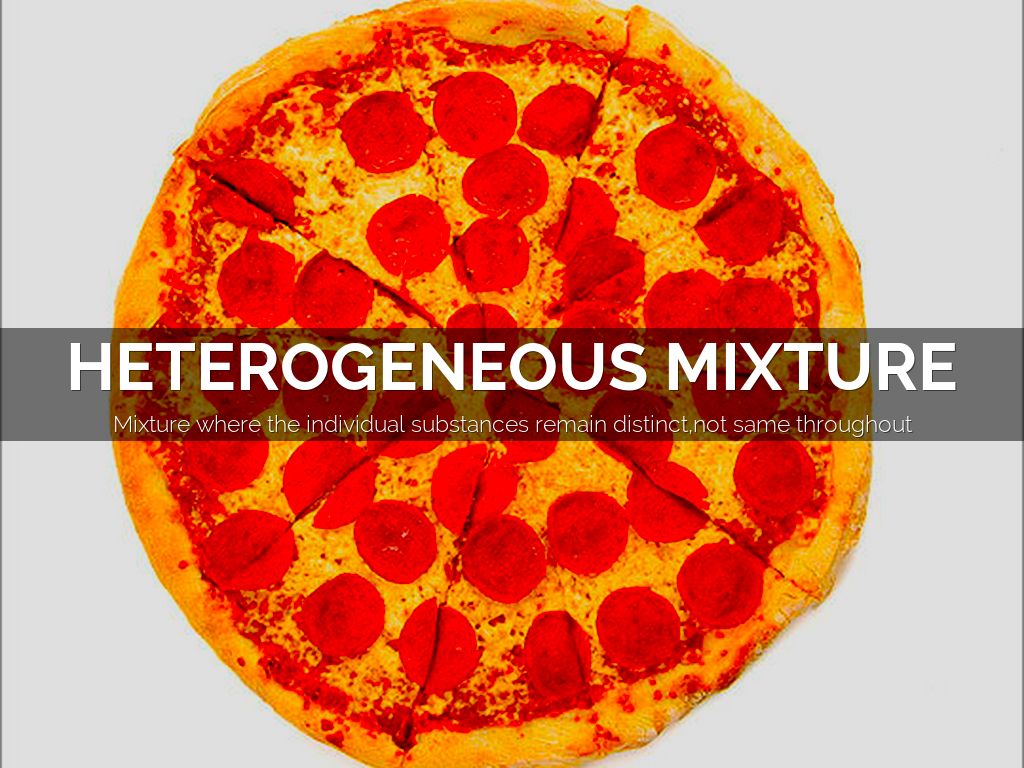
Determine whether each material below is a pure substance- element, pure substance- compound, a homogeneous mixture, or a heterogeneous mixture.

C2H2

a)

pure substance, element

b)

pure substance, compound

c)

homogeneous mixture

d)

heterogeneous mixture

53.

Determine whether each material below is a pure substance- element, pure substance- compound, a homogeneous mixture, or a heterogeneous mixture.

Au

a)

pure substance, element

b)

pure substance, compound

c)

homogeneous mixture

d)

heterogeneous mixture

54.

Determine whether each material below is a pure substance- element, pure substance- compound, a homogeneous mixture, or a heterogeneous mixture.

orange juice with pulp

a)

pure substance, element

b)

pure substance, compound

c)

homogeneous mixture

d)

heterogeneous mixture

55.

Determine whether each material below is a pure substance- element, pure substance- compound, a homogeneous mixture, or a heterogeneous mixture.

sugar

a)

pure substance, element

b)

pure substance, compound

c)

homogeneous mixture

d)

heterogeneous mixture
56.

Determine whether each material below is a pure substance- element, pure substance- compound, a homogeneous mixture, or a heterogeneous mix

salt water

a)

pure substance, element

b)

pure substance, compound

c)

homogeneous mixture

d)

heterogeneous mixture

57.

Determine whether each material below is a pure substance- element, pure substance- compound, a homogeneous mixture, or a heterogeneous mixture.

taco

a)

pure substance, element

b)

pure substance, compound

c)

homogeneous mixture

d)

heterogeneous mixture

58.

Determine whether each material below is a pure substance- element, pure substance- compound, a homogeneous mixture, or a heterogeneous mixture.

NaCl

a)

pure substance, element

b)

pure substance, compound

c)

homogeneous mixture

d)

heterogeneous mixture
59.
An element is made up of only one kind of _____.
a)
isotope
b)
plastic
c)
atom
d)
metal
60.
A combination of 2 or more substances that cannot be easily separated is called- 
a)
a mixture
b)
a solution 
c)
a solute 
d)
a solvent 
61.
What does it mean if a mixture is heterogeneous?
a)
you can see the different parts
b)
cannot tell one part from another
c)
very well blended
d)
made of elements
62.
What does it mean if a mixture is homogeneous?
a)
you can see the different parts
b)
cannot tell one part from another
c)
chunks of particles
d)
made of elements
63.
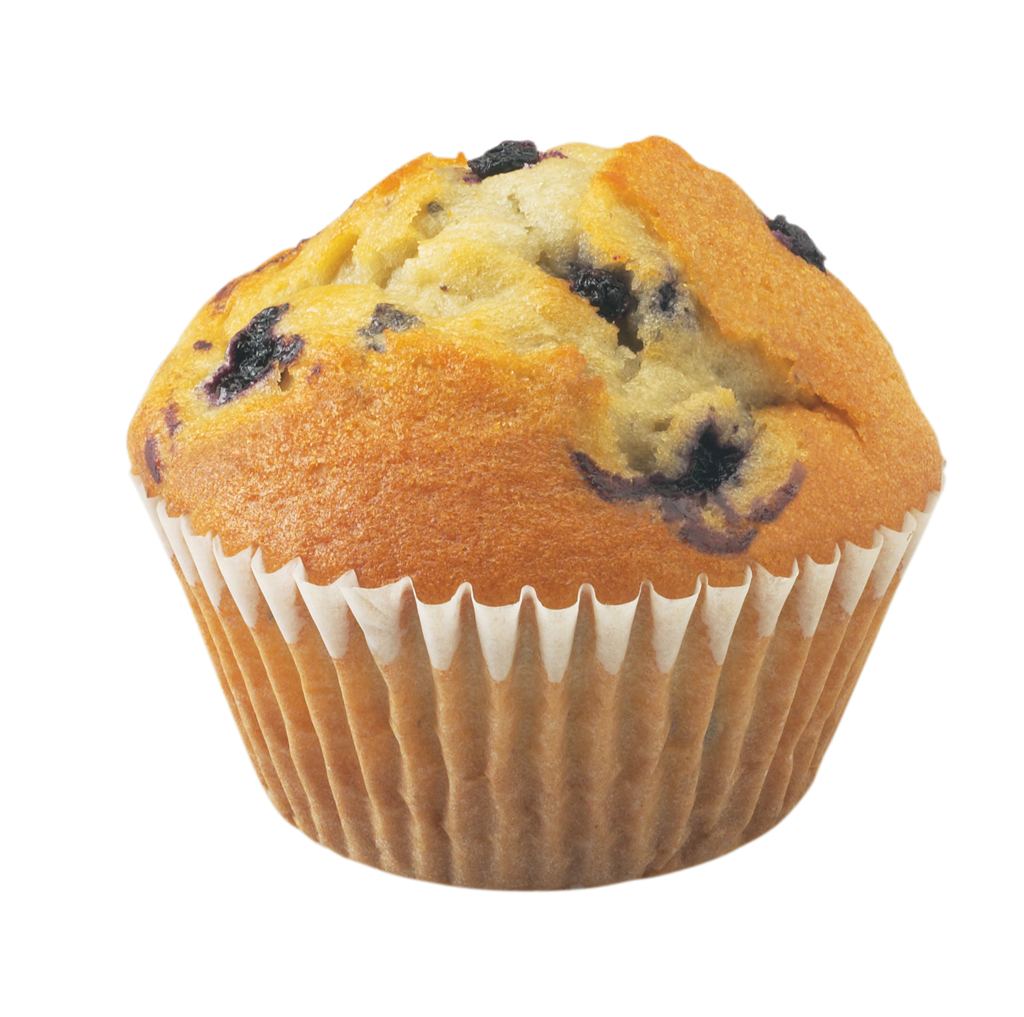
 Homogeneous or Heterogeneous:   blue berry muffin
a)
heterogeneous mixture
b)
homogeneous mixture

64.
Air
a)
Heterogeneous
b)
Homogeneous
65.
mac and cheese
a)
homogeneous
b)
heterogeneous
66.
milk
a)
homogeneous
b)
heterogeneous
67.
What is a homogeneous mixture?
a)
a mixture that is the same throughout.
b)
a mixture that is made up of one type of atom.
c)
a mixture that is made up of one type of compound
d)
a mixture that cannot be separated through physical changes
68.
Sugar water is a 
a)
solution
b)
suspension
c)
colloid
69.
Italian dressing is a
a)
solution
b)
suspension
c)
colloid
70.
A colloid is a mixture that contains undissolved particles. 
a)
True
b)
False
71.
Sand floating in water, but most of the sand is settled at the bottom this an example of which type of mixture?
a)
A solution
b)
A colloid
c)
A suspension
d)
A compound
72.
To separate a mixture of salt and water what separation tool/method is used?
a)
Filter
b)
Screen
c)
Magnet
d)
Evaporation
73.
A solution is a mixture of one or more substances _________ evenly into another substance.
a)
dissolved
b)
evaporated
c)
carried
d)
split
74.
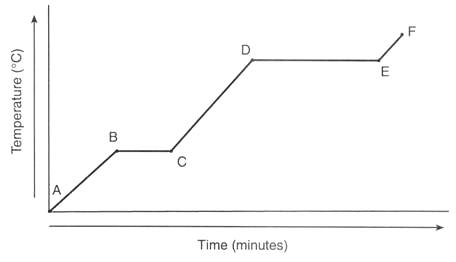
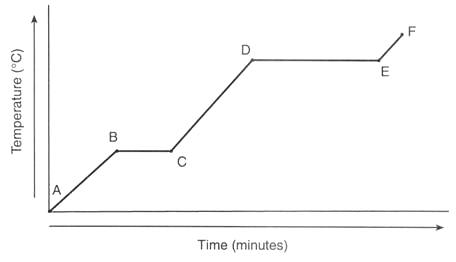
What line segment represents only the solid state?
a)
A-B
b)
B-C
c)
C-D
d)
D-E
75.
What state(s) of matter are present at D-E?
a)
Solid-liquid
b)
Liquid
c)
Liquid-gas
d)
Gas-Solid
76.
Between which points is the substance changing state?
a)
A-B only. 
b)
A-B, C-D, E-F
c)
B-C only. 
d)
B-C, D-E
77.
How are solids different from liquids?
a)
particles in solids are moving freely around each other.
b)
particles in solids have no motion.
c)
particles in solids are vibrating in place.
d)
particles in solids have more motion than in liquids
78.
When the temperature of matter increases the particles...
a)
speed up and move closer
b)
speed up and move farther apart
c)
slow down and move closer together
d)
slow down and move farther apart
79.
A gas
a)
has a definite shape but no definite volume
b)
has a definite volume but no definite shape
c)
has fast-moving particles
80.
What can be determined by measuring the speed of molecules?
a)
volume
b)
density
c)
pressure
d)
temperature
81.
Why does water NOT change temperature during boiling?
a)
Because the molecules of water take in all the heat to their nucleus
b)
Because heat is not the same thing as temperature
c)
Because adding heat doesn't ever change the temperature of water
d)
Because all of the energy is used to break the bonds that are found in the molecule
82.
During a phase change, the temperature
a)
increases
b)
decreases
c)
fluctuates
d)
stays the same
83.
Which process takes the longest to occur?
a)
melting
b)
boiling
c)
freezing
d)
heating the solid
84.
What phase change occurs at D-E?
a)
melting
b)
condensing
c)
boiling
d)
freezing
85.
What happens when thermal energy is taken away from particles?
a)
They move faster and farther apart
b)
They move slower and closer together
86.
The phase of matter in which the atoms are moving the fastest is
a)
solid
b)
liquid
c)
gas
87.
What best describes the motion of atoms in a solid? 
a)
vibrating slowly in place
b)
sliding past each other
c)
moving rapidly in all directions
88.
According to this graph, what is the boiling point temperature of this substance?   (in degrees)
a)
40
b)
70
c)
100
d)
140
89.
According to this graph, what is the melting point temperature of this substance?   (in degrees)
a)
40
b)
70
c)
100
d)
140
90.
Segment E?
a)
gas
b)
liquid
c)
boiling
d)
melting
91.
What is the phase change of a solid to a liquid?
a)
freezing
b)
melting
c)
boiling
d)
condensation
92.
How are solids different from liquids?
a)
particles in solids are moving freely around each other.
b)
particles in solids have no motion.
c)
particles in solids are vibrating in place.
d)
particles in solids have more motion than in liquids
93.
What is the melting point of water?
a)
0 degrees Fahrenheit
b)
100 degrees Celcius
c)
212 degrees Fahrenheit
d)
32 degrees Fahrenheit
94.
What is happening at "D" on the graph?
a)
Water is boiling
b)
water is evaporating
c)
water is melting
d)
the sublimation of water
95.
Why does the graph have two flat lines at "b" and "d"?
a)
Those are times when we took the water off the hot plate
b)
Those are phase changes where temperature doesn't change while adding heat
c)
The line is flat because the water is all in the solid or gas phase
d)
The line is flat because temperature increases the most at those locations
96.
When the temperature of matter increases the particles...
a)
speed up and move closer
b)
speed up and move farther apart
c)
slow down and move closer together
d)
slow down and move farther apart
97.
Which of the following terms identifies the change from a liquid to gas?
a)
Vaporization
b)
Condensation
c)
Deposition
d)
Sublimation
98.
No Definite Shape and No Definite Volume
a)
Gas
b)
Liquid
c)
Solid
99.
Phase change from a solid to a gas.
a)
sublimation
b)
deposition
c)
condensation
d)
evaporation
100.
Definite shape and a definite volume.
a)
Gas
b)
Liquid
c)
Solid
101.
Phase change from a liquid to a gas that only happens at the surface.
a)
evaporation
b)
boiling
c)
sublimation
d)
melting
102.
When the temperature of matter increases the particles...
a)
speed up and move closer
b)
speed up and move farther apart
c)
slow down and move closer together
d)
slow down and move farther apart
103.
Phase change from a gas to a liquid.
a)
condensation
b)
evaporation
c)
melting
d)
deposition
104.
The phase change from water vapor to liquid water is known as...
a)
evaporation
b)
precipitation
c)
condensation
d)
sublimation
105.
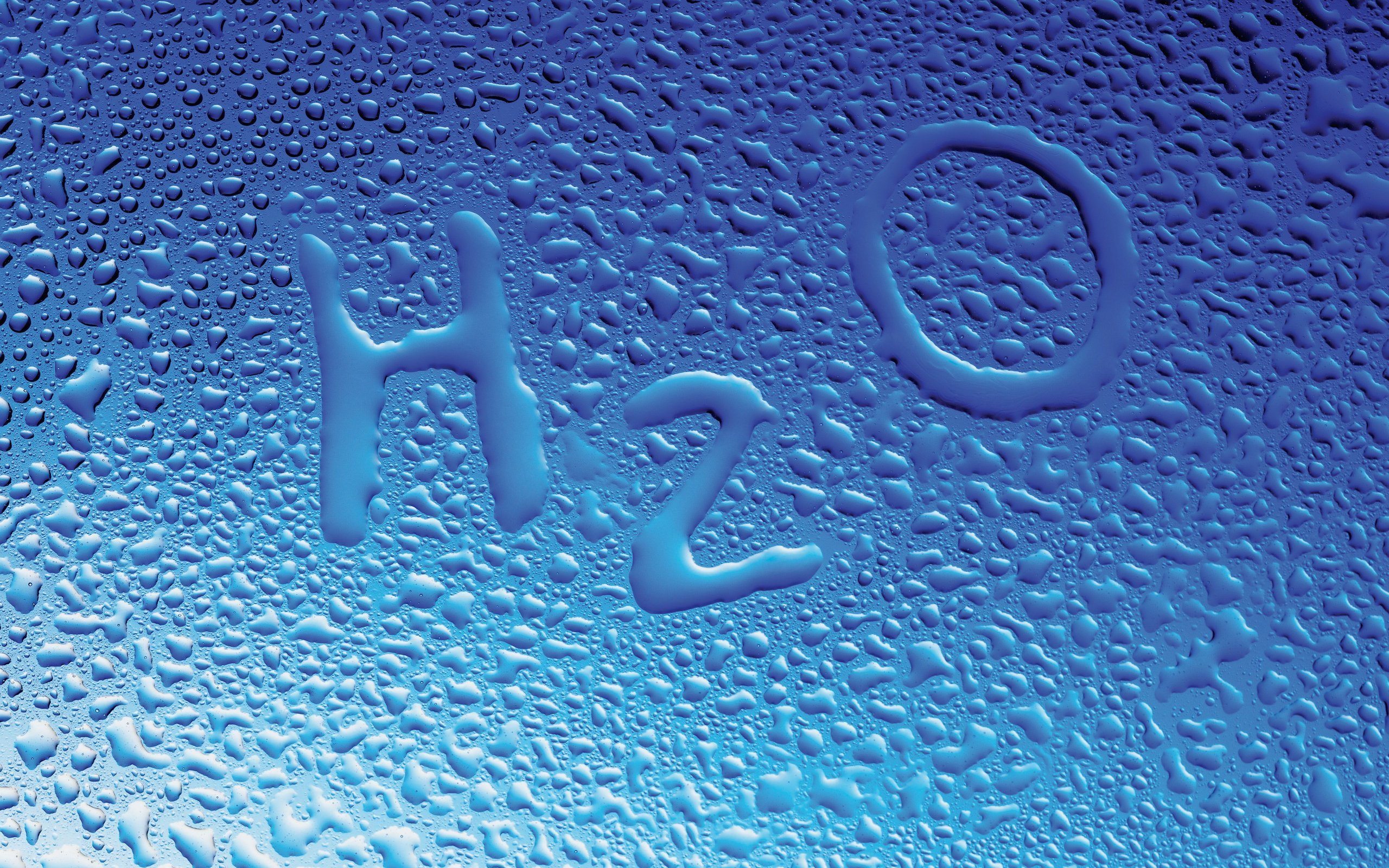
a)
This picture is showing a liquid to solid state change.
b)
This picture is showing a gas to a liquid state change
c)
This picture is showing a solid to liquid state change.
d)
This picture is showing a liquid to a gas state change
106.
The drops of water that appear on the outside of a glass of cold juice on a warm day are an example of?
a)
Sublimation: A solid turning into a gas.
b)
Condensation: A gas changing to a liquid.
c)
Evaporation: A liquid changing to a gas.
d)
Deposition: A gas changing to a solid.
107.
The picture shows examples of:
a)
solids
b)
gases
c)
liquids
d)
plasmas
108.
Boiling is ...
a)
liquid to gas
b)
gas to solid
c)
gas to liquid
d)
solid to liquid
109.
When the temperature of matter increases the particles...
a)
speed up and move closer
b)
speed up and move farther apart
c)
slow down and move closer together
d)
slow down and move farther apart
110.
7. All phase changes (changing states) requires energy to be added or taken away.
a)
True
b)
False
111.
Between which points is the temperature of the substance remaining constant?
a)
A-B only. 
b)
A-B, C-D, E-F
c)
B-C only. 
d)
B-C, D-E
112.
What state of matter is segment 5?
a)
Solid
b)
Liquid
c)
Gas
d)
Plasma
113.
True or false: melting and freezing occur at the same temperature!
a)
True
b)
False
c)
I don't know