
Font size
 Worksheets
Immune System Biology 2019
Total questions: 47
Worksheet time: 39mins


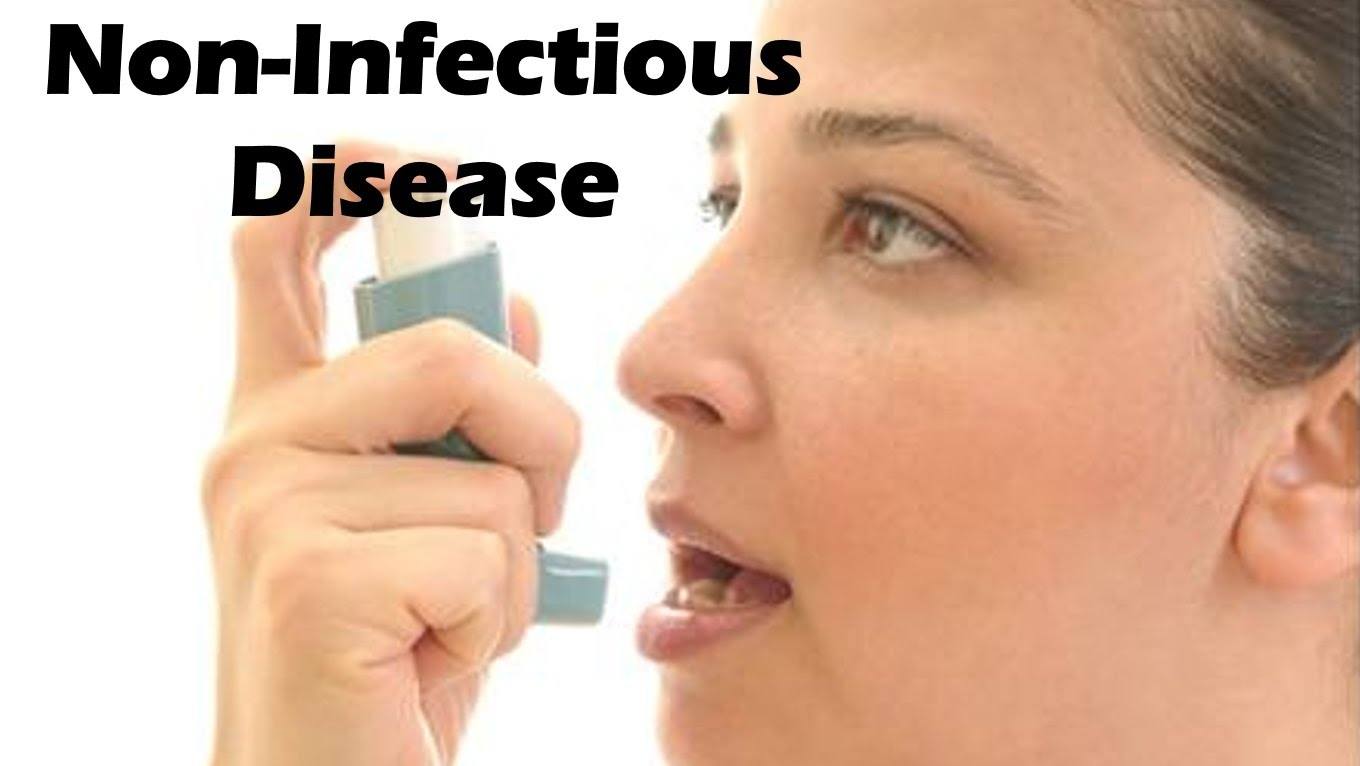

Your skin, WBC's, mucous membranes, phagocytes, inflammatory response, temperature, and pH are all part of this defense system
Acquired immunity
Innate immunity
Active immunity
Passive Immunity
Antibodies, t and b cells, and memory cells are all part of this defense system.
Acquired immunity
Innate immunity
Non-passive Immunity
Passive Immunity

This image is a protein that help memorize pathogens.
antigen
antibody
cytokine
neutrophil
Antibodies are nonspecific to antigens.
True
False
A harmful micro-organism is called a:
antibody
antigen
pathogen
bacteria
What is the function of the Plasma Cells
to multiply
to patrol the body
to fight the invading antigens
to produce antibodies

What happens after the second time you are exposed to a pathogen?
The body will not be able to fight off the pathogen quickly, because it knows how to get into the body easier.
The body's immune system will react the same was as it did during the first exposure.
The body can only be exposed to a pathogen a second time if you do not have a vaccine.
The body will know how to fight off the pathogen quickly, because memory cells have been created after the first encounter.
Which of the following is not part of the body's first line of defense against pathogens?
Skin
Mucus
Stomach Acid
Antibody
A large cell that engulfs and destroys pathogens is called a
T Cell
B Cell
A Cell
Phagocyte
T Cell Lymphocytes are created in the
Thymus
Bone Marrow
Thyroid

What is the function of antibodies within the immune system?
Antibodies kill off any antigen that enters the body.
Antibodies are only made when you are given a vaccination for specific antigens.
Antibodies bind to specific antigens to flag for destruction.
Antibodies are part of an external defense mechanism.

Which of the following are considered internal defenses? (there may be more than one correct answer)
Mucus
Inflammation
Tears
Hair
Tcells
How do T cells differ from B cells?
T cells fight pathogens by killing pathogens directly, while B cells fight pathogens by making antibodies.
T cells only make memory cells, and B cells only make antigens
T cells fight pathogens by making antibodies, while B cells fight pathogens by killing pathogens directly.
T cells can only fight off pathogens the body has encountered once, and B cells can fight off any pathogen the body comes across.

Which of the following statements is TRUE about someone's immune system that has allergies?
Body cells are dividing at an uncontrolled rate.
The body is reacting to foreign antigens that are not dangerous to most people.
T cells and B cells in the body cannot be activated.
The body is mistaking its own cells for foreign antigens.

HIV is transmitted by...
sharing food
sweat
mosquito bites
exchanging bodily fluids
What happens when T cell counts drop too low?
You can't sleep
You feel tired
You get a rash
You are in danger of contracting infectious diseases
Which of the following is a true statement about HIV?
It strengthens the immune system.
You can tell by looking at people whether or not they are infected with HIV.
It can be in a person's blood system for years before it causes health problems.
Opportunistic infections are a symptom of a Phase I infection.
What type of immune response creates cytokines that are used to destroy the antigen?
Antibody mediated Immunity
Cell-mediated immunity
Humoral Immunity
Phagocytosis


What type of cell kills invading cells directly?
Helper T Cells
Cytotoxic T Cells
B cells
Cytokines

