Wayground logo

Free Printable Worksheets

Font size

S
M
L
XL
Worksheets

Nature's Legos (Chemistry) Review

Total questions: 108

Worksheet time: 1hrs 24mins

Name
Class
Date
1.

What type of bond occurs when atoms share an electrion?

a)

ionic

b)

covalent

c)

polar

2.

Most of the periodic table is made up of

a)

gasses

b)

non metals

c)

metaloids

d)

metals

3.

What is the smallest atom on the periodic table?

a)

helium

b)

gold

c)

carbon

d)

hydrogen

4.

How many electrons does a one helium atom have?

a)

1

b)

2

c)

3

d)

4

5.
If an atom has 3 electrons, how many protons does it have?
a)
1
b)
2
c)
4
d)
3
6.
If the number of protons equal the number of _____, the atom will have no charge
a)
protons
b)
neutrons
c)
electrons
d)
nucleus
7.
The subatomic particle with a negative charge is the
a)
electron
b)
proton
c)
neutron
d)
nucleus 
8.
What is the atomic number?
a)
the number of protons
b)
the number of protons and neutrons
c)
the number of neutrons
d)
the number of protons and electrons
9.
Ions are: 
a)
atoms with a positive or negative charge
b)
atoms with no charge
c)
atoms with ONLY a positive charge
d)
atoms with ONLY a negative charge
10.
How many electrons would an atom of Krypton have?
a)
83.80
b)
36
c)
12
d)
none
11.
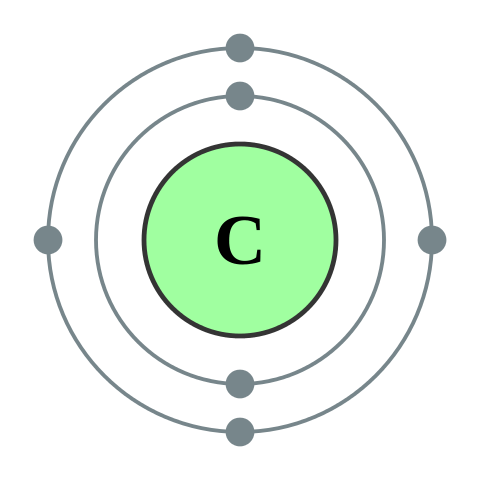
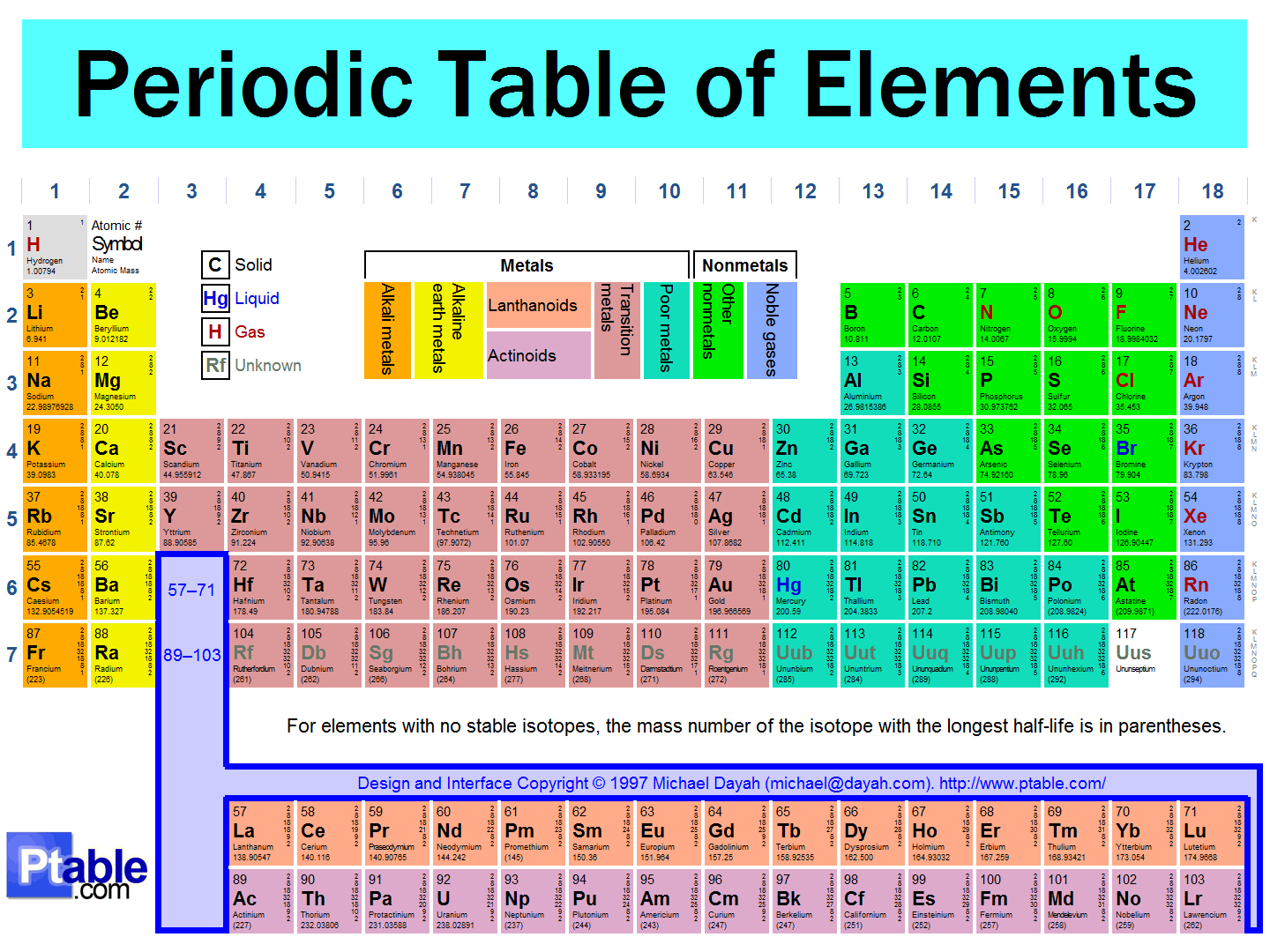
What does the C represent?
a)
atomic mass
b)
atomic number
c)
element name
d)
chemical symbol 
12.
What is the number of protons that the element in this image contain?
a)
14
b)
7
c)
15
d)
18
13.
H2O
a)
Element
b)
Compound
14.

The nucleus of an atom contains

a)

protons and electrons

b)

protons and neutrons

c)

electrons and neutrons

15.

The formula for carbon monoxide is

a)

CO

b)

CHO

c)

CO2

d)

CHO2

16.

The rows in the Periodic Table are called

a)

groups

b)

periods

c)

columns

17.
What is the atomic number for an element with three protons?
a)
2
b)
1
c)
3
d)
6
18.
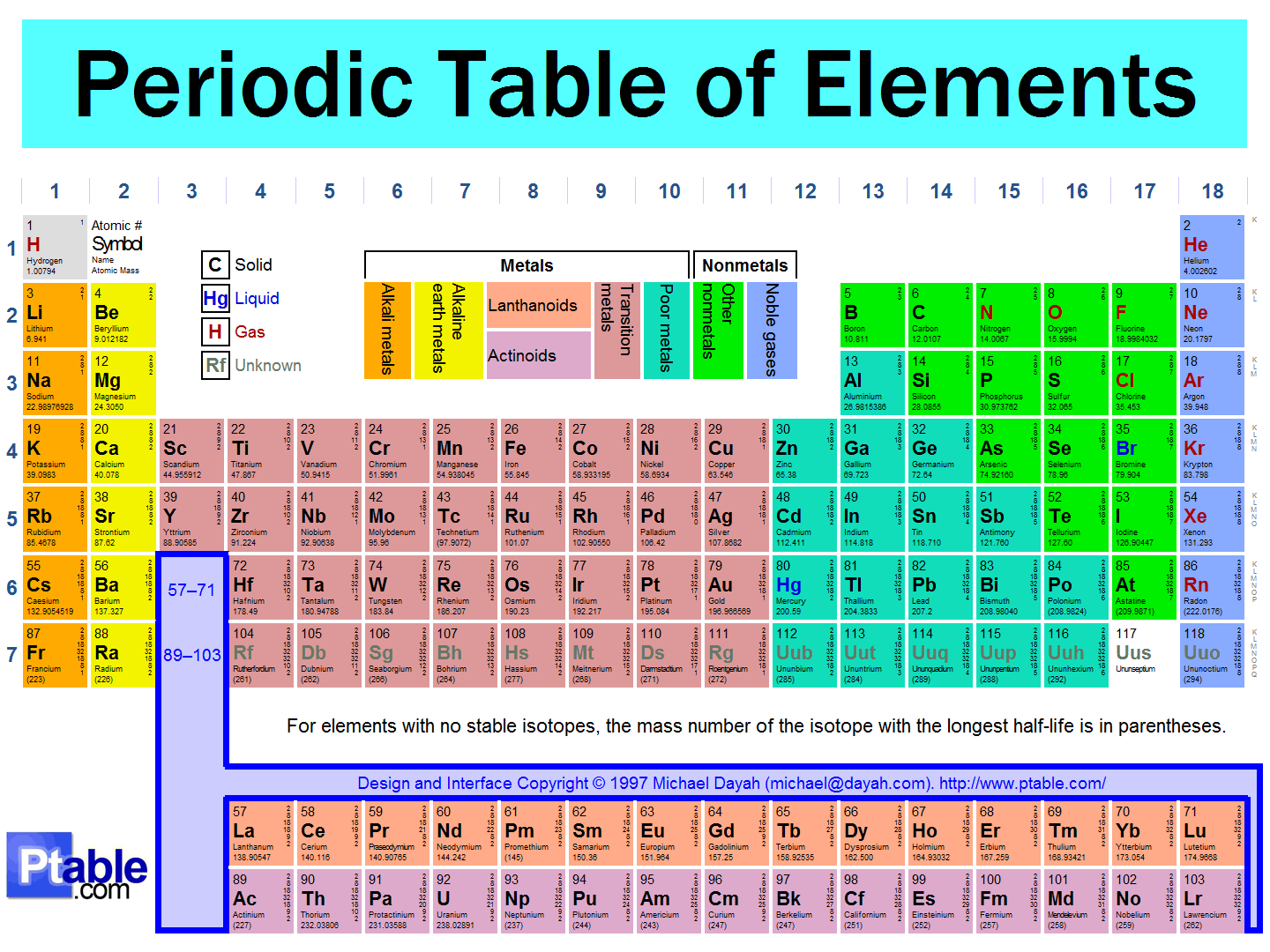
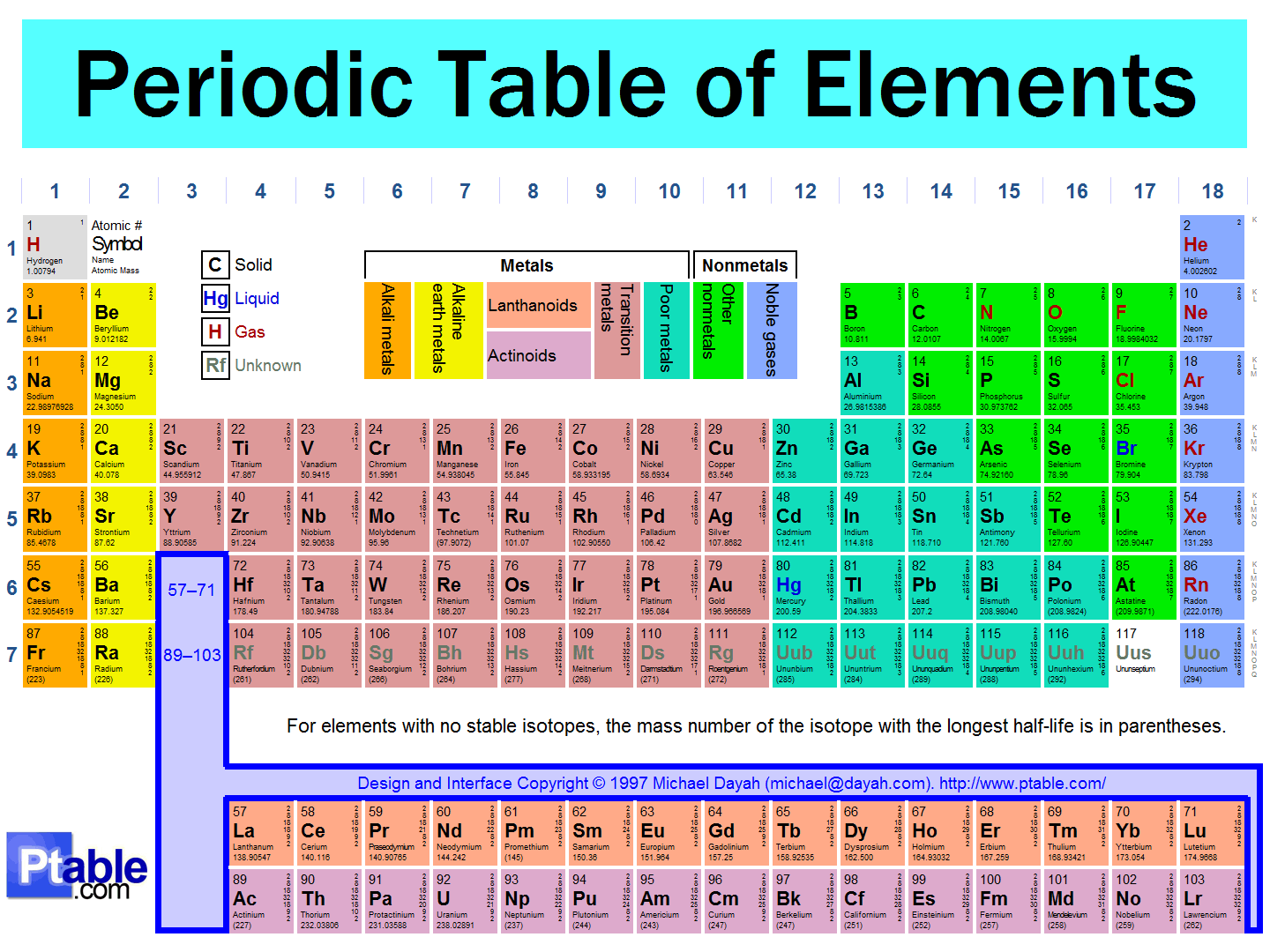
What does the 1.00794 stand for?
a)
Hydrogen
b)
atomic number
c)
atomic mass
d)
atomic explosion
19.
If the number of protons equal the number of _____, the atom will have no charge
a)
protons
b)
neutrons
c)
electrons
d)
nucleus
20.
Ions are: 
a)
atoms with a positive or negative charge
b)
atoms with no charge
c)
atoms with ONLY a positive charge
d)
atoms with ONLY a negative charge
21.
Two atoms of the same element but with different mass numbers are called________
a)
electrons
b)
isotopes
c)
variables
d)
electron cloud
22.
Which is the correct formula for:
 three hydrogen (H)
one sulfur (S)
four oxygen (O)
a)
H3SO4
b)
HSO4
c)
H4S3O
d)
H2O
23.
The number of Na's in Na₂CO₃
a)
1
b)
2
c)
3
d)
6
24.
How many Chlorine are in MgCl2?
a)
2
b)
1
c)
3
25.
The first energy level can hold up to how many electrons?
a)
8
b)
4
c)
2
d)
5
26.
all matter is made of what 
a)
energy 
b)
atoms 
c)
electrons 
d)
compounds 
27.
Which of the following is a positively charged subatomic particle found in the nucleus of an atom?
a)
Electron
b)
Proton
c)
Neutron
d)
Quark
28.
Most of the mass in an atom is concentrated in the...
a)
electrons
b)
nucleus
c)
protons
d)
empty space
29.
What does the nucleus consist of?
a)
Protons + Electrons
b)
Neutrons + Electrons
c)
Atoms
d)
Protons + Neutrons
30.

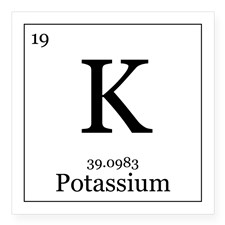
How many neutron are in the atom "K"?

a)

7

b)

19

c)

39

d)

20

31.
Which of the following tells you that a chemical change may have occurred?
a)
Change Shape
b)
Melting
c)
Vaporizing
d)
Change in color
32.
What happens in ALL chemical changes?
a)
Change in state of matter
b)
A new substance is formed
c)
Bubbles are produced
d)
An explosion
33.
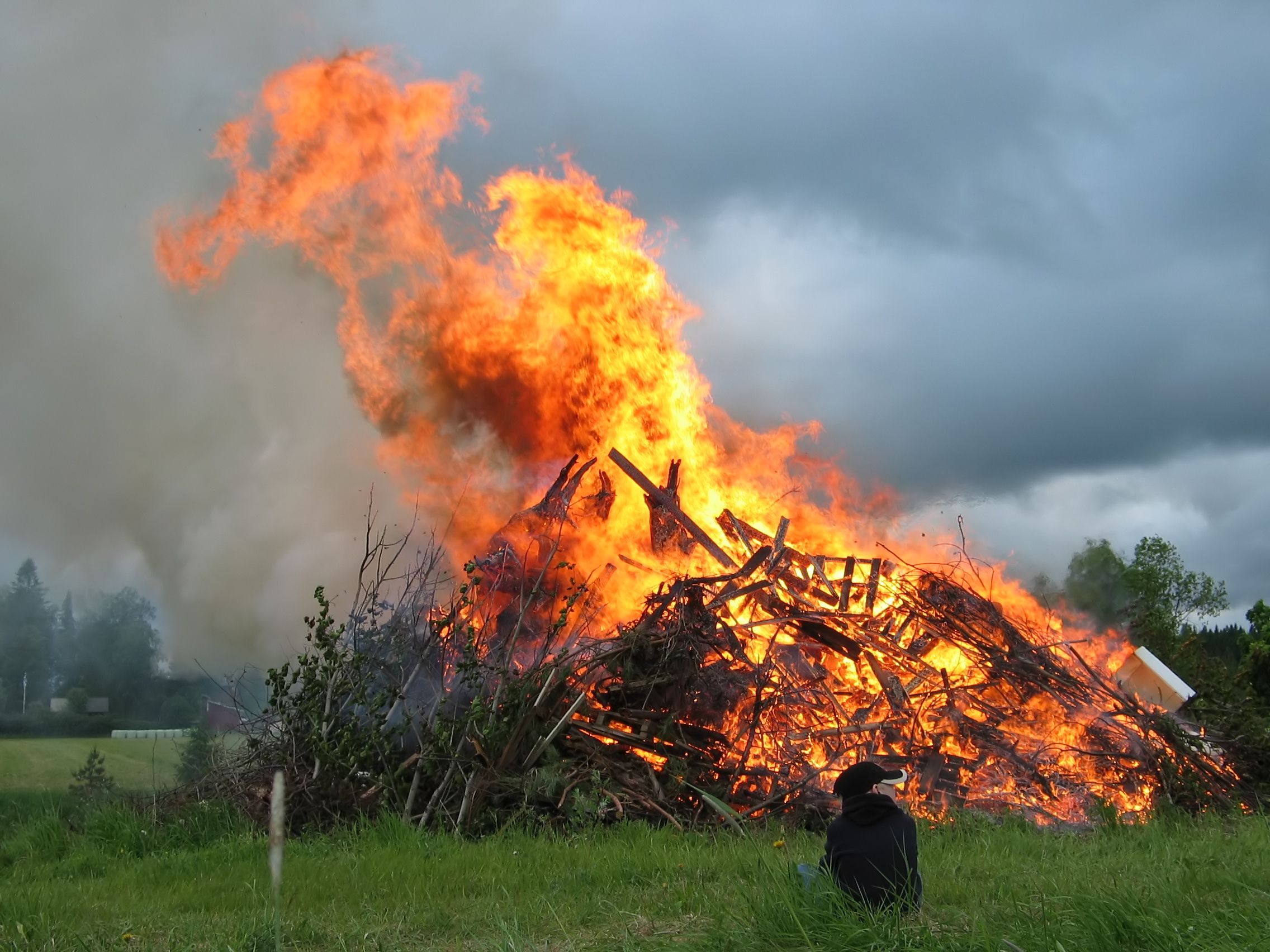
Is wood burning a physical or chemical change?
a)
Physical 
b)
Chemical
34.
Is Gatorade powder dissolving in water physical or chemical change?
a)
Physical 
b)
Chemical
35.
Is sharpening a pencil a physical or chemical change?
a)
Physical 
b)
Chemical
36.
Is copper tarnishing a physical or chemical change?
a)
Physical 
b)
Chemical
37.
Which of the following is a reactant
a)
CH4
b)
H2O
c)
CO2
d)
2H2O
38.
In an exothermic reaction, energy is _________.
a)
Released
b)
Absorbed
c)
Stored
d)
Doubled
39.
During Photosynthesis energy is absorbed. What kind of reaction is it?
a)
Physical
b)
Exothermic
c)
Endothermic
d)
Photothermic
40.
The Law of Conservation of Mass tells us matter can't  ______________.
a)
change color
b)
change state of matter
c)
be created or destroyed
d)
change temperature
41.

Which of the following is NOT a clue that a chemical reaction has taken place?

a)

Changing size

b)

Changing color

c)

A gas being formed

d)

Formation of a precipitate

42.
Is melting butter for popcorn a chemical or physical change?
a)
chemical
b)
physical
43.
Which of the following is NOT an example of a physical change?
a)
crumpled paper
b)
pencil sharpening
c)
shrunken clothing
d)
rust
44.
What kind of properties can only be observed when a substance changes into a different substance?
a)
physical properties
b)
chemical properties
45.
Which of the following describes a precipitate?
a)
a liquid forms when a block of metal is heated
b)
a solid forms when one liquid is poured into another
c)
a gas forms when a solid is placed in a liquid
d)
bubbles form when an acid is poured on a rock
46.
Which of the following atomic symbols is written correctly?
a)
ee
b)
hE
c)
C
d)
CL
47.
Which of the following atomic symbols for bromine is written correctly?
a)
bR
b)
BR
c)
Br
d)
br
48.
Which of the following chemical formulas represents a compound? 
a)
C3
b)
O2
c)
CH3CHO
d)
H2
49.
Can be found on the periodic table
a)
Element
b)
Compound
c)
MIxture
50.
Which statement best describes an element?
a)
made from mixture 
b)
thousands in the world
c)
pure, made of only one atom
d)
can be separated 
51.

Compounds are different than elements because compounds are -

a)

A combination of two or more elements.

b)

not able to be broken down into parts

c)

made from the same type of atoms

d)

a pure substance, elements are not

52.

A pure substance containing only one kind of atom.

a)

element

b)

mixture

c)

compound

53.

Examples are water (H2O) and carbon dioxide (CO2).

a)

elements

b)

mixtures

c)

compounds

54.
This picture represents which of the following?
a)
element
b)
compound
c)
mixture
55.
This picture represents which of the following?
a)
element
b)
compound
c)
mixture
56.
Is in simplest form and cannot be broken down
a)
Element
b)
Compound
c)
Mixture
57.
Identify
a)
Element
b)
Compound 
c)
Mixture
58.
TRUE OR FALSE:
Every compound is a molecule but not every molecule is a compound.
a)
TRUE
b)
FALSE
59.
How many electrons can the 2nd electron shell hold?
a)
2
b)
3
c)
8
d)
18
60.

Valence electrons are the...

a)

Innermost electrons

b)

Middle electrons

c)

Outermost electrons

d)

Any electrons

61.

How many valence electrons does carbon have?

a)

4

b)

5

c)

6

d)

7

62.
Elements in the same column of the periodic table always have the same # of _______ as one another.
a)
Protons
b)
Neutrons
c)
Electrons
d)
Valence Electrons
63.
Valence Electrons determine an element's _____________.
a)
Reactivity
b)
Location
c)
Identity
d)
Color
64.

This atom will

a)

lose 1 electron

b)

gain 1 electron

c)

lose 7 electrons

d)

gain 7 electrons

e)

do nothing

65.

Cations have a __________ charge.

a)

positive

b)

negative

c)

neutral

66.

The octet rule states that atoms are more stable when they

a)

have more protons than electrons

b)

have more electrons than protons

c)

have a full outer shell

d)

have a partial outer shell

67.
Two atoms of the same element but with different mass numbers are called________
a)
electrons
b)
isotopes
c)
variables
d)
electron cloud
68.
When an atom loses an electron, it becomes a:
a)
positive ion
b)
negative ion
c)
neutral ion
d)
neutral atom
69.
Magnesium bromide is an ionic compound with the chemical formula MgBr₂.  What does the "2" tell you?
a)
There are 2 bromide ions for every magnesium ion
b)
Bromide has a 2- charge
c)
Bromide has a 2+ charge
d)
There are 2 magnesium ions to every bromide ion
70.
Which of the following is a characteristic property of ionic compounds?
a)
They form hard, brittle crystals with characteristic shapes
b)
They have low melting points
c)
They have low boiling points
d)
They contain no charged particles
71.
In what form can an ionic compound conduct electricity?
a)
when dissolved in water
b)
as a solid
c)
as a crystal
d)
when warmed slightly
72.
What will be the compound name of the following chemical formula?
NaCl
a)
Potassium Chloride
b)
Sodium Chloride
c)
Calcium Chloride
d)
Sodium Chlorine
73.
Why do ionic bonds form?
a)
so the number of protons equals the number of electrons
b)
to fill the outermost energy level
c)
so an atom can become unstable
74.
Atoms that lose electrons become...
a)
negatively charged
b)
postively charged
c)
remain neutral, no charge
d)
losers
75.
Atoms that gain electrons become...
a)
negatively charged
b)
positively charged
c)
remain neutrally charged
d)
21
76.
Covalent compounds
a)
Share electrons
b)
transfer electrons
c)
contain a sea of electrons
d)
conduct electricity
77.
What two types of atoms make a covalent bond?
a)
2 Nonmetals
b)
1 Nonmetal and 1 Metal
c)
2 Metals
d)
2 Noble Gases
78.
What elements generally make an ionic bond?
a)
metal and nonmetal
b)
2 or more nonmetals
c)
metal
d)
none of the above
79.
How did Mendeleev arrange the elements?
a)
alphabetical 
b)
density
c)
melting point
d)
atomic mass
80.
The horizontal row on the periodic table is called a
a)
group
b)
family
c)
period
d)
atomic number
81.
A vertical column is called...
a)
group
b)
tower
c)
period
d)
crew
82.
Most of the elements on the periodic table are classified as _____.
a)
Metals
b)
Nonmetals
c)
Metalloids
d)
Periods
83.
This class of elements are sometimes called "semiconductors."
a)
Metals
b)
Nonmetals
c)
Metalloids
d)
Groups
84.
The yellow atoms are called 
a)
metals
b)
nonmetals
c)
metalloids
d)
noble gases
85.
An element's identity is determined by the number of
a)
electrons.
b)
protons.
c)
neutrons.
d)
valence.
86.
Which of the following is not a property of metals?
a)
brittle
b)
malleable
c)
lustrous
d)
conductive
87.
Metals appear to the _______ of the dark ziz-zag line on the periodic table. 
a)
A. right
b)
B. middle
c)
C. left
88.
What does malleable mean?
a)
able to bend
b)
will break easily
c)
can be used for wire
d)
is shiny
89.
How would this element be classified?
a)
Metal
b)
Nonmetal
c)
Metalloid
d)
Metamorphic
90.
Silicon is a semiconductor and has properties of both metals and nonmetals. What type of element is Silicon? 
a)
Metal
b)
Nonmetal
c)
Metalloid
d)
Pretty
91.
A pure substance that cannot be broken down into anything simpler is a/an-
a)
atom
b)
element
c)
cell
d)
compound
92.
Which type of elements touch the zigzag line?
a)
Metals
b)
Nonmetals
c)
Metalloids
d)
Metals and Metalloids
93.
Some students conducted a laboratory investigation to learn more about the physical properties of different elements. They observed four samples and recorded their observations in the table . Based on these observations, which sample is most likely a nonmetal?
a)
Sample 1
b)
Sample 2
c)
Sample 3
d)
Sample 4
94.
A student is given a sample of an unknown substance. He is asked to determine if it is classified as a metal, a metalloid, or a nonmetal. He discovered that the unknown element conducted some heat and electricity, had a shiny luster, and broke easily. This element is most likely a 
a)
metal
b)
nonmetal
c)
metalloid
d)
cannot be determined
95.
The elements argon, krypton, and xenon are all non-metals. What property would these elements have in common?
a)
Good conductor of thermal energy
b)
Poor conductor of electricity
c)
Shiny, lustrous surface
d)
Soft and malleable
96.
Which state of matter has tightly packed molecules?
a)
solid
b)
liquid
c)
gas
97.
Solids have:
a)
A definite volume, but no definite shape
b)
A definite shape but not a definite volume
c)
No definite shape; no definite volume
d)
A definite shape and a definite volume
98.
Liquids have:
a)
A definite volume, but no definite shape
b)
A definite shape but not a definite volume
c)
No definite shape; no definite volume
d)
A definite shape and a definite volume
99.
Gases have:
a)
A definite shape and a definite volume
b)
No definite shape; no definite volume
c)
A definite shape but not a definite volume
d)
A definite volume, but no definite shape 
100.
What is the most common state of matter in the universe?
a)
plasma
b)
solid
c)
liquid
d)
gas
101.

What happens to the chemical structure of water when it changes state?

a)

Water molecules break apart to form individual atoms.

b)

Water molecules harden into ice molecules.

c)

Water molecules melt into gas molecules.

d)

Nothing happens to the chemical structure.

102.

What do lightning and stars have in common?

a)

Both have no electrical charge.

b)

Both contain plasma.

c)

Both have a fixed volume.

d)

Both contain all three states of matter.

103.

Where would you find a Bose-Einstein condensate?

a)

Inside stars

b)

At the North Pole

c)

In a science lab

d)

Bose-Einstein condensates exist only in theory

104.

Stan boils liquid water on the stove to make pasta noodles. Which diagram best represents what the molecules of water look like before and after boiling?

a)
b)
c)
d)
105.

Jessica did an investigation about the states of matter. As part of the investigation, Jessica wanted to change a liquid into a solid. What must she do to bring about this change in state?

a)

place the liquid in a different container

b)

stir the liquid as quickly and thoroughly as possible

c)

remove energy from the liquid so that its particles slow down

d)

increase the energy of the liquid so that its particles move

106.

What form of matter has extremely fast moving particles, electrically charged and makes up most of our universe?

a)

gas

b)

solid

c)

plasma

d)

liquid

107.

List the states of matter in order of which has the greatest distance to least amount of distance between each particle.

a)

GAS, PLASMA, SOLID, LIQUID

b)

PLASMA, GAS, LIQUID, SOLID

c)

SOLID, LIQUID, GAS, PLASMA

d)

LIQUID, SOLID, PLASMA, GAS

108.

List the states of matter in order of Which has the least amount of energy to the greatest amount of energy.

a)

GAS, PLASMA, SOLID, LIQUID

b)

SOLID, GAS, LIQUID, PLASMA

c)

SOLID, LIQUID, GAS, PLASMA

d)

PLASMA, GAS, LIQUID, SOLID