
Font size
 Worksheets
Biology Systems Test Review
Total questions: 98
Worksheet time: 1hrs 9mins


The part of the digestive system which is highlighted represents:
Esophagus
Small intestine
Stomach
Trachea
Where chemical digestion starts.
Small intestine
Esophagus
Mouth
Stomach


Bile is stored in which organ?
Stomach
Liver
Gallbladder
Pancreas
After food is broken down PHYSICALLY, it becomes:
CHYME
BOLUS
Once food is broken down CHEMICALLY, it becomes:
BOLUS
CHYME
The passage of nutrients from the digestive tract into the blood stream:
INGESTION
DIGESTION
ABSORPTION
DEFECATION
Where feces is stored
descending colon
transverse colon
ascending colon
rectum
Organ that produces insulin:
thyroid gland
pancreas
parathyroid gland
stomach
Villi are located in the
large intestine
stomach
small intestine
esophagus
What is the path of the digestive system
mouth, esophagus, stomach, small intestine, large intestine
mouth, stomach, small intestine, large intestine, esophagus
esophagus, large intestine, stomach, small intestine, mouth
The stomach digests food ___.
mechanically
chemically
both mechanically and chemically
magically
Solid waste is stored here before it is eliminated.
stomach
pancreas
rectum
small intestine
This substance breaks down fats in the small intestine.
saliva
bile
hydrochloric acid
water
Which of these is an aerobic exercise?
Bench Press
Squats
Push Ups
Biking on a Road
A newborn has more muscles than an adult
True
False
Movable Joints are well suited to handle high pressure and stress because....
They contain ligaments and tendons
Joints are surrounded by fluid
Cartilage is a tissue that helps cushion between bones and joints
All of the above
Most bones develop from _______________, a tough but flexible connective tissue
tendons
cartilage
blood tissue
ligaments
A joint is where bone connects with a muscle
true
false
____________ makes blood cells
erythrocytes
yellow marrow
red marrow
lymphocytes
The outer covering of bone is called _____________
haversian canal
ligaments
pericardium
periosteum
A cardiac muscle is voluntary and pumps blood throughout the body
true
false
Skeletal muscle is attached to the bone providing voluntary movement of the body.
true
false
The MOST OBVIOUS function of the muscular system
movement
assist with circulation
help you chew your food
help food move through the digestive system
The longest bone in the body.
Tibia
Sternum
Femur
false rib #12
Vital soft organ that is protected by the skull?
ear drum
stomach
fibula
brain
There are how many SETS of ribs?
5
8
12
24
There are how many pairs of ribs?
5
8
12
24
The adult human has how many bones
260
300
548
206
Which system of the human body provides protection to most of the major organs?
Skeletal System
Circulatory System
Respiratory System
Muscular System
Which best explains how the muscular system relies on the respiratory system?
The respiratory system cools the muscular system.
The respiratory system acts as the support system for the muscular system.
The respiratory system brings oxygen into the body for the muscular system to use.
Which best descries the relationship between the cardiovascular system and the muscular system?
The cardiovascular system captures carbon dioxide from the air for muscle energy.
The cardiovascular system produces red blood cells to bring oxygen to muscles.
The cardiovascular system provides framework for muscle movement.
The cardiovascular system delivers oxygen for muscle energy.
Which best describes the purpose of the muscular system?
The muscular system carries messages from the brain to the bones to move the body.
The muscular system keeps the bones strong and protects them from being broken.
The muscular system produces energy the body needs to be able to move.
The muscular system allows movement of bones and helps maintain posture.
What roles do the muscular and respiratory systems serve in the body when someone lifts weights?
The muscular system allows the person to lift the weights, while the respiratory system provides oxygen to the body.
The muscular system provides oxygen to the body, while the respiratory system allows the person to lift the weights.
The muscular system provides nutrients to the blood, while the respiratory system provides sweat to cool the body.
The muscular system provides sweat to cool the body, while the respiratory system provides nutrients to the blood.
Which best describes how the muscular system impacts movement of the human body?
When a muscle expands, it pulls on the bone it is connected to and the bone moves.
When a muscle contracts, it pulls on the bone it is connected to and the bone moves.
When a muscle contracts, it pushes on the bone it is connected to and the bone moves.
When a muscle expands, it pushes on the bone jit is connected to and the bone moves.
How does the respiratory system depend on the circulatory system in order to function?
The circulatory system brings waste gases to the lungs and exchanges them for oxygen.
The circulatory system provides structural support and protection to the respiratory system.
The circulatory system sends messages to the lungs so that one can breathe in and out.
The circulatory system pushes gases out of the body through the mouth and nose.
Arteries carry oxygen rich blood away from the heart.
True
False
These vessels carry blood away from heart; mostly oxygen-rich
Arteries
Veins
Capillaries


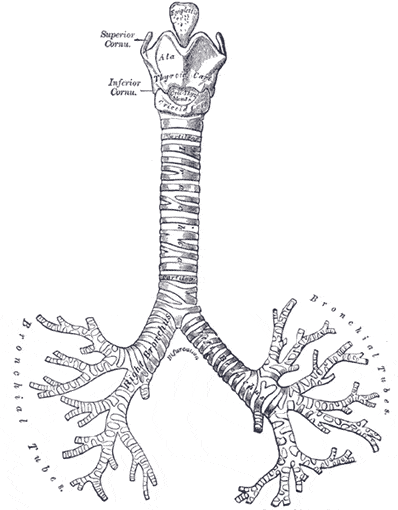

Which part does the blood first enter after it leaves the lungs?
C
A
B
D

Which part houses our voice box or larynx?
A
B
C
D
The nose has cilia and ____________ that traps dust and other particles from entering your body.
bones
blood cells
mucus
water
The right side of your heart pumps the blood to the
brain
lungs
legs
The left side of the heart pumps blood to
all parts of the body
feet
brain
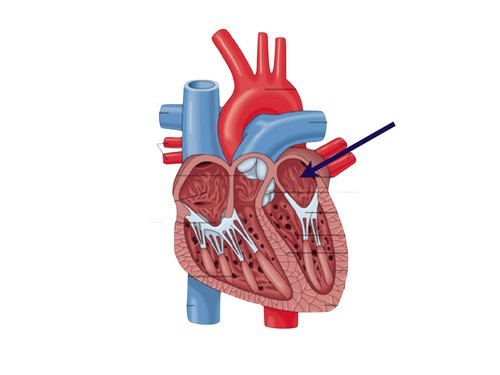
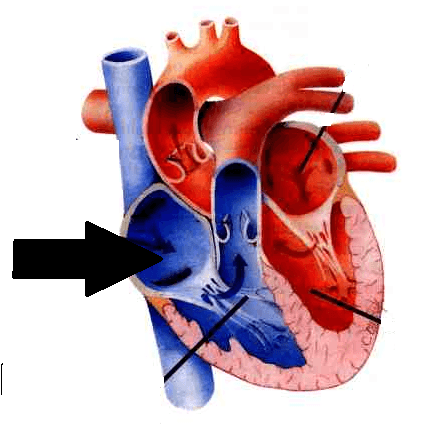
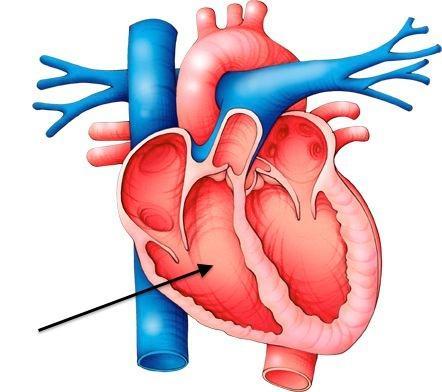
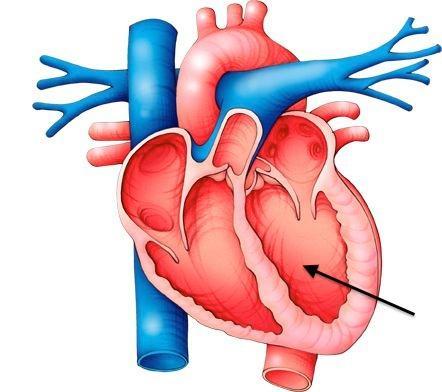

Nutrients and oxygen are able to leave through the thin walls of these small blood vessels through the process of diffusion. What are the blood vessels called?
veins
capillaries
arteries
Why do the skeletal muscles need more blood flow after jogging?
The muscles do not need an increase of blood flow.
The muscles are making more blood. Therefore, blood flow increases.
More oxygen is needed for cellular respiration. The increased blood flow will deliver more oxygen.
What happens to the pulse rate when you increase physical activity?
Pulse rate stays the same with increasing physical activity.
Pulse rate decreases with increasing physical activity.
Pulse rate increases with increasing physical activity.
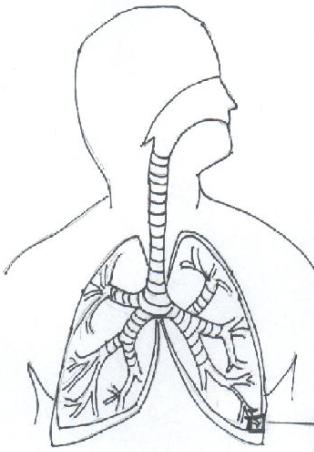
This structure attached to the larynx flops over the entrance to the trachea during swallowing.
Pharynx
Tonsils
Epiglottis
Appendix
This dome-shaped muscle flattens out and creates a larger chest cavity during inspiration
Diaphragm
Intercostal Muscles
Pharynx
Alveolus
Oxygen and Carbon dioxide are exchanged across the alveolar and capillary membrane by
Active Transport
Osmosis
Diffusion
Cellular Respiration
1. larynx
2. nasal cavity
3. pharynx
4. trachea
Which of the following is the correct order that air would flow during inhalation.

