
 Worksheets
Plant Cell Test Review
Total questions: 158
Worksheet time: 4hrs 10mins




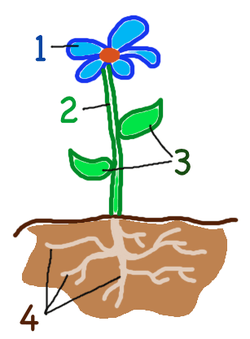
What part of the plant is responsible for making food?
roots
flower
stem
leaves
The cuticle is thicker in ______ climates
Dry
Wet
__________ covers the upper and lower surfaces of the leaf and mediates exchanges between the plant and its environment
Epidermis
Cuticle
Guard cells
___________ includes the tissues which build most of the interior of the leaf.
Mesophyll
Upper epidermis
Palisade layer
Vascular bundle
What tissue is responsible for photosynthesis
Spongy cells
Guard cells
Vascular tissue
Palisade cells
In most leaves stomata are more abundant in the lower epidermis, limiting water loss due to direct sunlight
True
False
What are the two types of plants? PICK TWO
Vascular
Cardiovascular
Nonvascular
None of the above
What does the xlyem vessel do in a vascular plant?
Carries sugar
Takes in sunlight
Takes in carbon dioxide
Carries water
What is a vascular plant?
It has vessels that carry water and sugar to the plant
It soaks up the water
What does the phloem vessel carry in a vascular plant?
It carries water to the plant
It carries sugar (food) to the plant
It takes in sunlight
It takes in carbon dioxide
What is a nonvascular plant?
It has vessels that carry water and sugar to the plant
It does NOT have vessels and soaks up water like a sponge
What is an example of a nonvascular plant?
Trees
Flowers
Moss
Bushes
Why is the main reason that photosynthesis important?
It keeps plants warm
It's how the plants get their food
It's how plants continue to grow
None of the above
What are the three necessary things for photosynthesis to occur?
Water, light, and oxygen
Water, light, and carbon dioxide
Water, soil, and carbon dioxide
Soil, plant feeder, and water
True of false, chloroplasts are organelles in plants that help capture the light during the process of photosynthesis
True
False
What gas is needed during the process of photosynthesis?
Oxygen
Carbon Dioxide
Helium
Nitrogen
What do the stomata help to do in plants?
They don't do anything
They stay closed all of the time to keep everything functioning
They open to allow water to come in or out
They open up to allow carbon dioxide to come in or out
True or false, plants can survive in a hot dessert with less water because they close their stomata during the day instead of the night
True
False
What is an example of a plant that eats insects?
Moss
Venus Fly Trap
Orchid
All trees
Why are plant structures important?
They help support survival
They help support growth
They help support behavior
They help support reproduction
All of the above!
What would be an example of an external plant structure?
Leaves, stems, or flower petals
Stomata or chloroplasts
What would be an example of an internal plant structure?
Leaves, stems, or flower petals
Stomata, guard cells, or chloroplasts

Why would a plant have thick, waxy leaves?
to move water up the plant
to help store water
to help it float

What is the purpose of wide leaves, such as the Maple leaves in the picture?
to absorb lots of sunlight
to provide food to eat
to help hold water in
to help it float
Why are some plants carnivorous?
There are no carnivorous plants
They don't get enough nutrients from the soil
Insects taste good
The bugs they eat help pollinate the plant

How can a vine adapt to get sunlight?
It helps hold the tree up as it grows up the tree
It reaches underground for more sunlight
It can grow up a tree to reach sunlight
Which of the following is NOT an adaptation for plants to reproduce?
Bright colors and strong scents attract pollinators
Animals carry seed pods on their fur to new places
Plants can use wind to spread their seeds
Seeds travel underground and a new plant grows in a new place

How can thin leaves in grassland plants adapt for water?
Their thin leaves allow less water to escape during dry periods
They store water in their thin leaves during dry periods
The thin leaves absorb extra sunlight

Mistletoe lives off other plants. How does it get what it needs to survive?
It steals nutrients and water from the tree it grows on
It gets water and nutrients from the air
It gets water and nutrients at night through the ground
This plant part supports the plant and holds the leaves
Leaf
roots
phloem
stem
Which of the following statements best explains the size difference of vascular and nonvascular plants?
Vascular plants are capable of transporting water and nutrients using xylem and phloem, so they can be larger in size.
Vascular plants cannot transport water and nutrients easily, so they are usually smaller in size
Nonvascular plants are capable of transporting water and nutrients using xylem and phloem, so they are usually larger in size.
w
Which of the following is NOT a job of the stem?
Transport water and nutrients to other parts of the plant
Help support the plant
Take in sunlight for photosynthesis
What is the function of the stamen and pistil?
growth of new plants
reproduction
seed dispersal
How do fruits help plants reproduce?
The fruit falls right next to the plant and allows seeds to grow beside their parents.
The fruit allows animals to eat the seeds and move them to other places to grow
Fruits produce pollen for the plant which is necessary for reproduction.
What is produced by a flower after receiving pollen?
pistil
stamen
leaf
seed
Plants that have a well developed system for transporting water and nutrients throughout the plant are called which of the following?
mosses
nonvascular
asexual
vascular
Cutting stems, roots or leaves creates an identical offspring. What type of reproduction is the plant using?
Sexual Reproduction
Germination
Asexual Reproduction
Pollenation
Why do flowers have colorful petals?
The petals help attract pollinators
The petals provide camouflage
The petals warn predators
The petals go through photosynthesis
Which of the choices below describes where a bee receives pollen and what part of the flower it takes it to? (The transfer of pollen).
style --> ovary
stigma --> anther
anther --> stigma
filament --> style
Plants have two types of roots based on how they form underground. Which type of root system is a mass of smaller branching roots?
bulbs
taproots
fibrous roots
dicots
Plants have two types of roots based on how they form underground. Which type consists of one large, main root with smaller roots branching off?
bulbs
fibrous roots
taproots
monocot
What type of plant does NOT have true roots, stems and leaves?
vascular
nonvascular
apple tree
daffodil flower
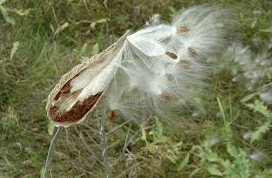

What is the stamen?
male part of the flower
female part of the flower
the fruit of the flower
the petals of the flower
What is the pistil?
the male part of the flower
the female part of the flower
he fruit of the flower
the petals of the flower
Which part of the flower is the tube pollen goes through to meet the ovules?
filament
style
stigma
anther
Which part of the flower becomes a seed after fertilization?
pollen
fruit
ovule
anther
Which part of the flower contains the ovules?
the fruit
the petals
the stigma
the ovary
What are examples of pollinators?
wind
bees
water
fruit
birds

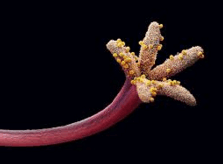
what type of pollination is this?
Cross Pollination
Self Pollination
Vegetative propagation

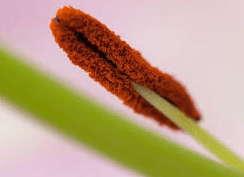
what type of pollination is this?
Cross Pollination
Self Pollination
Vegetative Propagation

Pistil
Stigma
Style
Ovary

Pistil
Stigma
Style
Ovary

Pistil
Stigma
Style
Ovary

Anther
Filament
Stamen
Petal

Sepal
Stamen
Annther
Filament


what type of tropism is occurring here?
phototropism
thigmotropism
geotropism
tropictropism

what type of tropism is occurring here?
phototropism
thigmotropism
geotropism
tropictropism

what type of tropism is occurring here?
phototropism
thigmotropism
geotropism
tropictropism
Reactants -----------------------> ?
what comes after Reactants ?
Products
Reactants
ATP

what equation is this for?
photosynthesis
cellular respiration
Tropisms
what are the products of photosynthesis?
reactants-------------->products
Glucose and oxygen
glucose and carbon dioxide
carbon dioxide and water
what hormone do plants use to respond to their environment?
testosterone
estrogen
auxin
gibberlins
This gas causes fruits to ripen
carbon dioxide
oxygen
ethylene
nitrogen
A Plant adaptation to prevent drying out
cuticle
photosynthesis
spores and seeds
bark
A Plant adaptation for reproduction
spores and seeds
cuticle
bark, vessels and cell walls (cellulose)
cell walls
A Plant adaptation for gravity and support
spores and seeds
cuticle
bark, vessels and cell walls (cellulose)
cell walls

Which is an example of a structural adaptation?
A plant growing deep roots to access underground water
A plant laying dormant (inactive) during seasons with little sunlight
A plant producing poison to protect itself
Why might some plants have thorns?
to stay safe from animals that want to eat the plant
to attract insects that spread pollen to other plants
to take in nutrients from the air
to provide shade for the plant
Why might some plants that grow on the shady rain forest floor have large leaves?
to stay safe from predators
to attract different animals
to survive harsh winters with heavy snowfall
to take in as much sunlight as possible
Some trees shed their leaves in time for winter. Why is this adaptation useful?
The trees save energy during the darker, colder months.
The trees take in more sunlight through their branches.
The trees attract animals to spread their seeds.
The trees blend into their environment and hide.

make seeds
makes animals sick or itchy.
pollinates the plant.
attracts pollinators to the plant.
How do plants like water lilies float on the water?
They have poisonous leaves.
They have an air space in the stems.
They have slippery leaves.
They have seeds that float.

The structures shown in the picture are called...
... stomata.
... spore cases.
... pallisade cells.
... leaf nostrils.

The main function of the cells labeled X is to...
change the size of the stomate to regulate water loss and gas exchange
close the stomate to keep dust and dirt out of leaf
directly provide leaf cells with water involved in photosynthesis
allow newly formed glucose to be released from the leaf
Where are the stomata and guard cells located?
In the spongy mesophyll
Surrounding the stroma
Within the veins
In the lower epidermis

