
 Worksheets
Test 6 Review
Total questions: 71
Worksheet time: 2hrs 22mins
Arrange the following species in order of increasing size:
N versus N3-
N > N3-
N < N3-
N = N3-
Ne
Al3+
N3-
Which of these has the greatest ionic radius?
potassium
aluminum
carbon
oxygen
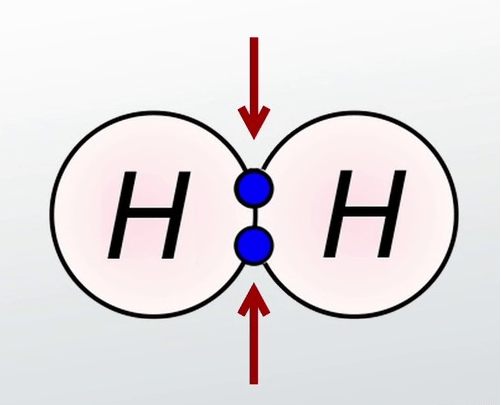

A molecular geometry with 2 lone pairs and 2 bonding pairs is
Tetrahedral
Trigonal pyramidal
Bent
Linear
The bond angle of trigonal planar is
90 degrees
120 degrees
Less than 120 degrees
Less than 90 degrees
HCN is a linear molecular geometry. What is the polarity of HCN molecule?
Polar molecule
Non-polar molecule
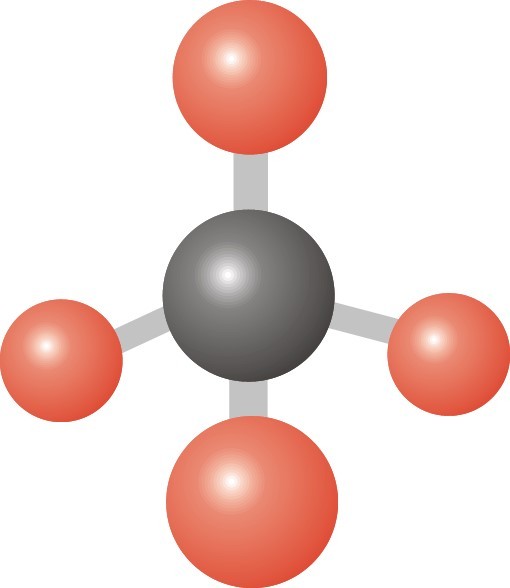
3 atoms bonded and 0 lone pairs
linear
trigonal planar
bent
tetrahedral
trigonal pyramidal
3 atoms bonded and 1 lone pairs
true linear
trigonal planar
bent
tetrahedral
trigonal pyramidal
2 atoms bonded and 2 lone pairs
linear
trigonal planar
bent
tetrahedral
trigonal pyramidal

Use the electron dot formula of sulfur difluoride to predict its molecular shape
Bent
linear
trigonal planar
terahedral
Hydrogen bonding occurs between adjacent molecules that contain hydrogen atoms bonded to N, O, or F. Which of the following molecules could experience hydrogen bonding interactions?
CBr4
NO2
H2S
NH3
Can adjacent H2S molecules have hydrogen bonding interactions?
yes
no
Can adjacent HF molecules have hydrogen bonding interactions?
yes
no
Can adjacent HCl molecules have hydrogen bonding interactions?
yes
no
In general, substances with stronger intermolecular forces have ___________ boiling points than those with weaker intermolecular forces
higher
lower

Is this molecule polar or non-polar?
Polar
Non-polar
Which of these is most electronegative?
aluminum
oxygen
sulfur
neon

Is this molecule polar or non-polar?
Non-polar
Polar


Which type of IMF is responsible for the attraction pictured above?
Dipole-Dipole Interaction
Ion-Dipole Interaction
Hydrogen Bonds
Covalent Bond
Ionic Bond

Which type of IMF is responsible for the attraction pictured above?
Dipole-Dipole Interaction
Ion-Dipole Interaction
Hydrogen Bonds
Covalent Bond
Ionic Bond

Which type of IMF is responsible for the attraction pictured above?
Dipole-Dipole Interaction
Ion-Dipole Interaction
Hydrogen Bonds
Covalent Bond
Ionic Bond

Which type of IMF is responsible for the attraction pictured above?
Dipole-Dipole Interaction
Ion-Dipole Interaction
Hydrogen Bonds
Covalent Bond
Ionic Bond
Intermolecular forces are attractions between ______.
Cations and anions
Atoms within a molecule
Neighboring molecules
Protons and electrons
Intermolecular forces are responsible for which of the following properties?
State of matter
Color
Odor
Conductivity
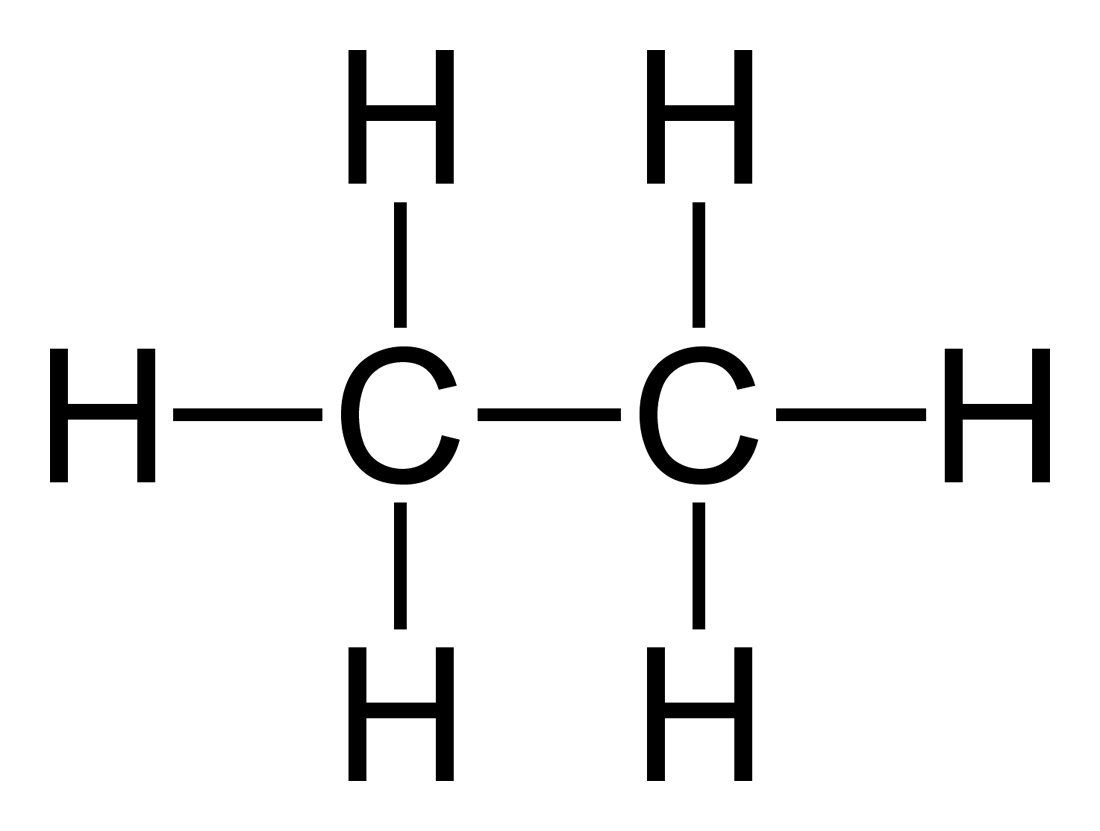
Which of the following has the highest boiling point?
heptane
pentane
nonane


Which is the strongest intermolecular force below?
Ionic
Dispersion
Hydrogen bonding
dipole-dipole
Which of the following does NOT contain hydrogen bonding?
NH3
H2O
CH4
HOF
Which of these has the strongest Dispersion forces?
F2
Br2
I2
Cl2
What type of intermolecular force is present in a sample of Cl2?
Dipole-Dipole
Hydrogen bonds
Dispersion forces
Metallic
What is the strongest intermolecular force present in a sample of HCl?
Dipole-Dipole
Dispersion forces
Hydrogen bonds
Ionic
What is the strongest type of intermolecular force present in a sample of HF?
Dipole-Dipole
Dispersion forces
Hydrogen bonds
ionic
What type of intermolecular force is present in I2, Br2, and Cl2?
Dipole-Dipole
Hydrogen bonds
Dispersion forces
Metallic
Rank these in order of DECREASING strength:
Dispersion forces
hydrogen bond
dipole-dipole attraction
dipole-dipole>hydrogen bond>Dispersion forces
Dispersion forces>dipole-dipole>hydrogen bond
hydrogen bond>dipole-dipole>Dispersion forces
hydrogen bond>dipole-dipole>Dispersion forces
What intermolecular force is present in CHF3?
Hydrogen bonds
Dipole-Dipole
Dispersion forces
ionic

