
 Worksheets
Science Milestones Review
Total questions: 95
Worksheet time: 1hrs 22mins
Name
Class
Date
1.
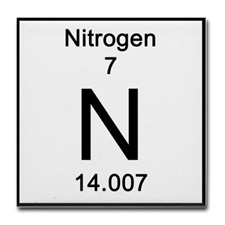
What is the number of protons that the element in this image contain?
a)
14
b)
7
c)
15
d)
18
2.
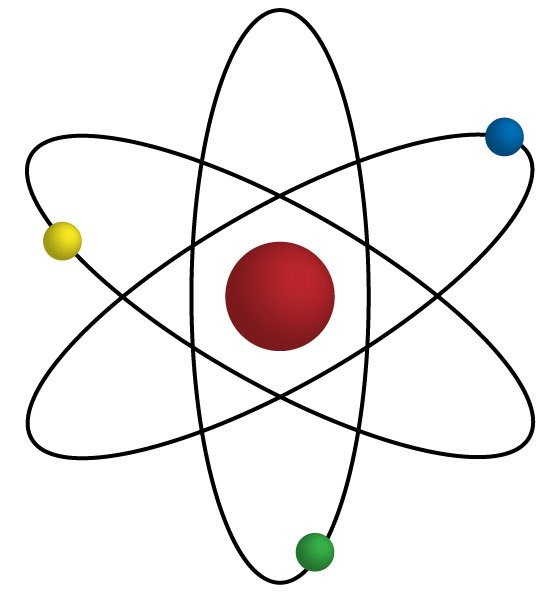
What are the 3 particles that make-up the atom?
a)
protons, neutrons, and isotopes
b)
neutrons, isotopes, and electrons
c)
positives, negatives, and electrons
d)
protons, neutrons, and electrons
3.
Electrons are
a)
negative and in the nucleus
b)
positive and at the edge of the atom
c)
not in an atom
d)
negative and outside of the nucleus
4.
An element is a
a)
pure substance
b)
compound
c)
mixture
d)
molecule
5.
Particles in an atom that are neutral and have no charge are
a)
negatrons
b)
electrons
c)
neutrons
d)
protons
6.
An atom with atomic number 6 would have how many protons
a)
6
b)
12
c)
3
d)
cannot be determined
7.
The central region of an atom where its neutrons and protons are is its
a)
nucleus
b)
electron cloud
c)
core
d)
center
8.
Each column in the periodic table is called a
a)
period
b)
group
c)
cluster
d)
unit
9.

The atomic number of this pictured element is
a)
28
b)
58.6934
c)
Ni
d)
Nickel
10.

What does the 6 represent?
a)
Atomic mass
b)
atomic number
c)
chemical symbol
d)
element name
11.
True/False: Metals are poor conductors of electricity.
a)
TRUE
b)
FALSE
12.
Metals are good conductors of heat.
a)
TRUE
b)
FALSE
13.
Carbon (C) and Oxygen (O) have the same chemical/physical properties as carbon dioxide (CO2).
a)
True
b)
False
14.

_________ must have at least 2 or more different atoms/elements.
a)
Compounds
b)
Molecules
c)
Elements
d)
Protons
15.

The Element Symbol for Sodium is
a)
Mg
b)
Na
c)
Au
d)
Cl
16.

How many atoms TOTAL does the compound CO2 have?
a)
1
b)
2
c)
3
d)
4
17.

In this picture, the Electrons are found in which color?
a)
Blue
b)
Red
c)
Green
18.

The Periodic Table arranges Elements in order by
a)
decreasing Atomic Mass
b)
increasing Atomic Number
c)
decreasing Atomic Number
d)
increasing Atomic Mass
19.
Matter in the universe is made from atoms. Atoms make up these pure substances that cannot be broken down into a simpler form.
a)
Compounds
b)
Elements
c)
Molecules
d)
Periodic Table
20.
Sound waves are transmitted fastest through
a)
air
b)
liquids
c)
solids
d)
a vacuum
21.
It was a cold, sunny day and the ground was covered with fresh snow. Maria word her black sweatshirt outside to plat in the snow. She knew that black would _________ light waves and help keep her warm.
a)
absorb
b)
diffract
c)
reflect
d)
refract
22.
Why does the human eye observe the different colors of a rainbow?
a)
White light is broken down in the eye into its separate colors
b)
Different colors of light travel at different speeds to the eye
c)
The eye sees different wavelengths of light as different colors
d)
The eye sees different colors of light in different locations of the eye
23.
In order for a fish to see a bug just above the surface of the water, light travels from the insect through the air and crosses into the water until it reaches the fishes' eye. Which statement is true regarding the light wave as it travels?
a)
It will bend as it hits the water because it slows down
b)
it will bend as it hits the water because the water particles move slower than air
c)
it will travel straight from the bug to the fishes' eye because that is the most direct path
d)
it will travel straight from the bug to the fishes' eye because it will continue to travel at the speed of light
24.
As the fire truck approached Mary, the pitch of the siren got higher. Once the fire truck passed and moved away, the siren's pitch got lower. This change in pitch is because of a change in the sound wave's
a)
amplitude
b)
concussion
c)
frequency
d)
reflection
25.
Porous building materials are often used on the surfaces in classrooms and restaurants because these surface tend to __________ sound waves.
a)
absorb
b)
refract
c)
reflect
d)
transmit
26.
As light waves pass through openings in a barrier or around the edges of an object, the waves change direction or
a)
are absorbed
b)
diffract
c)
reflect
d)
refract
27.
Salt (NaCl) is a common substance. Salt is which of these?
a)
atom
b)
element
c)
compound
d)
mixture
28.
Jeff was riding in a car. Which change demonstrates the GREATEST effect of inertia?
a)
The car makes a sudden stop
b)
the car slows down gradually
c)
the car changes into another lane
d)
the car runs out of gas and rolls to a stop
29.
Manuel is coasting on his bike. Because he is not pedaling, his bike will come to a stop. Which of these will cause Manuel's bike to stop?
a)
an increase in kinetic energy
b)
Earth's magnetic field
c)
the property of inertia
d)
the force of friction
30.
Josie sees lightning off in the distance. A few seconds later she hears thunder. What can Josie conclude?
a)
Sound waves do not travel long distances
b)
Light waves travel faster than sound waves
c)
Sound waves are weaker than light waves
d)
Light waves last longer than sound waves
31.
Students poured equal amounts of different liquids to see how the liquids became layered. The denser liquids layered at the bottom. The lighter liquids layered at the top. Which tool should the students us in this experiment?
a)
A balance scale
b)
a thermometer
c)
a magnet
d)
a graduated cylinder
32.
Tom places four objects in a tank of water. He makes the following observations.-A cork floats-A rock sinks-A soda can floats-A piece of chalk sinks. Which statement is correct based on Tom's observations?
a)
The rock and the chalk have a density greater than water
b)
The rock and the chalk have a density less than water
c)
The cork and the can of soda have a density equal to water
d)
The cork and the can of soda have a density greater than water
33.
Sam and Brian went mountain climbing. Each boy carried a 196 Newton backpack. As the boys climbed to the top of the mountain, the weight of the packs actually decreased by a small amount. This decrease in weight was caused by
a)
increased air pressure
b)
decreased air temperature
c)
Increased attraction from the moon
d)
increased distance from the earth's center
34.
A scientist combines oxygen and hydrogen to form water. This combination illustrates that water is
a)
An atom
b)
An element
c)
A mixture
d)
A compound
35.
What is the smallest particle of the element gold (Au) that can still be classified as gold?
a)
Atom
b)
Proton
c)
Neutron
d)
Molecule
36.
In a laboratory, a sealed container with 100 g of steam is cooled until all the steam becomes a liquid. The container is then cooled further until all the water becomes a solid. Which of the following remains constant during both of these changes?
a)
The mass of the water
b)
the pressure in the container
c)
the total energy of the water
d)
the position of the atoms in the container
37.
A mixture of iron fillings and sulfur can easily be separated by
a)
Placing the mixture in water
b)
performing a chemical reaction
c)
heating the mixture
d)
using a magnet
38.
A chemical reaction produces two new substance, and each product has a mass of 50 grams. What was the total mass of the reactants
a)
25 grams
b)
50 grams
c)
100 grams
d)
1000 grams
39.
The atom is composed of electrons, protons, and neutrons. What is the electric charge on the neutron?
a)
-1
b)
+1
c)
0
d)
+2
40.
Which of the following is an example of kinetic energy?
a)
A baseball moving from the pitcher to the catcher
b)
A rock sitting on the top of a large hill
c)
A pendulum at the top of it swing
d)
A new flashlight battery
41.
Which of the following is an example of a physical change but not a chemical change
a)
A log gives off heat and light as it burns
b)
A tree stores energy from the Sun in its fruit
c)
A penny lost in the grass slowly changes color
d)
A water pipe freezes and cracks on a cold night
42.
Energy of motion is which type of energy?
a)
Potential
b)
Kinetic
c)
Sound
d)
Gravitational
43.
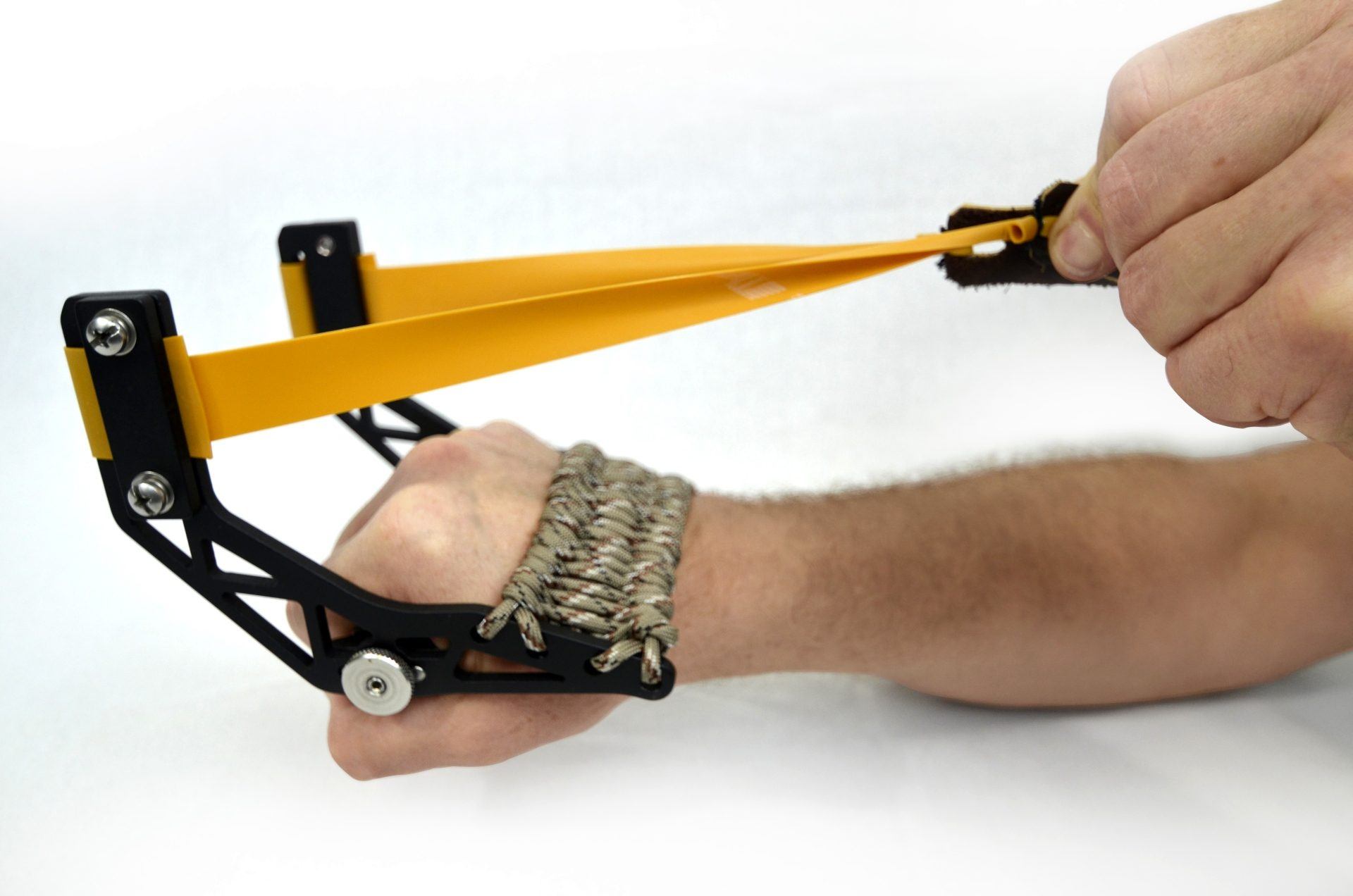
What type of energy is in this picture?
a)
Kinetic
b)
Potential
c)
Chemical
d)
Sound
44.
When plants convert the sun's energy into food, which type of energy is it?
a)
kinetic
b)
chemical
c)
thermal
d)
radiant
45.

What kind of energy is represented in this picture?
a)
Thermal
b)
Potential
c)
Nuclear
d)
Mechanical
46.

What kind of energy does this device use?
a)
Solar
b)
Electrical
c)
Thermal
d)
Mechanical
47.
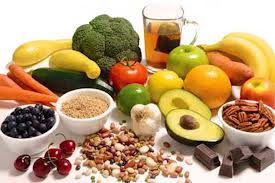
What kind of energy is represented in the picture?
a)
Thermal
b)
Chemical
c)
Sound
d)
Nuclear
48.

A battery converts what type of energy to another?
a)
sound to kinetic
b)
light to heat
c)
mechanical to electrical
d)
chemical to electrical
49.
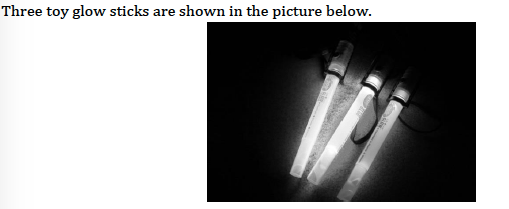
The glow sticks produce light for a short amount of time. The light from the glow stick is a conversion from what to what?
a)
thermal to light
b)
gravitational to potential
c)
radiant to electrical
d)
chemical to light
50.
On a roller coaster, where is maximum potential energy?
a)
At the bottom of a big hill
b)
When going around a corner
c)
When going upside down
d)
At the top of a big hill
51.
What machine changes electrical energy into light and sound energy?
a)
battery
b)
lightbulb
c)
alarm clock
d)
apple
52.
Energy caused by the movement in the particles of matter. It is a form of kinetic energy.
a)
Nuclear energy
b)
Sound energy
c)
Light energy
d)
Thermal energy
53.
According to which law of energy, energy can't be created or destroyed?
a)
First law of motion
b)
The law of tacos
c)
Laws of Energy
d)
law of conservation of energy
54.

The purpose of the panels is to change solar energy into ____________.
a)
light energy
b)
electrical energy
c)
chemical energy
d)
mechanical energy
55.
A hairdryer converts --
a)
electrical energy into chemical
b)
electrical energy into thermal
c)
chemical energy into mechanical
d)
thermal energy into mechanical
56.
When a hot object touches a cooler object, heat energy is transferred from the warmer object to the cooler object through:
a)
radiation
b)
electrical energy
c)
conduction
d)
solar heating
57.
You and your family are sitting around a campfire. You can feel the heat on your face, even when you back your seat away from the fire. The heat energy from the fire warms your face through:
a)
light energy from the fire
b)
conduction
c)
chemical reactions in the fire
d)
radiation
58.
Choose the best example that represents heat transfer through convection.
a)
burning yourself on a hot iron
b)
lighting a bulb using a battery and wires
c)
getting a sun tan
d)
inflating a hot air balloon
59.
Which is an example of potential energy?
a)
a roller coaster speeding down a hill
b)
the pulled back string on an archers's bow
c)
releasing the strings on a guitar
d)
an electric current lighting a light bulb
60.
Warm air rises and cool air sinks due to...
a)
Radiation
b)
Convection
c)
Conduction
61.
What kind of wave can travel through space?
a)
electromagnetic waves
b)
compressional waves
c)
transverse waves
d)
longitudinal waves
62.
The lowest part of the wave is?
a)
trough
b)
crest
c)
point of origin
d)
compression point
63.
The highest point of a wave is?
a)
crest
b)
trough
c)
point of origin
d)
comppression point
64.
The action of a wave bouncing off a surface is called __________________.
a)
rarefaction
b)
refraction
c)
reflection
d)
diffraction
65.
What is the measure of how many waves pass a point in a certain amount of time?
a)
frequency
b)
wavelength
c)
midpoint
d)
crest and trough
66.
A _____________________ is the distance between a point on one wave and the identical point of the next wave.
a)
amplitude
b)
wavelength
c)
frequency
d)
compression
67.

Which wave has a greater frequency?
a)
A
b)
B
68.

_______ carry the greatest amount of energy.
a)
x-rays
b)
gamma rays
c)
infrared rays
d)
visible light
69.
How much of the electromagnetic spectrum is visible?
a)
All of it
b)
None of it
c)
Most of it
d)
Only a small part
70.
Sound travels FASTEST through which of these materials?
a)
Air
b)
Empty space
c)
Metal
d)
Water
71.
This is what you get when sound waves are reflected, or bounce back, off of a hard surface.
a)
Amplitude
b)
Pitch
c)
Volume
d)
Echo
72.
Why is sound able to travel faster through a solid than a gas?
a)
Gas molecules are packed tightly.
b)
Sound does not travel faster through a solid than a gas.
c)
Solid molecules are packed tightly.
d)
Gas molecules move slowly.
73.
Which wave travels parallel in relation to a medium?
a)
Transverse
b)
Longitudinal
c)
Both
d)
Neither
74.
What is the definition of CONDUCTION?
a)
When heat is transferred from objects like rays of light or electromagnetically.
b)
a hot liquid or air that expands, becomes less dense, and rises or becomes more dense, and sinks.
c)
When heat transfers from objects that are touching.
d)
When heat transfers through the heater or AC in your house.
75.
What is the definition of CONVECTION
a)
When heat transfers through waves.
b)
When heat transfers from objects that are touching.
c)
a hot liquid or air that expands, becomes less dense, and rises or becomes more dense, and sinks.
d)
Heat traveling from the sun
76.
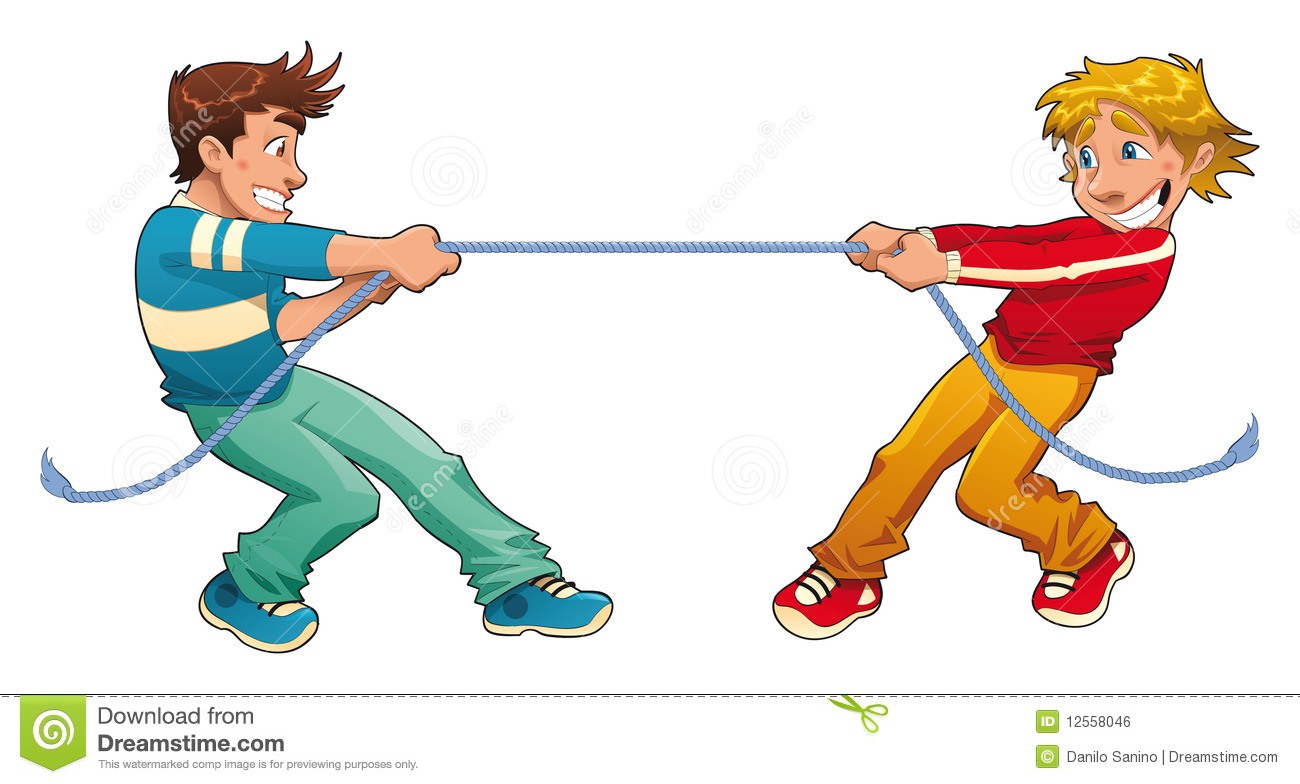
If these boys are pulling with the same amount of force. What will happen?
a)
The boy in blue will win.
b)
They will not move at all.
c)
The boy in red will win.
d)
Both will fall down.
77.
_______________ is how fast an object changes over time.
a)
speed
b)
velocity
c)
momentum
d)
acceleration
78.
Any time the forces are unbalanced, an object will remain at rest. True or false?
a)
true
b)
false
79.
When you tell the direction and speed of an object, you give its
a)
motion
b)
velocity
c)
acceleration
d)
mass
80.
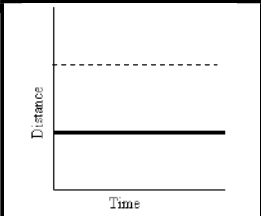
What does this graph represent?
a)
Constant speed
b)
Acceleration
c)
Not moving
81.

During which interval is the object speeding up?
a)
A to B
b)
B to C
c)
D to E
d)
E to F
82.

Which runner stopped for a rest?
a)
Albert
b)
Bob
c)
Charlie
83.
What is Newton's First Law known as? The Law of
a)
Friction
b)
Mass
c)
Inertia
d)
Gravity
84.
What is Newton's Third Law?
a)
Object in motion stays in motion and an object at rest stays at rest unless acted on by a outside force
b)
Force = mass x acceleration
c)
For every action there is an equal and opposite reaction
85.
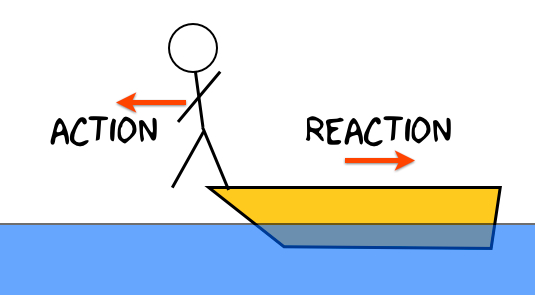
What law of motion does this picture represent?
a)
Newtons 1st law
b)
Newtons 4th law
c)
Newtons 3rd law
d)
Newtons 2nd law
86.

At which point is potential energy greatest?
a)
W
b)
X
c)
Y
d)
Z
87.

What kind of magnet can be turned on and off? (Man-made magnet)
a)
refrigerator magnet
b)
electromagnet
c)
magnetite
d)
iron
88.
____________ stops the flow of electricity.
a)
A conductor
b)
An insulator
c)
A magnet
89.

Choose the best option to complete this gap:
A magnetic field is the ________ around a magnet in which the magnetic force acts.
A magnetic field is the ________ around a magnet in which the magnetic force acts.
a)
pole
b)
electron
c)
area
d)
iron
90.
When you put the poles of two magnets together they will either attract or repel each other. Which of these sentence is correct?
a)
If the two poles are the same the magnets repel each other.
b)
If the two poles are the same the magnets attract each other.
c)
If the two poles are different the magnets repel each other.
91.
Opposite poles _____ .
a)
attract
b)
push away
c)
are balanced
d)
transfer electrons
92.

How do you make an electromagnet?
a)
wrap a battery in wire and connect it to an iron nail.
b)
wrap a wire with another wire and connect it to an iron nail.
c)
wrap an iron nail in wire and connect it to a power source.
d)
wrap an iron nail in wire and connect it to another iron nail.
93.

What is B?
a)
crest
b)
trough
c)
compression
d)
rarefaction
94.
Which statement best explains the difference between longitudinal and transverse waves?
a)
Longitudinal waves have troughs, while transverse waves have crests.
b)
Longitudinal waves produce energy, while transverse waves consume energy.
c)
Particles in longitudinal waves travel towards a force, while particles in transverse wave travel away from a force.
d)
Particles in longitudinal waves travel in the direction of the wave, while particles in transverse waves travel perpendicular to the wave.
95.
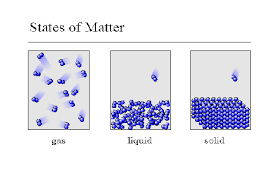
At higher temperatures
a)
particles in an object have less energy
b)
particles in an object move faster
c)
a gas contracts
100 %

