wayground logo

Free Printable Worksheets

NEW

Font size

S
M
L
XL
Worksheets

Energy Resources Review

Total questions: 55

Worksheet time: 42mins
Name
Class
Date
1.
__________ is an energy resource that WILL NOT run out in the next several hundred years.
a)
Renewable Energy Resource
b)
Nonrenewable Energy Resource
2.
__________ is an energy resource that WILL run out in the next several hundred years.
a)
Renewable Energy Resource
b)
Nonrenewable Energy Resource
3.
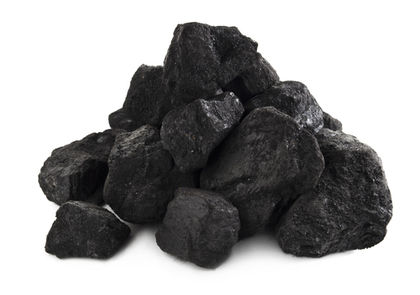
Coal is a __________ energy resource.
a)
Renewable
b)
Nonrenewable
4.
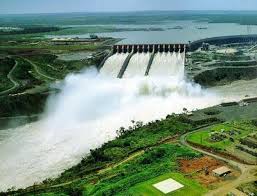
Hyrdo Power is a __________ energy resource.
a)
Renewable
b)
Nonrenewable
5.
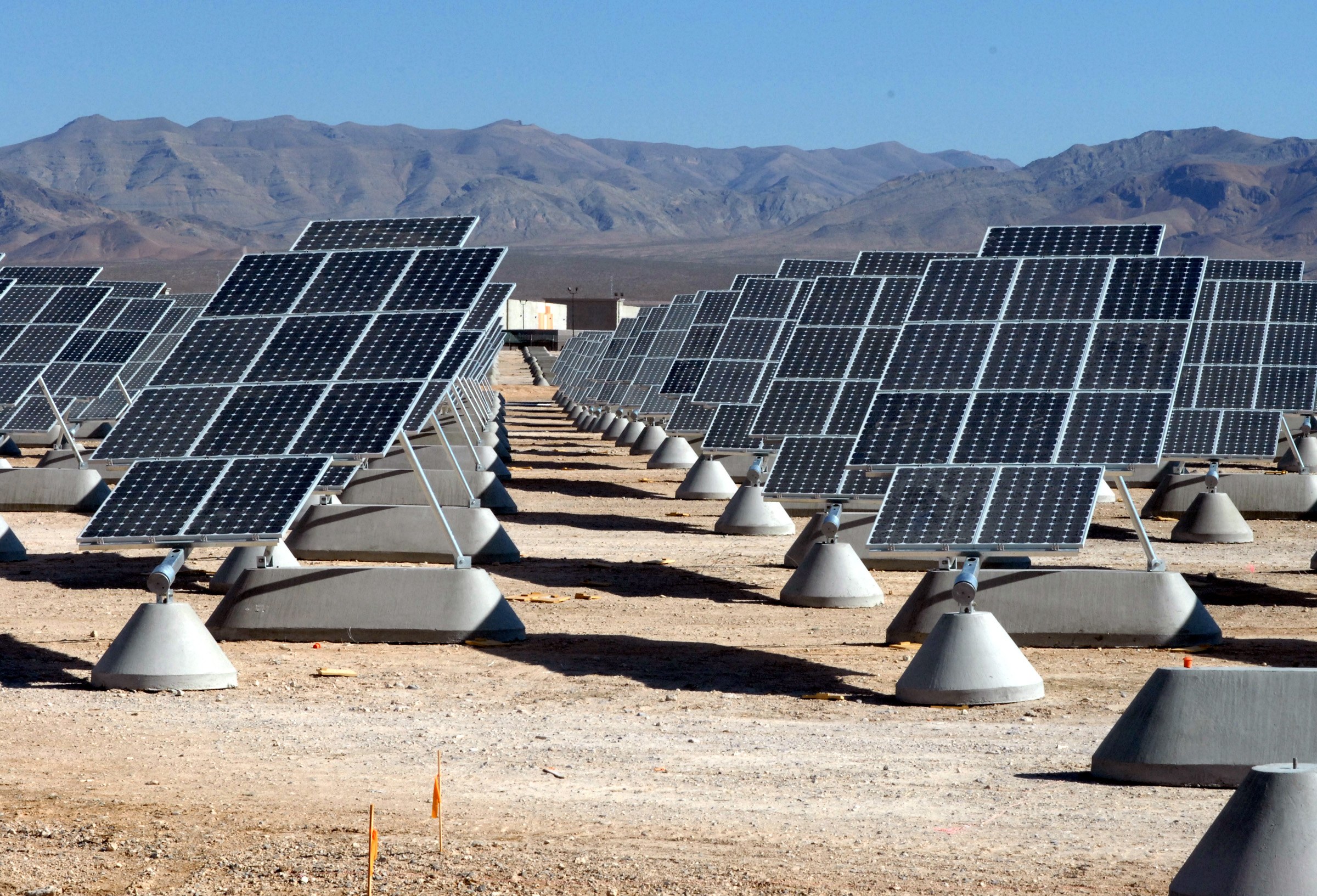
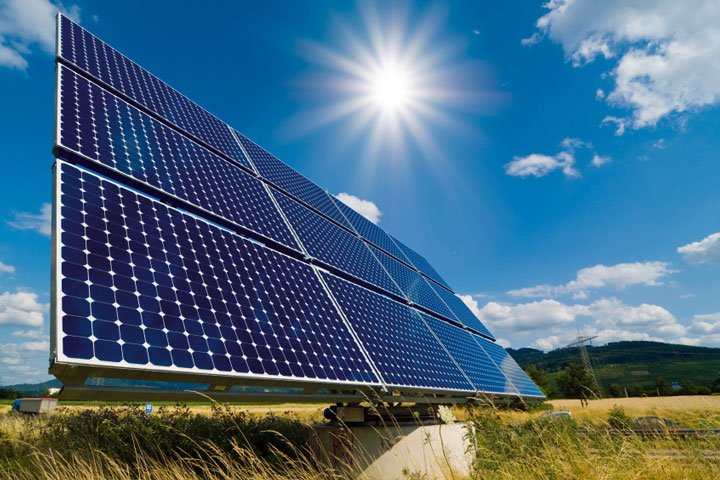
Solar Power is a __________ energy resource.
a)
Renewable
b)
Nonrenewable
6.
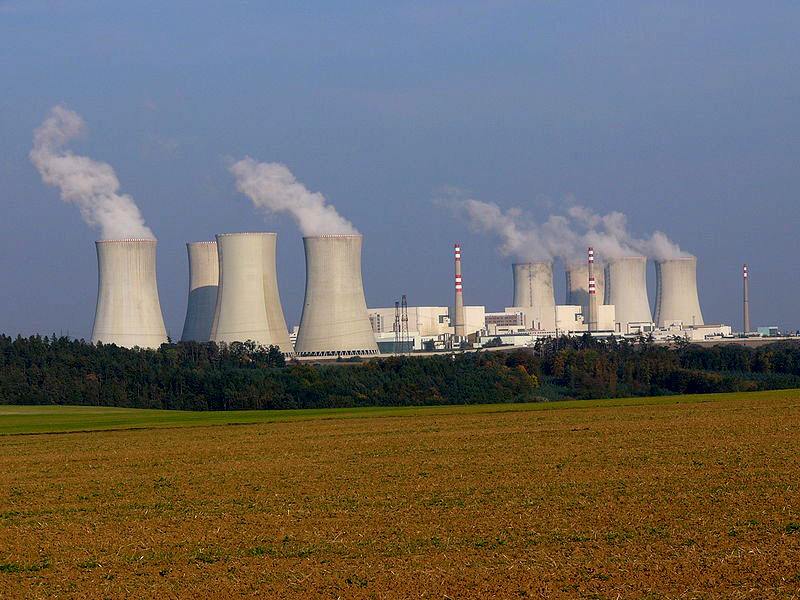
Nuclear Power is a __________ energy resource.
a)
Renewable
b)
Nonrenewable
7.
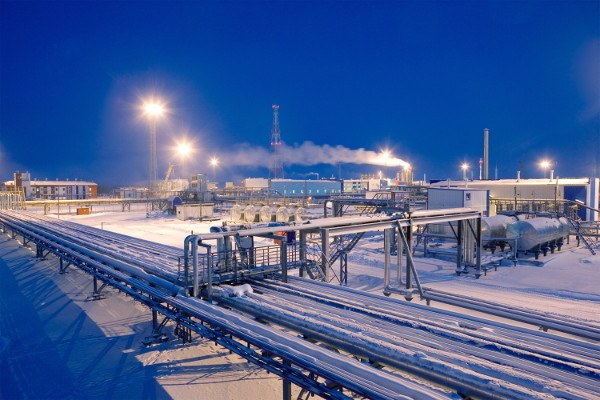
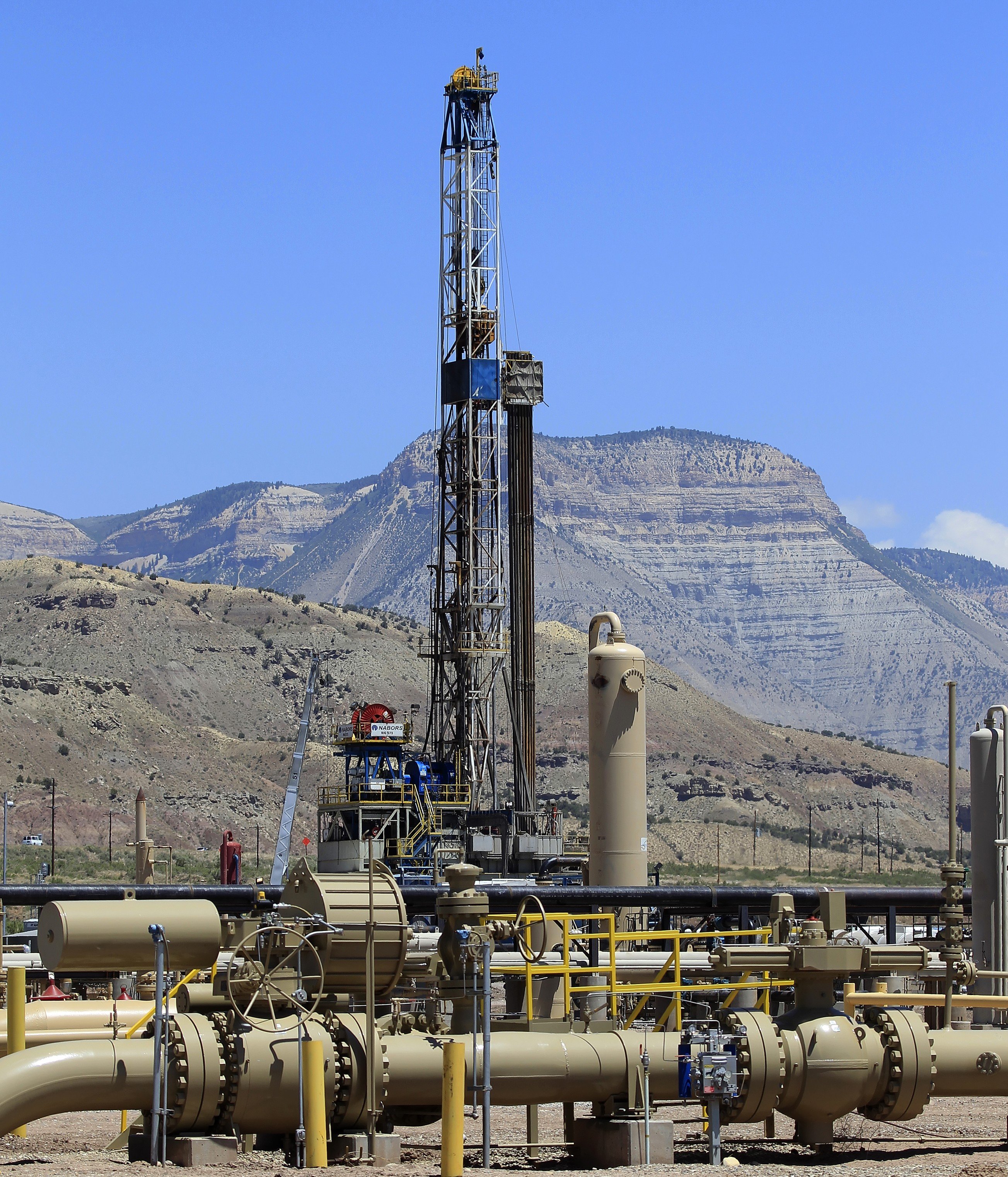
Natural Gas is a __________ energy resource.
a)
Renewable
b)
Nonrenewable
8.
The sun is the source of all energy on Earth.
a)
true
b)
false
9.
__________is the energy generated from the sun by using solar panels.
a)
Wind
b)
Hydro
c)
Nuclear
d)
Solar
10.
The energy of nuclear reactions between atoms that creates heat and turns turbines is _________.
a)
Coal
b)
Wind
c)
Hydro
d)
Nuclear
11.
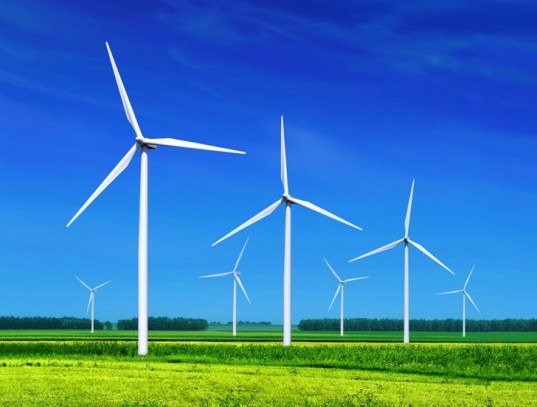
__________is the energy created by wind turning wind turbines.
a)
Geothermal
b)
Hydro
c)
Wind
d)
Nuclear
12.
__________is a gas found under the Earth’s surface and is used to produce energy by burning it.
a)
Geothermal
b)
Natural Gas
c)
Coal
d)
Nuclear
13.
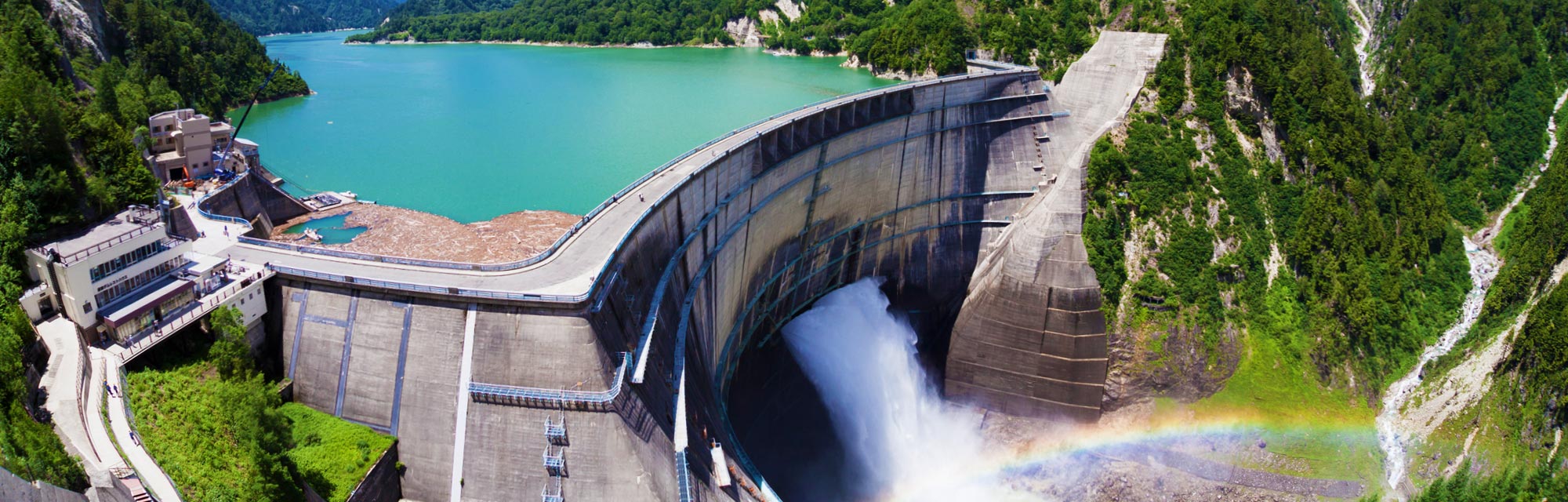
_________is energy generated when moving water turns turbines.
a)
Wind
b)
Hydro
c)
Geothermal
d)
Solar
14.
_________is compacted matter dug from under the Earth’s surface that is used to provide energy by burning it.
a)
Hydro
b)
Coal
c)
Nuclear
d)
Geothermal
15.
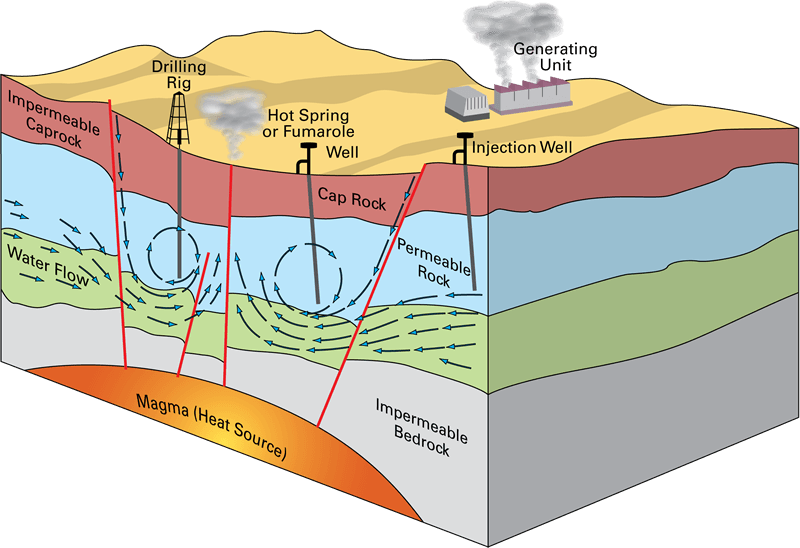
__________uses heat from the interior of the Earth.  We will be using this at our new school!
a)
Solar
b)
Geothermal
c)
Nucler
d)
Wind
16.
Wind is a __________ energy resource.
a)
Renewable
b)
Nonrenewable
17.
Geothermal Power is a __________ energy resource.
a)
Renewable
b)
Nonrenewable
18.
Why don't we use solar energy or geothermal energy as much as we could?
a)
The sun and geothermal energy are limited.
b)
The sun and geothermal are too weak in certain areas.
c)
The set-up cost is too expensive.
d)
The machines are too large.
19.
What form of alternative energy uses plants and animal waste and turns it into sugar and then liquid fuel?
a)
geothermal power
b)
biomass power
c)
solar power
d)
hydroelectric power
20.
What form of alternative energy uses a dam?
a)
hydroelectric power
b)
geothermal power
c)
biomass power
d)
solar power
21.
What form of alternative energy uses the heat from the earth?
a)
solar power
b)
geothermal power
c)
biomass power
d)
wind power
22.
Which natural resource is a renewable energy resource?
a)
coal
b)
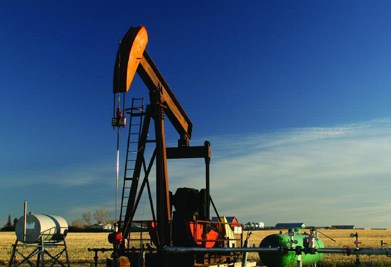
oil (petroleum)
c)
natural gas
d)
sun
23.
What alternative energy resource could be harmful to the environment which fish live in?
a)
biomass power
b)
wind power
c)
geothermal power
d)
hydroelectric power
24.
Which alternative energy resource can be harmful to birds?
a)
biomass energy
b)
geothermal energy
c)
wind energy
d)
solar energy
25.
fuel made from plant or animal waste (organic matter)
a)
hydropower energy
b)
solar energy
c)
green
d)
biomass energy
26.
the wise use and protection of natural resources
a)
natural resources
b)
green
c)
renewable energy
d)
conservation
27.

What is the main reason why fewer nuclear power plants are being built today?

a)

Nuclear fusion plants are being built instead

b)

Federal laws were passed prohibiting new plants

c)

They have become too expensive

d)

Supplies of U235 are exhausted

28.

Electric generators work by

a)

converting oil into electricity

b)

turning turbines in a dam

c)

converting mechanical energy into electrical energy

d)

rubbing copper against materials that do not conduct electricity

29.

Oil and Natural gas result from

a)

the migration of complex carbohydrates to nonporous rock formations

b)

the decay of tiny marine organisms that accumulated on the ocean floor millions of years ago

c)

the burning of high sulfur, low grade uranium

d)

the decay of plants that lived in swamps hundreds of thousands of years ago

30.

New nuclei and neutrons result from

a)

nuclear fusion

b)

the release of electrons from a positively charged atom

c)

the splitting of an atom's nucleus

d)

the splitting of an atom's neutron

31.

Nuclear fusion

a)

must take place at extremely high temperatures

b)

does not release a great amount of energy

c)

must take place in low density containers

d)

results in nuclei that are lighter in weight

32.

Storage sites for nuclear waste

a)

can only be located in mountain ranges

b)

will always leak lethal amounts of radiation

c)

should only be located in areas that are geologically stable

d)

should be able to undergo transmutation

33.

Solar energy is contained in

a)

uranium

b)

radioactive waste

c)

fossil fuels

d)

all nonrenewable resources

34.

a fuel's suitability is dependent on all of the following factors except

a)

energy content

b)

cost

c)

availability

d)

magnetism

35.

How is electricity generated in a coal powered plant?

a)

heat from the burning coal boils water and produces steam which turns the turbines

b)

heat from the burning coal heats the air which turns the turbines

c)

the turbine breaks down the coal into liquid fuel that powers the generator

d)

the coal is heated until it vaporizes and the vapor is the distilled in the combustion chamber which turns the turbine

36.

Coal is formed when

a)

sediments cover dead marine organisms

b)

deposits of methane are subjected to high pressure

c)

swamplands are buried by sediment and they weight provides heat & pressure that converts plants to coal

d)

organic remains get trapped in nonporous rocks and merge into high energy molecules

37.

Which of the following is an advantage of nuclear energy

a)

It does not produce solid waste

b)

It is cost efficient

c)

It poses no safety risks

d)

It does not produce air pollution

38.

Which of the following is not a main use of fuel

a)

transportation

b)

manufacturing

c)

heating and cooling

d)

cooking

39.

The energy in fossil fuels is converted into

a)

electricity

b)

magnetic fields

c)

uranium

d)

power plants

40.

Much of the oil and gas in the United States is located in

a)

Alaska, Minnesota, New York, Texas

b)

Alaska, California, Michigan, Nevada

c)

Texas, Colorado, New York, Gulf of Mexico

d)

Alaska, Texas, California, Gulf of Mexico

41.

Oil and Natural Gas result from the decay of_____ that accumulated on the ________floor millions of years ago.

a)

plants, forest

b)

marine animals, ocean

c)

rats, kitchen

d)

catfish, lake

42.

When operated properly, nuclear plants release less _______ than coal powered plants do.

a)

radioactivity

b)

electricity

c)

nuclear waste

d)

oxygen

43.

__________uses heat from the interior of the Earth.

a)

Solar

b)

Geothermal

c)

Nucler

d)

Wind

44.
Which of the following is a renewable resource?
a)
Oil
b)
Coal
c)
Crops
d)
Natural Gas
45.
This renewable resource is often captured by large panels on rooftops.
a)
Wind Energy
b)
Solar Energy
c)
Geothermal
d)
Biomass
46.
Dams are built to harness the power of this renewable resource.
a)
Sun
b)
Wind
c)
Water
d)
Geothermal
47.
When energy from the sun is used to heat something directly (with no moving parts), it is called... 
a)
active solar heating
b)
passive solar heating
c)
photovoltaic cells
48.
Hydroelectric dams and tidal power both use what to turn turbines?
a)
water pumped uphill
b)
flowing water
c)
electricity to split water
d)
steam
49.
Trees, crops, garbage, & landfill gas are all examples of 
a)
Energy
b)
Biomass
c)
Heat
d)
Nuclear waste
50.

What is one disadvantage of using solar power?

a)

It is free

b)

At night, no power can be made

c)

It is renewable

51.

What is one disadvantage of using water power?

a)

Dams are expensive to build

b)

It creates a lot of electricity

c)

It is renewable

52.

Solar power, wind power, and water power are good because...

a)

they are expensive

b)

they are not powerful

c)

they don't create much pollution

53.
Which energy source contributes to air pollution?
a)
hydropower
b)
solar
c)
geothermal
d)
biomass
54.
Hydropower 
a)
produces no air pollution
b)
can be built in any location
c)
has no construction costs
d)
uses a nonrenewable resource
55.
Oil, Natural Gas, Nuclear, Coal - What do these items have in common?
a)
They are examples of inexhaustible energy resources.
b)
They are examples of renewable energy resources.
c)
They are examples of energy resources that do not cause pollution.
d)
They are examples of nonrenewable energy resources.