
 Worksheets
Ecology Unit Test Review
Total questions: 106
Worksheet time: 1hrs 16mins
Name
Class
Date
1.
Which one is NOT an example of a decomposer?
a)
mushroom
b)
leaves
c)
mold
d)
worm
2.
Examples of a producer
a)
frog
b)
algae
c)
worm
d)
mouse
3.
A tree is a ....
a)
composer
b)
decomposer
c)
producer
4.

What is a producer?
a)
an organism that gets energy from eating other organisms
b)
an organisms that uses sunlight to make its own food
c)
an organism that gets energy from eating dead organisms, non-living material or waste
d)
an organism that uses chemical energy to make its own food
5.

What is a herbivore?
a)
an animal that gets energy from eating other animals
b)
an organism that gets energy from eating only plants
c)
an animal that gets energy by eating both plants and other animals
d)
an animal that eats only herbs
6.

What is a carnivore?
a)
an animal that gets energy by eating other animals
b)
An animal that gets energy by eating only plants
c)
an animal that gets energy by eating both plants and animals
d)
an animal that makes its own energy through photosynthesis
7.

An animal that gets energy from eating both plants and animals is a
a)
herbivore
b)
carnivore
c)
omnivore
d)
autotroph
8.

The shrew provides energy for the _______?
a)
cricket
b)
grasshopper
c)
frog
d)
snake
9.

Which of the following is a herbivore?
a)
cricket
b)
frog
c)
hawk
d)
shrew
10.

Where do all life forms get their energy?
a)
Earth's Core
b)
Water
c)
Plants
d)
The Sun
11.

What is this called?
a)
Food Web
b)
Food Chain
c)
Abiotic Factors
12.

What is this called?
a)
Food Web
b)
Food Chain
c)
Abiotic Factors
13.
A producer is a (n) ______________.
a)
heterotroph
b)
omnitroph
c)
autotroph
d)
oscartroph
14.
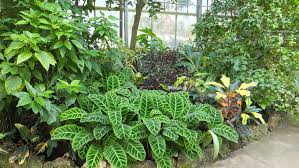
All food chains begin with a ____________.
a)
primary consumer
b)
secondary consumer
c)
producers
d)
scavengers
15.

An animal that eats other animals is a....
a)
carnivore
b)
omnivore
c)
herbivore
d)
decomposer
16.

Which best describes what a food chain shows you?
a)
Energy flow through an ecosystem
b)
Food flowing through an ecosystem
c)
Consumers going into other consumers
d)
Who eats who
17.
Another name for a consumer is a
a)
heterotroph
b)
autotroph
c)
producer
d)
plant
18.
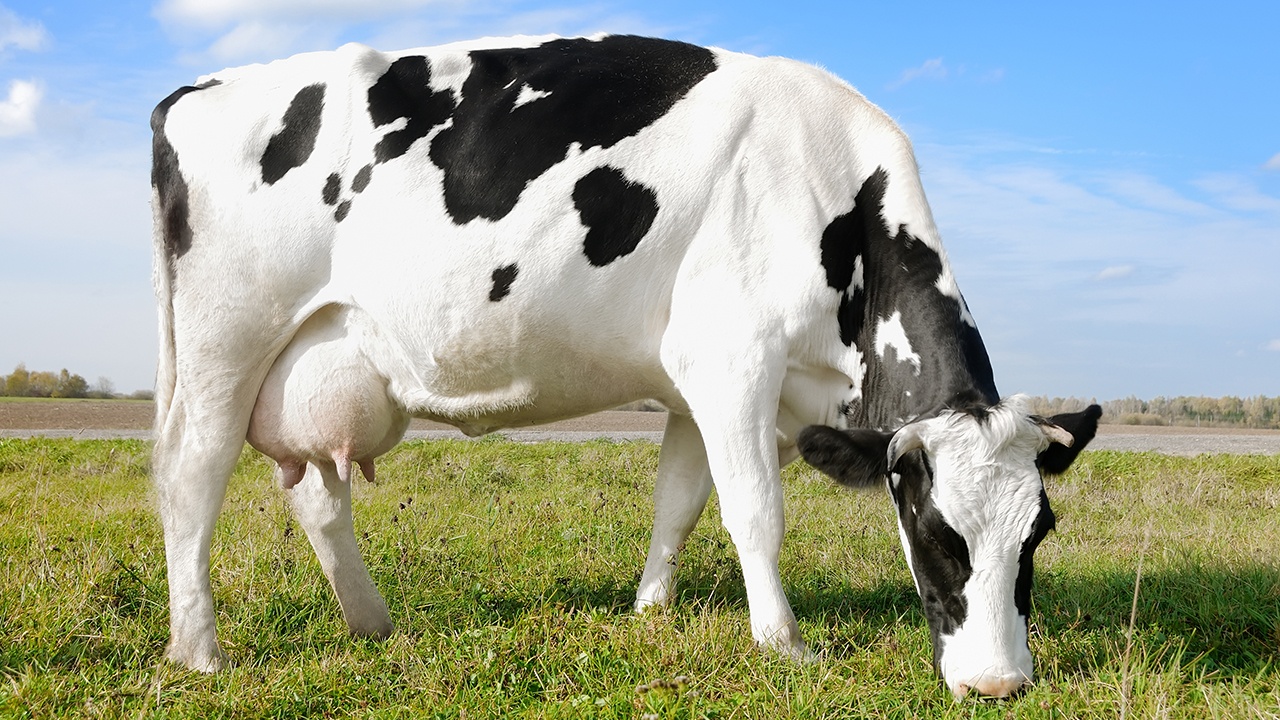
The image provided is an example of a(n):
a)
Autotroph
b)
Carnivore
c)
Herbivore
d)
Decomposer
19.
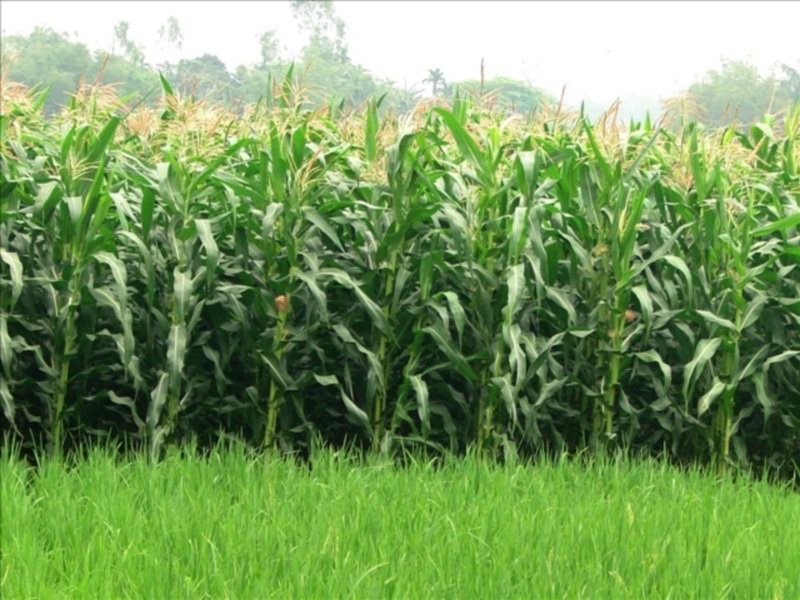
The image provided is an example of a:
a)
Producer
b)
Heterotroph
c)
Consumer
d)
Decomposer
20.

An individual belonging to a specific species
a)
Biotic
b)
Community
c)
Organism
d)
Reptile
21.

All of the living and nonliving things in an area that interact with each other are called a/an ______.
a)
community
b)
habitat
c)
population
d)
ecosystem
22.

An area where an organism finds food, shelter and water in a specific arrangement
a)
niche
b)
biosphere
c)
biome
d)
habitat
23.
The living part of an ecosystem
a)
Biotic
b)
Abiotic
c)
Mother Earth
d)
Flowers
24.

The non-living part of an ecosystem
a)
Ocean
b)
Lava Flow
c)
Birds
d)
Abiotic
25.

The study of how living things interact with one another and with their environment.
a)
Biology
b)
Lithology
c)
Ecology
d)
Farmacology
26.

Organisms that look similar and can produce fertile offspring
a)
Species
b)
Fish
c)
Community
d)
Trees
27.

Different populations living and interacting with each other in the same area
a)
Biome
b)
Ecosystem
c)
Community
d)
Niche
28.

The area between the highest mountain and the deepest ocean where life can be found
a)
Biosphere
b)
Biome
c)
Farm
d)
Ecosystem
29.
A farmer plants two species of grass with similar nutrient needs on the same small plot of land. What kind of interaction will most likely occur between the two species?
a)
parasitism
b)
competition
c)
commensalism
d)
mutualism
30.
Which human activity has had the greatest impact on climate change?
a)
building skyscrapers
b)
deforestation
c)
burning fossil fuels
d)
production of nuclear waste
31.
A __________ is a group of organisms that can reproduce fertile offspring. Failure to reproduce fertile offspring will cause __________ of the group.
a)
genus, evolution
b)
species, extinction
c)
phylum, extinction
d)
species, evolution
32.

The graph below shows population data for two species. What can be said about the relationship between species 1 and species 2?
a)
When the population of species 1 increases, the population of species 2 decreases.
b)
The population of species 1 and species 2 stay the same over the time period shown.
c)
The population of species 1 is not influenced by the population of species 2.
d)
When the population of species 1 increases, the population of species 2 increases.
33.
Overpopulation occurs when a population exceeds its carrying capacity. White-tailed deer are considered to be an overpopulated species in the central United States. What is one consequence of white-tailed deer exceeding their carrying capacity?
a)
People don't see deer as often in urban areas.
b)
The deer are less healthy and more prone to disease.
c)
There are more predators to eat the deer.
d)
The deer have stopped breeding.
34.
After a natural disaster such as a hurricane or tornado, what will happen in the damaged ecosystem?
a)
Nothing; it will remain uninhabited.
b)
A new, different ecosystem will evolve.
c)
An ecosystem like the previous one will be re-established.
d)
No one really knows what to expect after a natural disaster.
35.
Grazing cows disturb the grass and cause insects to fly around the cows as they eat. In turn, birds swoop in and eat the insects. This type of feeding relationship is an example of
a)
commensalism.
b)
mutualism.
c)
parasitism.
d)
predation.
36.
In the organization of living things, a ______________ would include the largest number of individuals.
a)
community
b)
population
c)
ecosystem
d)
species
37.

Which of these is true about this food web?
a)
The Owl gets its energy from the producer.
b)
The Lion gets its energy only from a wild cat.
c)
The Kite gets its energy from the goat.
d)
The Mouse is most likely to die, several ways.
38.
What is this called?
a)
Food Web
b)
Food Chain
c)
Abiotic Factors
39.
A secondary consumer
a)
eats primary consumers
b)
eats producers
c)
eats plants
40.
Which of the following illustrates the correct ordering of trophic levels?
a)
decomposers-carnivores-autotrophs-herbivores
b)
herbivores-autotrophs-carnivores-decomposers
c)
producers-herbivores-carnivores-decomposers
d)
carnivores-producers-omnivores
41.

Which organism recieves the least amount of energy from the producer?
a)
Owl
b)
Grasshopper
c)
Lilypad
d)
Mouse
42.
Anything that can decrease the size of a population including living (biotic) and non living (abiotic) features of an ecosystem such as predators and drought.
a)
limiting factor
b)
habitat
c)
ecosystem
d)
carrying capacity
43.

What does a food web represent?
a)
All connections of energy flow throughout all organisms in a habitat.
b)
The specific ways that mutualism is carried out.
c)
A single pathway or energy flow between organisms.
d)
How carnivores get their food.
44.
Is soil abiotic or biotic?
a)
Abiotic
b)
Biotic
45.
What does the pH of soil tell you about the soil?
a)
How much acid or base in soil
b)
How much litter is in soil
c)
How much we need soil
46.
Where do most plants and animals live?
a)
Subsoil
b)
Topsoil
c)
Bedrock
d)
Loam
47.
How does soil form?
a)
Horizons
b)
Verticals
c)
Topsoil
d)
Water
48.
Definition: A way to classify soil that depends on the size of individual soil particles
a)
Composition
b)
Permeability
c)
Soil Profile
d)
Soil Texture
49.
Definition: The space between individual soil particles that allows water to pass through.
a)
Composition
b)
Pore Space
c)
Texture
d)
Permeability
50.
Definition: What something is made up of?
a)
Permeability
b)
Texture
c)
Composition
51.
If a soil particle is big, meaning it has a larger pore space, how will the water flow?
a)
Fast
b)
Slow
52.
What is the top layer of soil called?
a)
Bedrock
b)
Parent Material
c)
Topsoil
d)
Subsoil
53.

__________ is an energy resource that WILL run out in the next several hundred years.
a)
Renewable Energy Resource
b)
Nonrenewable Energy Resource
c)
Fossil Fuels
d)
Forever Fuels
54.

Coal is a __________ energy resource.
a)
Renewable
b)
Nonrenewable
55.

Solar Power is a __________ energy resource.
a)
Renewable
b)
Nonrenewable
56.
Which is classified as an alternative energy resource?
a)
Mined coal
b)
Crude oil
c)
Geothermal heat
d)
Natural gas
57.
Which of these is a nonrenewable resource?
a)
Plants
b)
Animals
c)
Water
d)
Natural gas
58.
What is conservation?
a)
Use something again and again
b)
Protect and use carefully
c)
Turn it into something else
d)
Use less of and item
59.
Energy from the uneven heating of the Earth is called -
a)
solar
b)
wind
c)
geothermal
d)
biomass
60.
How does solar energy impact the environment?
a)
none
b)
loss of habitat
c)
air pollution
d)
changing water levels
61.

__________ is an energy resource that WILL NOT run out in the next several hundred years.
a)
Renewable Energy Resource
b)
Nonrenewable Energy Resource
c)
Fossil Fuel
d)
Forever Fuel
62.
The warming of our planet can lead to the following:
a)
floods
b)
loss of habitat
c)
droughts
d)
all of the above
63.

This Age Structure Diagram indicates _______
a)
Rapid Growth
b)
Slowing Growth
c)
Zero Growth
d)
Negative Growth
64.

What are the two parts of an ecosystem?
a)
water and sunlight
b)
all living and nonliving organisms
c)
producers and consumers
d)
soil and nutrients
65.

Where are almost all the nutrients in a tropical rain forest?
a)
in the soil
b)
in living things
c)
in the air
d)
in the water
66.

What is a niche?
a)
the place where a species lives
b)
what a species eats
c)
the role of a species
d)
how a species uses resources
67.
The process by which plants use sunlight to make sugar from water and carbon dioxide is called
a)
pollination
b)
photosysthesis
c)
scavenging
d)
fertilization
68.

A food chain is a diagram of how
a)
communities are connected
b)
energy and nutrients pass among organisms in an ecosystem
c)
producers make food
d)
an ecosystem develops and changes
69.
In an energy pyramid,
a)
the organisms in each level eat those in the level below them
b)
the amount of energy increases as you move up each level
c)
producers are at the top
d)
the smallest organisms are at the top
70.
Which of the following is abiotic?
a)
Soil
b)
Car
c)
Construction paper
d)
Mushroom
71.
Which of the following is not an example of an ecosystem?
a)
Jungle
b)
Pond
c)
Your yard
d)
Desert
72.
Which of the following in biotic?
a)
Soil
b)
Gold
c)
Paper
d)
Grapes
73.

Mark ALL the abiotic factors listed.
a)
Waterfall
b)
Flowers
c)
Grass
d)
Clouds
74.

Soil is made of
a)
weathered rocks and minerals
b)
dead plants and animals
c)
air and water
d)
all of the above
75.
What do we call the layers of soil?
a)
Deposits
b)
Horizons
c)
Minerals
d)
Rocks
76.
The very top layer of soil is mostly made of
a)
Solid rock
b)
Clay and mineral deposits
c)
A mixture of minerals and organic material
d)
Mostly organic material (humus)
77.

Which layer of soil is on the bottom?
a)
topsoil
b)
subsoil
c)
bedrock
d)
bottomsoil
78.

Which of the following is NOT one of the three layers of soil?
a)
topsoil
b)
undersoil
c)
subsoil
d)
bedrock
79.

What is the layer of soil just below the topsoil?
a)
soil
b)
subsoil
c)
topsoil
d)
terrace farming
80.
Decayed organic material in soil is called______.
a)
Litter
b)
Silt
c)
Humus
d)
Clay
81.
What is soil?
a)
A mixture of minerals
b)
A mixture of water, minerals, gases and organic matter
c)
A type of rock
d)
A type of bacteria
82.
What does weathering mean?
a)
To form or create new
b)
To build up
c)
To break down
d)
To completely destroy
83.

Which layer of the soil profile contains a solid layer of rock?
a)
1
b)
2
c)
3
d)
4
84.
Place the following layers in order from top to bottom: bedrock, topsoil, subsoil, organic, parent material.
a)
Organic, Topsoil, Subsoil, Parent Material, Bedrock
b)
Organic, Topsoil, Parent Material, Subsoil, Bedrock
c)
Topsoil, Organic, Subsoil, Parent Material, Bedrock
d)
Topsoil, Organic, Parent Material, Subsoil, Bedrock
85.
Plants grow best with a pH between ____ and ______.
a)
0 and 4
b)
5 and 7
c)
10 and 14
d)
pH does not impact plant growth
86.
Which type of soil can hold the greatest amount of water?
a)
sand
b)
silt
c)
clay
d)
loam
87.
The texture of soil depends mainly on
a)
the types of plants that grow in the soil.
b)
the size of the particles in the soil.
c)
the color of the soil.
d)
the number of worms in the soil.
88.
A snake is eaten by a hawk. The hawk is the _______.
a)
prey
b)
parasite
c)
predator
d)
all of these
89.
Food, water, sunlight, shelter, and space are resources that are __________.
a)
limiting factors
b)
wet
c)
messy
d)
found in rocks
90.
If the population of a certain predator increases, there is often _______ its prey
a)
a decrease the population of
b)
an increase of the population of
c)
great news for its prey of
d)
no impact found on
91.
If there is more food than usual in an ecosystem, then...
a)
Populations will stay the same
b)
Populations will decrease
c)
Populations will increase
92.
Any thing or organism that regulates the size of a population of another organism is known as __________.
a)
a limiting measure
b)
a limiting factor
c)
factorization
d)
materialization of precipitation
93.
A non-native plant that causes problems to the environment that it is introduced to is called __________.
a)
Invasive
b)
Weed
c)
Indigenous
d)
Purple
94.
A species that is not native to an area is called:
a)
Native Species
b)
Natural Species
c)
Invasive Species
d)
Symbiotic Species
95.
What is the main cause for species invading?
a)
Air Pollution
b)
Wanting to be adventerous
c)
Human Means
d)
Themselves
96.
An organism that lives in an ecosystem naturally.
a)
Native species
b)
Invasive species
c)
Introduced species
d)
Non-Native species
97.
Lion fish that live in the Gulf of Mexico, are an example of....
a)
Native species
b)
Invasive species
c)
Natural species
d)
Friendly species
98.
A relationship between two species where one benefits while the other is harmed.
a)
Mutualism
b)
Commensalism
c)
Parasitism
d)
Naturalism
99.
A frog eats a fly. The frog and fly are demonstrating ________.
a)
mutualism
b)
competition
c)
predator/prey
d)
parasitism
100.
A tick and a dog have this type of relationship.
a)
mutualism
b)
commensalism
c)
neutralism
d)
parasitism
101.
A relationship between two organisms in which one organism benefits and the other is unharmed
a)
Mutualism
b)
Competition
c)
Parasitsm
d)
Commensalism
102.
A relationship between two organisms in which both organisms benefit.
a)
Mutualism
b)
Competition
c)
Parasitsm
d)
Commensalism
103.
How many types of symbiosis are there?
a)
5
b)
7
c)
3
d)
If you pick this you're silly
1000
1000
104.
What type of symbiosis is this?
*Hermit crabs find shells left by snails that have died and move in.
* Snails die and leave behind their shells.
*Hermit crabs find shells left by snails that have died and move in.
* Snails die and leave behind their shells.
a)
commensalism
b)
mutualism
c)
parasitism
d)
predation
105.

In this picture, the ZEBRA is the __________________
a)
predator
b)
prey
106.

The crocodile and bird have a _______________ relationship. The crocodile benefits by having its teeth cleaned. The bird benefits by gaining food and protection. Both animals benefit from this relationship.
a)
parasitism
b)
predator and prey
c)
mutualism
d)
commensalism
100 %

