wayground logo

Free Printable Worksheets

Font size

S
M
L
XL
Worksheets

State Test Review

Total questions: 142

Worksheet time: 2hrs 23mins
Name
Class
Date
1.

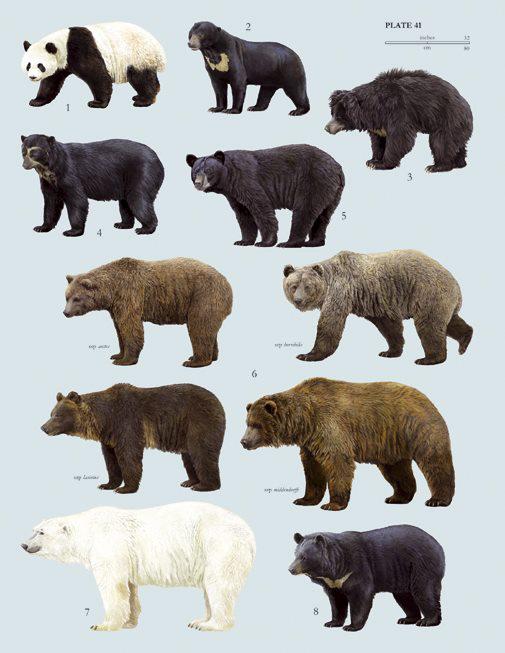
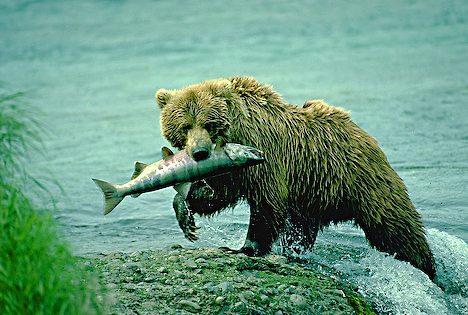
A grizzly bear survives because he is well-adapted to his environment. When he reproduces he passes on those traits to his offspring. this process is called

a)

Natural Selection

b)

Selective Breeding

c)

Random mutations

d)

Variations in a species

2.

Genetic mutations are the direct cause of which of the following?

a)

Aliens

b)

Super heroes

c)

Variations

d)

8th grade behaviors

3.

If Easter eggs were living species of organisms, their different colors would be considered:

a)

Adaptations

b)

Variations

c)

Different species

d)

Extinct species

4.

The peppered moth's color camouflaged it on the light colored tree bark. It's color was an example of a/n

a)

Variation

b)

Dominant trait

c)

Recessive trait

d)

Adaptation

5.

Where are hereditary traits stored in all organisms?

a)

In the blood

b)

In the brain

c)

In the DNA

d)

In the heart

6.
Which is not an example of an adaptation?
a)
A bird's beak allows it to crack open hard nuts.
b)
A zebra's stripes allow it to confuse its predators.
c)
A frog's large hind legs allow it to jump from danger.
d)
A cat sleeps on the sofa to avoid the vacuum cleaner.
7.
What was the name of the scientist who had the theory of evolution?
a)
Lamarck
b)
Einstein
c)
Washington
d)
Darwin
8.
Changes in a body to fit a location.
a)
Variation
b)
Adaptation
c)
Behavior
d)
Environment
9.
What is the advantage of having different shaped beaks?
a)
To look different from other species.
b)
To be able to eat different types of food.
c)
To fly faster.
d)
To confuse scientists. 
10.
Which of the following is a term for a group of similar organisms that can reproduce fertile offspring?
a)
individual
b)
population
c)
species
d)
fossil
11.
Evolution means...
a)
Change over time in a population.
b)
That everything is the same.
c)
That organisms never change.
d)
Negative traits are acquired in populations.
12.
Which animals and features did Darwin study on his journey to the Galapagos Islands?
a)
Finches' wings and alligators' tails
b)
Lizards' claws and finches' beaks.
c)
Lizards' claws and finches' wings
d)
The camels' eyes and penguins' teeth.
13.
What is it called when better adapted organisms survive to pass traits along to their offspring.
a)
Evolution
b)
Natural Selection
c)
Extinction
d)
Artifical Selection
14.
Survival of the Fittest and the theory of evolution are attributed what scientist?
a)
Charles Darwin
b)
Albert Einstein
c)
Jean Baptiste de Lamark
d)
Isaac Newton
15.
Some lizards have different size legs.  Lizards with longer legs are able to better access food. Over time, lizards with short legs became less common.
What is the successful adaptation?
a)
Lizards
b)
Long legs
c)
Food
d)
Leg sizes
16.
A species lives in a particular environment.  What is TRUE about the environment that the species lives in and about how the species will look over thousands of years?
a)
The environment will stay the same, and the traits of the species will stay the same.
b)
There will be changes to the environment, but the traits of the species will stay the same.
c)
There will be changes to the environment that could lead to changes in the traits of the species.
d)
There will be changes to the environment, and the traits of the species will change, but the changes in the environment could never lead to changes in the traits of species.
17.
The example of the peppered (brown) moths living near English industrial cities demonstrates that
a)
A change in an environment can result in the evolution of species living there
b)
Evolution occurs so slowly that is it not possible to determine that it has happened in less than a million years
c)
The environment near these cities has always favored dark colored moths
18.
Why did the population of peppered moths in England change from light to dark after the Industrial Revolution?
a)
Light moths were easy to see against sooty trees and were eaten
b)
Light moths were killed by soot
c)
The birds that ate the dark moths were killed by soot
d)
Dark moths were produced by industrial processes
19.
The carrier of genetic information
a)
DNA
b)
RNA
c)
phenotype
d)
nucleus
20.
Threadlike structures that carry DNA
a)
allele
b)
genotype
c)
chromosome
d)
phenotype
21.
Different forms of the same gene
a)
recessive
b)
dominant
c)
alleles
d)
genes
22.
Weak and can be overpowered
a)
dominant
b)
recessive
c)
chromosome
d)
DNA
23.
Strong and cannot be overpowered
a)
dominant
b)
recessive
c)
trait
d)
gene
24.
The stages of mitosis in order
a)
Metaphase, Anaphase, Prophase, Telophase
b)
Prophase, Anaphase, Metaphase, Telophase
c)
Prophase, Metaphase, Anaphase, Telophase
d)
Anaphase, Prophase, Telophase, Metaphase
25.
What is the next phase of mitosis?
a)
Prophase
b)
Metaphase
c)
Anaphase
d)
Telophase
26.
How many cells are created at the end of Mitosis?
a)
1 diploid cell
b)
2 diploid cells
c)
3 diploid cells
d)
4 diploid cells
27.
When you start with 1 cell, at the end of mitosis, how many identical cells will you have?
a)
1
b)
2
c)
3
d)
4
28.

the results of mitosis is

a)

2 identical daughter cells

b)

2 different daughter cells

c)

4 identical daughter cells

d)

4 different daughter cells

29.
Aa, DD, bB, yy are all examples of
a)
genotypes
b)
phenotypes
30.
How many alleles (letters) does a child get from each parent for each trait?
a)
1
b)
2
c)
3
d)
4
31.
Dominant alleles are represented by a:
a)
Male gene
b)
lowercase letter
c)
recessive trait
d)
capital letter
32.
What you see, or the physical appearance.
a)
Genotype
b)
Phenotype
c)
Homozygous
d)
Heterozygous
33.
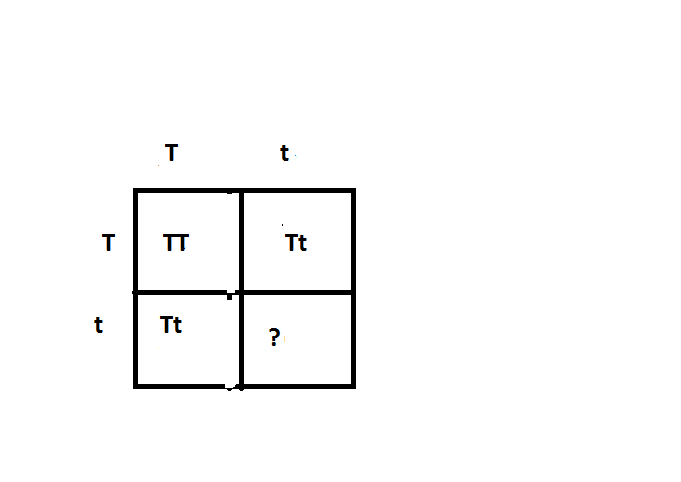
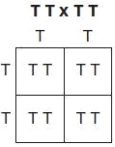
T - tall and t = short
In the punnett square below, what belongs in the missing square
a)
tt
b)
Tt
c)
Bb
d)
TT
34.
B = brown eyes
b = blue eyes
What is true about these two brothers that have brown eyes?
One has genotype BB the other Bb.
a)
they have same phenotype and genotype
b)
they have different genotypes and phenotypes
c)
they have same phenotype but different genotypes
d)
they have same genotype but different phenotypes
35.
AA and Aa always show up as
a)
dominant
b)
recessive
36.
aa always shows up as
a)
dominant
b)
recessive
37.
Aa is
a)
homozygous
b)
heterozygous
38.
What ratio of the offspring from the cross shown will be homozygous recessive for the  trait of tallness? 
a)
0 in 4
b)
1 in 4
c)
2 in 4
d)
4 in 4
39.
The cells produced via meiosis are called:
a)
sex cells
b)
somatic cells
c)
body cells
d)
skin cells
40.
Why do we need meiosis?
a)
To double the number of chromosomes going into sex cells
b)
To halve the number of chromosomes going into sex cells
c)
To triple the number of chromosomes going into sex cells
d)
To not change the number of chromosomes going into sex cells
41.
Human eggs and sperm are _____, and each has ____ chromosomes.
a)
diploid, 23
b)
diploid, 46
c)
haploid, 23
d)
haploid, 46
42.
How are your chromosomes inherited?
a)
most of your chromosomes from your mother
b)
most of your chromosomes from your father
c)
a random number of chromosomes from each parent
d)
half your chromosomes from your mother and half from your father.
43.
Riding a bike
a)
inherited trait
b)
learned behavior 
44.
The joining of a sperm cell and an egg cell is called...
a)
Fertilization
b)
Labor
c)
Zygote
d)
STOP ASKING ME THESE IMPOSSIBLE QUETSIONS!!
45.
In pea plants, the tall allele is dominant to the short allele. What key would demonstrate this?
a)
Tall = T
Short = S
b)
Tall = T
Short = t
c)
Tall = t
Short = T
d)
Tall = TT
Short = tt
46.
A heterozygous long-tusked elephant is crossed with a homozygous recessive short-tusked elephant. What is the probability of the offspring having short tusks?
a)
0%
b)
25%
c)
50%
d)
75%
47.
What is the probability of a purple-horned unicorn if a heterozygous pink-horned unicorn is crossed with a heterozygous pink-horned unicorn?
a)
0%
b)
25%
c)
50%
d)
75%
48.
Leonardo bet his friend Olivet that two heterozygous green-eyed sea monsters could not have a recessive blue-eyed baby sea monster. Olivet said they can have a blue-eyed sea monster.
Who wins the bet?
a)
Leonardo
b)
Olivet
c)
Both
d)
Neither
49.
A brown-furred ewok has 12 babies with a black-furred ewok. 9 ewok babies have black fur, while 3 ewok babies have brown fur. What are the probable genotypes of the parents?
a)
BB and bb
b)
BB and Bb
c)
Bb and Bb
d)
Bb and bb
50.
A Jawa notices that his beloved pet desert rat, who has brown fur, just had several rat babies, some of which had white fur and some which had brown fur. Brown fur is the dominant trait. This means his rat must have what genotype?
a)
Homozygous Dominant
b)
Heterozygous
c)
Homozygous Recessive
51.
Identify the homozygous dominant genotype:
a)
FF
b)
Ff
c)
ff
52.
Bob the abominable snowman lives in the snowy Andes mountains. He has white fur, which blends in nicely. He is therefore dismayed when his mate keeps having red-furred babies. What is Bob's likely genotype?
a)
Homozygous Dominant
b)
Heterozygous
c)
Homozygous Recessive
53.
What part of the wave is shown at letter A?
a)
crest
b)
trough
c)
wavelength
d)
frequency
54.
Which part of the wave is shown at letter B?
a)
crest
b)
trough
c)
wavelength resting point
55.
Which part of the wave is shown at letter C?
a)
crest
b)
wavelength
c)
resting point
d)
amplitude
56.
What happens to frequency when the energy increases?
a)
it increases
b)
it decreases
c)
it stays the same
57.
Which part of the wave is shown at letter D?
a)
trough
b)
resting point
c)
wavelength
d)
frequency
58.
Which part of the wave is shown at letter D?
a)
trough
b)
resting point
c)
wavelength
d)
frequency
59.
Which part of the wave is shown at letter E?
a)
trough
b)
crest
c)
resting point
d)
amplitude
60.
What does a wave carry?
a)
boats
b)
matter
c)
energy
d)
water
61.
If there is no wave, the particles would be at the _____________________.
a)
wavelength
b)
resting point
c)
trough
d)
beach
62.
When wavelength increases, what happens to the frequency?
a)
it increases
b)
it decreases
c)
it stays the same
63.
Which wave has a longer wavelength?
a)
wave C
b)
wave D
64.
Which wave has a greater frequency?
a)
wave B
b)
wave C
65.
Which wave has the most energy?
a)
top wave
b)
bottom wave
66.
All of the offspring of an organism have the same genetic material, which is identical to the parent organism. From this, we can conclude that this organism -
a)
makes its own food
b)
is unicellular
c)
live in a marine habitat
d)
reproduces asexually
67.
A type of reproduction in which the genetic materials from two different cells combine, producing an offspring 
a)
Asexual Reproduction
b)
Sexual Reproduction
68.
Which is a type of Asexual Reproduction
a)
Sexual 
b)
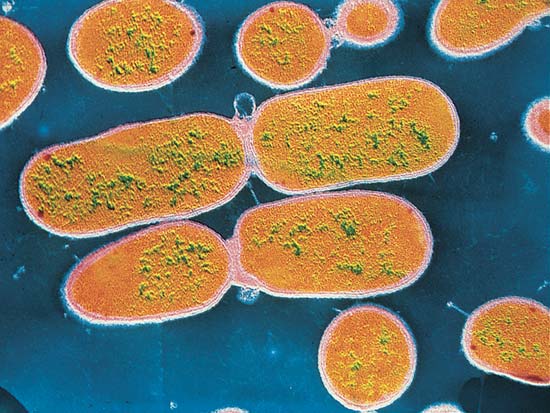
Binary fission
c)
Cells 
d)
organism 
69.
What are some of the facts about asexual reproduction?
a)
Takes only one mate to reproduce and takes a longer time to reproduce
b)
Takes a shorter amount of time to reproduce and it takes two mates to reproduce
c)
Reproduces diverse offspring and takes a longer time to reproduce
d)
Takes only one mate to reproduce and takes a shorter time to reproduce
70.
What are some of the facts about sexual reproduction?
a)
Takes two mates to reproduce and takes a longer time to reproduce
b)
Takes one mate to reproduce and takes a shorter amount of time to reproduce
c)
Takes two mates to reproduce and takes a shorter amount of time to reproduce
d)
Takes one mate to reproduce and takes a shorter amount of time to reproduce
71.
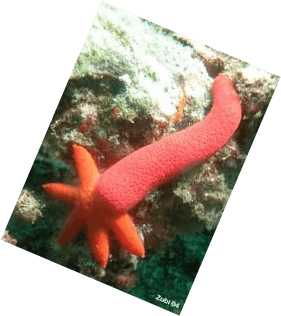
When a starfish grows a new body off a broken arm, what kind of reproduction is this?
a)
Sexual
b)
Differentiation
c)
Asexual 
d)
Specialization
72.
Sexual reproduction requires _____ parents and asexual reproduction requires ___ parents
a)
1,1
b)
2,2
c)
2,1
d)
1,2 
73.
What type of asexual reproduction is taking place?
Fishermen work hard to catch and remove all the starfish that get into their favorite shell fishing beds and the “underwater farms” where they raise clams and oysters. In the past, they put the starfish into their boats, cut them up with knives, and then throw the pieces of starfish overboard. They thought this would kill the starfish. What they did not know was that each piece of starfish will grow into a whole new animal.
a)
Regeneration
b)
Vegetative propagation
c)
Budding
d)
Fission
74.
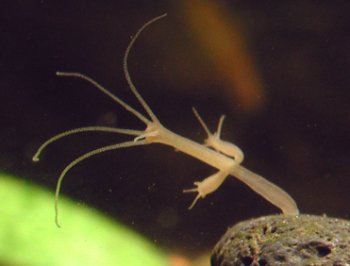
This is when a new organism grows by cell division on the body of its parent. The bud, or offspring is identical to the parent. The bud, when large enough, can break off of the parent and live on its own.  Examples of this include yeast, hydra and potatoes.
 
a)
Regeneration
b)
Vegetative propagation
c)
Fission
d)
Budding
75.
The offspring from asexually reproduced organisms are?
a)
Different than their parents
b)
Identical to parents
c)
Like a combination from both parents
d)
A different species
76.
If two organisms reproduce sexually, then their offspring will exhibit a genetic makeup that is -
a)
identical to only one parent
b)
identical to all of its siblings
c)
a unique combination of traits
d)
the recessive traits of each parent
77.

The image illustrates which process?

a)

Mitosis

b)

Meiosis

c)

Both mitosis and meiosis

d)

Interphase

78.
If a parent cell has 88 chromosomes, following MEIOSIS, the daughter cells will have ___ chromosomes.
a)
44
b)
88
c)
Impossible to know
79.
If a parent cell has 88 chromosomes, following MITOSIS, the daughter cells will have ___ chromosomes.
a)
44
b)
88
c)
Impossible to know
80.
The image illustrates which process?
a)
Mitosis
b)
Meiosis
81.
What is the next phase of mitosis?
a)
Prophase
b)
Metaphase
c)
Anaphase
d)
Telophase
82.
a)
Cytokinesis
b)
Anaphase
c)
Telophase
d)
Prophase
83.
The process on the left is:
The process on the right is:
a)
Left: meiosis
Right: meiosis
b)
Left: meiosis
Right: cloning
c)
Left: mitosis
Right: meiosis
d)
Left: mitosis
Right: mitosis
84.
Humans have ________ pairs of chromosomes.
a)
21
b)
23
c)
46
d)
None of the above
85.
Uncontrollable cell growth is known as _____
a)
obesity
b)
cancer
c)
diabetes
d)
hepatitis
86.
Where does a cell contain it's genetic material?
a)
nucleus
b)
nucleolus
c)
cytoskeleton
d)
golgi
87.
When the chromosomes are pulled apart to opposite ends of the poles?
a)
Prophase
b)
Anaphase
c)
Telophase
d)
Metaphase
88.
the process of sediment being glued together
a)
compaction
b)
weathering
c)
erosion
d)
cementation
89.

____ rocks form when rock buried deep inside the earth change without melting or weathering

a)

igneous

b)

sediment

c)

metamorphic

d)

sedimentary

90.

Rocks formed under great pressure but no heat are _____.

a)

igneous

b)

metamorphic

c)

sedimentary

d)

sediment

91.

A rock that has cooled fast and may look like glass.

a)

igneous

b)

metamorphic

c)

sedimentary

d)

sediment

92.

Movement of the Earth's tectonic plates creates extreme _____ below Earth's surface.

a)

compaction/cementation

b)

weathering/erosion

c)

heat/pressure

d)

explosions/exchanges

93.
What process is used to form sedimentary rocks?
a)
Lava cools and hardens to form a rock.
b)
Weathering, Erosion, Deposition, Compaction, Cementation
c)
Extreme heat and pressure from inside the Earth turn rocks into new rocks.
d)
Magma trapped under the Earth's surface cools and solidifies.
94.
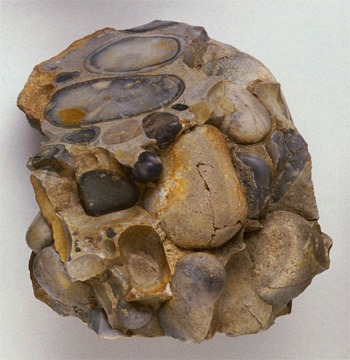
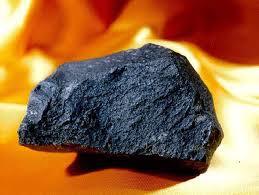
This rock was formed by smaller pieces of rock that settled at the bottom of a lake millions of years ago. What type of rock is this?
a)
Sedimentary
b)
Igneous
c)
Metamorphic
95.
This rock was found near the mouth of a volcano. What type of rock is this?
a)
Sedimentary
b)
Igneous
c)
Metamorphic
96.
Which type of rock results from melting and cooling of magma?
a)
Igneous
b)
Metamorphic
c)
Sedimentary
d)
Extrusive
97.
Which type of rock forms from extreme heat and pressure?
a)
Igneous
b)
Sedimentary
c)
Organic
d)
Metamorphic
98.
A metamorphic rock changes into an igneous rock by what two processes?
a)
Melting and cooling
b)
Extreme heat and pressure
c)
Compaction and cementation
d)
Weathering and erosion
99.
Wind, water, and ice breaking down rock is called
a)
Erosion
b)
Deposition
c)
Compaction
d)
Weathering
100.
Each rock type can follow only one pathway of the rock cycle.
a)
True
b)
False
101.

The best answer for section "C" in the diagram

a)

metamorphic/melting

b)

compaction/cementation

c)

weathering/erosion

d)

heat/pressure

102.

The best answer for section "A" in the diagram

a)

metamorphic/melting

b)

compaction/cementation

c)

weathering/erosion

d)

heat/pressure

103.

The best answer for section "B"

a)

metamorphic/melting

b)

compaction/cementation

c)

weathering/erosion

d)

heat/pressure

104.
The physical layer of Earth made of solid rock and soil is called the ___________. 
a)
mesosphere
b)
lithosphere
c)
asthenosphere
d)
mantle
105.
The type of plate boundary where two plates come together is a .....
a)
Convergent Boundary
b)
Divergent Boundary
c)
Transform Boundary
d)
Plate Boundary
106.
Which of the following causes Earth's tectonic plates to move?
a)
Energy from the Sun
b)
Magnetic Pole Reversal
c)
Convection currents in the mantle
d)
Faults in Mountain Ranges
107.
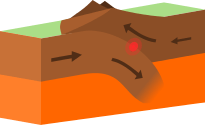
What type of plate boundary is this?
a)
Plate
b)
Divergent
c)
Convergent
d)
Transform
108.
What type of event will occur at this boundary?
a)
Earthquake
b)
Volcano Eruption
c)
Tornado
d)
Mountain Building
109.
A divergent boundary occurs when plates ....
a)
Pull apart
b)
Come together
c)
Slide past each other
d)
subducting
110.
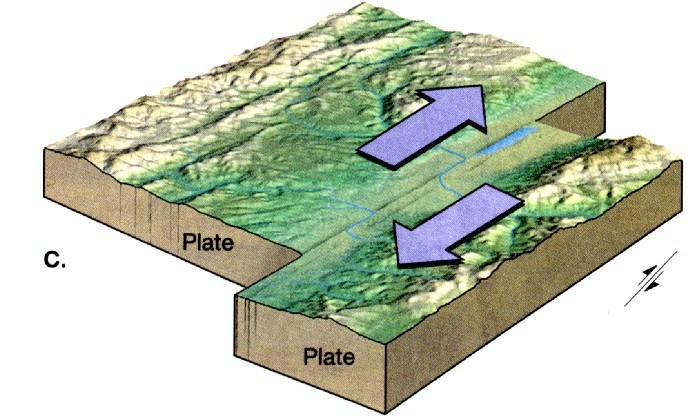
What type of plate boundary is this?
a)
Transform
b)
Convergent
c)
Divergent
d)
Plate
111.
Oceanic Trenches are formed by _______ plate boundaries
a)
Convergent
b)
Transform
c)
Plate
d)
Divergent
112.
A fault is formed by the movement of a __________ plate boundary
a)
Transform
b)
Convergent
c)
Divergent
113.
Islands can from from magma which is pushed up at a __________ plate boundary
a)
Divergent
b)
Convergent
c)
Transform
114.
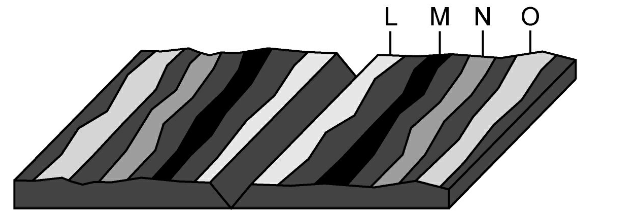
Where would the oldest rock be found?
a)
L
b)
M
c)
N
d)
O
115.
How is it possible for new crust to be formed without increasing the surface area of the Earth?
a)
Crust is destroyed at the same time it is created
b)
New crust is underwater where it sinks
c)
New crust breaks more easily than old crust
116.
Mountains are created when....
a)
Two continental plates collide
b)
Two oceanic plates pull apart
c)
An Oceanic plate subducts under a Continental Plate
d)
Two continental plates pull apart
117.
The Great Rift Valley in Africa and the Mid-Ocean Ridge were all created by this boundary
a)
Divergent
b)
Convergent
c)
Reform
d)
Transform
118.
What are the two types of crust
a)
continental and oceanic
b)
ocean and upper
c)
lower and upper
d)
pizza and subway
119.
Transform boundaries are most likely to produce what phenomenon?
a)
volcanoes
b)
deep sea trenches
c)
underwater mountain ranges
d)
earthquakes
120.
The area where two tectonic plates meet.
a)
mantle
b)
focus
c)
plate boundary
d)
convection
121.
When an oceanic plate and a continental plate collide, which one will subduct?
a)
oceanic
b)
continental
c)
neither
122.
This landform can occur at a divergent plate boundary.
a)
ocean trench
b)
mid-ocean ridge
c)
tall mountains
d)
transform fault
123.
A subduction zone is formed...
a)
when one tectonic plate sinks below another
b)
at every type of convergent plate boundary
c)
at every type of divergent plate boundary
d)
at transform boundaries
124.
Which alternative resource can be captured by a kite?
a)
hydroelectric
b)
wind
c)
geothermal
d)
solar
125.
What form of alternative energy uses the sun?
a)
Wind power
b)
hydroelectric power
c)
geothermal power
d)
solar power
126.
What form of alternative energy uses plants and animal waste and turns it into sugar and then liquid fuel?
a)
geothermal power
b)
biomass power
c)
solar power
d)
hydroelectric power
127.
What form of alternative energy uses a dam?
a)
hydroelectric power
b)
geothermal power
c)
biomass power
d)
solar power
128.
What form of alternative energy uses the heat from the earth?
a)
solar power
b)
geothermal power
c)
biomass power
d)
wind power
129.
Which natural resource is a renewable energy resource?
a)
coal
b)
oil (petroleum)
c)
natural gas
d)
sun
130.
Which alternative energy resource can be harmful to birds?
a)
biomass energy
b)
geothermal energy
c)
wind energy
d)
solar energy
131.
What alternative energy resource could be harmful to the environment which fish live in?
a)
biomass power
b)
wind power
c)
geothermal power
d)
hydroelectric power
132.
fuel made from plant or animal waste (organic matter)
a)
hydropower energy
b)
solar energy
c)
green
d)
biomass energy
133.
Energy made from moving water
a)
hydropower energy
b)
wind energy
c)
geothermal energy
d)
alternative energy
134.
the wise use and protection of natural resources
a)
natural resources
b)
green
c)
renewable energy
d)
conservation
135.

Choose the three fossil fuels.

a)

oil

b)

coal

c)

natural gas

d)

wood

136.

Why are fossil fuels nonrenewable?

a)

fossil fuels come from the remains of prehistoric life, which takes along time to make again

b)

when the store runs out of fossil fuels, they can't buy anymore

137.

Choose the types of renewable energy resources. (Check all that apply)

a)

Water

b)

Wind

c)

Solar

d)

Gas

e)

Oil

138.

Energy from moving water can be converted into electricity.

a)

true

b)

false

139.

How might an electric car still run on fossil fuels?

a)

If the electricity used to charge the batteries is produced by fossil fuels, then the car still uses fossil fuel

b)

Electric cars don't use fossil fuels. They use electricity!

140.

A car engine must have fossil fuels to work.

a)

True

b)

False

141.

What are two reasons why algae is good for making renewable fuel?

a)

algae grows fast and can be reproduced quickly

b)

it produces high energy oils

142.

Which extremely flammable gas is most commonly burned for fuel in a home?

a)

oxygen

b)

ethanol

c)

natural gas

d)

hydrogen