wayground logo

Free Printable Worksheets

Font size

S
M
L
XL
Worksheets

Review Olympics Day 01

Total questions: 85

Worksheet time: 1hrs 10mins

Name
Class
Date
1.
Examples of a producer
a)
frog
b)
algae
c)
worm
d)
mouse
2.
Example of a decomposer
a)
fungus
b)
mouse
c)
plants
d)
frogs
3.
An animal that gets energy from eating both plants and animals is a 
a)
herbivore
b)
carnivore
c)
omnivore
d)
autotroph
4.
A producer is a (n) ______________.
a)
heterotroph
b)
omnitroph
c)
autotroph
d)
oscartroph
5.
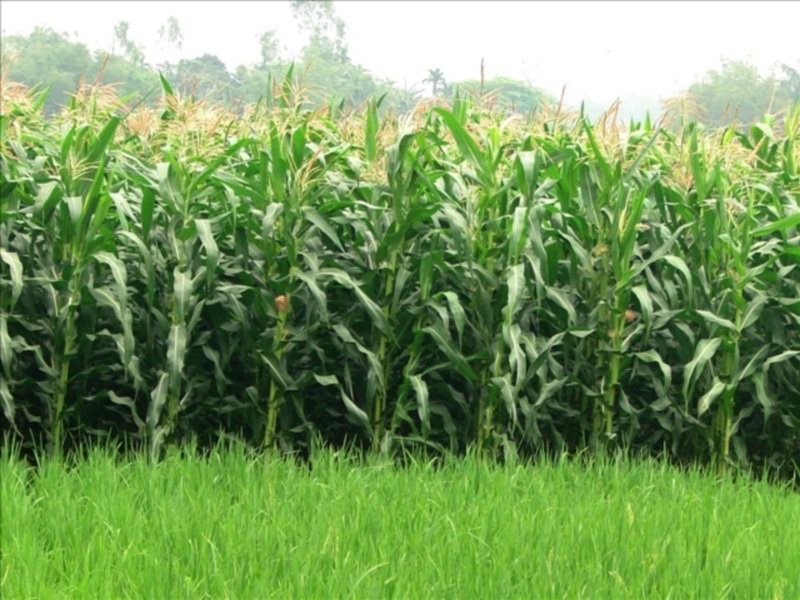
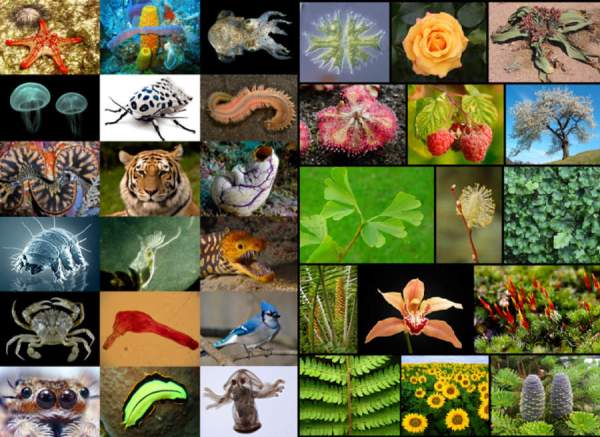
The image provided is an example of a:
a)
Producer
b)
Heterotroph
c)
Consumer
d)
Decomposer
6.

Interacting food chains found in an ecosystem

a)

food web

b)

food chain

c)

predator

7.

NON-living things found in an ecosystem

a)

biotic

b)

abiotc

c)

habitat

8.

Where does the food chain START?

a)

with consumers that eat grass

b)

with the sun giving energy to producers

c)

with the sun giving energy to consumers

d)

with consumers eating other consumers

9.

What is scarcity and how could it affect an ecosystem?

a)

Too many animals or plants in an area can cause the ecosystem to fail.

b)

Too many animals or plants in an area can cause the animals to be too fat.

c)

Too few animals or plants in an area can cause other animals to go hungry or die.

d)

Too few animals or plants in an area can cause pollution.

10.

Which of the following animals are carnivores?

I Tiger

II Eagle

III Rabbit

IV Chicken

a)

I and II

b)

I and IV

c)

II and III

d)

III and IV

11.
Where does the ZOOPLANKTON get its energy?
a)
The sun
b)
The Zooplankton
c)
The small fish
d)
The phytoplankton
12.
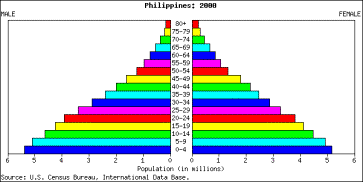
According to the population pyramid of this country, its population is most likely...
a)
growing slowly.
b)
growing rapidly.
c)
decreasing.
d)
not changing.
13.
The number of live births per 1000 people is called the...
a)
growth rate.
b)
infant rate.
c)
baby total.
d)
birth rate.
14.
All of the following are demographic figures used in determining the total population of a country EXCEPT...
a)
immigration.
b)
birth rate.
c)
death rate.
d)
marriage rate.
15.
The maximum population size of a species that the environment can sustain indefinitely, given the food, habitat, water and other necessities available in the environment.
a)
sparse population
b)
environmental
c)
carrying capacity
d)
dense population
16.
What is a population pyramid?
a)
A type of graph showing the number of males and females in different age groups.
b)
A type of graph showing the number of males in different age groups.
c)
A type of graph showing the number of females  in different age groups.
d)
A type of graph showing the number of males and females in only one age group.
17.
Areas close to rivers tend to be...
a)
Densely populated
b)
Sparsely populated
c)
Fairly populated.
d)
None of the above
18.

A Density Independent Limiting Factor is a limiting factor of a population that can affect population growth no matter what the population density. What is a density independent limiting factor that can affect the human population growth of North Carolina?

a)

disease

b)

hurricanes

c)

food supply

d)

water supply

19.

VOCAB: The average number of children a female member of a population has during her lifetime

a)

total fertility rate

b)

replacement fertility rate

c)

growth rate

d)

death rate

20.

Which of the following leads to a decrease in birthrates among women?

a)

Higher Education

b)

High Infant Mortality Rate

c)

No Prenatal Care

d)

No contraceptives

21.

The human population is now about

a)

300 million

b)

1.3 billion

c)

7 billion

d)

12 billion

22.
The number of babies out of 1,000 that die during their first year of life is called
a)
infant mortality
b)
growth rate
c)
demography
23.
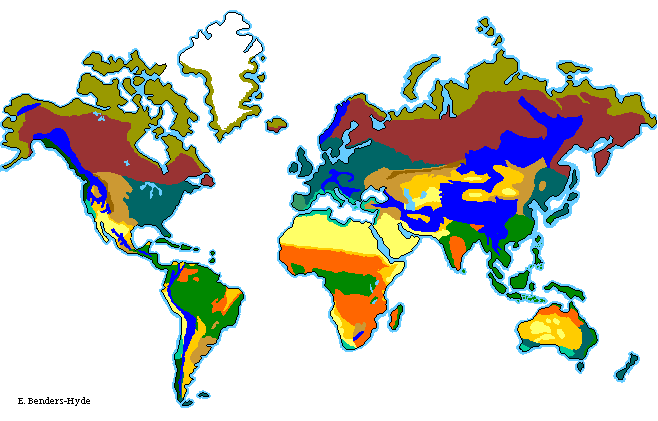
A large ecosystem is called a ______
a)
Ecosystem
b)
Habitat
c)
Biome
d)
Niche
24.
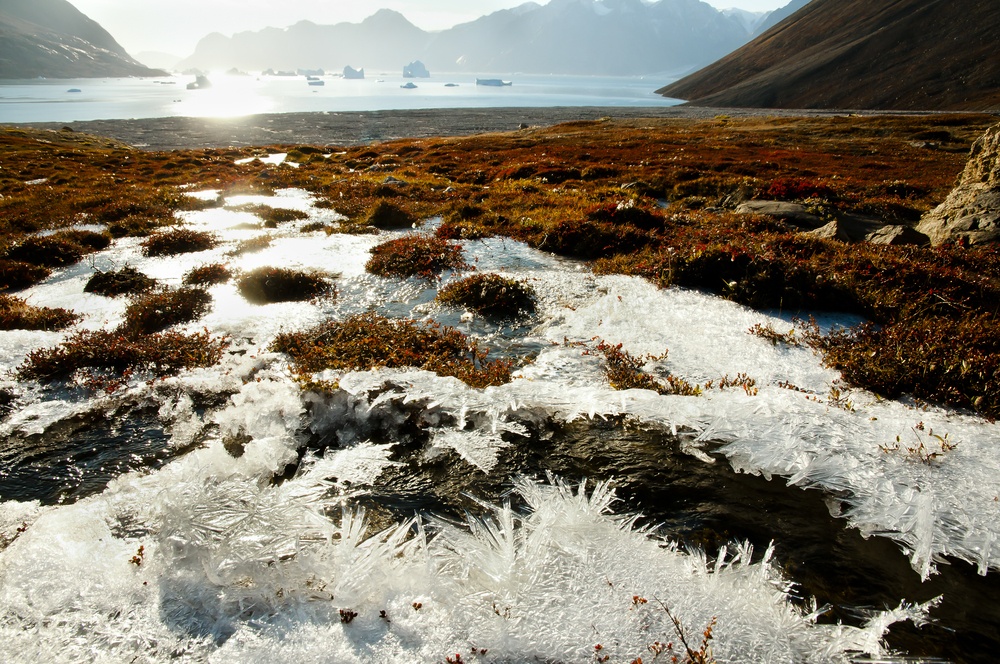
Which Biome has permafrost?
a)
Temperate Forest
b)
Rainforest
c)
Taiga
d)
Tundra
25.
Which biome has the most variety of plants and animals?
a)
Temperate Forest
b)
Rainforest
c)
Tundra
d)
Grasslands
26.
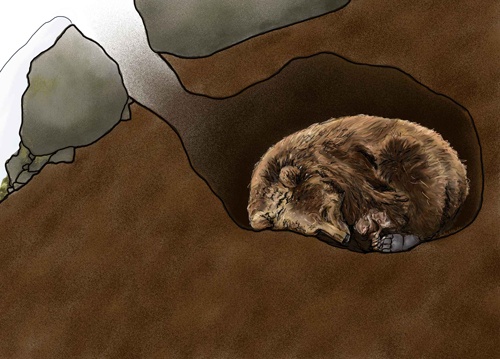
Which biome could an animal who hibernates in the winter to survive the cold live in?
a)
Grasslands
b)
Taiga
c)
Desert
d)
Rainforest
27.
Dolphins have the same arm structure as wolfs, what type of evidence for evolution does this represent?
a)
DNA
b)
vestigial structures
c)
homologous structures
d)
embryology
28.
What would indicate that a series of fossils represent evolution?
a)
the fossils were identical
b)
the fossils were found in the same layers of rock
c)
the fossils show similarities
d)
the fossils were completely different
29.
What animal is Darwin known for studying?
a)
dinosaurs
b)
tunicates
c)
finches
d)
horses
30.
This makes an organism more suited to its enviornment
a)
species
b)
lifespan
c)
adaptation
d)
mutation
31.
In natural selection, the selective agent is the
a)
humans
b)
mutations
c)
breeders
d)
environment
32.
Mutations are important because they bring about
a)
death of the organism in which they develop
b)
genetic variation needed for a population to evolve
c)
benefits for the individual, not for the population
d)
Hardey-Weinberg equilibrium within a population
33.
This mechanism of evolution occurs when populations migrate.
a)
Extinction
b)
Gene flow
c)
Genetic drift
d)
Natural Selection
34.
What characteristic did Darwin observe about the finches on the Galapagos Islands?
a)
Their feathers 
b)
Genotypes 
c)
Their beaks
d)
Their body sizes
35.
When an organism completely dies out, it is called.....
a)
Adaption
b)
Extinction
c)
Fossilization
d)
Mutation
36.
The similarities of the bones in the diagram provide evidence that---
a)
The organisms shown lived in the same natural envionrment
b)
The organisms shown may have developed from a common ancestor
c)
The organisms shown have the same genetic diseases
d)
All vertebrate species have identical forelimbs
37.
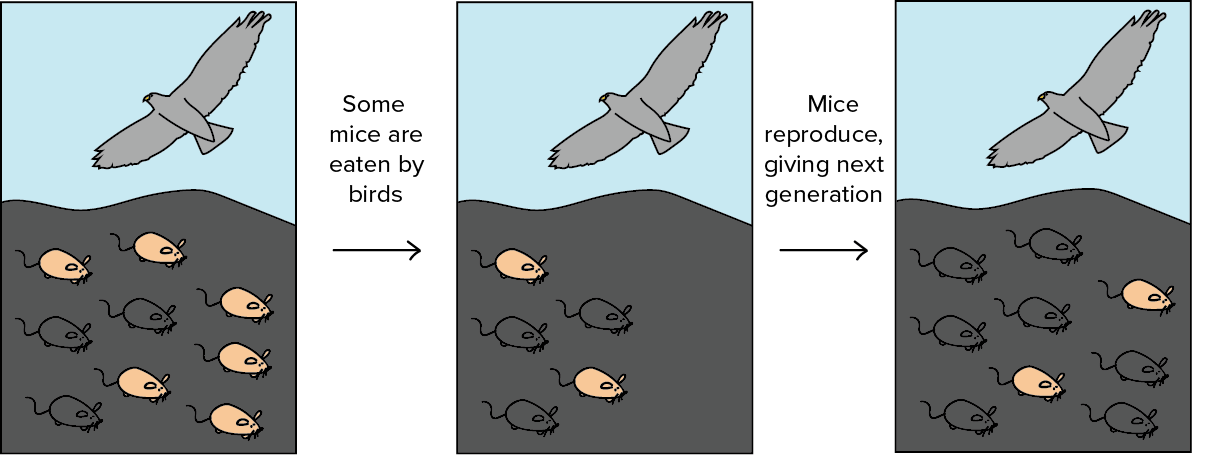
What process is being shown in this image?
a)
Variation
b)
Natural Selection
c)
Selective Breeding
d)
Homeostasis
38.
Why is the mouse population changing over time?
a)
The light mice can reproduce more successfully than the dark mice
b)
The hawks eat more dark mice than light mice because the dark mice taste better
c)
The hawks eat more light mice than dark mice because they can see the light mice more easily
d)
The hawks eat more dark mice than light mice because they can see the dark mice more easily
39.
What is the mostly solid, rocky part of earth, composed of solid and molten rock, soil and sediments?
a)
Biosphere
b)
Atmosphere
c)
Hydrosphere
d)
Geosphere
40.
This part of the Earth System includes the gases that surround the earth.
a)
Geosphere
b)
Atmosphere
c)
Hydrosphere
d)
biosphere
41.
This part of the Earth System includes all living things, including plants and animals.
a)
Geosphere
b)
Atmosphere
c)
Hydrosphere
d)
Biosphere
42.
A monkey is:
a)
Atmosphere
b)
Biosphere
c)
Geosphere
d)
Hydrosphere
43.
________ is NOT an example of abiotic
a)
Rock
b)
Sand
c)
Highway
d)
Tree Frog
44.
The continuous movement of the continents.
a)
geoscience
b)
rain
c)
wind
d)
plate tectonics
45.

What is the name of the super continent that occured 225 million years ago?

a)

Pangaea

b)

Wegener

c)

Plate tectonics

d)

continental crust

46.

Which boundary is most likely to build mountains?

a)

convergent

b)

divergent

c)

transform

47.

Which is the remains, traces, or imprint of an ancient living thing preserved in rock?

a)

glacier

b)

Pangaea

c)

fossil

d)

Ice Age

48.
Which piece of evidence did Wegener use to prove continental drift?
a)
The shape of the continents
b)
Similar fossils found on separate continents
c)
Tree fossils found in odd places
d)
All of the above
49.

Which layer of the atmosphere is correctly paired with its characteristics?

a)

The stratosphere is the layer of the atmosphere that contains ozone that protects living things from ultraviolet radiation.

b)

The mesosphere is the layer of the atmosphere in which thin, feathery clouds of ice form due to its cold temperatures.

c)

The thermosphere is the layer of the atmosphere that has no definite outer limit and protects the surface from being hit by meteoroids.

d)

The troposphere is the layer of the atmosphere that contains the ionosphere where weather occurs.

50.

Which layer of the atmosphere do we live in?

a)

Troposphere

b)

Stratosphere

c)

Mesosphere

d)

Exosphere

51.
What causes wind to blow?
a)
Differences in longitude 
b)
Shock waves from clouds 
c)
Differences in air temperature and pressure 
d)
The rotation of the earth
52.

Why do land breezes occur at night?

a)

Land cools off slower than water, so the air above water is cooler.

b)

Water cools off faster than land, so the air above land is warmer.

c)

Land heats up slower than water, so the air stays cooler during the day.

d)

Water cools off slower than land, so the air above water is warmer.

53.
The type of variable that you change or manipulate in an experiment.  It is what you are testing.
a)
Independent
b)
Dependent
c)
Control
54.
The type of variable that responds to the experiment and is what you measure to determine if your hypothesis is true.
a)
Independent
b)
Dependent
c)
Control
55.
The parts of the experiment that must be kept the same.
a)
Constants
b)
independent
c)
Dependent
56.
If I water the plant more often, then it will grow taller.  Name the independent variable.
a)
The height of the plant
b)
The size of the pot
c)
The amount of water
d)
The amount of light.
57.
If I water the plant more often, then it will grow taller.  Name the dependent variable.
a)
The amount of water.
b)
The amount of soil.
c)
The height of the plant.
d)
The amount of water.
58.
Which of these is not an observation.
a)
There are footprints.
b)
The person was dizzy.
c)
The footprints are black.
d)
There are dots.
59.

Which of these is a quantitative assessment?

a)

He is tall

b)

Ha jumps high

c)

He wears 23

d)

He is 6 feet 8 inches tall

60.

Which is a qualitative assessment?

a)

He is 6 feet 8 inches tall.

b)

He weighs 265 lbs.

c)

He is strong.

d)

He wears a size 13 shoe.

61.

Anthony designed an experiment to answer the following question: How does the temperature of water affect the time it takes for a sugar cube to dissolve?


What tool should Anthony use to measure how much time it takes for the sugar to dissolve?

a)

ruler

b)

stopwatch

c)

triple beam balance

d)

thermometer

62.

Maya designed an experiment to answer the following question: How does the amount of water given to a lima

bean seed affect how tall it grows?


Which tool will Maya use when she is collecting her data on the height of the lima bean plants?

a)

thermometer

b)

stopwatch

c)

beaker

d)

ruler

63.

Melika made a model to help understand why craters on the moon are different sizes. She represented the moon’s surface with a pan of flour. Melika represented objects that hit the moon with marbles. She thinks that dropping marbles from a greater height will make the crater’s diameter larger.


What should she change in her experiment to test her hypothesis?

a)

the weight of the marbles

b)

the kind of flour in the pan

c)

the height she drops the marbles from

d)

the size of the marbles

64.
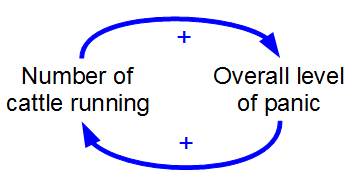
The following is an example of what type of feedback loop?
a)
Negative Feedback Loop
b)
Neutral Feedback Loop
c)
Positive Feedback Loop
d)
Cowboy Feedback Loop
65.
A rise in temperatures can cause more evaporation and clouds. These clouds will, in turn, reflect more incoming radiation. Identify this type of feedback 
a)
positive feedback
b)
negative feedback
66.
If the ice caps continue to melt, then there is less albedo at the poles.  This process will continue to melt more ice and have less albedo.  This is an example of a...
a)
fruit loops
b)
loop di loop
c)
negative feedback loop
d)
positive feedback loop
67.
This graph represent the interactions in the predator prey ecosystem. Based on this image, what type of feedback loops is this one?
a)
Positive
b)
Negative
c)
Intermittent
d)
full loop
68.

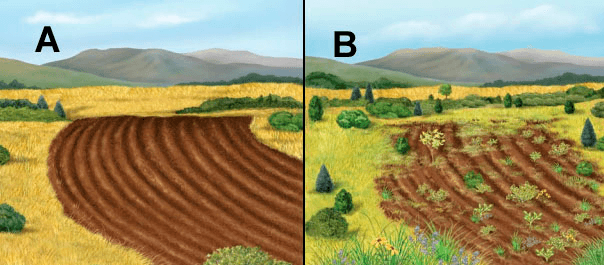
What type of succession is shown going from figure A to figure B?

a)

primary succession

b)

ecological succession

c)

secondary succession

d)

intermediate species

69.

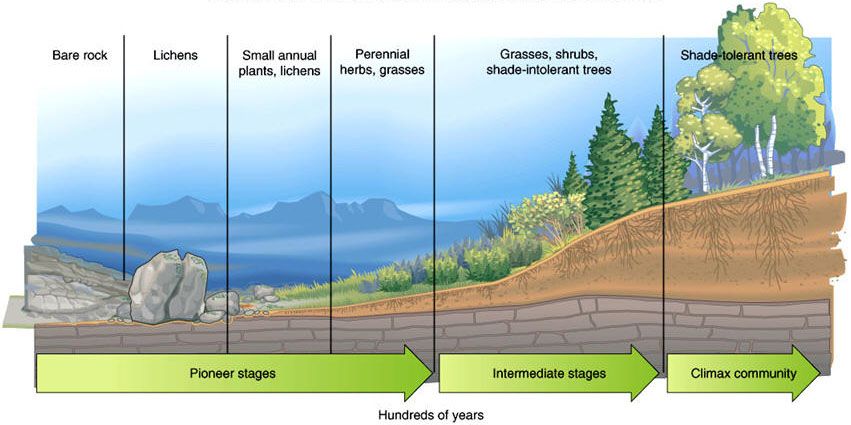
What is the role of the pioneer species in Primary Succession?

a)

To kill any remaining organisms from before the disturbance

b)

To break down rock and rebuild soil

c)

To provide food for large animals

d)

To put fresh oxygen into the air

70.

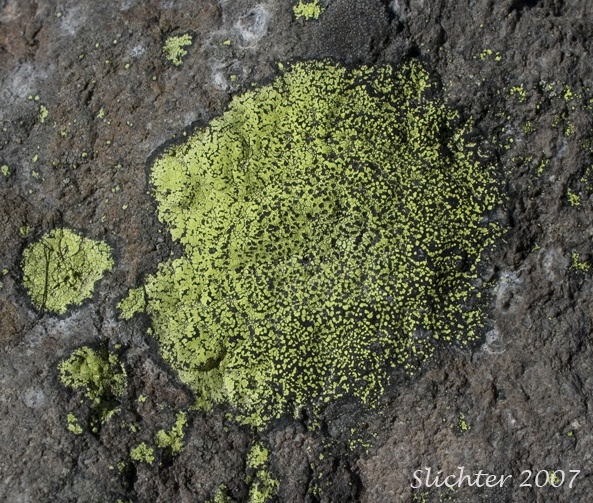
The picture shows what type of succession?

a)

primary

b)

secondary

c)

tertiary

d)

quadanary

71.

After a volcanic eruption, lava covers the land. What is the order that plants grow to repopulate the area?

a)

Lichens → Shrubs → Grasses → Trees

b)

Lichens → tree → shrubs→Grasses

c)

Grasses → Lichens → Shrubs → Trees

d)

Lichens → Grasses → Shrubs → Trees

72.
What is the name given to lichen or algae after a primary succession?
a)
pioneer species
b)
volunteer species
c)
founder species
d)
conqueror species
73.

What type of species/community is a redwood forest?

a)

Climax Community

b)

Pioneer Species

c)

Intermediate Species

d)

Tertiary Community

74.
Which is NOT a reason for the decreasing death rate?
a)
Better health care
b)
Greater food supply
c)
Cleaner water
d)
More pollution
75.
The average number of people per square mile
a)
population distribution
b)
population density
c)
urbanization
d)
population rate
76.
Densely populated areas such as cities
a)
Urban areas
b)
Rural areas
c)
Countryside
d)
Suburbs
77.
Leaving one's home to live in a new place
a)
Emigration
b)
Immigration
c)
Urbanization
d)
Ruralization
78.
The growth of cities and surrounding areas
a)
migration
b)
urbanization
c)
emigration
d)
immigration
79.

Sunlight strikes this planet most directly at the_____________.

a)

mesosphere

b)

tundra

c)

equator

d)

south pole

80.
Does the Earth's surface heat up evenly everywhere?
a)
no
b)
yes
c)
always
d)
I do not study
81.
What causes the Coriolis Effect?
a)
air pollution
b)
global warming
c)
The Greenhouse
d)
Earth's spin
82.
As air rises, air pressure 
a)
increases
b)
decreases
83.
Warm air rises and the cool air sinks demonstrates this type of heat transfer. 
a)
conduction
b)
convection
c)
radiation
d)
Insolation 
84.
Which term best describes how the earth's atmosphere is heated?
a)
Spirally
b)
Unevenly
c)
Circularly
d)
Kinetically
85.
Upwelling provides _________ for many sea organisms.
a)
Water
b)
Nutrients
c)
Air
d)
Heat