Wayground logo

Free Printable Worksheets

Font size

S
M
L
XL
Worksheets

Unit 9: Human Body Systems

Total questions: 68

Worksheet time: 45mins

Name
Class
Date
1.
Outer layer of skin about as thick as a sheet of paper.
a)
epidermis
b)
dermis
c)
hyperdermis
2.

Skin protects the body by keeping harmful substances outside the body and keeping important substances inside the body.

a)

True

b)

False

3.

a structure out of which strands of hair grow

a)

Follicles

b)

Pores

c)

Head

d)

Eyelashes

4.

the inner layer of the skin

a)

dermis

b)

melanin

c)

pores

d)

skin

5.
What are the 3 types of muscle tissue?
a)
Thigh, Calf, & Shoulder
b)
Traps, Forearm, & Abs
c)
Hamstring, Biceps, & Triceps
d)
Smooth Muscle, Cardiac Muscle, & Skeletal Muscle
6.
Which muscle type is found in your stomach, bladder, and intestines?
a)
Skeletal
b)
Smooth
c)
Cardiac
d)
Straight
7.
Which type of muscle is found in your heart?
a)
Skeletal
b)
Smooth
c)
Cardiac
d)
Straight
8.
When a muscle contracts, it _______
a)
gets longer
b)
gets shorter
c)
gets thinner
d)
grows hair
9.
Which types of muscle tissue are voluntary?
a)
Cardiac
b)
Skeletal
c)
Smooth
d)
Cardiac and Smooth
10.
Skeletal muscles are attached to the _________.
a)
Stomach
b)
Lungs
c)
Bones
d)
Involuntary Muscles
11.
Cardiac muscles are ONLY located in the heart
a)
TRUE
b)
FALSE
12.
What is an example of an involuntary muscle? 
a)
Heart
b)
Arms 
c)
Legs
d)
Shoulders
13.
A place where two bones meet is called a 
a)
Hip Bone
b)
Synovial Fluid
c)
Joint
d)
Biceps
14.
The framework of the body, that consists of bones and connective tissues is called the
a)
Muscular System
b)
Skeletal System
c)
Nervous System
d)
Blood System
15.
Flexible tissue that covers the ends of your bones at joints is called
a)
Synovial Fluid
b)
Cartilage
c)
Smooth Muscle
d)
Cardiac Muscle
16.
The innermost part of the bone, where blood cells are made is called the 
a)
Cancellous bone
b)
Bone Marrow
c)
Periosteum
d)
Hollow bone
17.
Muscles always work in _____
a)
pairs
b)
groups of 3
c)
bones
d)
joints
18.

What is a joint?

a)

The place where 2 or more bones meet.

b)

A thin membrane that covers the surface of bone.

c)

A band of tissue that hold bones together.

d)

Connective tissue

19.

Name the joint that is found in wrists and ankles.

a)

Ball and Socket Joint

b)

Hinge Joint

c)

Pivot Joint

d)

Gliding Joint

20.

Name the joint that makes up the elbows,knees, and fingers.

a)

Ball and Socket Joint

b)

Hinge joints

c)

Pivot Joint

d)

Gliding Joint

21.
Which part of the brain controls vital functions such as breathing and heart rate?
a)
Diencephalon
b)
Frontal Lobe
c)
Brain Stem
d)
Cerebellum
22.
What is the part highlighted in red?
a)
Cerebrum
b)
Cerebellum
c)
Brain Stem
d)
Diencephalon
23.
Which part of the brain controls reflexes?
a)
Cerebrum
b)
Cerebellum
c)
Brain stem
d)
Spinal cord
24.
What is the central nervous system (CNS) made up of?
a)
brain & spinal cord
b)
sensory neurons
c)
motor neurons
d)
sensory receptors
25.
The part of the nervous system that consists of nerves that branch out from the CNS (central nervous system) and connect to other body parts
a)
Sympathetic
b)
Parasympathetic
c)
Autonomic
d)
Peripheral
26.
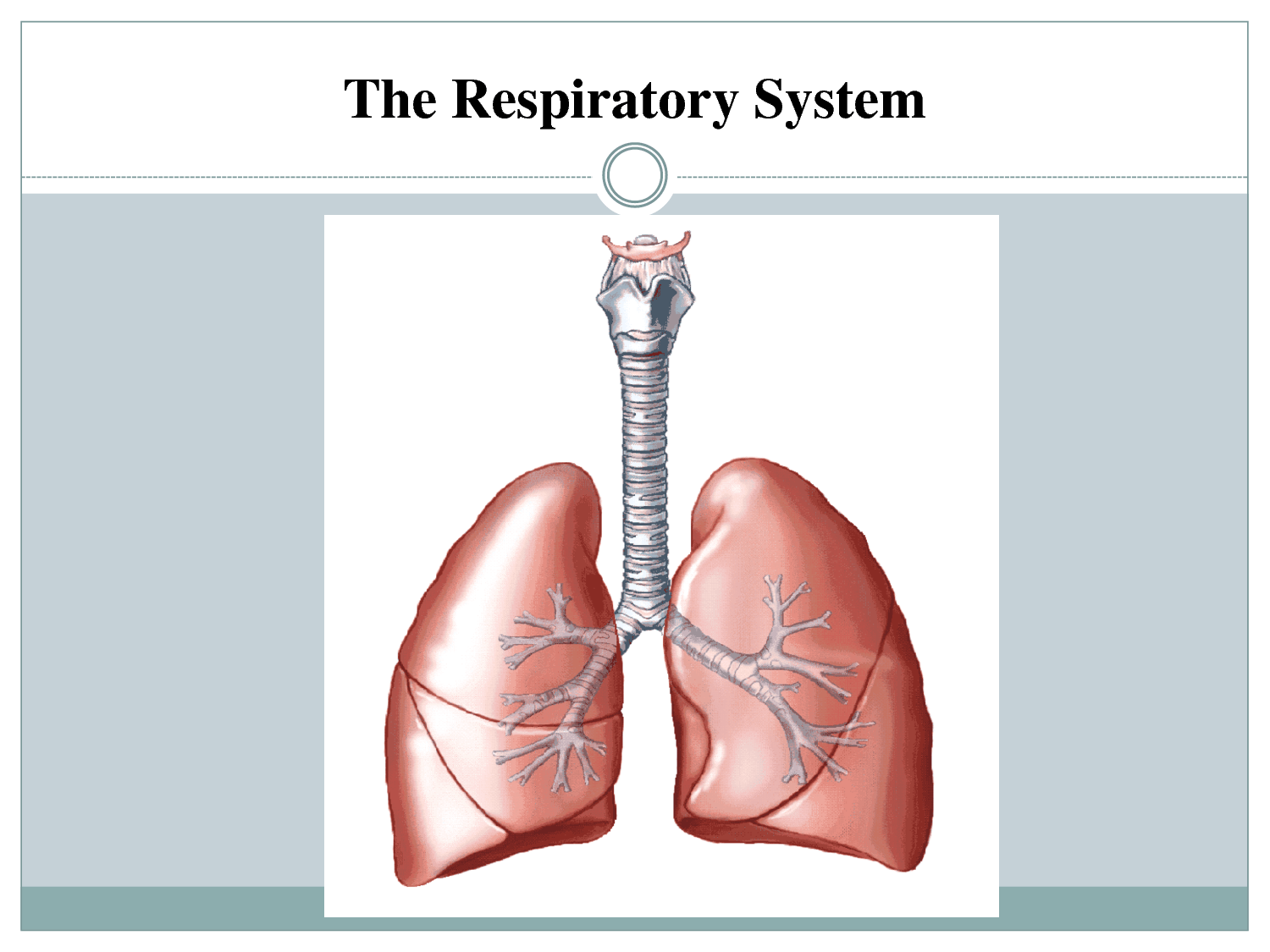
What is the main function of the respiratory system?
a)
to provide oxygen and remove carbon dioxide from the body
b)
to bring oxygen to the body
c)
to break down food and absorb nutrients
d)
to remove oxygen from the body and deliver carbon dioxide
27.
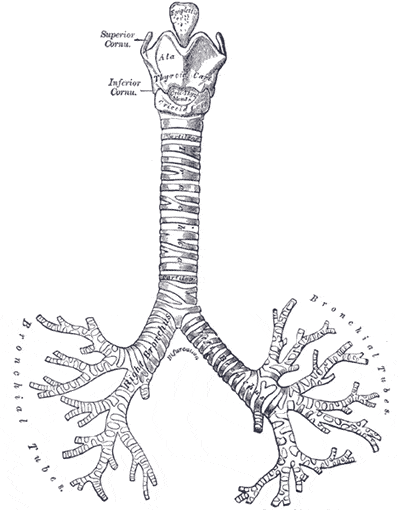
The two main branches from the trachea (one to each lung)
a)
bronchi
b)
alveoli
c)
capillaries
d)
bronchioles
28.
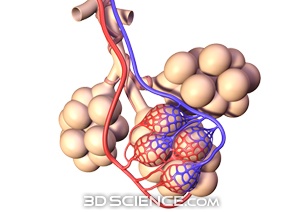
The air sacs that are covered with capillaries where gas exchange takes place
a)
bronchi
b)
lungs
c)
oxygen
d)
alveoli
29.
Flap of skin that covers the opening to the windpipe during swallowing
a)
Stomach
b)
Trachea
c)
Pancreas
d)
Epiglottis
30.

What is the trachea?

a)

a tube that connects the upper respitory system to the lungs

b)

muscle that moves up and down to help expand your lungs

c)

mouth

31.
A long folded tube inside the body attached to the stomach where nutrients in the food are absorbed.
a)
large intestine
b)
small intestine
c)
esophagus
d)
rectum
32.
A fluid in the mouth that helps digest food.
a)
pepsin
b)
pepsi
c)
saliva
d)
salty
33.
A muscular tube that helps move food from the mouth to the stomach.
a)
esophagus
b)
trachaea
c)
small intestine
d)
gall bladder
34.
A series of wave-like muscle contractions that moves food to different processing stations in the digestive tract.
a)
adduction
b)
primary wave
c)
peristalsis
d)
inversion
35.
a)
pancreas
b)
esophagus
c)
stomach
d)
liver
36.
a)
esophagus
b)
liver
c)
stomach
d)
pancreas
37.
a)
stomach
b)
pancreas
c)
large intestine
d)
small intestine
38.
a)
pancreas
b)
trachea
c)
liver
d)
esophagus
39.
a)
large intestine
b)
small intestine
c)
rectum
d)
esophagus
40.
Where does chemical digestion begin?
a)
Mouth
b)
esophagus
c)
stomach
d)
small intestine
41.

Which is the correct pathway that food takes through the digestive system?

a)

mouth, stomach, esphagus, small intestine, large intestine, rectum

b)

mouth, esophagus, stomach, small intestine, large intestine, rectum

c)

mouth, esophagus, small intestine, large intestine, stomach, rectum

d)

rectum, rectum, rectum. Anal retentive teacher

42.
What is the main function of the excretory system?
a)
to collect and remove wastes from the body
b)
to strengthen skeletal muscles
c)
to protect the nervous system
d)
to bring oxygen to body cells
43.
Which organ of the excretory system stores urine until the body is ready to eliminate it?
a)
ureters
b)
urethra
c)
urinary bladder
d)
urea
44.
Tiny filtering structures where urine is produced in the kidneys are called
a)
ureters.
b)
alveoli.
c)
nephrons.
d)
bronchi.
45.

What is the function of the kidneys?

a)

To filter the waste

b)

To store the urine

c)

To transport the urine

46.

Blood cell that protect the body against infection

a)

Platelets

b)

Plasma

c)

Hemoglobin

d)

White Blood Cells

e)

Blood

47.

The top two chambers of the heart

a)

Pulmonary Cirvulation

b)

Valves

c)

Atria

d)

Ventricles

e)

Septum

48.

These are between the atria and ventricles that allow blood to flow through the chambers

a)

Pulmonary Circulation

b)

Valves

c)

Atria

d)

Ventricles

e)

Septum

49.

The lower two chambers of the heart

a)

Pulmonary Circulation

b)

Valves

c)

Atria

d)

Ventricles

e)

Septum

50.

Blood vessels that return blood to the heart

a)

Arterioles

b)

Arteries

c)

Venules

d)

Veins

e)

Capillaries

51.

Blood vessels that carry oxygenated blood away from the heart

a)

Arterioles

b)

Arteries

c)

Veins

d)

Venules

e)

Capillaries

52.

What creates the "lub dub" heart sounds?

a)

Flow of blood

b)

Closing of valves

c)

Opening of valves

d)

Breathing

53.
This part of blood helps it clot, when you get cut.
a)
Red blood cells
b)
Plasma
c)
Platelets
d)
White blood cells
54.
_______ is made mostly of water and makes up about 55% of the blood
a)
Plasma
b)
Platelets 
c)
Red blood cells
d)
White blood cells
55.
What part of blood is responsible for carrying oxygen and carbon dioxide to or from body cells?
a)
Red Blood Cells
b)
White Blood Cells
c)
Platelets
d)
Plasma
56.

Select all answers that represent a "Blood Type"

a)

O

b)

AO

c)

BO

d)

AB

e)

A

57.

Where are red blood cells produced?

a)

Bone Marrow

b)

Heart

c)

Lungs

d)

Brain

58.
What is the function of the lymphatic system?
a)
Drains tissue fluids, waste products & flights against infection.
b)
Prevent swelling
c)
Removes toxins & waste 
d)
Fights against infection 
59.

What is the main function of the endocrine system?

a)

it creates chemicals that are sent around the body to maintain homeostasis

b)

it creates electrical messages that are sent around the body to maintain homeostasis

c)

it maintains the correct level of oxygen in the body to maintain homeostasis

d)

it releases waste from the body to maintain homeostasis

60.
Which of the following describes fertilization? 
a)
cell differentiation to form a blastula
b)
formation of germ layers in a deuterostome
c)
a sperm joining an egg to form a zygote
d)
sperm and egg production
61.
The 3 functions of the MALE reproductive system:
a)
produce sex hormones, produce eggs, provide nourishing environment for the baby
b)
produce sex hormones, produce/store sperm. deliver sperm to female reproductive system
c)
produce hormones, urination, cleansing of reproductive organs
62.
The 3 functions of the FEMALE reproductive system:
a)
produce sex hormones, produce eggs, provide nourishing environment for baby
b)
produce sex hormones, produce/store sperm. deliver sperm to female reproductive system
c)
produce hormones, urination, cleansing of reproductive organs
63.
Fallopian tubes are the structures that carry the released eggs from the ovaries.
a)
true
b)
false
64.
producing one mature egg cell each month
a)
penis
b)
ovaries
c)
menstrual cycle
d)
fertilization
65.
reproductive glands in which eggs are produced
a)
penis
b)
ovaries
c)
menstrual cycle
d)
fertilization
66.
mixture of sperm cells and fluids
a)
scrotum
b)
semen
c)
vagina
d)
ejaculation 
67.
What do you call the process in which the ovary releases a mature egg cell?
a)
penile erection
b)
ejaculation
c)
ovulation
d)
nocturnal emission
68.
How many days does it normally take for a menstrual cycle to take place?
a)
25 days
b)
28 days
c)
35 days
d)
38 days