Wayground logo

Free Printable Worksheets

Font size

S
M
L
XL
Worksheets

Better Biomes Through Science

Total questions: 100

Worksheet time: 2hrs 58mins
Name
Class
Date
1.
A large ecosystem is called a ______
a)
Ecosystem
b)
Habitat
c)
Biome
d)
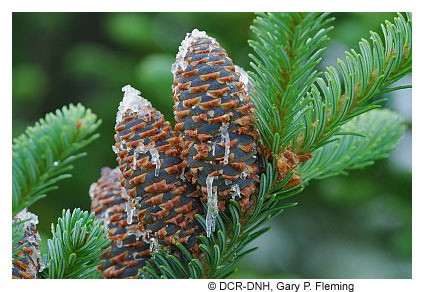
Niche
2.
What is the main factor that separates the biomes?
a)
Land
b)
Water
c)
Climate
d)
Longitude
3.
Which biome is the driest?
a)
Desert
b)
Tundra
c)
Taiga
d)
Rainforest
4.
Which Biome has permafrost?
a)
Temperate Forest
b)
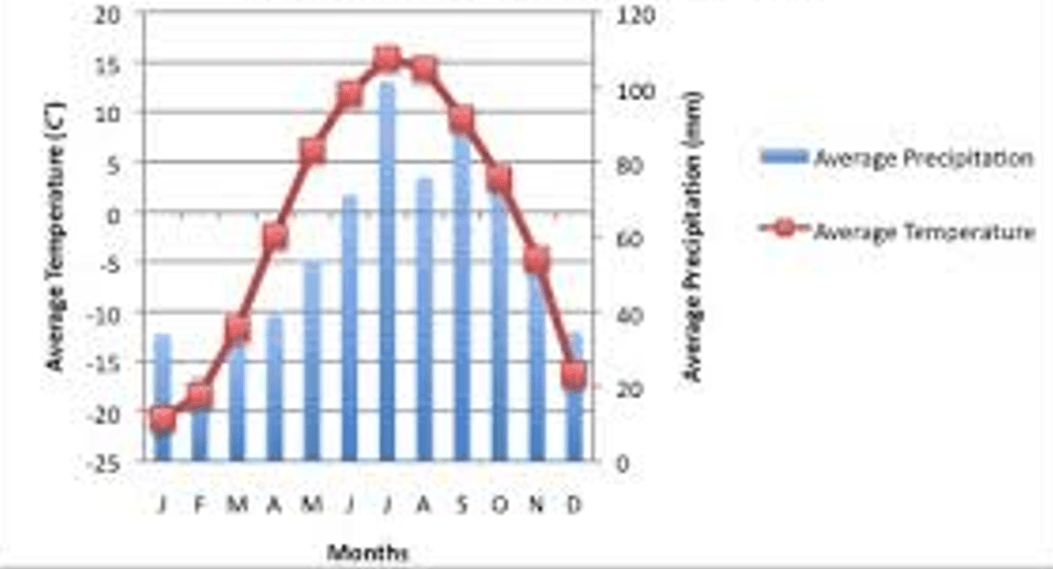
Rainforest
c)
Taiga
d)
Tundra
5.
Which biome has deciduous trees (which lose their leaves)?
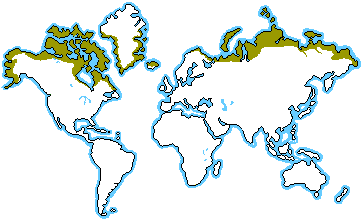
a)
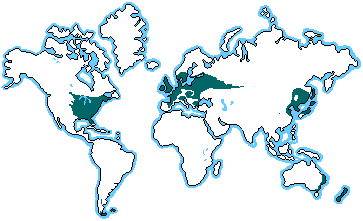
Temperate Forest
b)
Rainforest
c)
Grasslands
d)
Taiga
6.
Which biome has coniferous trees (which don't lose their leaves)?
a)
Taiga
b)
Temperate Forest
c)
Tundra
d)
Grasslands
7.
Which biome has wide-open fields of grass?
a)
Taiga
b)
Grasslands
c)
Temperate Forest
d)
Rainforest
8.

Which biome has the largest variety of plants and animals?

a)

Temperate Forest

b)

Rainforest

c)

Tundra

d)

Grasslands

9.
Which biome has 4 seasons?
a)
Taiga
b)
Tundra
c)
Grasslands
d)
Temperate Forest
10.

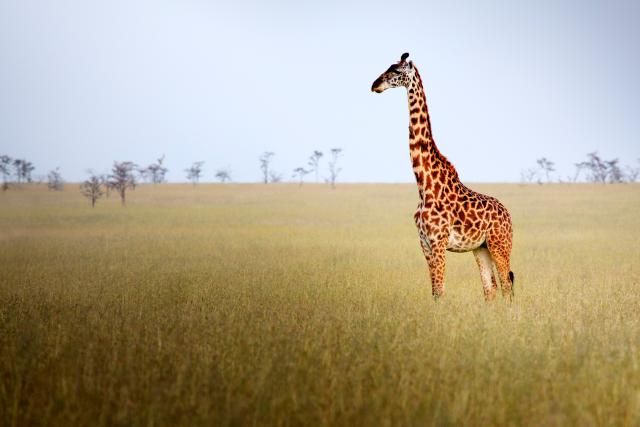
Which biome is home to lions, zebras, wildebeests, giraffes, and elephants?

a)

Tropical Grasslands

b)

Tundra

c)

Rainforest

d)

Temperate Forest

11.
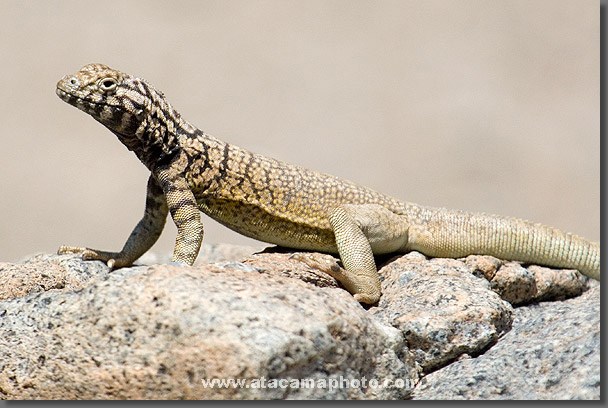
Which biome is home to cacti, scorpions, coyotes, kangaroo rats, and lizards?
a)
Desert
b)
Grasslands
c)
Temperate Forest
d)
Taiga
12.
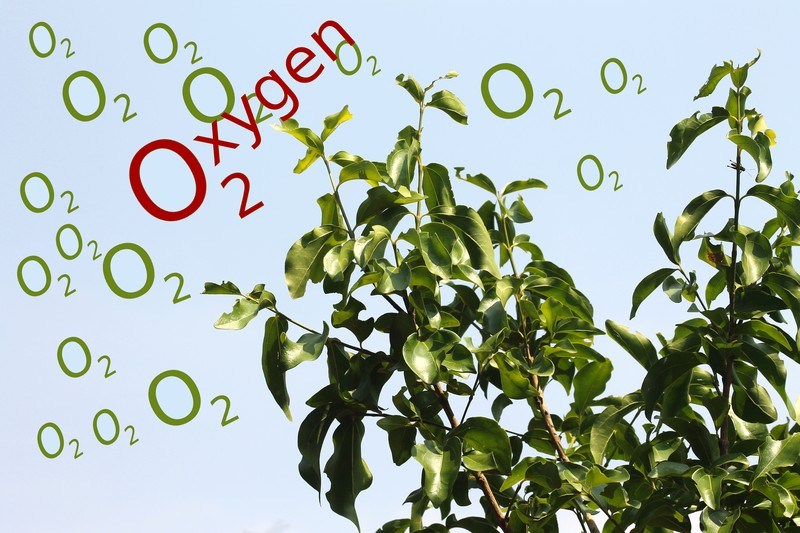
Which biome produces over 50% of the world's oxygen?
a)
Rainforest
b)
Temperate Forest
c)
Grasslands
d)
Taiga
13.

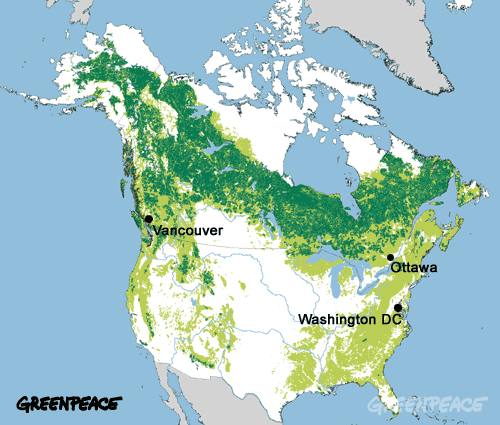
In which forest biome is much of Canada located?

a)

Tundra

b)

Taiga

c)

Temperate Forest

d)

Desert

14.
Which biome is home to jaguars, anacondas, leopards, gorillas, and poisonous tree frogs?
a)
Grasslands
b)
Temperate Forest
c)
Rainforest
d)
Tundra
15.

In which biome would you find giraffes and elephants?

a)

desert

b)

deciduous forest

c)

savanna

d)

tundra

16.

In which biome would you find the best soil? It is called the “Breadbasket of the United States.

a)

grassland

b)

tundra

c)

desert

d)

tropical rain forest

17.

Which biome has a dry season and a wet season?

a)

tundra

b)

tropical rain forest

c)

desert

d)

savanna

18.

Which biome has the worst soil because so much vegetation grows there that are the nutrients are in the trees and plants?

a)

tundra

b)

desert

c)

tropical rain forest

d)

grassland

19.

Which biome gets the most amount of rain every year?

a)

decidious forest

b)

tropical rain forest

c)

desert

d)

tundra

20.

Which biome has the greatest amount of biodiversity? (the most different kinds of organisms)

a)

tundra

b)

grassland

c)

desert

d)

tropical rain forest

21.

Which biome is the coldest?

a)

tundra

b)

desert

c)

grassland

d)

savanna

22.

Which biome has trees that lose their leaves in the fall and regrow them in the spring?

a)

deciduous forest

b)

coniferous forest (taiga)

c)

tropical rain forest

d)

desert

23.

Which biome has conifer trees or evergreens? These trees have needles that are coated in a waxy substance and drop cones.

a)

deciduous forest

b)

desert

c)

coniferous forest (taiga)

d)

tropical rain forest

24.

Which biome has NO trees because much of the ground is frozen all the time?

a)

tundra

b)

desert

c)

savanna

d)

coniferous forest (taiga)

25.

Which biome has all four seasons which are distinct? (you can tell which season it is)

a)

tropical rain forest

b)

desert

c)

deciduous forest

d)

tropical grassland

26.
lichens, mosses, grasses, and other low-growing plants are common vegetation in this biome due to the permafrost, low rainfall, and very cold temperatures
a)
Desert
b)
Taiga
c)
Tundra
d)
Grasslands
27.
True of False?  
Animals that live in the desert have adapted to live with little water since the desert gets little rainfall.
a)
True
b)
False
28.
A biome is......
a)
Like a snowglobe that you shake and can see different types of animals.
b)
A large region of earth with a certain type of climate
c)
An area of earth only found in the United States.
d)
A community of living things.
29.
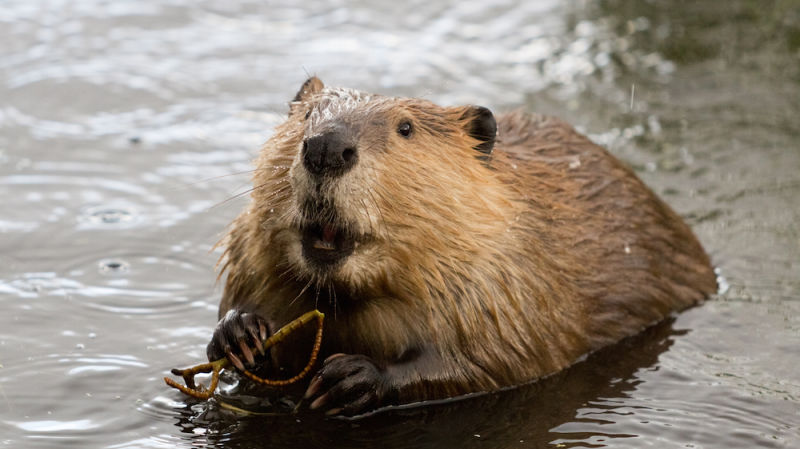
Birds, beavers, fish, and insects live in this biome.
a)
Marine
b)
Freshwater
c)
Tundra
d)
Taiga
30.
Deer, squirrels, and rabbits live in this cool biome.
a)
Tropical Rainforest
b)
Savannah
c)
Mountainous Forest
d)
Temperate Forest
31.
This biome includes three zones: intertidal, near-shore, and open ocean zone and includes living thins such as crabs, otters, and whales.
a)
Wetlands
b)
Marine
c)
Ocean
d)
Freshwater
32.
This is the most important thing that makes each biome different from each other.
a)
Animals
b)
Location
c)
Climate
d)
People
33.
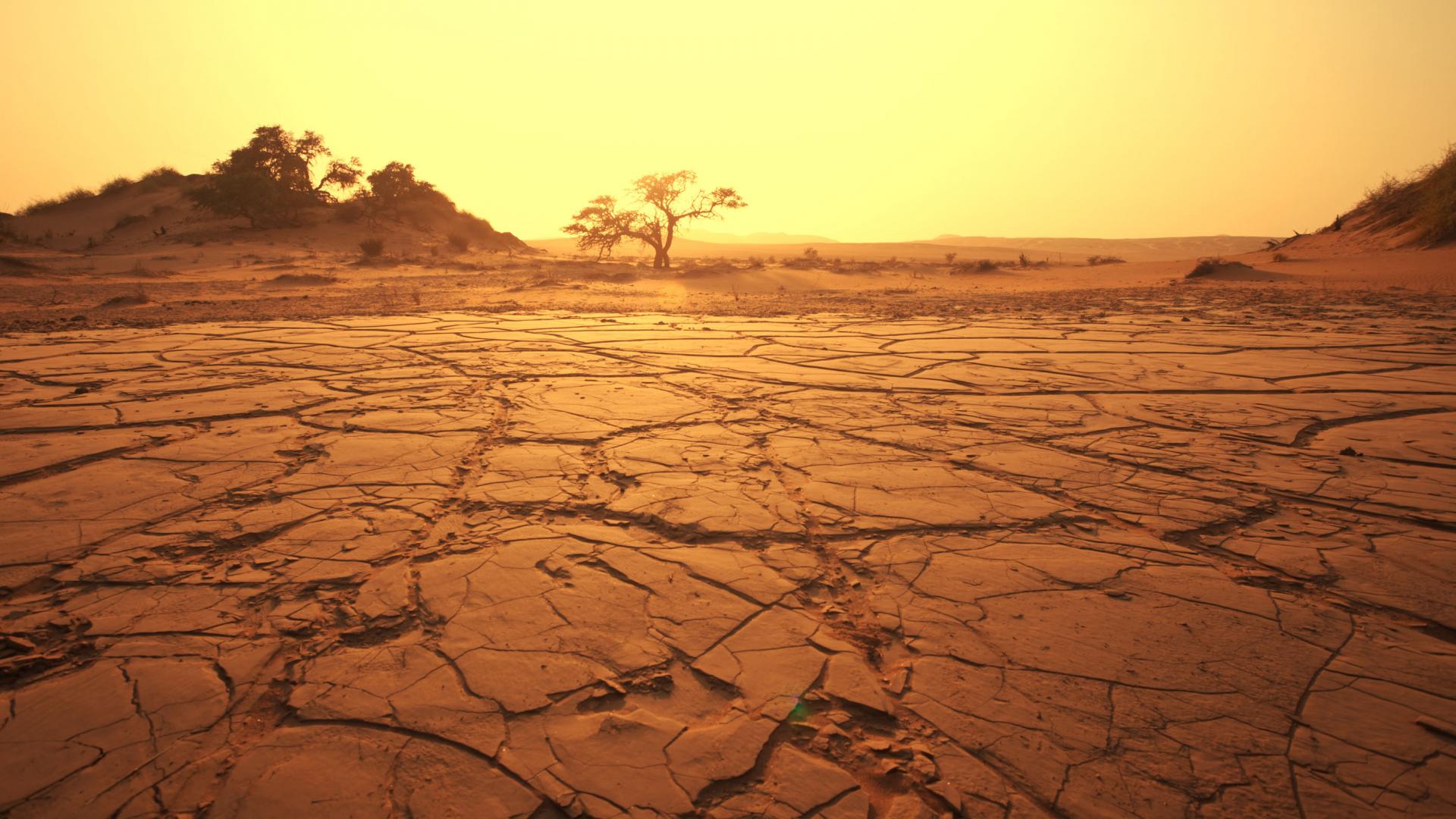
What is this biome?
a)
Coniferous Forest
b)
Desert
34.
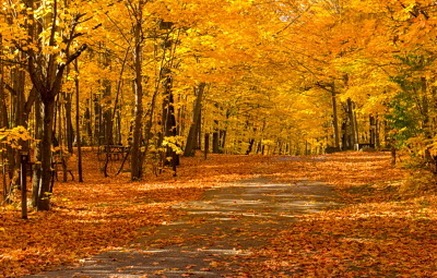
What is this biome?
a)
Deciduous Forest
b)
Tropical Rainforest
35.
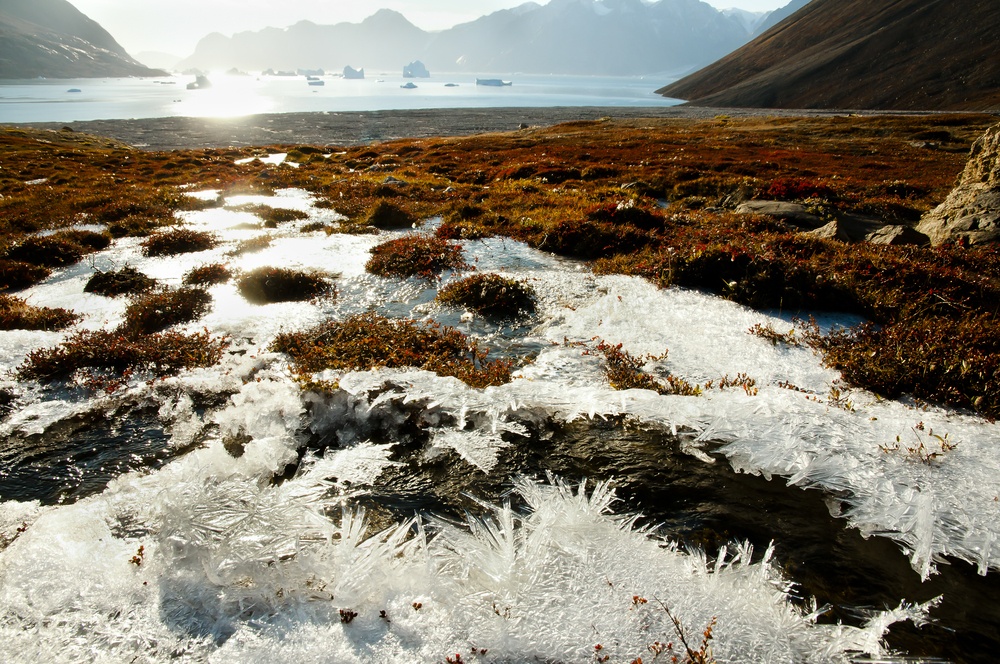
What is this biome?
a)
Desert
b)
Arctic Tundra
36.
What is this biome?
a)
Desert
b)
Arctic Tundra
c)
Tropical Rainforest
37.
What is this biome?
a)
Grassland
b)
Desert
38.
What is this biome?
a)
Arctic Tundra
b)
Desert
39.

This is the only state in the United States with tropical rainforests.

a)

Georgia

b)

Hawaii

40.

What is it called when animals move from one area to another.

a)

migration

b)

vacation

41.
We live in the deciduous forest biome.  How many seasons do we have?
a)
2
b)
4
c)
6
42.
Biome with many scattered shrubs, tall grasses and small trees.
a)
Savannah
b)
Grassland
c)
Desert
d)
Taiga
43.
Biome with plants and grasses, but no trees.
a)
grassland
b)
savannah
c)
taiga
d)
tundra
44.
Forest biome with many different trees, mosses and ferns; most trees lose and regrow their leaves each year.
a)
temperate rainforest
b)
biome
c)
savannah
d)
boreal
45.
The kangaroo rat is able to get all of the water it needs through it's food and therefore, never needs to drink liquid. This animal has adapted to survive in which biome that rains less than 2 inches a year?
a)
Forest
b)
Tundra
c)
Desert
d)
Grassland
46.
In an experiment testing how plant water intake affects a plant's growth, what would be the independent variable?
a)
Glucose production
b)
Plant growth
c)
Amount of water
d)
Sunlight
47.
Choose the correct order of organization from smallest to largest
a)
Species--> Population--> Community--> Ecosystem-->Biosphere
b)
Community--> Species--> Population--> Biosphere --> Ecosystem
c)
Ecosystem--> Community--> Species--> Population--> Biosphere 
d)
Population-->Species--> Community--> Ecosystem-->Biosphere
48.
What is the term used to describe all living things in an ecosystem?
a)
Biotic Factors
b)
Abiotic Factors
c)
Environmental Factors
d)
Population
49.
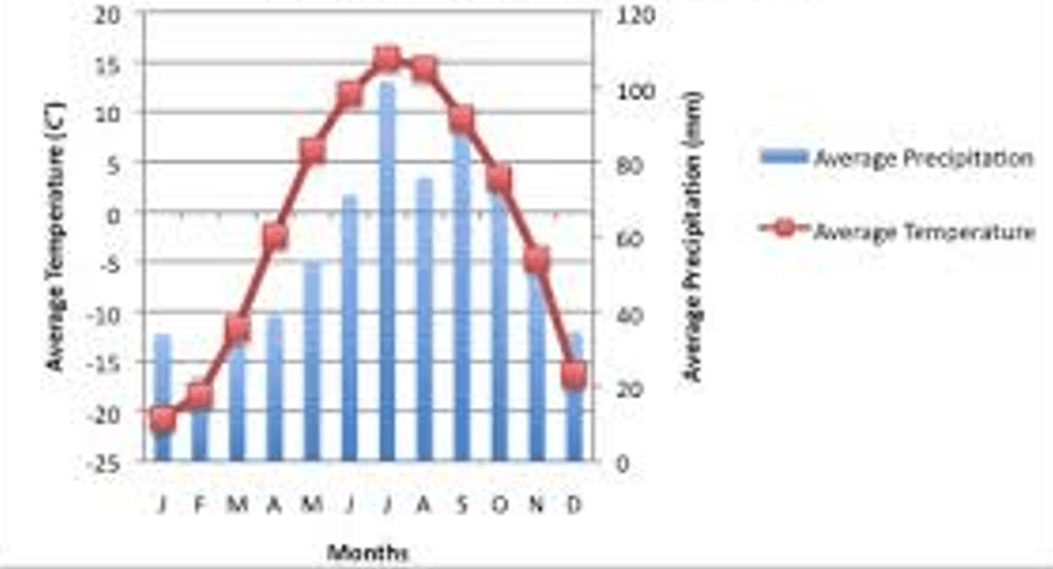
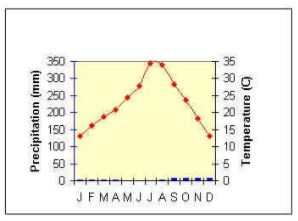
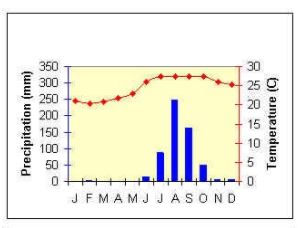
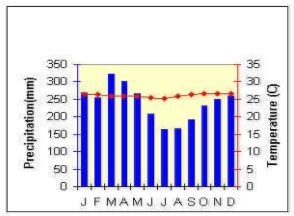
Which biome is represented by the climatograph?
a)
Rainforest
b)
Taiga
c)
Savanna
d)
Temperate Forest
50.
Biomes tend to be found at the same...?
a)
Longitude
b)
Latitude
c)
Elevation
d)
Climate
51.
The most important abiotic factors when studying biomes are...
a)
Food and Water
b)
Water and Sunlight
c)
Temperature and Oxygen
d)
Water and Temperature 
52.
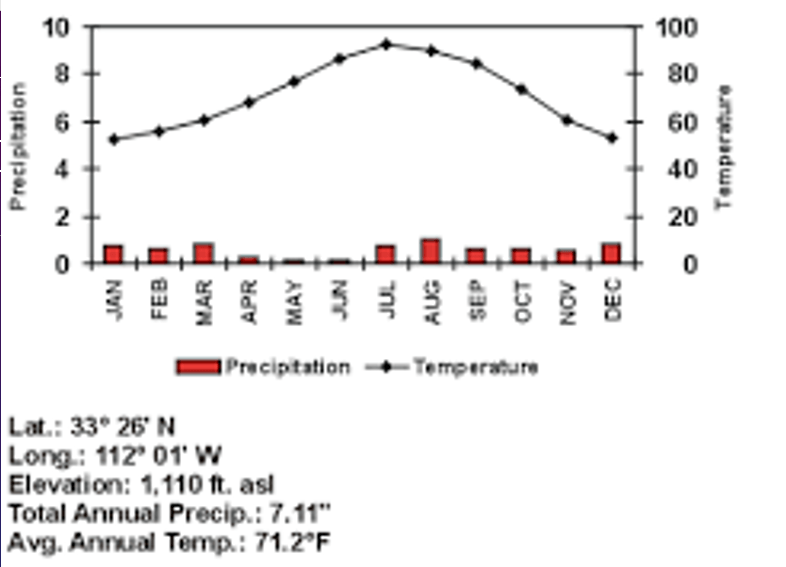
Which biome is represented by the climatograph?
a)
Grassland
b)
Tundra
c)
Desert
53.
The line graph represents?
a)
Temperature
b)
Precipitation
c)
Wind Direction
54.
The bar graph represents?
a)
Temperature
b)
Precipitation
c)
Wind Direction
55.
Which biome is characterized by low temperatures and low amounts of rainfall?
a)
tundra
b)
desert
c)
temperate deciduous forest
d)
tropical rain forest
56.
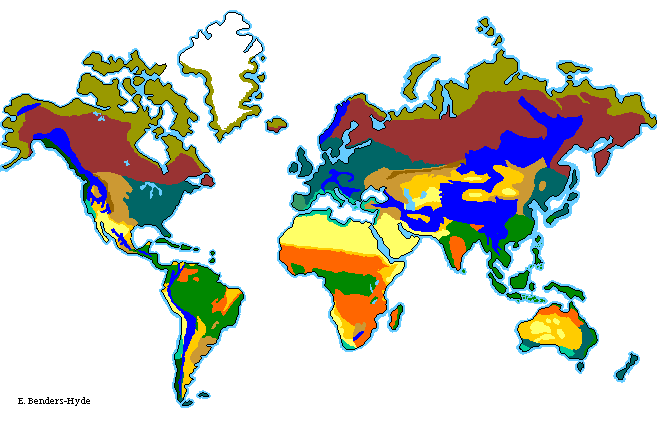
The area of the map shaded in green represents which of the following terrestrial biome
a)
Coniferous Forrest
b)
Deciduous Forrest 
c)
Desert
d)
Tundra
57.
The area of the map shaded in dark blue represents which of the following terrestrial biome
a)
Coniferous Forest
b)
Deciduous Forest
c)
Desert
d)
Tundra
58.
Which two biomes have the least precipitation?
a)
tropical rain forest and temperate grasslan
b)
savanna and tropical dry forest
c)
tundra and desert
d)
boreal forest and temperate woodland
59.
Which of the following BEST MATCHES the meaning of the word TEMPERATE.
a)
temperatures within moderate limits
b)
an area with trees and bushes
c)
a forest with plants growing together
d)
an area with all the same temperature
60.
The trees in this forest biome have needle like leaves that are hard to eat.
a)
taiga
b)
deciduous forest
c)
Temperate grasslands
d)
deserts
61.

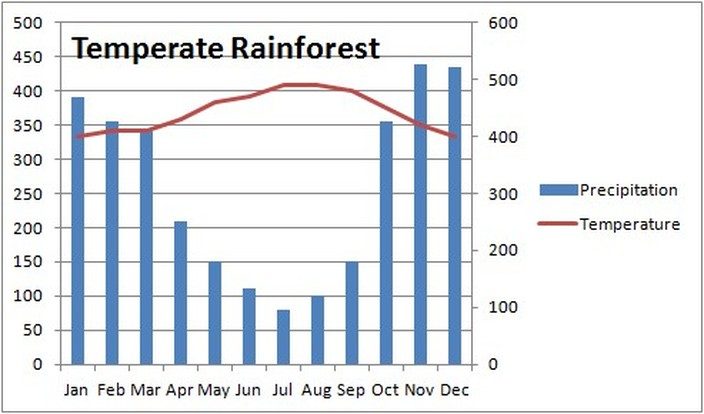
Study the graph and decide the most likely biome

a)

Cold Climate Desert

b)

Tropical Rainforest

c)

Temperate Rainforest

d)

Hot Climate Desert

62.
a)

Temperate Grassland

b)

Hot Desert

c)

Tundra

d)

Tropical Grassland

63.
a)
Temperate Grassland
b)
Tropical Rainforest
c)
Subtropical
d)
Alpine
64.
True of False: The temperature of the ocean water decreases as the depth of the water increases.
a)
True
b)
False
65.
What are tiny organisms that float near the surface of the water?
a)
plankton
b)
organisms
c)
abiotic factor
d)
insects
66.
True or False: Temperature does NOT affect the animals that live in marine ecosystems.
a)
True
b)
False
67.
The _________ zone is the ocean floor.
a)
intertidal
b)
neritic
c)
oceanic
d)
benthic
68.
The __________ zone is the place where the ocean meets the land.
a)
intertidal
b)
neritic
c)
oceanic
d)
benthic
69.
In the _________ zone, the sea floor drops sharply.
a)
intertidal
b)
neritic
c)
oceanic
d)
benthic
70.
The deepest parts of the benthic zone do not get any _________.
a)
sunlight
b)
food
c)
fish
d)
chemicals
71.
Through evaporation, the ocean provides most of the water that makes up Earth's _____________.
a)
precipitation
b)
condensation
c)
evaporation
72.
An area where fresh water from streams and rivers spills into the ocean is called an _____________.
a)
plankton
b)
estuary
c)
sargassums
d)
coral reefs
73.
Where are most coral reefs found?
a)
warm, shallow areas of the neritic zone
b)
deepest, dark areas of the benthic zone
c)
deep water of the open ocean
74.

The marine ecosystem providing the most habitat and with the MOST diversity is

a)

sandy beach

b)

rocky shore

c)

coral reef

d)

kelp forest

75.

Adaptations for attachment and the ability to bend with the waves, as well as to protect against drying out, are part of organisms in this marine zone:

a)

benthic zone

b)

estuary

c)

intertidal zone

d)

open-ocean zone

76.

This picture shows a(n)

a)

sandy beach

b)

open ocean

c)

kelp forest

d)

estuary

77.
Which of the following is NOT a biotic factor?
a)
Walrus
b)
Squid
c)
Salinity
d)
Algae
78.
Which of the following organisms pulls carbon from the atmosphere to make food?
a)
Dolphins
b)
Sharks
c)
Phytoplankton
d)
Fish
79.
Which of the following is the process of pulling CO2 form the atmosphere to make food?
a)
Photosynthesis
b)
Cellular Respiration
c)
Decomposition
d)
Nitrification
80.
What do you call ONE species all living in the same environment?
a)
Population
b)
Community
c)
Ecosystem
d)
Biome
81.

What are the three types of water ecosystems?

a)

freshwater, saltwater, marine

b)

freshwater, marine, estuary

c)

freshwater, saltwater, ocean water

d)

none of these are correct

82.

All of the following are examples of freshwater ecosystems EXCEPT ________________.

a)

ponds

b)

Estuaries

c)

lakes

d)

rivers

83.

What is an aquatic ecosystem?

a)

An aquatic ecosystem includes any water environment and the community of organisms that live there

b)

An aquatic ecosystem includes any land environment and the community of organisms that live there.

84.

Select all of the Abiotic factors below (multiple answers)

a)

water temperature

b)

all the plants in the ecosystem

c)

salinity (salt level)

d)

amount of light

e)

pH levels

85.

A(n) ________________ is an area of land that is covered or saturated with water for at least part of the year. Bogs, marshes, and swamps are all examples of this kind of land.

a)

Marine ecosystems

b)

Freshwater ecosystems

c)

Wetlands

86.

A(n) _______________ is a partially enclosed body of water formed where a river flows into an ocean. This is one of the major types of aquatic ecosystems, that consists of a mixture of saltwater and freshwater.

a)

Wetland

b)

Estuary

c)

Swamp

d)

Bogs

87.

After researching the diets of several birds inhabiting a nearby pond, a student goes on a field investigation to observe the feeding habits of the birds. The student records information form research and observations in the table.


The student observes a great blue heron catching fish near the edge of the pond. based on the information the student collected, which bird will compete with the great blue heron for the same hunting spots and similar prey?

a)

The mallard, because it hunts for fish while wading near the edge of the pond.

b)

The pied-billed grebe, because it dives in open water to get crayfish on the bottom of the pond.

c)

The great egret, because it hunts in water near the edge of the pond for fish and other prey

d)

none of these.

88.

Cattails in freshwater swamps in New York State are being replaced by purple loosestrife plants. The two species have very similar environmental requirements. This observation best illustrates

a)

variation within a species

b)

competition between species

c)

isolation of species populations

d)

random recombinations

89.

Leeches are organisms that live in ponds. They feed on the blood of fish and other vertebrates and produce enzymes, which cause the animal on which it feeds to continue bleeding even after the leech is done feeding. This relationship would be classified as which of the following?

a)

freshwater producer/consumer

b)

marine predator/prey

c)

freshwater parasite/host

d)

terrestrial parasite/host

90.

Which of the following describes a predator/prey relationship in a marine environment?

a)

Phytoplankton in the sea make food from sunlight.

b)

Sharks consume smaller fish they catch in the ocean.

c)

Frogs in a pond catch and eat flying insects.

d)

Fish of the same species compete for plants to eat.

91.

Cattails grow near the edges of lakes, ponds and rivers. Like all other green plants, they turn sunlight into sugar that they use for food. Ducks eat the cattails to get the energy stored in them. The relationship between cattails and ducks is best classified as which of the following?

a)

freshwater producer/consumer

b)

freshwater predator/prey

c)

terrestrial predator/prey

d)

terrestrial parasite/host

92.

In an ocean's benthic zone

a)

typically contains many coral reefs

b)

An area of low-lying ground where rain water collects.

c)

In very deep ocean waters, few plants can grow. Animals often are bio-luminescent.

d)

A coastal ecosystem that is regularly flooded by the tides.

93.

What is at the base of the food chain in the ocean?

a)

whales

b)

phytoplankton

c)

turtles

d)

zooplankton

94.

Where is the littoral zone of a lake?

a)

Shoreline

b)

Middle of lake

c)

Open waters

d)

Bottom of lake

95.

Pond/Lake Plants

a)

mangrove, sea rush, oioi, jointed rush

b)

water lilies, algae, cattails

c)

mallard duck, crayfish, snapping turtle

d)

coralline algae, phytoplankton

96.
The temperature of a tropical climate is?
a)
consistently warm
b)
consistently cool
c)
consistently moderate
d)
warm and cool
97.

Approximately how many inches of rain did Anqing receive in June?

a)

22 inches

b)

20 inches

c)

9 inches

d)

15 inches

98.
Which city has the highest rainfall in July? 
a)
Iquitos ( Graph on Left)
b)
Monrovia (Middle Graph)
c)
Normanton (Graph on Right)
d)
None of the above
99.
How much rainfall does Anqing recieve in September?
a)
10 inches
b)
80 inches
c)
4 inches
d)
1 inches
100.
What is the maximum temperature on this graph?
a)
-7 degrees
b)
35 degrees
c)
70 degrees
d)
9 degrees