Wayground logo

Free Printable Worksheets

Font size

S
M
L
XL
Worksheets

Semester 2 Review

Total questions: 140

Worksheet time: 3hrs 33mins

Name
Class
Date
1.
What do mutations change?
a)
DNA
b)
Chromosomes
c)
Genes
2.

Mutations are random.

a)

True

b)

False

3.
An organism gets to choose if the mutation is helpful, harmful or neutral.
a)
True
b)
False
4.

Mutations can benefit humans because they can:

a)

Cause illness

b)

Make an organism more suited to live in its environment.

c)

Make organisms live shorter lives

d)

Cause organisms to grow extra limbs.

5.

True or false, mutations create genetic diversity?

a)

True

b)

False

6.
A group of animals , humans or plants
a)
Species
b)
Environment
c)
Biology 
d)
Chromosome
7.
Changes and differences
a)
Species
b)
DNA
c)
Genes
d)
Variation
8.
A giraffe has a long neck in order to better reach leaves to eat.  This is an example of _____. 
a)
an adaptation
b)
environment
c)
response
d)
stimulus
9.
Which adaptation (for the underlined animal) serves the function of defense?
a)
A walking stick looks like the twig on which it rests.
b)
A porcupine’s quills cause a predator to seek another meal.
c)
A whale filters plankton and krill from the water in which it swims.
d)
A penguin is dark on top and white below to blend in with the water.
10.
An inherited trait that helps those organisms that have it to survive
a)
niche
b)
structure
c)
characteristic
d)
adaptation
11.
Coloring or another physical characteristic that help an organism blend in with its environment
a)
mimicry
b)
camouflage
c)
hibernation
d)
migration
12.
Which foot has adaptations for surviving in a water environment?
a)
A
b)
B
c)
C
d)
D
13.
Survival of the Fittest and Evolution were proposed by what scientist?
a)
Charles Darwin
b)
Albert Einstein
c)
Steven Hawking
d)
Isaac Newton
14.
When every organism of a species has died.
a)
Evolution
b)
Natural Selection
c)
Extinction
d)
Artificial Selection
15.
Where the better adapted organisms survive to pass traits along to offspring.
a)
Evolution
b)
Natural Selection
c)
Extinction
d)
Artifical Selection
16.
Why are advantageous traits more likely to be passed onto offspring?
a)
Because they are more likely to survive and reproduce.
b)
Because they come from dominant alleles.
c)
Because they come from recessive alleles.
d)
Because the trait is an acquired phenotype.
17.
Which organisms are most likely to survive?
a)
the best adapted
b)
the fastest
c)
the strongest
d)
the most domesticated (tamed)
18.
Do organisms "decide" to evolve and change?
a)
Yes, they know they need to change to survive 
b)
No, they change because of natural selection
19.
The differences among a species, like different bird beaks, are called
a)
genes.
b)
variations.
c)
traits.
d)
theories.
20.
Since the 1800s humans have stopped burning coal, and the trees have returned to their original color. Which moth will be more successful in this environment?
a)
Dark moth
b)
Light moth
c)
Both will be equally successful
d)
Neither will be successful
21.
Which best describes the role of mutations in natural selection?
a)
Mutations help an organism to better survive in their environment
b)
An organism may acquire a helpful mutation by interacting with the environment
c)
A mutation may result in an adaptive trait that makes an organism more likely to survive and reproduce
d)
Organisms with certain traits are more likely to win competitions for mutations
22.
a bird that can easily outcompete other birds for food and that can produce many eggs has a high
a)
sexuality
b)
mutation rate
c)
fitness
d)
adaptability
23.

Which statement about natural selection is most correct?

a)

Adaptations beneficial in one habitat should generally be beneficial in all other habitats as well.

b)

Different species that together occupy the same habitat will adapt to that habitat by undergoing the same genetic changes.

c)

Adaptations beneficial at one time should generally be beneficial during all other times as well.

d)

Well-adapted individuals leave more offspring, and thus contribute more to the gene pool, than poorly adapted individuals.

24.

The more genetic variation a population has,

the more likely it is for some individuals to

a)

evolve

b)

migrate

c)

survive

d)

mutate

25.
Mutations are important because they bring about
a)
death of the organism in which they develop
b)
genetic variation needed for a population to evolve
c)
benefits for the individual, not for the population
d)
Hardey-Weinberg equilibrium within a population
26.
DNA is evidence of evolution.
a)
True
b)
False
27.
The gradual change in species over time is...
a)
Evolution
b)
Nucleotide 
c)
Adaptation
d)
Natural Selection
28.
Darwin wrote that organisms with traits that are best suited to the environment will ________________
a)
increase in number
b)
become extinct
29.
Which term refers to the process by which individuals that are better suited to the environment survive and reproduce therefore passing down their genes to their offspring? 
a)
Evolution 
b)
Variation 
c)
Adaptation
d)
Natural Selection 
30.
The white feathers of a snowy owl allow it to blend in with its environment during the winter months (snow). This is an example of ________________
a)
Species
b)
Environmental Change
c)
Adaptation
d)
Variation
31.
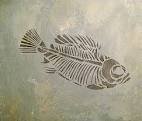
If scientists found this fossil, what could they infer?
a)
what fish are like today
b)
that this fish lacked oxygen
c)
what kind of animal ate this fish
d)
that water once covered the area
32.
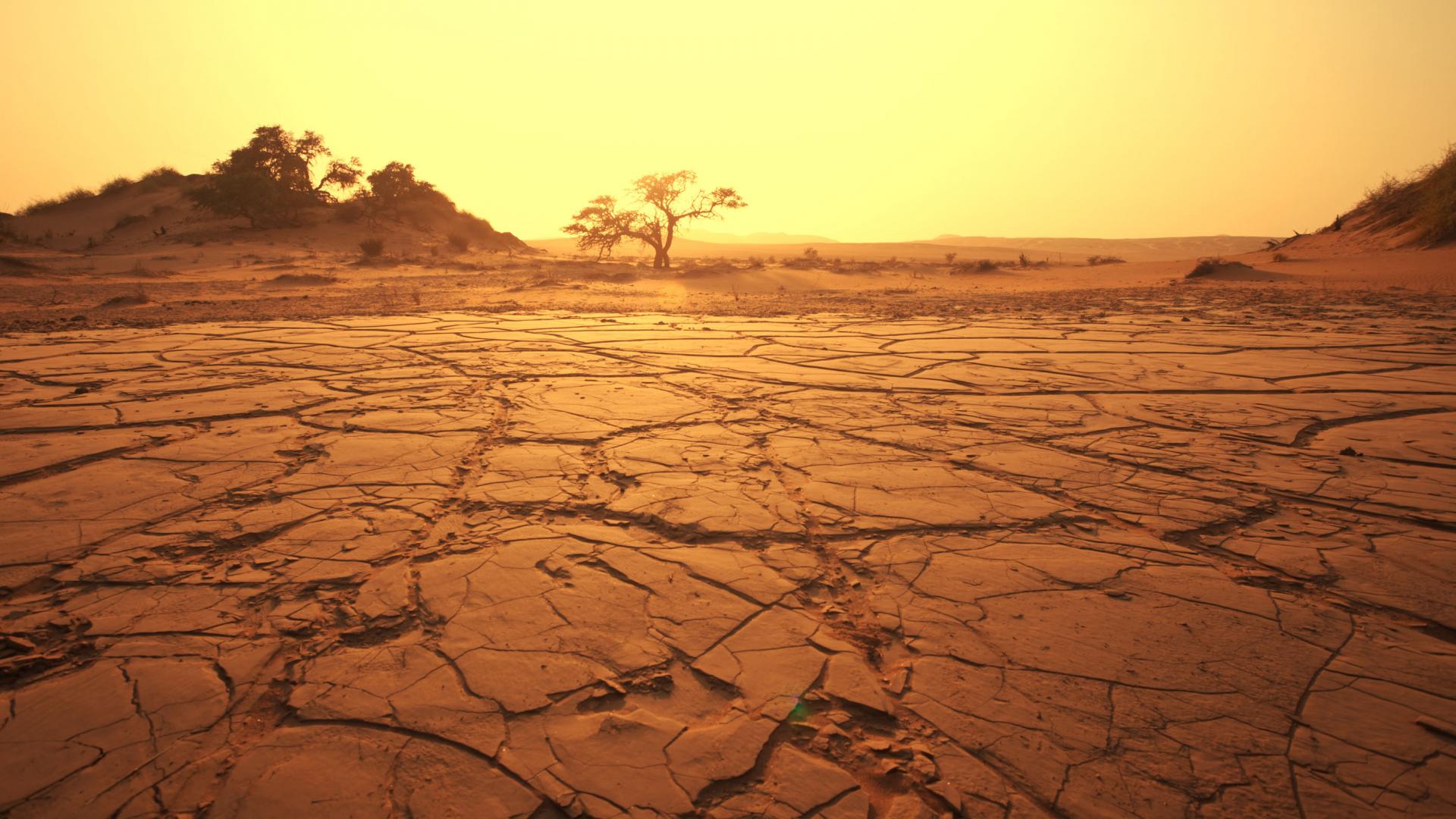
Finding the fossils of trees in an area that is currently a desert without much life might tell us that the area, millions of years ago - 
a)
was heavily eroded by strong winds
b)
received enough rain to support a forest
c)
suffered very powerful earthquakes
d)
was destroyed by the impact of meteorites
33.
According to the law of superposition, the oldest fossils are found 
a)
At the top of the rock layers
b)
Near the bottom of the rock layers
c)
In the middle of the rock layers
d)
Somewhat near the surface
34.

How does the fossil record help to support the theory of evolution?

a)

the fossil record shows that organisms slowly change over time

b)

The fossil record shows that species evolve very quickly

c)

The fossil record does not support the theory of evolution

35.
In horizontal rock layers, the oldest layers are on the bottom and the youngest layers are on top.
a)
true
b)
false
36.
The Aztecs and Maya Tribes of Mexico where some of the first humans to slowly change wild corn to the corn we know today. What process did these tribes use?
a)
Natural Selection
b)
Artificial Selection "Selective Breeding"
c)
Mitosis
d)
Cell Membrane
37.
A German Shepard would probably not survive in the wild because...
a)
the dog is mixed.
b)
the dog is a product of artificial selection and not adapted for the wild.
c)
the dog is dumb.
d)
the dog is a product of natural selection and can survive in the wild.
38.
The phrase "Survival of the Fittest" would best describe...
a)
Natural Selection 
b)
Artificial Selection 
c)
Selective Breeding
d)
Rainbow Trout 
39.
Scientist have created larger and sweeter strawberries for humans to consume (eat). What process was used?
a)
Natural Selection 
b)
Artificial Selection 
c)
Cellular Respiration 
d)
Environmental Natural Selection 
40.
If a mouse population changes color from white to black over many generations due to their environment, what selection is taking place?
a)
Natural Selection 
b)
Selective Breeding
c)
Artificial Selection 
d)
Hydrogen and Helium 
41.

How is a variation different from an adaptation?

a)

All differences are variations. Only helpful differences are adaptations.

b)

All differences are adaptations. Only negative differences are variations.

c)

Variations are negative while adaptations are positive.

d)

Variations and adaptations are the same thing.

42.

The coral snake is extremely poisonous. The scarlet snake is not poisonous, but looks similar to the coral snake. How did this happen?

a)

The scarlet snake made itself look like to the coral snake to avoid predators.

b)

The coral snake showed the scarlet snake how to look poisonous.

c)

Scarlet snakes with coloring similar to the coral snake were less likely to get eaten, so they survived.

d)

The scarlet snake resembles the coral snake completely by accident.

43.

On an island where the most common plants are long-stem flowers, what would you expect the bird population to have?

a)

Large strong beaks for cracking things open.

b)

Long, thin beaks for reaching inside things.

c)

Sharp, curved beaks for ripping things apart.

d)

Deep, wide beaks for scooping things up.

44.

What could cause a population of mostly light termites to change to mostly dark termites?

a)

The light termites decided to become darker to fit in better at night.

b)

Environmental pollution caused the trees in the area to darken.

c)

The termites decided to become nocturnal.

d)

The termites had to find a new food source.

45.

"Whales and dolphins are genetically related, so whales probably evolved into dolphins." How could you fix this statement?

a)

Whales and dolphins both came from the same common ancestor.

b)

Dolphins probably evolved into whales.

c)

DNA shows whales and dolphins are unrelated.

d)

Species cannot change over time.

46.
Which two kingdoms are entirely multicellular?
a)
Animalia and Plantae
b)
Animalia and Protista
c)
Protista and Plantae
47.
To say that an organism is heterotrophic means...
a)
it cannot reproduce asexually
b)
it cannot make its own food
c)
it cannot breathe oxygen gas
48.
Which kingdoms have some organisms that can make their own food (autotrophic)?
a)
Plantae and Animalia
b)
Fungi and Plantae
c)
Protista and Plantae
49.
Organisms whose cells have NO nucleus are classified as...
a)
Eukaryotic
b)
Prokaryotic
c)
Dead
50.
Fungi are a type of...
a)
decomposer
b)
producer
51.
What is the genus name here:
Canis lupus
a)
Canis
b)
lupus
52.
Mold, yeast, and mushrooms all belong to the Kingdom _______.
a)
Archaebacteria
b)
Fungi
c)
Eubacteria
d)
Protista
53.
Tigers, Jellyfish, Gorillas and Sponges are all part of kingdom _______.
a)
Animalia
b)
Plantae
c)
Fungi
d)
Bacteria
54.
The scientific name for an organism is made from the:
a)
class and family name
b)
genus and species name
c)
domain and kingdom name
d)
kingdom and phylum name
55.
Term given to describe the 2 name naming system is:
a)
dichotmous key
b)
binomial nomenclature
c)
2 scientific names
d)
binomial key
56.
Which of the following organisms are MOST closely related?
a)
organisms that share a domain
b)
organisms that share a family 
c)
organisms that share a genus 
d)
organisms that share an order  
57.
Who first proposed binomial nomenclature as a way of classifying organisms?
a)
Carolus Linnaeus
b)
Carl's Jr.
c)
Charles Darwin
d)
Henry Groseclose
58.
What is the most specific level of classification?
a)
Family
b)
Domain
c)
Species
d)
Carolus Linnaeus
59.
When DNA is contained in a nucleus, the cell is
a)
eukaryotic
b)
prokaryotic
c)
unicellular
d)
multicellular
60.
All organisms that do not fit into plant, fungi, and animal kingdoms but have a nucleus are:
a)
archaebacteria
b)
eubacteria
c)
protists
d)
fungus
61.
This domain is characterized by ancient bacteria that can live in extreme environments, such as hot springs.
a)
Archaea
b)
Bacteria
c)
Eukarya
d)
Prokarya
62.
The science of naming and classifying organisms is called
a)
Taxonomy
b)
Classifying
c)
Naming
d)
Taxing
63.

Which phrase best describes the classification of these two organisms?

a)

same kingdom, same species

b)

same kingdom, different species

c)

different kingdoms

d)

different kingdoms, same species

64.

Which of the following was a problem with Aristotle's classification system?

a)

Bacteria cannot be classified as plants or animals.

b)

Similar organisms were put in groups together.

c)

There were too many possible categories.

d)

Aristotle's taxonomy could only classify animals.

65.

Which of the following is the correct order of Linnaeus's taxonomic levels?

a)

Kingdom, phylum, class, order, family, genus, species.

b)

Kingdom, order, class, phylum, genus, family, species.

c)

Kingdom, phylum, order, family, class, genus, species.

d)

Kingdom, family, class, order, phylum, genus, species.

66.
Moss belongs in the kingdom...
a)
Fungi
b)
Plantae
67.
Algae and Kelp belong to the Kingdom...
a)
Plantae
b)
Protista
c)
Fungi
d)
Eubacteria
68.
Which kingdom is autotrophic AND has a cell wall?
a)
Bacteria
b)
Fungi
c)
Plantae
d)
Protista
69.
Which kingdom do humans belong to?
a)
Plantae
b)
Fungi
c)
Animalia
d)
Protista
70.
An illustration and a dichotomous key are given. What is the correct classification for this organism?
a)
Class Insecta
b)
Order Amblygygi
c)
Order Araneae
d)
Order Scorpiones
71.
A dichotomous key for trees is provided. Hikers found a tree that has large brown cones and single sharp needles. What species of tree have the hikers found?
a)
Juniper
b)
Pine
c)
Spruce
d)
Fir
72.
What step do we always start with when using dichotomous keys?
a)
1
b)
2
c)
3
d)
4
73.
Animals must eat other organisms for food, so they are classified as--
a)
heterotrophs
b)
autotrophs
c)
eukaryotic
d)
prokaryotic
74.
This kingdom is unicellular and prokaryotic.
a)
Bacteria
b)
Protista
c)
Fungi
d)
Animalia
75.
What kingdom is always multicellular, heterotrophic and has NO cell wall?
a)
Protista
b)
Fungi
c)
Plantae
d)
Animalia
76.

This kingdom contains organisms that are unicellular, eukaryotic, and often live in water. Amoeba, euglena, and paramecium are a part of this kingdom.

a)

Animalia

b)

Eubacteria

c)

Fungi

d)

Protista

77.
Organisms that are classified as unicellular are --
a)
seen with the naked eye
b)
many celled organisms
c)
single celled organisms
d)
able to make their own food
78.
Sexual Reproduction requires ______ parents
a)
0
b)
1
c)
2
d)
3
79.
Which word best describes the cell in the picture? (Click text to reveal picture)
a)
Multicelluar
b)
Prokaryotic
c)
Eukaryotic
d)
Abiotic
80.
What type of organism makes its own food internally?
a)
heterotroph
b)
autotroph
c)
carnivore
d)
omnivore
81.
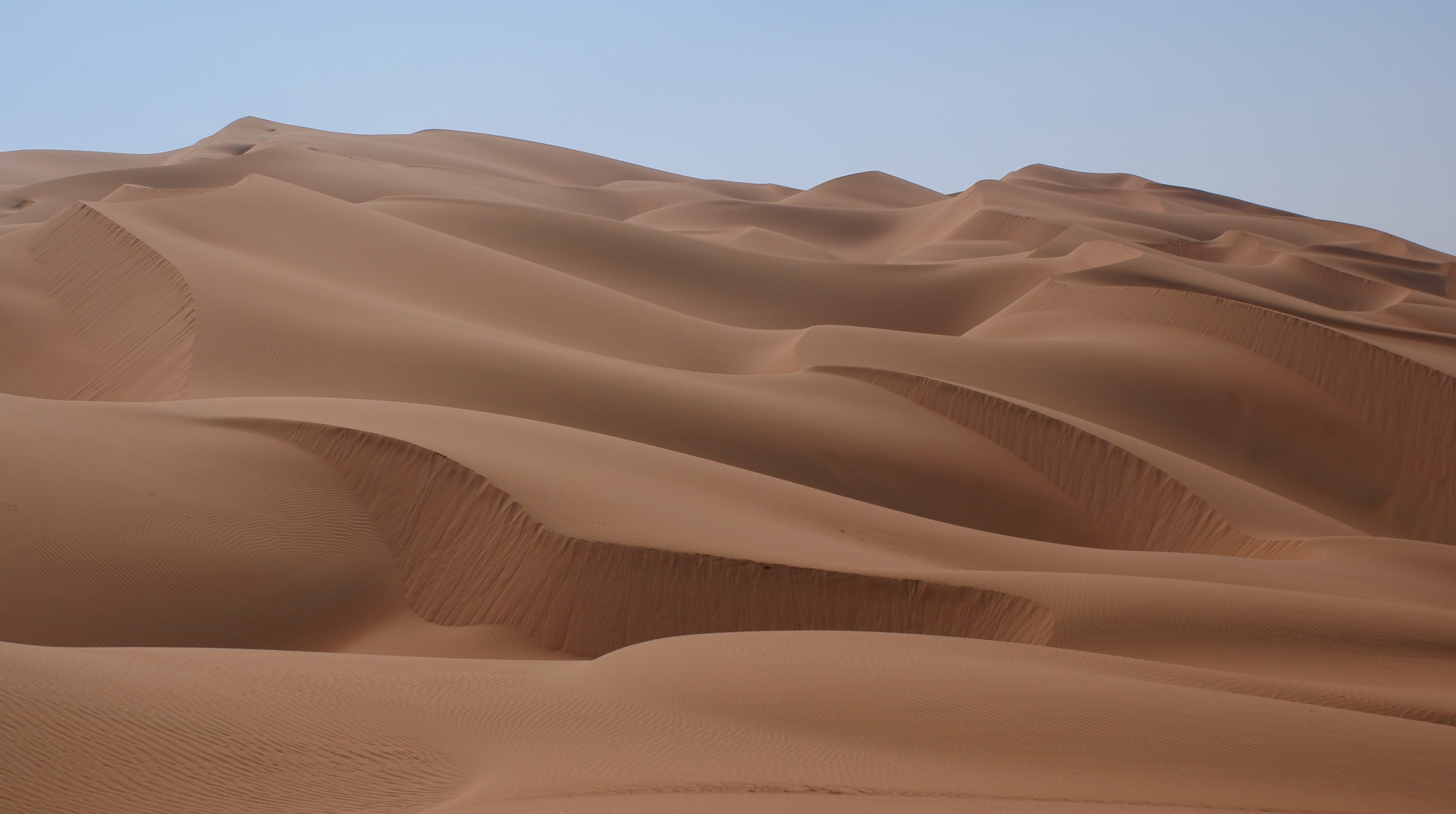
Which biome is the driest?
a)
Desert
b)
Tundra
c)
Taiga
d)
Rainforest
82.
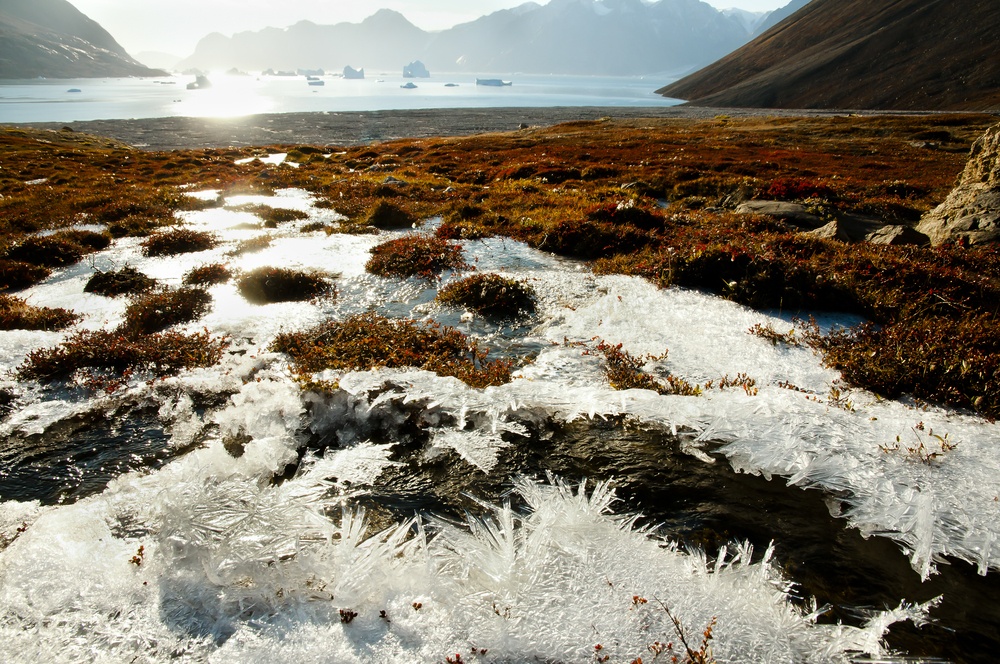
Which Biome has permafrost?
a)
Temperate Forest
b)
Rainforest
c)
Taiga
d)
Tundra
83.
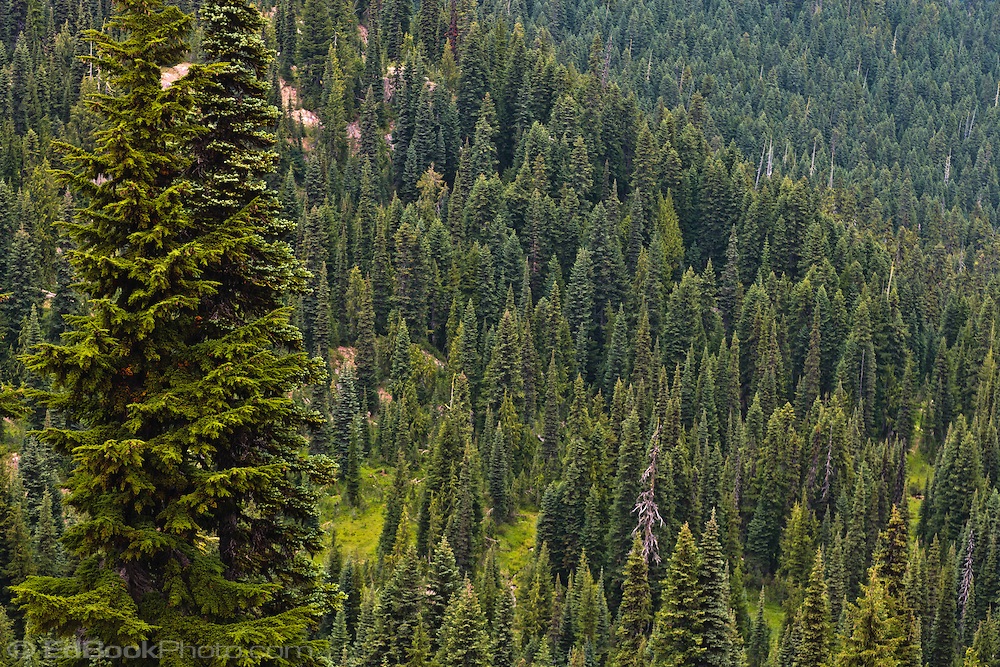
Which biome has coniferous trees (which don't lose their leaves)?
a)
Taiga
b)
Temperate Forest
c)
Tundra
d)
Grasslands
84.
Which biome has wide-open fields of grass?
a)
Taiga
b)
Grasslands
c)
Temperate Forest
d)
Rainforest
85.
Which biome has deciduous trees (which lose their leaves)?
a)
Temperate Forest
b)
Rainforest
c)
Grasslands
d)
Taiga
86.
Which biome has the most variety of plants and animals?
a)
Temperate Forest
b)
Rainforest
c)
Tundra
d)
Grasslands
87.
Which biome has 4 seasons?
a)
Taiga
b)
Tundra
c)
Grasslands
d)
Temperate Forest
88.
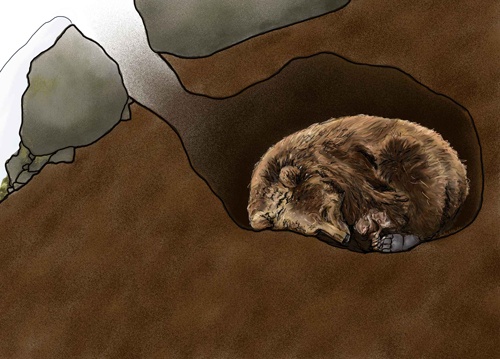
Which biome could an animal who hibernates in the winter to survive the cold live in?
a)
Grasslands
b)
Taiga
c)
Desert
d)
Rainforest
89.
In which biome does an organism have to be able to conserve water to survive?
a)
Rainforest
b)
Taiga
c)
Desert
d)
Temperate Forest
90.
A biome is......
a)
Like a snowglobe that you shake and can see different types of animals.
b)
A large region of earth with a certain type of climate
c)
An area of earth only found in the United States.
d)
A community of living things.
91.
The earth's coldest biome is the....
a)
Antartica
b)
Grasslands
c)
Tundra
d)
Freshwater
92.
The climate in a tropical rain forest can be described as
a)
cold and wet 
b)
warm and dry 
c)
cold and dry 
d)
warm and wet 
93.
Which biome is characterized by low temperatures and low amounts of rainfall?
a)
tundra
b)
desert
c)
temperate deciduous forest
d)
tropical rain forest
94.
Which biome covers most of the land mass near the Earth's equator?
a)
tundra
b)
desert
c)
grassland
d)
tropical rainforest
95.
One characteristic feature of tundra is that only the surface thaws in the summer and refreezes in the winter, leaving a layer of permanently frozen subsoil.  This characteristic is known as
a)
glaciation
b)
permafrost
c)
crystallization
d)
soilfrost
96.
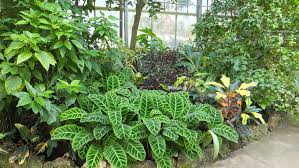
Which type of trees is found in a temperate forest?
a)
deciduous
b)
evergreen
c)
ginko
d)
palm
97.
In which biome is Georgia located?
a)
tropical rainforest
b)
temperate rainforest
c)
temperate deciduous forest
d)
alpine forest
98.
Which biome is MOST LIKE the "desert" in terms of precipitation?
a)
tropical rainforest
b)
temperate deciduous forest
c)
tundra
d)
coniferous forest
99.
Which biome is represented by the rainfall amounts in letter C?
a)
desert
b)
prairie
c)
deciduous forest
d)
tropical rain forest
100.
The kangaroo rat is able to get all of the water it needs through it's food and therefore, never needs to drink liquid. This animal has adapted to survive in which biome?
a)
Forest
b)
Tundra
c)
Desert
d)
Grassland
101.
An individual belonging to a specific species
a)
Biotic
b)
Community
c)
Organism
d)
Reptile
102.
All of the living and nonliving things in an area that interact with each other are called a/an ______.
a)
community
b)
habitat
c)
population
d)
ecosystem
103.
The living part of an ecosystem
a)
Biotic
b)
Abiotic
c)
Mother Earth
d)
Flowers
104.
The non-living part of an ecosystem
a)
Ocean
b)
Lava Flow
c)
Birds
d)
Abiotic
105.
The study of how living things interact with one another and with their environment.
a)
Biology
b)
Lithology
c)
Ecology
d)
Farmacology
106.
Two or more members of a particular species living and interacting in the same area
a)
Community
b)
Population
c)
Organisms
d)
Biosphere
107.
Different populations living and interacting with each other in the same area
a)
Biome
b)
Ecosystem
c)
Community
d)
Niche
108.
Which one is NOT an example of a decomposer?
a)
mushroom
b)
leaves
c)
mold
d)
worm
109.
Examples of a producer
a)
frog
b)
algae
c)
worm
d)
mouse
110.
A tree is a ....
a)
composer
b)
decomposer
c)
producer
111.
What is a producer?
a)
an organism that gets energy from eating other organisms
b)
an organisms that uses sunlight to make its own food
c)
an organism that gets energy from eating dead organisms, non-living material or waste
d)
an organism that uses chemical energy to make its own food
112.
What is a herbivore?
a)
an animal that gets energy from eating other animals
b)
an organism that gets energy from eating only plants
c)
an animal that gets energy by eating both plants and other animals
d)
an animal that eats only herbs
113.
What is a carnivore?
a)
an animal that gets energy by eating other animals
b)
An animal that gets energy by eating only plants
c)
an animal that gets energy by eating both plants and animals
d)
an animal that makes its own energy through photosynthesis
114.
An animal that gets energy from eating both plants and animals is a 
a)
herbivore
b)
carnivore
c)
omnivore
d)
autotroph
115.
The shrew provides energy for the _______?
a)
cricket
b)
grasshopper
c)
frog
d)
snake
116.
Which of the following is a herbivore?
a)
cricket
b)
frog
c)
hawk
d)
shrew
117.
All food chains begin with a ____________.
a)
primary consumer
b)
secondary consumer
c)
producers
d)
scavengers
118.
Which best describes what a food chain shows you?
a)
Energy flow through an ecosystem
b)
Food flowing through an ecosystem
c)
Consumers going into other consumers
d)
Who eats who
119.
What may happen if the snowshoe hare was removed from the food web pictured?
a)
The insects in the habitat would increase.
b)
The shrew population would decrease due to being only hawk food source.
c)
The willow tree population would decrease.
d)
Foxes would dies due to no food source. 
120.
What is the original source of almost all energy in most ecosystems?
a)
carbohydrates
b)
sunlight
c)
water
d)
carbon
121.
which symbiosis is this 
a)
parasitism 
b)
mutualism
c)
commensalism
d)
nonalism 
122.
symbiotic relationship in which both organisms benefit
a)
competition
b)
Mutualism
c)
nitrogen fixation
d)
energy pyramid
123.
diagram that shows the energy available to each trophic level in an ecosystem; 10% is passed on to upper levels, the rest is lost as heat
a)
succession 
b)
cellular respiration
c)
energy pyramid
d)
biochemical cycle
124.
a relationship between two in which one species, the predator, feeds on the other species, the prey
a)
chemosynthesis
b)
predation
c)
cellular respiration 
d)
commensalism
125.
symbiotic relationship in which one organisms benefits and the other organism is not affected
a)
invasive (non-native) species
b)
mutualism 
c)
nitrogen fixation
d)
commensalism
126.
What does every food chain start with? (Even if it's not drawn or written there!)
a)
producers
b)
sun
c)
consumer
d)
decomposers
127.
An organism that needs to eat other organisms to obtain energy is known as a:
a)
Autotroph
b)
Producer
c)
Consumer
d)
Mutualist
128.
relationship in which two species live closely together
a)
resource
b)
mutualism
c)
succession
d)
symbiosis
129.
True or False:  It is possible for a carnivore to be a producer.
a)
False
b)
True
130.
A place where an organism lives.
a)
Terrain
b)
Habitat
c)
Community
d)
Population
131.
Water temperature would be an example of ...
a)
A biotic factor
b)
An abiotic factor
132.
A living relationship between two species in which one organism is harmed is called...
a)
mutualism
b)
commensalism
c)
parasitism
d)
niche
133.

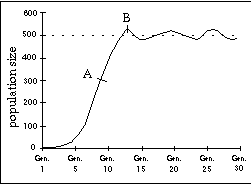
What is the carrying capacity of the graph?

a)

1000

b)

8000

c)

800

d)

600

134.

What happens if a population grows past its carrying capacity?

a)

The population keeps growing

b)

The population starts to die off

c)

The entire species will go extinct

d)

The carrying capacity just increases

135.

The largest number of individuals that an environment can support long term is...

a)

carrying capacity

b)

emigration

c)

immigration

d)

population density

136.

What is the carrying capacity of the graph?

a)

around 500

b)

more than 800

c)

less than 300

d)

around 700

137.
Limiting factors are sometimes helpful because they can keep the population from getting too large.
a)
True
b)
False
138.
If there is more food than usual in an ecosystem, then...
a)
Populations will stay the same
b)
Populations will decrease
c)
Populations will increase
139.
Any thing or organism that regulates the size of a population of another organism is known as __________.
a)
a limiting measure
b)
a limiting factor
c)
factorization
d)
materialization of precipitation
140.
Which is NOT an example of a limiting factor.
a)
Climate
b)
Available Food & Water
c)
Available Space & Shelter
d)
Species color