
 Worksheets
Unit 3 Exam - Energy
Total questions: 137
Worksheet time: 2hrs 47mins
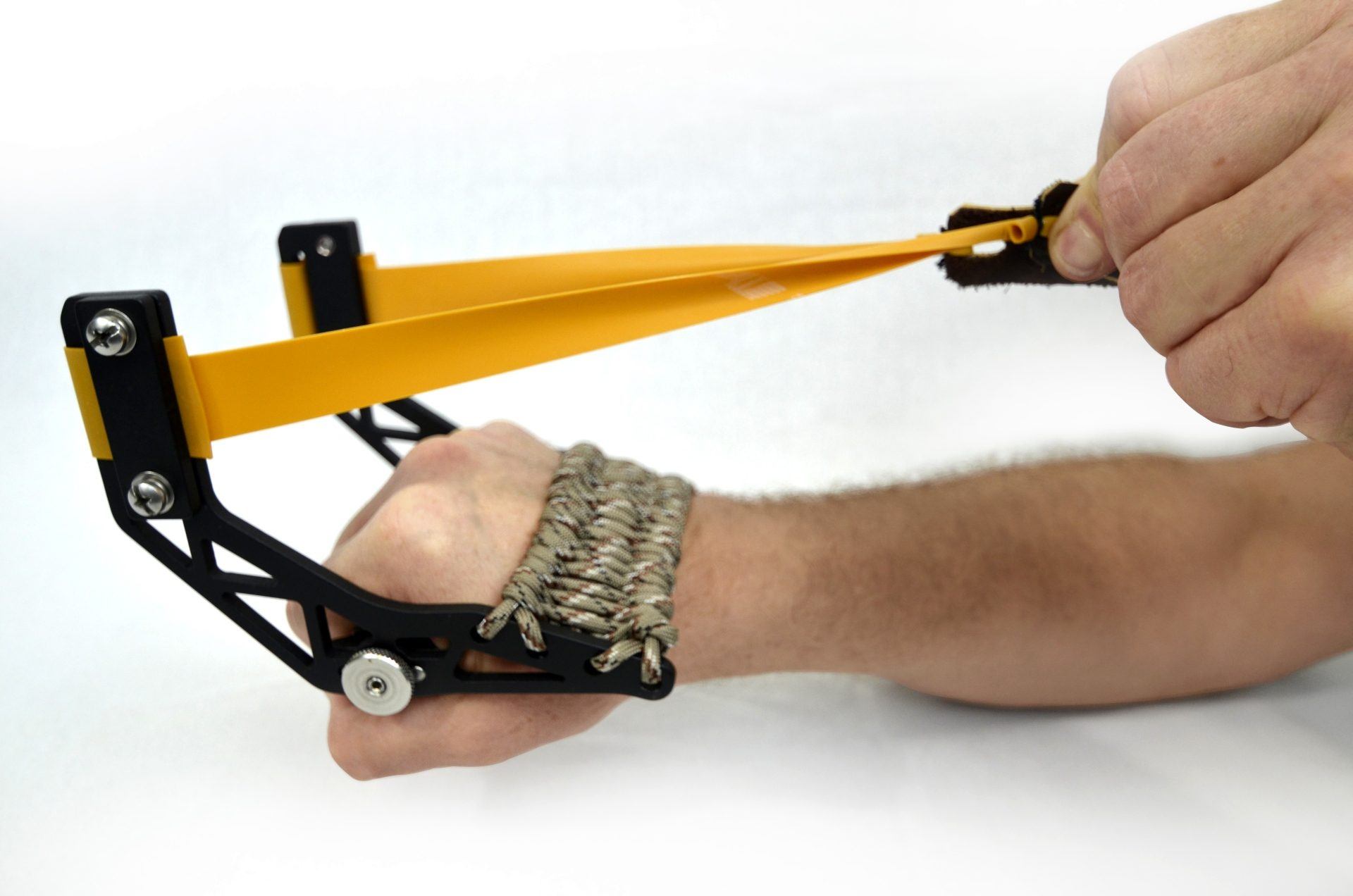


When you compress a spring, you are storing __________ energy.
sound
elastic
light
chemical


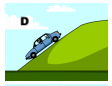
Which passenger has the most potential energy?
A
B
C
D

The formula for calculating the gravitational potential energy in an object is shown above. Which object will have the largest value for its GPE
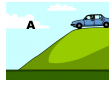
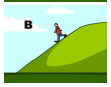
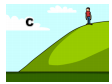
If these are all moving at the same speed, the vehicle with the greatest KE would be
(Think about their sizes)


Determine whether the following example is Potential Energy (PE) or Kinetic Energy (KE):
flashlight turned off
Potential Energy
Kinetic Energy


Which energy transformation occurs when a match is lit?
chemical to heat energy
heat to potential energy
electrical to heat energy
kinetic to potential
A girl threw a ball. As the ball moves through the air, what type of energy does it have?
heat energy
chemical energy
electrical energy
mechanical energy
Energy that flows through an electrical circuit is ____________ energy?
chemical
electrical
heat
solar
A falling rock has kinetic energy. Where does that kinetic energy go when it hits the ground and stops?
It is reduced until it disappears
It is converted into potential energy again
It is converted into heat and sound
It is converted into matter
Marcos has a new toy. When he plugs it in and turns it on, a marble is carries up to the top of the slide. At the top, the marble is released and it goes down the slide.
What kind of energy transformation occurs to make this toy work?
chemical to heat
electrical to chemical
sound to electrical
electrical to mechanical

Beginning with the source of energy, explain the energy transformation that takes in this circuit.
chemical to light to heat
chemical to electrical to light
light to electrical to chemical
light to chemical to electrical

In an investigation, a ball was released from the three difference positions shown. The speed of the ball was measured at the bottom of the ramp, after the ball was released from each position.
Why was the speed greatest when the ball was released from the top position "1"?
The ball lost energy to the environment as it rolled down the ramp.
The ball had more potential energy at the top of the ramp.
The ball gained potential energy as it rolled down the ramp.
The ball had more kinetic energy at the top of the ramp.

A student wound up a propeller in the toy plane shown. After he wound it up, he let it go.
What energy transformation occurred when he released the propeller?
Gravitational potential energy transformed into kinetic energy.
Elastic potential energy transformed into kinetic energy.
Chemical kinetic energy transformed into spinning kinetic energy.
Elastic kinetic transformed into spinning kinetic energy.

Does all of the electrical energy produced by this battery transform into light energy?
Yes; because of the Law of Conservation of Energy.
No; because the mass of the battery changes.
Yes; because light bulbs are light producing devices.
No; because some of it transforms into heat energy.
A student wants to model how energy is conserved. She holds a book above the floor and explains that the book now has potential energy. She then drops the book.
What energy transformation occurs after she drops the book?
It changes from potential to kinetic and back to potential.
it changes from potential to kinetic to zero energy.
It changes from potential to kinetic to sound and thermal.
It changes from potential to kinetic to elastic.
Which of these would have the greatest mechanical potential energy?
A roller coaster at the top of a hill.
A roller coaster half-way up the hill.
A roller coaster half-way down the hill.
A roller coaster at the bottom of the hill.
Which of the following is an example of friction converted into heat energy?
the sun
a snickers bar
a generator
rubbing your hands together
Batteries are an example of which of the following forms of energy?
solar
thermal
chemical
mechanical

Claire made breakfast for the family on Saturday morning. She put some bread in the toaster. When the bread popped up, Sally grabbed the toast. "Ouch! That's hot!" She exclaimed.
What the SOURCE of the heat that made the bread hot?
burning
electricity
friction
light
The turkey is Erik's favorite part of Thanksgiving dinner.
What form of energy is turkey that Erik will eat?
electrical
kinetic
chemical
nuclear

As an archer pulls back on the bow string before shooting; an arm, the bow and the string have ___________ potential energy.
Chemical
Elastic
Gravitational
Kinetic

Which best describes what all the observations have in common?
They involve nuclear energy.
They involve radiant energy.
They involve changes in waves.
They involve changes in energy.
Which statement best defines energy?
Energy is the force applied over a distance.
Energy is the ability to do work.
Energy is the rate at which work is done.
Energy is the motion of objects.

Phillip is holding a book near shoulder-height. What happens to the gravitational potential energy of the book if he places it on shelf A?
increases
stays the same
decreases
have zero gravitational potential energy

Phillip is holding a book near shoulder-height. What happens to the gravitational potential energy of the book if he places it on shelf B?
increases
stays the same
decreases
have zero gravitational potential energy
Which activity directly converts energy from the Sun into chemical energy?
a snake lying on a sunny rock to keep warm
a rabbit using energy from food it has eaten to run
a bean plant making its own food to grow
a person burning firewood to cook food
A battery has chemical energy, which can be used to generate thermal and radiant energy in a lightbulb. Which best explains that happens to the amount of energy in this scenario?
The total energy in the system increases because chemical energy creates thermal and radiant.
B. The total energy in the system decreases because chemical energy disappears as thermal and radiant energy are generated.
The total energy in the system remains the same as the decrease in chemical energy equals the increase in thermal and radiant energy.
The total energy in the system remains the same as the increase in chemical energy equals the decrease in thermal and radiant energy.

What form of energy do plants use during photosynthesis?
electrical
kinetic
thermal
solar, which is a type of radiant energy

Water being released behind a dam is an example of what energy transformation?
chemical to heat
potential to kinetic
electrical to mechanical
solar to kinetic

A student measured the temperature of a beaker full of water. She then placed the beaker outside in the sun. She measured the temperature change and graphed the results as shown below.
What can you infer about the energy change that occurred?
chemical energy from the sun increased the thermal energy of the water
radiant energy from the sun decreased the thermal energy of the water
thermal energy from the sun decreased the chemical energy in the water bonds
radiant energy from the sun increased the thermal energy of the water

Electrical energy is classified as _________ energy.
kinetic
potential

Chemical energy is classified as _________ energy.
kinetic
potential

Sound energy is classified as _________ energy.
kinetic
potential

Thermal energy is classified as _________ energy.
kinetic
potential

Energy form stored in bonds between atoms and molecules
chemical
nuclear
thermal
electromagnetic

Energy form characterized by the flow of electrons
electrical
electromagnetic
elastic
chemical

Energy form characterized by the movement of energy in waves through empty space
electromagnetic
electrical
chemical
nuclear

Energy form stored in the center of an atom
nuclear
chemical
electromagnetic
thermal

Energy form based on the movement of particles within an object
thermal
elastic
chemical
nuclear
Which energy transformation below matches...
Water moving over a dam to move a generator?
potential to kinetic to chemical
potential to kinetic to electrical
solar to kinetic to electrical
Which energy transformation below matches...
Green plants making food through photosynthesis?
chemical to mechanical
chemical to heat
light to chemical
Fire and friction are examples of which kind of energy?
thermal
light
sound
electrical
Light bulbs and the Sun are examples of which form of energy?
mechanical
chemical
heat
light
Talking and a radio are examples of which form of energy?
sound
light
mechanical
chemical
A windmill and a bicycle both have which form of energy?
electrical
chemical
mechanical
nuclear
Batteries, food, and gasoline have which form of energy?
light
heat
chemical
mechanical
What is energy?
energy in motion
a form of potential energy that is stored in chemical bonds
the ability to do work or cause change
a change from one form of energy to another
What is electrical energy?
chips and salsa
the energy of moving electrons
a forces that cause an object to move in a circle
the relationship between electricity and magnetism
What is electromagnetic energy?
the rate at which velocity changes.
the energy of compressed objects.
the ability to do work or cause change
the energy of light and other forms of radiation, which travels in space as waves.
What is an energy transformation?
a change from one form of energy to another, also called an energy conversion.
the region around a charged object.
accelerating fast
the transfer of heat.
What is the law of the conservation of energy?
the tendency for an object to resist change
the rule that energy cannot be created or destroyed.
newton's laws
a force produced when magnetic poles interact.
What is the original source of the most of the energy that people use?
By radiation from the sun.
By convection from the sun.
By radiation from the Earth's core.
Conduction from Earth's core.
Which best explains how this roasting marshmallows happens?
Heat from the fire is conducted into the marshmallow.
Heat from the fire is radiated into the marshmallow.
The coolness of the marshmallow is conducted into the fire.
The coolness of the marshmallow is radiated into the fire.
Which best describes heat transfer by radiation?
A slice of bacon frying in a pan.
A pot on a stove boiling water.
Cooking a hotdog in a microwave.
A hot air balloon.
When choosing materials to build a fireplace, why is brick a better choice than metal?
Brick is a conductor.
Brick is heat resistant.
Metal is a conductor.
Meat is heat resistant.
What enables fireman to enter buildings that are on fire and return from them safely?
Convection cells keep fire away.
The heat makes the building expand so there is no more room.
Fireman wear heat resistant suits.
They are really fast.
Why should space be left at the top of the plastic bottle when filling with water and then freeze?
Because water expands when frozen.
Because water contracts when frozen.
Because plastic contracts when frozen.
Because plastic expands when frozen.
Popcorn is made from corn kernels. What happens when kernels are heated in a microwave?
The kernels expand.
The kernels dissolve.
The kernels become hard and brittle.
The kernels stick together to form ball.
Which of the following best describes CONVECTION?
When heat is transferred through waves.
When heat is transferred through objects that are touching.
The movement of gas or liquid in which warmer parts move up and the colder parts moves down.

What kind of heat transfer is occurring when the sun warms the sand?
Conduction
Convection
Radiation
All of them
Which of the following is an example of convection?
Hair dryer is drying up your hair
When a car engine turns hot after being turned on.
A spoon placed in the cup filled with cold coffee.
Boiling spaghetti noodles in water.

What heat transfer happens when you put the pan in the open stove?
Conduction
Convection
Radiation
None

Warm air rises and the cool air sinks demonstrates this type of heat transfer.
Conduction
Convection
Radiation

Heat transfers from an area of ________ temperature to an area of _______ temperature.
high to low
low to high
high to high
low to low
Walking on a warm sand with your bare feet shows this type of heat transfer.
conduction
convection
radiation
Ironing a shirt is an example of:
condensation
evaporation
conduction
convection
The ______ air rises and the cold air sinks in convection heat transfer.
warm
cold
same
very cold
Clark accidentally grabbed the handle of the hot pt. This shows ______________.
radiation
conduction
convection
You and your friends gathered around a campfire to keep warm. How heat is being transferred?
conduction
convection
radiation

This is the transfer of thermal energy through "space".
conduction
radiation
convection
spaceship
A huge rock at the park really gets hot during the day because of ____________.
conduction.
convection.
radiation.
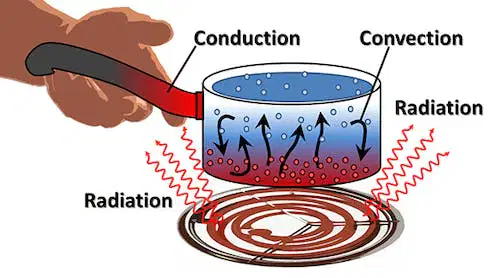
Conduction
heat transfer by Touch
heat transfer by heat rising and sinking (Fluids)
heat transfer by Not Touching
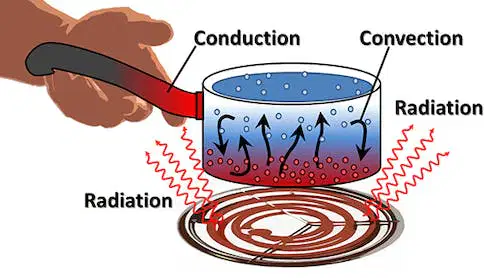
Heat Transfer by Not Touching
Conduction
Convection
Radiation
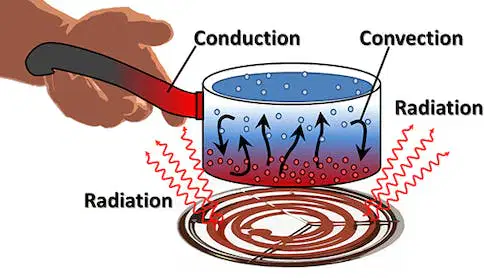
Heat Transfer by touch
Conduction
Convection
Radiation
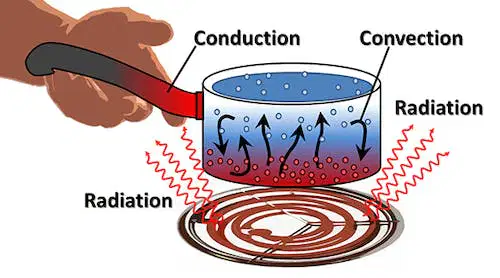
Heat Transfer through liquids rising and sinking
Conduction
Convection
Radiation

conduction
convection
radiation

Ironing
conduction
convection
radiation

spoon in the soup
conduction
convection
radiation

Tanning in the sun
conduction
convection
radiation

Drying your hair
conduction
convection
radiation

Microwave
conduction
convection
radiation

Baking cookies
conduction
convection
radiation

Roasting a marshmallow
conduction
convection
radiation
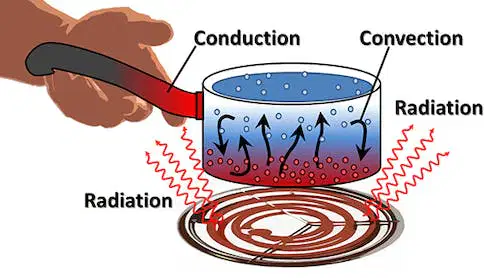
Convection
heat transfer through empty space
heat transfer by direct contact
heat transfer by heat rising and cold sinking
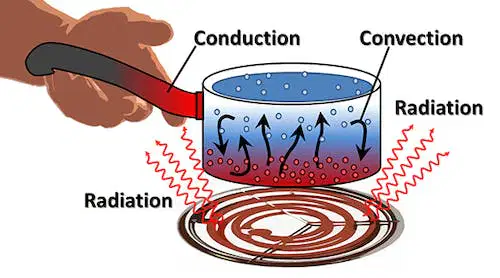
Radiation
heat transfer through empty space
heat transfer by direct contact
heat transfer by heat rising and cold sinking
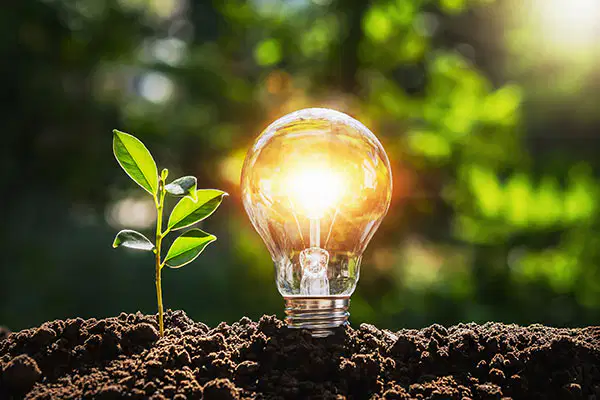
Law of Conservation of Energy says-
that energy CAN be created and destroyed - only converted from one form of energy to another.
that energy CANNOT be created nor destroyed - only converted from one form of energy to another.
energy is everywhere
energy is NOT everywhere
Heat transfer always occurs
from cold to hot.
from hot to cold.
in any direction.
Which of the following is NOT a type of heat transfer?
Conduction
Convection
Radiation
Transformation
Conduction is heat transfer by
touch.
currents.
waves.
Convection is heat transfer by-
touch.
currents.
waves.
Radiation is heat transfer by
touch.
current.
waves.
The sun's rays are an example of
conduction.
convection.
radiation.
Water molecules in boiling water is an example of
conduction.
convection.
radiation.
Burning your hand on a hot pan is an example of
conduction.
convection.
radiation.
Heat transfer from a fire is an example of
conduction.
convection.
radiation.
Ironing a shirt is an example of
conduction.
convection.
radiation.
The transfer of heat energy through direct contact is
conduction.
convection.
radiation.
The transfer of heat energy by the rising of warmer molecules and falling of cooler molecules is
conduction.
convection.
radiation.
What type of heat transfer is in the form of wave particles?
Conduction
Convection
Radiation
What type of heat transfer occurs from the sun to the Earth?
Conduction
Convection
Radiation
What type of heat transfer occurs when warm air rises and cool air falls back down to Earth?
Conduction
Convection
Radiation
What heat transfers by direct contact?
Conduction
Convection
Radiation
What heat transfers by the rising of warm molecules and falling of cool molecules?
Conduction
Convection
Radiation
What heat transfers in the form of waves?
Convection
Conduction
Radiation
Hot air balloons work using what type of heat transfer?
Convection
Conduction
Radiation
An attic feeling warmer than the basement is an example of what type of heat transfer?
Convection
Conduction
Radiation
Lighting a candle with a match is an example of what type of heat transfer?
Convection
Conduction
Radiation

