
 Worksheets
Rocks and Rock Cycle
Total questions: 140
Worksheet time: 3hrs 59mins




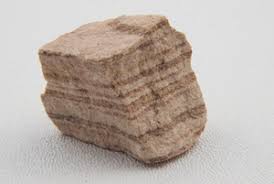


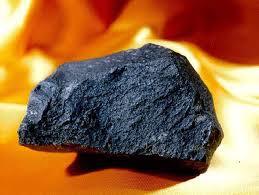

This rock was formed when molten rock cooled into a solid. What type of rock is it?
Igneous Rock
Metamorphic Rock
Sedimentary Rock

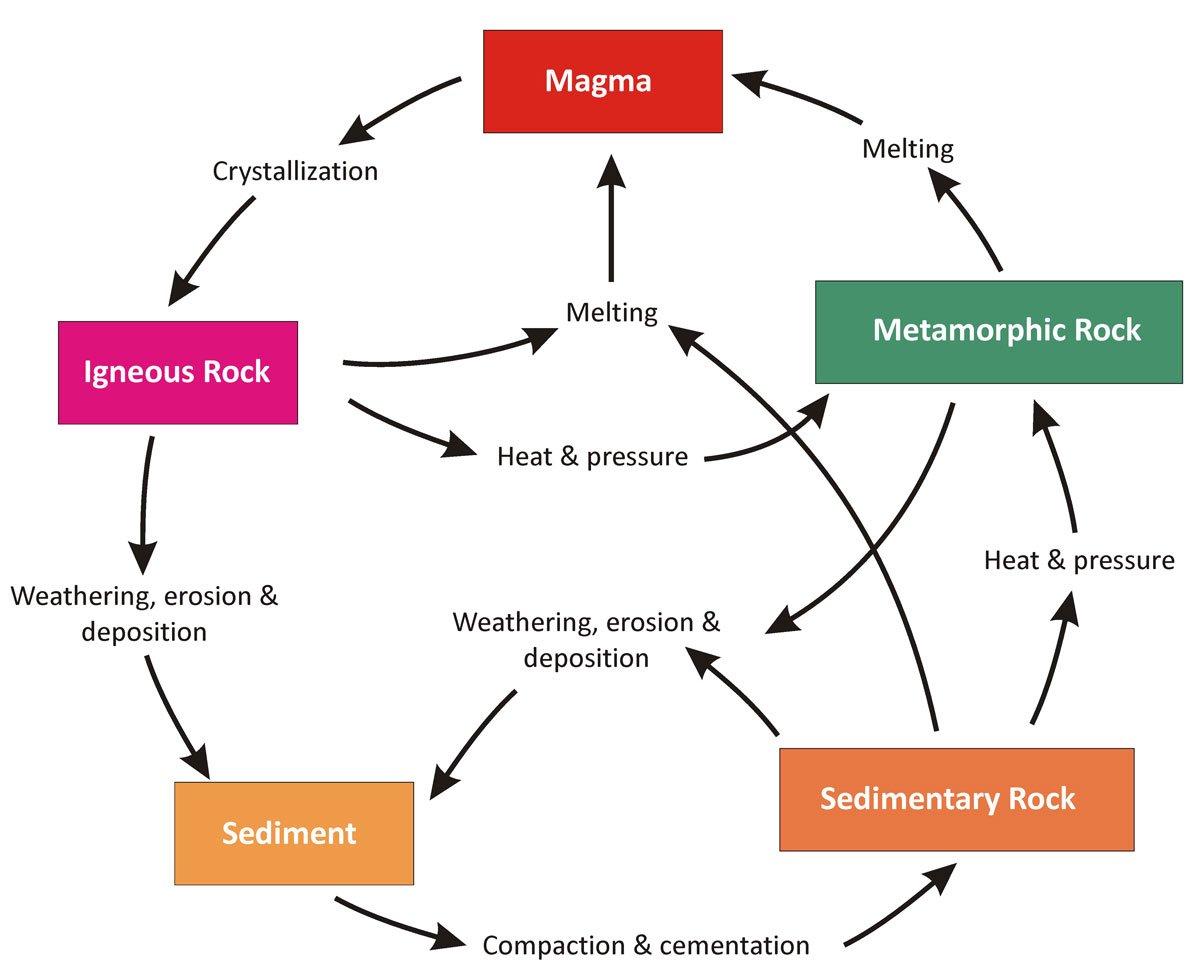
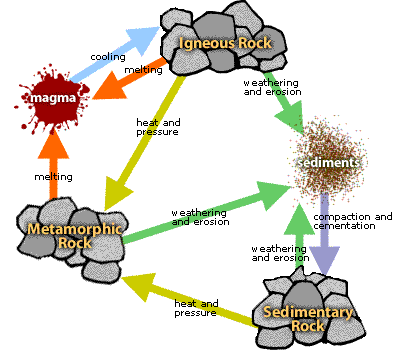
A model showing the processes that create and change rock.
Water Cycle
Carbon Cycle
Rock Cycle
Nitrogen Cycle

Magma that reaches the surface flows from a volcano as ____________
Magma
Water
Ice
Lava

Igneous rocks are classified in 2 ways.
Heavy and Light
Hot and Cold
Sedimentary and Metamorphic
Extrusive and Intrusive

Volcanic glass rock (obsidian) __________ so quickly that few crystals form.
break
melt
cool
flow

Sometimes temperature and pressure are great enough to melt rock, forming ______________.
magma
lava
water
sandstone

_____________ texture – mineral grains flatten and line up in parallel layers or bands.
Sandstone
Limestone
Granite
Foliated

Type of rock mostly found on the exposed surface of Earth.
Igneous
Granite
Metamorphic
Sedimentary

Sedimentary Rocks form in
Layers
the desert only
underground
on top of water

Rock fragments, mineral grains, and bits of plants and animal remains moved by wind, water, ice or gravity are called _________________.
sediments
granite
marble
sandstone

When water and other minerals move through open spaced between larger sediments, gluing them together, ____________ occurs.
Compaction
Deposition
Cementation
Erosion

_________ ___________ rocks are made from the remains of once – living plants or animals.
Igneous and metamorphic
Clastic sedimentary
Chemical sedimentary
Organic sedimentary

Any rock that forms from another rock as a result of changes in heat or pressure (or both) is a:
chemical rock
igneous rock
sedimentary rock
metamorphic rock
This is the continuous process of rock changing from one type to another.
Igneous rocks
Sedimentary rocks
Metamorphic rocks
Rock Cycle
the transport of fragments of rock by water, wind, ice, or gravity
weathering
erosion
deposition
lithification
molten rock that has erupted onto Earth’s surface
extrusive igneous rock
intrusive igneous rock
lava
magma
molten rock below Earth’s surface
extrusive igneous rock
intrusive igneous rock
lava
magma
rock formed from the cooling of molten rock on Earth’s surface (ex. pumice)
extrusive igneous rock
intrusive igneous rock
lava
magma
rock formed from the cooling of molten rock below Earth’s surface (ex. granite)
extrusive igneous rock
intrusive igneous rock
lava
magma
rock fragments that have been transported to a different location
metamorphic rock
sedimentary rock
sediment
soil

Which of the following would be the correct label for Letter D?
Sediments
Weathering and Erosion
Metamorphic Rocks
Sedimentary Rocks
Which of the following would be the correct label for Letter A?
Sediments
Weathering and Erosion
Metamorphic Rocks
Sedimentary Rocks
Which of the following would be the correct label for Letter C?
Sediments
Weathering and Erosion
Metamorphic Rocks
Sedimentary Rocks
Which of the following would be the correct label for Letter B?
Sediments
Weathering and Erosion
Metamorphic Rocks
Sedimentary Rocks
Which of the following would be the correct label for Letter C?
Sediments
Weathering and Erosion
Metamorphic Rocks
Sedimentary Rocks
What is the SOURCE of energy drives the changes in matter going from C to D?
The Sun
The Earth's Hot Interior
Coffee
Wind and Water

What is letter A?
Igneous Rock
Sedimentary Rock
Metamorphic Rock
Minerals
What is letter B?
Igneous Rock
Sedimentary Rock
Metamorphic Rock
Minerals
What is letter C?
Igneous Rock
Sedimentary Rock
Metamorphic Rock
Minerals
What is letter C?
Igneous Rock
Sedimentary Rock
Metamorphic Rock
Minerals

What is letter A?
Cooling
Melting
Heat and pressure
Weathering and erosion
What is letter D?
Cooling
Melting
Deposition, Compaction, Cementation
Weathering and erosion
What is letter E?
Heat and pressure
Melting
Deposition, Compaction, Cementation
Weathering and erosion
What is letter G?
Heat and pressure
Cooling
Deposition, Compaction, Cementation
Weathering and erosion
What is letter J?
Heat and pressure
Melting
Deposition, Compaction, Cementation
Weathering and erosion
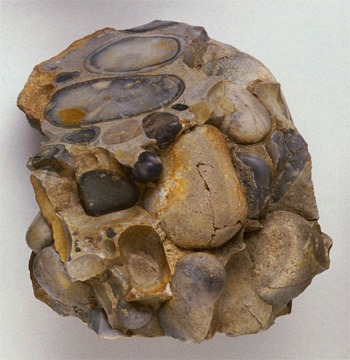

Igneous rock that cools slowly have ______ crystals
small
large
purple
green

Match the following rock with its description -
Created from the deposition of sediments in layers over long periods of time.
SEDIMENTARY ROCK
Created from the cooling and solidification of magma or lava.
IGNEOUS ROCK
Usually underground, existing rock is transformed by very high heat & pressure.
METAMORPHIC ROCK

Magma (the molten rock present deep inside the earth) or lava on earth's surface following a volcanic eruption, solidifies due to rapid cooling and crystallizes to form a type of rock called (a) .

Due to weathering and erosion, the igneous rocks are broken down to form sediments which get compacted and compressed together for extended periods to form (a) .

Over a very long period of time, sedimentary and igneous rocks end up being buried deep underground the soil. Deep below the surface, these rocks are exposed to high heat and pressure, which change them into a different type of rock called (a) .
Match the following TERM with its definition -
Igneous, sedimentary, and metamorphic rocks present on the surface of the earth are constantly being broken down by wind and water over a long time.
WEATHERING
Carrying away of broken rocks by rain, streams, rivers, and oceans to a distant place from their origin.
EROSION
During the carriage of rocks by rivers, the rock particles (mixed with soil) sink and become a layer of sediment. Often the sediments build up and form small accumulations, which over time and pressure turn into sedimentary rock.
DEPOSITION
The process in which sediment is squeezed due to the weight and pressure of overlying layers.
Compaction
The process in which sediments are glued together by minerals that are deposited by water.
Cementation
Luna, Benjamin, and Liam were on a field trip to the Grand Canyon. They noticed that the canyon walls had layers of rock. Their guide explained that this was due to a process where layer upon layer of sediment build up, exerting pressure on the layers below. What is this process called?
erosion
compaction
weathering
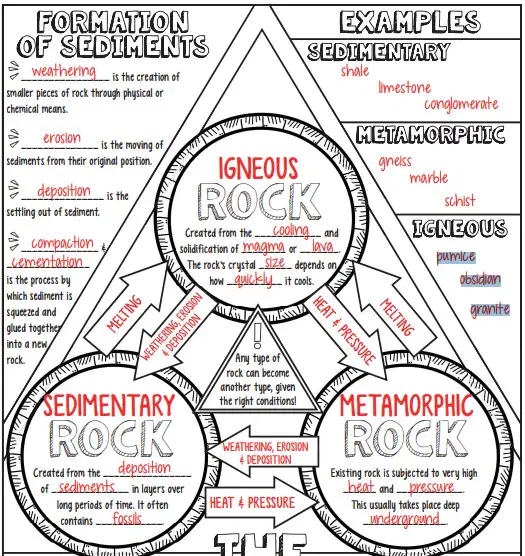
Metamorphic rock transforms to sediment by -
melting and cooling
heat and pressure
weathering and erosion

Identify the rock associated with the picture -

sedimentary rock

igneous rock

metamorphic rock

Identify the rock associated with the picture -
sedimentary rock
igneous rock
metamorphic rock

Sedimentary Rock --> ____________--> Sediment
compaction and cemetation
weathering and erosion
heat and pressure
melting and cooling
Magma --> _____________ --> Igneous Rock
Melting
Cooling
Metamorphism
Compaction
Metamorphic Rock --> Weathering & Erosion --> __________
Magma
Igneous
Sediment
Metamorphic
Sedimentary --> ____________--> magma
Weathering and Erosion
Heat and Pressure
Melting
Cooling

Heat, pressure, cooling, weathering, erosion, and deposition change rock in the rock cycle.
True
False

What must happen to a sedimentary rock in order for it to change into an igneous rock?
It must be weathered and eroded.
It must melt, then cool and harden.
It must become cemented to other rocks.
It must be put under pressure until new minerals form in it
Pieces of rock that are carried from one place to another by a medium such as water. Erosion breaks down larger rock into smaller pieces and then carries and deposits it in another location.
magma
rock
sediments
lava

The removal of weathered rock material. After rocks have been broken down, the small particles are transported to other locations by wind, water, ice, and gravity.
extrusive
magma
sediments
erosion
What are the three main types of rock?
Metamorphic, igneous, and basalt
Sedimentary, metamorphic, and crust
Sedimentary, metamorphic, and igneous
Igneous, metamorphic, and granite
The rock cycle is a _________ ending process.
Never
Always
Constant


Ethan found a shiny object while playing in the park. He believes it's a mineral. According to him, a mineral is...
a solid material made from many different kinds of rocks
a solid matter formed in nature and found in earth materials (rocks)
made from layers of sediment that Mia showed him last week
formed from the heat of magma, like Elijah explained in class
Which of the following is a characteristic of all minerals?
Crystalline structure
Fills the shape of its container
Usually organic
Random chemical composition
Which is a type of sedimentary rock:
inorganic
intrusive
clastic
mineral
A(n) __________ is a naturally occurring solid that can form by inorganic processes and that has a crystal structure and a definite chemical composition.
mineral
grains
solution
crystal


Foliated or Non-Foliated?
Foliated
Non-Foliated

Foliated or Non-Foliated?
Foliated
Non-Foliated

Foliated or Non-Foliated?
Foliated
Non-Foliated

Foliated or Non-Foliated?
Foliated
Non-Foliated

Foliated or Non-Foliated?
Foliated
Non-Foliated

Foliated or Non-Foliated?
Foliated
Non-Foliated
When pressure squeezes the flat minerals within a rock and they become aligned, a _______________ rock has formed.
non-foliated
foliated
(a) is a sedimentary rock formed from the remains of swamp plants buried in water.
Abigail, Ethan, and Liam went on a field trip to a geological park. They saw a place where the remains of plants and animals were deposited in layers. What type of rock formation were they observing?
clastic rock
organic rock
chemical rock
Forms when rock fragments are squeezed together.
clastic rock
organic rock
chemical rock
The process by which running water, wind, or ice carry away bits of broken-up rock.
sediment
weathering
erosion
The process that presses sediments together.
deposition
compaction
cementation
Elijah, Mason, and Samuel were on a field trip to a river bank. They noticed small, solid pieces of material that come from rocks or living things. What do we call these?
sediment
weathering
erosion
The process by which sediment settles out of the water or wind carrying it.
deposition
compaction
cementation
The effects of freezing and thawing, plant roots, acid, and other forces on rock.
sediment
weathering
erosion
The process in which dissolved minerals crystallize and glue particles of sediment together.
deposition
compaction
cementation

The best answer for section "A" in the diagram
metamorphic/melting
compaction/cementation
weathering/erosion
heat/pressure

The best answer for section "C" in the diagram
metamorphic/melting
compaction/cementation
weathering/erosion
heat/pressure

Which letter on the diagram shows sedimentary rock is broken down into sediments and transported by a stream.
A
B
C
D
Which letter on the diagram shows metamorphic rock becomes liquid and crystallizes to form igneous rock.
E
F
G
H
Which letter on the diagram shows pieces of igneous rock are compressed and glued together to form a sedimentary rock.
A
B
C
D

What happens to a sedimentary rock due to weathering and erosion?
It turns into a metamorphic rock
It turns into sediment
It turns into igneous rock
It turns into magma
Nothing happens to it
What happens to a sedimentary rock due to compaction and cementation?
It turns into a metamorphic rock
It turns into sediment
It turns into igneous rock
It turns into magma
Nothing happens to it
What happens to a sedimentary rock due to heat and pressure?
It turns into a metamorphic rock
It turns into sediment
It turns into igneous rock
It turns into magma
Nothing happens to it
What happens to a metamorphic rock due to melting?
It turns into a metamorphic rock
It turns into sediment
It turns into igneous rock
It turns into magma
Nothing happens to it
What happens to a metamorphic rock due to weathering and erosion?
It turns into a metamorphic rock
It turns into sediment
It turns into igneous rock
It turns into magma
Nothing happens to it
What happens to a metamorphic rock due to heat and pressure?
It turns into a metamorphic rock
It turns into sediment
It turns into igneous rock
It turns into magma
Nothing happens to it
What happens to magma due to cooling?
It turns into a metamorphic rock
It turns into sediment
It turns into igneous rock
It turns into magma
Nothing happens to it
What happens to magma due to melting?
It turns into a metamorphic rock
It turns into sediment
It turns into igneous rock
It turns into magma
Nothing happens to it
What happens to igneous rock due to melting?
It turns into a metamorphic rock
It turns into sediment
It turns into igneous rock
It turns into magma
Nothing happens to it
What happens to igneous rock due to weathering and erosion?
It turns into a metamorphic rock
It turns into sediment
It turns into igneous rock
It turns into magma
Nothing happens to it
What happens to igneous rock due to heat and pressure?
It turns into a metamorphic rock
It turns into sediment
It turns into igneous rock
It turns into magma
Nothing happens to it
What happens to sediment due to compaction and cementation?
It turns into a metamorphic rock
It turns into sedimentary rock
It turns into igneous rock
It turns into magma
Nothing happens to it
What happens to sediment due to weathering and erosion?
It turns into a metamorphic rock
It turns into sedimentary rock
It turns into igneous rock
It turns into magma
Nothing happens to it
Which type of rock do you think is the most confusing for you to understand or explain?
Igneous
Sedimentary
Metamorphic
All of them
None of them

