wayground logo

Free Printable Worksheets

Font size

S
M
L
XL
Worksheets

Unit 8 Space Exploration and Solar System

Total questions: 145

Worksheet time: 48mins

Name
Class
Date
1.

How long does it take to the Earth to complete one ROTATION?
a)
365 days
b)
24 hours
c)
24 hours + 6 hours
d)
28 days
2.
What is the Moon?
a)
It is a planet
b)
It is a satellite
c)
It is a star
d)
It is a comet
3.
What is the Sun?
a)
It is a satellite
b)
It is a Star
c)
It is a comet
d)
It is a planet
4.
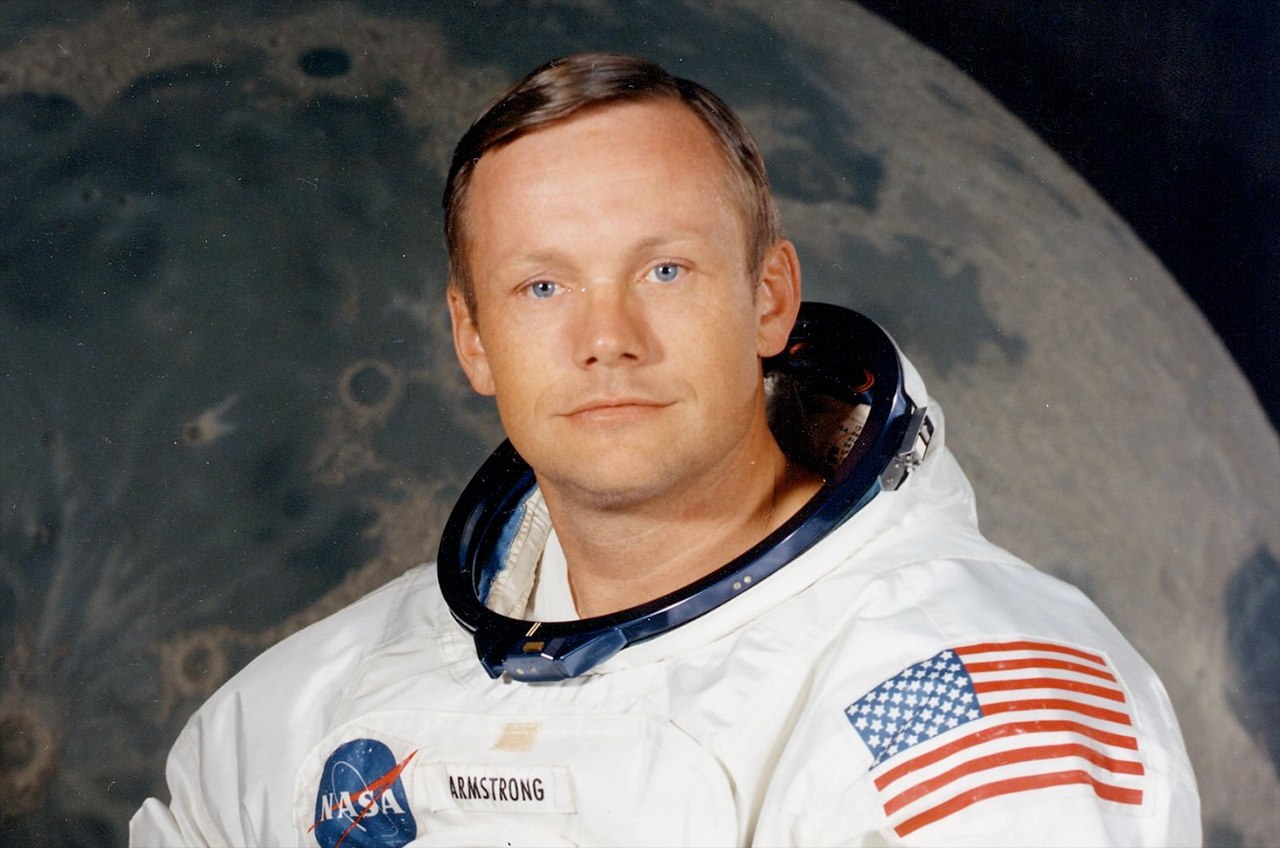
Who is Neil Amstron?
a)
It was the first man on the Moon
b)
First man on Mars
c)
First man on Earth
d)
The man who invented telescope
5.
How many planets are there in the Solar System?
a)
eight
b)
three
c)
nine
d)
ten
6.
What is Pluto?
a)
An asteroid
b)
A planet
c)
A dwarf planet
d)
It doesn't exist
7.

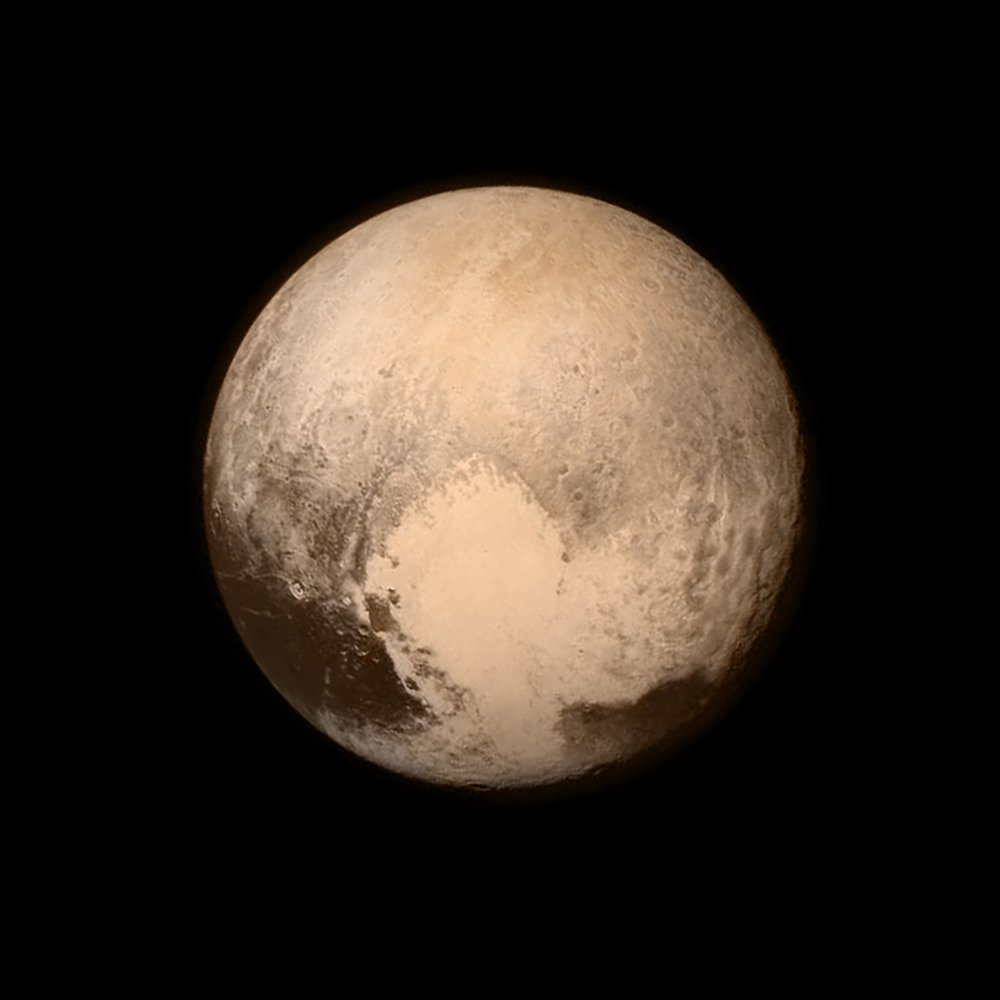
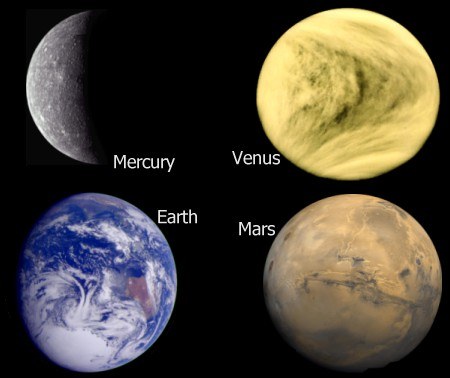
What is the planet ?

a)

Mars

b)

Earth

c)

Pluton

8.

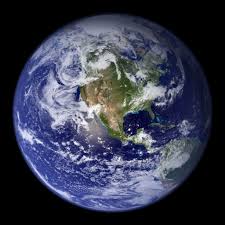
What´s the red planet ?

a)

Mars

b)

Saturn

c)

Venus

9.

what is the planet ?

a)

Uranus

b)

Venus

c)

Saturn

10.

Mercury is the smallest planet in the Solar System.

a)

True

b)

False

11.

Earth is colder than Mars.

a)

True

b)

False

12.
Mercury, Venus, Earth, and Mars are called.....?
a)
Jovian Planets
b)
Awesome Sauce Planets
c)
Gas Giants
d)
Inner Planets
13.
Which planet is the hottest?
a)
Earth
b)
Neptune
c)
Mercury
d)
Venus
14.
What do we call Jupiter, Saturn, Uranus and Neptune?
a)
Outer Planets
b)
Terrestrial Planets
c)
Inner Planets
d)
Oort Cloud
15.
What is the big bang theory?
a)
A movie
b)
A planet
c)
A theory of how Jupiter will crash into Saturn
d)
A theory of how the Universe began
16.
What is the only planet known to contain life?
a)
Mars
b)
Earth
c)
Neptune
d)
Uranus
17.
What characteristic is Jupiter known for?
a)
Rings of ice and dust
b)
Great Red Spot
c)
Olympus Mons
d)
Fire
18.
Which planet is known for having an extreme tilt on its axis causing extreme seasons?
a)
Neptune
b)
Mercury
c)
Venus
d)
Uranus
19.
What is one factor that makes life on Earth possible?
a)
Water
b)
High gravity
c)
Elliptical Orbit
d)
Hydrogen
20.
Which planet is now characterized as a dwarf planet?
a)
Neptune
b)
Pluto
c)
Miss Best
d)
Coca-cola
21.
Which is the largest object in our solar system?
a)
Sun
b)
Jupiter
c)
Earth
d)
Pluto
22.
Which planet is closest to the sun?
a)
Uranus
b)
Mercury
c)
Neptune
d)
Earth
23.
Which is the second closest planet to the sun?
a)
Earth
b)
Saturn
c)
Venus
d)
Mercury
24.
Which planet is third from the sun?
a)
Mars
b)
Pluto
c)
Venus
d)
Earth
25.
Which is the fourth planet from the sun?
a)
Mars
b)
Saturn
c)
Earth
d)
Jupiter
26.
Which planet is fifth from the sun?
a)
Saturn
b)
Jupiter
c)
Mars
d)
Earth
27.
Which is the sixth planet from the sun?
a)
Earth
b)
Uranus
c)
Saturn
d)
Neptune
28.
Which planet is seventh from the sun?
a)
Saturn
b)
Earth
c)
Venus
d)
Uranus
29.
Earth and the other planets closest to the Sun are made mostly of _______
a)
gas
b)
metal
c)
water
d)
rock
30.
The moon is a natural  ______ of Earth.
a)
comet
b)
axis
c)
satellite
d)
space probe
31.
Earth's ________ on its axis causes day and night.
a)
rotation
b)
revolution
c)
phase
d)
comet
32.
The __________ has planets, moons, comets, and asteroids.
a)
solar system
b)
earth
c)
rotation
d)
United States
33.
One of the main differences between the outer and inner planets is __________.
a)
The inner planets all have water
b)
the inner planets are much bigger than the outer planets
c)
the outer planets are gas planets
d)
the outer planets have rings, and the inner planets don't
34.
Where is the asteroid belt found?
a)
between earth and mars
b)
Between Uranus and Neptune
c)
Between Mercury and Venus
d)
Between Mars and Jupiter
35.

Select the order from smallest to largest.

a)
Sun, Milky Way, solar system, universe
b)
Sun, Milky Way, universe, solar system
c)
Sun, solar system, Milky Way, universe
d)
Sun, solar system, universe, Milky Way
36.
Why does Earth have different seasons? 
a)
because of the distance between Earth and the sun 
b)
because of the speed of Earth as it rotates on its axis 
c)
because of the amount of light blocked by the moon on its axis 
d)

because of the tilt of Earth on its axis as it revolves around the sun 

37.
Day and night is caused by the _____________ of earth on its axis.
a)
revolution
b)
orbit
c)
rotation
38.
As the Earth travels around the sun, this tilt causes different areas of the Earth’s surface to get different amounts of daylight at different times of the year. The angle of the Sun’s rays to the surface also causes areas to have more or less of the Sun’s energy. This causes the ________.
a)
months
b)
day and night
c)
seasons
d)
years
39.
Which outer planets have rings?
a)
Just Saturn
b)
Saturn and Jupiter
c)
Jupiter, Neptune, and Saturn
d)
all 4 of them
40.
A spiral galaxy of stars that contains our Sun
a)
Planisphere
b)
Intensity
c)
Star
d)
Milky Way
41.
Which of the following causes seasons?
a)
the earths tilt
b)
the earths rotation
c)

the earths revolution around the Moon

d)
the earths size 
42.
What is the ISS?
a)
International Student Services
b)
Inside Sun Secrets
c)
International Space Station
d)
Iraq Space Services
43.
Instrument that travels into the solar system, gathers information and sends it back to Earth
a)
Space shuttle
b)
Rocket
c)
Space ship
d)
Space probe
44.

Which space equipment was used totransport humans into space from Earth?

a)
space shuttle
b)
space prove
c)
satellite
45.
What object is launched into orbit and designed to send and receive information?
a)
rover
b)
satellite
c)
space shuttle
46.
A tool for viewing and observing
a)
telescope
b)
space shuttle
47.

A vehicle designed to propel itself by ejecting exhaust gas from one end

a)

shuttle

b)

rocket

c)

satellite

d)

probe

48.

the moon orbiting the earth is an example of:

a)

natural satellite

b)

artificial satellite

49.

what was the first creature in space

a)

a dog

b)

a human

c)

a hamster

d)

monkey

50.

At FIRST, which country was winning the space race

a)

USA

b)

Russia (Soviet Union)

c)

China

d)

Germany

51.

What is the artifical satellite that orbits Earth

a)

Hubble Telescope

b)

Spirit

c)

Opportunity

d)

Challenger

52.
Gravity on the moon is _____ than that on the Earth.
a)
the same
b)
greater
c)
less
d)
non existent
53.
The largest planet in our solar system is 
a)
Uranus
b)
Neptune
c)
Pluto
d)
Jupiter
54.

Which is the only celestial body in our solar system that has liquid water on it's surface?

a)
Mars
b)
Earth
c)
The Moon
d)
Phobos (one of Mars' moons)
55.
Is Mars warmer or colder than Earth?
a)
Warmer
b)
Colder
c)
Both
d)
Same temperature
56.
The force that keeps planets on there orbit...
a)
orbit
b)
stars
c)
planets
d)
gravity
57.
What country was the first to put a man into space?
a)
USA
b)
Canada
c)
Russia
d)
England
58.
What was the name of the first satellite to orbit Earth?
a)
Sputnik
b)
Skylab
c)
Challenger
d)
Curiosity
59.

Who was the first man on the moon?

a)

President Obama

b)

Martin L. King, Jr.

c)

Buzz Lightyear

d)

Neil Armstrong

60.
Which vehicle’s engine is filled with chemical propellants?
a)
rocket
b)
rover
c)
satellite
d)
space shuttle
61.
Which tool allows scientists to take pictures very distant objects such as other galaxies, stars, and planets?
a)
telescope
b)
periscope
c)
space shuttle
d)
rover
62.

I am a vehicle that explored the surface of the moon. What am I?

a)
Space Shuttle
b)
Rocket
c)
Satellite
d)
Rover
63.
Country that landed the first man on the Moon
a)
Soviet Union (Russia)
b)
Iceland
c)
China
d)
USA
64.

Which of the following is the first challenge that had to be overcome by rockets in order for humans to explore space? First, rockets needed ________________

a)

a place in which the astronauts could sit.

b)

a way to return to Earth’s surface.

c)

enough thrust to overcome Earth’s gravity.

d)

landing gear that worked on another planet.

65.
Which of these is a place where humans live and study space?
a)
Moon probe
b)
Mars Rover
c)
Space Shuttle
d)
International Space Station
66.

Who was the first man to walk on the moon's surface on July 20, 1969?

a)

John Glenn

b)

Alan Shepard

c)

Neil Armstrong

d)

Yuri Gagarin

67.

First American to orbit Earth?

a)

Alan B. Shepherd

b)

John Glenn

c)

Buzz Lightyear

d)

Neil Armstrong

e)

Lance Armstrong

68.
Any object that revolves around another object
a)
orbiter
b)
satellite
c)
moon
d)
stalker
69.

What government organization oversees all space missions in the United States?

a)

NASA

b)

CIA

c)

FBI

d)

Homeland Security

70.

Name the reusable spacecraft that transported astronauts, satellites, and other materials to and from space.

a)

Space ship

b)

Space shuttle

c)

Voyager 1

d)

Space station

71.
Which planet has had rovers sent to it to study its soil?
a)
Mercury
b)
Venus
c)
Earth
d)
Mars
72.
The first people to walk on the moon. Landed in 1969
a)
spacecraft 
b)
ISS 
c)
Astronaut 
d)
Neil Armstrong & Buzz Aldrin
73.
Has no people on it, used to gather information
a)

space probe

b)
Space Shuttle
c)
spacecraft
d)
launch-pad
74.

What is a lunar lander?

a)

A space telescope used to view the moon and beyond

b)

A space station on the moon

c)

A space craft used by astronauts to land on the surface of the moon

d)

A space craft used to travel to space and beyond

75.

Who is the 1st man to orbit planet Earth?

a)

Alan Shepard

b)

Buzz Aldrin

c)

Neil Armstrong

d)

Yuri Gregarin

76.

Who was the 1st woman to travel out of space?

a)

Sally Ride, USA

b)

Valentina Tereshkova, Russia

c)

Emily Jones, USA

d)

Laika Smith, Russia

77.

What is:

a vehicle that carries scientific instruments to planets or other bodies in space. Information is sent through radio waves.

a)

Rocket

b)

Satellite

c)

Probe

d)

Laner

78.

a reusable spacecraft that used rockets to launch but could land like a plane when returning to Earth

a)

satellite

b)

space shuttle

c)

space station

d)

probe

79.

What do we call investigating space with probes or spacecraft?

a)

astronauts

b)

probes

c)

space exploration

d)

shuttle

80.

A probe is ______.

a)

manned

b)

unmanned

c)

both manned and unmanned

81.

In what physical layer of earth are the convection currents found which move the lithospheric plates?

a)

Crust

b)

Mantle

c)

Asthenosphere

d)

Outer Core

82.
What type of boundary is formed when two lithospheric plates slide past one another?
a)
Transform Plate Boundary
b)
Convergent Plate Boundary
c)
Divergent Plate Boundary
d)
Subduction Plate Boundary
83.

In what physical layer of earth are the convection currents found which move the lithospheric plates?

a)

Crust

b)

Mantle

c)

Asthenosphere

d)

Outer Core

84.
What type of boundary is formed when two lithospheric plates slide past one another?
a)
Transform Plate Boundary
b)
Convergent Plate Boundary
c)
Divergent Plate Boundary
d)
Subduction Plate Boundary
85.
What type of boundary is formed when two lithospheric plates collide?
a)
Transform Plate Boundary
b)
Convergent Plate Boundary
c)
Divergent Plate Boundary
d)
Rifting Plate Boundary
86.
What type of boundary is formed when two lithospheric plates move away from each other?
a)
Transform Plate Boundary
b)
Convergent Plate Boundary
c)
Divergent Plate Boundary
d)
Subduction Plate Boundary
87.
What feature forms at a divergent boundary between two oceanic lithospheric plates?
a)
Rift Valley
b)
Folded Mountains
c)
Deep Sea Trench
d)
Mid Ocean Ridge
88.

What feature forms at a divergent boundary between two continental plates?

a)

Rift Valley

b)

Folded Mountains

c)

Deep Sea Trench

d)

Mid Ocean Ridge

89.

What feature forms when two continental plates collide?

a)

Rift Valley

b)

Folded (Thrust) Mountains

c)

Volcanic Mountains

d)

Mid Ocean Ridges

90.

What is the driving force behind tectonic plate movement?

a)

Convection in the asthenopshere

b)

Flow of Phlogiston in the atmosphere

c)

Density in the Lithosphere

d)

Convection in the outer core and the electromagnetic force

e)

Rotational forces from Earth spinning

91.

Boundary between two colliding plates, often associated with mountain building, ocean trenches and volcanic islands

a)

plate boundary

b)

magma

c)

divergent boundary

d)

convergent boundary

92.

the region where an oceanic plate sinks down into the asthenosphere at a convergent boundary, usually between continental and oceanic plates

a)

subduction zone

b)

lava zone

c)

nitrogen zone

d)

continental zone

93.

where two plates are moving apart, magma comes up to create new crust

a)

ridge

b)

divergent boundary

c)

convergent boundary

d)

plate boundary

94.

Circular currents in the mantle caused by the magma being heated by the core off the Earth.

a)

convection currents

b)

lava

c)

magma

d)

hot air

95.

formed by two continental plates colliding and forcing each other upwards during convergent boundary

a)

grassland

b)

mountain ranges

c)

snow

d)

trench

96.

Three Types of Plate Boundaries

a)

Transform (slide past)

b)

Convergent (collision)

c)

Divergent (pull apart)

d)

All the above

97.

Transform Boundary

a)

Where two plates slide past each other.

b)

when two plates collide

c)

when two plates are pulling apart

d)

None of the above

98.

Examples of convergent boundaries where two continental plates collide producing a large mountain range.

a)

San Andreas Fault (USA)

b)

Japan (Asia); Aleutian Islands (Alaska, USA)

c)

Andes Mountains (S. America)

d)

Himalaya Mtns (Asia); Appalachian Mtns (USA)

99.
When two tectonic plates are moving away from each other, the boundary between them is called...
a)
Divergent boundary
b)
Convergent boundary
c)
Transform boundary
d)
Subduction
100.
When two tectonic plates are moving toward each other, the boundary between them is called...
a)
Divergent boundary
b)
Convergent boundary
c)
Transform boundary
d)
Subduction
101.

When convergent plates collide if both plates are continental they are pushed upward, this forms.

a)

Fissures

b)

Mountain Ranges

c)

Volcanoes

d)

Rock Cycle

102.

Tectonic plates are always moving.

a)

True

b)

False

c)

What is a tectonic plate

103.
The four terrestrial planets are known for their _________
a)
hot temps
b)
deep atmospheres
c)
rocky surfaces
d)
large size
104.
A force of attraction between any two objects is called _____________.
a)
static electricity 
b)
rotation
c)
gravity
d)
orbit
105.
The __________ has planets, moons, comets, and asteroids.
a)
solar system
b)
earth
c)
rotation
d)
United States
106.
One of the main differences between the outer and inner planets is __________.
a)
The inner planets all have water
b)
the inner planets are much bigger than the outer planets
c)
the outer planets are gas planets
d)
the inner planets have rings, and the outer planets don't
107.
Which planet is an INNER planet?
a)
Jupiter
b)
Mars
c)
Uranus 
d)
Neptune
108.
Which planet is an Outer planet?
a)
Earth
b)
Mercury
c)
Saturn
d)
Venus
109.
All of Earth experiences night at the same time.
a)
True
b)
False
110.
Which planet has the shortest orbit around the sun?
a)
Earth
b)
Mercury
c)
Saturn
d)
Neptune
111.
What is the correct order of the inner planets?
a)
Jupiter, Saturn, Uranus, Neptune
b)
Mercury, Venus, Earth, Mars
c)
Mercury, Earth, Mars, Venus
d)
Jupiter, Mars, Uranus, Neptune
112.
A small body that orbits a planet is a(n)
a)
comet
b)
moon
c)
asteroid
d)
exoplanet
113.

What is at the center of our Solar System and also the largest object in it?

a)

Earth

b)

Jupiter

c)

The Sun

d)

The Moon

114.

What is the closest planet to the Sun?

a)

Venus

b)

Mercury

c)

Earth

d)

Mars

115.

What four planets are gas planets?

a)

Mercury, Venus, Earth, Mars

b)

Mercury, Venus, Jupiter, Saturn

c)

Neptune, Uranus, Earth, Jupiter

d)

Jupiter, Saturn, Uranus, Neptune

116.

Which planet takes the longest to revolve around the Sun?

a)

Earth

b)

Jupiter

c)

Uranus

d)

Neptune

117.

Which planet is the largest?

a)

Saturn

b)

Jupiter

c)

The Sun

d)

Earth

118.

The Sun revolves around the Earth.

a)

True

b)

False

119.

What is the order of the planets from the Sun?

a)

Venus, Mercury, Earth, Mars, Saturn, Jupiter, Uranus, Neptune

b)

Mercury, Venus, Earth, Mars, Neptune, Uranus, Saturn, Jupiter

c)

Neptune, Uranus, Saturn, Jupiter, Mars, Earth, Venus, Mercury

d)

Mercury, Venus, Earth, Mars, Jupiter, Saturn, Uranus, Neptune

120.

How many planets are there in our Solar System?

a)

7

b)

8

c)

6

d)

9

121.

Click on all of the planets that are rocky.

a)

Earth

b)

Saturn

c)

Mars

d)

Venus

e)

Neptune

122.
Which planet is NOT considered a gas giant?
a)
Jupiter
b)
Saturn
c)
Venus
d)
Neptune
123.
How many stars are in our solar system?
a)
1
b)
1,000
c)
1 million
d)
Over 1 billion
124.
The four inner planets are ______________.
a)
Mercury, Mars, Saturn, Neptune
b)
Mercury, Venus, Jupiter, Earth
c)
Mercury, Earth, Venus, Mars
d)
Mercury, Earth, Uranus, Mars
125.
The hottest planet is ____________________.
a)
Mercury
b)
Venus
c)
Mars
d)
Earth
126.
The only planet with water in the surface is __________________. 
a)
Mercury
b)
Venus
c)
Earth
d)
Mars
127.

The only planet with liquid water on the surface is __________________.

a)

Mercury

b)

Venus

c)

Earth

d)

Mars

128.
The largest inner planet is __________________.
a)
Mercury
b)
Venus
c)
Earth 
d)
Mars
129.
All inner planets are alike because______________.
a)
They have a solid and rocky surface
b)
They are the largest
c)
They are the coldest
d)
They have many moons
130.
All outer planets are alike because ______________.
a)
They are warm
b)
They are small
c)
They are made mostly of gas
d)
They have few moons
131.

What causes day and night here on our Earth?

a)

The different moon phases

b)

Asteroids

c)

The rotation of Earth

d)

Stars

132.

This is the nearest star to Earth.

a)

the moon

b)

the planet of Mars

c)

the asteroid belt

d)

the sun

133.
The __________ has planets, moons, comets, and asteroids.
a)
solar system
b)
earth
c)
rotation
d)
United States
134.
Where is the asteroid belt found?
a)
between earth and mars
b)
Between Uranus and Neptune
c)
Between Mercury and Venus
d)
Between Mars and Jupiter
135.

Rotation causes ______

a)

Seasons

b)

Day and Night

c)

None of these

d)

Both

136.

Revolution causes ________

a)

Day and Night

b)

Year and Seasons

c)

Both

d)

None of these

137.

Which factor makes Earth different from all the other planets in the solar system in its ability to support life?

a)

The Earth is exposed to rays from the sun.

b)

The Earth has only one moon that orbits around it.

c)

The Earth rotates in an elliptical orbit around the sun.

d)

The Earth has liquid water on the surface and a breathable atmosphere.

138.

What can be found on the surface of Earth but not Mars?

a)

Rocks

b)

Liquid Water

c)

Soil

139.

What is a meteoroid?

a)

Solid particles that are not moving

b)

Large pieces of rocks in the solar system

c)

solid particles that are built from ice

d)

Small pieces of rock and dust outside of the atmosphere

140.

What do we call a meteor that has hit the Earth's surface?

a)

Comet

b)

Meteorite

c)

Meteoroid

d)

Asteroid

141.

What is the definition of an Asteroid?

a)

A chunk of rock orbiting the Sun between Mars and Jupiter

b)

A celestial body with a nucleus of ice and dust, and has a tail

c)

A small body or object that enters Earth’s atmosphere

d)

A small rocky body that reaches Earth’s surface

142.

What is an object called when it enters Earth’s atmosphere but burns up in a bright display and DOES NOT reach the surface?

a)

Meteoraid

b)

Meteorite

c)

Meteoroid

d)

Meteor

143.

Currently - space probes allow mankind to visit places in the Universe that people would (or could) almost never see or visit in person.

a)

True

b)

False

144.

An object that revolves around another object in space

a)

revolving

b)

Meteoroid

c)

satellite

d)

vacuum

145.

A spacecraft that can carry lots of scientific instruments that can collect data, including visual images but does not hold any space crews on it.

a)

Math

b)

space probe

c)

escape velocity

d)

microgravity